
Refinancing Records and Amortization Schedules
Millions of retirees refinanced mortgages over the past two decades to lock in historically low interest rates. Refinancing transactions generate extensive paperwork, but only certain documents require multi-decade retention.
Refinancing fees generally do not add to your home’s capital cost basis. Settlement charges from a refinance relate to securing financing rather than acquiring or improving the real estate.
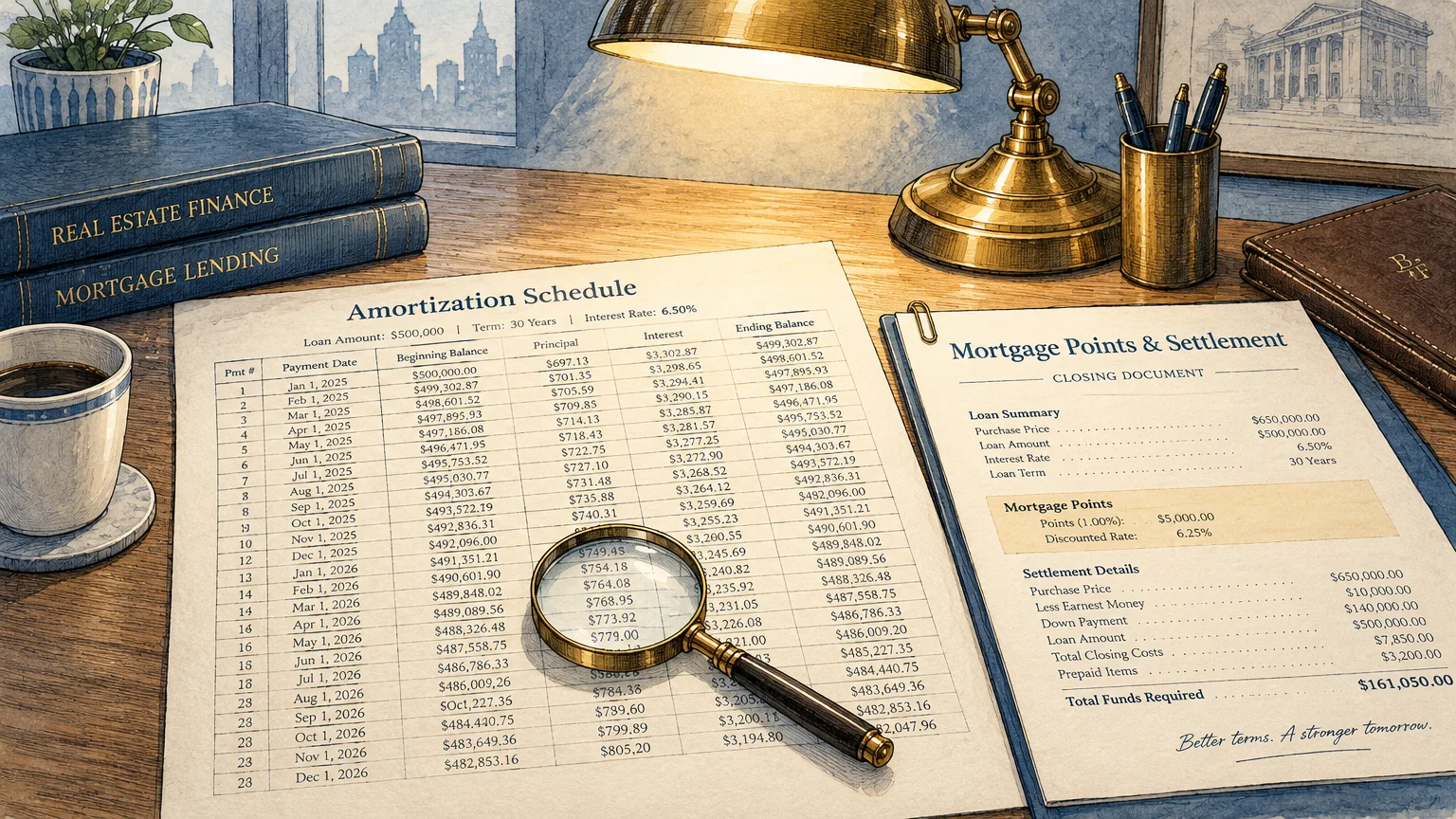
However, if you paid mortgage points during a refinance, you must deduct those points ratably over the life of the loan. Keep the refinancing closing disclosure until you fully deduct all points.
If you pay off that refinanced mortgage early through a subsequent refinance or home sale, remaining unamortized points become immediately deductible. Retain your prior closing statement to claim that remaining deduction.
Keep Form 1098 statements for at least three years from the date you file each return. For loans originated after December 15, 2017, deductions apply only to interest on up to $750,000 of mortgage debt.
Older mortgages originated on or before December 15, 2017, remain grandfathered under the prior $1,000,000 limit. Keep original promissory notes and closing disclosures to prove grandfathered loan qualification during an audit.









To many pop ups this website is tooooo difficult to read!
How long do you have to keep tax returns and accompanying documents if you DON’T own a home?