
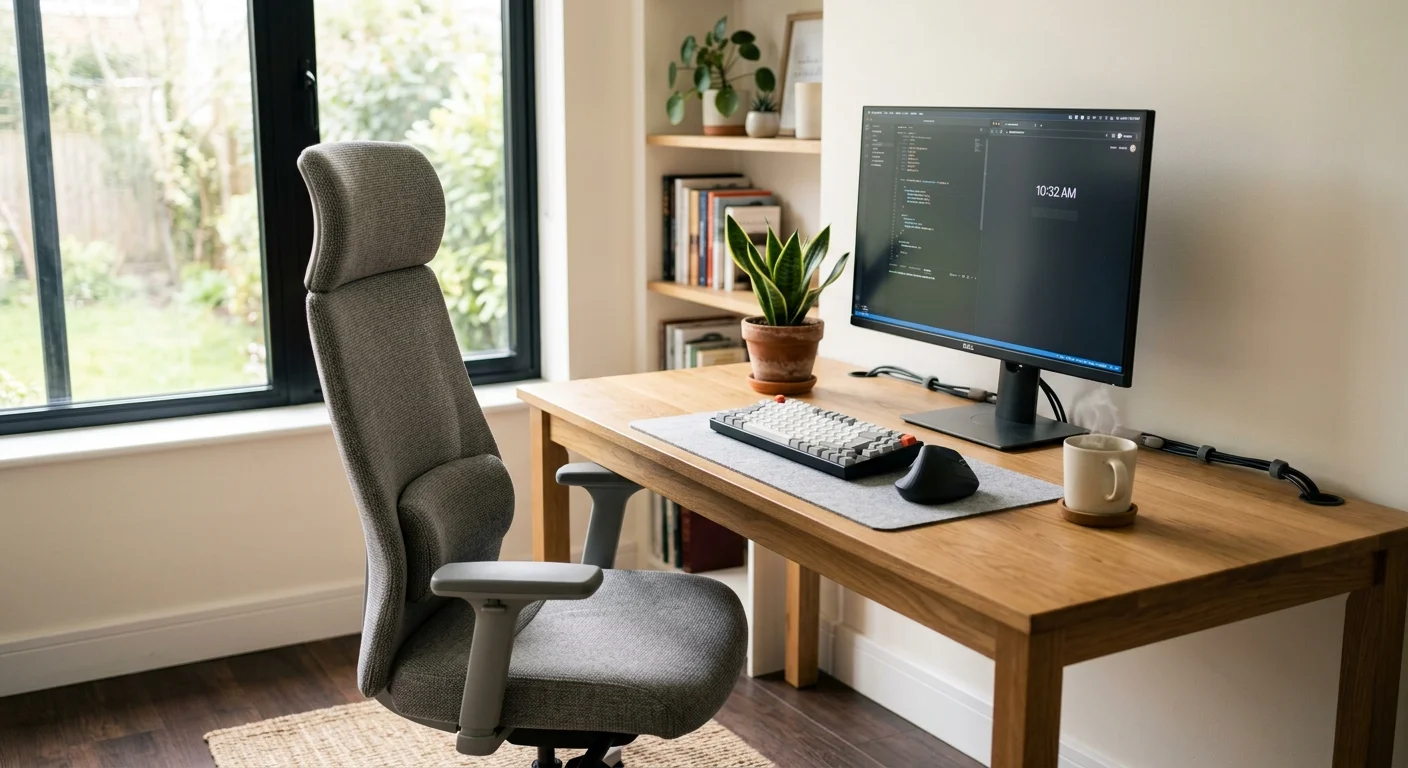
Setting Up Your Home Workspace
Working from home requires more than just a laptop on your kitchen table. To secure and maintain a remote customer service job, you must establish a professional workspace that meets the technical and environmental standards of modern employers.
- Dedicated, Quiet Space: Customer service requires a noise-free background. You need a room with a door that closes to block out barking dogs, televisions, or conversing family members.
- Reliable High-Speed Internet: Most call center software requires a stable connection. Employers often mandate a direct Ethernet connection to your router rather than relying on Wi-Fi, which can drop during a critical customer interaction.
- Quality Audio Equipment: A noise-canceling USB headset is non-negotiable. It ensures you hear the customer clearly and prevents your microphone from picking up ambient room noise.
- Ergonomic Comfort: Do not compromise your physical health. Invest in a supportive office chair and position your monitors at eye level to prevent neck and back strain during your shifts.
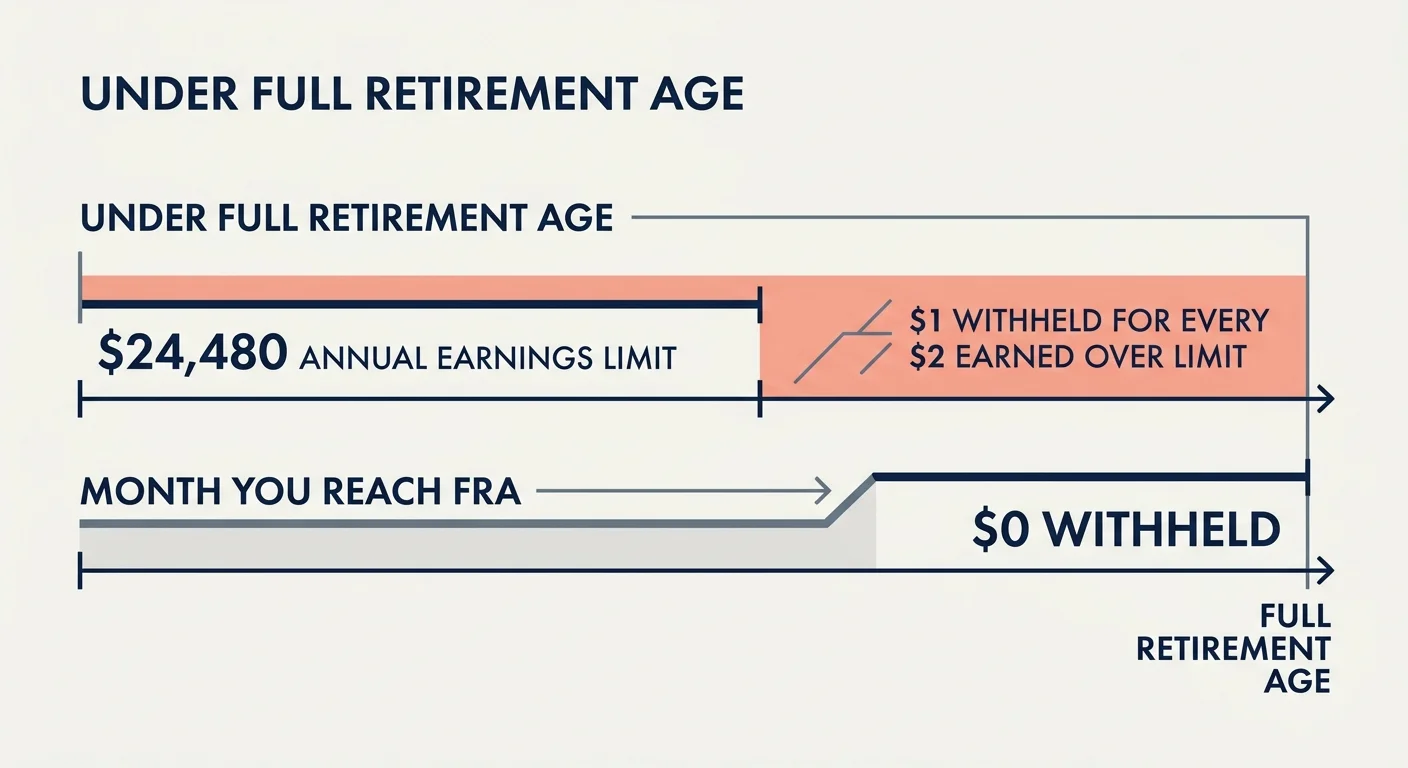
How Remote Income Affects Your Benefits
Before accepting a remote position, you must understand how earned income impacts your retirement benefits. The rules depend entirely on your age and the types of benefits you currently receive.
If you claim Social Security before reaching your Full Retirement Age (FRA) and continue to work, you are subject to the earnings test. The Social Security Administration (SSA) sets an annual earnings limit. If your remote job pushes your income above this threshold, the SSA will temporarily withhold a portion of your benefits. It is crucial to note that this money is not lost forever; once you reach your FRA, your benefit amount is recalculated upward to account for the months your payments were withheld.
Once you reach your Full Retirement Age, the earnings limit disappears entirely. You can earn as much as you want from your remote customer service job without facing any reductions to your monthly Social Security check.
Additionally, keep an eye on your Medicare premiums. High supplementary income could eventually trigger the Income-Related Monthly Adjustment Amount (IRMAA), which increases your Part B and Part D premiums. Monitor your total taxable income carefully and adjust your working hours if you wish to stay below specific tax brackets or IRMAA thresholds.







Are any of these roles in the UK
Is there ever a stage when a retiree is considered “too old” for remote work?
I am seeking a part time position
How do I find part time remote work? I’m interested in healthcare customer service or financial, banking.
I am interested in retirement. I work full time as a financial analyst for a major Disposal company in Austin, Texas.
I would love to do some kind of financial work from home
I m interested.
I am looking for remote work. This article was very encouraging. I’m 65 and husband is retired Navy. We have raised 2 grandsons; one is 19 yrs and the other is 14 yrs. I am homeschooling him. We live on a fixed income. I have worked in human resources, customer service and medical transcription from home. A part-time job for me would be wonderful. Thanks again for this informational article.
I’m actively look for a remote customer service position. I have a fully equipt office ready to begin working.
i would be interested in a virtual assistant position for small business owners. i have a den where i can close off myself from the rest of the house. i can buy some quality headphones for my computers and can be set up in a few days.
I am retired as a Manager of Accounting with a masters degree in accounting and finance. I am looking for a part-time bookkeeping/accounting manager position.
I am looking for remote work in customer service/or virtual assistant.
I am interested in healthcare or receptionist positions.
I am a retired registered nurse (BSN). Tho, I retired 40 yrs ago. I am 72
years old. Healthy.
Please advise.
I’m actively look for a remote customer service position. I have an office ready to begin working.
Life & Health & Medicare License, and Independent Adjuster License
I have over 20 yrs working in customer service both in the military and civilian workplaces. a small company that i would dispatch and assign work to employees and then follow up on thier progress I would prefer a late night shift as im a night person and sleep during the day I worked for company named Crosscountry similar to AAA roadside assistance in all my years and jobs ive had i loved doing that work helping stranded motorist it was the most rewarding work when my shift ended i felt like i actually did something worthwhile. I have a small area set up with my laptop and wired in headset
Looking for part time work from home positions.
I’m interested in learning about remote employment options.
Thank you for the article! Well done.
I’m interested have over 20+ years information technology system
I’m interested in remote opportunities
I am very interested in some type of customer service job as I turn 62 in a few days. I owned a high end catering company for 20 years, was a manager for Williams-Sonoma for several years and have a Masters in counseling with an emphasis on addiction and recovery.
I am retired after twenty-six years or service in the Law enforcement field. I am a retired Chief of a County Sheriff Department. I also have twenty years experience in Retail department store security. I am looking for something where I can combine these two skills from home,
I am interested in remote opportunities. I have a fully functional home office.
how do you apply for this job?
Where are these posted ?
Where do we apply?
Just hearing about this opportunities. Please give me a chance to put in my talent as retired lecturer in science education.
Thank you.
I am interested in a part-time remote job in healthcare. I worked in Ophthalmology for 25 years and retired 3 years ago. I am ready to do more, from home. I do not know where to start or look for these type jobs.
How do you find the company that is hiring for remote work. I have looked for months.
I am interested in a remote part time job. I worked as a translator (English – Spanish) and 21 years in a hardware store.