
Trading the relentless pace of a metropolitan center for a quiet community can immediately stretch your nest egg. You swap crowded sidewalks and surging expenses for open space, calm surroundings, and lower overhead costs.
Choosing a small town reshapes your daily budget, your weekly schedule, and your overall stress levels in noticeable ways. It turns routine errands into relaxed neighborhood interactions rather than frustrating battles with urban congestion.
Evaluating an exit from the city requires clear financial numbers and an honest assessment of your retirement lifestyle goals. Here are eleven compelling advantages you gain when you relocate to a smaller community.
Lower Housing Expenses and Reduced Overhead
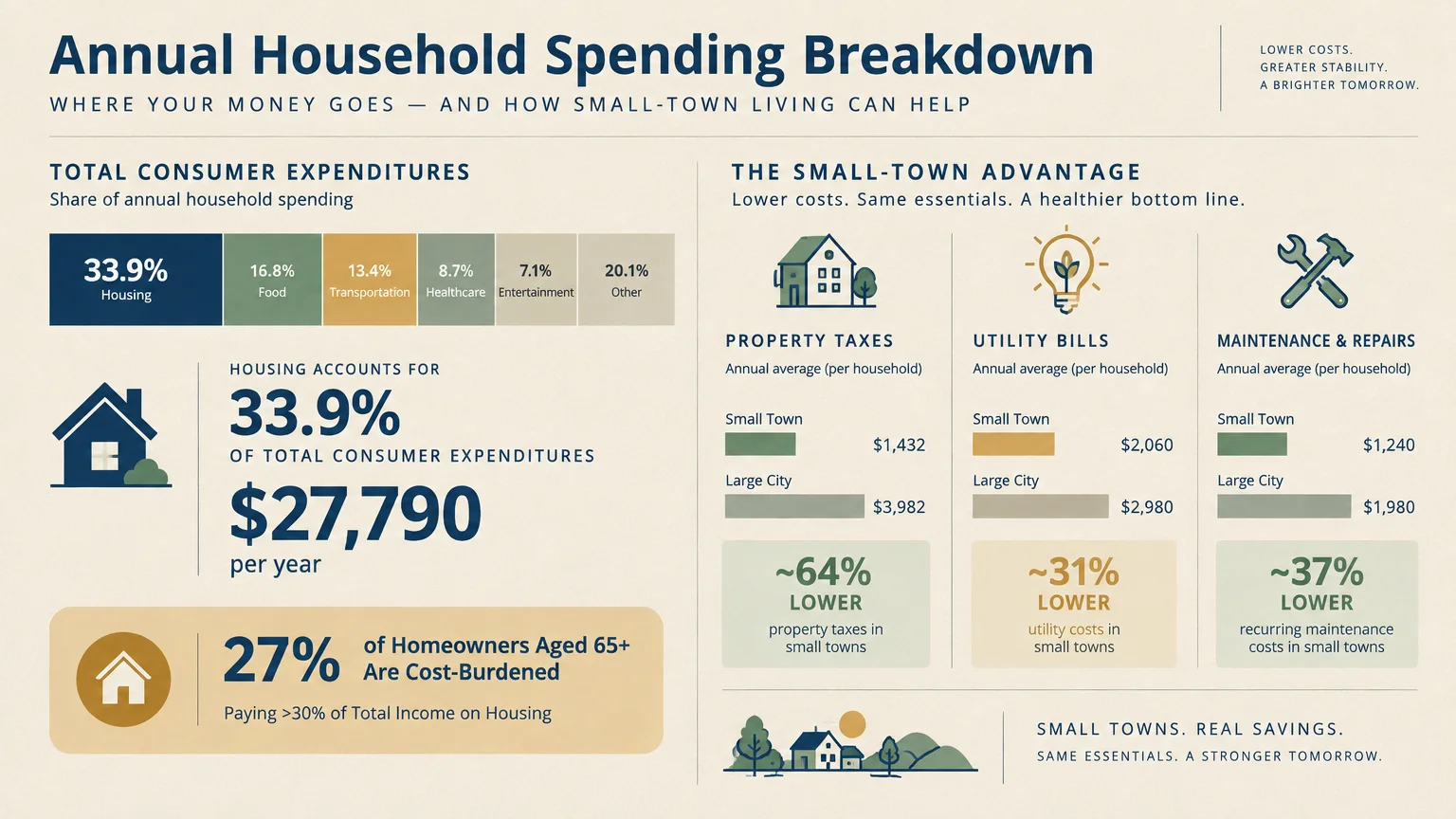
Housing remains the single largest expense facing American households today. According to the Bureau of Labor Statistics Consumer Expenditure Survey, housing accounts for 33.9% of total annual spending.
That percentage equals an average of $27,790 per year across all consumers. Surging city rental rates and inflated home prices make urban centers exceptionally punishing for households on fixed incomes.
Data from Harvard’s Joint Center for Housing Studies indicates that over 27% of homeowners aged 65 and older are cost-burdened. These households dedicate more than 30% of their total income strictly to housing.
Relocating to a small town allows you to purchase more living space for significantly less capital. Your property tax baseline drops, utility structures often moderate, and maintenance requirements become far more manageable.
When you reduce your core shelter overhead, you shield your retirement portfolio against aggressive drawdowns. You can redirect those freed funds toward travel, hobbies, or building an emergency cash reserve.
A Faster Path to Mortgage-Free Living
Entering retirement without a monthly mortgage payment provides unparalleled peace of mind. Small towns provide the price baseline necessary to achieve complete debt freedom quickly.
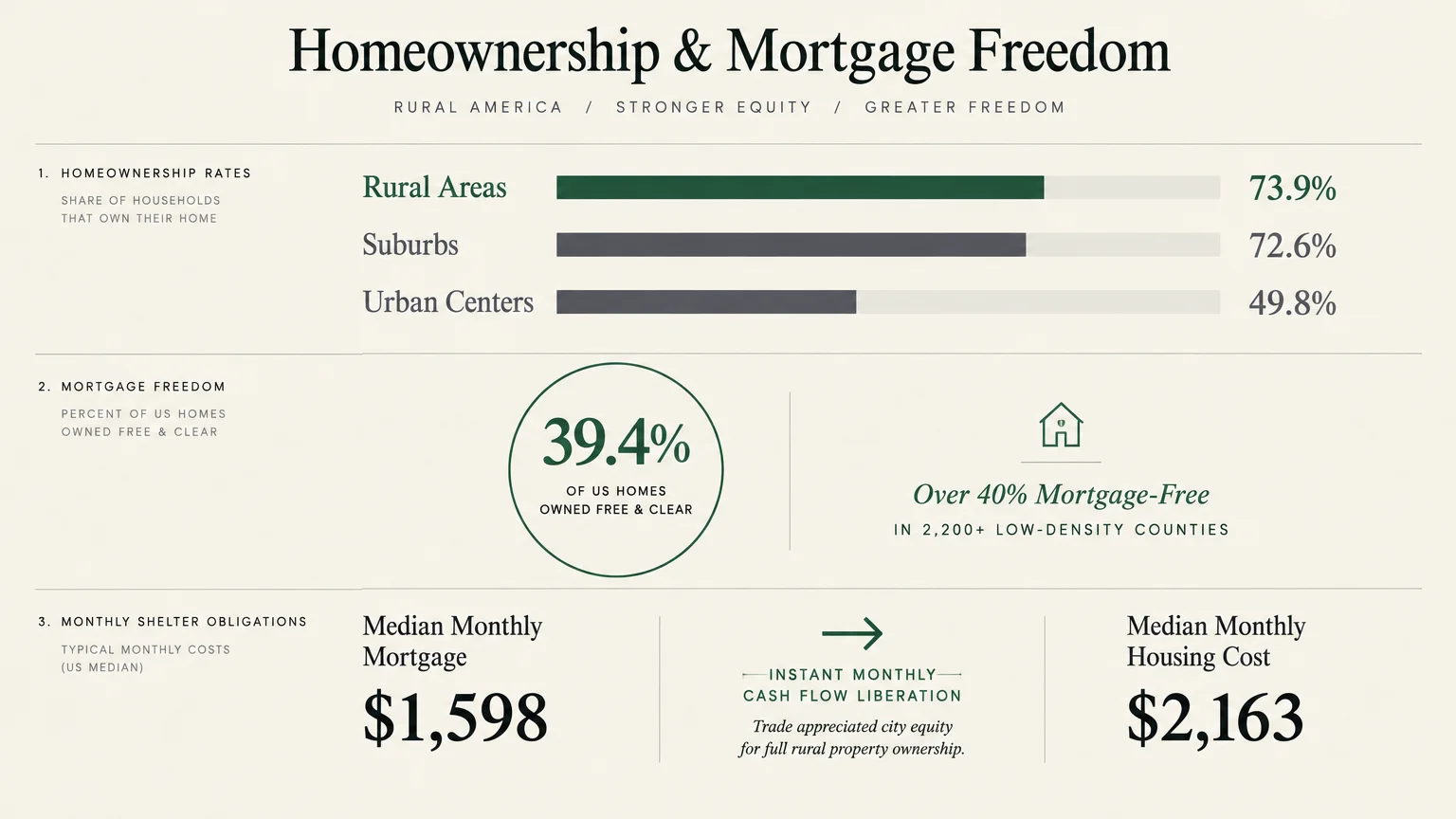
Census Bureau data reveals that homeownership reaches 73.9% in rural areas and 72.6% in suburbs. In sharp contrast, urban homeownership drops down to just 49.8%.
Census estimates show that 39.4% of owner-occupied homes nationally are owned free and clear. In more than 2,200 rural and low-density counties, over 40% of homeowners carry no mortgage at all.
By selling an appreciated urban property, you can frequently purchase a small-town home entirely with cash. That strategic transaction permanently erases your monthly housing debt.
The national median monthly mortgage payment sits at $1,598, with total median monthly housing costs reaching $2,163. Eliminating that recurring liability removes tremendous pressure from your monthly Social Security check.
You gain instant financial resilience against unexpected inflation or sudden market dips. Debt-free homeownership ensures your shelter remains secure regardless of broader economic volatility.
Reclaiming Hours Lost to Traffic Congestion
Urban traffic steals hundreds of hours from retirees who simply want to run errands or visit friends. Small towns restore your calendar by eliminating bumper-to-bumper gridlock entirely.
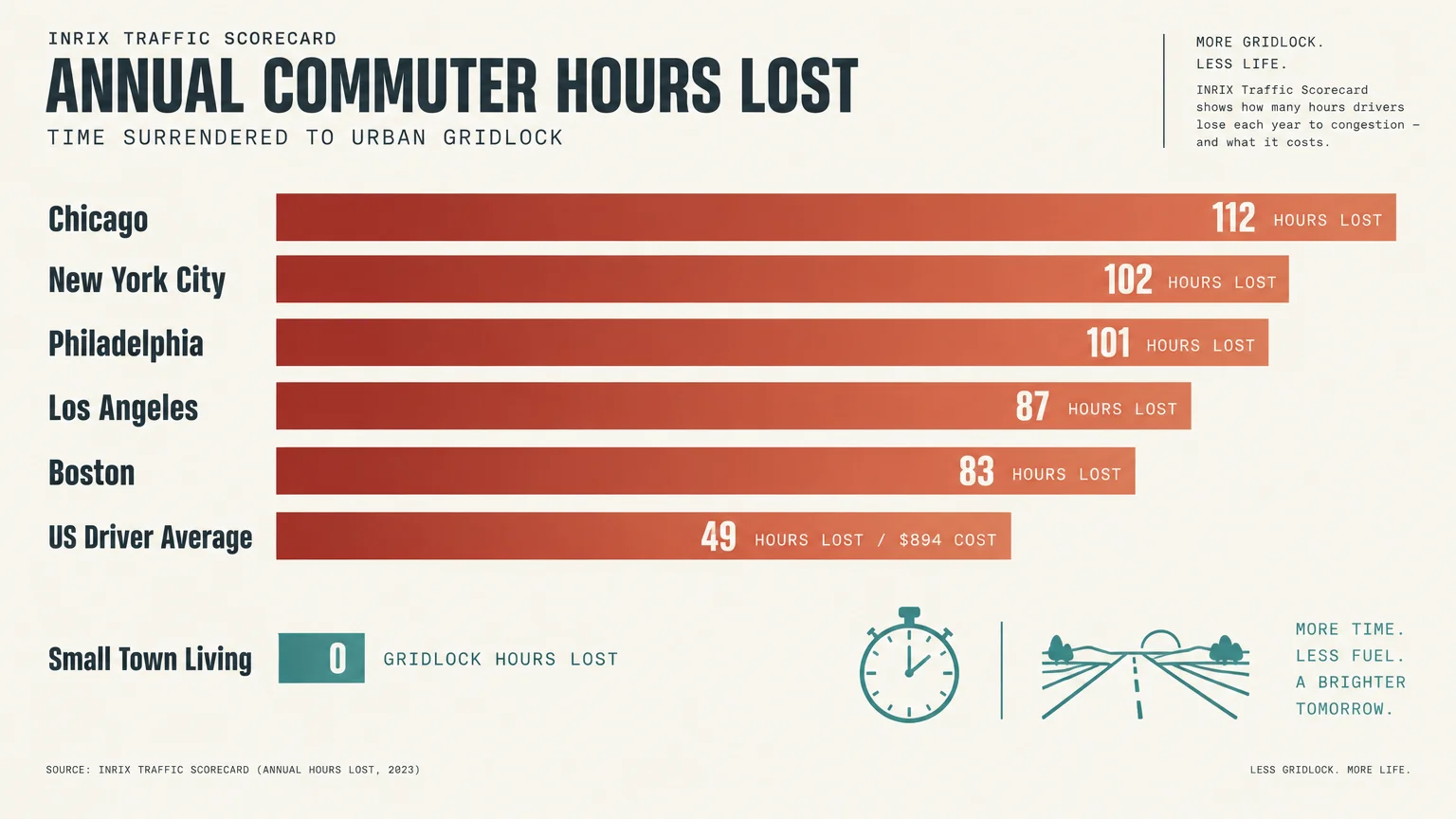
According to the INRIX Global Traffic Scorecard, the typical American driver loses 49 hours each year to traffic congestion. That lost driving time costs motorists an estimated $894 per year.
In major metropolitan hubs, the numbers reach extreme levels. Drivers in Chicago lose 112 hours annually to gridlock, while New York City drivers lose 102 hours.
Motorists in Philadelphia lose 101 hours, Los Angeles drivers surrender roughly 87 hours, and Boston commuters lose 83 hours. Urban traffic congestion increased across 88% of major metropolitan areas.
Small-town life eliminates this constant frustration from your daily routine. The grocery store, post office, library, and pharmacy are typically five to ten minutes away without highway delays.
You consume far less fuel, put fewer miles on your vehicle, and avoid rush-hour stress. Your daily travel shifts from an exhausting chore into a pleasant, predictable excursion.
Lower Property and Auto Insurance Premiums
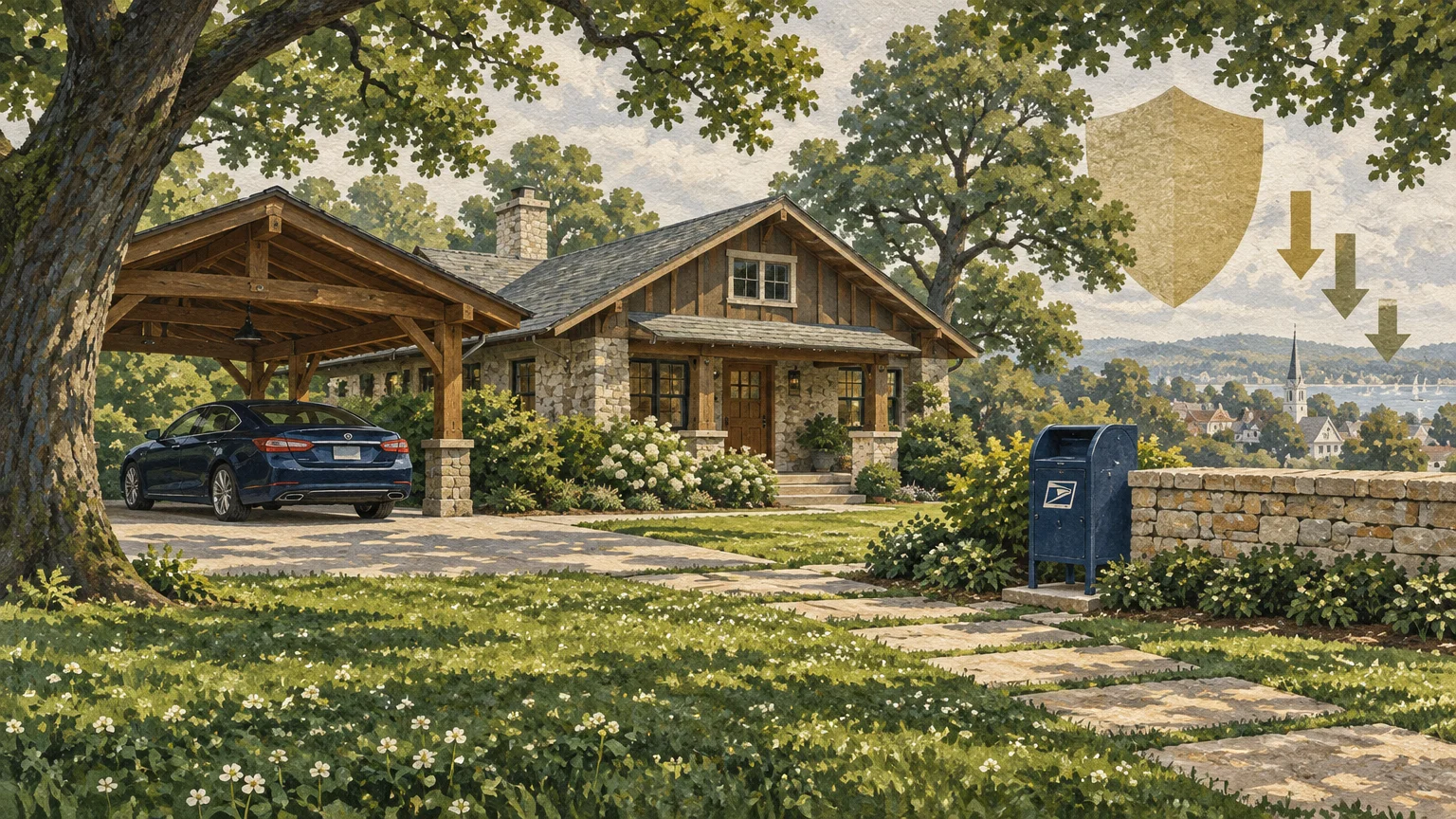
Living in a densely populated urban area exposes your assets to higher collective risks. Insurance underwriters reflect those elevated risks by charging higher annual premiums on homes and vehicles.
City streets feature heavy commuter volume, higher collision rates, and frequent vehicle break-ins. In contrast, smaller communities experience far fewer traffic collisions and reduced rates of property damage.
When you register your vehicle in a rural or small-town zip code, your auto insurer notices. Lower claim frequencies in your immediate area translate into direct savings on comprehensive and collision coverage.
Homeowners insurance follows a similar cost trajectory. Urban properties often carry inflated repair costs due to labor shortages and higher building permit fees.
Reviewing your policy options through resources like the Consumer Financial Protection Bureau helps you budget for these changes. Lower baseline insurance costs preserve your liquid assets year after year.
Reduced Crime Rates and Greater Peace of Mind
Personal safety remains a non-negotiable factor when choosing where to spend your retirement years. Small towns consistently offer lower crime baselines than crowded metropolitan regions.
The Department of Justice National Crime Victimization Survey highlights a sharp geographical divide. Urban residents experience violent and property crime victimization rates more than double those of rural residents.
While the national murder rate dropped 18.1% to 4.1 per 100,000, violent crime remains concentrated in major cities. Smaller communities enjoy lower overall criminal activity and higher community vigilance.
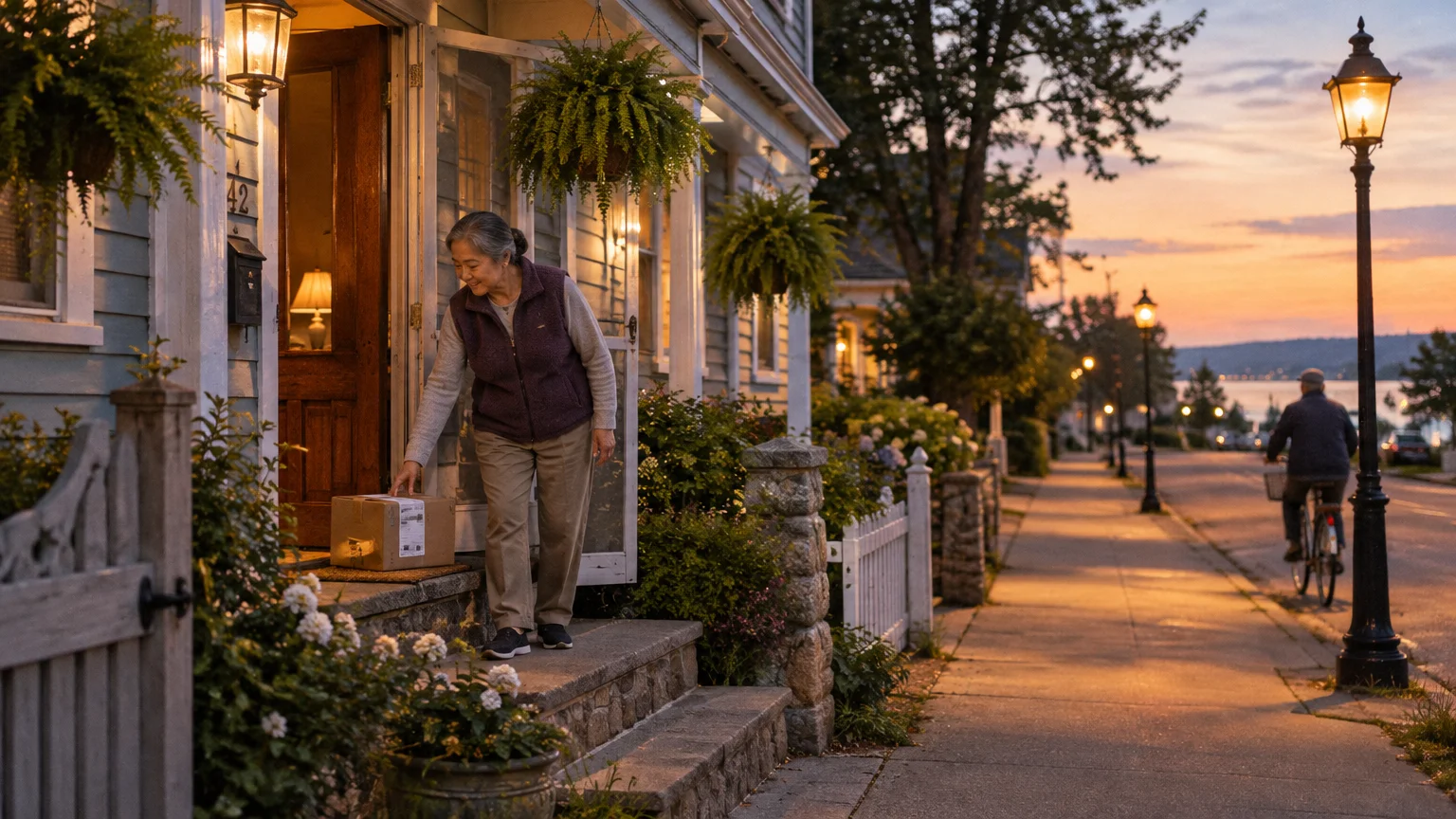
This statistical difference translates into genuine day-to-day comfort. You can take evening walks, leave your porch tools out, and lock your doors without persistent worry.
Lower crime rates also reduce your dependence on complex security systems and surveillance subscriptions. A peaceful physical environment lets you relax without the constant background anxiety common to dense urban neighborhoods.

Stronger Community Connections and Less Isolation
Urban living can feel surprisingly lonely despite being surrounded by millions of people. High population density often breeds personal detachment as residents tune out the crowds around them.
Small towns operate on personal familiarity and shared civic responsibility. You see familiar faces at the farmers market, the hardware store, and the local diner every week.
Neighbors notice when you are away and check on you if your routine changes unexpectedly. This informal social safety net provides vital support as you advance through different stages of aging.
Programs highlighted by the National Council on Aging emphasize that active social networks protect cognitive health. Regular contact with neighbors keeps you mentally engaged and emotionally supported.
Building friendships happens naturally through routine interactions rather than coordinated networking. You become a recognized and valued member of your neighborhood rather than an anonymous apartment number.
“Retirement is not the end of the road, but a fork in the road toward personal reinvention.” — Mitch Anthony, Retirement Lifestyle Author

Immediate Access to Nature and Outdoor Spaces
Living in a major city often means driving through an hour of traffic just to reach a hiking trail. In a small town, natural spaces and scenic views often sit right outside your back door.
You can spend your mornings walking along quiet wooded paths, fishing in clean rivers, or tending a large garden. Easy access to outdoor recreation encourages daily physical movement without requiring a gym membership.
Smaller towns also feature less light pollution, allowing you to enjoy clear night skies from your deck. Clean air and natural surroundings provide a restorative backdrop for your daily routine.
Staying active outdoors helps maintain your mobility and cardiovascular health throughout retirement. When outdoor recreation requires zero logistical planning, you incorporate fresh air into every single day.
Reduced Noise Pollution and Sensory Overload
Metropolitan areas subject your nervous system to constant auditory and visual stimulation. Screaming sirens, rumbling subway trains, construction jackhammers, and blaring car horns define city life.
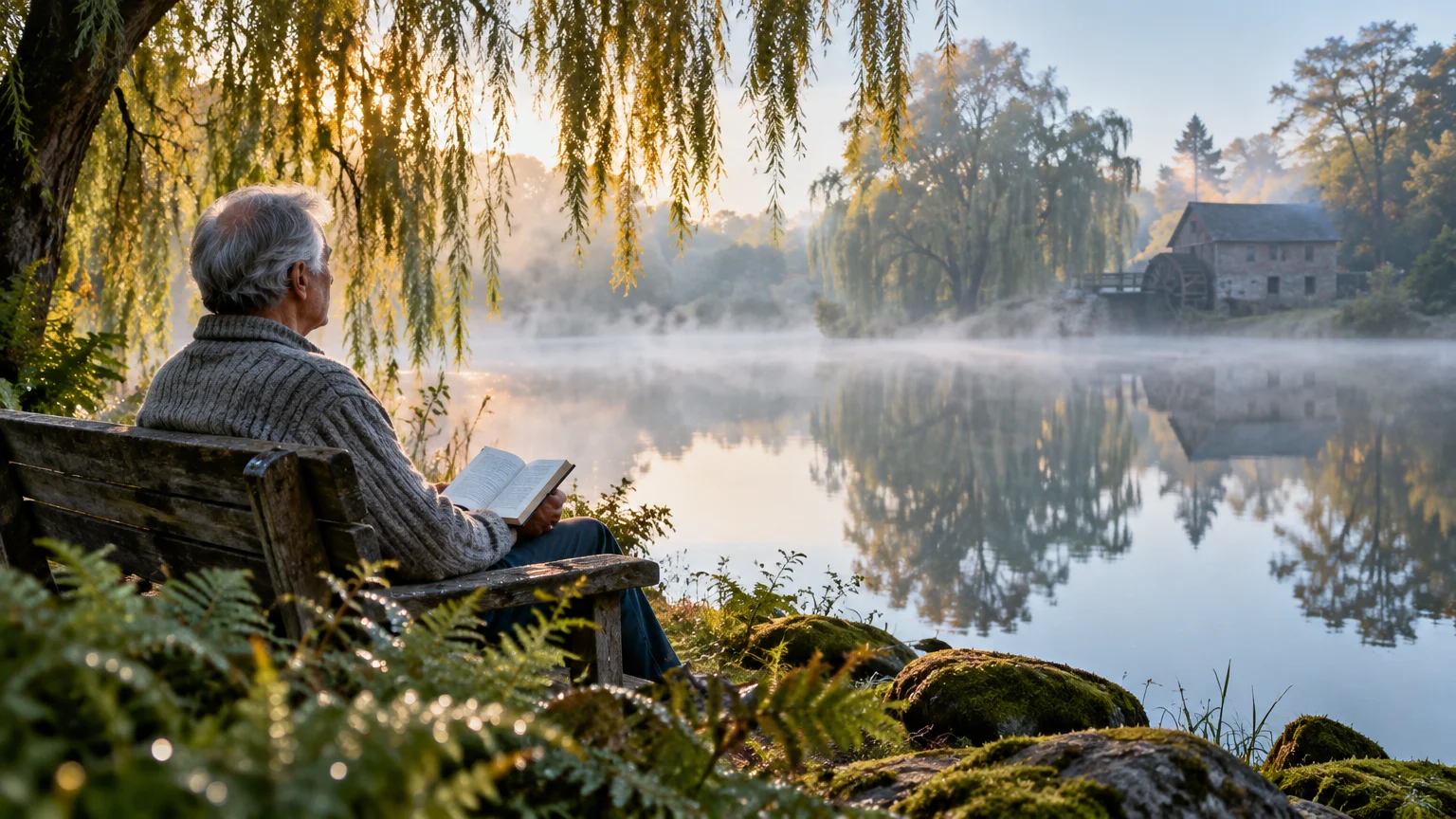
Chronic exposure to elevated environmental noise can increase stress hormones and disrupt healthy sleep patterns. In contrast, smaller towns deliver genuine ambient silence after the sun goes down.
You replace industrial clamor with the sound of wind in the trees and songbirds at your feeder. Restful sleep improves memory consolidation, immune function, and daytime emotional resilience.
Ditching sensory overload allows your nervous system to downshift after decades in high-stress work environments. That quiet backdrop makes reading, writing, and resting far more rewarding.
Accessible Opportunities for Civic Engagement
Volunteering in a large city can sometimes feel like pouring a cup of water into an ocean. In a small town, your personal contributions create visible, lasting improvements across the community.
Local historical societies, library boards, food pantries, and youth programs actively seek experienced adult leadership. Retirees bring decades of administrative, financial, and practical knowledge that rural non-profits desperately need.
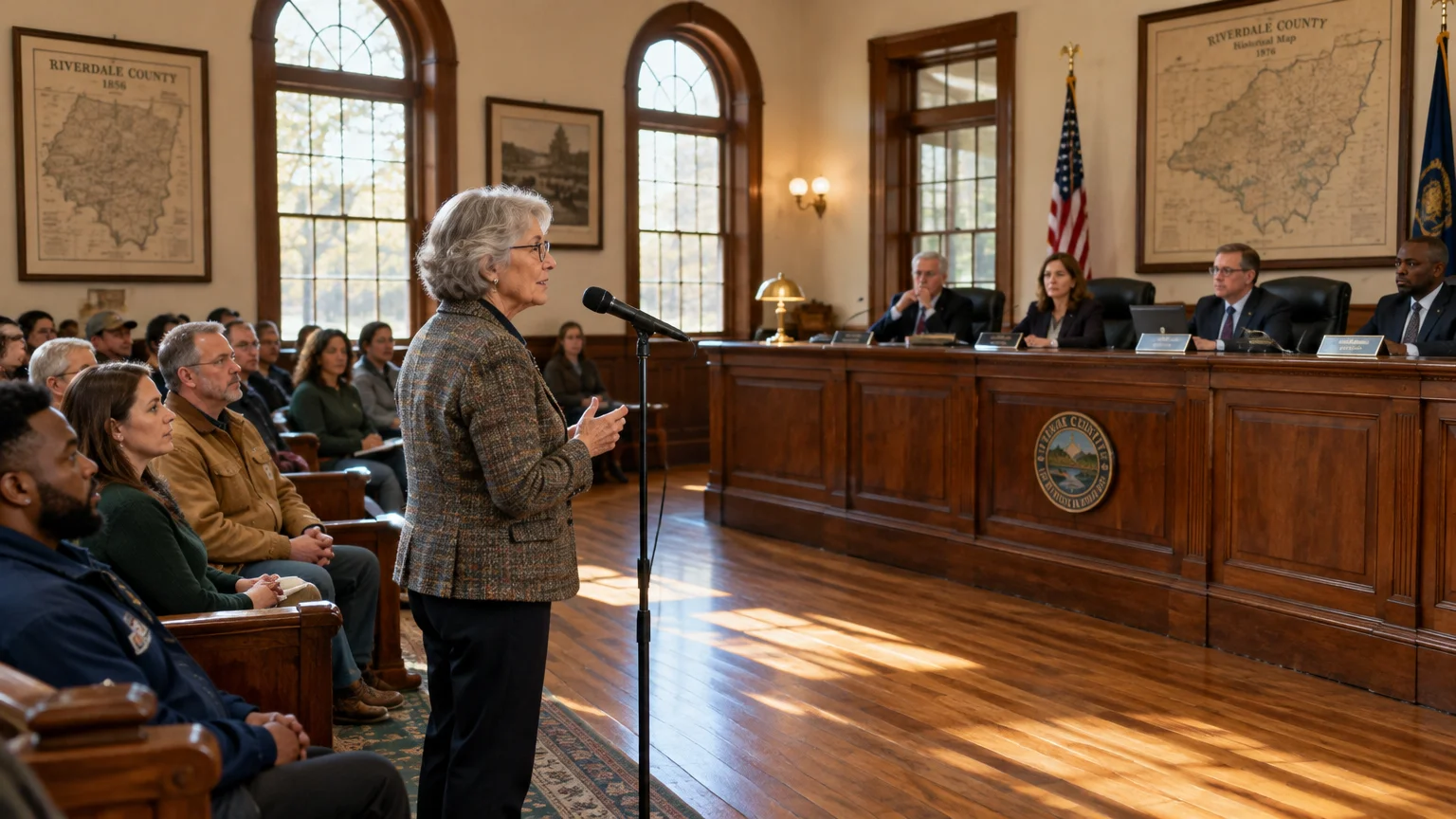
You can serve on the town zoning board, assist with community garden projects, or mentor local students. Your voice carries weight at town council meetings where policies directly affect your neighborhood.
Organizations like AARP emphasize the mental health benefits of purposeful community volunteering. Meaningful civic work gives your retirement weeks structure, focus, and deep personal satisfaction.
A Healthier, Unrushed Daily Rhythm
The frantic pace of corporate life often spills over into metropolitan retirement. Long lines, crowded public transit, and rushed service workers create an unspoken expectation of constant hurry.
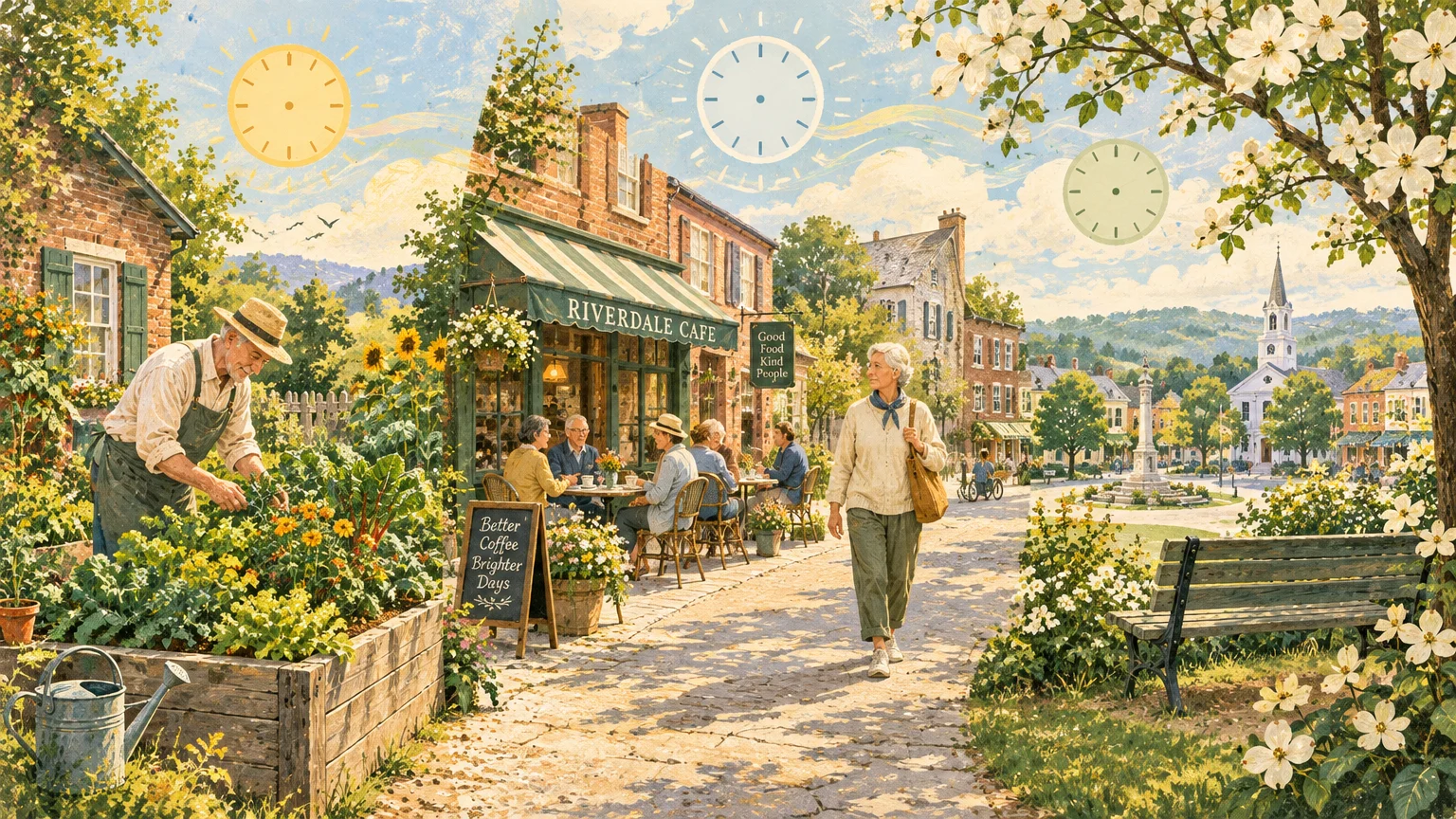
Small towns deliberately move at a more humane, deliberate tempo. Clerks take the time to chat, drivers yield courteously at intersections, and appointments proceed without frantic delays.
You no longer have to schedule your day around avoiding morning or evening rush hours. You can linger over a cup of coffee on your porch without worrying about missed trains or booked parking spots.
Slowing down your daily tempo lowers chronic blood pressure and reduces decision fatigue. You gain the freedom to manage your schedule entirely on your own terms.

Direct Relationships with Local Service Providers
Securing reliable home repairs or automotive service in a major city often involves anonymous corporate booking platforms. You rarely interact with the business owner, and pricing can be unpredictable.
Small-town commerce relies on personal accountability, reputation, and word-of-mouth recommendations. You get to know your mechanic, plumber, electrician, and banker on a first-name basis.
Because reputation is paramount in a small community, service providers take personal pride in doing honest work. If an issue arises with a repair, you can speak directly with the person who performed the job.
Financial education resources on Investopedia frequently emphasize the value of trusted local business networks. Developing long-term relationships with local tradespeople protects your home investment and prevents service gouging.
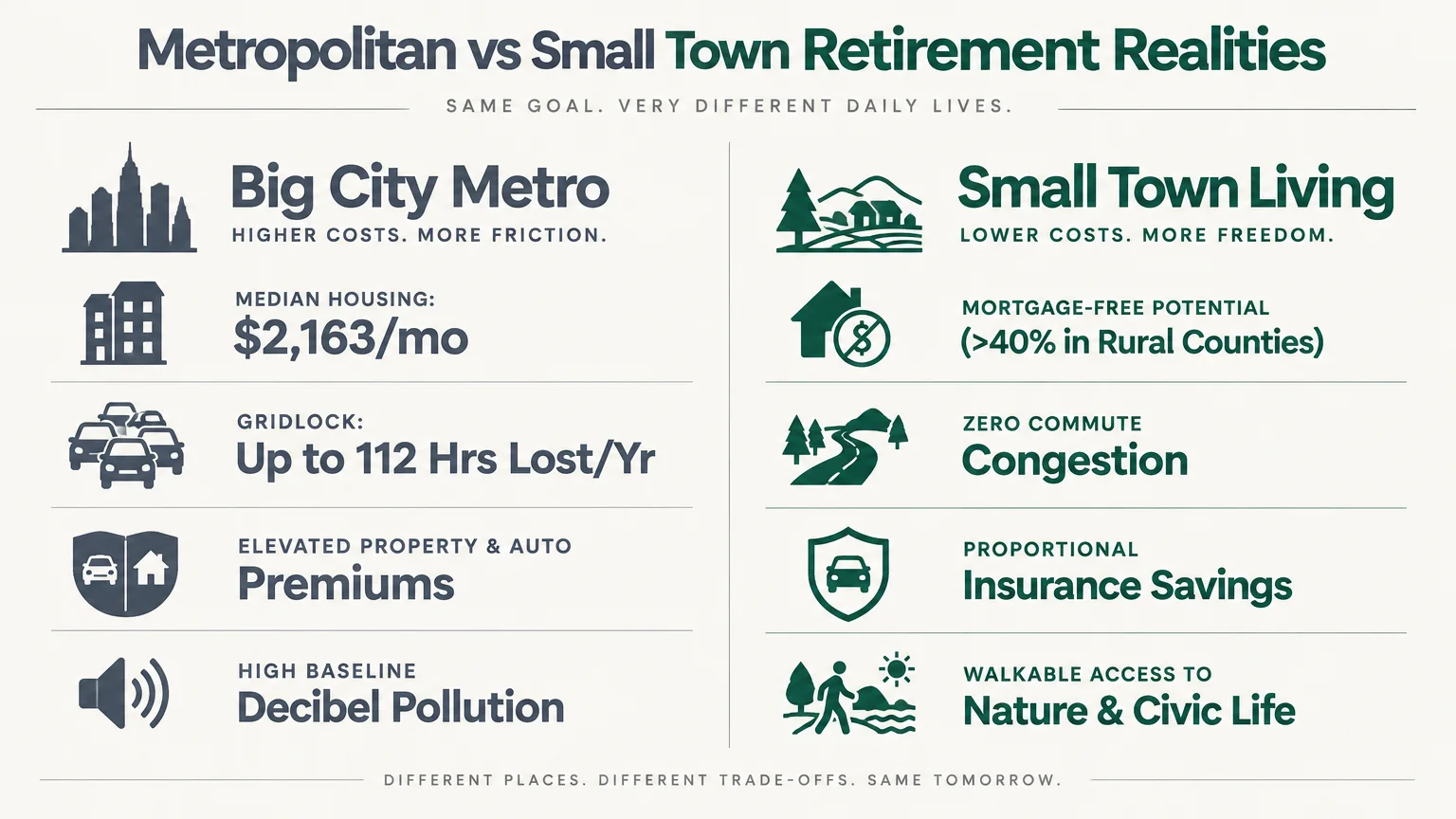
Comparing Small Town and Big City Retirement Realities
Weighing a potential move requires looking at concrete trade-offs between dense urban environments and smaller communities. Review the comparison below to evaluate how your lifestyle priorities align with each setting.
| Metric / Lifestyle Factor | Big City Retirement | Small Town Retirement |
|---|---|---|
| Housing Overhead | High property values; median housing costs reach $2,163/month. | Substantially lower home costs; higher mortgage-free ownership. |
| Traffic and Commuting | Drivers lose 49–112 hours annually to severe gridlock. | Minimal traffic friction; errands require 5–10 minutes. |
| Homeownership Baseline | Urban homeownership rate sits at just 49.8%. | Rural and suburban ownership rates exceed 72% to 73%. |
| Crime Victimization Risk | DOJ data shows urban rates more than double rural areas. | Significantly lower rates of violent and property crimes. |
| Community Pacing | Fast-paced, anonymous, and crowded daily environment. | Relaxed, relational tempo with higher civic familiarity. |
| Access to Open Nature | Requires extensive travel through urban traffic corridors. | Immediate access to trails, waterways, and quiet landscapes. |
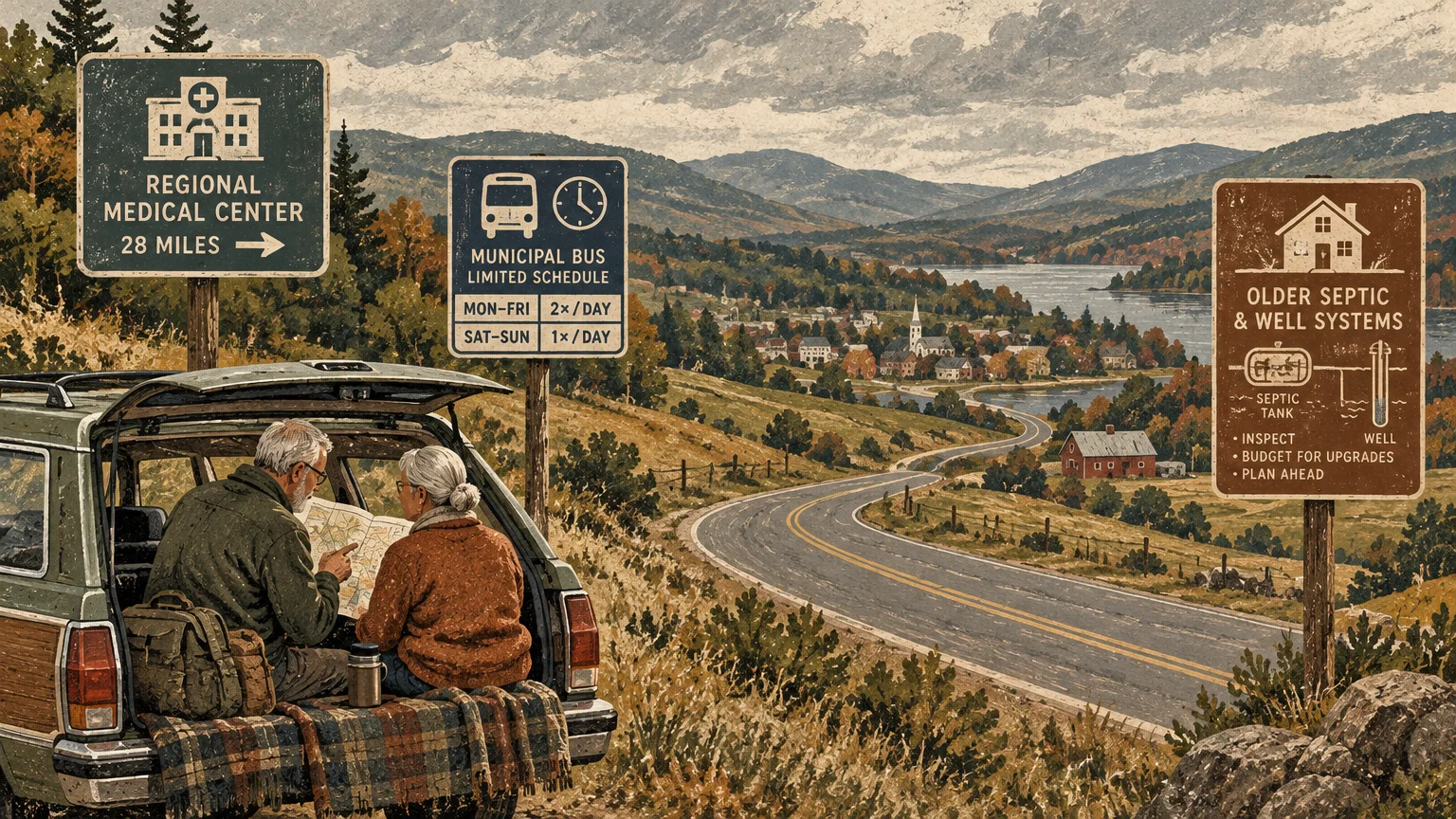
Pitfalls to Watch For When Relocating
While small-town living offers immense financial and emotional benefits, moving without adequate preparation can lead to frustration. You must evaluate the potential drawbacks before listing your current home.
Healthcare accessibility represents the most critical challenge for aging adults in rural locations. Small towns usually feature primary care clinics, but specialized medical care often requires driving to a regional hub.
If you require regular visits to a cardiologist, oncologist, or rheumatologist, check travel distances first. Ensure the local hospital maintains a reliable emergency department and adequate ambulance coverage.
Public transportation is virtually nonexistent in most small American towns. If physical limitations eventually prevent you from driving, you will need a support network or private ride services.
Cultural offerings and dining options will also be more limited than in a major metropolitan center. You swap Michelin-starred restaurants and Broadway touring productions for local bistros and community theater groups.
High-speed internet availability can vary significantly once you leave major urban corridors. Confirm broadband speeds at any prospective property if you rely on telehealth visits or streaming entertainment.
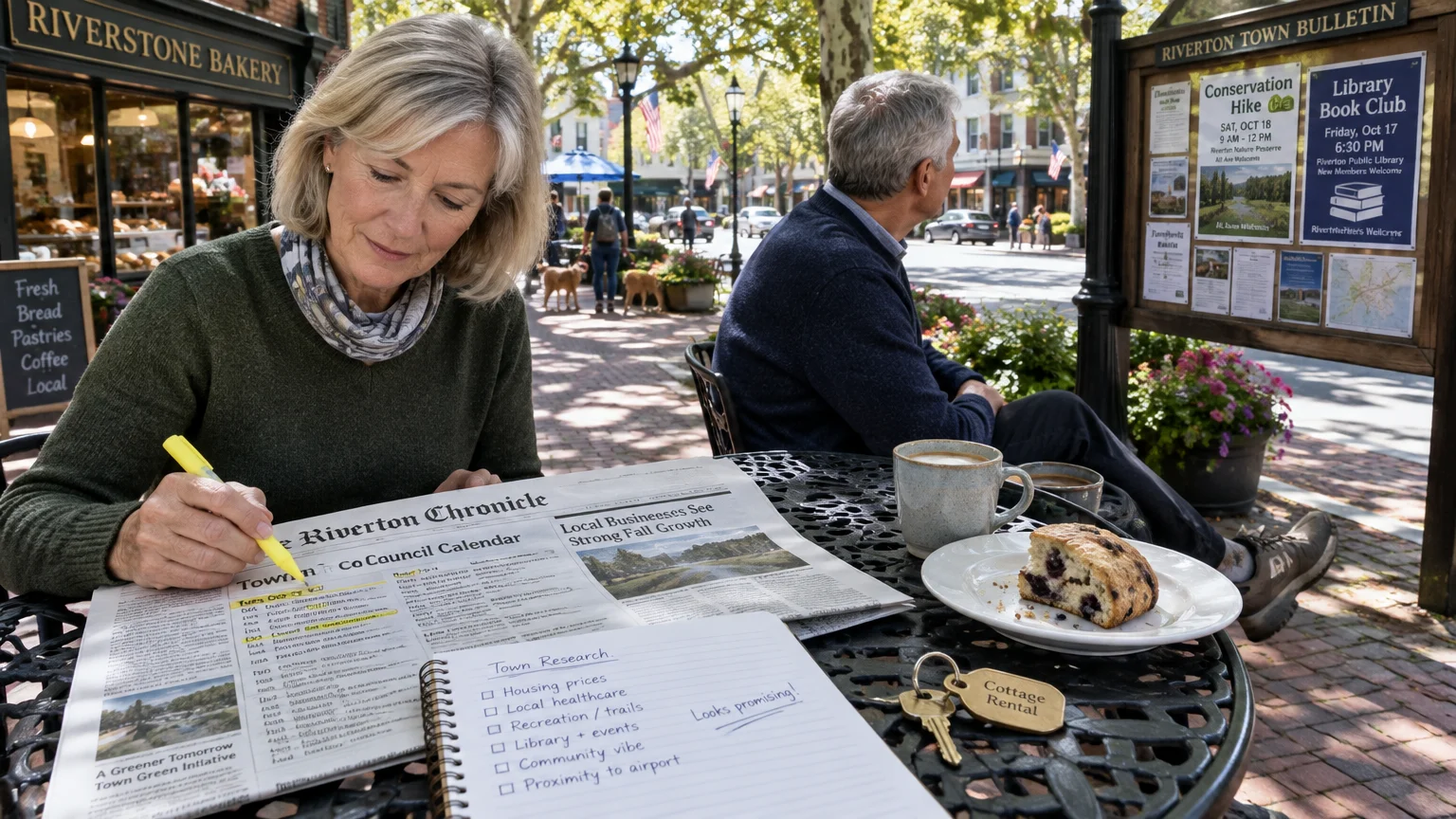
How to Test-Drive a Small Town Before You Pack
Never purchase a retirement home in an unfamiliar town based solely on a weekend vacation visit. Follow a systematic process to verify that the community matches your day-to-day expectations.
- Rent for an extended stay: Book a furnished rental for four to eight weeks during the off-season. Experiencing bad weather and quiet months reveals the real daily atmosphere of the area.
- Audit the local healthcare system: Visit the local medical clinic and pharmacy in person. Ask residents about wait times for routine appointments and ambulance response times.
- Track routine living costs: Shop at the local grocery store and hardware supplier to assess pricing. Verify municipal utility rates and trash collection fees with local offices.
- Attend municipal and civic meetings: Sit in on a town council or school board session. Listening to public debates shows you how the town manages growth and infrastructure.
- Engage with the local community: Strike up conversations at local coffee shops, libraries, and churches. Ask residents what they enjoy most and what services they wish the town offered.
Frequently Asked Questions About Small Town Retirement
Can you find quality healthcare in a small retirement town?
Most small towns maintain excellent primary care clinics, family doctors, and urgent care facilities. However, specialized medical treatments often require traveling 30 to 60 minutes to larger regional medical centers.
Before moving, map the distance to the nearest comprehensive hospital system. Retirees with complex chronic health conditions should verify that their specialist networks remain reasonably accessible.
How do you build a new social circle in an unfamiliar community?
Join established civic organizations, hobby groups, local library boards, or community volunteer projects. Small communities thrive on volunteer support, making helpful newcomers welcome almost immediately.
Attending local council meetings, farmers markets, and neighborhood gatherings accelerates your integration. Consistency and friendliness are the two most effective tools for building lasting local friendships.
Will moving to a small town always lower your property taxes?
While small-town home assessments are generally lower, tax rates vary widely depending on state and county policies. Some rural counties impose higher local millage rates to fund necessary road maintenance and emergency services.
Always examine the exact property tax history of a home before making an offer. Check whether the county offers senior property tax freezes or homestead exemptions to lower your annual bill.
What happens when you can no longer drive your own car?
Losing driving privileges in a rural area creates serious mobility challenges due to the absence of subways or bus lines. You must plan for this transition well in advance of experiencing health changes.
Look for towns with walkable downtown cores where groceries, pharmacies, and banks sit close together. Investigate whether the county senior center provides scheduled shuttle services for medical appointments and shopping.
Taking the First Step Toward a Quieter Retirement
Downsizing from a bustling city to a peaceful small town can transform your retirement lifestyle and stabilize your financial future. Slashing housing costs, avoiding traffic gridlock, and joining a close-knit community deliver measurable everyday benefits.
Begin by identifying two or three potential regions that align with your financial targets and personal interests. Plan an extended off-season visit to experience daily life beyond the surface appeal of tourism.
This article provides general retirement education and information only. Every retiree’s situation is unique—what works for others may not work for you. For personalized advice, consider consulting a qualified financial professional such as a CFP or CPA.
Last updated: October 2026. Retirement benefits, tax rules, and healthcare regulations change frequently—verify current details with official sources.









Leave a Reply