
Stepping away from a full-time career leaves many retirees craving intellectual engagement and a reliable supplementary income without the grueling commute. Remote customer service roles offer an ideal solution, allowing you to leverage decades of communication skills and life experience directly from your living room. Companies actively recruit older adults because they value the patience, empathy, and problem-solving abilities that only come with time. Whether you want to fund travel plans, offset rising healthcare costs, or maintain a structured routine, flexible work-from-home jobs provide financial padding without sacrificing your newfound freedom. The market for mature talent is expanding rapidly, presenting numerous opportunities to secure a role that seamlessly fits your schedule and technological comfort level.

The Essentials: What You Will Learn
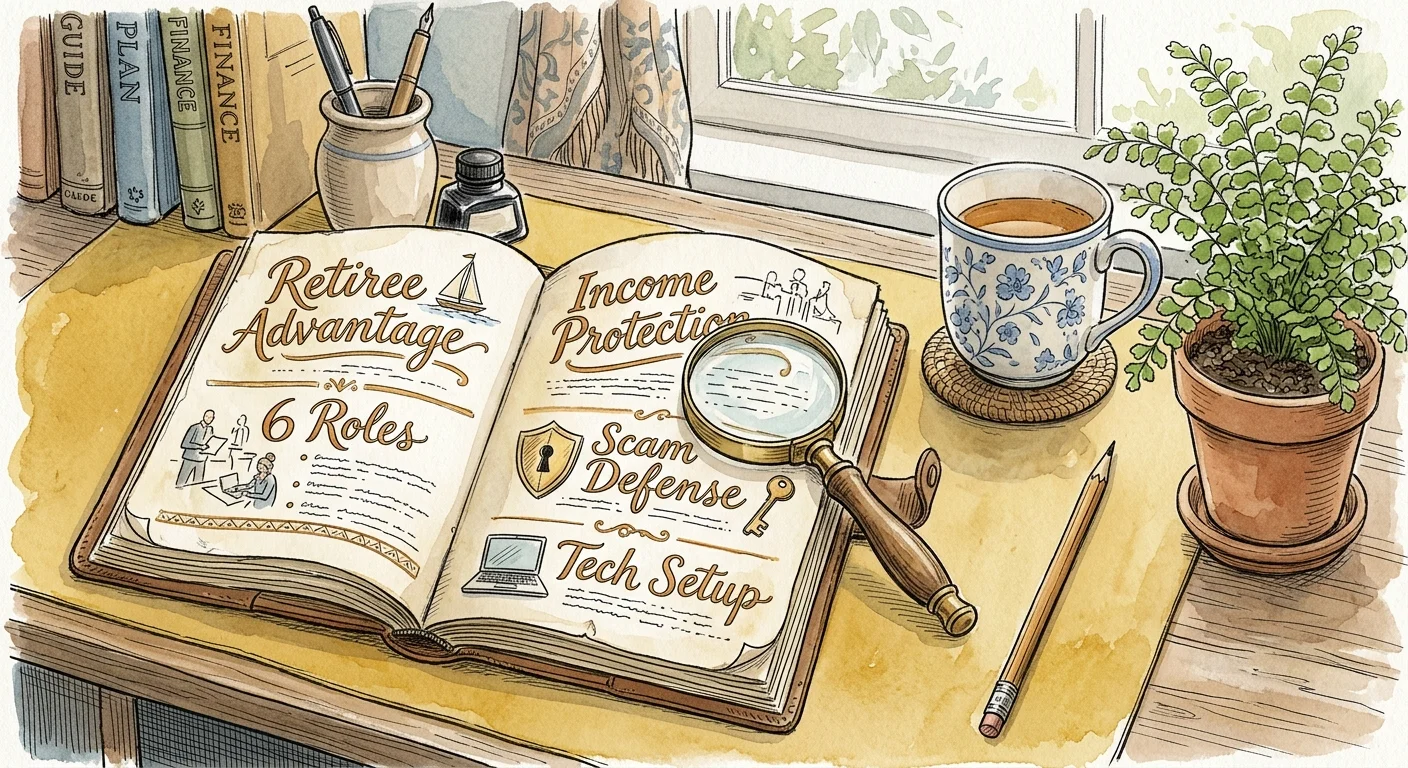
- The Retiree Advantage: Why corporations specifically seek out older adults for complex customer service roles.
- Top 6 Remote Roles: A breakdown of actively recruiting industries, from telehealth to financial services.
- Income Protection: How to earn a part-time income without jeopardizing your Social Security benefits.
- Scam Defense: Practical strategies to identify and avoid fraudulent work-from-home job postings.
- Tech Setup: The basic equipment and environment you need to succeed in a remote position.


Why Employers Want Your Experience
Corporate hiring managers recognize a distinct difference between a twenty-something entry-level worker and a seasoned professional. Customer service requires emotional intelligence, de-escalation skills, and the ability to listen actively—traits that naturally develop over decades of life experience. When an anxious customer calls about a delayed prescription or a missing bank deposit, they do not want to speak with someone reading rigidly from a script; they want a steady, empathetic voice on the other end of the line.
Employers actively recruit retirees for remote roles because older adults bring unparalleled reliability to the workforce. You have already navigated workplace politics, managed complex household budgets, and learned how to communicate effectively across different generations. Furthermore, retirees often seek part-time or flexible schedules that align perfectly with the fluctuating volume demands of modern call centers and support hubs. Companies save money on office overhead while gaining access to a highly dependable talent pool.
“Working a few extra years, even part-time, does more than boost your current income—it drastically reduces the number of years your portfolio has to support you.” — Suze Orman, Personal Finance Expert

1. Healthcare and Telehealth Patient Coordinators
The rapid expansion of telemedicine has created a massive demand for remote patient coordinators. In this role, you act as the first point of contact for patients calling to schedule virtual appointments, request prescription refills, or ask basic questions about clinic hours and services. Because you deal with individuals who may be sick, confused, or anxious about their health, empathy is your most valuable asset.
Patient coordinators typically use specialized scheduling software and must adhere to strict patient privacy laws (HIPAA). Companies provide comprehensive training on these systems before you ever take a live call. Many retirees find this work deeply fulfilling because it allows them to directly help others navigate the complex healthcare system.
If you have previous experience in medical billing, nursing, or clinical administration, you can command a premium hourly rate. However, a medical background is rarely required for entry-level coordinator roles; a professional demeanor and a willingness to learn are usually sufficient.

2. Financial Services and Banking Support
Banks, credit unions, and fintech companies frequently hire remote representatives to handle account inquiries, report lost credit cards, and assist with fraud prevention. Financial support roles require a high degree of accuracy and a calm temperament. When a customer discovers unauthorized charges on their account, they panic. Your life experience allows you to reassure them, walk them through the security protocol, and resolve the issue efficiently.
Financial service providers offer some of the most stable remote positions available, often providing excellent initial training on their proprietary banking software. Because these institutions operate under strict federal regulations, they value the integrity and attention to detail that older workers naturally possess.
For more information on consumer financial protection and the types of issues customers face, you can explore resources from the Consumer Financial Protection Bureau (CFPB). Understanding common financial concerns gives you a distinct advantage during the interview process.

3. Travel and Hospitality Booking Agents
If you love planning vacations and exploring new destinations, working as a remote travel agent or hospitality support representative offers unique benefits. Major airlines, cruise lines, and international hotel chains employ thousands of remote workers to handle reservations, process cancellations, and rebook flights during weather delays.
Travel support can be fast-paced, especially during holiday seasons or severe weather events. You must remain composed while navigating multiple computer screens to find alternate routes for stranded travelers. The major draw for this industry is the compensation package; many airlines and cruise operators offer significant travel discounts or free standby flights to their remote employees. This perk perfectly complements a retirement lifestyle focused on exploration and family visits.

4. Specialized Retail and E-commerce Support
Retail customer service has evolved far beyond the traditional catalog order-taker. Today, niche e-commerce brands, high-end catalog retailers, and massive online marketplaces hire remote workers to manage orders, track lost packages, and process returns. These roles often require you to communicate via phone, email, and live text chat.
Retail support offers incredible flexibility. Many companies hire seasonal remote workers to handle the surge in holiday shopping from October through January. If you only want to work a few months out of the year to generate extra cash for holiday gifts or winter property taxes, seasonal retail support provides the perfect avenue. Conversely, if you prove reliable during the seasonal rush, companies frequently offer permanent part-time positions.

5. Senior-Focused Tech and Service Support
Technology companies that design products specifically for older adults—such as simplified smartphones, medical alert systems, and accessible computers—prefer to hire mature customer service representatives. Peer-to-peer support is highly effective; a 75-year-old customer struggling to set up a new tablet often prefers speaking to someone who understands their specific frustrations rather than a younger representative who might rush through the instructions.
In these roles, patience takes precedence over technical wizardry. You do not need to be a software engineer to succeed; you simply need to know how to follow a troubleshooting guide step-by-step and explain processes clearly without using confusing industry jargon. Helping your peers stay connected with their families provides a strong sense of daily purpose.

6. Virtual Receptionists for Small Businesses
Law firms, real estate agencies, and plumbing contractors cannot always afford full-time, in-house receptionists. Instead, they contract with virtual receptionist services. As a virtual receptionist, you might answer calls for a dozen different small businesses throughout your shift. The software on your screen instantly displays the name of the company the customer is calling, along with a specific script for you to follow.
You will take messages, schedule consultations on digital calendars, and filter out spam calls. This role requires excellent multitasking skills and a consistently warm, professional telephone voice. Because you interact with a wide variety of businesses and customers, the work rarely feels monotonous. Many virtual receptionist companies offer part-time shifts that fit perfectly around your morning golf game or afternoon grandchildren duties.

Comparing Your Remote Job Options
Review the table below to compare the typical requirements and benefits of these remote customer service roles. Pay ranges vary based on your location, experience, and the specific employer.
| Job Category | Schedule Flexibility | Tech Requirements | Primary Benefit |
|---|---|---|---|
| Healthcare & Telehealth | Moderate (Set shifts) | High privacy setup (HIPAA) | Deep sense of purpose |
| Financial Services | Moderate (Set shifts) | Dual monitors often required | Stable hours and good pay |
| Travel & Hospitality | High (24/7 operations) | Standard internet speed | Travel discounts and perks |
| Retail & E-commerce | Very High (Seasonal available) | Standard equipment | Short-term commitments |
| Senior Tech Support | High (Flexible hours) | Basic troubleshooting skills | Peer-to-peer connection |
| Virtual Receptionist | Moderate (Business hours) | Quiet environment essential | Task variety and engagement |

What Can Go Wrong: Avoiding Remote Work Scams
The surge in remote work opportunities has unfortunately spawned a parallel surge in employment scams targeting older adults. Cybercriminals know that retirees are actively seeking flexible income, and they design sophisticated fake job postings to steal your personal information or your money.
Protect yourself by recognizing the glaring red flags of a remote job scam. Legitimate employers will never ask you to pay for your own background check, nor will they require you to purchase software or equipment from a specific vendor using a “company check” they send you in advance. This is known as a fake check scam; the check ultimately bounces, leaving you responsible for the funds you transferred to the bogus equipment vendor.
Furthermore, professional companies conduct interviews via standardized platforms like Zoom, Microsoft Teams, or direct phone calls. If a recruiter insists on interviewing you solely through text-based apps like Telegram or WhatsApp, immediately cease communication. Research every prospective employer thoroughly. Cross-reference their job postings with resources provided by reputable organizations like AARP, which maintains a robust job board specifically vetted for older workers.

Setting Up Your Home Workspace
Working from home requires more than just a laptop on your kitchen table. To secure and maintain a remote customer service job, you must establish a professional workspace that meets the technical and environmental standards of modern employers.
- Dedicated, Quiet Space: Customer service requires a noise-free background. You need a room with a door that closes to block out barking dogs, televisions, or conversing family members.
- Reliable High-Speed Internet: Most call center software requires a stable connection. Employers often mandate a direct Ethernet connection to your router rather than relying on Wi-Fi, which can drop during a critical customer interaction.
- Quality Audio Equipment: A noise-canceling USB headset is non-negotiable. It ensures you hear the customer clearly and prevents your microphone from picking up ambient room noise.
- Ergonomic Comfort: Do not compromise your physical health. Invest in a supportive office chair and position your monitors at eye level to prevent neck and back strain during your shifts.

How Remote Income Affects Your Benefits
Before accepting a remote position, you must understand how earned income impacts your retirement benefits. The rules depend entirely on your age and the types of benefits you currently receive.
If you claim Social Security before reaching your Full Retirement Age (FRA) and continue to work, you are subject to the earnings test. The Social Security Administration (SSA) sets an annual earnings limit. If your remote job pushes your income above this threshold, the SSA will temporarily withhold a portion of your benefits. It is crucial to note that this money is not lost forever; once you reach your FRA, your benefit amount is recalculated upward to account for the months your payments were withheld.
Once you reach your Full Retirement Age, the earnings limit disappears entirely. You can earn as much as you want from your remote customer service job without facing any reductions to your monthly Social Security check.
Additionally, keep an eye on your Medicare premiums. High supplementary income could eventually trigger the Income-Related Monthly Adjustment Amount (IRMAA), which increases your Part B and Part D premiums. Monitor your total taxable income carefully and adjust your working hours if you wish to stay below specific tax brackets or IRMAA thresholds.

Mastering the Remote Interview Process
Securing a remote job requires a remote interview. This process evaluates not only your professional background but also your comfort level with digital communication.
Treat a video interview exactly as you would an in-person meeting. Dress professionally from head to toe—do not risk standing up and revealing sweatpants. Ensure your background is clean, well-lit, and free of personal clutter. Position your camera at eye level so you appear to be making direct eye contact with the interviewer, rather than looking down at your screen.
During the interview, proactively address the employer’s unstated concerns. Highlight your reliability, your dedicated home office setup, and your eagerness to learn their specific software systems. Emphasize that you are looking for long-term stability and part-time engagement, which reassures the hiring manager that you will not jump ship for another job after they invest time and money into training you.

When to Consult a Professional
While taking on a part-time remote job is generally straightforward, certain financial situations warrant professional guidance before you sign an employment contract:
- Pension Restrictions: If you draw a pension from a previous employer or government agency, verify that earning additional W-2 income will not violate the terms of your payout.
- Complex Tax Situations: If you are required to work as an independent contractor (1099) rather than an employee (W-2), consult a tax professional. Contractor status requires you to manage your own tax withholdings and self-employment taxes.
- Disability Benefits: If you receive Social Security Disability Insurance (SSDI), strictly monitor your earnings. Earning above the Substantial Gainful Activity (SGA) limit can jeopardize your disability status.
Frequently Asked Questions
Do companies provide the necessary computer equipment?
It depends entirely on the employer. Many large corporations, particularly in banking and healthcare, will ship you a secure computer, monitor, and headset to ensure compliance with their security protocols. Smaller companies may require you to “Bring Your Own Device” (BYOD), meaning you must use your own computer provided it meets their technical specifications.
Are there age limits for applying to these remote jobs?
No. The Age Discrimination in Employment Act (ADEA) strictly prohibits employers from discriminating against applicants aged 40 or older. In fact, many customer service hubs actively partner with senior advocacy groups to recruit older workers because of their low turnover rates and high customer satisfaction scores.
Is the training for remote jobs paid?
Yes. Legitimate employers pay you for your time spent in training. If a company demands that you complete weeks of unpaid training before you can start earning a wage, treat it as a massive red flag and look for employment elsewhere.
Can I set my own hours?
Flexibility varies by industry. Retail and virtual receptionist roles often allow you to build your own schedule by claiming available shifts each week. Conversely, healthcare and financial services generally require you to commit to a fixed schedule, such as every Tuesday and Thursday from 8:00 AM to 1:00 PM.
Next Steps for Your Remote Career
Transitioning into a remote customer service role breathes new life into your daily routine. Start by updating your resume to highlight your communication skills, conflict resolution experience, and adaptability. Take an afternoon to test your home internet speed and designate a quiet corner of your house as your official workspace. Then, begin browsing reputable job boards specifically tailored to remote work and mature applicants. The right opportunity is out there waiting for your expertise.
The information in this guide is meant for educational purposes. Your specific circumstances—including income, health needs, tax situation, and goals—may require different approaches. When in doubt, consult a licensed professional.
Last updated: March 2026. Retirement benefits, tax rules, and healthcare regulations change frequently—verify current details with official sources.

Leave a Reply