
Staying on Medicare autopilot during the fall Open Enrollment period costs the average retiree hundreds—if not thousands—of dollars in avoidable medical expenses every year. Insurance carriers adjust premiums, copayments, provider networks, and prescription drug formularies every single autumn. Even if your health remained completely unchanged over the past twelve months, the coverage rules and financial terms for your current plan almost certainly shifted. Research reveals that nearly seven in ten beneficiaries skip reviewing their options annually, leaving substantial savings and better benefits untouched. Taking proactive control of your healthcare coverage between October 15 and December 7 ensures your policies protect both your physical health and your retirement budget.

Why an Annual Medicare Plan Review Matters More Than Ever
Medicare is never a “set-it-and-forget-it” program. Every year between October 15 and December 7, the Medicare Open Enrollment period—formally known as the Annual Election Period (AEP)—gives you the legal right to change your Medicare Advantage (Part C) or prescription drug (Part D) coverage. Any adjustments you make take effect on January 1 of the coming year.
According to research from health policy organizations like the Kaiser Family Foundation (KFF), approximately 70% of Medicare beneficiaries do not compare plans during Open Enrollment. Most people assume that staying with their current plan represents the safest and simplest path. Unfortunately, private insurance companies alter their contracts every year; a plan that served your needs perfectly in June might drop your primary doctor, reclassify your most critical medication, or raise your maximum out-of-pocket spending limit by January.
The average beneficiary can choose among roughly 39 to 43 Medicare Advantage plans, alongside dozens of standalone Part D prescription drug plans. With significant legislative reforms taking effect—including the $2,100 out-of-pocket prescription cap under the Inflation Reduction Act in 2026—evaluating your coverage annually ensures you capture new cost savings while avoiding nasty financial surprises.
“A big part of financial freedom is having your heart and mind free from worry about the what-ifs of life.” — Suze Orman, Personal Finance Expert and Author
Sign 1: Your Prescription Medications or Dosages Changed
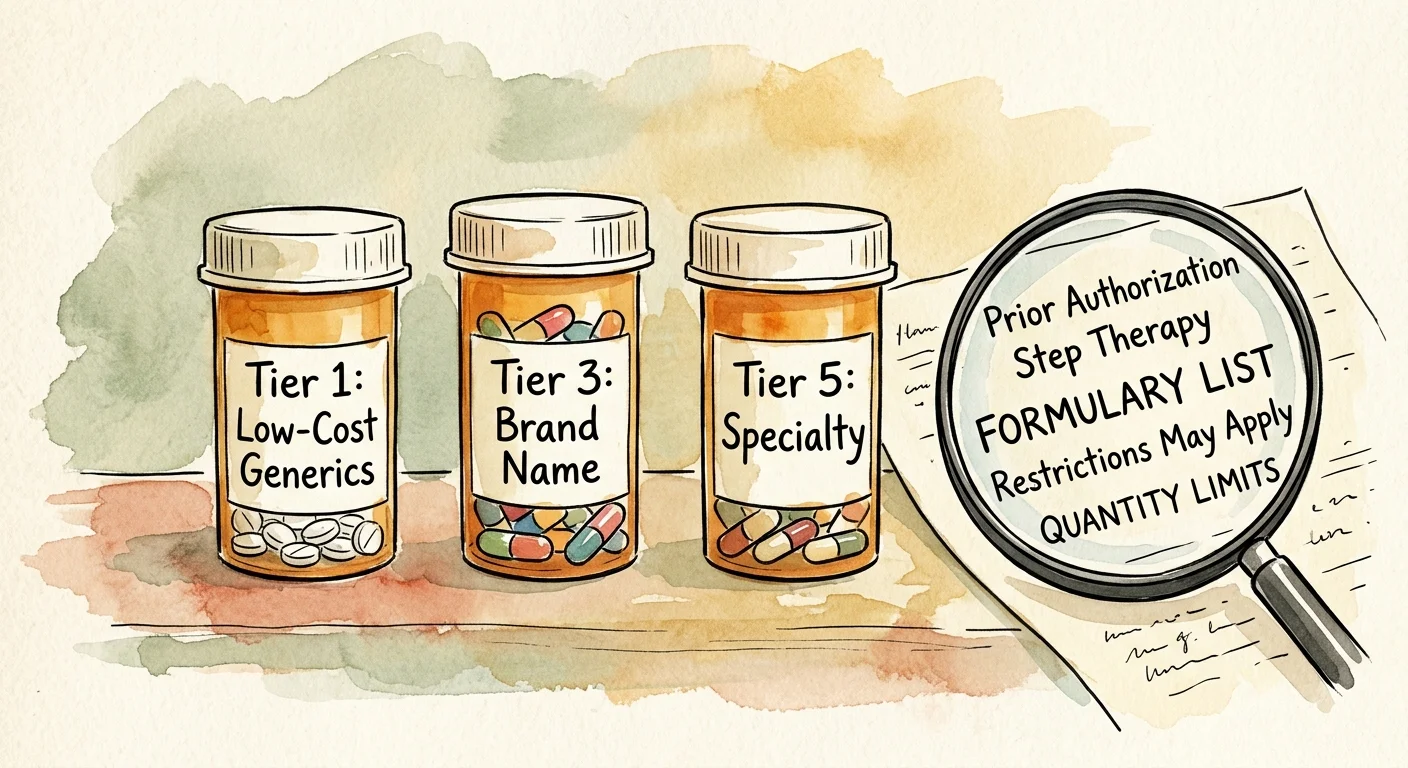
If your doctor prescribed a new maintenance medication, adjusted your dosage, or switched you to a brand-name therapeutic drug over the past year, you must review your drug coverage immediately. Prescription drug formularies—the list of medications a plan agrees to cover—differ dramatically between carriers.
Medicare Part D plans organize covered drugs into tiers, generally ranging from Tier 1 (low-cost generics) to Tier 5 (specialty drugs). When you start a new medication, your current plan might place it on Tier 4 with a steep 40% coinsurance requirement, while a competing plan in your county places the exact same medication on Tier 2 with a flat $10 copayment. Over twelve months, that single disparity can cost you thousands of dollars.
Look out for utilization management restrictions as well. Insurance carriers frequently attach conditions to newly prescribed medications, including:
- Prior Authorization: Your physician must submit special paperwork proving medical necessity before the insurer covers the drug.
- Step Therapy: The insurer requires you to try cheaper, alternative medications first before approving the drug your doctor initially prescribed.
- Quantity Limits: The plan restricts the number of doses or pills you can receive in a 30-day or 90-day window.
Using the official comparison tools at Medicare.gov allows you to input your exact drug list and dosages to identify which plan delivers the lowest total annual cost, combining monthly premiums and out-of-pocket pharmacy expenses.

Sign 2: Your Annual Notice of Change (ANOC) Signals Rising Costs
Every September, your current Medicare Advantage or Part D carrier must mail you an Annual Notice of Change (ANOC) document. If you receive this packet and toss it into the recycling bin unread, you expose your retirement savings to substantial risk.
The ANOC outlines every specific change taking effect on January 1, including adjustments to your monthly premium, annual deductible, copayments, coinsurance rates, and service network boundaries. Insurance carriers often make subtle tweaks that add up quickly: raising specialist visit copays from $35 to $50, boosting urgent care fees, or increasing your plan’s maximum out-of-pocket spending ceiling.
If your ANOC reveals higher copays for the medical services you use regularly, treat that notification as an urgent signal to shop new Medicare plans. Competing insurers frequently design plans targeting specific health profiles, offering lower cost-sharing for the exact services you rely on most.

Sign 3: Your Preferred Doctors or Facilities Left the Network
Provider networks are not permanent. Medicare Advantage plans contract with doctors, specialists, hospital networks, and physical therapy clinics on an annual basis. Throughout the year, healthcare systems and insurers negotiate reimbursement rates; when contract talks stall, entire hospital systems can exit a plan’s network.
If your primary care physician, trusted cardiologist, or preferred regional hospital drops out of your Medicare Advantage HMO or PPO network, receiving care from them next year could cost you significantly more—or leave you with zero coverage for out-of-network services. Always verify network participation directly with your providers’ billing offices and cross-reference your findings through the insurer’s updated online directory before December 7.
Sign 4: Your Monthly Premiums, Copays, or Max Out-of-Pocket Limits Are Climbing
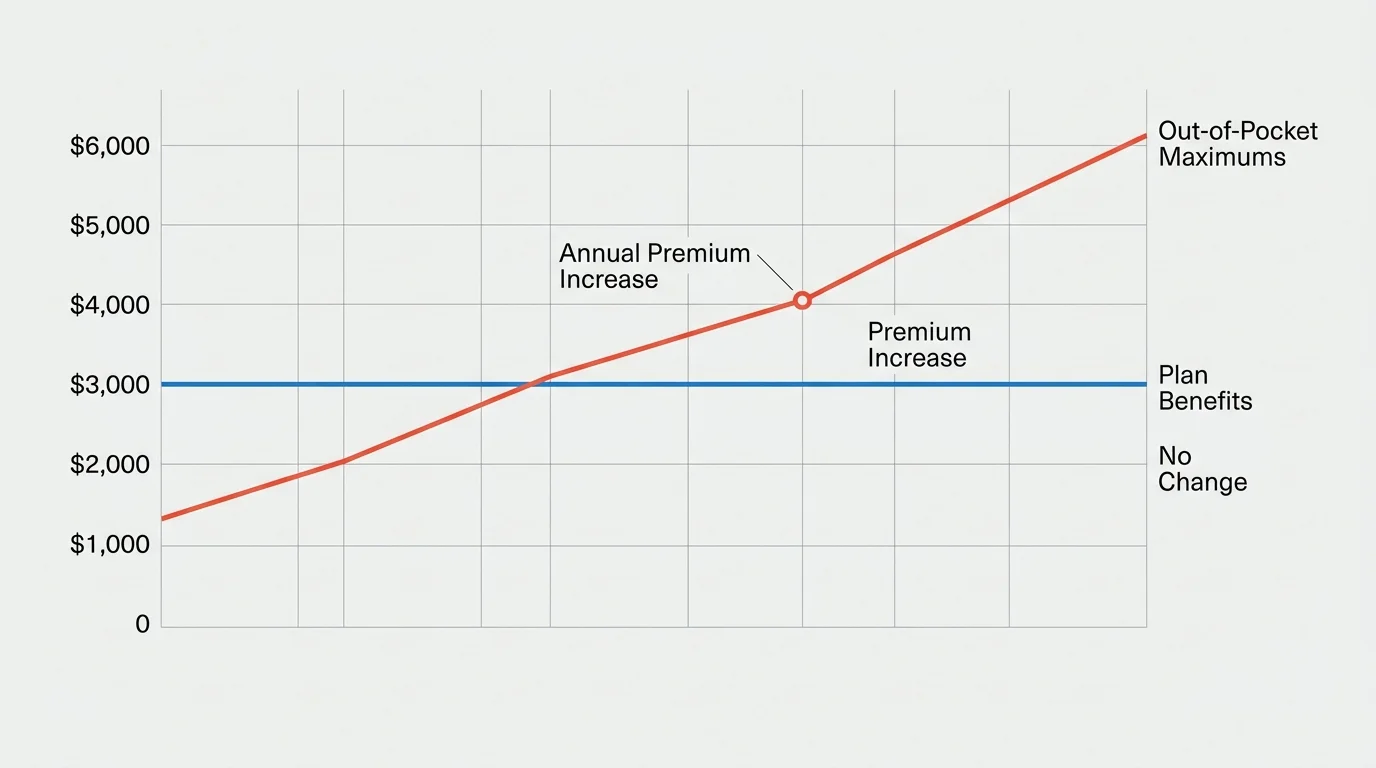
Medicare Advantage plans establish a Maximum Out-of-Pocket (MOOP) limit for covered Part A and Part B medical services each calendar year. Once you hit this threshold through copayments, deductibles, and coinsurance, the plan pays 100% of covered medical costs for the rest of the year. However, federal guidelines allow insurers to raise these MOOP limits annually.
If your plan increases its MOOP from $4,500 to $8,000, your financial exposure during a serious health event nearly doubles. Furthermore, plans that once offered a $0 monthly premium may introduce a monthly fee or raise drug deductibles to the statutory maximum. Comparing Medicare plans during open enrollment ensures that you do not overpay for baseline coverage when rival insurers provide equal or superior protection at a lower out-of-pocket cost.

Sign 5: You Diagnosed a New Chronic Condition or Face Major Treatments
A health profile that remained stable for years can change overnight with a new diagnosis such as diabetes, heart disease, rheumatoid arthritis, or cancer. Managing a chronic illness transforms how you interact with your healthcare plan.
When facing regular specialist appointments, advanced diagnostic imaging, outpatient procedures, and ongoing rehabilitation, plan structure matters immensely. An HMO plan requiring primary care physician referrals for every specialist visit can cause frustrating care delays. In contrast, a PPO plan or Original Medicare paired with a Medicare Supplement (Medigap) policy grants you the freedom to consult any specialist who accepts Medicare without bureaucratic gatekeeping.
Furthermore, some Medicare Advantage carriers offer Chronic Condition Special Needs Plans (C-SNPs) tailored to beneficiaries with specific illnesses like diabetes or cardiovascular conditions. These specialized plans often feature dedicated care coordinators, specialized formularies, and lower copays for disease-specific monitoring supplies.

Sign 6: Your Lifestyle, Travel Patterns, or Residence Shifted
Retirement often brings greater mobility. If you purchased a winter home in Florida, bought an RV to travel across the country, or regularly spend months visiting grandchildren in another state, a localized Medicare Advantage HMO will rarely serve your lifestyle.
Most Medicare Advantage plans restrict routine, non-emergency coverage to a defined geographical service area (often a single county or cluster of adjacent counties). Seeking non-emergency care outside that region leaves you responsible for the full bill. If your lifestyle includes frequent domestic travel or seasonal relocation, consider switching to Original Medicare with a Medigap plan, which provides nationwide access to any doctor or hospital accepting Medicare across all 50 states.
Sign 7: You Need Protection from High Drug Costs Under New Part D Rules
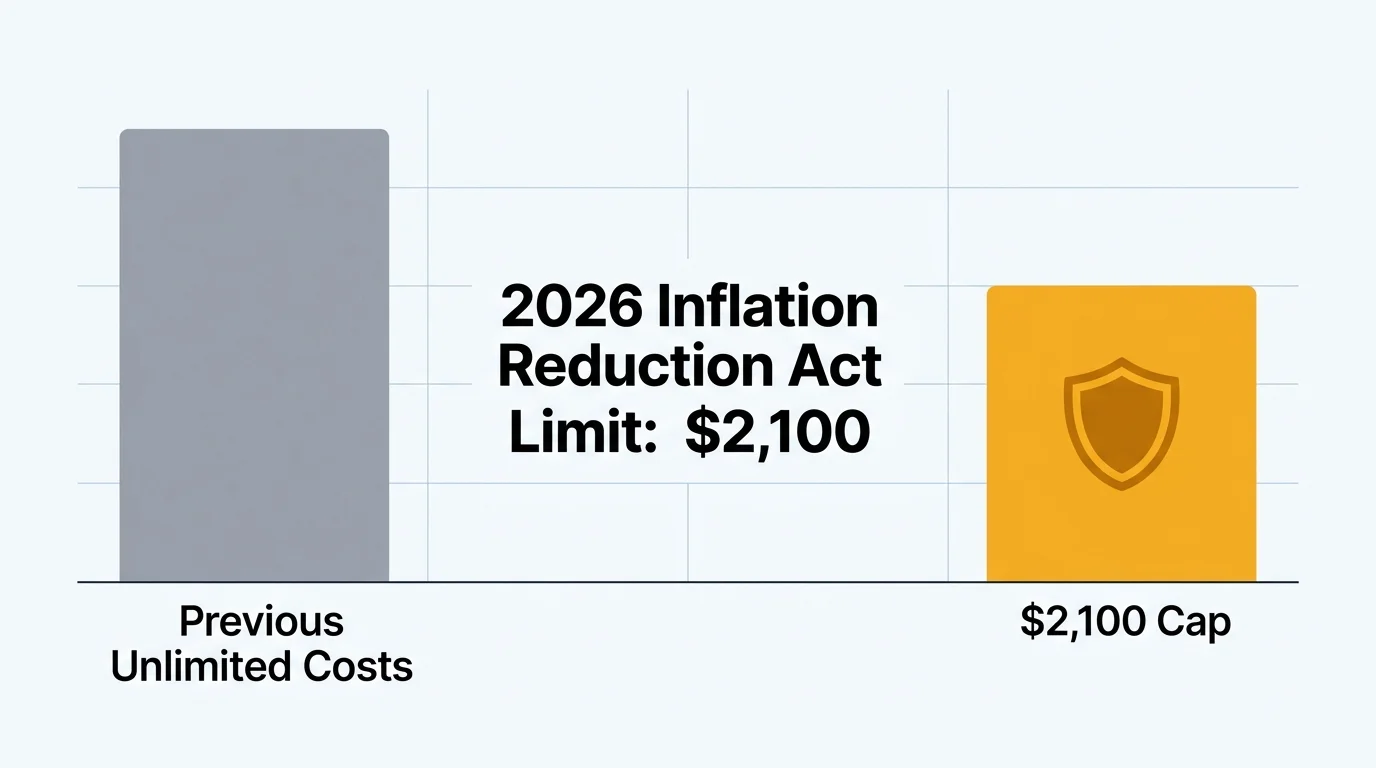
Sweeping legislative reforms through the Inflation Reduction Act have reshaped Part D prescription drug benefits. Beneficiaries now benefit from structural caps on out-of-pocket prescription expenses, capped at $2,100 in 2026. In addition, the long-dreaded Part D coverage gap—popularly known as the “donut hole”—has been eliminated.
Beneficiaries taking high-cost brand-name medications or specialty therapies can also take advantage of the Medicare Prescription Payment Plan (M3P). This program allows you to spread out-of-pocket prescription costs across predictable monthly installments throughout the calendar year instead of paying large sums upfront at the pharmacy counter in January or February.
Federal rules also mandate that insulin copays remain capped at $35 per month per prescription and require $0 cost-sharing for all recommended adult vaccines, including the shingles vaccine (Shingrix). Shopping your Part D plan this fall ensures your carrier applies these statutory caps cleanly to your specific medication regimen.

Sign 8: Your Supplemental Dental, Vision, or Wellness Benefits Shrank
One of the primary attractions of Medicare Advantage plans is the package of extra benefits not covered by Original Medicare, such as routine dental cleanings, dentures, comprehensive vision exams, hearing aids, and fitness allowances. However, insurance carriers adjust these non-medical benefits year after year.
You may find that your plan cut its annual comprehensive dental allowance from $2,000 down to $750, reduced your quarterly over-the-counter (OTC) grocery and pharmacy stipend, or eliminated your favorite gym membership program. If supplemental benefits drove your original enrollment decision, comparing Medicare plans during open enrollment lets you find alternative plans that maintain robust coverage for routine dental, vision, and hearing care.

Sign 9: Superior Plan Options Entered Your Local Market
The Medicare market is highly competitive. Each year, insurers introduce new plan options, expand network agreements, and adjust pricing strategies to attract beneficiaries. Furthermore, the Centers for Medicare & Medicaid Services (CMS) releases updated Star Ratings every autumn, scoring plans from 1 to 5 stars based on customer service, member satisfaction, quality of care, and chronic disease management.
If a rival insurer introduces a 5-star plan in your zip code with lower copays and broader hospital access than your existing 3-star plan, staying put puts you at a distinct disadvantage. Taking thirty minutes to run a plan comparison through the Medicare Plan Finder tool gives you a clear snapshot of newly available options that may offer superior benefits for the same or lower monthly cost.

Comparing Your Core Medicare Pathways
When you evaluate your coverage this fall, you are primarily choosing between two distinct paths: Original Medicare paired with a Medigap policy and a standalone Part D plan, or an all-in-one Medicare Advantage plan. The table below summarizes how these coverage paths compare across crucial features.
| Feature | Original Medicare + Medigap + Part D | Medicare Advantage (Part C) |
|---|---|---|
| Provider Choice | Visit any doctor or hospital nationwide that accepts Medicare; no referrals needed. | Restricted to local HMO/PPO networks; out-of-network care costs more or is not covered. |
| Prior Authorization | Rarely required for medically necessary treatments covered by Part A and B. | Frequently required for diagnostic scans, procedures, specialist visits, and therapies. |
| Monthly Premiums | Higher combined monthly cost (Part B premium + Medigap premium + Part D premium). | Often $0 or low monthly premium (you still pay the baseline Part B premium). |
| Out-of-Pocket Predictability | Extremely predictable; Medigap covers most deductibles, copays, and coinsurance. | Variable copays per service; annual out-of-pocket costs can reach plan MOOP limit. |
| Extra Perks (Dental, Vision, Gym) | Not included under standard Medicare; requires separate standalone policies. | Frequently included as bundled supplemental benefits with varying coverage caps. |
| Prescription Drug Coverage | Purchased as a standalone Part D policy tailored to your exact medications. | Usually built directly into the plan (MAPD); subject to plan-specific formulary tiers. |

Key Deadlines and Rules for Fall Open Enrollment
Timing is everything when updating your healthcare coverage. Missing formal enrollment windows can lock you into an unsuitable plan for an entire calendar year. Keep the following timeline in mind:
- Late September: Review your Annual Notice of Change (ANOC) and Evidence of Coverage (EOC) documents sent by your current carrier.
- October 15: Fall Open Enrollment begins. You can compare plans, select new options, and submit applications online, by phone, or through a licensed broker.
- December 7: Fall Open Enrollment closes at midnight. All plan selections submitted by this date become final for the upcoming year.
- January 1: Your new Medicare coverage takes effect. Begin using your new insurance cards at doctor offices and pharmacies.
- January 1 to March 31 (Medicare Advantage Open Enrollment Period): If you are already enrolled in a Medicare Advantage plan and discover you dislike your coverage, this second enrollment window allows you to make a one-time switch to another Medicare Advantage plan or drop it altogether to return to Original Medicare with a Part D drug plan.

Professional vs. Self-Guided Medicare Shopping
Deciding whether to navigate the Medicare comparison process independently or partner with a professional depends on your health complexity, technical comfort, and specific coverage goals.
Scenario 1: The Self-Guided Researcher
If you are comfortable using web portals, take only one or two standard generic medications, and want to verify whether your current Medicare Advantage plan remains cost-effective, using the online tool at Medicare.gov is simple and effective. You can review plan ratings, compare out-of-pocket costs, and complete enrollment in under an hour without outside assistance.
Scenario 2: The Complex Prescription User
If you take multiple brand-name medications, use specialty injectable drugs, or manage complex chronic conditions, consulting an independent Medicare broker or contacting your local State Health Insurance Assistance Program (SHIP) through the National Council on Aging (NCOA) is invaluable. SHIP counselors offer free, unbiased guidance, helping you cross-reference complicated formularies and evaluate the Medicare Prescription Payment Plan without sales pressure.
Scenario 3: Returning to Original Medicare with Medigap
If you currently hold a Medicare Advantage plan and want to switch back to Original Medicare with a Medigap supplemental policy, work directly with a licensed professional. In most states, dropping Medicare Advantage outside your initial enrollment period subjects you to medical underwriting for Medigap. An experienced broker evaluates your health history to identify which supplemental carriers will accept your application without charging exorbitant rates or denying coverage for pre-existing conditions.
Scenario 4: Dual-Eligible Beneficiaries Seeking Extra Help
If your retirement income is limited and you qualify for both Medicare and Medicaid, navigating Dual-Eligible Special Needs Plans (D-SNPs) requires specialized knowledge. Working with an experienced benefits counselor or visiting consumer advocacy portals like AARP helps you secure programs like the Low-Income Subsidy (Extra Help), which substantially lowers prescription drug costs.
Common Mistakes to Avoid When Comparing Medicare Plans
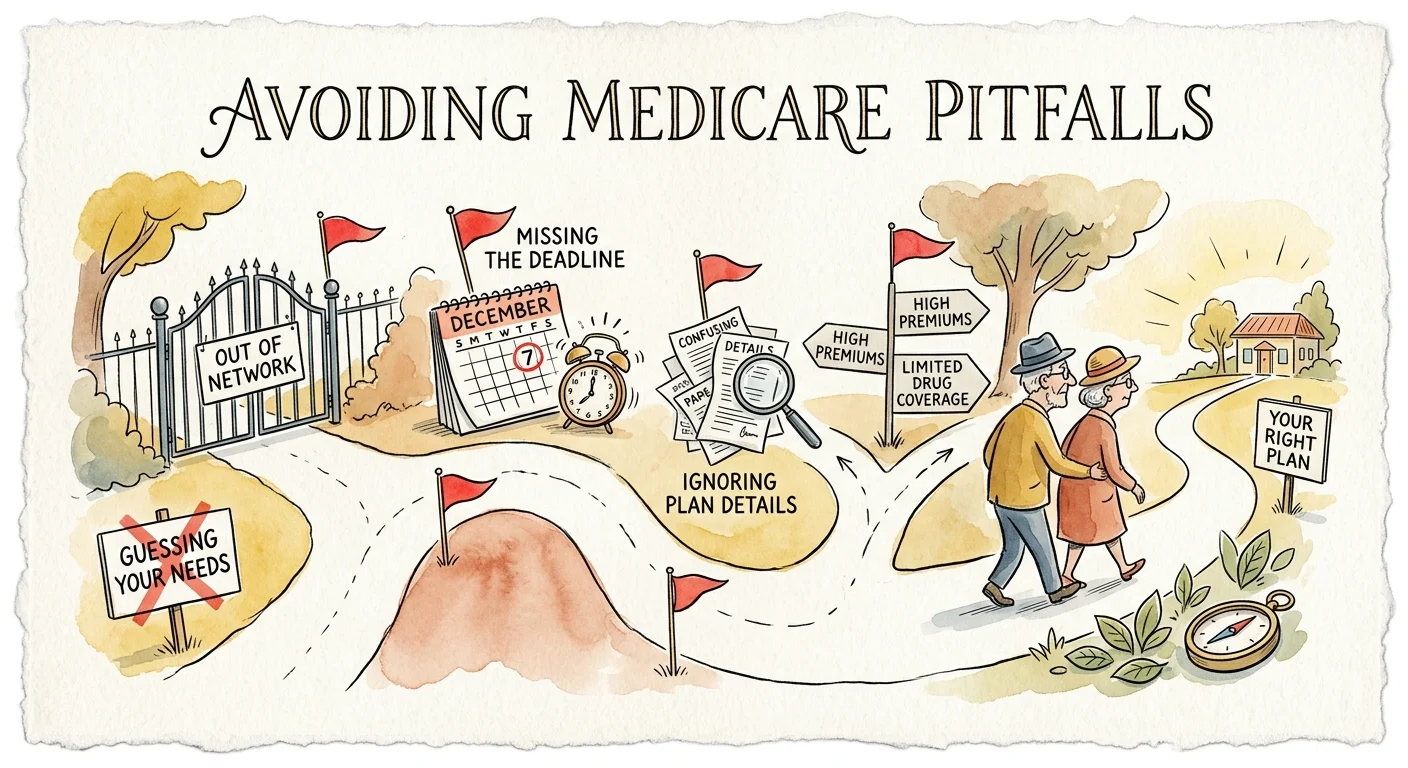
Avoiding critical missteps during open enrollment protects your retirement finances from unexpected medical bills. Watch out for these four common pitfalls:
- Focusing Exclusively on $0 Premiums: A plan with a $0 monthly premium can easily cost you thousands more over the course of a year if it features high specialist copayments, expensive hospital per-day fees, and restrictive drug tiers. Always evaluate your total estimated annual cost rather than the monthly premium alone.
- Assuming Your Doctors Accept Every Advantage Plan: Healthcare providers frequently accept traditional Original Medicare while rejecting specific Medicare Advantage HMO or PPO networks offered by private carriers. Never assume your doctor takes a new plan simply because they accept Medicare.
- Failing to Check Preferred Pharmacies: Part D and Medicare Advantage plans contract with standard and preferred pharmacies. Filling your prescriptions at a standard retail chain rather than your plan’s preferred pharmacy network can double or triple your out-of-pocket copayments for the exact same pills.
- Ignoring Prior Authorization Protocols: If you require regular physical therapy, pain management injections, or routine imaging scans, investigate how aggressively a plan utilizes prior authorization. Excessive bureaucratic requirements can delay time-sensitive medical care.
Frequently Asked Questions About Medicare Open Enrollment
When is the fall Medicare Open Enrollment period, and when do plan changes take effect?
The annual Medicare Open Enrollment period runs from October 15 through December 7 every year. Any plan selections, upgrades, or changes you make during this window take effect on January 1 of the following year.
What happens if I miss the December 7 Open Enrollment deadline?
If you miss the December 7 deadline, you generally must remain in your existing plan for the entire upcoming calendar year, unless you qualify for a Special Enrollment Period (SEP) due to qualifying life events like moving out of your plan’s service area or losing employer coverage. However, if you are currently enrolled in a Medicare Advantage plan, you can use the Medicare Advantage Open Enrollment Period (January 1 through March 31) to make a one-time switch to another Advantage plan or return to Original Medicare.
Can I switch from Medicare Advantage back to Original Medicare and buy a Medigap policy?
You can drop your Medicare Advantage plan and return to Original Medicare during the fall Open Enrollment period. However, buying a Medigap policy to cover your out-of-pocket costs may require medical underwriting unless you live in a state with continuous open enrollment rules or qualify for guaranteed issue rights. Insurance companies can review your medical history, charge higher premiums, or deny Medigap coverage based on pre-existing conditions.
How does the Medicare Prescription Payment Plan (M3P) help with drug expenses?
The Medicare Prescription Payment Plan is a voluntary program created under the Inflation Reduction Act. It allows beneficiaries to spread high out-of-pocket Part D prescription drug costs into capped monthly payments over the calendar year instead of paying large sums all at once at the pharmacy counter, helping retirees on fixed incomes manage cash flow smoothly.
Taking Action for Open Enrollment Success
Your healthcare needs and financial goals evolve throughout retirement, and your insurance coverage must keep pace. Take time this fall to gather your current medication list, review your Annual Notice of Change, and compare available options in your county. Investing an hour or two during Open Enrollment delivers peace of mind and keeps your hard-earned retirement savings firmly where they belong.
The information in this guide is meant for educational purposes. Your specific circumstances—including income, health needs, tax situation, and goals—may require different approaches. When in doubt, consult a licensed professional.
Last updated: March 2026. Retirement benefits, tax rules, and healthcare regulations change frequently—verify current details with official sources.









Leave a Reply