
Staying physically active and socially connected defines a fulfilling, vibrant retirement. Research shows that social dancing strengthens cardiovascular health while sharpening cognitive memory and balance.
Choosing the right hometown requires looking beyond generic golf amenities toward communities with thriving dance halls, chartered clubs, and welcoming weekly partner gatherings.
Whether you prefer coastal Carolina shag dancing, energetic Texas two-stepping, or elegant ballroom waltzes, regular dance groups foster lifelong friendships. These eleven retirement towns offer incredible dancing hubs and dynamic social networks.
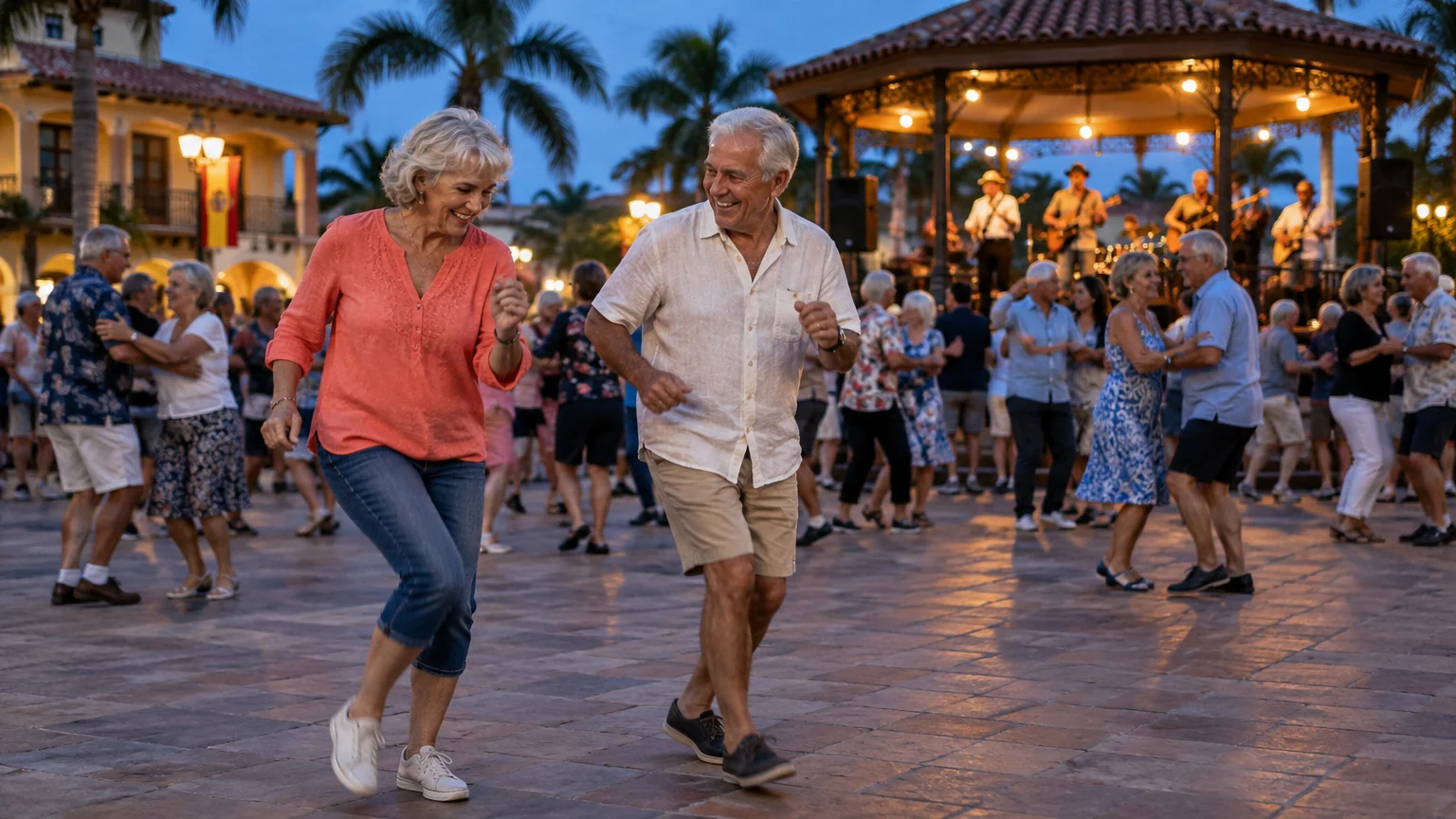
1. The Villages, Florida: Nightly Square Dancing and Resident Clubs
The Villages represents the largest master-planned retirement destination in the United States. Its social infrastructure centers heavily around community gathering points and live performing arts.
Residents enjoy free live musical entertainment and open-air dancing 365 nights a year across its five town squares. Bands perform nightly from 5:00 p.m. to 9:00 p.m., shifting to 6:00 p.m. to 10:00 p.m. during peak summer months.
You can dance at Spanish Springs, Lake Sumter Landing, Brownwood Paddock, Eastport, and Sawgrass Grove without paying admission fees. Thousands of retirees gather daily to partner dance, line dance, and socialize outdoors.
Beyond the public squares, the community supports over 3,000 resident-run lifestyle and social clubs. You will find dedicated groups for ballroom, Scottish country dancing, clogging, tap, and beginner line dancing.
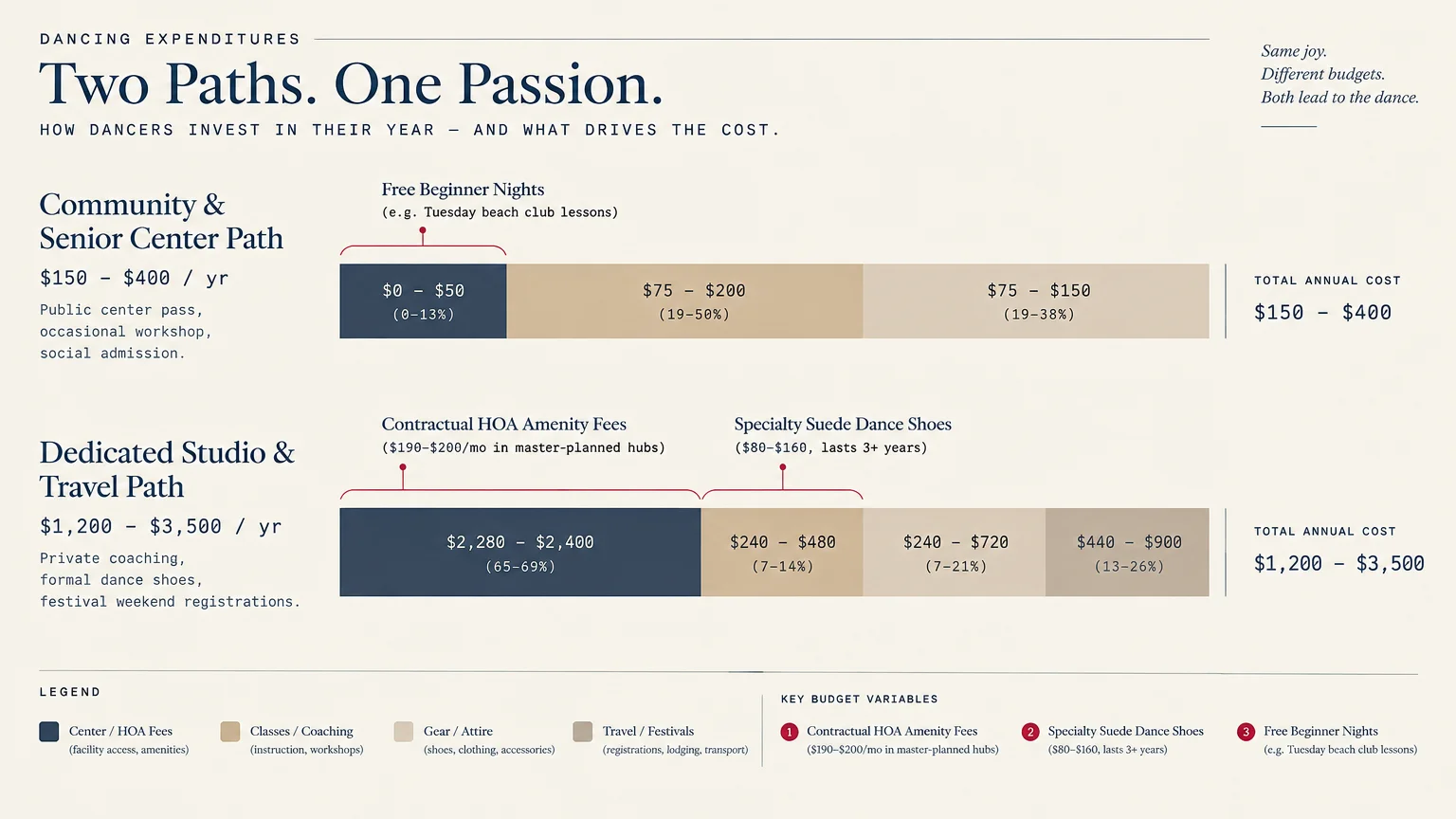
Amenities are funded through a contractual monthly amenity fee, which generally hovers between $190 and $200 per month. Florida also charges zero state individual income tax, leaving your retirement distributions and Social Security benefits untaxed.
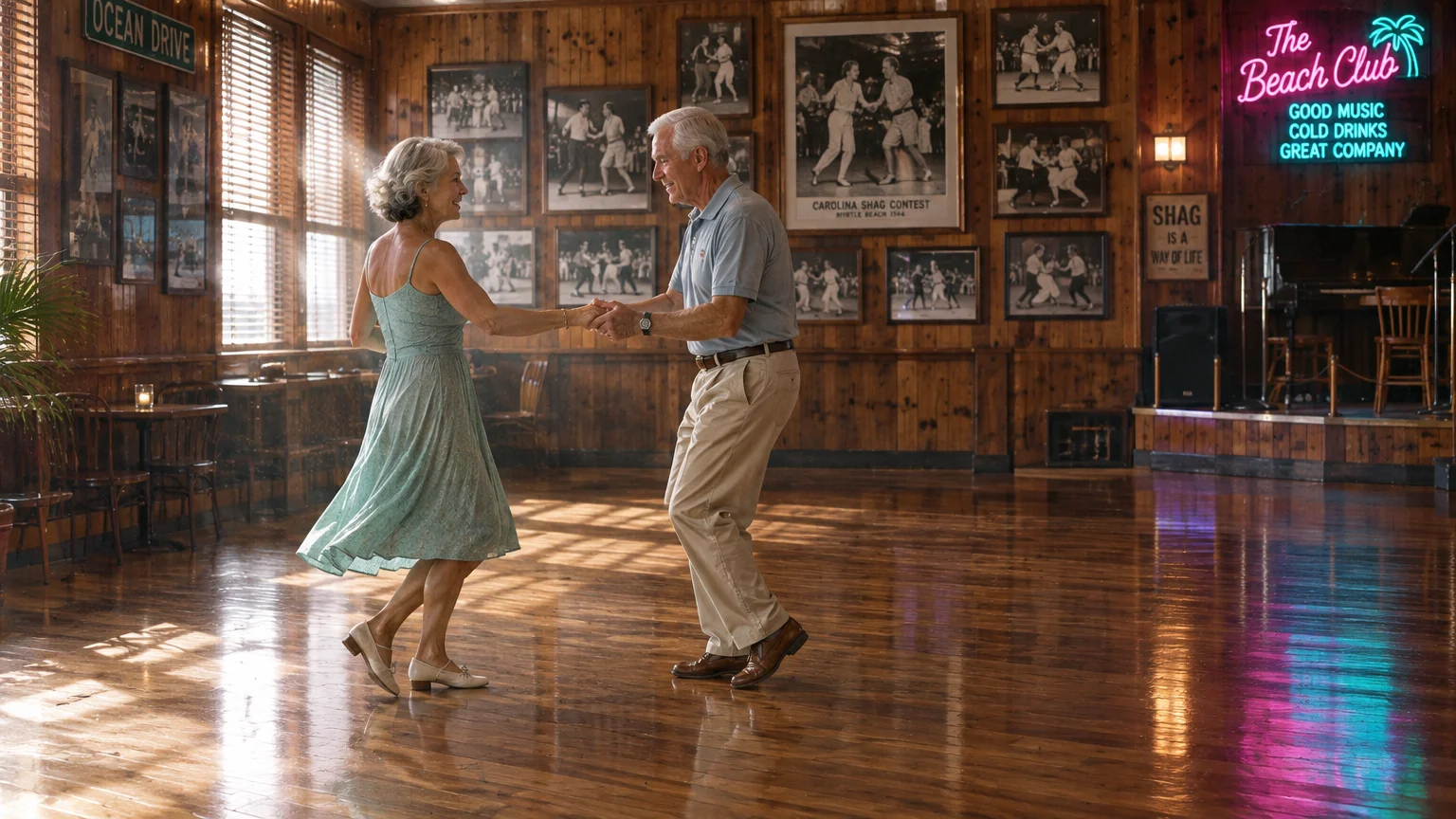
2. North Myrtle Beach, South Carolina: The Capital of Carolina Shag
North Myrtle Beach serves as the undisputed birthplace and modern capital of the Carolina Shag. The smooth, six-count swing dance became South Carolina’s official state dance in 1984.
The Society of Stranders organizes two massive ten-day shag festivals here every year along Ocean Drive and Main Street. The Spring Safari in April and the Fall Migration in September draw thousands of active senior dancers.
Historic venues like Fat Harold’s Beach Club keep the social tradition humming year-round. Resident DJs spin beach music seven nights a week, and instructors offer free beginner shag dance lessons every Tuesday evening.
The local dancing community warmly welcomes novices who want to learn basic pivot and tuck turns. You will quickly build an active social circle across beachside dance floors.
South Carolina also offers substantial financial advantages for retirees. The state completely exempts Social Security benefits from state income taxes and provides a retirement income deduction of up to $10,000 for residents age 65 and older.
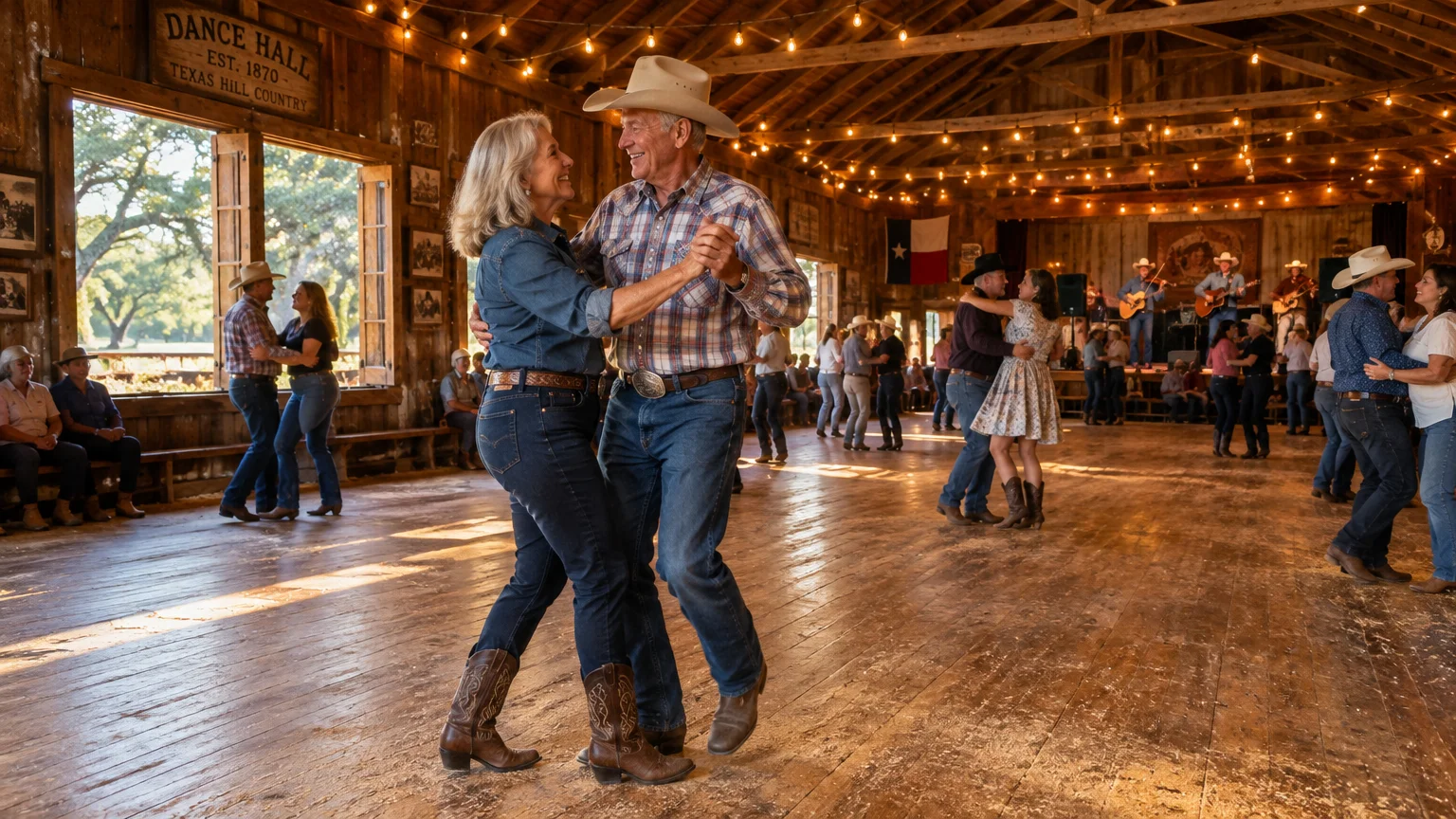
3. New Braunfels, Texas: Two-Stepping in Hill Country Dance Halls
Nestled in the Texas Hill Country, New Braunfels combines historic German heritage with deep country dancing traditions. Retirees flock here for scenic river views and vibrant weekend partner dancing.
The town is home to Gruene Hall, recognized as Texas’ oldest continually operating dance hall. Built in 1878, this 6,000-square-foot open-air hall hosts live country, Americana, and blues bands daily.
In 2026, Gruene Hall completed an architecturally sensitive cooling upgrade approved by the local historical commission. This modern improvement keeps social two-steppers comfortable during hot summer afternoons while preserving its authentic open-air character.
Local social clubs gather frequently at Gruene Hall and nearby dance halls to practice traditional Texas two-stepping. Newcomers can easily find afternoon partner dance workshops led by patient local instructors.
Texas imposes no individual state income tax on personal earnings or retirement distributions. Your pension checks, 401(k) withdrawals, and Social Security benefits remain completely tax-free at the state level.
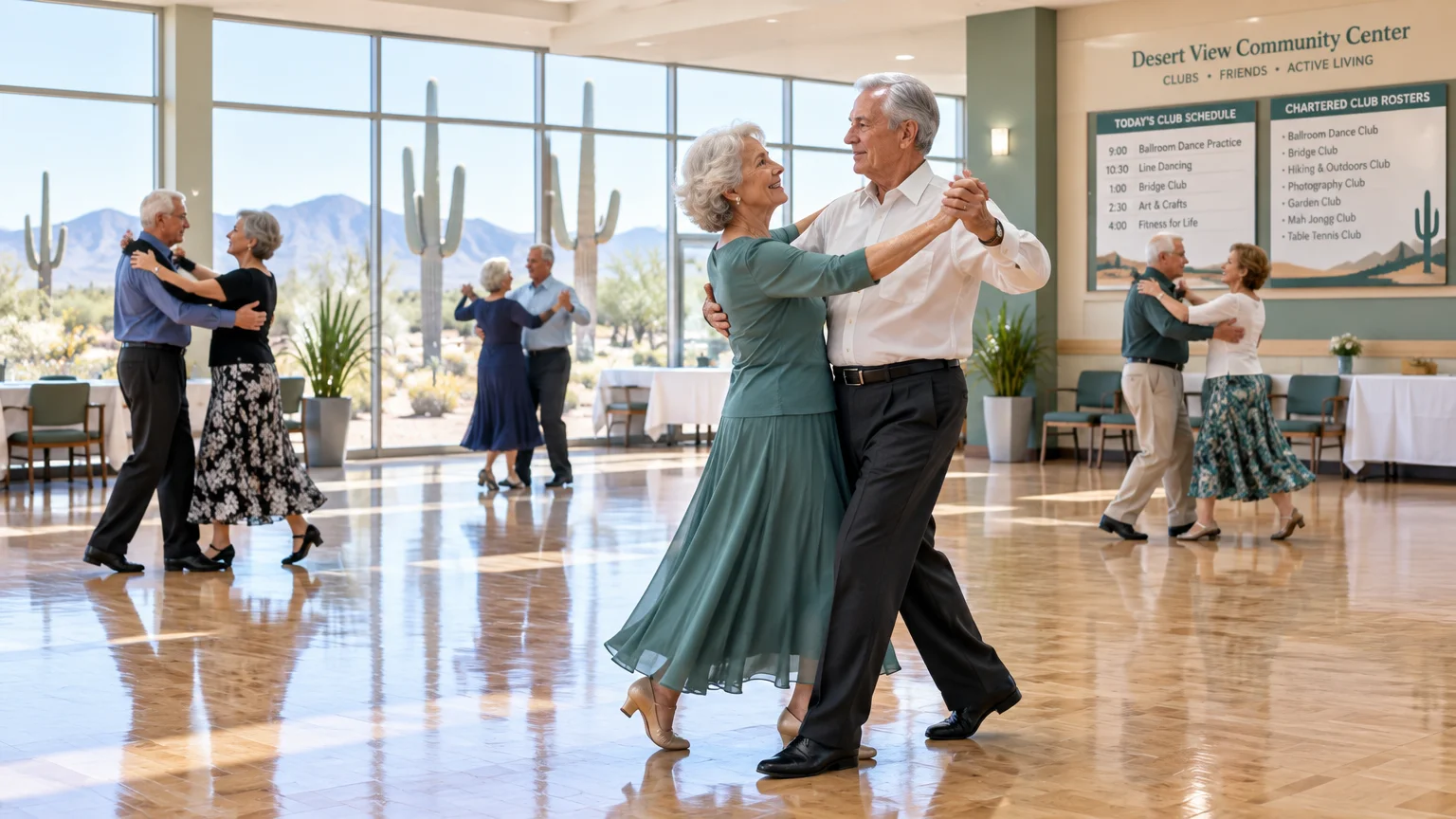
4. Sun City and Sun City West, Arizona: Chartered Senior Dance Groups
Phoenix’s northwest valley hosts two pioneering active adult communities with unmatched club infrastructures. Sun City and Sun City West provide retirees with dozens of dedicated dance organizations.
The Recreation Centers of Sun City oversees 124 chartered clubs run directly by residents. The Sun City Line Dance Club boasts over 500 members dancing regularly inside the Sundial Auditorium.
For couple dancing, the Friday Night Social Dance Club offers affordable evenings with live musical ensembles. Admission costs just $5 for members and $10 for accompanied guests.
Next door, Sun City West features more than 100 chartered clubs across four expansive recreation centers. Its dance roster includes ballroom ensembles, country western clubs, and tap dancing troupes.
Arizona treats retirees favorably by completely exempting Social Security retirement benefits from state income tax. The state also exempts up to $2,500 of military and civil service pension income annually.
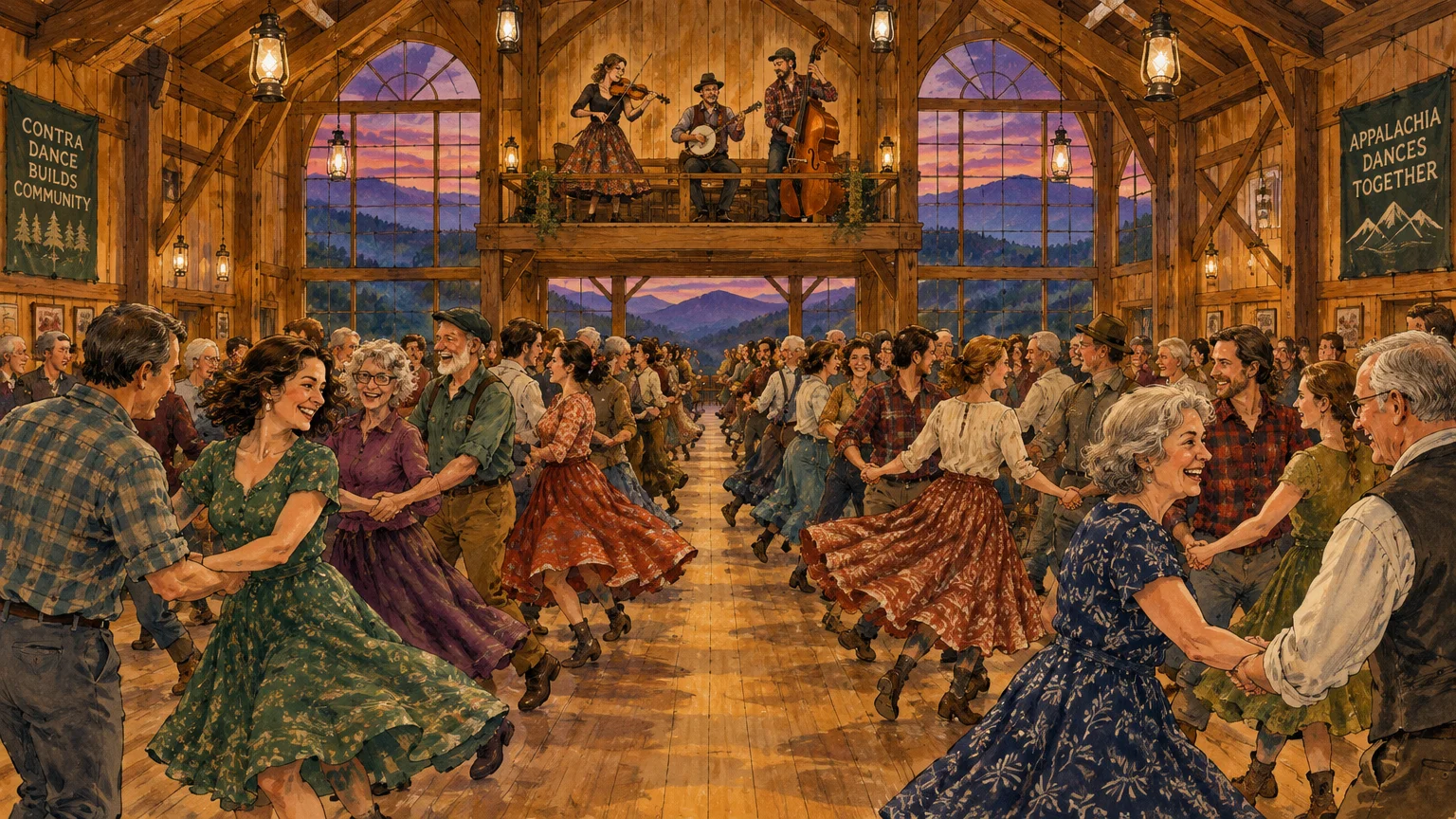
5. Asheville and Swannanoa, North Carolina: Mountain Contra Dancing Heritage
Set against the Blue Ridge Mountains, the Asheville area is a vibrant regional epicenter for traditional American contra dancing. Contra dancing provides an energetic, aerobic folk dance experience where partners continuously rotate down long lines.
The Old Farmer’s Ball has hosted weekly community contra dances in neighboring Swannanoa since the 1980s. Dancers gather every Thursday night inside Warren Wilson College’s Bryson Gym.
Standard admission is $10 for members and $12 for non-members. An introductory workshop begins at 7:30 p.m., followed by three hours of live caller and string-band dancing.
You do not need to bring a partner to participate fully in contra dancing. Dancers switch partners after every dance, allowing new residents to meet dozens of friendly peers in a single evening.
North Carolina provides solid tax protection by fully exempting all Social Security benefits from state income tax. This exemption allows retirees to preserve their monthly benefits while enjoying an active mountain lifestyle.
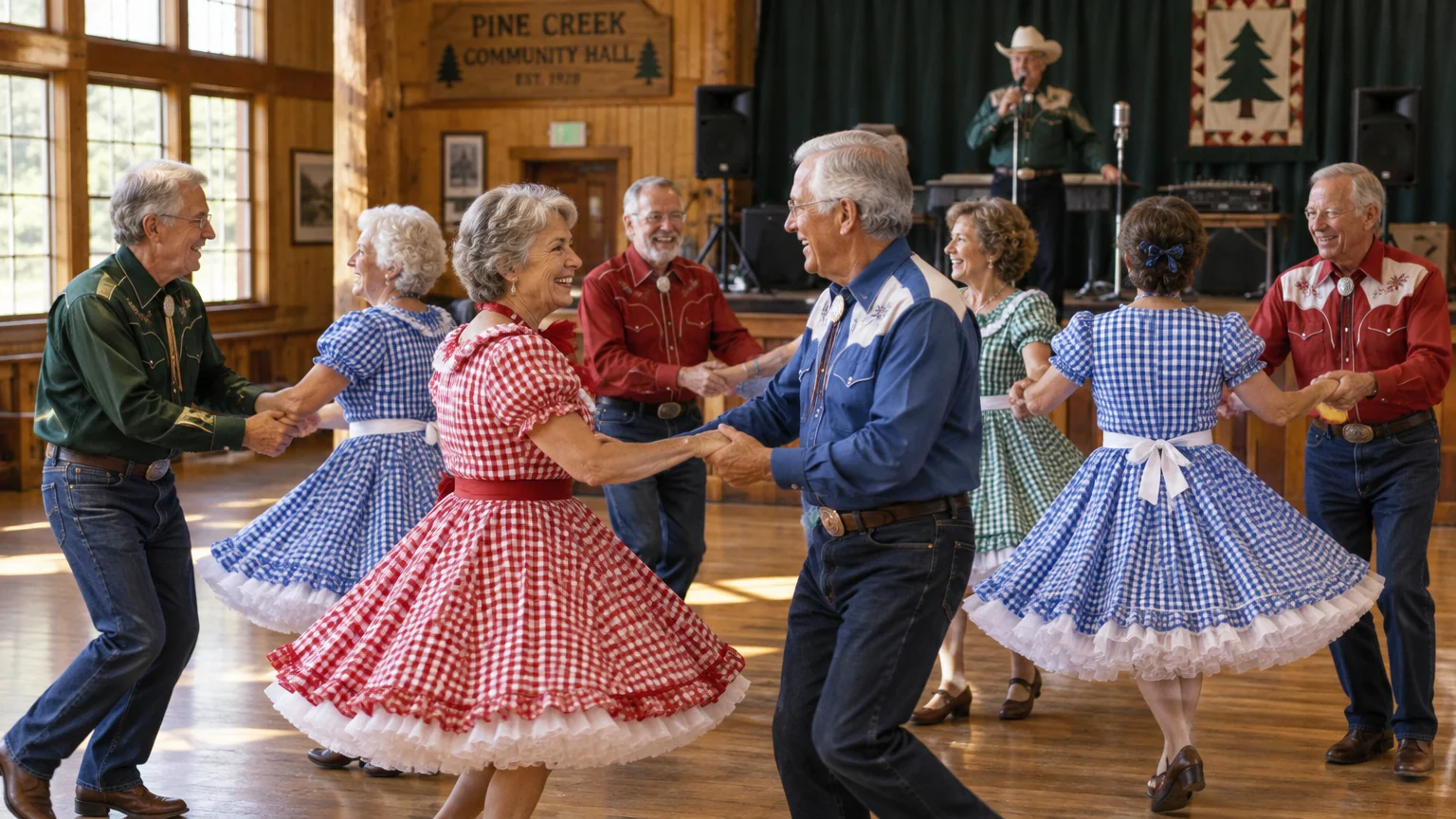
6. Prescott, Arizona: Traditional Square and Round Dancing
Sitting at an elevation of 5,400 feet, Prescott offers mild four-season weather and deep Western roots. The community maintains an extraordinary tradition of organized square and round dancing.
Prescott is home to the Mile-Hi Square & Round Dance Club, founded in 1947. It stands as one of the oldest active square dance organizations in the Southwest.
The club hosts 15-week modern western square dancing instruction programs at the Prescott Valley Moose Lodge. Every September, organizers host free introductory nights for retirees who want to learn square dance calls.
During summer, club members gather for public outdoor dances at the historic Prescott Courthouse Plaza. These lively gatherings showcase the town’s welcoming community atmosphere under shady elm trees.
Prescott retirees benefit from Arizona’s tax exemptions on Social Security benefits. The town’s combination of clear mountain air, friendly dance halls, and reasonable living costs appeals to active retirees.
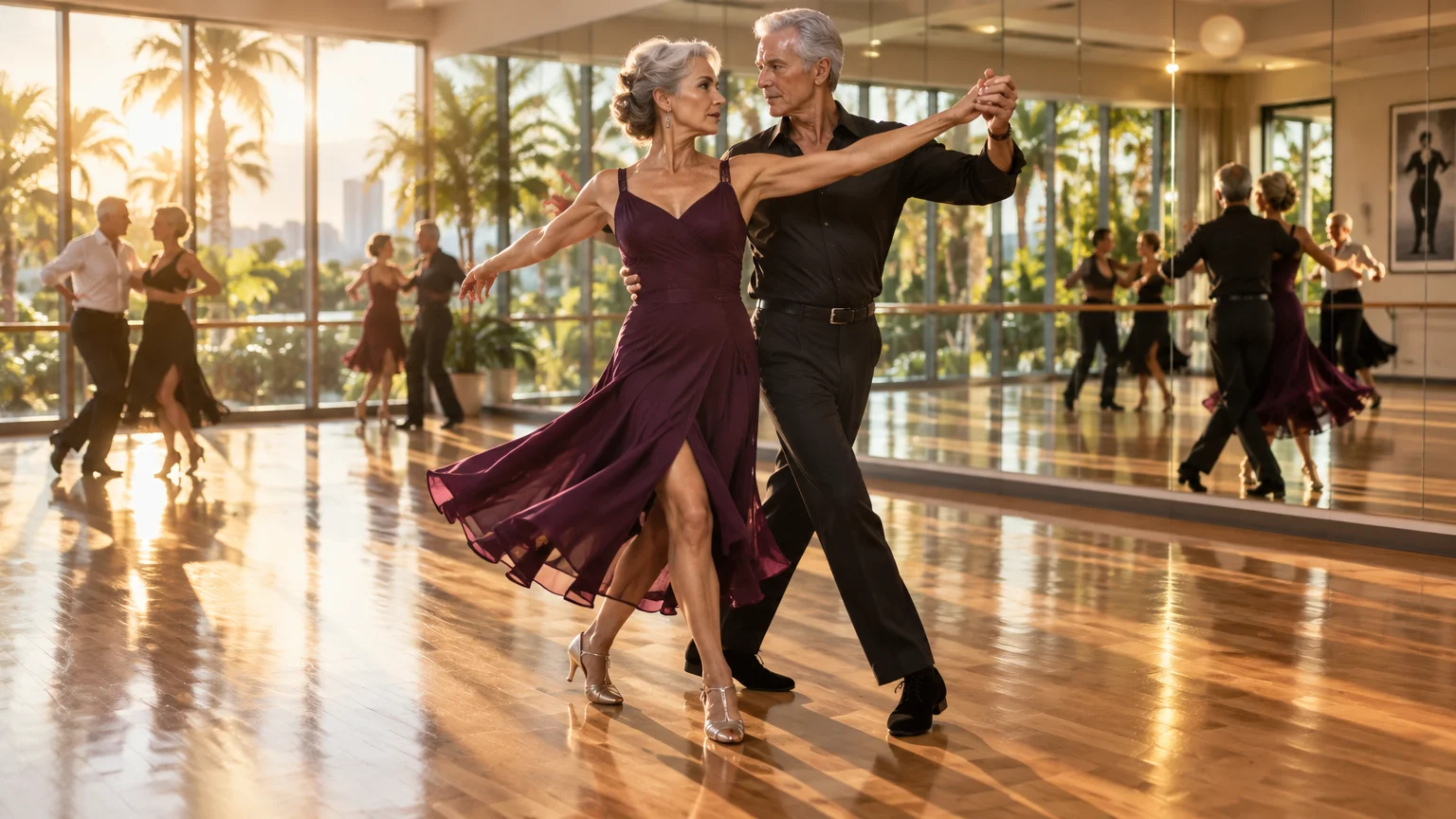
7. Sarasota, Florida: Ballroom and Latin Social Studios
Sarasota combines cultural sophistication on the Gulf Coast with an exceptionally high concentration of mature residents. U.S. Census Bureau data shows that over 31% of Sarasota County’s population is age 65 or older.
This demographic drives a thriving market for premier partner dance studios and social ballroom clubs. Established venues like The Ballroom of Sarasota have operated for over 32 years, catering specifically to adult learners.
Sara Dance Center and independent studios offer pay-as-you-go group classes without forcing students into expensive long-term contracts. Classes typically cost around $20, with several venues offering complimentary beginner sessions on Monday evenings.
You can easily learn Argentine tango, Latin salsa, and classic American smooth waltz. Sarasota’s cultural calendar also includes seasonal black-tie galas and charity balls where residents dance late into the evening.
Retiring in Sarasota gives you access to world-class beaches and cultural institutions without state income taxes. Florida preserves your full retirement account distributions and private pensions.
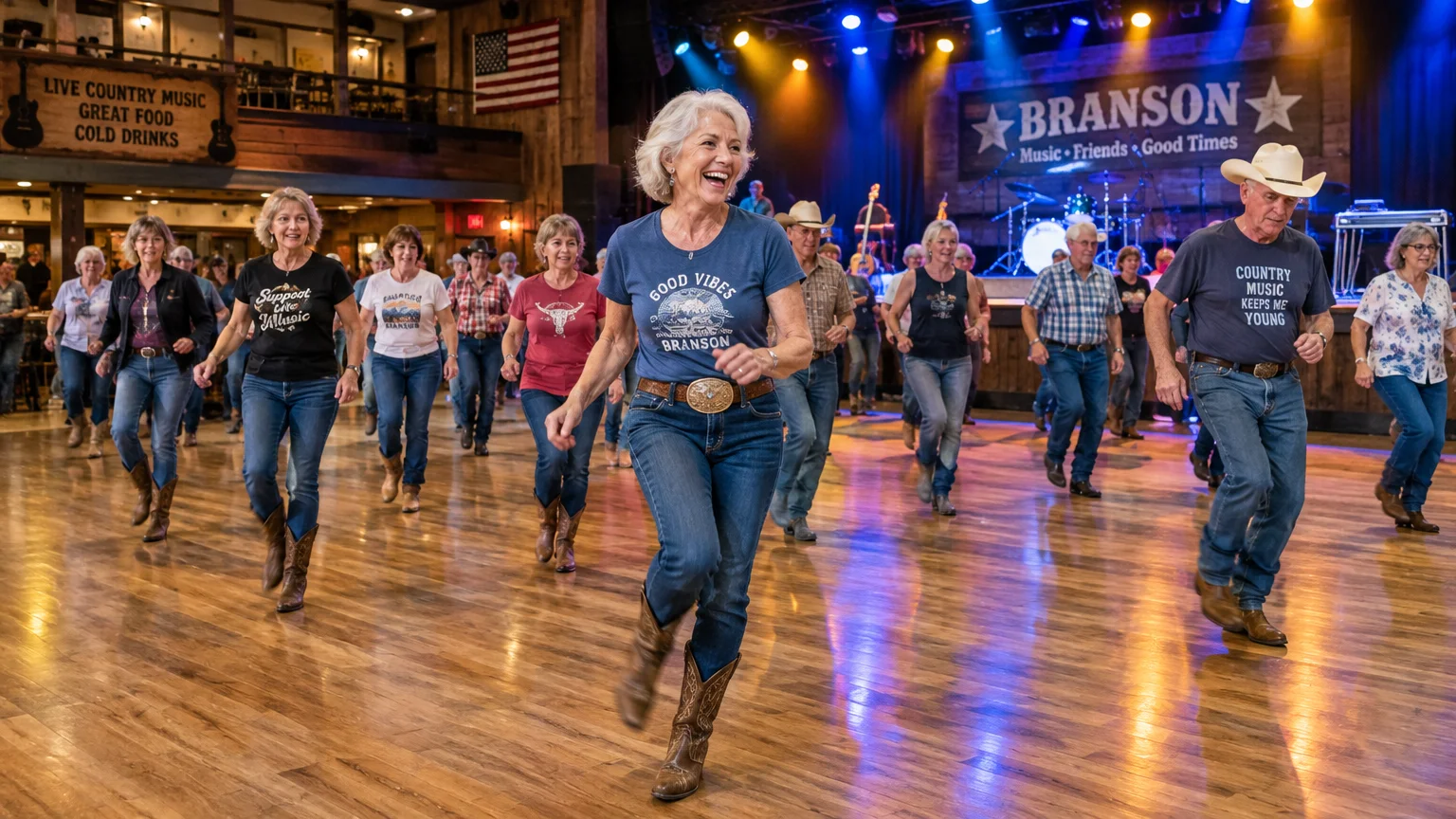
8. Branson, Missouri: Live Country Music and Line Dance Venues
Known nationwide for live entertainment theaters, Branson also offers a thriving everyday dance culture for active seniors. Music venues across the Ozarks actively invite audiences onto the dance floor.
The Silver Saddle Country Bar is a favorite local destination for senior line dancers and two-steppers. The venue hosts weekly Thursday line dance lessons starting promptly at 6:30 p.m.
For daytime socialization, the Branson Community Center coordinates affordable social dance sessions and Zumba Gold classes. These low-cost programs help retirees build stamina and meet local peers.
Branson features an exceptionally low cost of living compared to coastal retirement destinations. Affordable real estate and budget-friendly entertainment make it simple to maintain an active social calendar.
Missouri tax law benefits older residents by providing substantial deductions on retirement income. Qualifying seniors age 62 and older can fully exempt Social Security benefits and public pensions from state taxes.
9. Knoxville, Tennessee: East Tennessee Swing and Folk Traditions
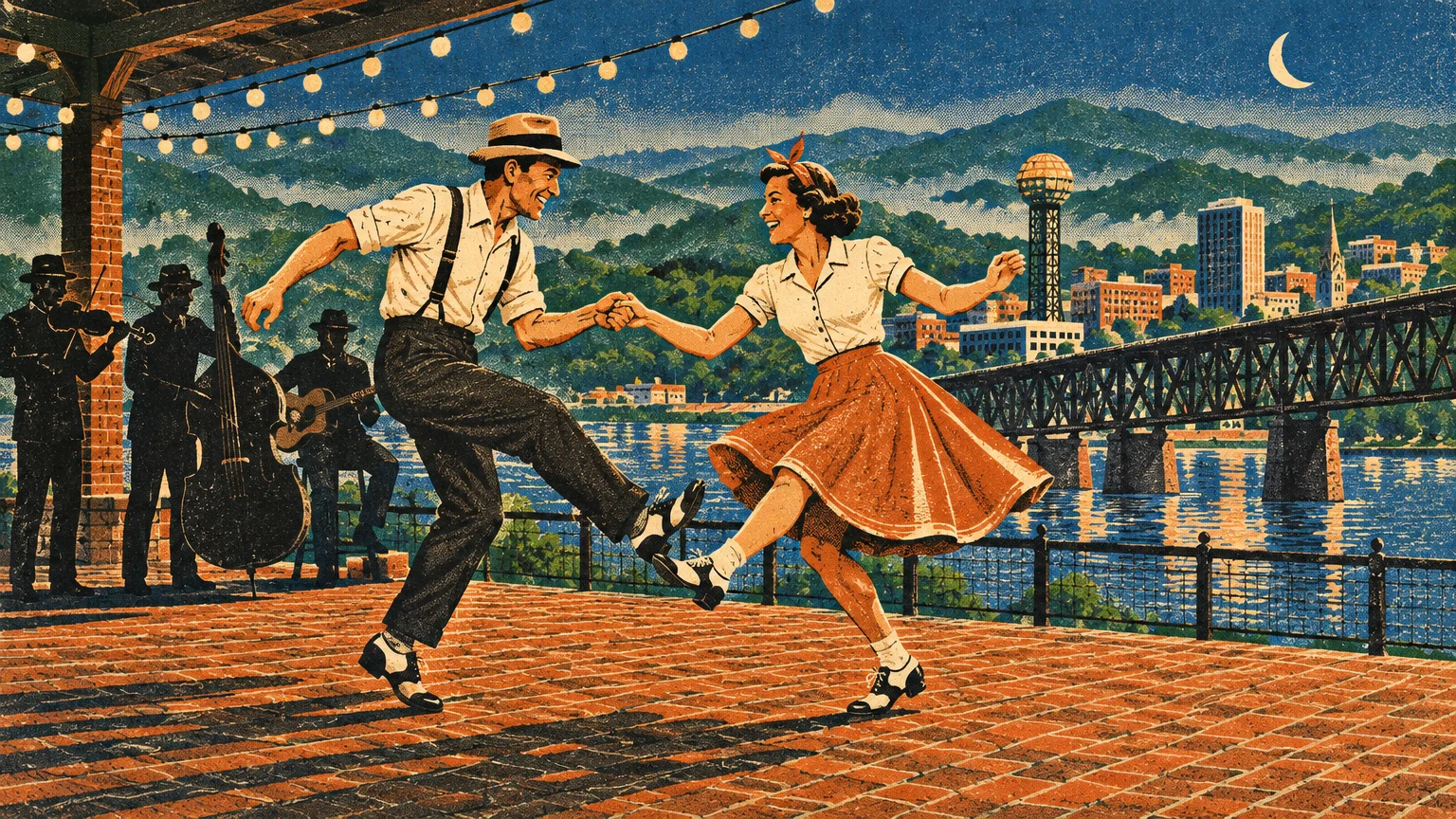
Positioned at the foothills of the Great Smoky Mountains, Knoxville blends Appalachian musical heritage with university town energy. The region supports an active community of folk, swing, and contra dancers.
The Knoxville Contra Dance community holds bi-weekly dances that attract a multi-generational crowd of friendly participants. Dances feature energetic live string bands and experienced regional callers.
Traditional musicians and dancers also gather regularly at the historic Laurel Theater in the Fort Sanders neighborhood. The venue hosts regular old-time square dances and flatfoot clogging workshops.
If you prefer swing or ballroom, the Knoxville Swing Dance Association provides weekly social lessons and open dances. Beginners receive patient instruction before the general social dance starts.
Tennessee levies no personal state income tax on wages, pensions, or retirement account withdrawals. Retirees keep all of their retirement distributions to fund hobbies, classes, and travel.
10. Santa Fe, New Mexico: Argentine Tango and Vibrant Arts Collectives
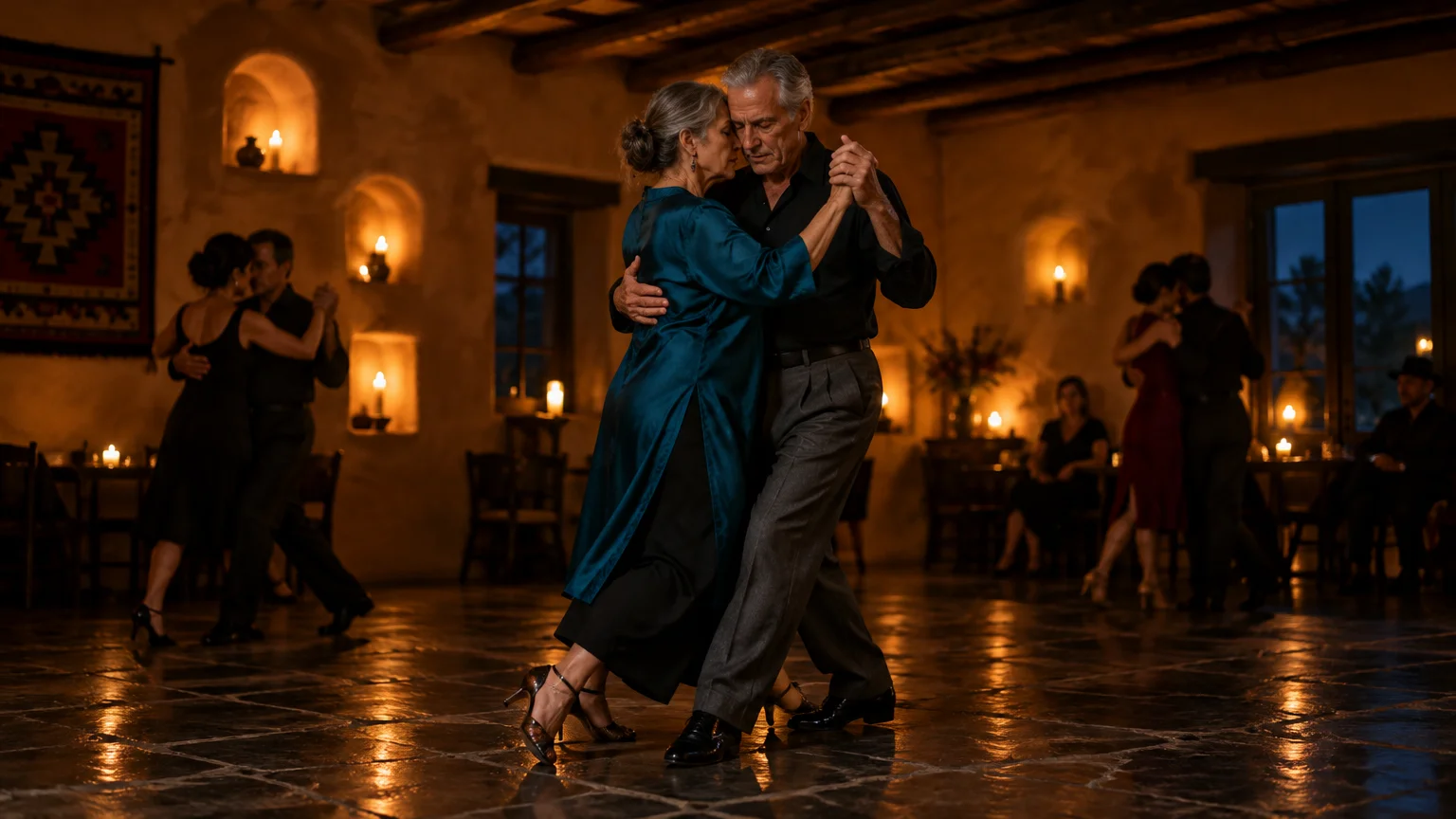
Santa Fe attracts artistic, culturally adventurous retirees who value active creative expression. The city’s historic adobe architecture hosts a surprisingly robust social dance network.
Argentine tango enthusiasts find a dedicated home within the Santa Fe Tango community. Dancers gather weekly for guided practicas and traditional evening milongas held at venues like the Odd Fellows Hall.
Santa Fe also hosts international folk dancing groups that celebrate European and Middle Eastern circle dances. These dances do not require a partner and provide fantastic low-impact aerobic exercise.
City recreation centers offer gentle daytime ballroom and line dancing sessions tailored to mature adults. The high-desert sunshine encourages outdoor community dances on the Santa Fe Plaza during warm months.
New Mexico allows seniors to deduct a portion of their retirement income based on adjusted gross income limits. The city’s walkable historic core makes attending evening dance socials convenient and safe.
11. St. George, Utah: Active Senior Centers and Western Partner Dancing
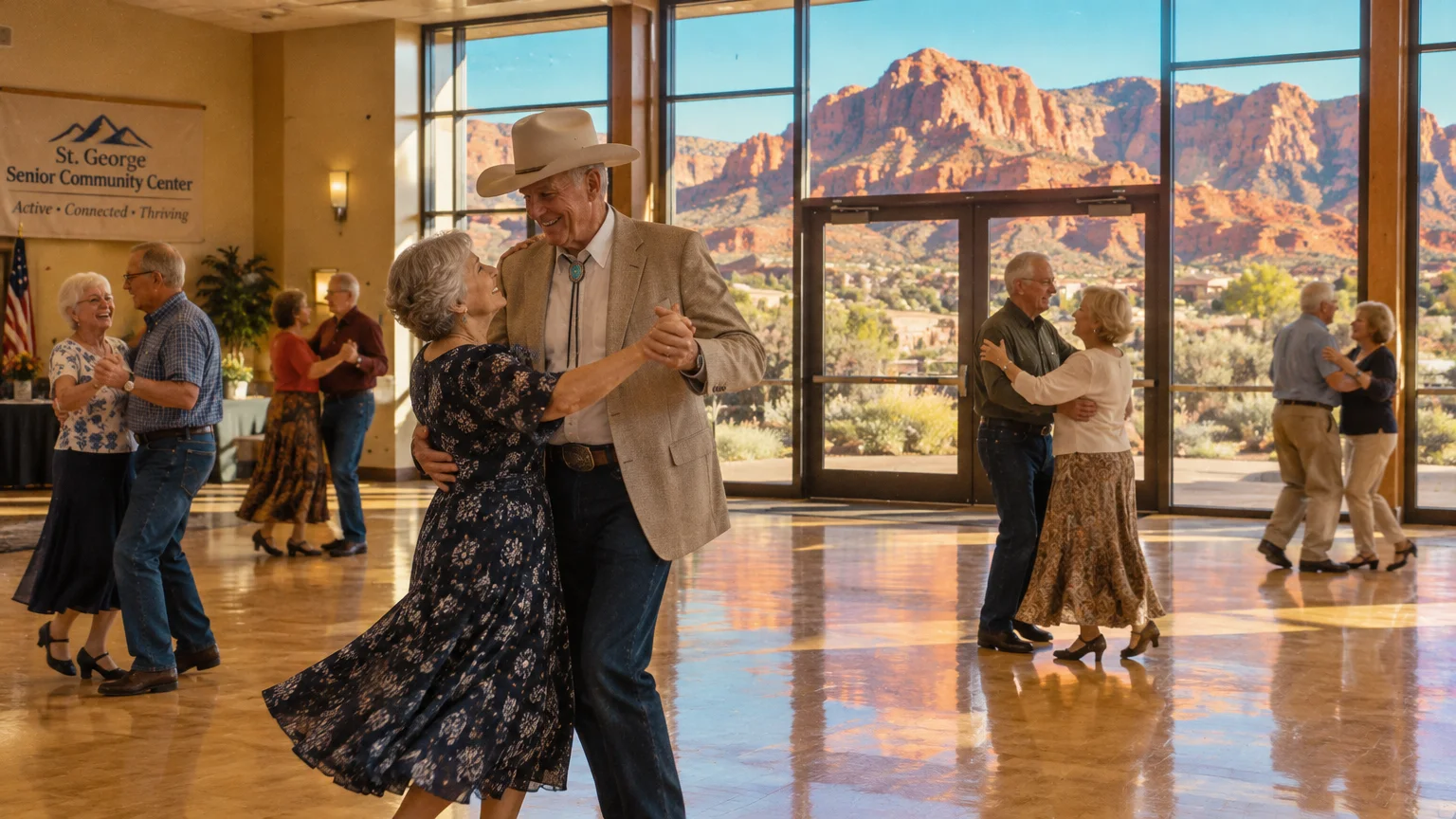
Located in Utah’s sunny southwestern corner, St. George provides year-round mild winters and stunning red rock scenery. The area has become a major magnet for active retirees seeking social recreation.
Master-planned neighborhoods like SunRiver St. George feature dedicated ballroom, line dance, and clogging clubs. Residents gather weekly in community clubhouses for themed dances and technique workshops.
The St. George Senior Center also hosts weekly afternoon social dances with live local musicians. For just a few dollars, seniors can enjoy partner dancing and meet friendly neighbors.
The Dixie Ballroom Dance Club organizes monthly social dances open to dancers of all skill levels. They provide introductory lessons before each event to help beginners feel comfortable.
Utah offers a targeted retirement tax credit for eligible seniors who receive Social Security or pension income. St. George provides an active desert sanctuary for retirees who want to keep moving.
The Health and Longevity Benefits of Senior Dance Clubs
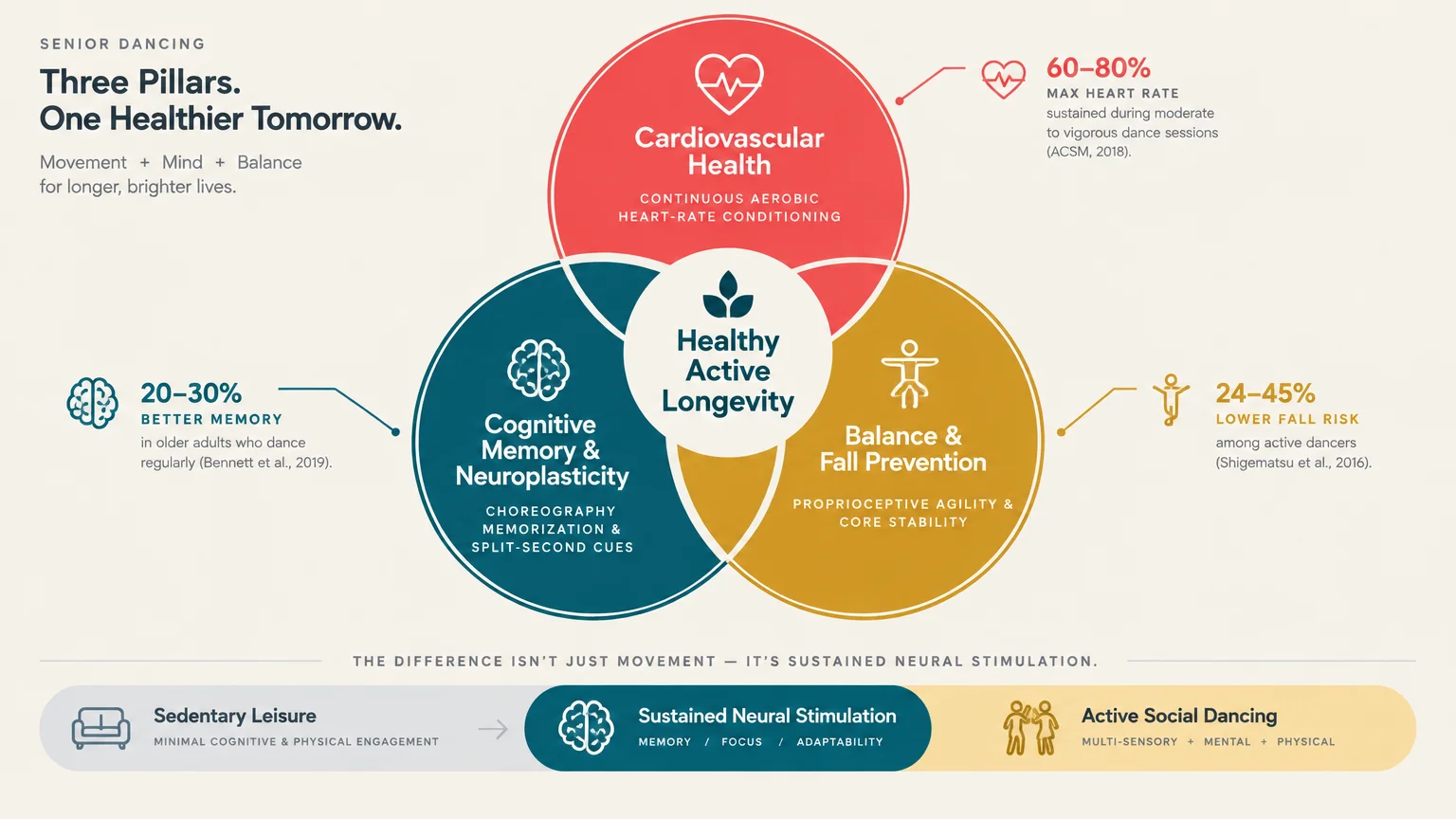
Regular social dancing delivers cognitive and physical benefits that few other retirement activities can match. Medical researchers frequently highlight partner dancing as an exceptional tool for healthy aging.
According to the National Institute on Aging, dynamic aerobic movement promotes cardiovascular health while preserving muscle tone. Dancing also challenges your brain through memory patterns and spatial awareness.
When you memorize choreography or respond to a partner’s lead, your brain builds new neural connections. This dual cognitive and physical workout significantly reduces cognitive decline risks.
Social dancing also counters senior isolation by embedding you into an encouraging peer community. The Administration for Community Living emphasizes that regular community engagement promotes emotional resilience.
“Retirement is not the end of the road, but the beginning of the open highway—and staying socially engaged keeps your engine running.” — Mitch Anthony, Author and Retirement Lifestyle Expert
Making friends across the dance floor gives you a natural reason to leave home several nights each week. That shared sense of purpose transforms physical exercise into pure entertainment.
Comparing Top Retirement Towns for Social Dancing
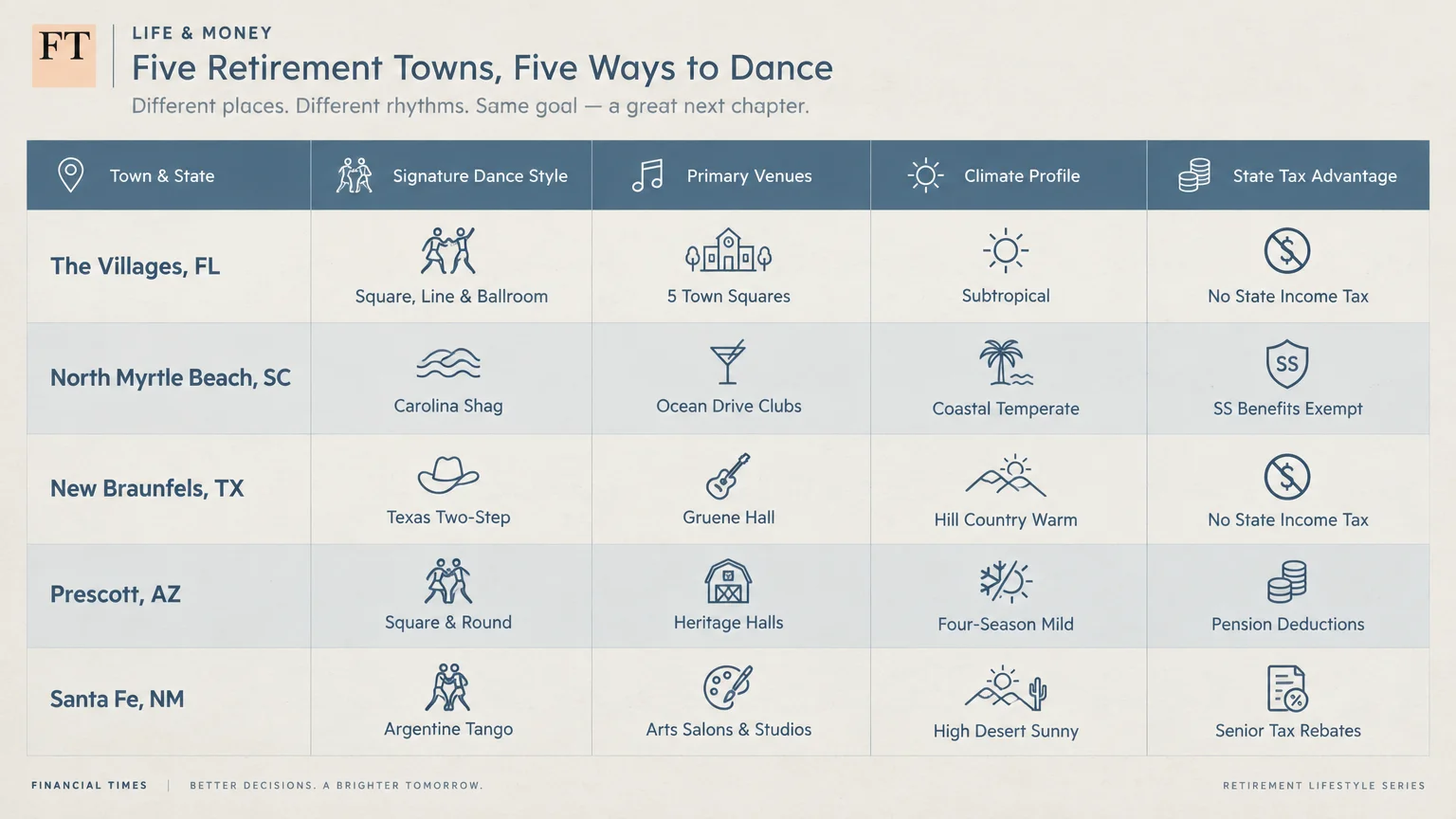
Choosing the right retirement destination involves balancing cultural offerings with living costs and state tax policies. Use this summary table to compare dance specialties and financial features across popular towns.
| Town and State | Primary Dance Focus | Notable Venue or Club | State Tax on Social Security |
|---|---|---|---|
| The Villages, FL | Town Square Dancing, Line, Ballroom | Spanish Springs and Lake Sumter Landing | No state income tax |
| North Myrtle Beach, SC | Carolina Shag | Fat Harold’s Beach Club | 100% exempt |
| New Braunfels, TX | Texas Two-Step and Western Swing | Gruene Hall | No state income tax |
| Sun City, AZ | Chartered Line Dance and Ballroom | Sundial Auditorium | 100% exempt |
| Asheville, NC | Mountain Contra Dance | Old Farmer’s Ball (Bryson Gym) | 100% exempt |
| Prescott, AZ | Modern Square and Round Dancing | Mile-Hi Square & Round Dance Club | 100% exempt |
| Sarasota, FL | Ballroom, Latin, and Tango | The Ballroom of Sarasota | No state income tax |
| Branson, MO | Country Line Dancing and Social Swing | Silver Saddle Country Bar | Exempt based on income |
How to Evaluate a Town’s Dance Scene Before You Move
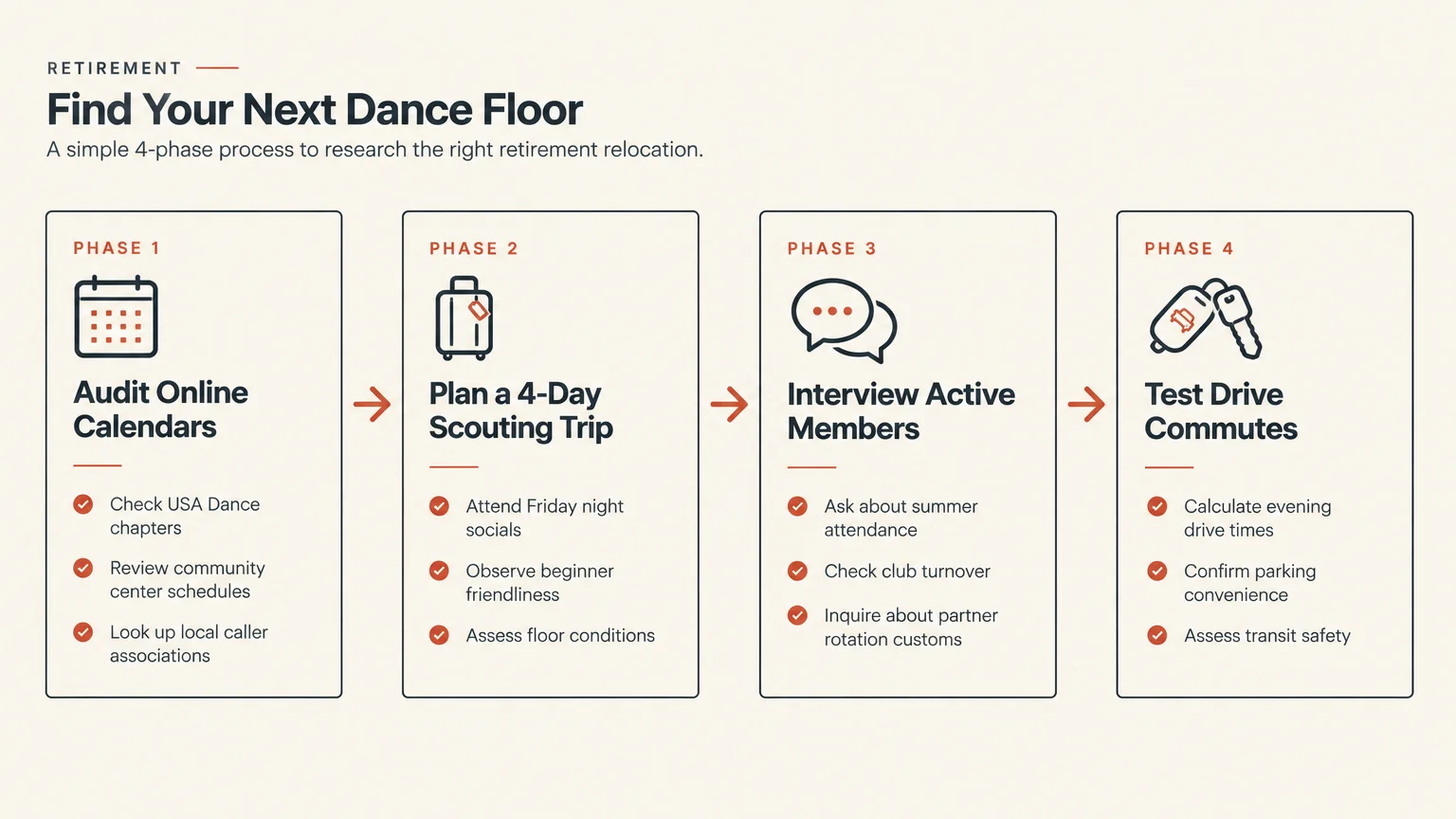
You should test a town’s social and dancing community before committing to a permanent relocation. A short visit can tell you whether a community matches your energy level and interests.
Take these practical steps when touring prospective retirement towns:
- Visit local dance halls on weeknights: Attend a Tuesday or Thursday dance to observe regular resident turnout rather than weekend tourist crowds.
- Check recreation center class schedules: Review active club rosters to verify that classes cater to multiple skill levels from beginner to advanced.
- Talk to club leaders in advance: Contact club organizers before visiting to ask about dress codes, partner requirements, and guest admission fees.
- Confirm partner rotation policies: If you plan to attend solo, ensure that the club encourages partner rotation so you are not left sitting out.
- Evaluate venue accessibility and parking: Check that dance venues offer well-lit parking lots, level flooring, and convenient driving distances from residential neighborhoods.
Spending two weeks in a town during the off-peak season gives you a realistic view of daily social life. You will discover firsthand how easy it is to make friends.
Balancing Club Costs and Retirement Budgets
Social dancing remains one of the most budget-friendly hobbies available to active retirees. Most senior-focused clubs keep annual membership dues between $20 and $60 per year.
Community center dances typically charge modest door fees between $5 and $12 per session. These nominal fees usually cover live band performances, caller stipends, and light refreshments.
According to retirement lifestyle guides from AARP, joining local hobby clubs costs far less than golf memberships or marina fees. You gain substantial physical activity without draining your monthly budget.
When planning your relocation budget, always factor in state tax rules on retirement distributions. You can verify how your retirement income is treated by checking official resources from the Social Security Administration.
Taking Your First Steps on the Dance Floor
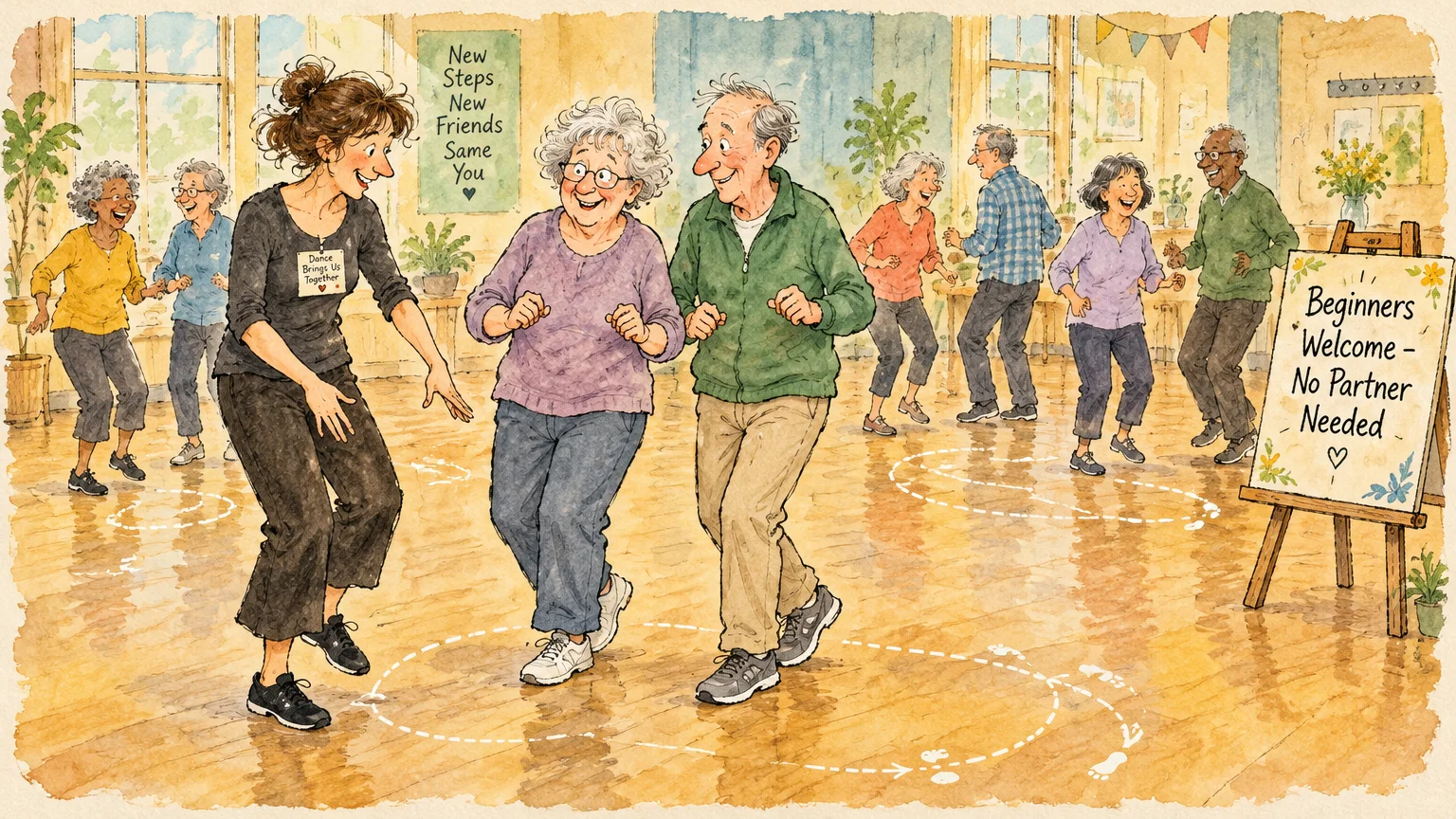
You do not need years of dance experience to enjoy these active retirement communities. Most clubs cater directly to beginners and prioritize camaraderie over perfect footwork.
Start by visiting community dance nights in two or three towns on your shortlist. Lace up your dancing shoes, introduce yourself to club organizers, and step onto the floor.
The information in this guide is meant for educational purposes. Your specific circumstances—including income, health needs, tax situation, and goals—may require different approaches. When in doubt, consult a licensed professional.
Last updated: March 2026. Retirement benefits, tax rules, and healthcare regulations change frequently—verify current details with official sources.






Leave a Reply