
Trimming your household food bill preserves critical retirement savings without forcing you to sacrifice nutrition. The right grocery rewards programs put hundreds of dollars back into your wallet each year through automated register discounts.
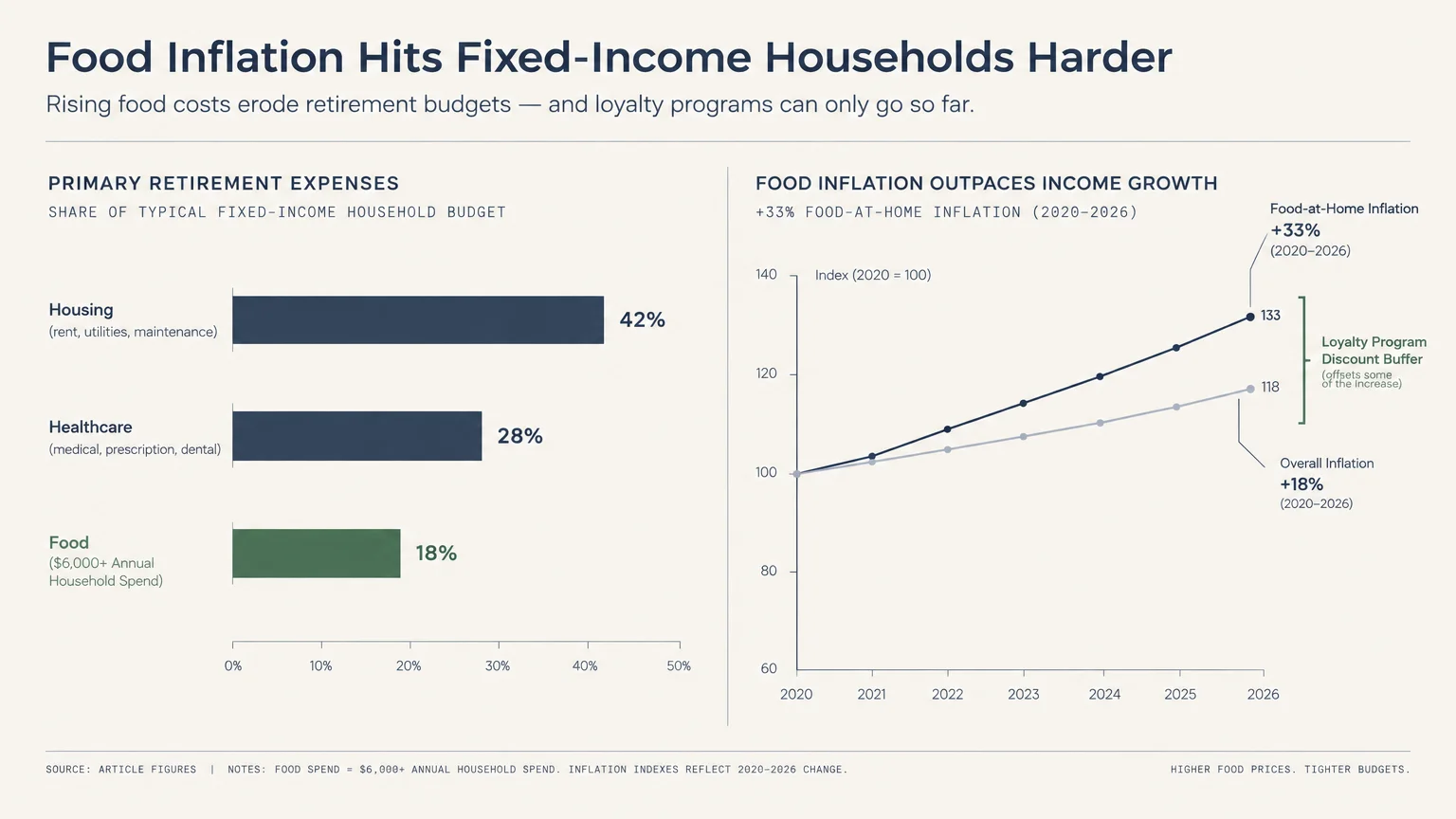
Food-at-home prices climbed roughly 33% between 2020 and 2026, placing substantial strain on fixed incomes. Enrolling in merchant loyalty platforms provides an immediate, effective hedge against this persistent grocery inflation.
We evaluated national and regional loyalty systems to find options that deliver dependable cash savings, fuel perks, and delivery discounts. These eight programs offer outstanding financial value for your weekly shopping trips.
Why Grocery Loyalty Matters on a Fixed Income
Food represents one of the largest routine expenses in any retirement plan, trailing only housing and healthcare. Older adults spend over $6,000 annually per household on groceries, according to federal expenditure data.
When grocery store prices climb, that essential spending can quietly destabilize your monthly cash flow. Using grocery points programs helps you preserve your principal and offset rising living costs.
According to research highlighted by AARP, optimizing everyday purchases helps older adults maintain lifestyle flexibility without drawing down investment accounts prematurely. Small shopping adjustments create meaningful annual financial cushions.
“Beware of little expenses; a small leak will sink a great ship.” — Benjamin Franklin, Statesman and Author
Modern grocery loyalty programs no longer force you to clip flimsy newsprint coupons at your kitchen table. Smartphone apps and digital keypads now handle the discount calculations automatically at checkout.
Smart shoppers combine digital store rewards with reputable budgeting strategies from Kiplinger to manage everyday cash outflows. Lowering recurring expenses keeps more money working in your retirement portfolio.
1. Kroger Plus (and Boost)
Kroger operates the largest traditional supermarket network in the nation, making its loyalty ecosystem immensely valuable. The basic Kroger Plus program requires no annual fee and activates sale pricing instantly at checkout.
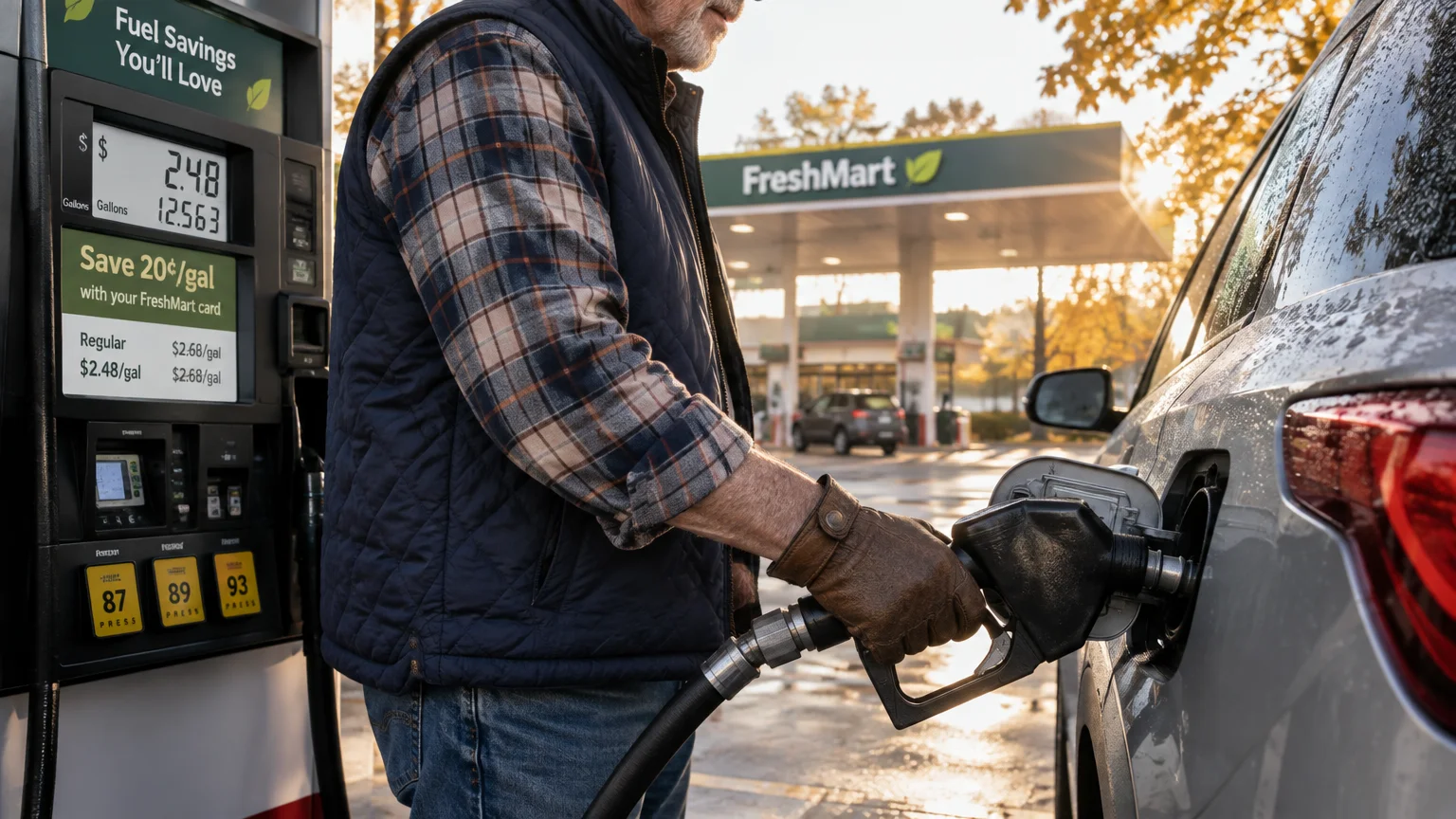
The core advantage centers on Kroger’s renowned fuel points program. You earn one fuel point for every qualifying dollar you spend on groceries each month.
Redeeming 100 points knocks 10 cents off per gallon at Kroger fuel stations and participating Shell pumps. You can redeem up to 1,000 points per fill-up for a maximum savings of $1.00 per gallon on up to 35 gallons.
Keep an eye on the calendar when accumulating points. Kroger fuel points expire at the end of the month following the month you earned them.
For shoppers seeking doorstep convenience, Kroger offers a paid add-on membership called Boost. The basic Boost tier costs between $59 and $69 per year and provides free next-day grocery delivery on orders of $35 or more.
An upgraded $99 annual Boost plan accelerates fulfillment to same-day delivery within two hours. Both Boost tiers grant members double fuel points on every grocery purchase, drastically accelerating your gasoline savings.
2. Target Circle and Circle 360
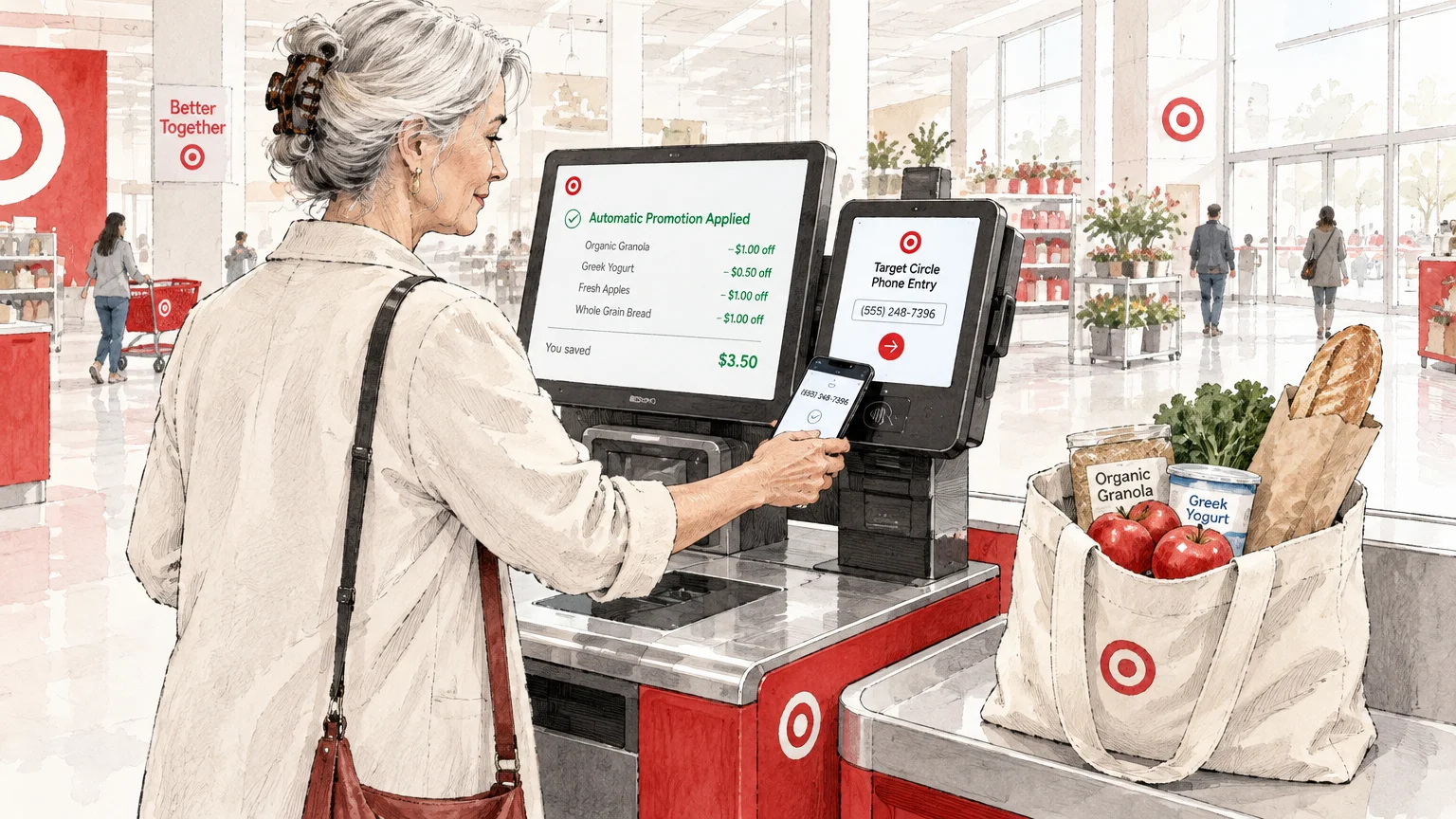
Target reimagined its popular Circle rewards structure to eliminate manual digital coupon clipping. The free Target Circle tier automatically applies manufacturer deals and retailer promotions at the cash register.
You simply enter your mobile phone number on the payment keypad or scan your barcode. The system checks eligible items and instantly reduces your final tally.
Shoppers who prefer home delivery can subscribe to Target Circle 360 for $99 annually. This tier partners with Shipt to deliver groceries to your door in as little as an hour on qualifying $35 orders.
If you hold a Target Circle Card debit or credit account, Target discounts that annual membership fee to $49. Cardholders also receive an automatic 5% cash discount on eligible merchandise during every shopping trip.
Combining that permanent 5% card discount with automatic Target Circle deals produces substantial savings on pantry staples. The streamlined mobile app also stores your digital receipts for effortless return processing.

3. Walmart+
Walmart built its reputation on low everyday shelf prices, but its Walmart+ membership expands those benefits significantly. The program costs $98 annually or $12.95 per month for standard subscribers.
Qualifying recipients of government assistance programs, such as SNAP, can access Walmart+ for just $49 per year. That 50% discount offers exceptional relief for lower-income seniors managing strict monthly budgets.
A primary draw is unlimited free grocery delivery from your local supercenter on orders exceeding $35. You receive fresh produce and pantry goods at in-store prices without tipping surcharges or delivery markups.
Members also earn digital Walmart Rewards when purchasing specially marked items in the app. These accrued cash balances apply directly to future grocery orders during checkout.
Drivers also benefit from fuel discounts through Walmart+. The program shaves 10 cents per gallon off fuel purchases at participating Exxon, Mobil, Walmart, and Murphy gas stations nationwide.
4. Costco Executive Membership
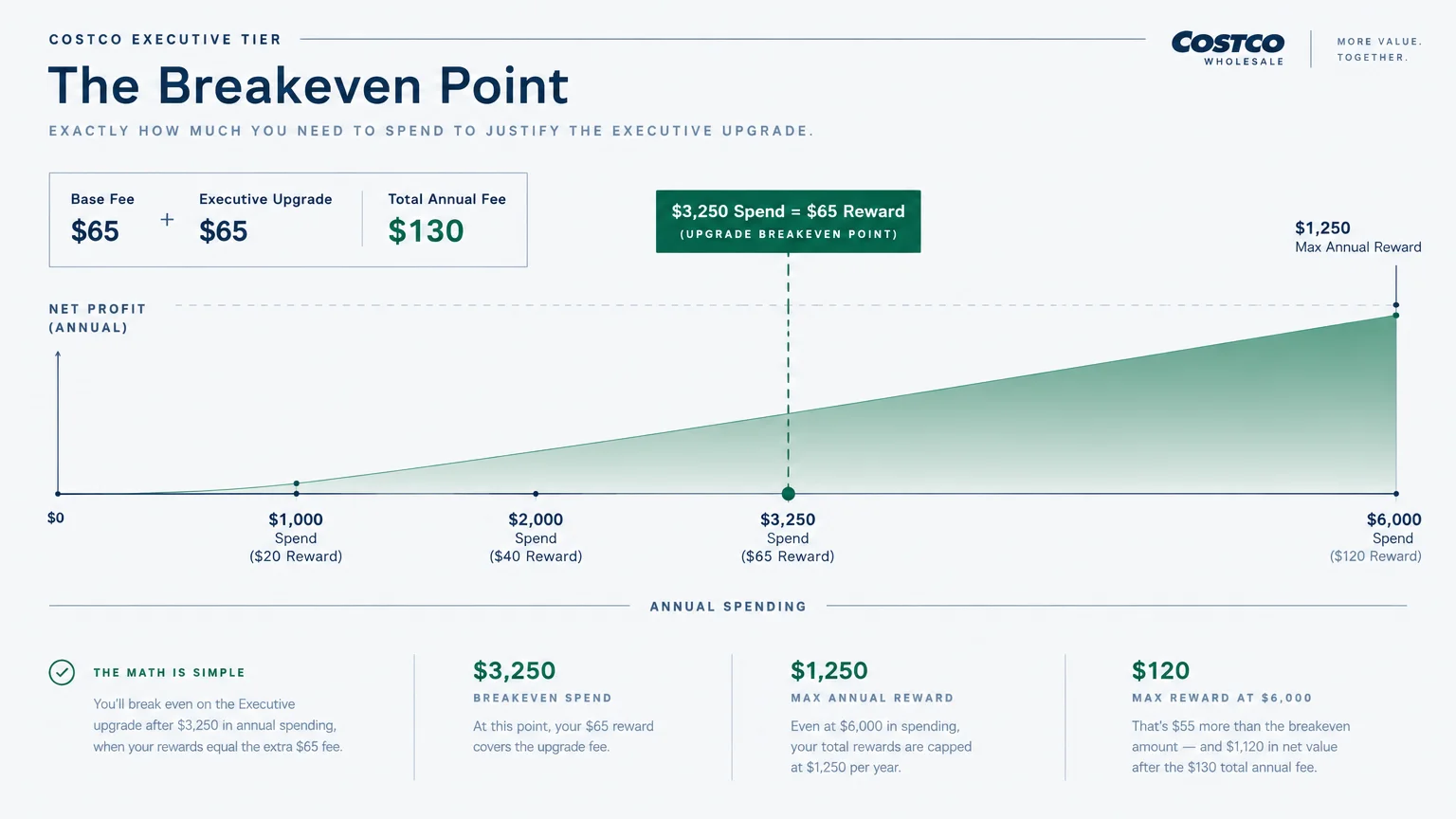
Wholesale clubs offer strong volume discounts, but upgrading your card unlocks additional cash return. Costco standard Gold Star memberships cost $65 annually, while Executive memberships cost $130 per year.
Executive members receive an annual 2% reward certificate on qualifying warehouse and online purchases. Costco sets the maximum annual payout cap on this 2% reward at $1,250.
To justify the $65 annual upgrade difference between Gold Star and Executive, your household must spend $3,250 annually at Costco. That spending threshold equals approximately $271 per month on groceries, household goods, or pharmacy items.
If your monthly purchases exceed that number, the Executive upgrade pays for itself. If your rebate check totals less than the $65 fee difference, Costco customer service will refund the difference upon request.
Retirees who purchase maintenance medications, hearing aids, optical goods, or travel packages through Costco reach that spending threshold very quickly. The annual reward certificate arrives by mail approximately two months before your renewal date.
5. Sam’s Club Plus
Sam’s Club provides a compelling warehouse alternative with distinct digital conveniences. The retailer offers a standard Club membership for $50 per year and an upgraded Plus membership for $110 per year.
Plus members earn 2% back on qualifying in-club purchases as Sam’s Cash, capped at $500 per year. You can apply Sam’s Cash directly to future grocery registers or cash it out entirely.
Spending $3,000 annually, or $250 per month, generates $60 in Sam’s Cash and covers the price difference between membership tiers. Everything you spend above that monthly target represents pure profit for your household.
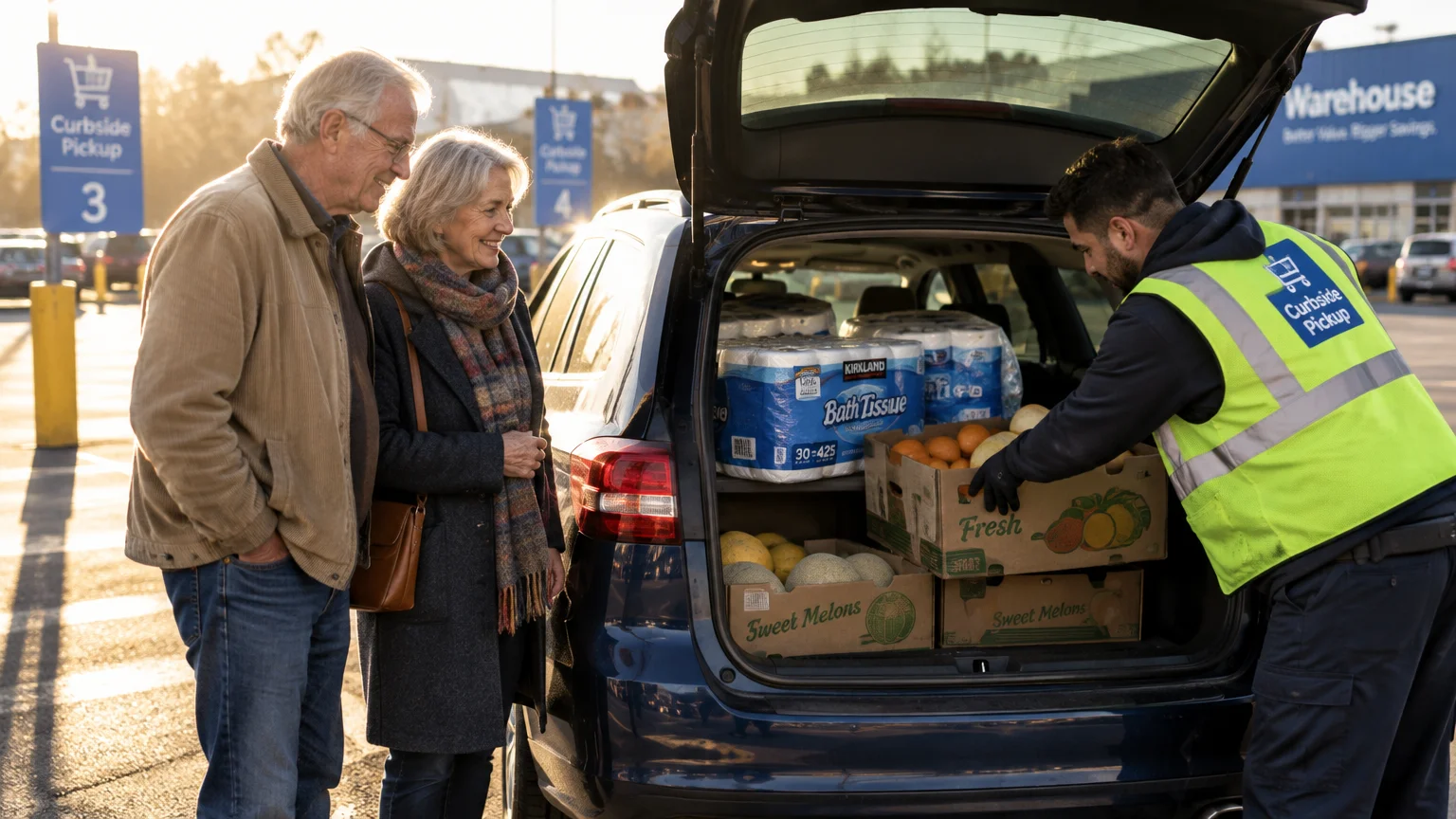
Plus membership also unlocks free curbside pickup and early shopping hours starting at 8:00 a.m. on weekdays. Those quieter morning hours allow you to navigate store aisles comfortably before larger crowds arrive.
The retailer’s Scan and Go mobile app lets you scan barcodes as you walk the aisles. You bypass regular checkout lines completely and pay directly on your phone.

6. Albertsons and Safeway “for U”
The Albertsons family of stores—including Safeway, Vons, Jewel-Osco, Shaw’s, and Acme—shares the unified “for U” rewards platform. Membership is free and links seamlessly to your mobile phone number.
You earn one point for every dollar spent on eligible grocery items and pharmacy copays. Accumulating 100 points converts into one Reward token.
You can redeem single Rewards for $1 off groceries, select free food items, or 10-cent gas discounts. Higher point tiers unlock steeper grocery deductions, such as $7 off for five Rewards.
You must monitor the conversion timetable closely. Unused points expire at the end of the calendar month following the month in which you earned them.
Shoppers can also subscribe to FreshPass for $99 annually to obtain unlimited free grocery delivery on orders over $35. FreshPass subscribers also receive exclusive perks, including monthly dining rewards and non-expiring points.
7. Food Lion Shop & Earn
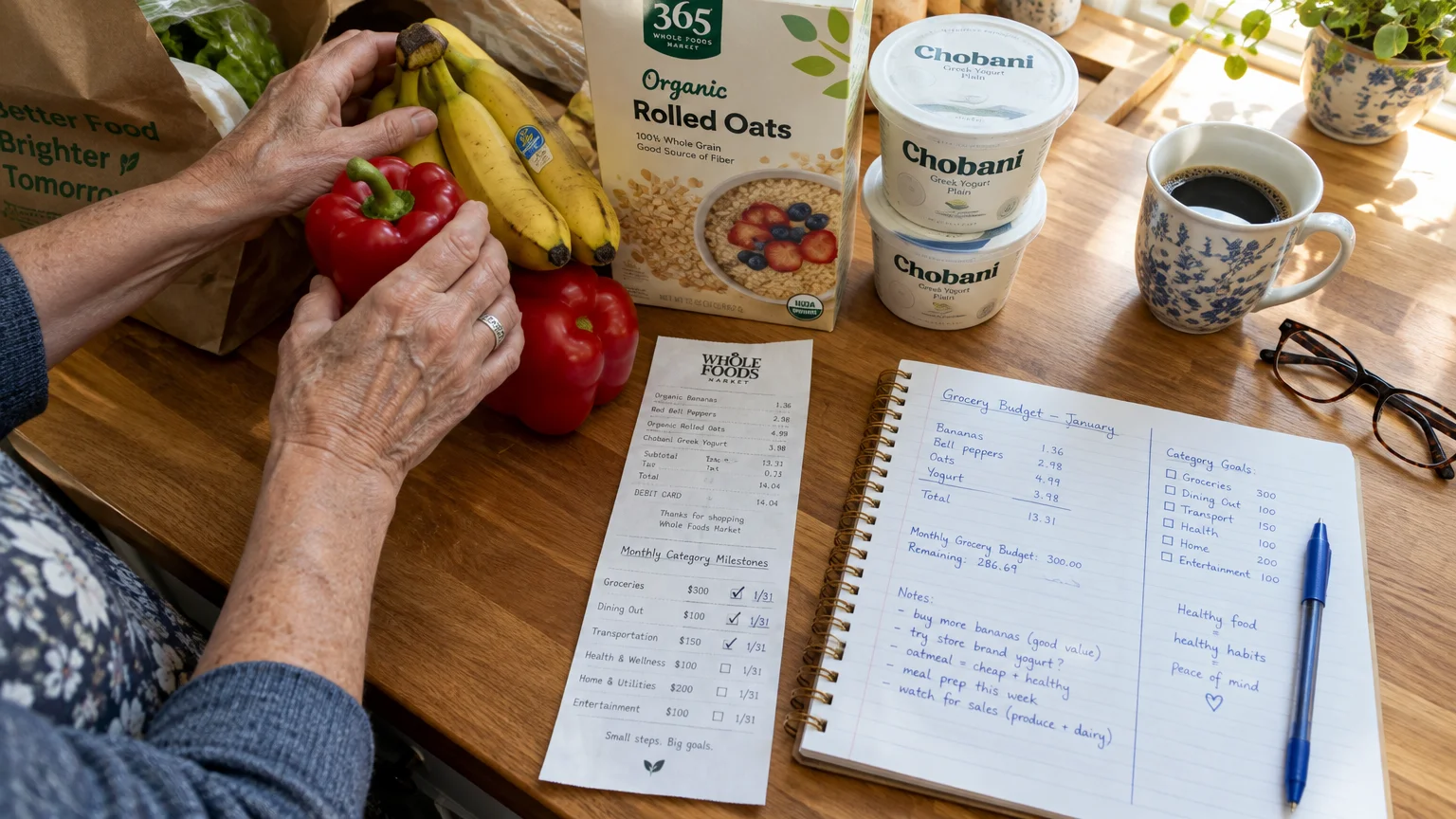
Food Lion operates extensively across the Mid-Atlantic and Southeastern states, emphasizing low everyday grocery prices. Its Shop & Earn program enhances those savings by offering personalized monthly cash-back challenges.
You must log into the Food Lion app or website at the start of each month to activate your offers. The platform tailors these challenges to your genuine buying patterns, such as spending $20 on produce.
Completing an activated challenge deposits rewards into your digital MVP wallet. For example, hitting your monthly produce target might credit $2 straight to your account.
These rewards load automatically to your MVP card and deduct from your register total on subsequent shopping visits. Earned cash rewards remain valid through the end of the following calendar month.
Because Shop & Earn challenges stack on top of regular weekly MVP sales, patient shoppers achieve steep grocery discounts. You can track your progress toward monthly goals in real time using the smartphone app.

8. Regional Supermarket Senior Discounts
While most national supermarket chains replaced age-based perks with universal digital apps, select regional grocers still honor dedicated senior discount days. These rare programs reward older adults with direct percentage cuts.
Harris Teeter features its popular Club 60 program across the South and Mid-Atlantic. Shoppers aged 60 and older receive an automatic 5% discount on in-store purchases every Thursday with a registered VIC card.
In the Pacific Northwest, Fred Meyer operates a valuable senior discount for patrons aged 55 and older. On the first Tuesday of each month, older adults receive a 10% discount on private-label groceries.
This Fred Meyer discount covers Kroger, Simple Truth, and Fred Meyer store brands, alongside clothing and home goods. Pairing this 10% senior savings with digital coupons yields remarkable grocery reductions.
Comparing the Best Grocery Rewards Programs
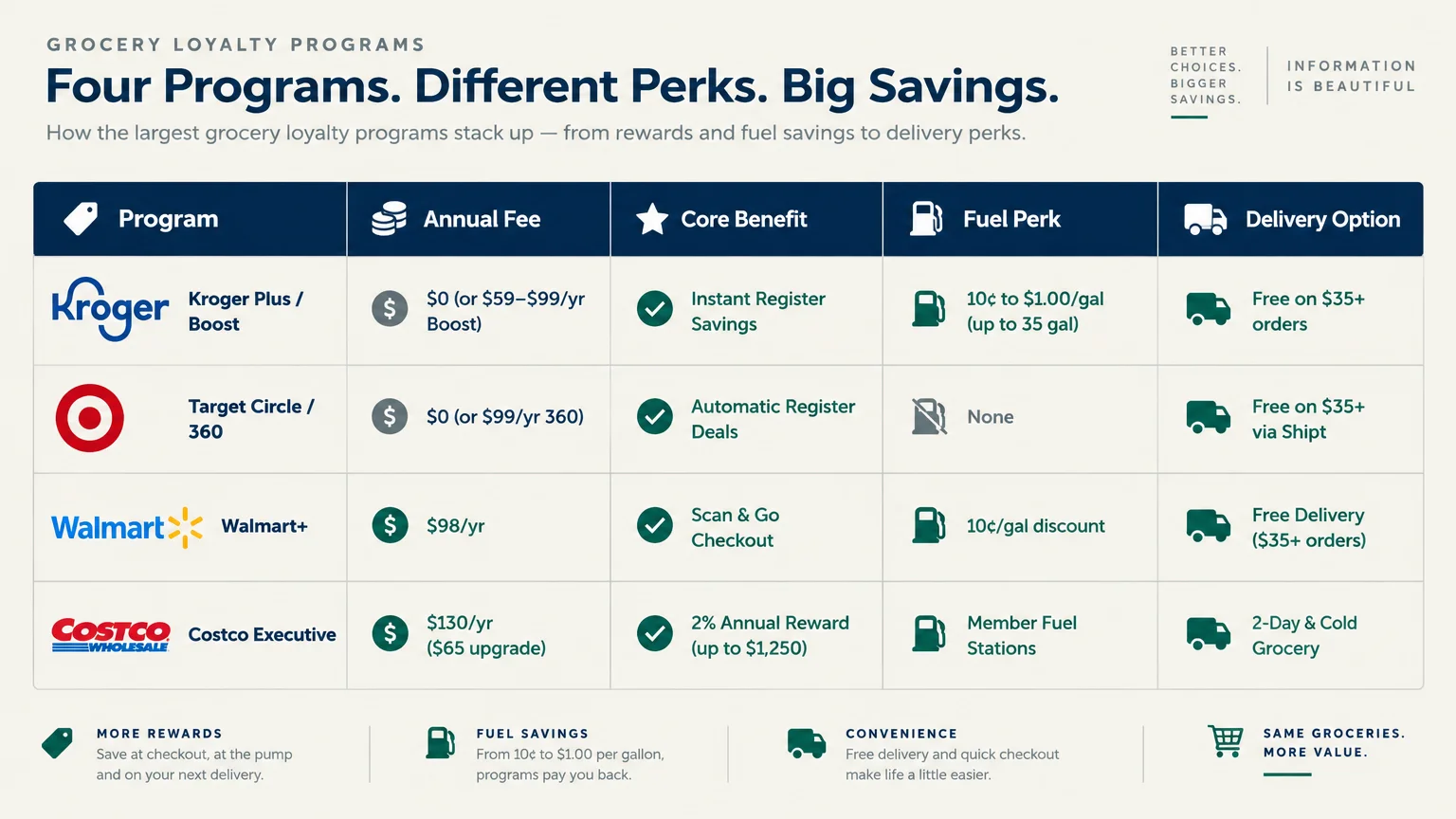
Reviewing program features side by side helps you identify which network fits your shopping routines and geographic location. The table below outlines costs, core rewards, and ideal shopper profiles.
| Program | Annual Cost | Core Benefit | Fuel Savings | Best For |
|---|---|---|---|---|
| Kroger Plus / Boost | Free ($59-$99 for Boost) | Sale pricing and digital coupons | Up to $1.00 off/gal | Suburban drivers and weekly meal planners |
| Target Circle / 360 | Free ($49-$99 for Circle 360) | Automatic deals + 5% card perk | None | Pantry shoppers and Target Circle cardholders |
| Walmart+ | $98 ($49 qualifying assistance) | Free delivery + Walmart Rewards | 10¢ off/gal | Budget-conscious shoppers wanting home delivery |
| Costco Executive | $130 ($65 upgrade) | 2% annual reward check | Club member pumps | Bulk buyers spending over $271 monthly |
| Sam’s Club Plus | $110 ($60 upgrade) | 2% Sam’s Cash + Scan & Go | Club member pumps | Early morning shoppers and tech-savvy buyers |
| Albertsons / Safeway for U | Free ($99 for FreshPass) | Flexible points for food or gas | 10¢ off/gal per 100 pts | Shoppers wanting customized weekly deals |
| Food Lion Shop & Earn | Free | Personalized monthly cash goals | None | Southeastern shoppers focused on produce staples |
| Harris Teeter Club 60 | Free | 5% discount every Thursday (age 60+) | Fuel points linked to VIC | Seniors able to shop mid-week in-store |

How to Maximize Your Grocery Points Without Overspending
Joining loyalty clubs is only the first step toward reducing your monthly food costs. Implementing disciplined shopping habits ensures you extract the maximum financial benefit from these programs.
Pair your store loyalty card with a dedicated cash-back credit card to double your returns. Financial consumer guidelines from the Consumer Financial Protection Bureau emphasize using credit cards responsibly to avoid interest charges.
“Do not save what is left after spending, but spend what is left after saving.” — Warren Buffett, Investor and CEO of Berkshire Hathaway
Review reputable consumer guides on NerdWallet to identify credit cards offering up to 6% cash back on grocery purchases. Stacking high credit card rewards on top of store loyalty points creates significant compounding savings.
- Audit expiration schedules: Note point expiration deadlines at the start of each month so accrued fuel perks never lapse.
- Stack weekly sales: Combine store app coupons with weekly circular markdowns on staples like eggs, dairy, and oats.
- Buy store brands: Private-label foods often carry lower baseline pricing while still qualifying for category-based loyalty points.
- Coordinate gasoline fill-ups: Time your gas tank refills to coincide with accumulated point redemption windows before points expire.
What Can Go Wrong: Avoiding Common Loyalty Traps
Loyalty programs exist primarily to encourage higher customer spending and foster store brand allegiance. If you alter your spending habits just to earn bonus points, the program costs you money.
Never buy surplus perishable items simply to cross a monthly spending milestone. Spoiled groceries sitting in your refrigerator trash bin wipe out any rewards you might have earned.
Avoid subscribing to paid delivery tiers like Walmart+ or Boost unless you utilize delivery regularly. Calculate whether your delivery frequency saves enough time, fuel, and hassle to justify the recurring annual fee.
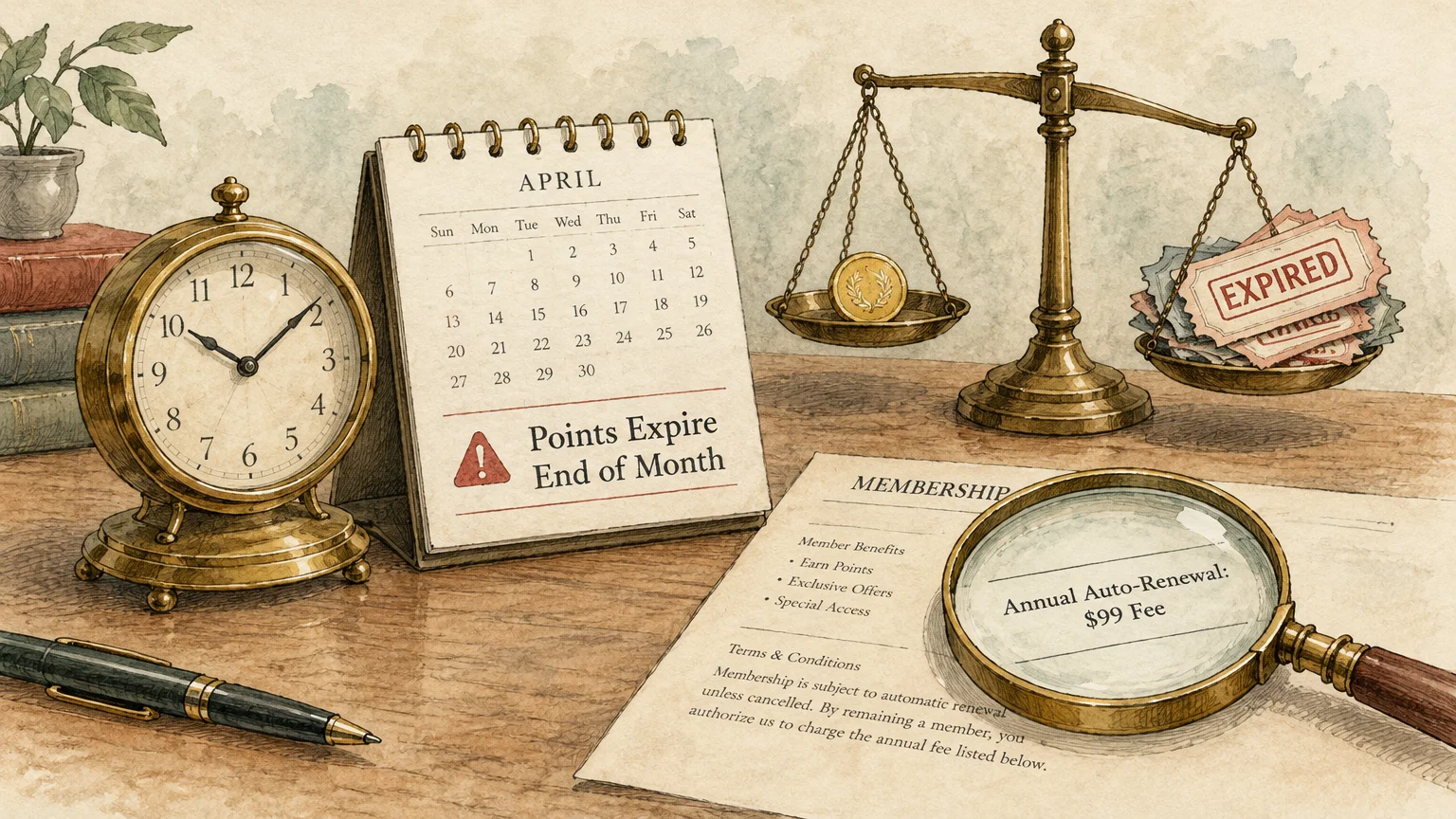
Beware of point forfeiture due to strict store expiration windows. Retailers count on customers forgetting to redeem accrued points before monthly cutoff dates pass.
Frequently Asked Questions
Do grocery store loyalty points expire?
Yes, most supermarket loyalty points expire quickly. Programs like Kroger Plus and Safeway for U expire points at the end of the month following the month earned.
Are paid grocery delivery tiers worth the fee for retirees?
Paid delivery tiers make financial sense if mobility is limited or you place at least two delivery orders monthly. Otherwise, free store pickup remains a better financial choice.
Can you stack senior discount days with digital coupons?
Most regional supermarkets allow stacking. You can apply digital coupons to individual items while receiving the senior percentage discount on your overall qualifying total.
Do grocery loyalty cards track and sell personal shopping data?
Retailers collect transaction histories to generate targeted offers and analyze inventory patterns. You can review and adjust personal data sharing preferences within each retailer’s mobile privacy settings.
Making Your Grocery Budget Work Harder
Selecting the right grocery loyalty programs puts meaningful cash back into your retirement budget every week. Focus on the stores you already frequent, activate digital offers before shopping, and redeem points consistently.
This article provides general retirement education and information only. Every retiree’s situation is unique—what works for others may not work for you. For personalized advice, consider consulting a qualified financial professional such as a CFP or CPA.
Last updated: March 2026. Retirement benefits, tax rules, and healthcare regulations change frequently—verify current details with official sources.









Leave a Reply