
Finding the right place to retire means matching your daily environment to your physical and mental health needs. For active adults, choosing the right outdoor retirement states in America provides immediate access to trails, waterways, and fresh air that keep you moving. Staying active in nature directly reduces healthcare costs and improves longevity, making your location a crucial part of your overall retirement plan. If you want to retire near nature in the USA, evaluating states based on weather, tax policies, healthcare quality, and public land access ensures you find a destination that supports both your lifestyle and your wallet. Let us explore the top choices for nature loving retirees.
What Makes a State Ideal for Active Outdoor Retirees?
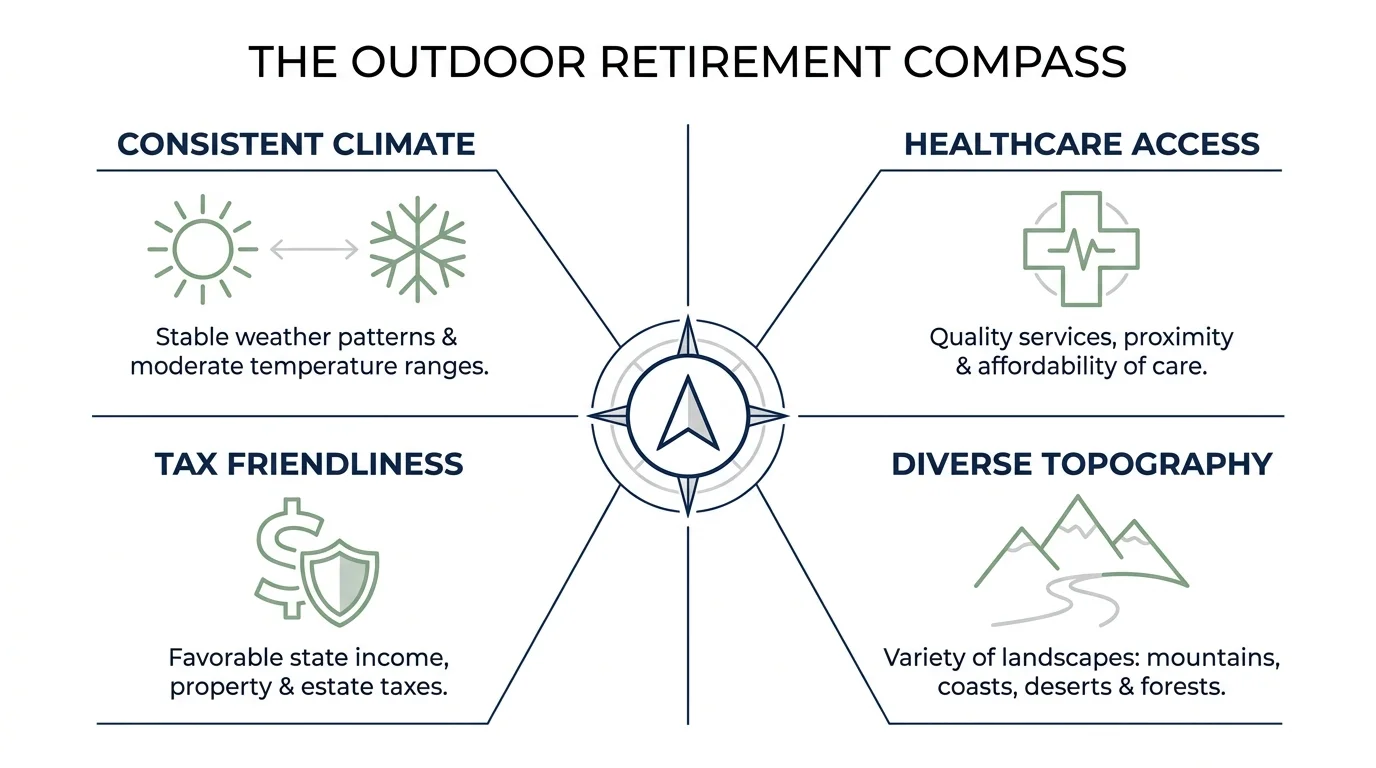
Relocating for retirement requires balancing your desire for adventure with the practical realities of living on a fixed income and aging safely. The most appealing active outdoor retirees states share several key characteristics that go beyond beautiful scenery. You need a location that supports your physical activities while offering the infrastructure necessary for a comfortable, secure lifestyle.
- Consistent Climate: States with moderate weather or predictable seasons allow you to maintain an outdoor routine year-round. Extreme heat or prolonged, harsh winters can force you indoors, defeating the purpose of your move.
- Healthcare Access: Proximity to top-tier medical facilities is non-negotiable. Even the healthiest retirees need routine care, and living near regional hospital hubs ensures you receive prompt attention if you sustain an injury on the trail.
- Tax Friendliness: States that exempt Social Security benefits, pension income, or withdrawals from retirement accounts stretch your savings further. Property taxes also play a significant role in your long-term budget.
- Diverse Topography: Destinations offering a mix of lakes, forests, and mountains provide varied physical challenges. Walking flat coastal paths uses different muscle groups than hiking elevation changes, keeping your workouts dynamic.
12 Best States in America for Retirees Who Love the Outdoors
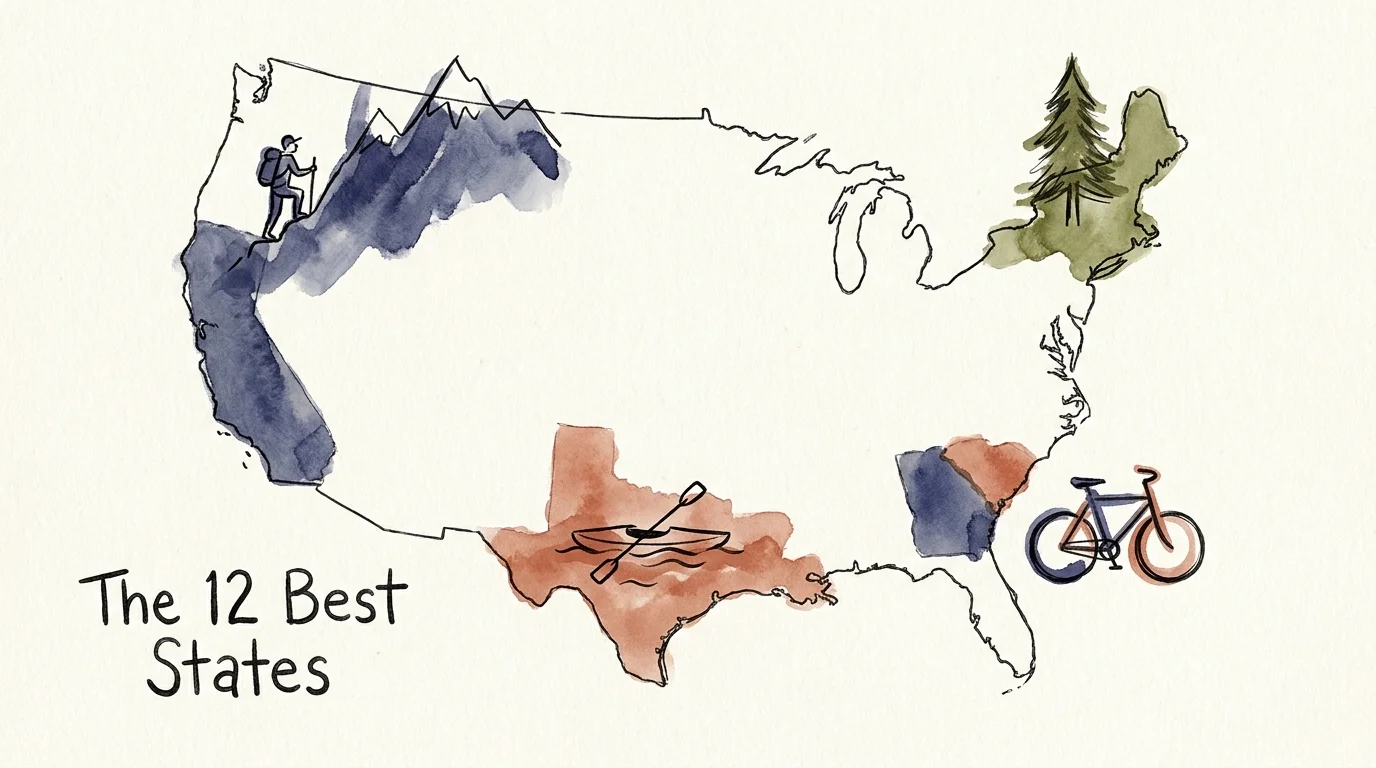
Whether you prefer high-altitude hiking, coastal kayaking, or exploring dense national forests, these twelve states stand out for their exceptional combination of natural beauty, livability, and retiree-friendly amenities.
1. Colorado: The Mountain Paradise
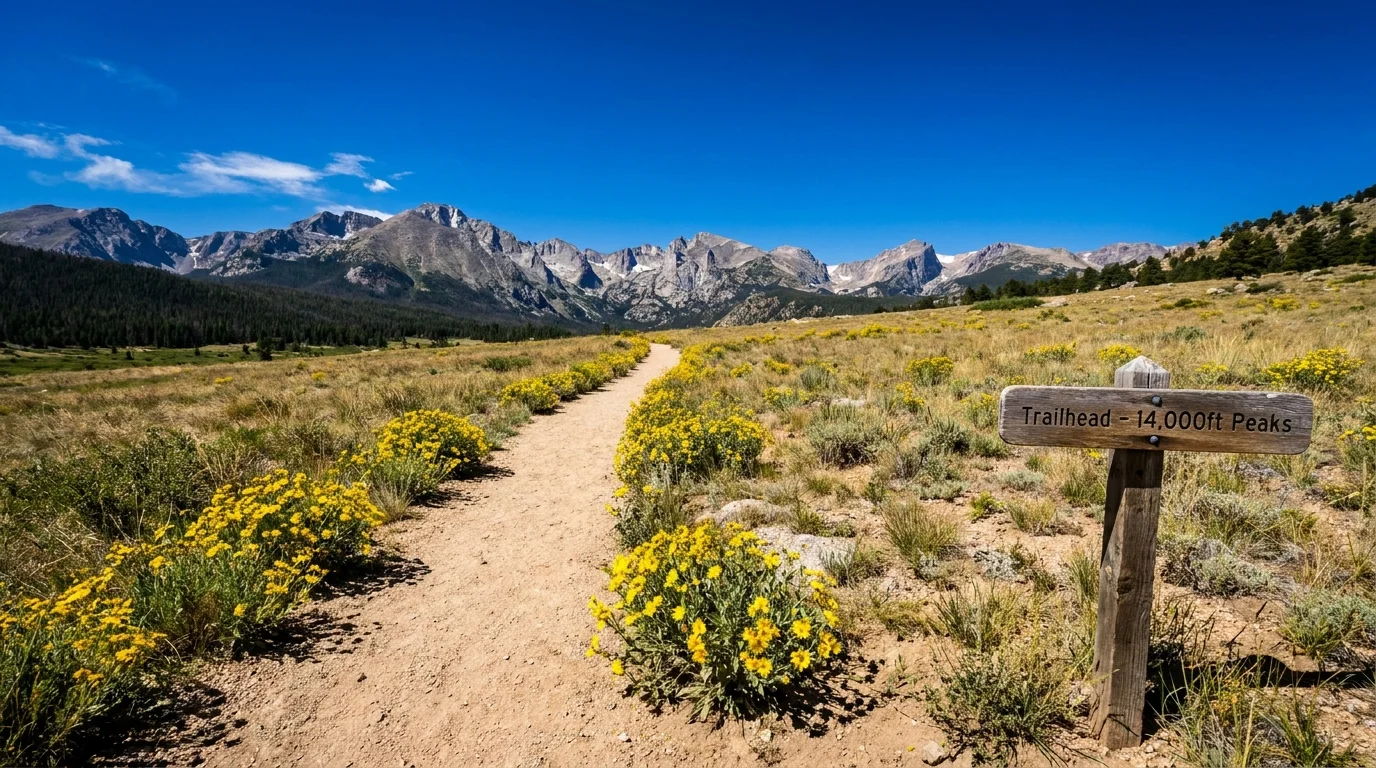
Colorado consistently ranks as one of the best states hiking retirees can choose. With 58 mountain peaks exceeding 14,000 feet, four national parks, and over 300 days of sunshine a year in cities like Denver and Colorado Springs, the opportunities for outdoor recreation are limitless. The dry climate makes summer hiking comfortable, while winter offers world-class snowshoeing and cross-country skiing. Financially, Colorado offers a generous retirement income subtraction, allowing taxpayers aged 65 and older to deduct a significant portion of their pension and annuity income from state taxes. Property taxes also remain relatively low compared to the national average.
2. North Carolina: The Blue Ridge Haven
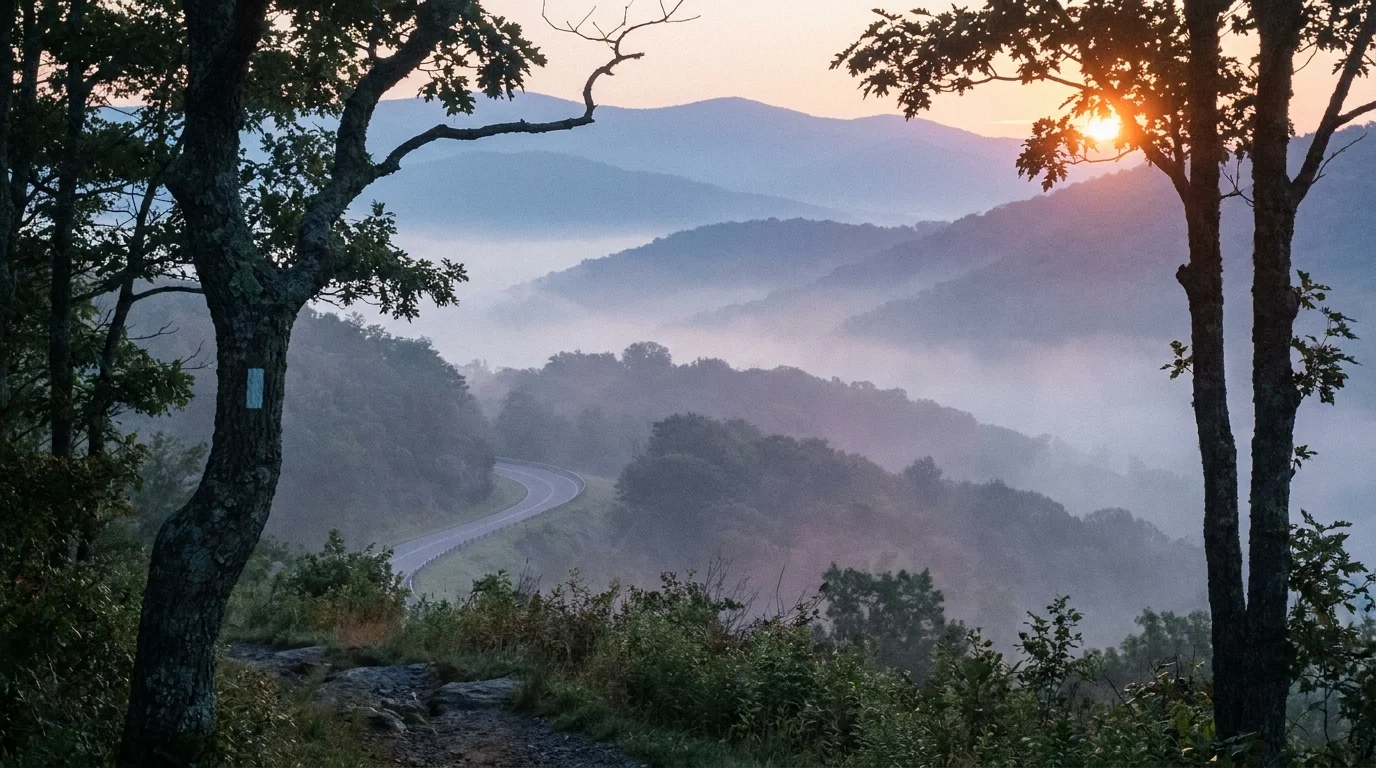
North Carolina offers a geographically diverse landscape, allowing you to drive from the misty peaks of the Blue Ridge Mountains to the sandy shores of the Outer Banks in a single day. Towns like Asheville, Boone, and Hendersonville have become magnets for active seniors who want distinct, but mild, four seasons. The state features hundreds of miles of the Appalachian Trail and the Blue Ridge Parkway, providing endless walking and hiking opportunities. North Carolina does not tax Social Security benefits, and the overall cost of living in the western mountain towns remains manageable for those living on retirement savings.

3. Florida: Coastal Living and Year-Round Warmth
While often stereotyped for its golf courses and planned communities, Florida offers incredible biodiversity for nature enthusiasts. If you enjoy kayaking, fishing, bird watching, and cycling, the state’s flat terrain and extensive water networks are ideal. Exploring the Everglades, paddling through the crystal-clear springs of Central Florida, or walking miles of Gulf Coast beaches keeps you physically engaged without putting excessive strain on your joints. Florida remains a financial powerhouse for retirees, boasting no state income tax, which means your Social Security, pensions, and IRA distributions remain untouched by the state government.

4. Utah: The National Park Capital
For highly active retirees who want dramatic, awe-inspiring landscapes, Utah delivers. Home to the “Mighty Five” national parks—Zion, Bryce Canyon, Arches, Capitol Reef, and Canyonlands—the state is a visual masterpiece. Southern towns like St. George offer a warm, dry climate perfect for year-round hiking, cycling, and golfing. Northern areas near Salt Lake City provide quick access to mountain ranges and world-renowned ski resorts. While Utah does tax Social Security benefits, it offers a retirement tax credit that offsets this burden for many lower- and middle-income retirees, and the state’s healthcare system frequently ranks among the best in the West.
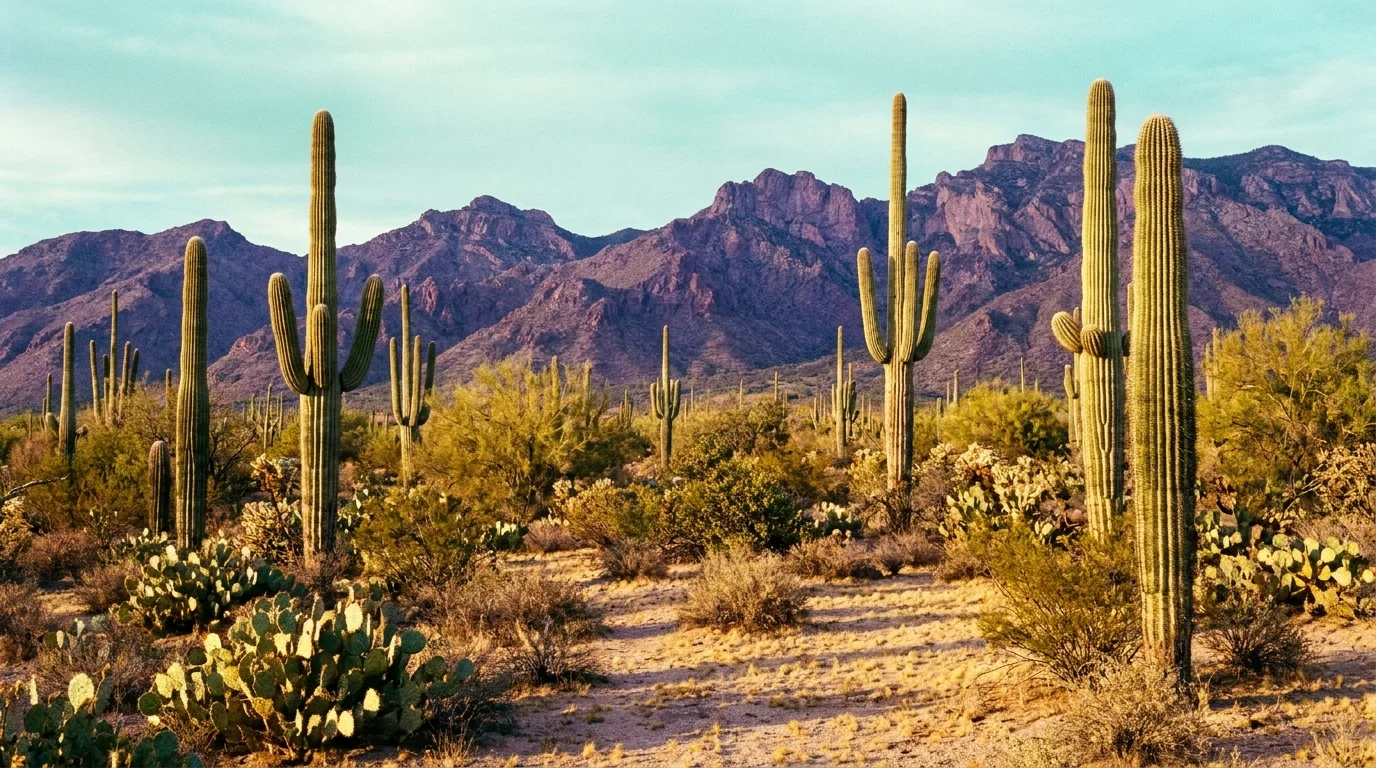
5. Arizona: Desert Vistas and Sunshine
Arizona’s dry heat is famous for soothing arthritic joints, making it a highly sought-after destination for older adults. Beyond the popular golf communities in Scottsdale, Arizona offers rugged desert hiking in Sedona, mountain trails around Flagstaff, and endless exploration in the Grand Canyon region. State parks are abundant, and the weather from October through April is virtually perfect for outdoor living. Arizona does not tax Social Security benefits, and property taxes fall well below the national average, making cities like Tucson and Prescott highly attractive for budget-conscious retirees.

6. Oregon: Pacific Northwest Diversity
If your idea of a perfect retirement involves lush, green forests, dramatic waterfalls, and a rugged coastline, Oregon should be on your shortlist. The state is a paradise for walking, hiking, and cycling, with the Columbia River Gorge and Mount Hood providing spectacular backdrops. Coastal towns like Newport and Florence offer cool, breezy summers that provide an escape from the intense heat experienced in southern states. Oregon has no state sales tax, which lowers the cost of everyday purchases. Though income taxes can be high, the state offers specific credits for older residents and does not tax Social Security.
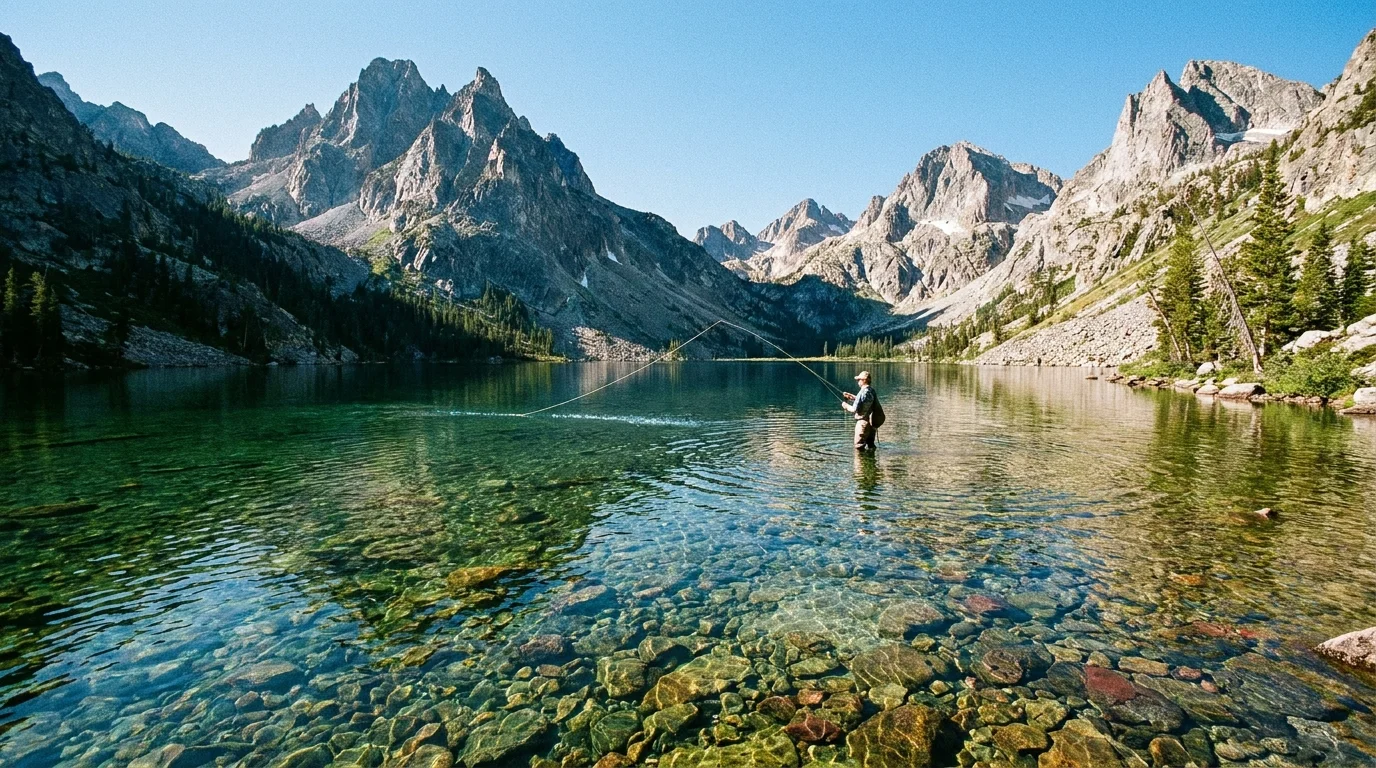
7. Idaho: Uncrowded Wilderness
Idaho offers the majestic scenery of the Rocky Mountains and the Pacific Northwest without the severe crowding or high cost of living found in neighboring states. Boise features an extensive, 25-mile paved greenbelt along the Boise River, perfect for safe, daily walking and biking. The Sawtooth Mountains and numerous pristine lakes offer excellent fishing, boating, and hiking. Idaho is relatively tax-friendly; it does not tax Social Security benefits, and it provides a grocery tax credit to help offset the state’s sales tax on food.
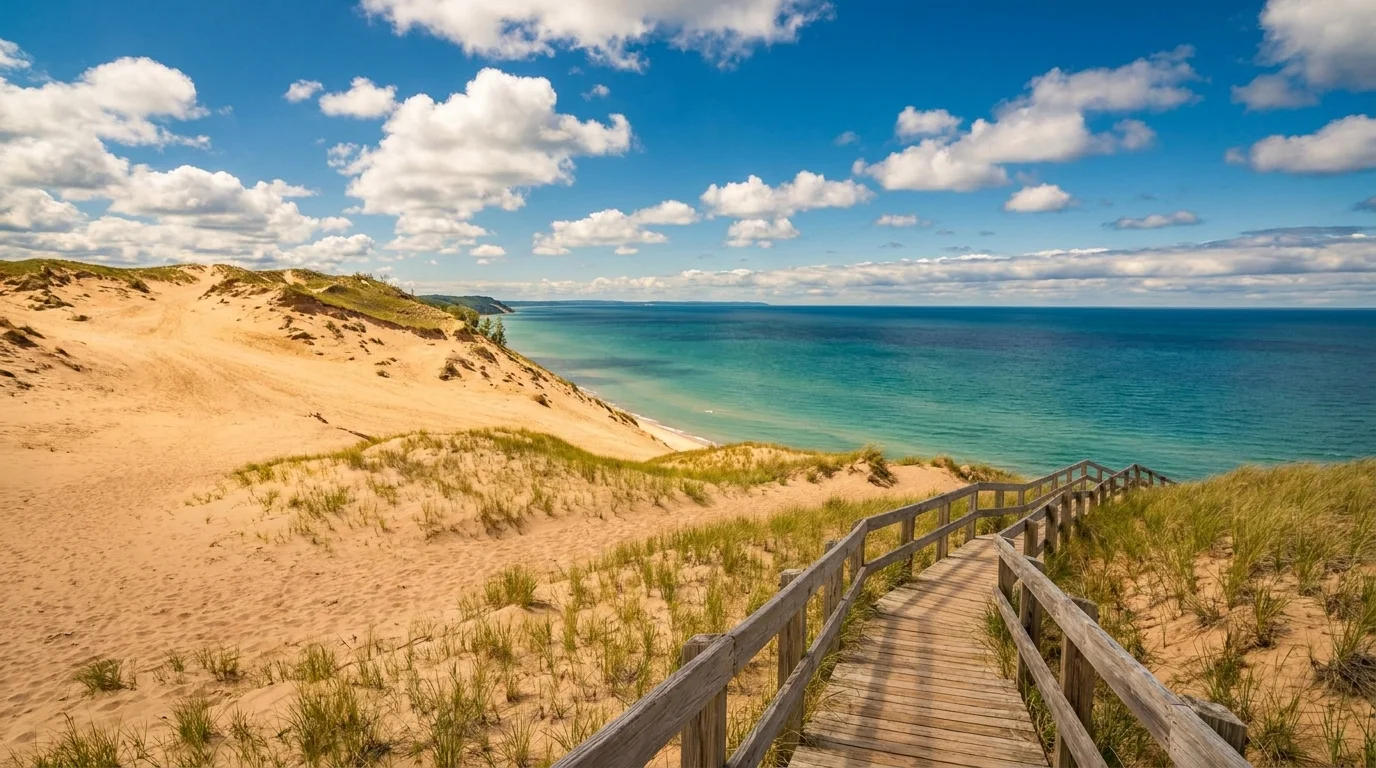
8. Michigan: The Great Lakes State
For retirees who love the water but prefer distinct seasons over tropical heat, Michigan is a spectacular choice. Surrounded by four of the five Great Lakes, Michigan boasts more miles of freshwater shoreline than any other state. Towns like Traverse City and Holland offer vibrant summer outdoor cultures centered around sailing, fishing, and beachcombing. The Upper Peninsula provides deep wilderness for serious hikers and campers. Michigan offers favorable tax exemptions on public and private pensions, making it a financially sound choice for many midwestern retirees.
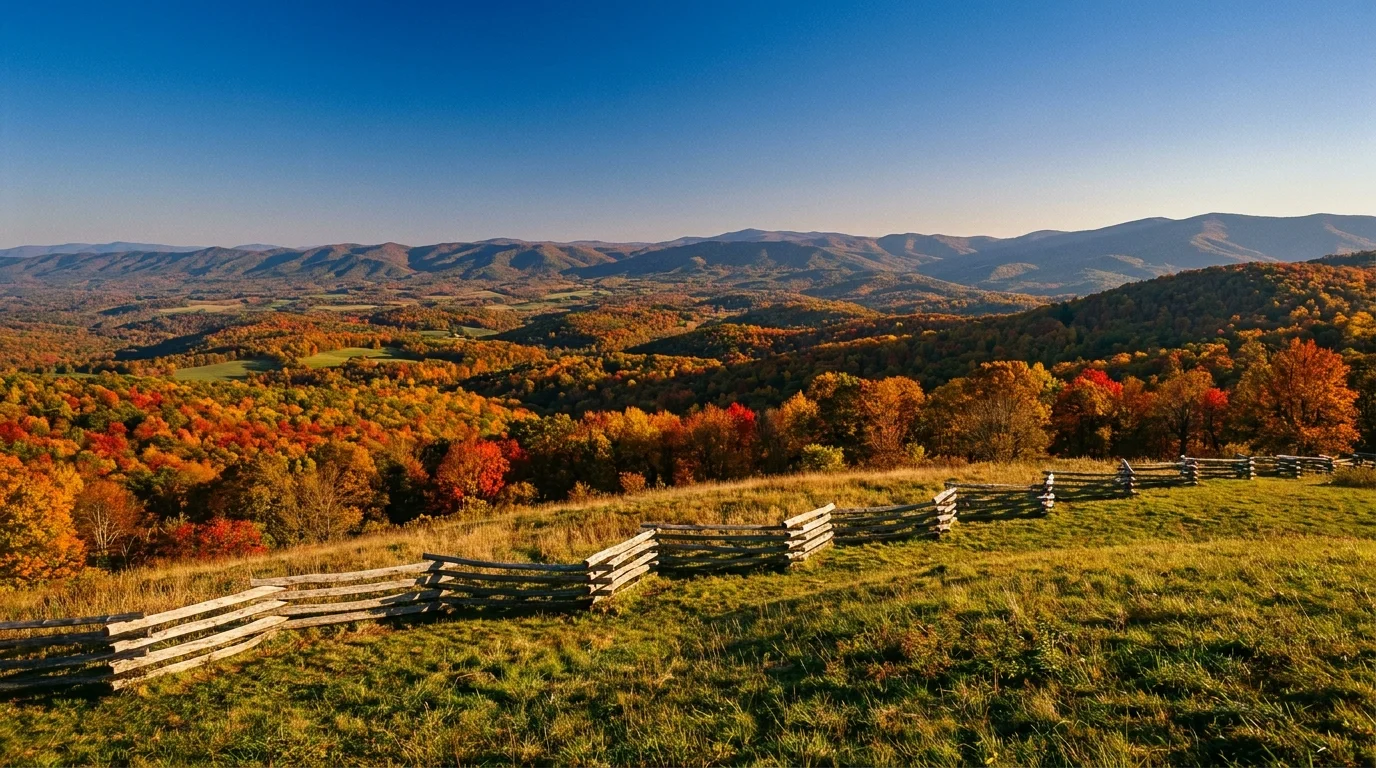
9. Virginia: Historic Trails and Gentle Seasons
Virginia blends rich American history with stunning natural environments. The Shenandoah National Park and the Blue Ridge Mountains offer breathtaking hikes, particularly during the vibrant autumn foliage season. Virginia provides a moderate climate, meaning you get to experience winter snow and summer heat without either becoming unbearable. The state is highly accessible, with top-tier healthcare facilities located in Charlottesville and the Northern Virginia region. Virginia does not tax Social Security and allows residents 65 and older to deduct a significant amount of other retirement income, depending on their adjusted gross income.
10. South Carolina: Lowcountry and Ocean Breezes
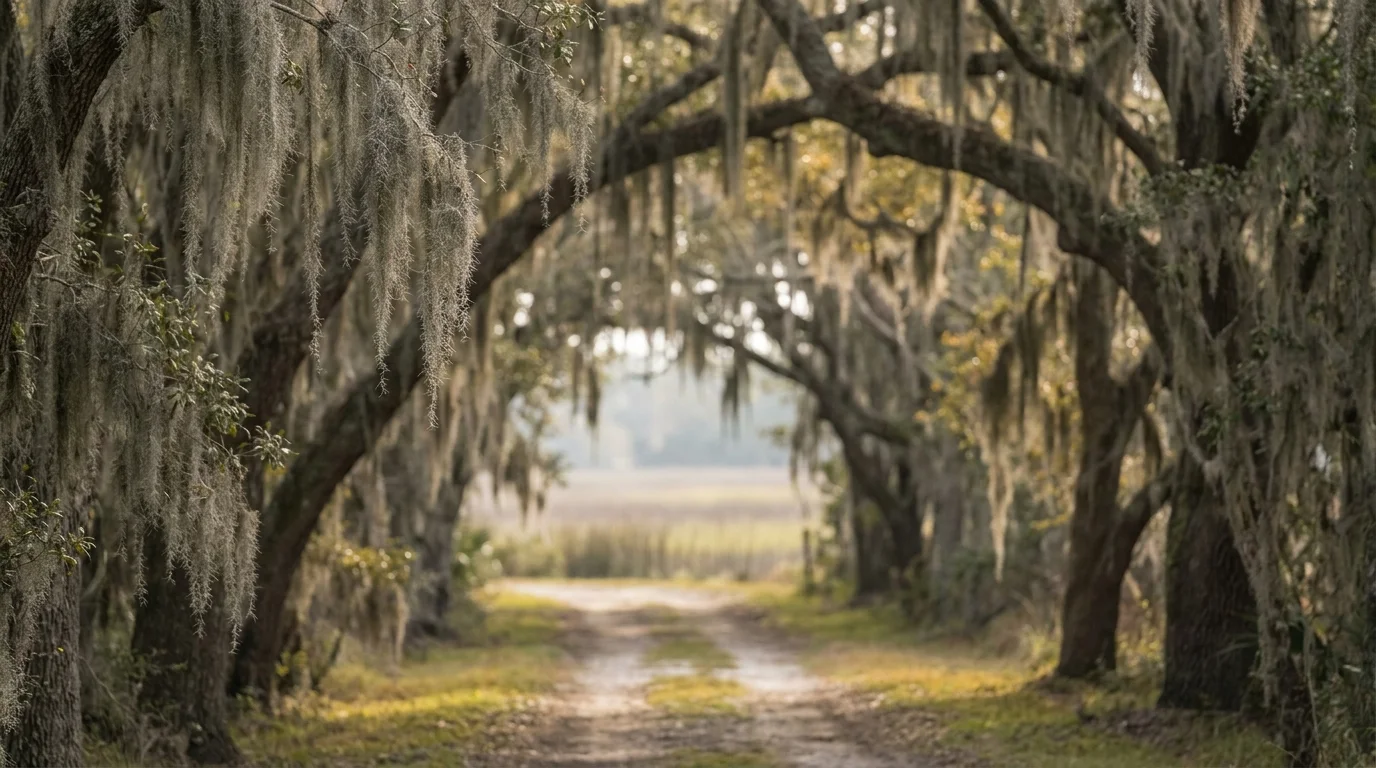
South Carolina is a haven for those who want a laid-back, coastal outdoor lifestyle. The state features mild winters that allow for year-round walking on the beaches of Hilton Head and Kiawah Island. Inland, retirees enjoy kayaking through marshlands, fishing in abundant lakes, and exploring state parks. South Carolina is exceptionally tax-friendly for retirees. The state does not tax Social Security benefits, offers a generous deduction on other types of retirement income, and features very low property tax rates, especially for residents over the age of 65 who qualify for the homestead exemption.
11. Maine: Rugged Coastlines and Pine Forests
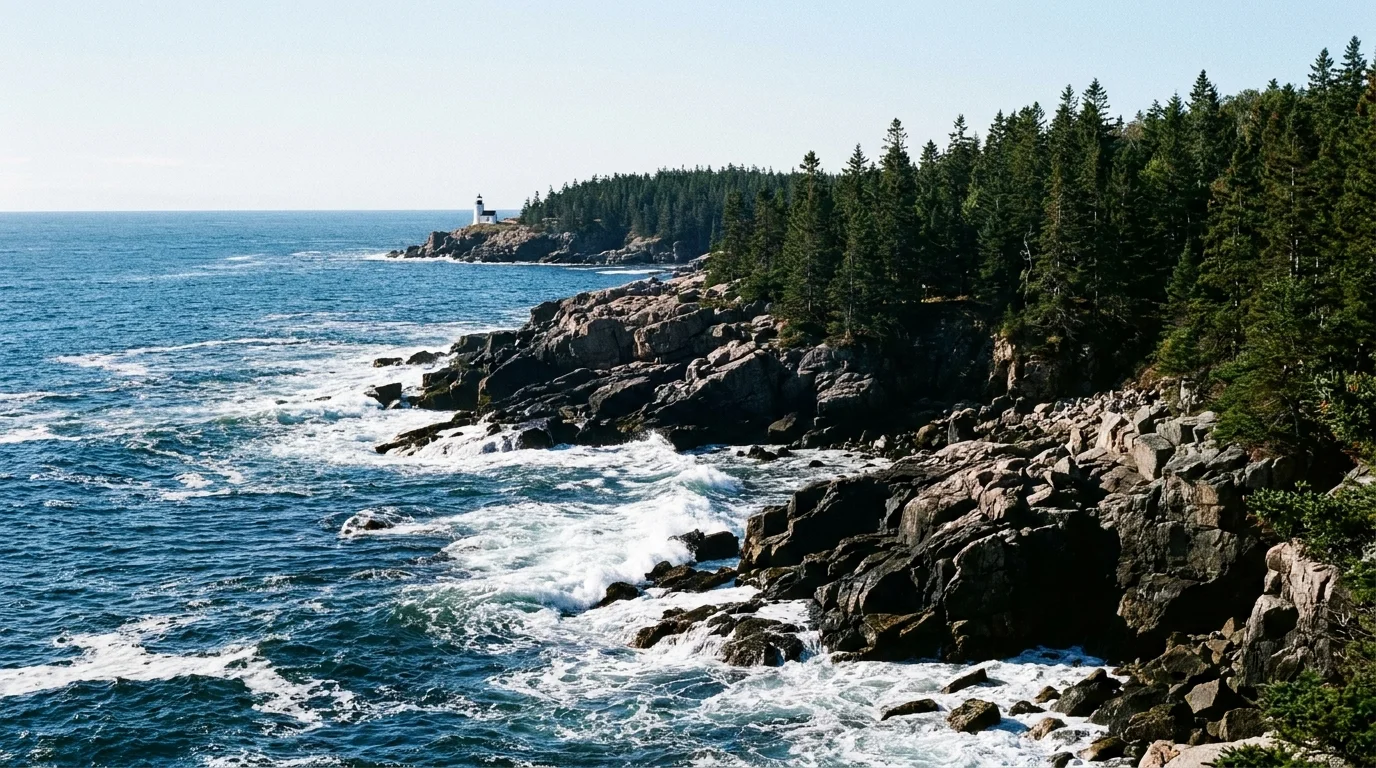
Maine is the ultimate destination for retirees who want to escape the heat and immerse themselves in deep, quiet nature. Acadia National Park offers some of the most striking coastal hiking in the country, while the state’s countless lakes and pine forests provide tranquil settings for canoeing and wildlife observation. Maine is ideal for those who embrace winter sports or prefer a quiet indoor life during the snowy months while fully utilizing the spectacular, temperate summers. Maine recently expanded its pension exemptions, making it increasingly friendly to middle-income retirees.
12. Wyoming: Wide Open Spaces
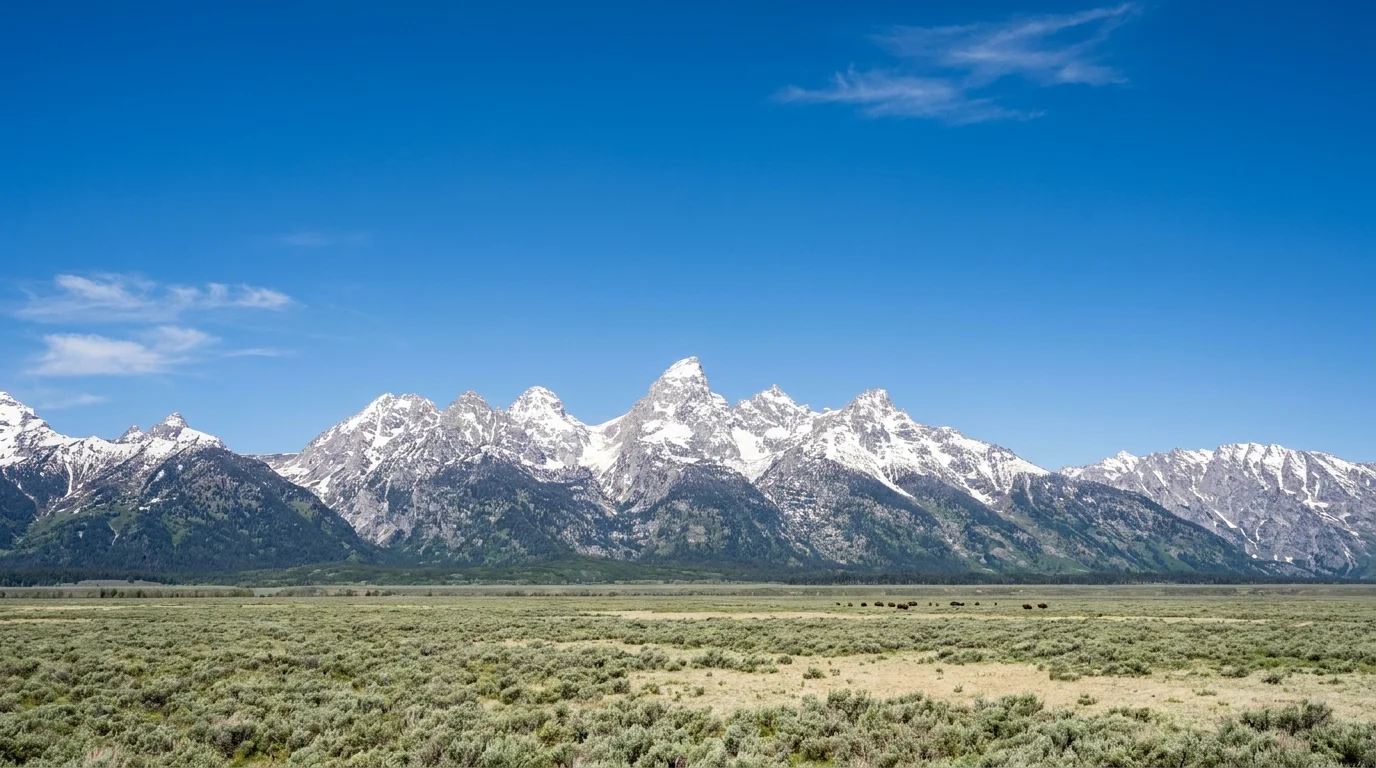
For nature loving retirees America has few places more dramatic and untamed than Wyoming. Home to Yellowstone and Grand Teton National Parks, Wyoming offers unparalleled access to wildlife, geysers, and alpine hiking. It is the least populous state in the union, providing immense peace and quiet. Wyoming is also one of the most tax-friendly states in the country. There is no state income tax whatsoever, meaning your retirement account withdrawals, pensions, and Social Security are completely yours to keep. If you can handle the severe winters, the summers in Wyoming are spectacular.
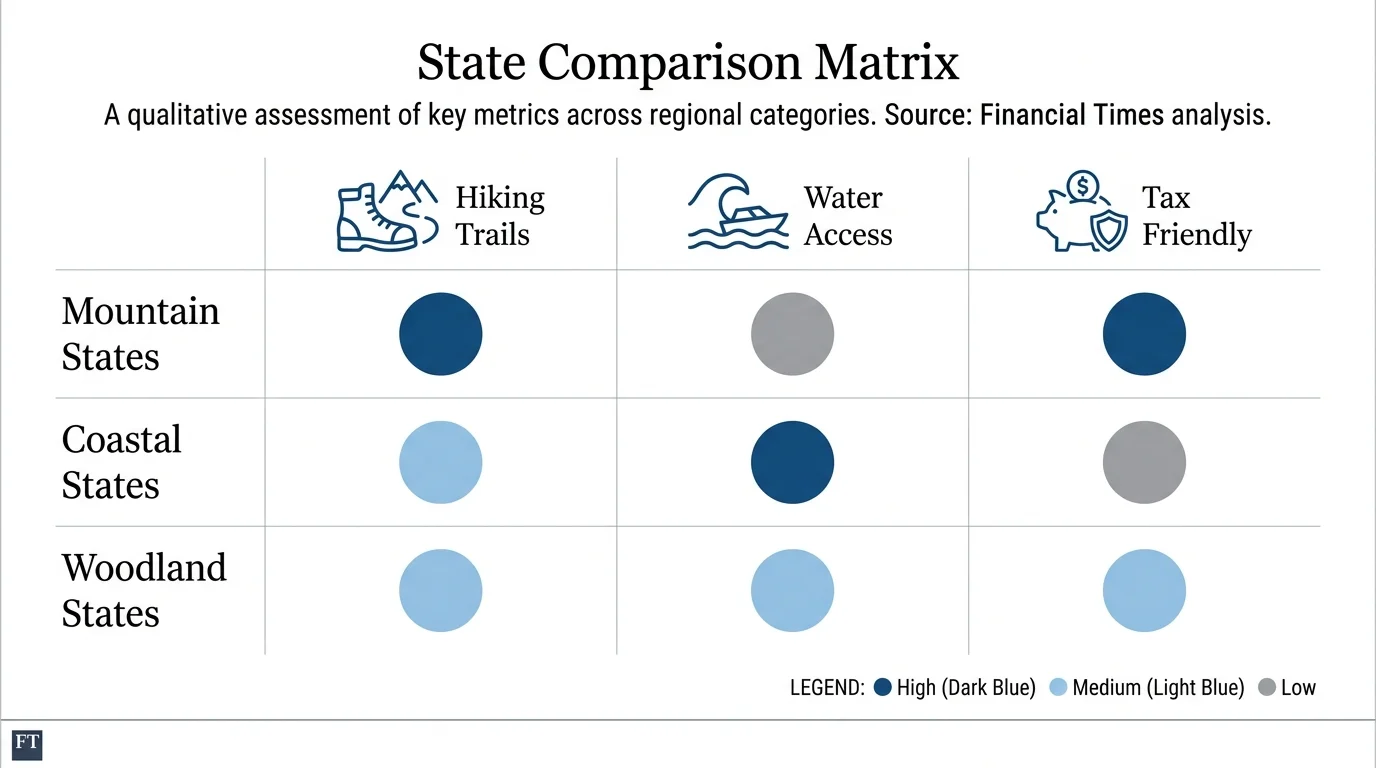
Comparing Top Destinations for Nature Loving Retirees
To help you narrow down your choices, here is a quick comparison of five standout states across different regions, evaluating their general vibe, financial friendliness, and primary outdoor attractions.
| State | Primary Outdoor Vibe | Tax Friendliness for Retirees | Key Natural Attraction |
|---|---|---|---|
| Colorado | High-altitude mountains, active trails | Moderate (Generous pension deductions) | Rocky Mountain National Park |
| Florida | Flat, coastal, wetlands, tropical | Very High (No state income tax) | The Everglades & Gulf Coast |
| North Carolina | Forests, moderate mountains, coastal plains | High (No tax on Social Security) | Blue Ridge Parkway |
| Utah | Desert canyons, red rocks, alpine skiing | Moderate (Taxes SS, but offers credits) | Zion National Park |
| Wyoming | Rugged wilderness, alpine lakes, remote | Very High (No state income tax) | Yellowstone National Park |
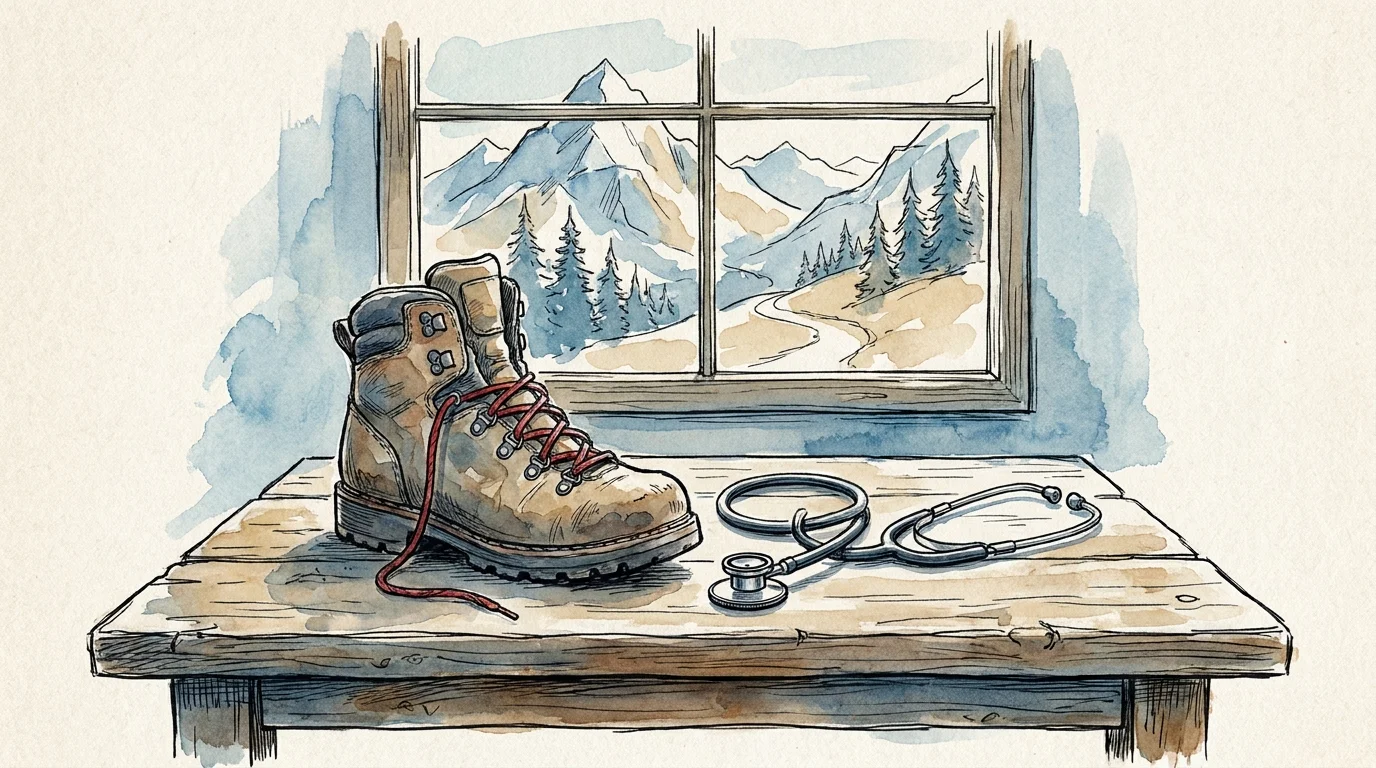
Balancing Wilderness Adventures with Healthcare Needs
When you are 65, buying a cabin deep in the woods near a trail head might sound like a dream come true. However, successful retirement planning requires looking ahead to your 70s and 80s. The harsh reality of rural, wilderness-adjacent living is that it often places you hours away from specialized medical care.
To safely enjoy the outdoors as you age, look for “gateway towns”—communities that sit on the edge of massive public lands but still maintain a robust local hospital system. Ensure the area you choose has strong, high-speed internet for telehealth appointments and reliable emergency response services. Staying physically active is one of the best ways to delay aging and cognitive decline; the National Institute on Aging notes that regular exercise can prevent or delay many diseases, including heart disease and diabetes. However, your environment must support a swift medical response if an unexpected emergency occurs.
Financial Planning for Your Relocation
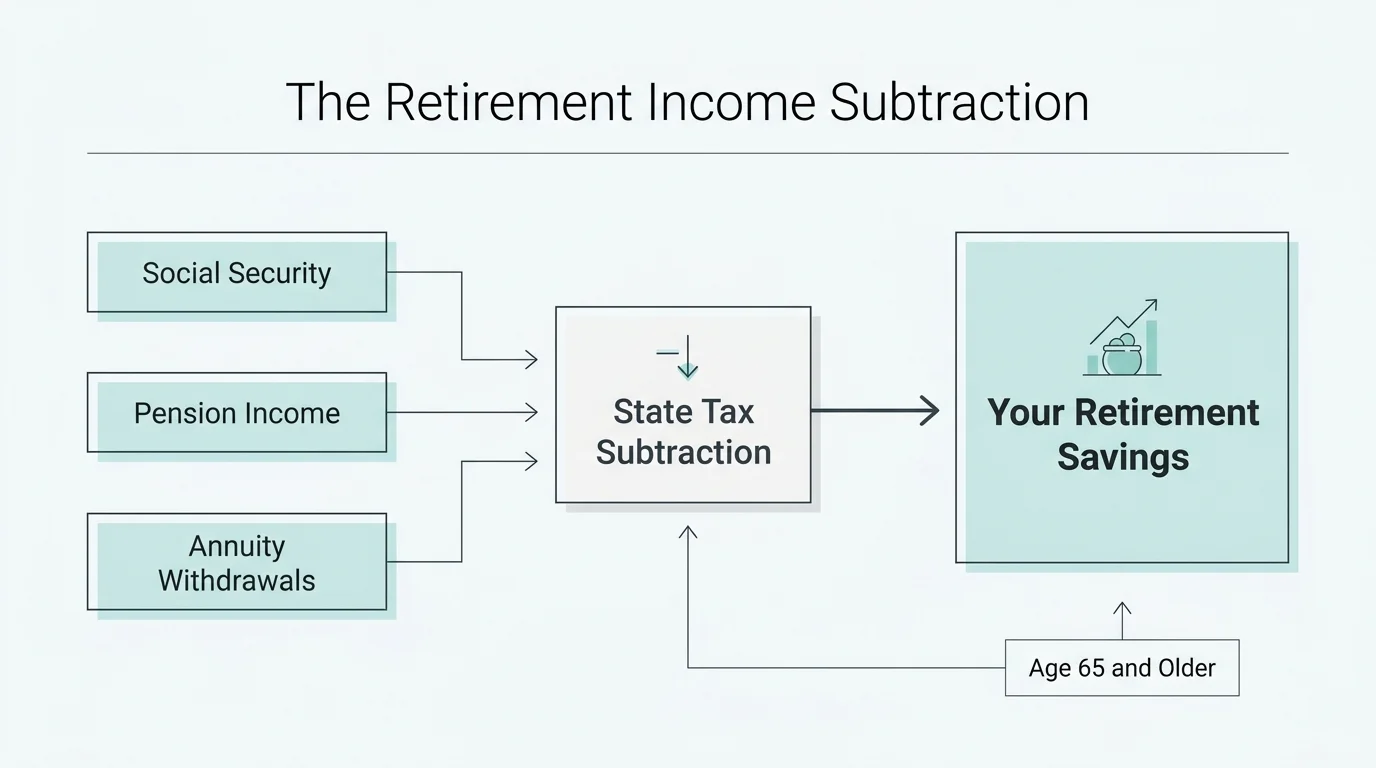
Moving across state lines changes your entire financial picture. A state with no income tax might offset that revenue by levying massive property taxes or higher sales taxes. Before committing to a move, you must map out exactly how your specific streams of income—Social Security, 401(k) withdrawals, Roth IRAs, and pensions—will be taxed in your new home.
Utilize resources from the AARP to check the livability index of your desired county, which factors in housing costs, neighborhood walkability, and civic engagement. Additionally, consult state-by-state tax guides from financial publishers like Kiplinger to see the hidden tax traps that might eat into your budget.
“The successful retiree is one who retires to something, rather than retiring from something.” — Mitch Anthony, Retirement Expert
Moving for the outdoors gives you that “something” to retire to. Instead of running away from a high-stress career, you are running toward hiking trails, kayaking routes, and a healthier lifestyle. Ensure your financial plan acts as a strong foundation for this new chapter rather than a source of stress.
Frequently Asked Questions
Which outdoor states are the most tax-friendly for retirees?
States with no state income tax offer the most straightforward benefits. For outdoor lovers, Florida and Wyoming stand out as tax havens because they will not touch your pensions, 401(k) distributions, or Social Security. Other highly friendly states include South Carolina and North Carolina due to their specific retirement income exemptions and low property taxes.
How do I choose between the mountains and the coast for retirement?
Consider your long-term mobility and weather preferences. Coastal areas usually offer flatter terrain, which is easier on the knees and hips for daily walking and cycling, plus they generally feature milder winters. Mountain areas offer more rigorous hiking and spectacular seasonal changes, but altitude and steep terrain can become challenging as you age. Renting a home in your desired location for a month during its worst weather season can help clarify your decision.
Is it risky to move away from family to retire near nature?
Relocating away from your established social and familial support network carries risks, particularly regarding isolation and future caregiving needs. To mitigate this, choose a location with a nearby major airport to make visits easy. Additionally, move to an area with established active-adult communities where you can quickly build a new network of friends who share your outdoor interests.
Preparing for Your Next Chapter
Choosing to spend your retirement surrounded by nature is an investment in your physical and mental health. Take your time visiting these states, walking the trails, talking to locals, and checking the distance to the nearest hospital. By doing the research upfront, you set yourself up for a vibrant, active, and deeply fulfilling retirement.
This article provides general retirement education and information only. Every retiree’s situation is unique—what works for others may not work for you. For personalized advice, consider consulting a qualified financial professional such as a CFP or CPA.
Last updated: May 2026. Retirement benefits, tax rules, and healthcare regulations change frequently—verify current details with official sources.








Leave a Reply