
Retiring gives you the freedom to explore the world on your own schedule, but finding affordable travel destinations that still offer breathtaking views requires a bit of strategy. Your budget stretches much further when you bypass crowded tourist traps in favor of hidden travel gems that deliver natural beauty, rich culture, and excellent dining at a fraction of the cost. Whether you want a rugged mountain escape or a quiet coastal retreat, these nine scenic vacations prove you do not need a luxury budget to experience world-class trips. By shifting your focus to regional parks, off-peak international spots, and lesser-known coastal towns, you can maximize your retirement travel fund and enjoy unforgettable experiences.

The Financial Advantage of Retirement Travel
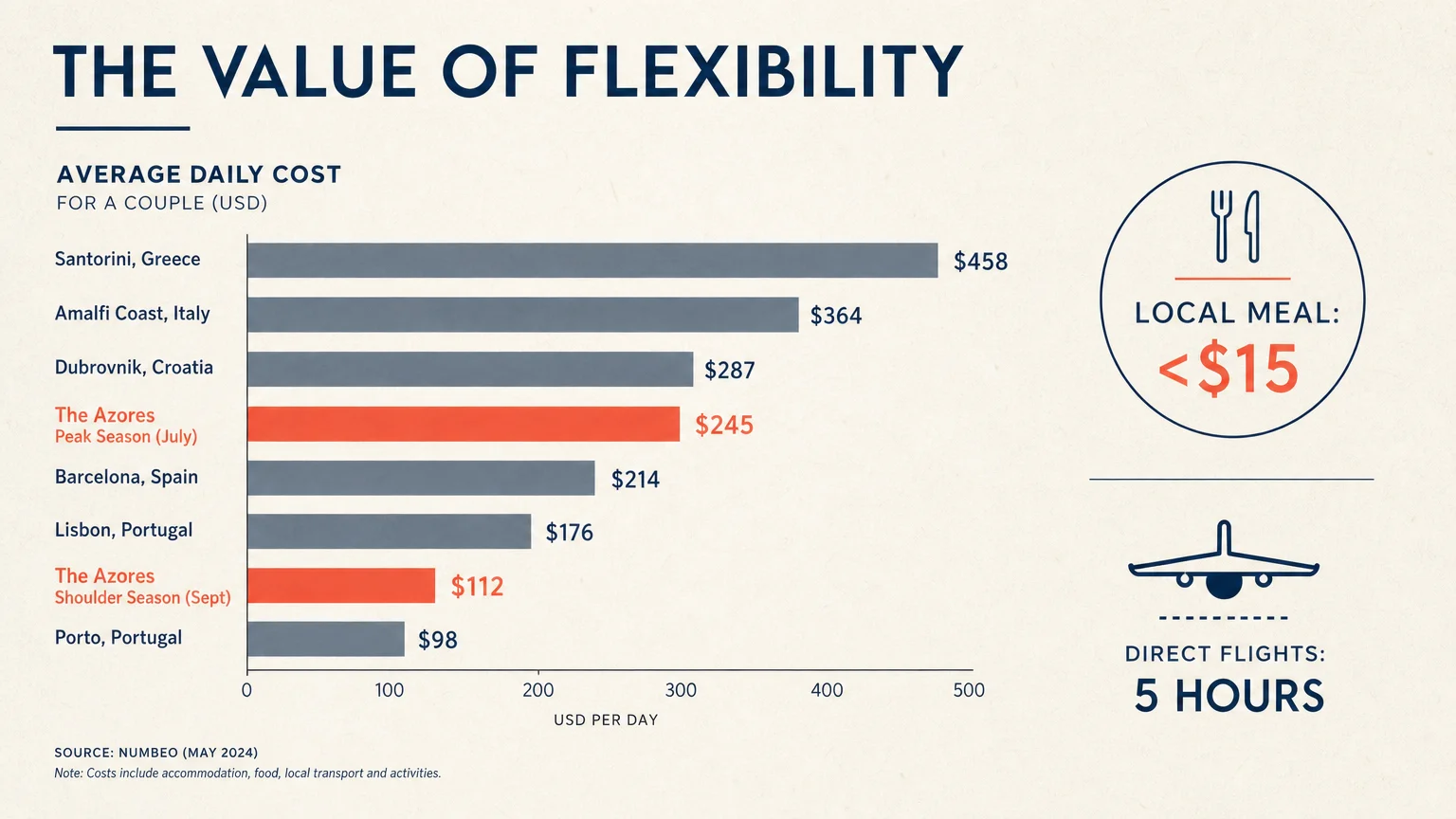
Working professionals generally have a reliable income but very little time. This forces them to cram vacations into holiday weekends or the peak summer season, paying a premium for flights, lodging, and attractions. As a retiree, your greatest travel asset is flexibility. You possess the time to travel slowly, seek out alternative destinations, and book trips during the highly desirable shoulder seasons—the periods just before or just after peak tourist season.
By leveraging this flexibility, you automatically bypass the heaviest crowds and the highest price tags. You can rent an apartment for a full month to secure a substantial discount, take a longer but more scenic train route instead of a direct flight, and truly immerse yourself in a community. The goal is not merely finding the cheapest place on the map; it is finding locations that offer an outsized return on your travel investment. Financial educators and retirement specialists frequently highlight this transition from fast-paced vacationing to intentional, value-driven exploration.
“Retirement is an opportunity to reinvent yourself, to pursue your passions, and to explore the world with a renewed sense of purpose.” — Mitch Anthony, Retirement Expert
When you focus on overall value, destinations that might initially seem difficult to access or unfamiliar often become your favorite escapes. The following nine destinations span domestic natural wonders and accessible international havens, all sharing a common trait: they provide stunning scenery without devastating your savings.

1. The Azores, Portugal: A European Hawaii on a Budget
Floating in the middle of the Atlantic Ocean, the Azores archipelago remains one of Europe’s best-kept secrets. Often compared to Hawaii due to its dramatic volcanic landscapes, lush green hills, and sweeping ocean cliffs, this Portuguese territory offers incredible natural beauty without the staggering costs associated with traditional island resorts.
São Miguel, the largest island, serves as an ideal base for retirees. You can spend your days soaking in the natural thermal hot springs of Furnas for just a few euros, hiking around the spectacular twin crater lakes of Sete Cidades, or strolling through the historic, cobblestone streets of Ponta Delgada. Because the islands prioritize sustainable, nature-based tourism over massive luxury resorts, daily expenses remain remarkably low.
Local dining is both affordable and high quality. A hearty meal of fresh seafood or traditional cozido—a meat and vegetable stew cooked underground by volcanic heat—often costs less than fifteen dollars. Furthermore, direct flights from the US East Coast run regularly and take just over five hours, making the journey much easier and cheaper than a long-haul flight to mainland Europe.
2. Flathead Valley, Montana: Gateway to Majestic Peaks
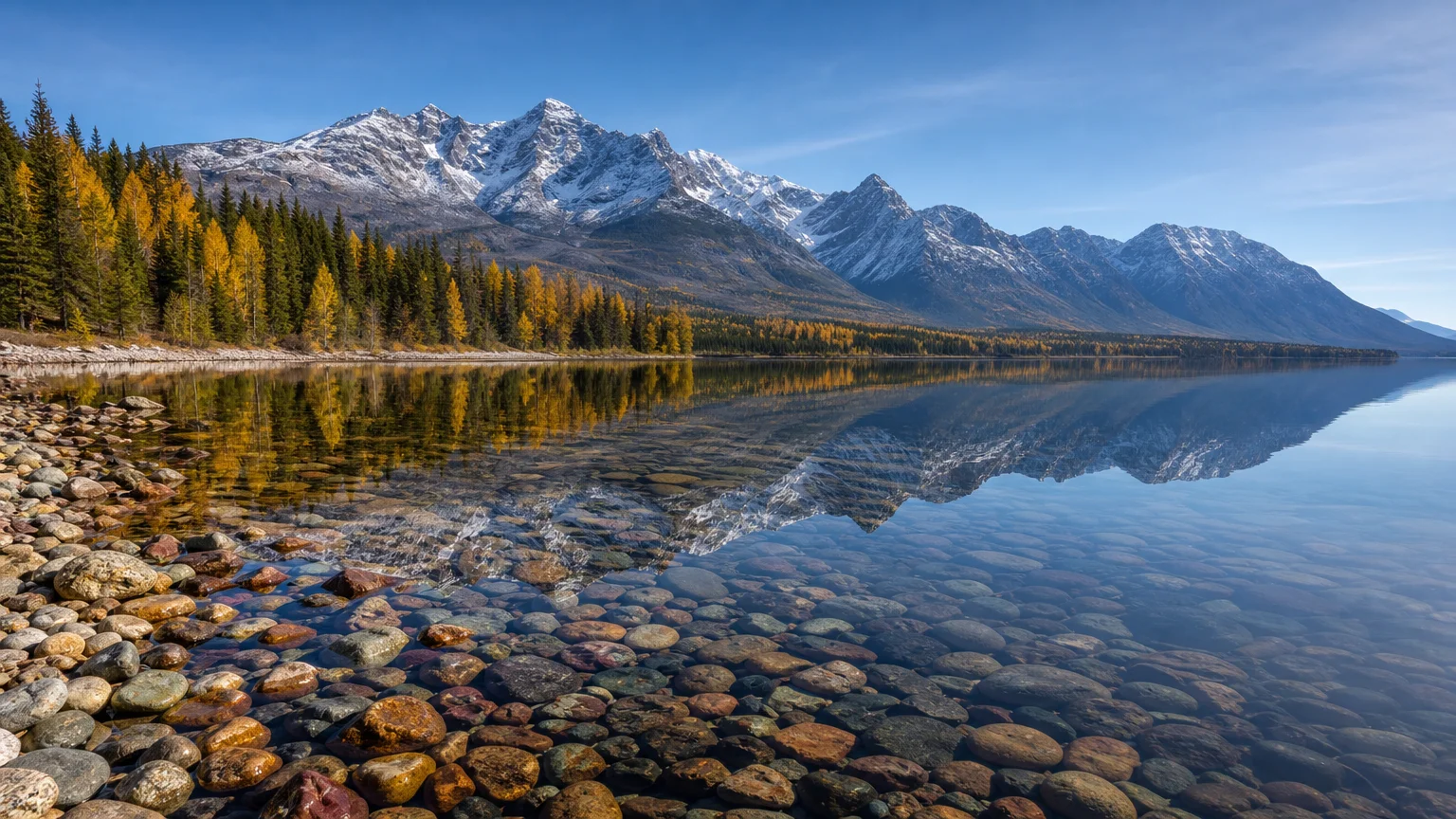
Glacier National Park commands attention with its jagged peaks, glacial lakes, and dense forests. However, booking a lodge inside the park boundaries during the summer can easily cost hundreds of dollars per night. The financial workaround is the Flathead Valley, specifically towns like Kalispell or Columbia Falls, which sit just outside the park’s entrance.
Staying in the valley slashes your lodging costs while providing easy access to the park’s legendary Going-to-the-Sun Road. You also gain proximity to Flathead Lake, the largest natural freshwater lake west of the Mississippi, offering beautiful shorelines and affordable boat tours. The valley boasts a thriving, relaxed community with local farmers’ markets, budget-friendly diners, and local art galleries.
To maximize savings and scenery, plan your visit for September. The peak summer crowds thin out, the aspen trees turn a brilliant gold, and lodging prices drop significantly. Keep in mind that older adults can purchase a lifetime Senior Pass through official government channels, granting free entrance to all federal recreation sites and saving you substantial money if you plan to visit multiple parks over your retirement.

3. Oaxaca City, Mexico: Rich Culture and Culinary Mastery
If your ideal scenic vacation involves vibrant architecture, towering mountain backdrops, and world-class food, Oaxaca City delivers an unparalleled experience. Located in southern Mexico, this UNESCO World Heritage site is famous for its preserved colonial buildings, indigenous culture, and complex culinary traditions.
Your dollars go incredibly far here. Beautifully restored boutique hotels and comfortable courtyard bed-and-breakfasts frequently rent for under eighty dollars a night. The city is highly walkable, reducing the need for expensive rental cars or taxis. You can spend hours wandering through the colorful Zócalo (main square) or exploring the sprawling Mercado 20 de Noviembre, where you can enjoy authentic mole and tlayudas for just a few dollars.
Just outside the city limits, the landscape turns dramatic. A short, cheap bus ride takes you to Monte Albán, ancient Zapotec ruins situated on a flattened mountain ridge offering panoramic views of the entire valley. Another inexpensive day trip brings you to Hierve el Agua, fascinating petrified waterfalls overlooking rolling mountains. Oaxaca proves that deep cultural immersion does not require a luxury budget.
4. The Finger Lakes, New York: Gorges, Vines, and Valleys
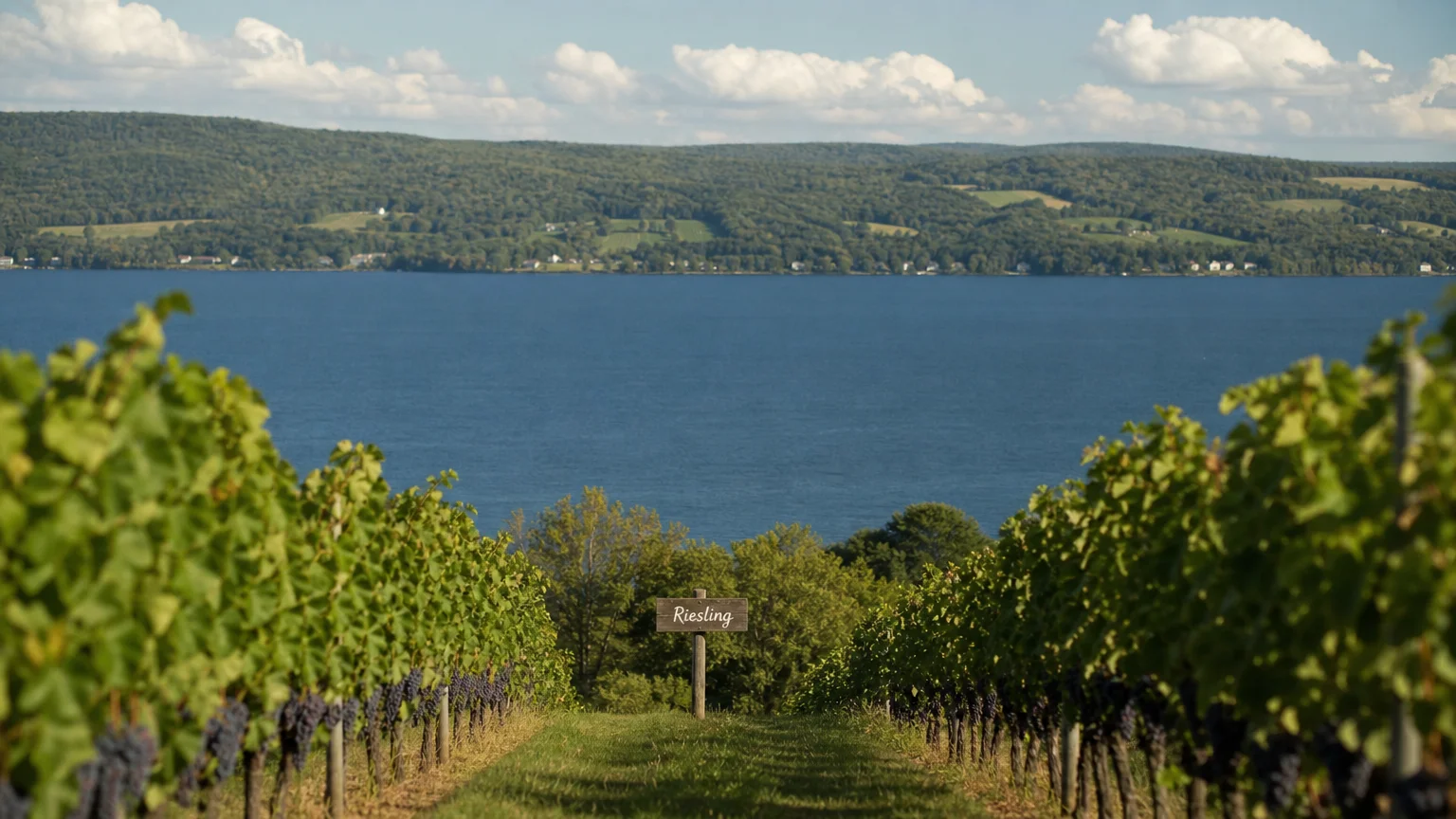
Many travelers dream of the rolling vineyards of Napa or Sonoma, but the premium pricing of California’s wine country can quickly drain a travel budget. The Finger Lakes region of upstate New York offers a stunning alternative. Defined by eleven long, narrow lakes surrounded by forested hills, this area provides spectacular scenery and award-winning wines at a much lower price point.
The true scenic highlights of the region are its state parks. Watkins Glen State Park features a breathtaking gorge trail that descends past nineteen distinct waterfalls within a span of just two miles. Taughannock Falls near Ithaca boasts a sheer drop higher than Niagara Falls. Accessing these natural wonders requires only a modest vehicle entry fee.
For wine enthusiasts, the region is celebrated for its Rieslings and Cabernet Francs. Tasting fees rarely exceed ten dollars, and many vineyards waive the fee entirely if you purchase a bottle. Staying in smaller towns like Hammondsport or Penn Yan allows you to rent a charming cabin or lakeside room without the inflated rates seen in major tourist hubs.

5. Krakow, Poland: Old-World Charm at a Fraction of the Cost
Western European cities like Paris, Rome, and London are notoriously expensive. For retirees seeking majestic European architecture, historic town squares, and deep historical roots, Krakow stands out as one of the most affordable and scenic cities on the continent. Poland uses the zloty rather than the euro, and a favorable exchange rate makes dining, lodging, and entertainment highly economical for Americans.
Krakow escaped the widespread destruction of World War II, leaving its medieval core entirely intact. The Rynek Główny is one of the largest medieval town squares in Europe, surrounded by historic townhouses, the towering St. Mary’s Basilica, and the Cloth Hall. Just a short walk away sits Wawel Castle, perched beautifully on a hill overlooking the Vistula River.
Dining in Krakow is a budget traveler’s dream. Traditional Polish eateries, known as milk bars (bar mleczny), serve generous plates of pierogi, hearty soups, and roasted meats for just three to five dollars. The city is flat and heavily pedestrianized, making it exceptionally easy to navigate on foot, saving you money on transportation while keeping you active.
6. Gulf Shores, Alabama: Pristine Sands Without the Premium
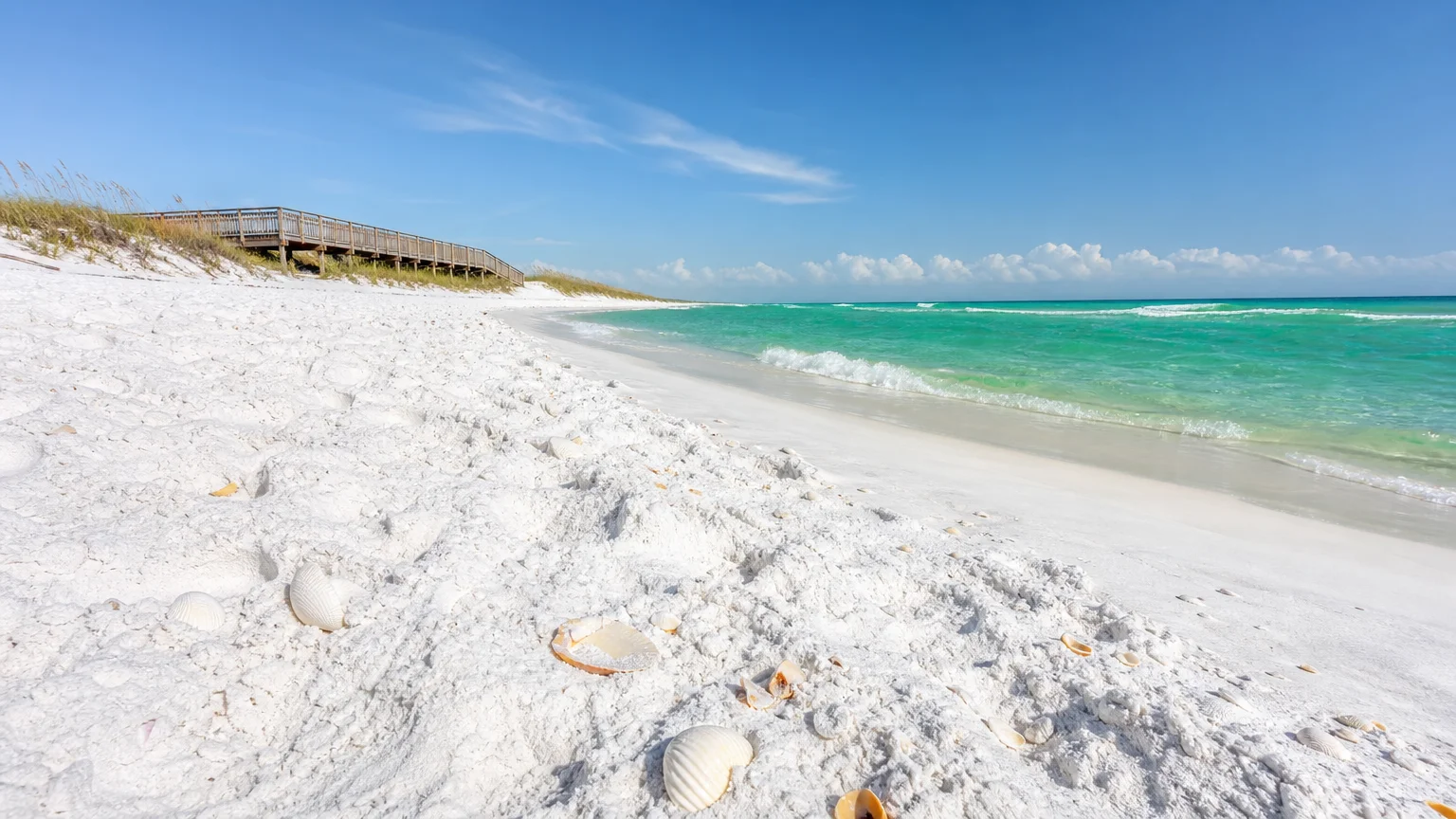
Finding an affordable beach destination in the United States often feels impossible, particularly along the coasts of Florida or California. Gulf Shores, Alabama, offers the same sugar-white sand and warm, emerald waters found in neighboring states, but with a notably lower cost of living and less dense commercial development.
A major draw for active retirees is Gulf State Park, which features over twenty-eight miles of paved trails winding through maritime forests, marshes, and coastal dunes. It is an ideal landscape for cycling, bird watching, and walking. The park also features a massive fishing pier and highly affordable lakeside cabins.
To secure the best rates, target the late fall or early spring. If you are interested in a longer stay, Gulf Shores is highly accommodating to “snowbirds” fleeing northern winters. Many condo owners reduce their monthly rates by half during January and February. You can enjoy a mild coastal winter, eat excellent local seafood, and walk miles of empty beaches without paying prime summer prices.
7. Roatan, Honduras: Caribbean Paradise on a Budget
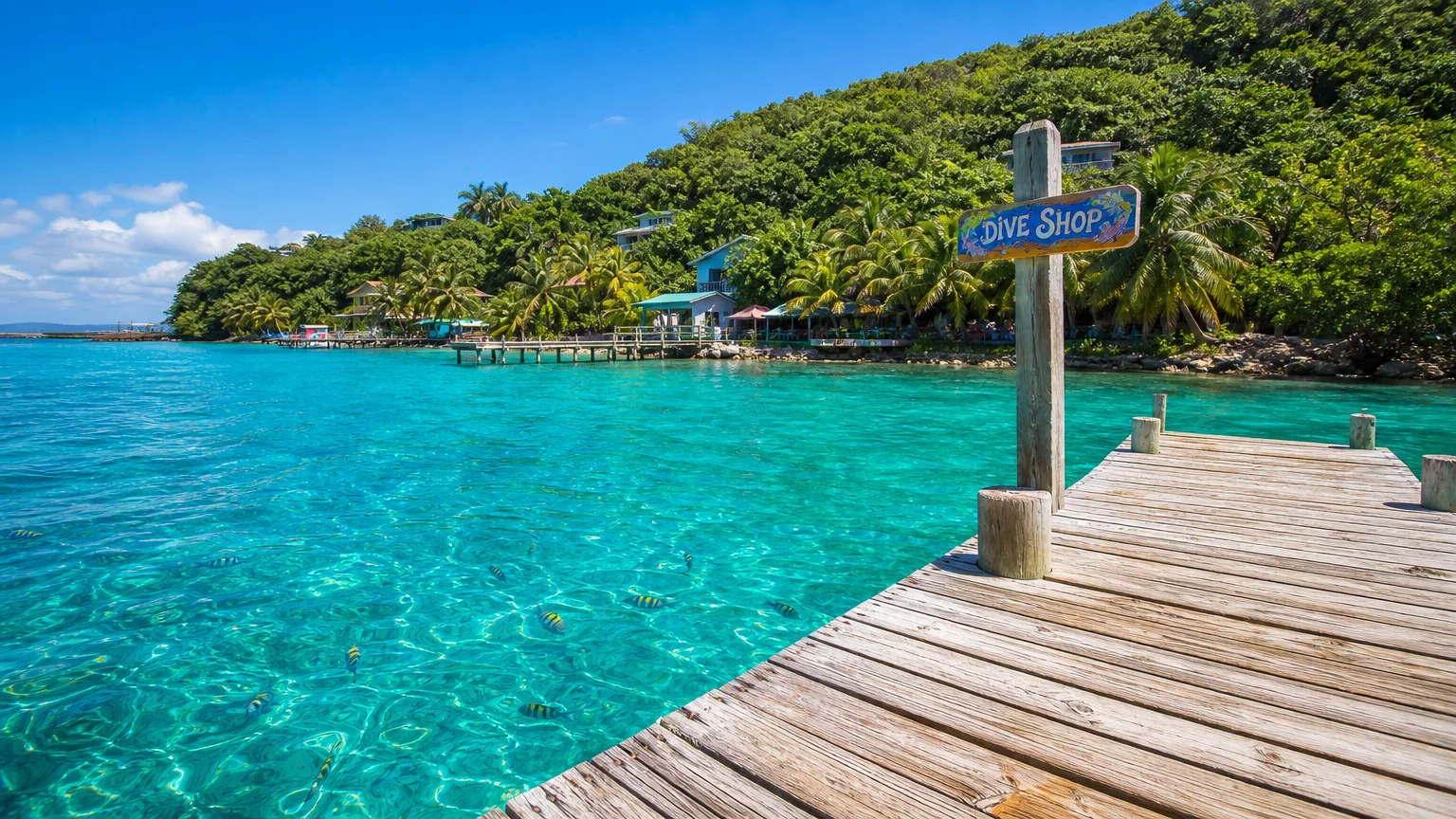
Roatan is a lush, hilly island situated roughly forty miles off the northern coast of Honduras. While destinations like the Bahamas or the Cayman Islands cater largely to high-end luxury travelers, Roatan retains a more laid-back, budget-friendly atmosphere while offering some of the most spectacular marine environments in the world.
The island is flanked by the Mesoamerican Barrier Reef, the second-largest coral reef system on the planet. For travelers, this means you do not need to pay for expensive boat charters to see vibrant marine life; in areas like West Bay, you can simply wade into the water from the beach and snorkel directly over colorful coral formations teeming with sea turtles and tropical fish.
Accommodation options range from affordable eco-lodges in the jungle to budget-friendly apartments near the water. The local currency and cost of living keep grocery and dining expenses low, particularly if you enjoy fresh fish, plantains, and local fruit. The island is also highly accessible, with direct flights available from several major US hubs.
8. Custer State Park, South Dakota: Wildlife and Rugged Landscapes
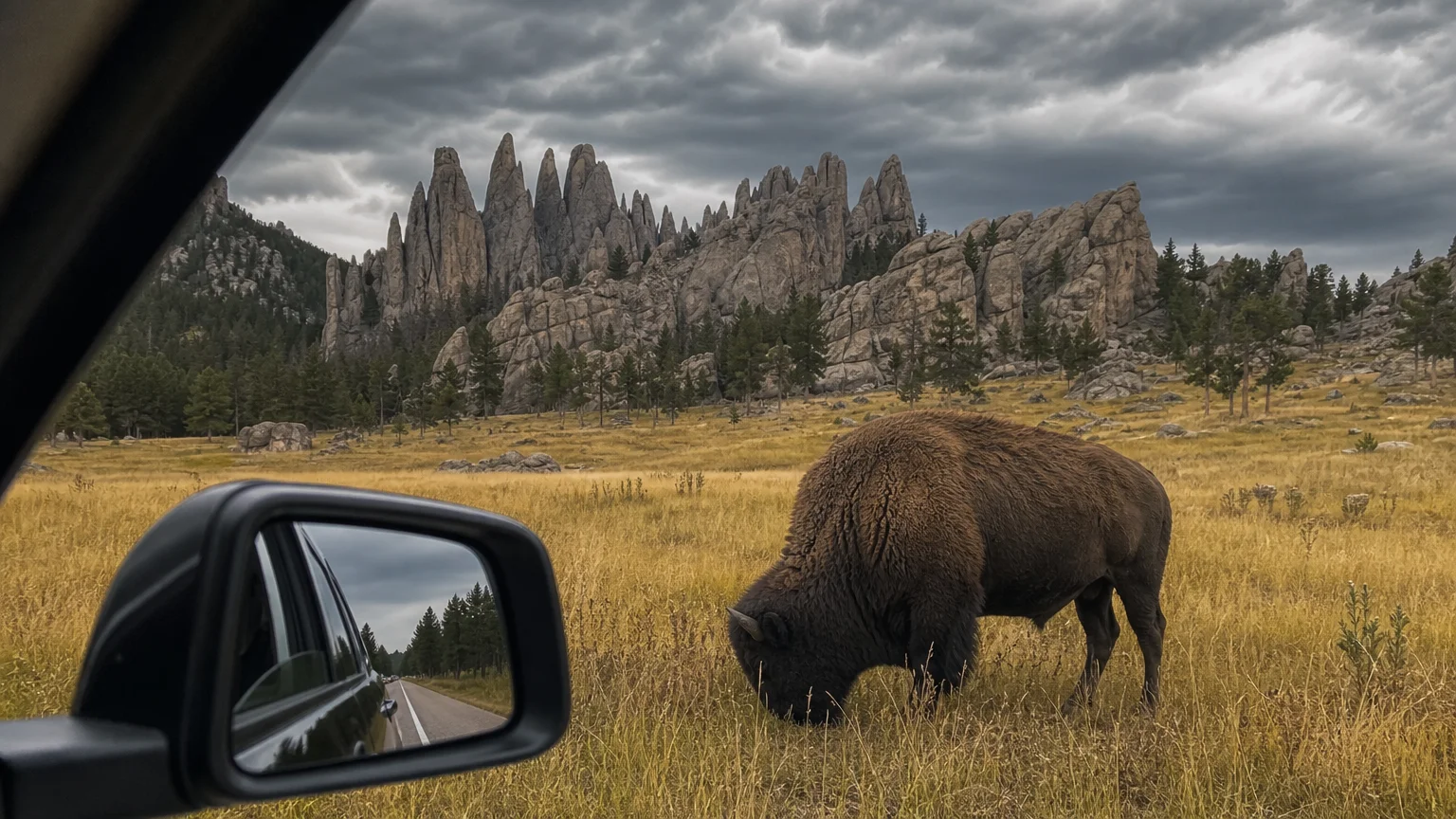
When retirees plan trips to see American wildlife, Yellowstone usually tops the list. However, Yellowstone’s immense popularity leads to expensive lodging and frustrating traffic jams. Custer State Park, nestled in the Black Hills of South Dakota, offers an equally thrilling wildlife experience and striking geology at a much more manageable price and pace.
The park covers 71,000 acres and is home to a free-roaming herd of over 1,300 bison. Driving the Wildlife Loop Road often brings you face-to-face with bison, pronghorn antelope, bighorn sheep, and wild burros. The scenic drives are world-class; the Needles Highway weaves through towering granite spires and narrow rock tunnels, leading to the incredibly picturesque Sylvan Lake.
Lodging within the park or in the nearby town of Custer is very reasonably priced compared to national park standards. You are also just minutes away from major historical monuments like Mount Rushmore and the Crazy Horse Memorial. It is a dense region of natural and historical beauty that requires minimal driving and a modest budget to fully enjoy.
9. Quebec City, Canada: A Slice of France in North America
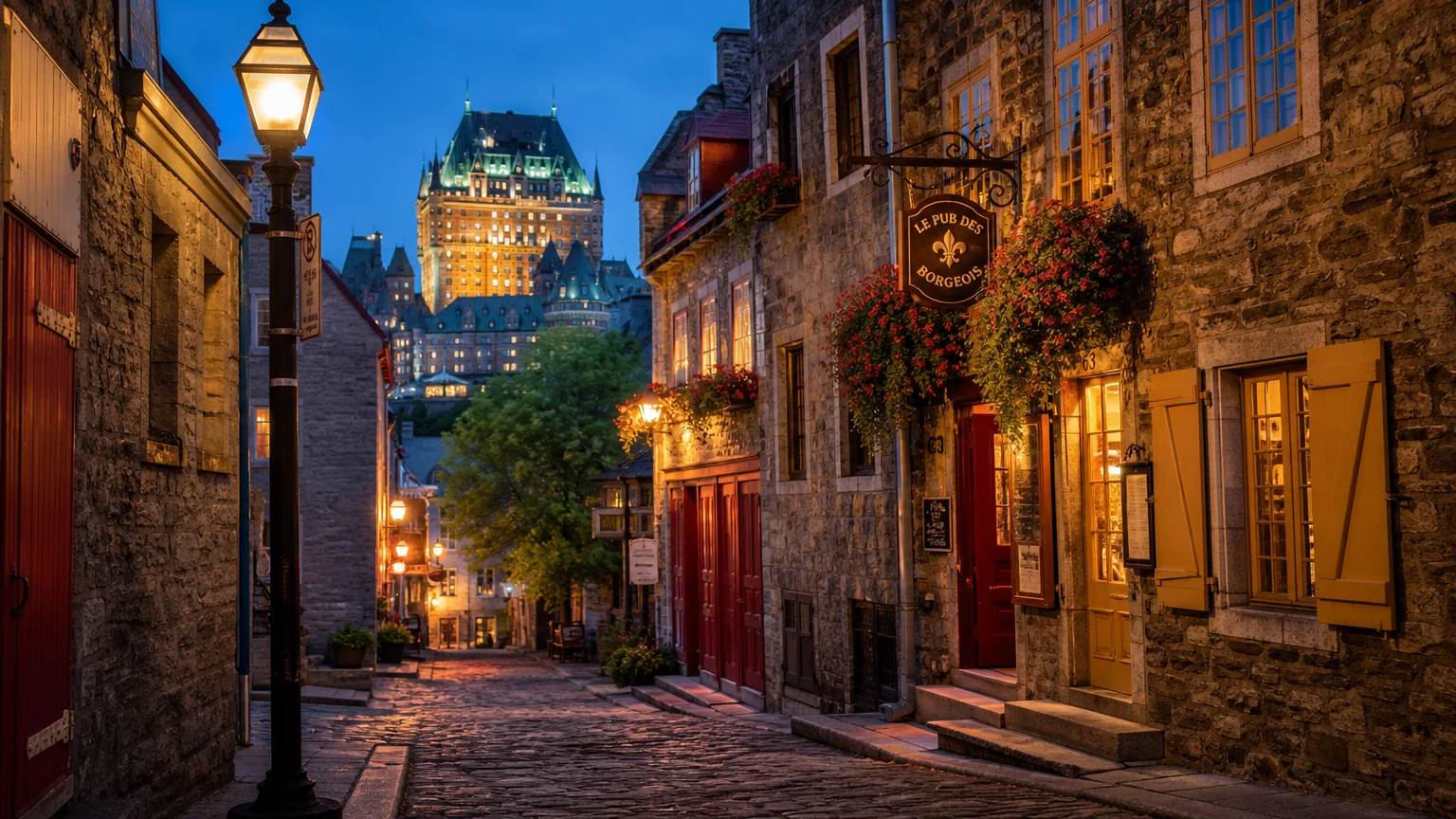
If you desire the atmosphere of a historic French city but want to avoid transatlantic airfare, Quebec City is the ultimate solution. Perched gracefully on the banks of the St. Lawrence River, it is the only fortified city north of Mexico whose walls still exist. The cobblestone streets, towering steeples, and pervasive French language make it feel a world away.
From a financial perspective, traveling to Canada is currently highly advantageous for Americans due to the strong US dollar. This favorable exchange rate effectively acts as an instant, across-the-board discount on your hotel, meals, and entertainment. You can wander through the Quartier Petit Champlain, admire the towering Château Frontenac, and eat fresh croissants in local bistros without breaking the bank.
Beyond the city walls, nature is highly accessible. Just fifteen minutes from downtown is Montmorency Falls, a spectacular waterfall that is notably taller than Niagara Falls. You can view the falls via an inexpensive cable car or by walking the suspended bridge across the crest. Quebec City offers an elegant, scenic, and budget-friendly experience just a short flight or drive from the northeastern US.
At a Glance: Cost Comparison of Featured Destinations
To help you contextualize the affordability of these regions, here is a general breakdown of what to expect regarding daily costs. Note that prices fluctuate based on season and booking lead time.
| Destination | Average Nightly Lodging | Average Meal Cost | Best Time for Budget & Scenery |
|---|---|---|---|
| The Azores, Portugal | $70 – $110 | $10 – $15 | May or September |
| Oaxaca City, Mexico | $50 – $90 | $5 – $12 | October or February |
| Krakow, Poland | $60 – $100 | $4 – $10 | April or October |
| Gulf Shores, Alabama | $90 – $130 | $15 – $25 | January – February (Monthly rates) |

Strategies to Maximize Your Travel Budget
Choosing an affordable destination is only the first step. To truly protect your retirement savings while traveling, integrate these practical habits into your planning process:
- Embrace Long-Term Rentals: Platforms like Airbnb and VRBO frequently offer discounts of 20% to 50% if you book a stay of 28 days or longer. Staying in one place allows you to cook your own meals, understand the local transit system, and live like a local.
- Leverage Your Age: Always ask about senior discounts. Whether it is museum entry in Europe, a train ticket in Canada, or a national park pass in the US, discounts for those over 60 or 65 are ubiquitous but rarely advertised prominently. Resources from organizations like AARP provide excellent lists of standard discounts available to older travelers.
- Monitor Exchange Rates: When traveling internationally, your purchasing power fluctuates daily. Favor regions where the US dollar historically stretches further, such as Central America, Eastern Europe, or neighboring Canada. Consider checking financial resources like Kiplinger for updates on currency strength and budget planning.
- Use Local Transportation: Skip the rental car when visiting walkable cities or regions with strong public transit. Using local buses and trains not only saves hundreds of dollars but also provides a more authentic experience of the area’s daily rhythm.

Avoiding Common Errors on the Road
Even in the most affordable destinations, unexpected expenses can quickly derail a travel budget. One of the most common mistakes retirees make is assuming their domestic health insurance will cover them abroad. Traditional Medicare does not cover healthcare services or supplies when you travel outside the United States, except in very rare, specific circumstances. If you are planning an international trip, always check the official rules on Medicare.gov and secure a Medigap plan that includes foreign travel emergency coverage, or purchase a standalone travel medical policy.
Another frequent misstep is overpacking. Budget airlines, both domestic and international, base their business models on charging exorbitant fees for checked bags and even larger carry-on luggage. By investing in a high-quality, lightweight backpack or a strictly sized carry-on roller, you can save fifty to a hundred dollars per flight while saving your back from hauling heavy bags up cobblestone streets.

When DIY Isn’t Enough: Hiring a Travel Agent
While planning your own itinerary is often the cheapest route, there are specific scenarios where doing it yourself might end up costing you more time, money, and stress. Consider seeking professional help if:
- You are traveling to a region with significant language barriers and complex local transit networks.
- You are booking a multi-generational trip coordinating flights and lodging for several family members.
- You require specific physical accommodations, such as wheelchair-accessible hotels and transfers, which can be difficult to verify through standard booking websites.
Travel agents often have access to bulk pricing, unpublished discounts, and direct contacts with hotel managers that can result in free room upgrades or waived resort fees.
Frequently Asked Questions About Budget Travel
Does Medicare cover international medical emergencies?
Generally, no. Original Medicare limits coverage strictly to the United States and its territories. If you are traveling to the Azores, Mexico, or Poland, you must rely on a Medicare Supplement (Medigap) plan that offers foreign travel emergency benefits, or purchase separate travel health insurance. Never travel internationally without verifying your medical coverage.
What is the most cost-effective way to get local currency?
Avoid currency exchange kiosks at airports, as they offer the worst exchange rates and charge high commission fees. The best strategy is to use a debit card from a bank that refunds international ATM fees (such as Charles Schwab) and withdraw cash directly from a local bank ATM once you arrive. Always choose to be charged in the local currency rather than letting the machine convert it for you.
Are budget airlines worth the savings for seniors?
They can be, provided you understand the rules. Budget carriers offer low base fares but charge for seat selection, water, printed boarding passes, and all baggage. If you can travel light, are flexible with your seating, and can manage tight legroom for a few hours, the savings are substantial. For flights longer than four hours, the discomfort may outweigh the financial benefit.
Your Next Adventure Awaits
Retirement travel does not have to drain your hard-earned nest egg. By prioritizing hidden gems, utilizing your flexibility to travel during the shoulder season, and leaning into local culture rather than resort conveniences, you can experience breathtaking scenery and vibrant communities worldwide. Start by choosing one destination from this list that aligns with your interests, research off-peak flight options, and begin planning your next great adventure.
This is educational content based on general retirement and financial principles. Individual results vary based on your situation. Always verify current benefit rules, tax laws, and eligibility requirements with official sources like SSA, Medicare.gov, or the IRS.
Last updated: June 2026. Retirement benefits, tax rules, and healthcare regulations change frequently—verify current details with official sources.








Leave a Reply