
Becoming a grandparent brings immense joy, but navigating modern grandparent family dynamics requires a delicate balance between showing love and respecting boundaries. Today’s parents face unique cultural, financial, and technological pressures, often choosing parenting styles that differ sharply from how you raised your own children. Recognizing the subtle signs of overbearing grandparent behavior early prevents unintentional friction, guards your relationship with your adult children, and ensures you remain a welcome, valued presence in your grandchildren’s lives. By understanding where grandparent boundaries begin and end, you can offer meaningful support, build deep trust, and enjoy a rewarding intergenerational bond without causing tension.
Understanding Evolving Grandparent Family Dynamics
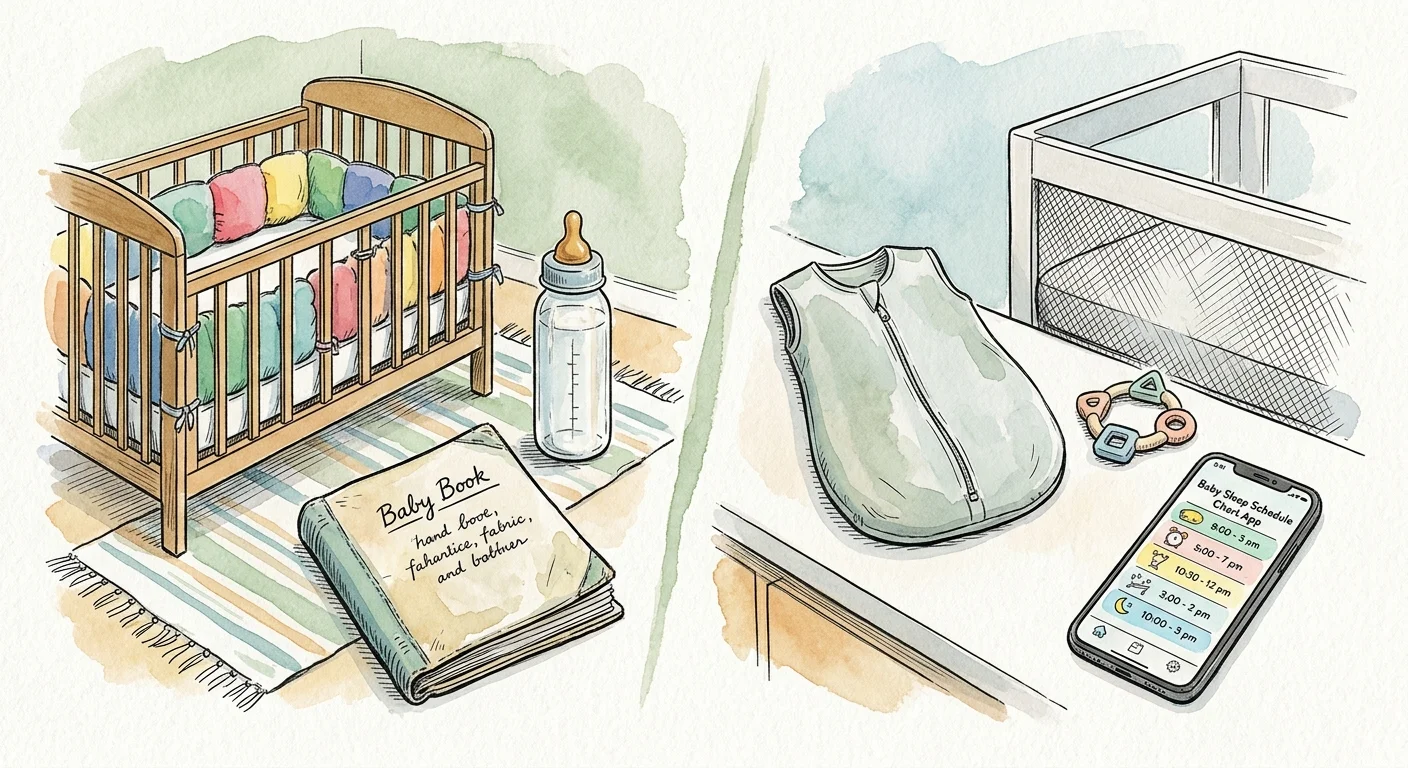
Grandparenting today looks significantly different than it did a generation ago. Medical standards, safety protocols, and psychological insights into child development have transformed how families raise children. Recommendations around infant sleep safety, screen time limits, dietary introductions, and emotional regulation have evolved based on extensive clinical research published by organizations like the National Institute on Aging and pediatric medical boards. When you embrace these shifts rather than resisting them, you demonstrate respect for your adult children’s role as the primary authority in their household.
Tension rarely arises from a lack of love. Instead, misaligned expectations create friction. You may remember raising your own children without modern strictures and wonder why your adult children enforce such precise schedules or specific dietary rules. However, when parents set explicit rules, they seek consistency and predictability for their household. Honoring those choices strengthens family unity and creates a comfortable environment where everyone feels respected.

10 Clear Signs You’re Overstepping as a Grandparent
Recognizing overstepping as a grandparent allows you to adjust your approach before small misunderstandings turn into lasting resentment. Here are ten distinct indicators that you might be crossing lines, along with practical ways to recalibrate your relationship.
1. Offering Unsolicited Grandparent Parenting Advice
You possess decades of valuable firsthand parenting experience, but offering unsolicited advice often sounds like implied criticism. When you tell your adult child, “You pick him up too quickly when he cries,” or “He should be eating solid foods by now,” the parent hears that you do not trust their judgment. Unless an emergency or safety hazard exists, wait until your adult child asks for your perspective. Try asking supportive questions instead, such as, “How are you feeling about his current sleep routine?” This approach invites open conversation without putting the parent on the defensive.
2. Overriding House Rules and Daily Routines
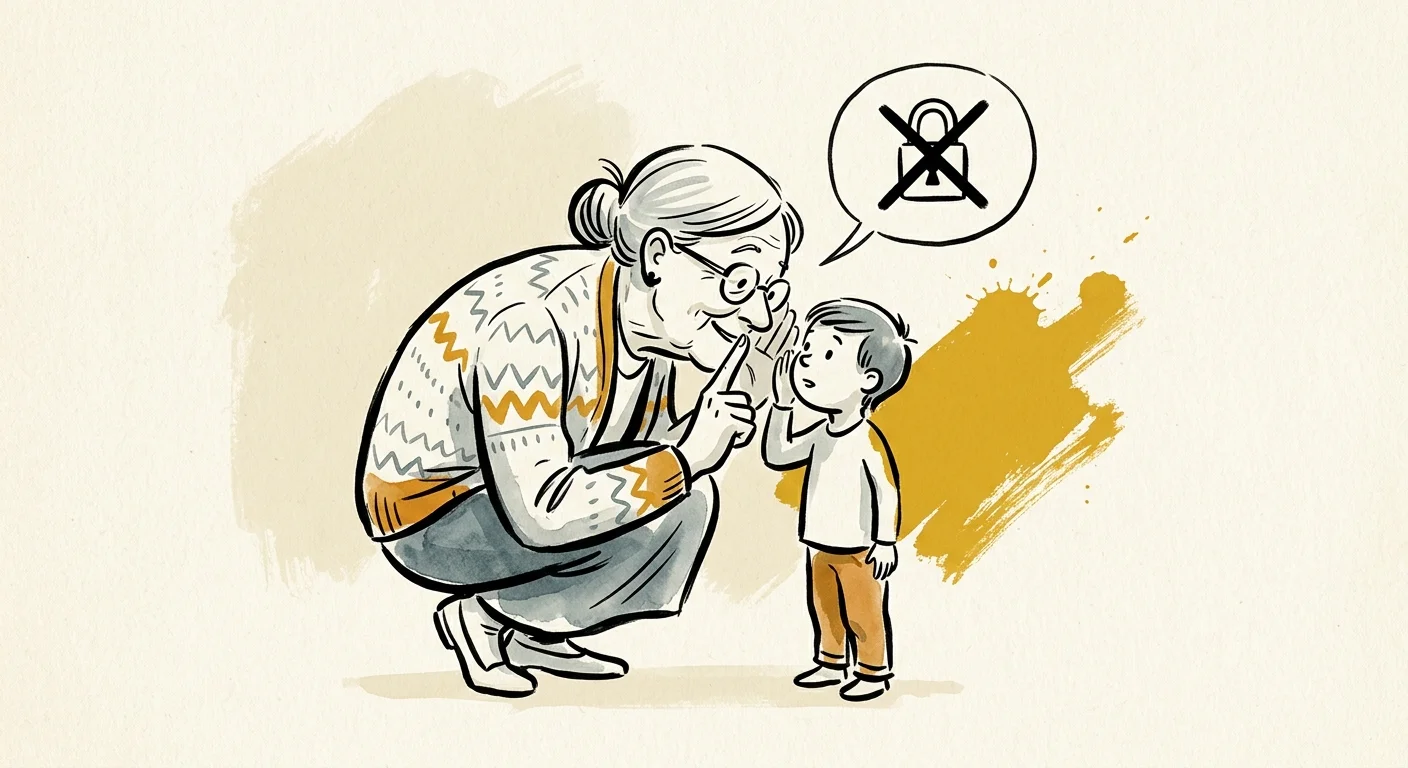
It feels tempting to act as the fun grandparent by bending rules around bedtime, sugar consumption, or tablet usage. Saying things like, “What happens at Grandma’s stays at Grandma’s,” teaches children to break rules and hide things from their parents. While minor indulgences are normal, consistently ignoring routine rules disrupts the structure parents work hard to build. Respecting bedtime schedules, meal choices, and media limits shows your adult child that you operate as a team member rather than a competitor.
3. Making Major Financial Purchases Without Parental Permission
Generosity comes from a wonderful place, but buying big-ticket items—such as expensive electronics, pets, designer wardrobes, or enrollment in costly extracurricular activities—without asking parents creates awkwardness. High-value gifts can undermine parental authority, create financial discomfort, or conflict with family values regarding materialism. Before making significant purchases or setting up long-term financial commitments, discuss your intentions privately with the parents. You can also explore guidance on family financial management from resources like AARP to ensure your financial support aligns with family goals.
4. Intervening During Disciplinary Moments
When a parent disciplines a child or enforces a boundary, stepping in to soothe, excuse, or rescue the child undermines parental authority. Sayings such as, “Oh, leave him alone, he didn’t mean it,” creates a wedge between parent and child. Maintain a united front. Step back during disciplinary moments, allow the parent to handle the situation, and offer emotional support to the parent later if needed.
5. Expecting Unannounced Drop-Ins or Unlimited Access
Retirement often grants you schedule flexibility, but your adult children are likely balancing demanding careers, household responsibilities, and school routines. Arriving unannounced or assuming you can drop by anytime puts unfair pressure on their household. Always text or call to schedule visits in advance. Respecting their family calendar shows that you value their time and personal space.
6. Posting Photos or Milestones on Social Media Without Consent
Digital privacy is a central concern for modern parents. Posting pictures of your grandchildren, sharing location-tagged photos, or announcing major life milestones online before parents do violates family trust. Some parents prefer keeping their children’s images off public platforms entirely. Always ask for explicit permission before sharing photos, videos, or news about your grandchildren on social media platforms.
7. Critiquing Career, Childcare, or Schooling Choices
Whether your adult children choose private school, homeschooling, daycare, or staying home, criticizing these decisions causes deep emotional strain. Parenting choices depend on financial reality, family logistics, and personal values. Offer validation instead of judgment. Affirming their dedication to their children builds trust and keeps communication open.
8. Keeping Secrets with Your Grandchildren
Asking a grandchild to keep a secret from their parents—even about something innocent like eating extra dessert—teaches the child that dishonesty is acceptable under certain conditions. It breaks the chain of trust necessary for healthy grandparent family dynamics. Keep your interactions transparent so your adult children know they can trust you completely when their children are in your care.
9. Demanding Holiday or Vacation Monopoly
Insisting that major holidays must occur at your home every year places immense pressure on growing families who must also balance in-laws, work schedules, and rest. Guilt-tripping adult children over holiday schedules strains relationships. Exhibit flexibility by offering to celebrate on alternative days, traveling to them, or creating new, low-stress holiday traditions.
10. Showing Favoritism or Making Direct Comparisons
Comparing grandchildren’s achievements, behavior, personalities, or developmental milestones creates unhealthy sibling and cousin rivalry. Additionally, showering one grandchild with noticeable favor or higher financial investment hurts children and frustrates parents. Treat each grandchild as a unique individual, offering equal love, attention, and appreciation for their distinct traits.

The Financial Side of Grandparenting: Generosity vs. Overreach
Financial support represents one of the most common areas where grandparent boundaries blur. While helping grandchildren build college funds or financing enrichment programs comes from a spirit of love, uncoordinated financial involvement can lead to misaligned expectations or tax complications.
When funding 529 college savings accounts or establishing custodial trust accounts, consult both your financial advisor and your adult children. Setting up accounts without coordination can unintentionally affect a grandchild’s future eligibility for federal financial aid or create tax reporting requirements for the parents. Review guidelines provided by the Consumer Financial Protection Bureau to understand how family monetary transfers affect personal and family finances.
In addition, avoid using financial gifts as leverage to influence family decisions. True financial support empowers the recipient without attaching restrictive conditions or expectations of compliance.
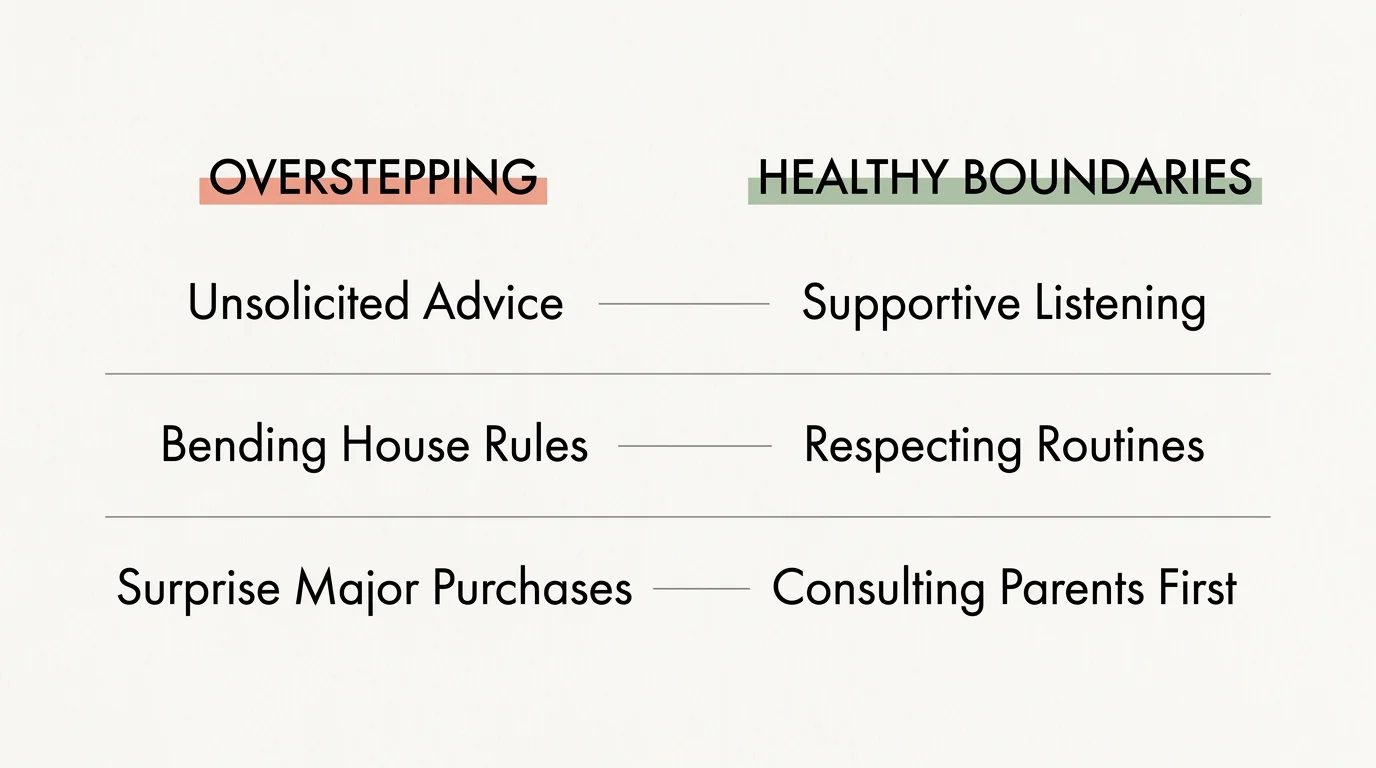
Overstepping vs. Healthy Grandparenting Boundaries
Understanding the contrast between overbearing patterns and constructive involvement clarifies how small adjustments yield healthier family relationships.
| Behavior Area | Signs of Overbearing Grandparent | Healthy Grandparent Approach | Impact on Family Dynamics |
|---|---|---|---|
| Parenting Guidance | Offers unsolicited advice and corrects parents in front of kids. | Listens, validates, and shares advice only when explicitly asked. | Builds mutual trust and respects parental authority. |
| Rules & Discipline | Ignores house rules regarding sugar, bedtime, and screen time. | Follows household guidelines consistently across visits. | Creates a safe, predictable structure for the children. |
| Gifting & Money | Buys high-ticket items or sets up accounts without asking. | Discusses gifts beforehand and respects spending boundaries. | Prevents financial awkwardness and family resentment. |
| Schedule & Visits | Drops in unannounced and demands exclusive holiday access. | Schedules visits in advance and stays flexible on holidays. | Reduces stress for busy working households. |
| Digital Privacy | Posts photos and updates on social media without permission. | Asks parents before sharing any pictures or news online. | Protects children’s safety and respects digital boundaries. |

How to Reset Boundaries and Repair Family Dynamics
If you recognize that you have crossed boundaries in the past, taking proactive steps can repair trust and improve communication. Adult children generally want a loving, active relationship between their parents and their children; they simply need those interactions to happen within comfortable guidelines.
Start with a private, relaxed conversation with your adult child. Acknowledge your past actions without making excuses or becoming defensive. A simple, direct approach works best: “I realize I have been giving advice when you didn’t ask for it, and I want to apologize. I respect how you are raising your children and want to support you in whatever way helps most.”
“The most important job in retirement is redefining your relationships so they bring joy rather than friction.” — Mitch Anthony, Retirement Lifestyle Expert
After addressing past misunderstandings, ask concrete questions about how you can help. Asking, “What are your main rules right now regarding naps and snacks?” or “How can I make weekend visits easiest for your schedule?” gives parents space to set clear expectations clearly and calmly.
Common Mistakes to Avoid
When attempting to maintain strong bonds, avoid these common pitfalls that often worsen underlying family friction:
- Using guilt as an emotional lever: Complaining about not seeing grandchildren often enough pushes adult children away rather than drawing them closer.
- Relying on “we survived it” arguments: Dismissing modern safety standards—such as car seat regulations or safe infant sleep guidelines—because past generations survived compromises safety and breeds distrust.
- Venting to outside relatives: Complaining about your adult children’s choices to siblings, extended family, or friends creates gossip and damages intergenerational trust.
- Treating boundary requests as personal rejections: Remembering that rules reflect what parents need for their immediate family—not a rejection of your character or love—helps you accept guidelines gracefully.
Frequently Asked Questions
What should I do if my adult child’s parenting style conflicts with my core values?
Unless a child’s direct safety or physical well-being is at risk, step back and defer to the parents. Parenting styles reflect cultural shifts and personal choices. Focus your time together on building positive memories, showing unconditional love, and modeling positive behavior without trying to correct the parents’ strategies.
How do I handle gift-giving if parents enforce strict limits on toys?
Pivot from material gifts to experience-based gifts. Offering to fund swimming lessons, zoo memberships, music classes, or family weekend trips respects physical space limits in their home while providing lasting memories for your grandchildren.
What if my in-law child is the one setting strict boundaries?
Treat your child-in-law as an equal partner in that household’s decision-making process. Avoid going around an in-law to make side deals with your own adult child. Respecting your child-in-law’s role builds family harmony and strengthens the broader family unit.
Building an Enduring Grandparent Legacy
Being a supportive grandparent offers one of the most fulfilling experiences of your retirement years. By respecting grandparent boundaries, staying open to evolving parenting methods, and maintaining clear communication, you establish yourself as a trustworthy, essential pillar of support. Focus on giving your grandchildren warmth, undivided attention, and unconditional acceptance—the true markers of a lasting legacy.
This is educational content based on general retirement and financial principles. Individual results vary based on your situation. Always verify current benefit rules, tax laws, and family asset strategies with official sources like SSA, Medicare.gov, or the IRS, and consult family professionals when addressing complex dynamics.
Last updated: March 2026. Retirement benefits, tax rules, and healthcare regulations change frequently—verify current details with official sources.









Leave a Reply