
Retirement offers the freedom to turn your lifelong affection for pets into meaningful supplemental income. Across the country, pet care side hustle opportunities let older adults stay physically active while earning cash on their own schedule.
Whether you prefer slow neighborhood walks or quiet afternoons hosting cats, pet sitting jobs provide rewarding daily companionship. You choose the clients you want, set your personal rates, and keep full control over your calendar.
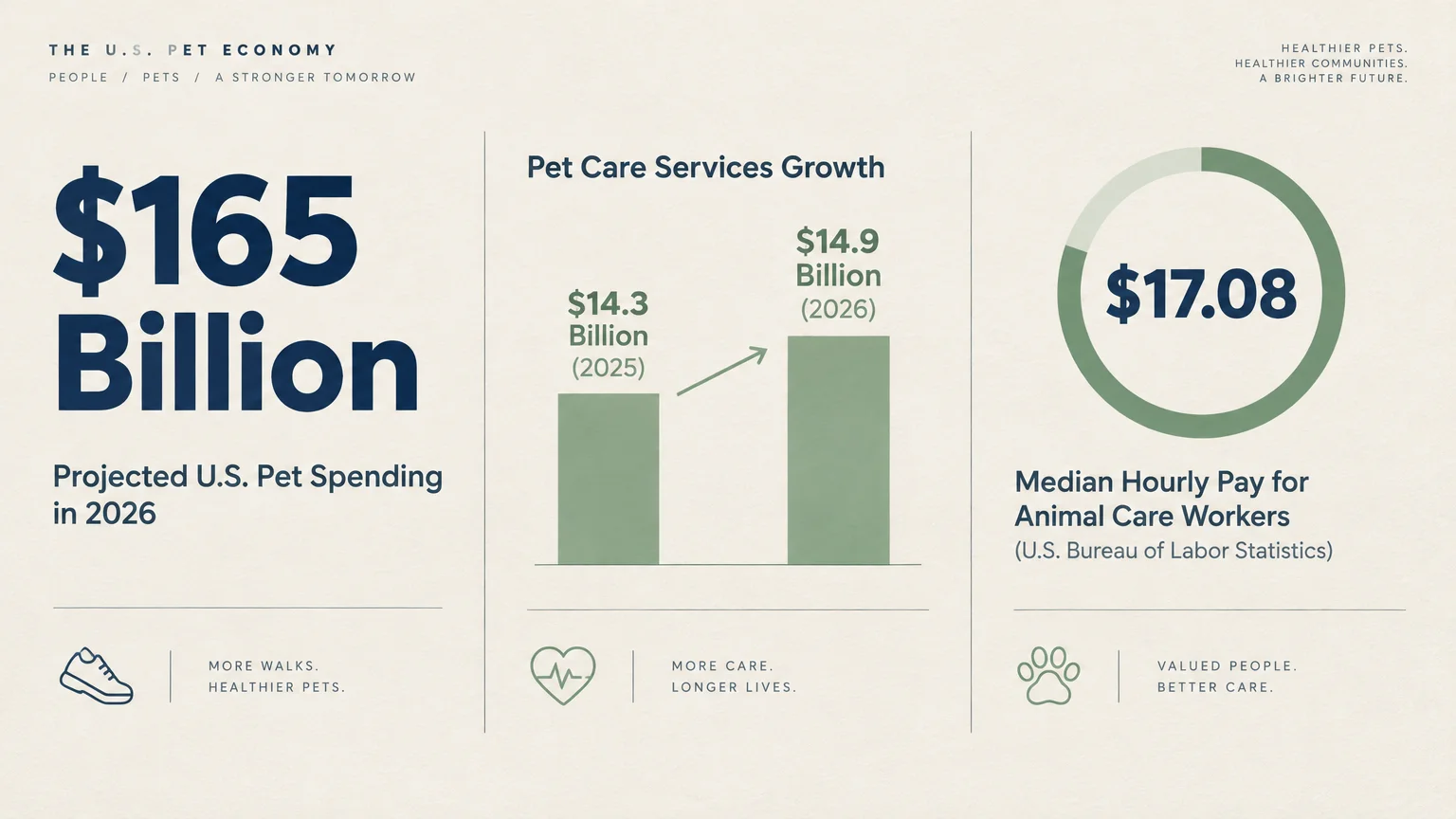
With American pet spending projected to hit $165 billion in 2026, demand for dependable, mature caretakers is surging. Here are ten practical animal lover jobs that deliver steady extra money without complicating your retirement.
Why Animal Care Gigs Match the Retirement Lifestyle
Many retirees discover that leaving full-time work creates an unexpected void in daily structure. Caring for companion animals fills those empty hours with purposeful activity and unconditional affection.
According to research highlighted by the National Institute on Aging, staying socially engaged and physically active supports cognitive vitality and heart health as you grow older. Regular dog walks naturally keep your step count high without requiring grueling gym routines.
Financial flexibility is another major draw. The pet care services sector reached $14.3 billion in 2025 and is projected to expand to $14.9 billion in 2026.
Pet owners actively look for reliable, mature adults rather than rushed teenagers or unpredictable college students. Your life experience and communication skills give you an immediate edge in this booming market.
Data from the U.S. Bureau of Labor Statistics shows the median pay for animal care workers sits at $17.08 per hour. Furthermore, nearly a quarter of all animal caretakers operate as independent, self-employed workers.
“Staying engaged through part-time work gives retirees financial breathing room and a powerful sense of daily routine.” — Jean Chatzky, Financial Journalist and Author

1. In-Home Drop-In Pet Sitting
Drop-in pet sitting is one of the most popular side gigs with animals for retirees who prefer predictable, low-impact tasks. Instead of boarding animals in your house, you travel to the client’s home for scheduled 30-minute visits.
Typical duties include refilling water bowls, serving measured meals, scooping litter boxes, and administering oral medications. You also provide gentle play and affection before locking up.
This role works exceptionally well for cat lovers. Most felines prefer staying in their familiar environments rather than enduring stressful commercial boarding facilities.
Drop-in sitters routinely earn between $18 and $28 per half-hour visit. Completing just two morning visits and two afternoon visits nearby can net $80 per day.
You can manage bookings independently or use digital platforms like Rover. The work requires reliable transportation, basic organization, and a calm presence that puts timid pets at ease.
2. Midday Dog Walking for Working Neighbors
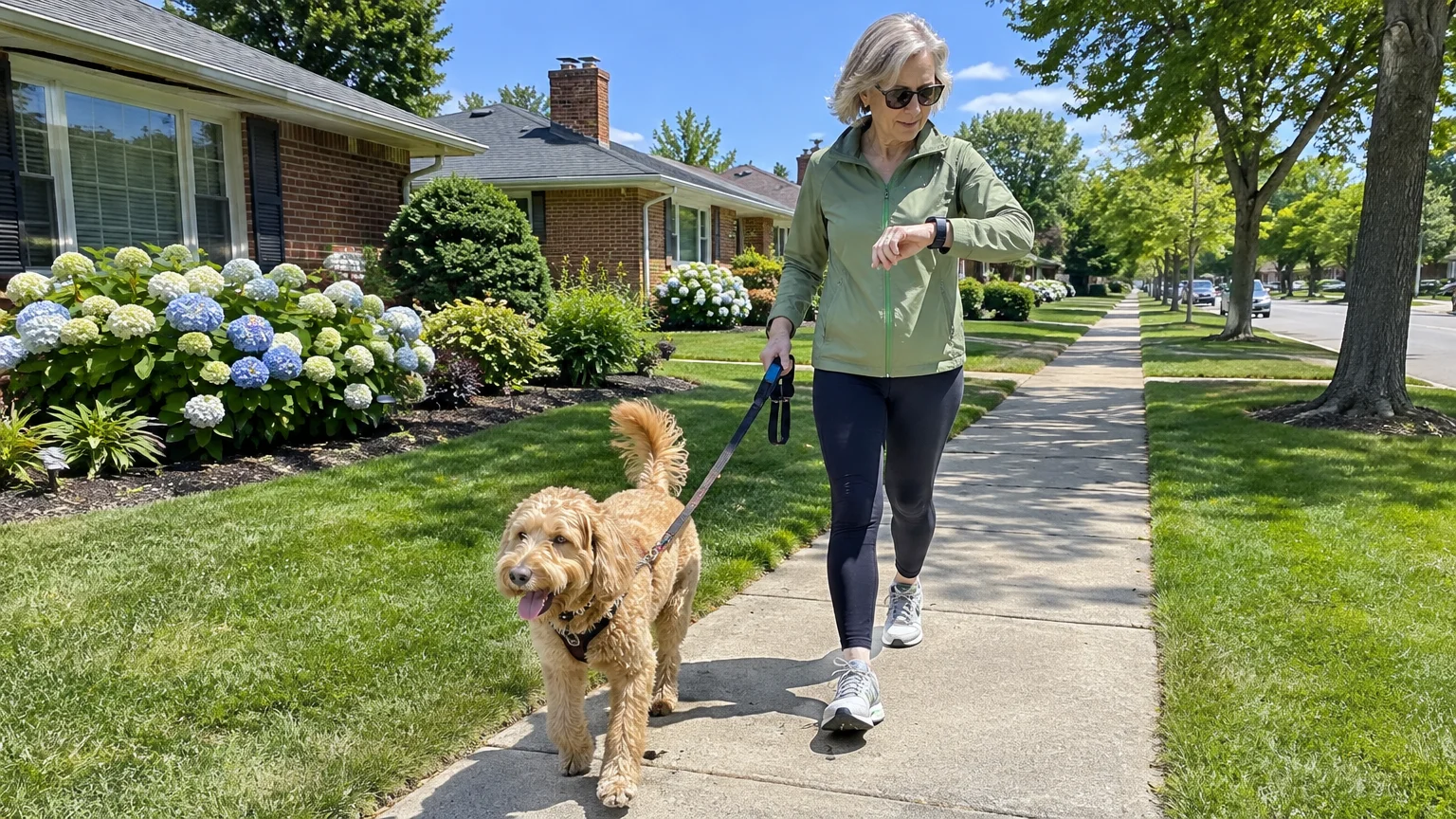
Midday dog walking for retirees offers an ideal combination of cardiovascular exercise, outdoor sunshine, and steady cash flow. Most suburban dog owners work long hours away from home and need midday relief for their dogs.
Peak walking hours typically fall between 11:00 AM and 2:00 PM on weekdays. This schedule leaves your early mornings and evenings completely open for personal hobbies or family time.
Private dog walks usually bring in $20 to $32 for a brisk 30-minute stroll. If you walk two compatible dogs from the same household, you can often add an extra $10 to the fee.
Focus on walking one client’s dog at a time to prevent accidental tangles, leash pulls, or reactive encounters with other neighborhood pets. You set the rules regarding dog size and leash manners before accepting any booking.
To avoid joint strain, invest in supportive walking shoes, a waist-clip leash adapter, and cold-weather walking gear. A small pack for waste bags, training treats, and a water bottle makes your routine simple.

3. In-Home Dog Boarding and Daycare
If you own your home and have a securely fenced backyard, hosting guest dogs is a lucrative pet care side hustle. Dog boarding lets you generate revenue 24 hours a day without ever leaving your property.
Private home boarders typically charge between $45 and $75 per night per dog. Boarding a single friendly dog for ten nights a month can easily produce $450 to $750 in gross income.
During the day, you feed the dog, offer outdoor play sessions, and maintain their customary sleeping routine. Many dog owners prefer home environments over sterile commercial kennels where dogs spend hours confined in concrete runs.
Always screen potential canine guests through an advance meet-and-greet in your yard. Verify that the dog is housebroken, does not exhibit separation anxiety, and gets along with your own family pets.
Limiting your capacity to one guest dog at a time keeps your home peaceful and prevents chaotic pack dynamics. This protects your furniture, your physical safety, and your property value.

4. Overnight House and Pet Sitting
Overnight house sitting combines pet companionship with home security for owners who travel for business or vacation. In this role, you sleep at the client’s residence, keeping their pets comfortable in their familiar setting.
Standard rates for overnight pet sitting range from $65 to $110 per 24-hour cycle. Clients gladly pay premium rates knowing their home is occupied and their pets avoid boarding kennel stress.
This gig suits active, unattached retirees or adventurous couples who enjoy spending time in different neighborhoods. You water houseplants, collect the mail, take out trash cans, and provide regular companionship to the animals.
If you prefer exchanging care for travel accommodations rather than cash, membership platforms offer global options. Platforms like TrustedHousesitters allow you to lodge for free in vacation destinations worldwide in exchange for caring for homeowner pets.
Annual memberships for sitter-only access on TrustedHousesitters run from $129 for Basic to $259 for Premium tiers. Note that Basic and Standard tiers incur an additional $12 booking fee per confirmed stay.
5. Pet Taxi and Veterinary Chaperone
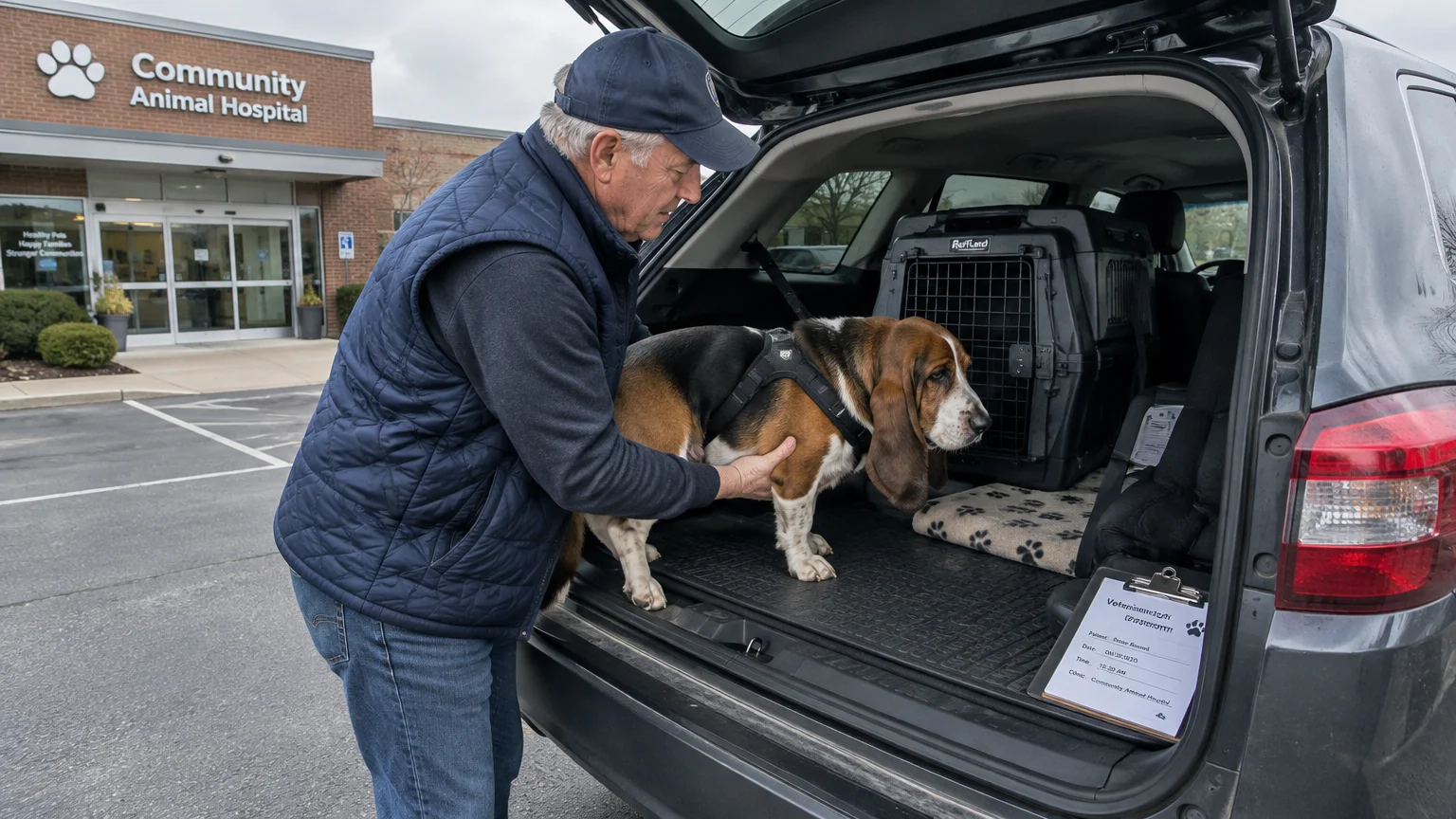
Many pet parents lack the daytime availability to transport their pets to routine appointments. A pet taxi service solves this logistics problem by driving animals to veterinary clinics, grooming salons, or boarding resorts.
This side gig fits retirees who enjoy driving and keep a clean, reliable vehicle. You pick up the animal, secure them safely in a crate or seatbelt harness, and transport them to their destination.
Wait-and-return services are especially valuable for veterinary checkups. You stay with the pet through their clinical examination, take detailed notes from the veterinarian, and relay instructions back to the owner.
Pet chauffeurs charge flat rates of $25 to $45 for local one-way trips, or an hourly rate of $25 to $35 for appointment chaperoning. You can also bill an additional per-mile surcharge for transit beyond a specific service radius.
Equip your back seat with waterproof seat covers, durable cargo liners, and universal pet seatbelt tethers. Always carry a spare slip lead and sanitizing wipes to keep your vehicle pristine.
6. Gentle Mobile Bathing and Brushing
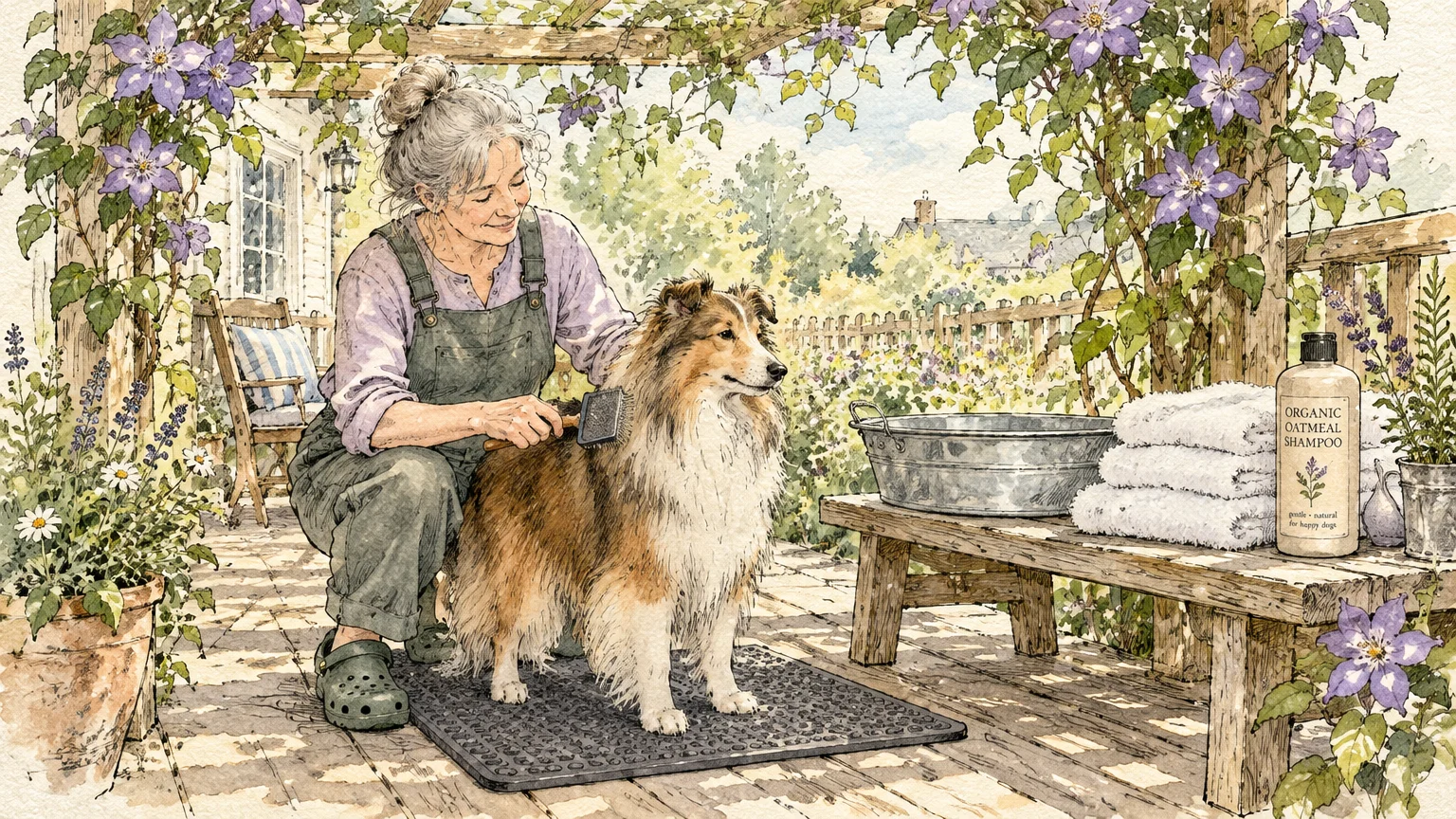
Professional grooming salons are often booked weeks in advance, and many older or anxious dogs cannot tolerate noisy salon environments. You can offer gentle, basic home bathing and brushing services right on the client’s property.
This role does not require master styling or breed-standard scissor cuts. Instead, focus entirely on baths, thorough blow-outs, ear cleaning, and systematic brush-outs for shedding coats.
Basic hygiene appointments typically earn between $35 and $60 per pet, depending on coat density and dog size. A thorough deshedding session on a golden retriever or shepherd mix can bring in even higher rates.
Clients supply access to an outdoor hose or an indoor walk-in shower. You bring tearless shampoo, silicone bath scrubbers, absorbent microfiber towels, and professional de-shedding rakes.
To avoid back fatigue, restrict your client base to smaller dogs under 35 pounds or dogs capable of stepping into tubs independently. Avoid heavy lifting to safeguard your posture and spine.

7. Hobby Farm and Small Livestock Sitting
If you live in an exurban or rural community, suburban dog sitting is not your only option. Many hobby farm owners struggle to find trustworthy caretakers when they take vacations or attend out-of-town events.
Hobby farm sitting involves caring for backyard chicken flocks, pygmy goats, sheep, alpacas, and barn cats. Daily tasks involve distributing hay, measuring grain rations, scrubbing stock tanks, and collecting fresh eggs.
Farm sitting visits typically pay between $30 and $55 per visit, with overnight farm stays commanding $80 to $130 per day. Farm owners prioritize reliable, observant adults who notice subtle health or behavioral changes in livestock.
According to the Bureau of Labor Statistics, animal care and service roles will expand by 11% through 2035. Rural caretakers benefit directly from this long-term demand curve.
This side gig provides vigorous, purposeful outdoor work surrounded by nature. Ensure you are comfortable handling physical gates, lifting feed sacks up to 25 pounds, and navigating uneven outdoor terrain.
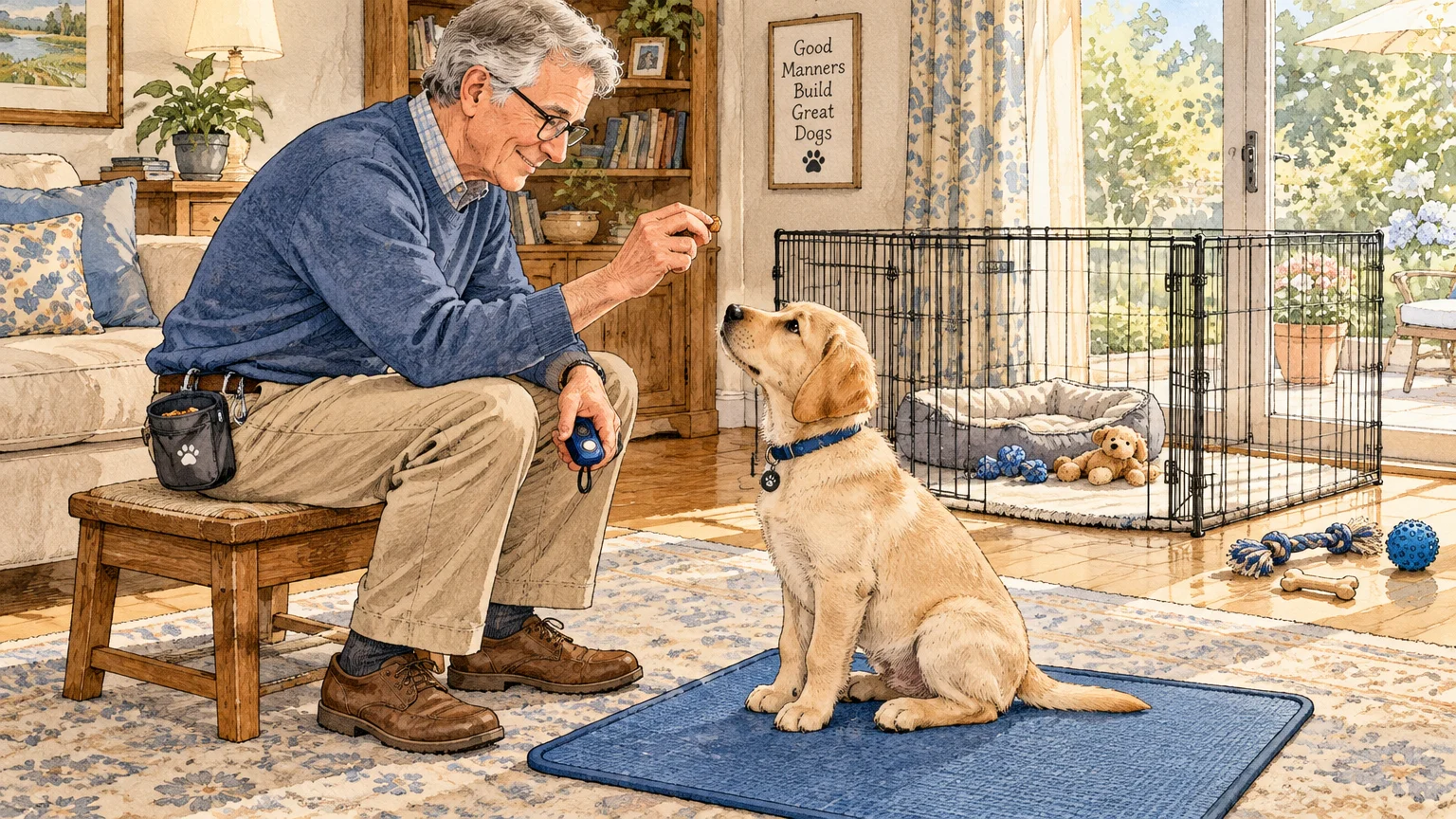
8. Puppy Socialization and Manners Assistant
Welcoming a new puppy into a household is an exhausting endeavor for busy working families. First-time dog owners frequently struggle to maintain consistent housebreaking schedules and early socialization routines during business hours.
As a puppy assistant, you visit young dogs between 8 and 20 weeks of age during critical developmental windows. You take puppies out for prompt potty breaks, reinforce crate training, and introduce them to new sounds and surfaces.
You can also collaborate with established local dog trainers who need patient handlers for group classes. Bureau of Labor Statistics data indicates animal trainers earn a median annual wage of $39,990, or approximately $19.23 hourly.
Puppy development visits command $22 to $35 per 30-minute session. Clients value consistency and positive reinforcement during these formative weeks, making calm retirees ideal partners.
This work requires genuine patience, gentle redirection skills, and quick reflexes. You must remain comfortable handling sharp puppy teeth, unexpected indoor accidents, and short bursts of puppy exuberance.

9. Residential Dog Waste Removal
Dog waste removal—commonly called yard scooping—is one of the simplest, lowest-friction side gigs with animals. You never handle unpredictable animals directly, eliminating the risk of animal bites or leash injuries.
Homeowners dislike cleaning their yards, but local municipal ordinances and lawn maintenance crews require clean turf. You visit yards on a recurring weekly schedule to clear accumulated pet waste systematically.
Standard rates average $15 to $22 per weekly visit for a standard yard with one dog. Scooping a yard takes only 10 to 15 minutes, allowing you to service three or four nearby homes within a single hour.
A modest route of 15 recurring neighborhood homes can generate $250 to $330 in gross weekly income. The work provides steady bending, walking, and outdoor activity without complex client scheduling.
Startup equipment costs are minimal. You only need a commercial swivel bin rake, heavy-duty waste bags, a rolling disposal container, and veterinary-grade shoe disinfectant.
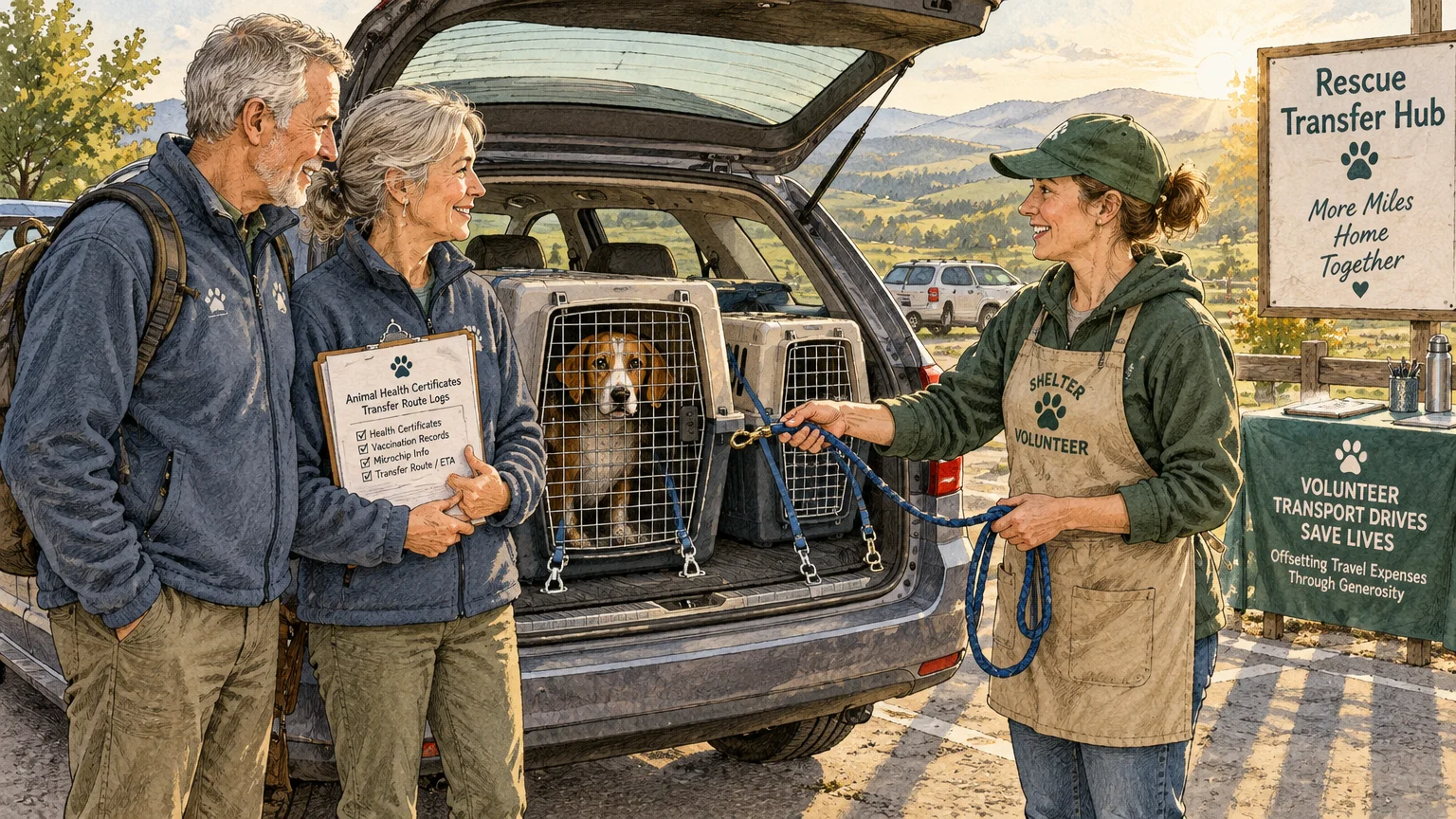
10. Shelter and Rescue Transport Driver
Overcrowded municipal animal shelters regularly transfer dogs and cats to private foster networks, specialty rescues, and adoptive homes. Rescue organizations rely on reliable contract drivers to move these animals safely across regional routes.
Some non-profit rescue organizations pay hourly stipends or flat transport fees ranging from $50 to $150 per run. When organizations cannot offer direct pay, your transport driving may still unlock valuable tax advantages.
If you volunteer your vehicle for a verified 501(c)(3) animal rescue, the Internal Revenue Service permits a charitable mileage deduction. In 2026, the standard charitable mileage rate is set at 14 cents per mile driven.
Transport drivers load secured travel crates into their vehicles, maintain climate-controlled cabins, and make scheduled rest stops. You hand off the animals to receiving rescue coordinators at designated regional drop-off points.
This animal lover job provides immense emotional satisfaction by directly saving animals from overcrowded facilities. It combines relaxing highway driving with life-saving mission work.
“Retirement is not the end of the road, but a change of direction to pursue things you find deeply meaningful.” — Mitch Anthony, Author of The New Retirementality
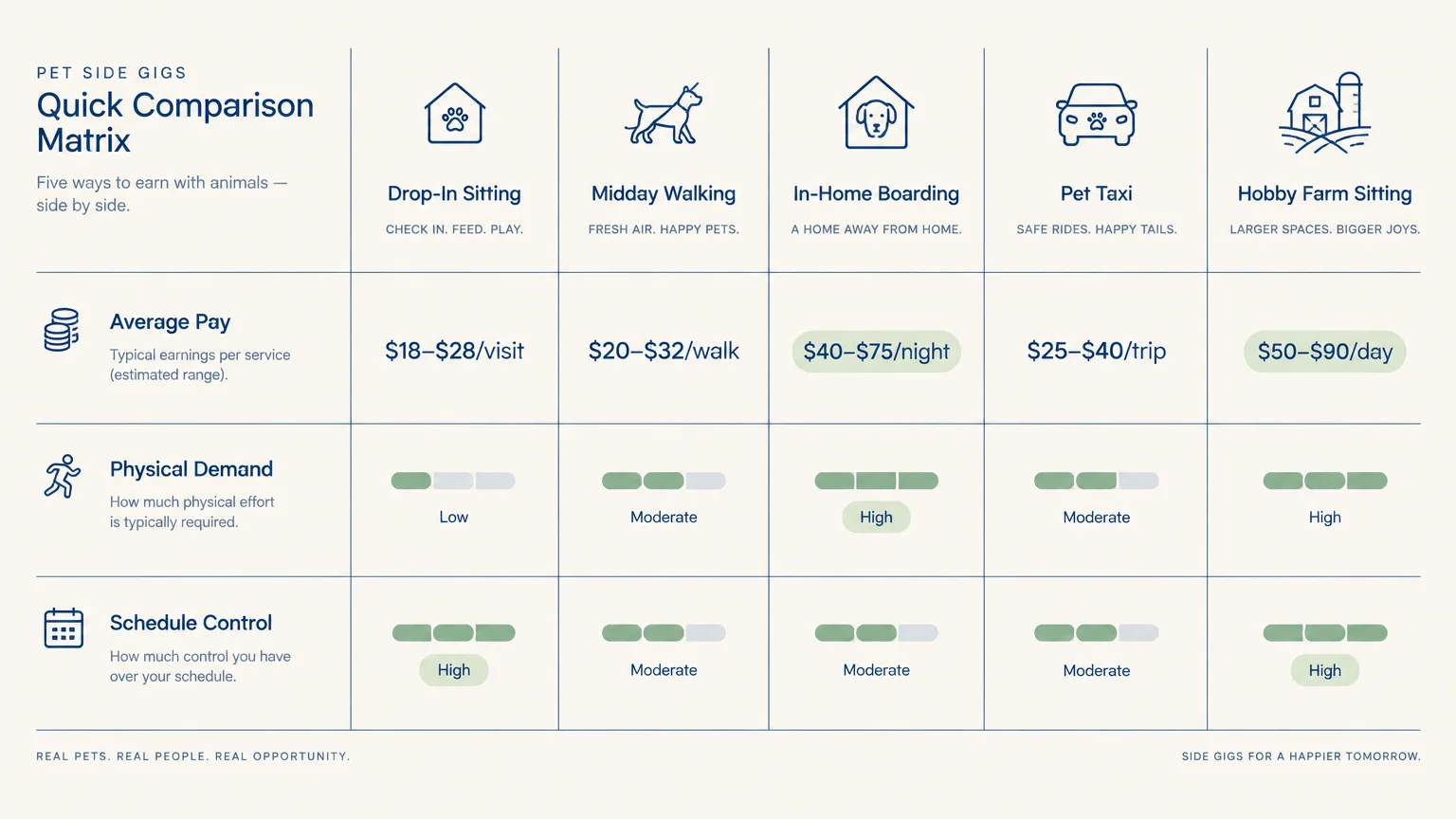
Comparing Pet Care Side Hustles
Selecting the best animal care side hustle depends on your physical mobility, home setup, and target income. The table below outlines how these ten opportunities compare across key practical categories.
| Side Gig Option | Typical Earnings | Physical Demand | Startup Investment | Schedule Flexibility |
|---|---|---|---|---|
| Drop-In Pet Sitting | $18 – $28 / visit | Low to Moderate | Minimal ($50 – $100) | High |
| Midday Dog Walking | $20 – $32 / walk | Moderate to High | Minimal ($50 – $75) | Moderate (Midday) |
| Home Dog Boarding | $45 – $75 / night | Moderate | Low (Fenced Yard) | High (Home-Based) |
| Overnight House Sitting | $65 – $110 / night | Low | Minimal ($0 – $50) | Low (Multi-Day Blocks) |
| Pet Taxi / Chaperone | $25 – $45 / trip | Low | Vehicle & Restraints | High |
| Gentle Mobile Bathing | $35 – $60 / bath | Moderate to High | Moderate ($100 – $200) | High |
| Hobby Farm Sitting | $30 – $55 / visit | High | Minimal ($50) | Moderate |
| Puppy Socialization | $22 – $35 / session | Moderate | Minimal ($25 – $50) | High |
| Dog Waste Removal | $15 – $22 / yard | Moderate | Low ($75 – $125) | High |
| Rescue Transport Driver | $50 – $150 / trip | Low to Moderate | Reliable Vehicle | Moderate (Scheduled) |

Gig Platforms vs. Building an Independent Client Base
When launching your pet care side hustle, you must decide whether to use gig apps or operate independently. Both approaches offer unique advantages for retired adults.
Apps like Rover and Wag offer immediate exposure to thousands of local pet owners searching for care. These platforms process credit card payments securely and provide customer service support alongside commercial liability policies.
However, technology platforms deduct significant commissions from your gross earnings. In most states, Rover takes a flat 20% service fee from sitters, while California sitters pay a 25% platform fee.
Additionally, Rover pilots a tiered fee structure in metro areas like Seattle, Chicago, and Dallas-Fort Worth. In those test markets, sitters surrender 30% of the first $599 earned with a new client, 15% on the next tier, and 10% thereafter.
Operating an independent pet care practice lets you keep 100% of the money you collect from pet parents. Independent sitters acquire loyal clients by posting on community boards, joining neighborhood groups, and distributing flyers.
Independent operators must purchase their own business liability insurance and manage invoices manually. Many successful retirees begin on app platforms to gain reviews before building private, word-of-mouth client rosters.
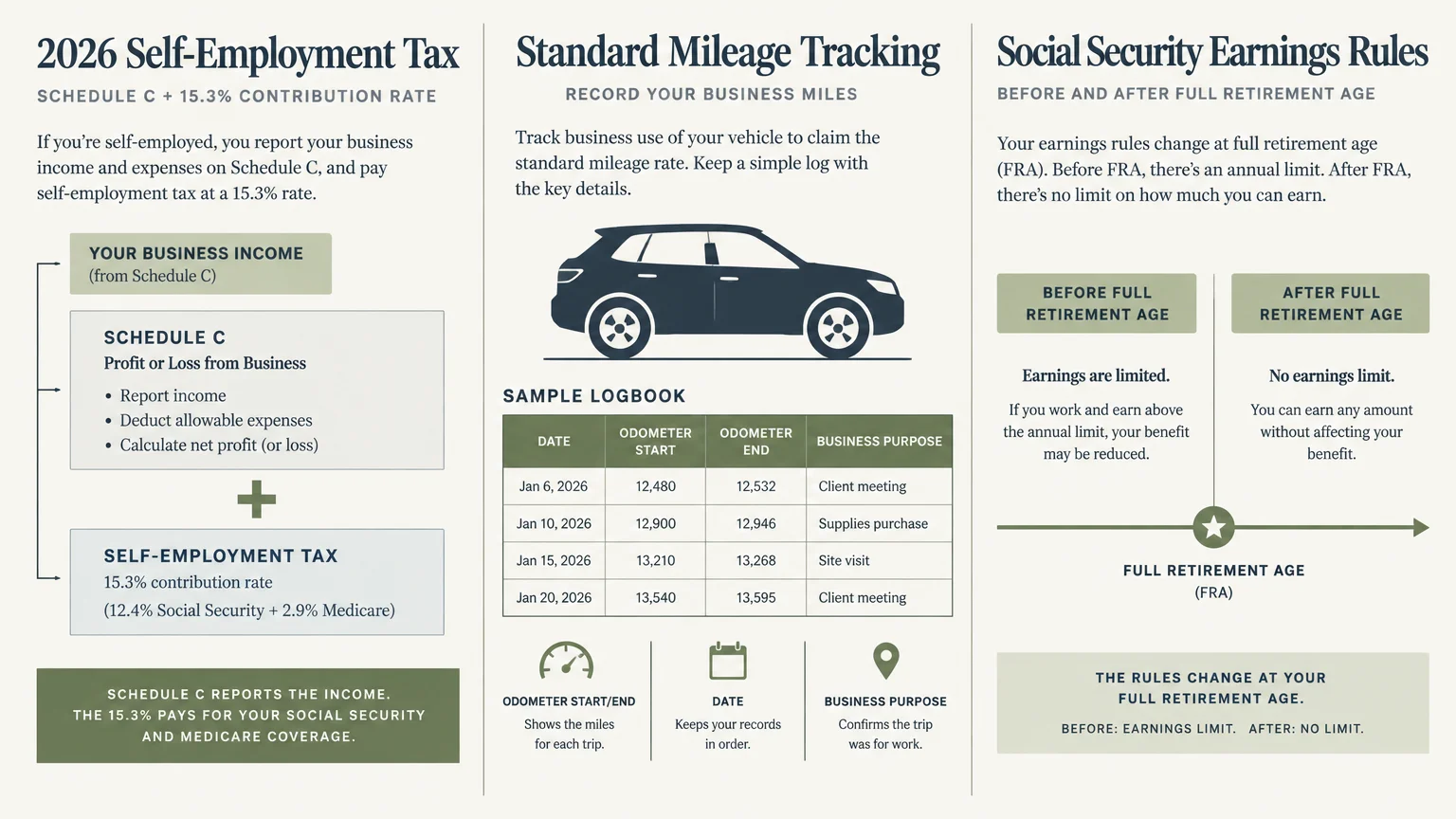
Social Security, Taxes, and Mileage Rules for 2026
Earning extra money during retirement requires careful attention to federal tax guidelines and Social Security rules. Understanding your earnings thresholds prevents unpleasant surprises when filing your annual tax returns.
If you collect Social Security before reaching your Full Retirement Age (FRA), you must monitor the earnings test. For 2026, the annual earnings limit is $24,480, or $2,040 per month.
According to the Social Security Administration, earning above this limit results in $1 withheld from your benefits for every $2 earned over the threshold. Once you reach full retirement age, the earnings cap vanishes completely, allowing unlimited income.
All net earnings from pet sitting jobs are subject to self-employment tax, which totals 15.3% to cover Medicare and Social Security. The Internal Revenue Service requires self-employed individuals to pay this tax once net profit reaches $400.
Following recent federal legislation, tax reporting paperwork has shifted for freelance animal caretakers. The reporting threshold for Form 1099-NEC and Form 1099-MISC from private commercial clients sits at $2,000 for the 2026 tax year.
Third-party payment settlement processors and gig apps issue Form 1099-K once gross transactions exceed $20,000 and 200 distinct transactions. Even without receiving a 1099 form, you must legally report all earned gig revenue.
Fortunately, self-employed pet care workers can deduct driving expenses using IRS standard business mileage deductions. For 2026, the IRS established a split rate: 72.5 cents per mile from January through June, and 76 cents per mile from July through December.
Insurance, Safety, and Setting Healthy Boundaries
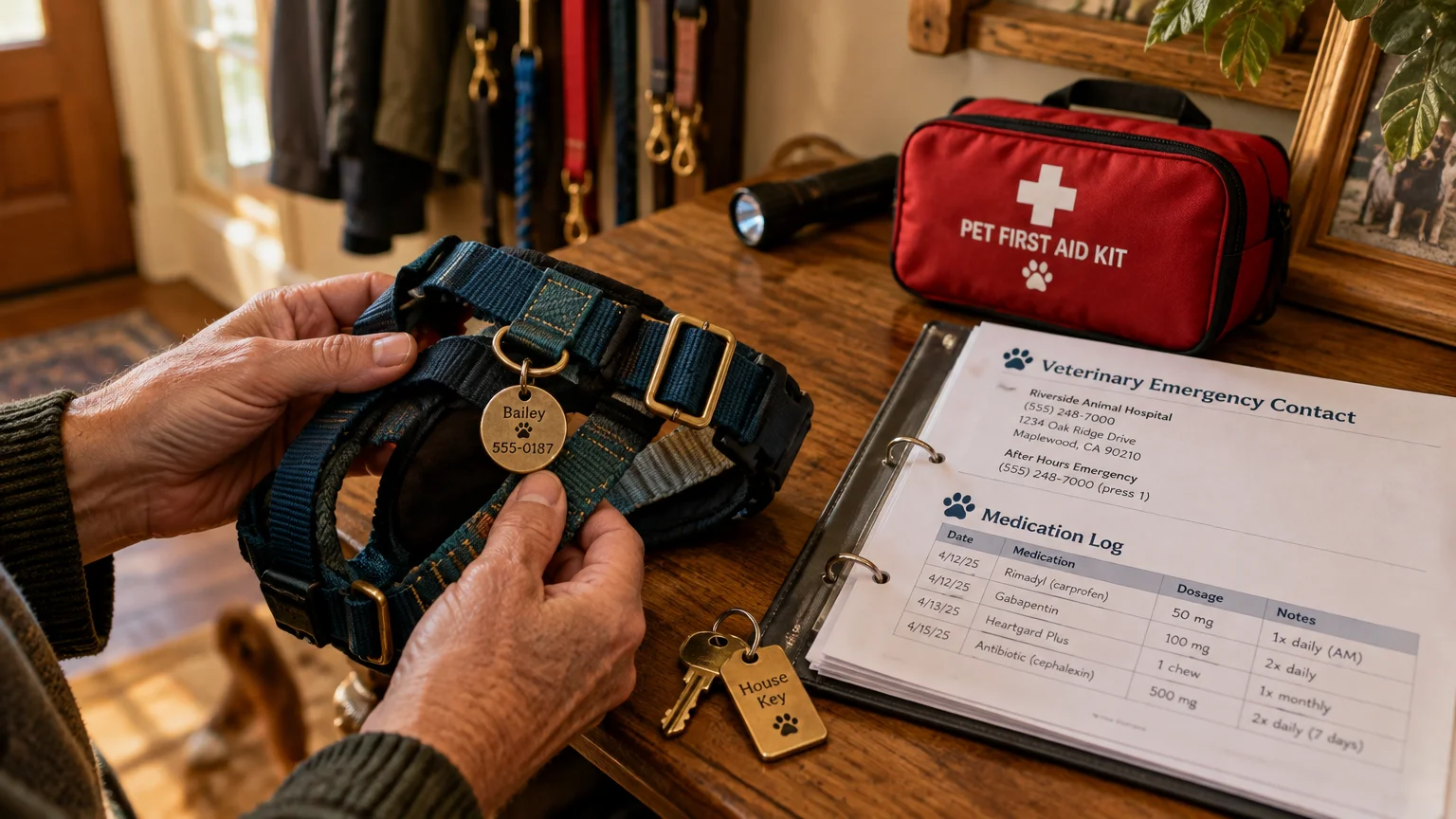
Handling domestic animals always involves unexpected unpredictability. Even the gentlest companion pet can bolt when frightened by sirens or snap if someone touches an undiagnosed sore joint.
Never rely on standard homeowners or renters insurance policies to protect your animal care operations. Standard residential policies explicitly exclude commercial business activities and claims arising from paid animal boarding.
Specialized commercial pet sitting liability insurance is affordable and crucial. Companies like Pet Sitters Associates and Business Insurers of the Carolinas offer comprehensive coverage for $190 to $300 annually.
These policies cover accidental pet injuries, lost home keys, emergency medical care, and third-party property damage. Carrying independent proof of insurance reassures discerning clients and protects your personal retirement assets.
Personal safety also demands firm, clear boundaries. Always insist on an in-person meet-and-greet with the pet and owner inside their home before confirming any booking.
Observe how the animal responds to visitors and verify their up-to-date rabies vaccination status. Decline any assignment involving human-aggressive dogs, intense leash reactivity, or animals weighing more than you can physically control.

Pitfalls to Watch For
While working with companion animals is deeply rewarding, common traps can transform an enjoyable side gig into an exhausting burden. Staying vigilant protects your physical health and financial stability.
- Overcommitting your calendar: Booking back-to-back walking appointments across a wide geographic zone leads to rushed driving and physical burnout.
- Ignoring physical warnings: Accepting overly energetic 80-pound leash pullers can cause shoulder injuries, torn rotator cuffs, or catastrophic falls.
- Failing to track business mileage: Forgetting to log client travel dates causes you to miss out on the valuable IRS 72.5-cent and 76-cent mileage deductions.
- Skipping client vetting: Agreeing to board dogs with unverified vaccination histories or undisclosed separation anxiety endangers your home and peace of mind.
- Neglecting quarterly tax estimates: Spending all gross client earnings without setting aside 25% for taxes creates stressful year-end IRS balances.
Establishing professional boundaries early ensures your pet care side hustle remains a delightful bonus rather than a demanding grind. Always prioritize your safety and retirement balance over an extra booking.
Guidance from retirement lifestyle organizations like AARP emphasizes that healthy post-career work should always adapt to your life, never the other way around. Keep your business footprint manageable.
Frequently Asked Questions
Will working an animal side gig reduce my Social Security checks?
Working an animal side gig only affects your Social Security benefits if you are younger than your Full Retirement Age and earn more than $24,480 in 2026. If you exceed that earnings limit, the SSA withholds $1 for every $2 earned above the cap. Once you reach Full Retirement Age, you can earn unlimited gig income without benefit reductions.
Do I need professional insurance to walk dogs or sit cats in my neighborhood?
Yes, securing dedicated pet care liability insurance is strongly recommended for any paid animal service. Standard homeowners insurance policies specifically exclude business operations and paid pet custody. An annual policy costs around $200 and covers animal vet bills, lost client keys, and third-party injury claims.
Should I register with Rover or start my own independent business?
Many retirees start on Rover to build customer reviews, access instant market exposure, and benefit from integrated booking software. However, Rover takes a 20% to 25% fee from every booking. Transitioning to an independent business later allows you to keep 100% of your earnings, provided you carry independent liability insurance.
What physical limitations should I consider before accepting dog walking clients?
Dog walking requires sustained cardiovascular stamina, balance, and joint stability on uneven pavement. If you experience knee, hip, or lower back issues, avoid large dogs prone to lunging or pulling on the leash. Instead, focus on drop-in visits for cats, pet taxi services, or walking miniature, well-trained breeds.
Taking Your First Steps
Starting an animal side gig gives you an exceptional opportunity to generate extra money while enjoying the uplifting company of pets. Begin by evaluating your home setup, physical comfort level, and ideal weekly work hours.
Talk with pet-owning neighbors, post on local bulletin boards, or create a simple profile on a verified gig platform. With sensible boundaries and a patient approach, you can create a fulfilling routine that brightens your retirement years.
The information in this guide is meant for educational purposes. Your specific circumstances—including income, health needs, tax situation, and goals—may require different approaches. When in doubt, consult a licensed professional.
Last updated: October 2026. Retirement benefits, tax rules, and healthcare regulations change frequently—verify current details with official sources.









Leave a Reply