
Working at open-air community venues offers an ideal mix of fresh air, social connection, and supplemental cash flow. You can easily turn weekend downtime into meaningful earnings without locking yourself into rigid corporate schedules.
Seasonal market work allows you to stay physically active while protecting your personal freedom. Many local vendors actively seek dependable older adults who bring reliability, clear communication, and decades of life experience to customer interactions.
Whether you want extra travel funds or community engagement, local fair jobs for seniors provide rewarding flexibility. Here are seven practical roles that match retiree lifestyles, along with essential tips to protect your retirement benefits.
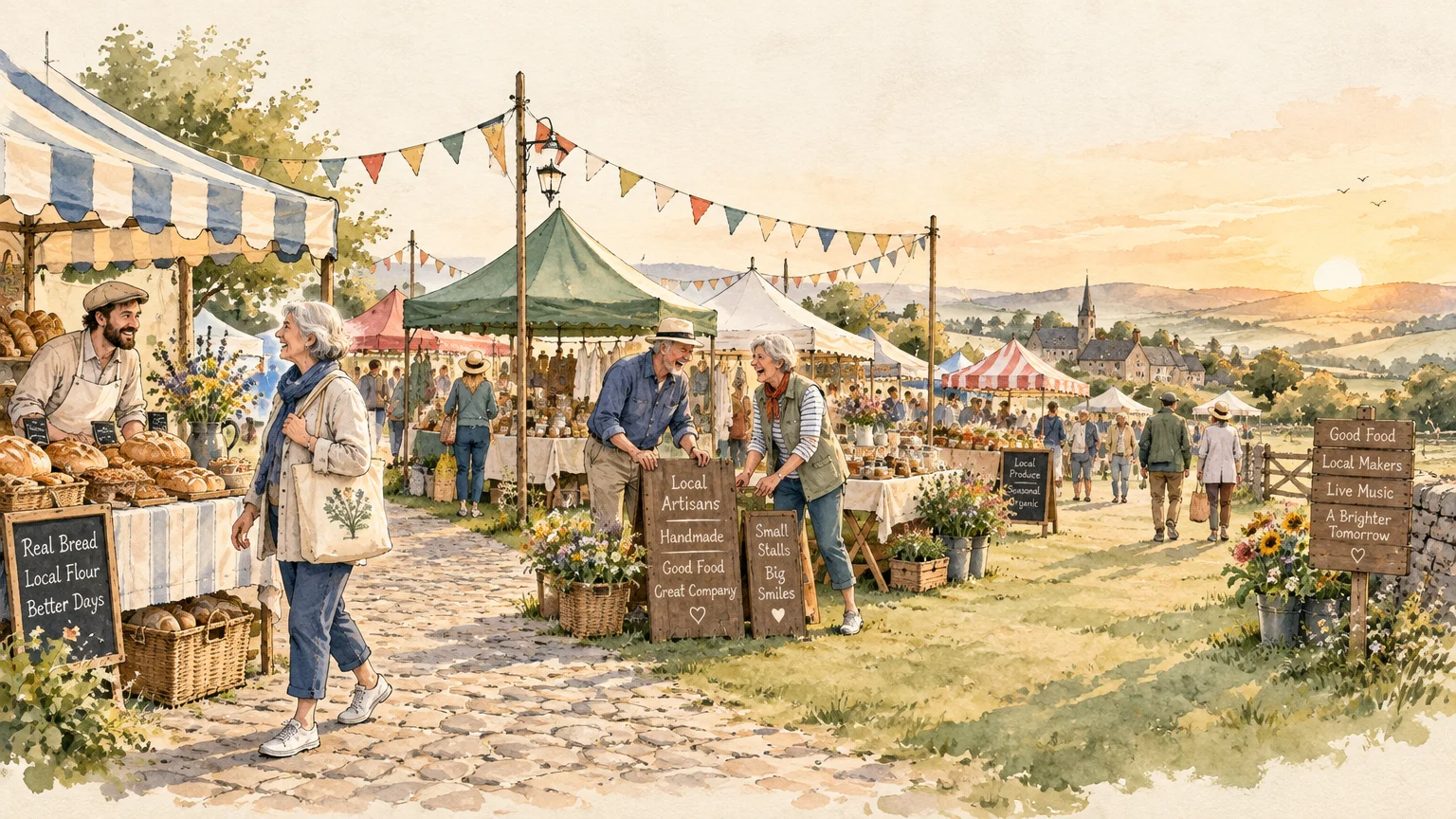
Why Farmers Markets and Local Fairs Suit Senior Lifestyles
Retirement marks a major lifestyle transition that often removes routine daily social contact. Working at vibrant outdoor markets restores that interactive rhythm without demanding full-time commitments.
You decide how many days each month you wish to commit. Most markets operate exclusively on weekend mornings or select weekday afternoons, leaving your calendar wide open for travel and family.
Light physical activity also supports healthy aging. Walking between stalls, greeting patrons, and managing small displays keep joints mobile without the strain of heavy manual labor.
“Retirement is not the end of the road, but the beginning of the open highway.” — Mitch Anthony, Retirement Lifestyle Expert and Author
Furthermore, these events celebrate regional culture, local agriculture, and handmade craftsmanship. Spending your working hours alongside passionate bakers, farmers, and artisans makes every shift feel purposeful.
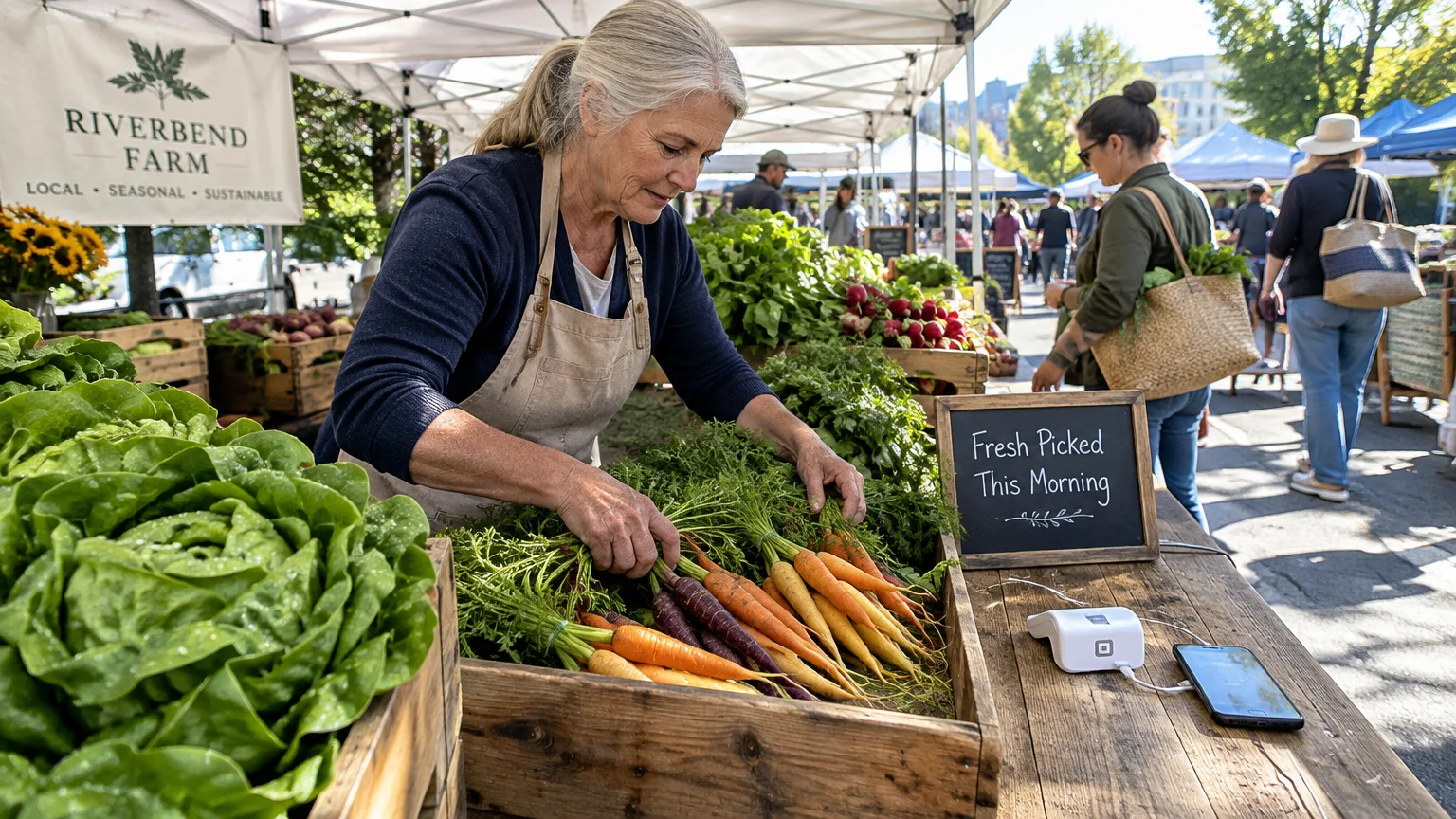
1. Booth Attendant for Specialty Food and Produce Growers
Local produce growers, honey producers, and artisan bakers need trustworthy staff to manage checkout counters. As a booth attendant, you interact directly with patrons who appreciate fresh, regionally sourced groceries.
Your daily responsibilities involve bagging purchases, answering questions about farm practices, and processing electronic card payments. You might also replenish displays of apples, berries, or homemade jams throughout the morning.
Most small family farms lack dedicated marketing teams. They value mature workers who show up punctually at dawn and handle peak morning crowds with patience and poise.
To succeed, you should enjoy chatting about food and seasonal cooking. Many farm stands also compensate workers with cartons of free heirloom vegetables or artisanal bread alongside hourly pay.

2. Ticket Sales and Gate Attendant at County Fairs
Annual county fairs and seasonal festivals require dozens of organized gate attendants to manage entry gates. This role represents one of the most popular local fair jobs for seniors.
You scan digital barcodes, collect entry fees, stamp wrists, and distribute daily program schedules. Most event coordinators station ticket workers in shaded booths equipped with comfortable stools and fans.
The work requires mental focus and basic cash-handling abilities rather than intense physical endurance. You will encounter enthusiastic attendees, excited children, and visiting families all looking forward to fair festivities.
County fair shifts generally run in defined four-to-six-hour blocks over one or two weeks. That short-term timeframe lets you earn concentrated retiree side income without committing to ongoing weekly schedules.

3. Market Information Booth Ambassador
Many municipalities and market associations operate a central information booth near the main market entrance. Information ambassadors serve as the primary public face and hospitable guide for visiting community members.
You provide maps, answer vendor location questions, distribute lost-and-found items, and announce upcoming market workshops. In many jurisdictions, ambassadors also exchange electronic benefits or credit cards for physical market wooden tokens.
This job sits at the cultural heart of the market community. If you have lived in your town for decades, your deep neighborhood knowledge makes you an invaluable asset.
Physical strain remains exceptionally minimal in this position. You primarily remain seated under a covered canopy, greeting neighbors and helping newcomers navigate the grounds.

4. Artisan and Craft Booth Sales Assistant
Potters, woodworkers, jewelers, and painters frequently travel between regional art festivals and weekend craft bazaars. Many independent creators struggle to craft their wares while simultaneously managing nonstop customer conversations.
Hiring an assistant allows the artisan to step away for lunch, rest, or restock inventory. You become the storyteller who explains how the artist shapes clay or finishes reclaimed wood pieces.
Because craft sales rely on thoughtful browsing, transactions move at an unhurried, comfortable pace. You can share creative stories and build rapport with buyers without feeling rushed.
Look for artists whose visual style and values align with your own tastes. When you genuinely admire the product, sharing its history and value feels completely effortless.
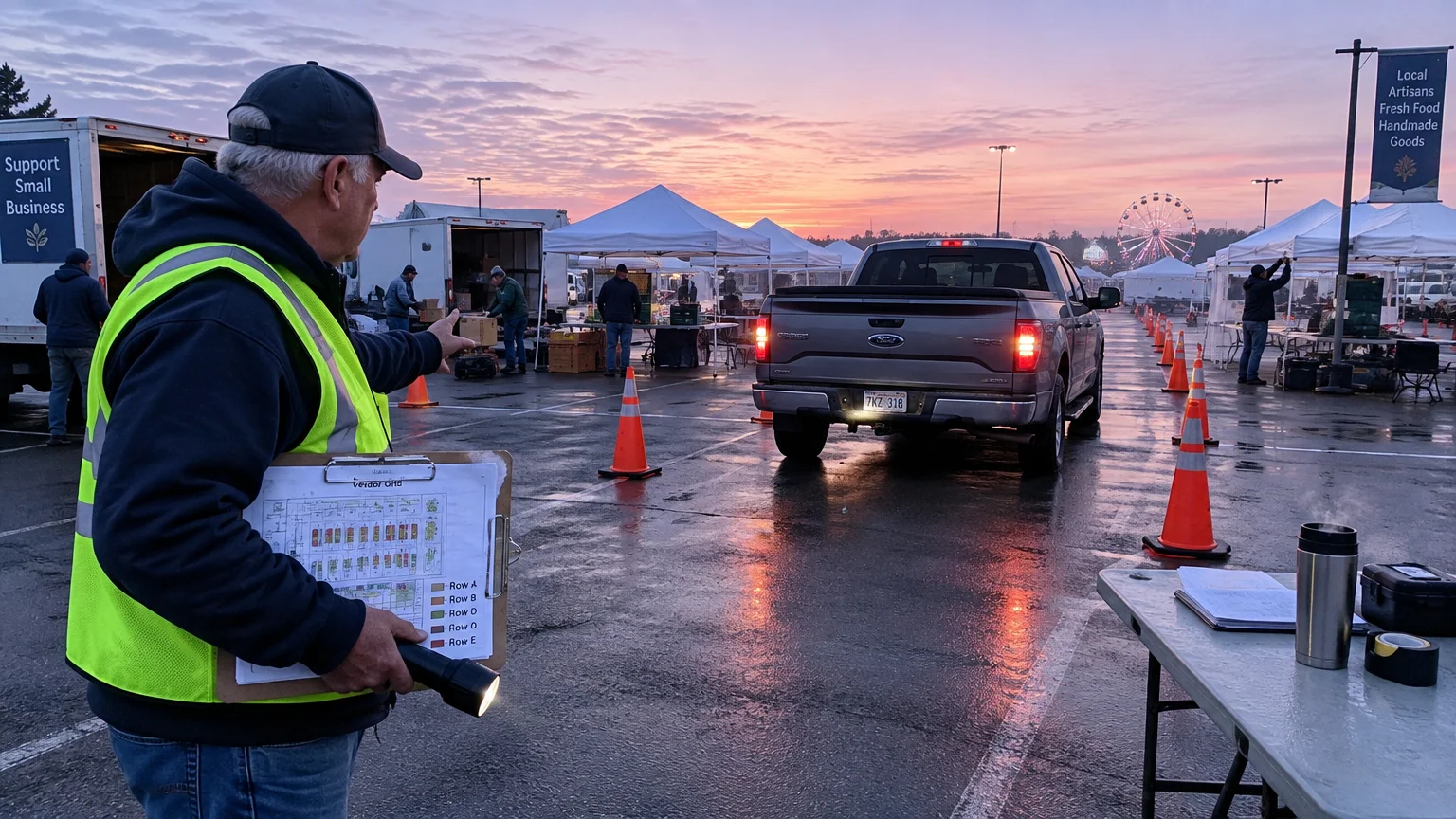
5. Site Setup and Vendor Operations Coordinator
Before market shoppers arrive, dozens of vendor trucks arrive simultaneously to unpack heavy canopies and inventory. Site coordinators direct traffic, assign numbered stall spaces, and keep fire lanes unobstructed.
Once the market opens, you monitor perimeter gates and answer quick operational questions. When closing bells ring, you guide vehicle exits to prevent parking gridlock.
This role involves early morning hours, often beginning around six o’clock as vendors pull into the square. However, shifts conclude quickly, leaving your entire afternoon free for your personal recreation.
While you may carry plastic traffic cones or unfold directional signs, heavy lifting is rare. The position keeps you moving outdoors on flat pavement, generating healthy daily step counts.
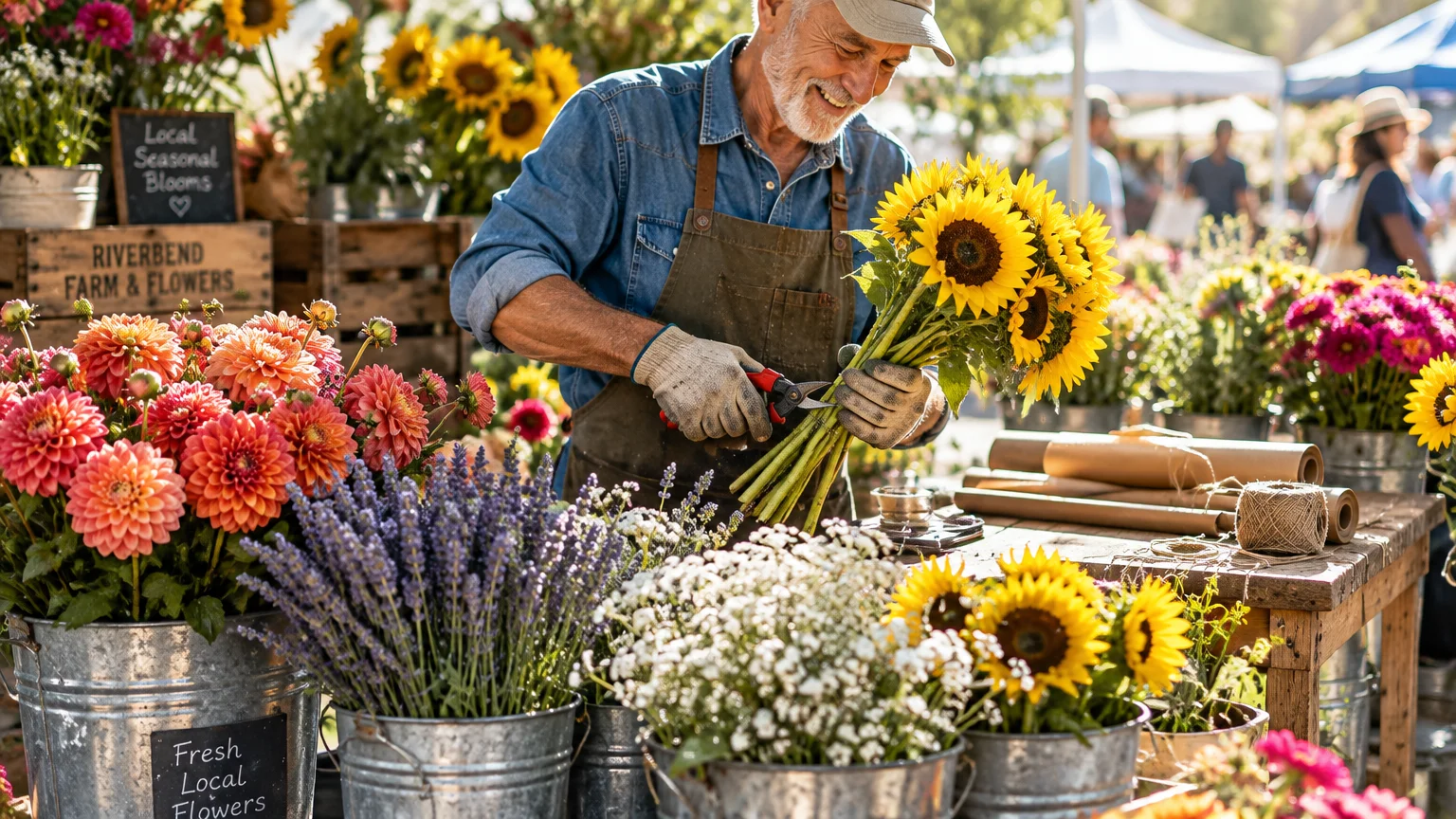
6. Cut Flower and Plant Nursery Assistant
Greenhouses and local cut-flower growers bring bursts of color and fragrance to regional community markets. Working for a floral grower lets you spend your morning surrounded by blooming bouquets and native perennials.
Your daily duties include keeping display buckets filled with fresh water, trimming stems, and wrapping bouquets in kraft paper. You also advise eager backyard gardeners on sun exposure and soil preferences.
If you spent decades cultivating private home gardens, your botanical intuition carries immediate commercial value. Shoppers consistently seek guidance from experienced growers who understand local planting zones and seasonal care.
Pacing remains steady, and the work environment smells pleasant throughout the shift. In addition, floral vendors frequently send staff home with stunning leftover floral arrangements.
7. Exhibition Hall Steward and Competition Entry Clerk
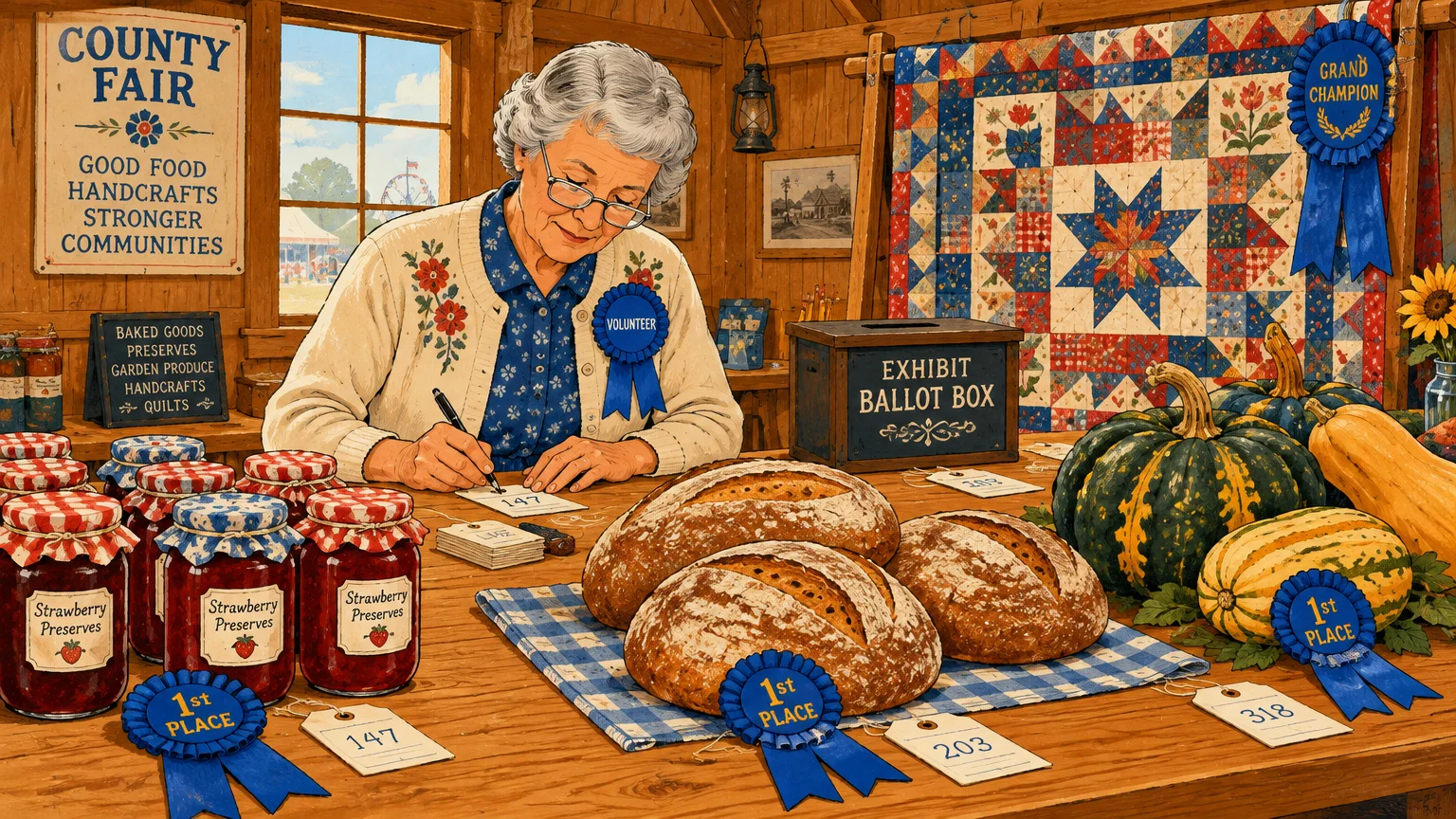
County fairs host competitive exhibits celebrating everything from prized pies and quilts to giant pumpkins and wood carvings. Fair boards hire seasonal stewards to log entries, assist judges, and safeguard public displays.
During judging days, you attach official ribbon rosettes, record judges’ scores, and organize winners onto display shelving. While fairgrounds open to crowds, you monitor exhibit cases to ensure delicate heirlooms remain protected.
This position operates entirely indoors inside climate-controlled community buildings or historic fair pavilions. You escape summer humidity while remaining directly connected to traditional community craftsmanship.
The schedule is intensely concentrated over fair week, providing a tidy paycheck in a short window. Many retirees return to this exact seasonal assignment year after year.
Comparing Fair and Market Roles for Retirees
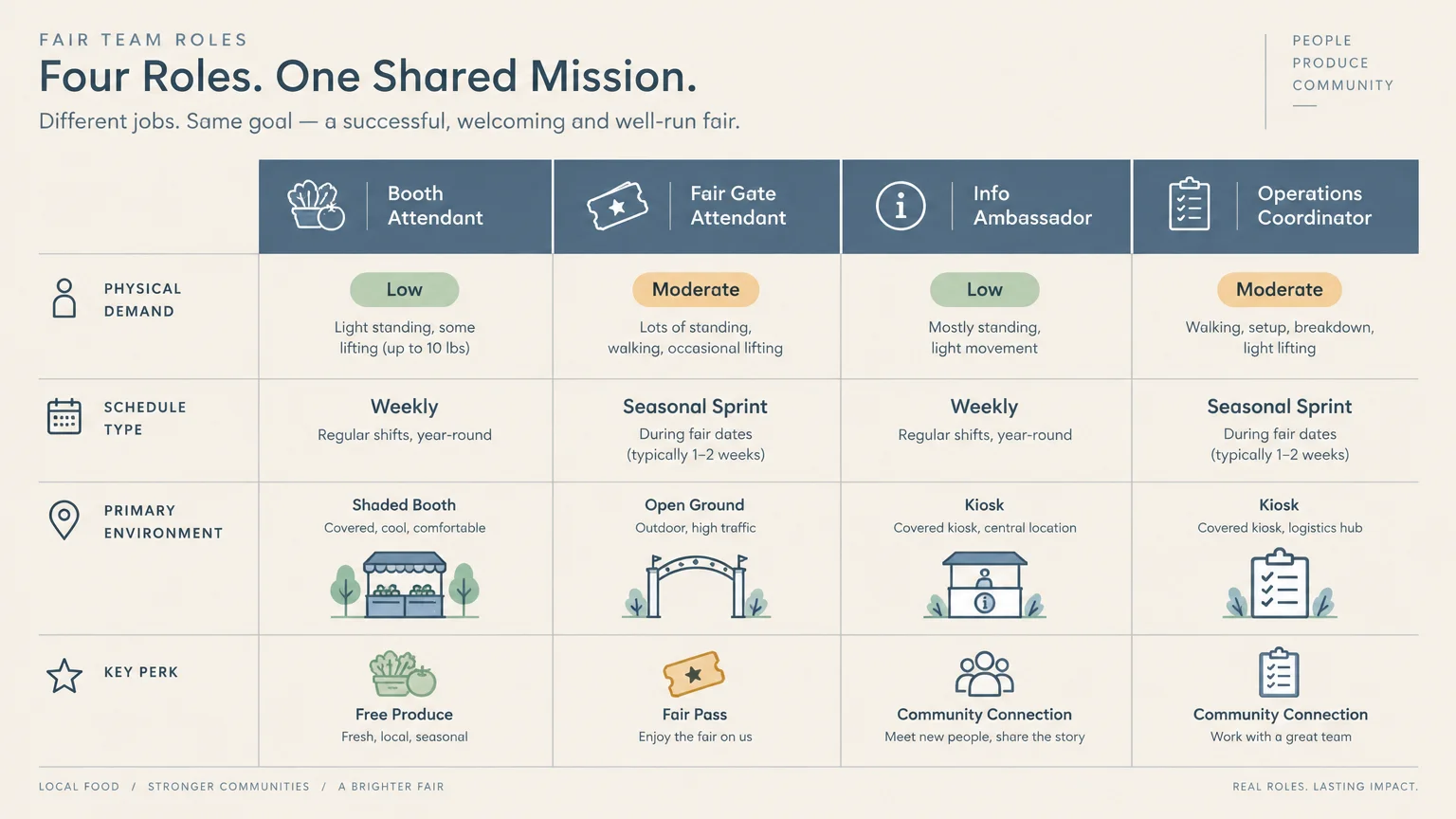
Choosing the ideal seasonal role depends on your physical energy, desired pay, and comfort with outdoor elements. Review the operational demands of each position before submitting applications.
| Job Title | Typical Hourly Pay | Physical Demand | Primary Environment | Key Benefit for Seniors |
|---|---|---|---|---|
| Booth Attendant | $14 – $18 | Moderate (standing/bagging) | Shaded outdoor stall | Free fresh produce and baked goods |
| Fair Ticket Attendant | $13 – $17 | Low (seated scanning) | Covered ticket booth | Short-term schedule, low physical strain |
| Market Ambassador | $15 – $19 | Low (seated information desk) | Central information tent | Deep community engagement and social connection |
| Craft Sales Assistant | $14 – $18 | Low to Moderate | Artisan display canopy | Relaxed pacing and creative conversations |
| Site Coordinator | $16 – $21 | Moderate (walking and pacing) | Paved lots and walkways | Early shifts that leave afternoons open |
| Floral Assistant | $14 – $18 | Moderate (light handling) | Shaded nursery booth | Pleasant botanical setting and take-home flowers |
| Exhibit Steward | $13 – $17 | Low (seated monitoring) | Indoor exhibition hall | Air-conditioned comfort during summer months |
Financial and Tax Realities of Retiree Side Income
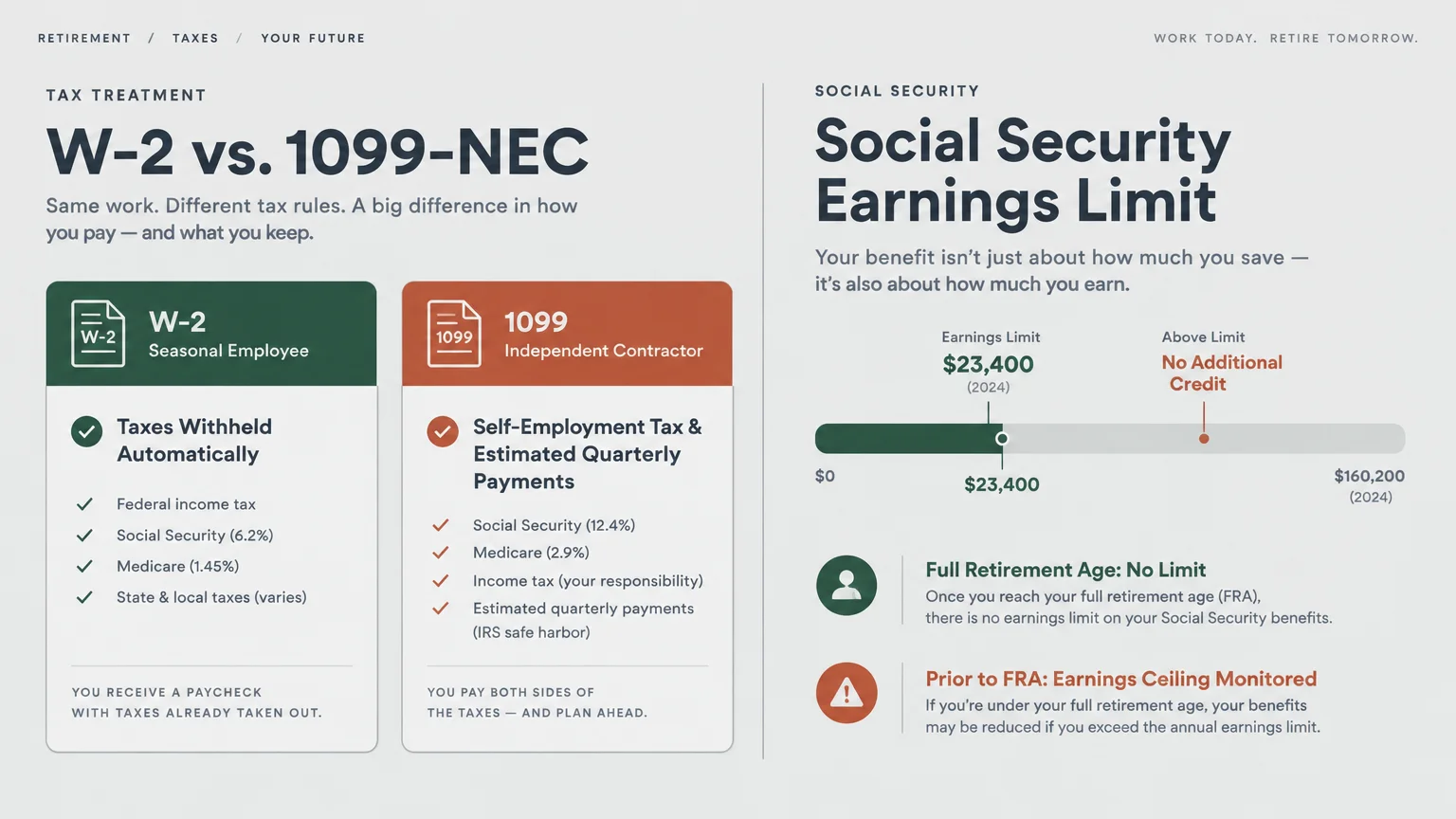
Earning supplemental money can brighten your budget, but you must monitor tax and benefit rules. The Social Security Administration enforces annual earnings limits if you claim benefits before Full Retirement Age.
Exceeding those thresholds triggers temporary benefit withholding. Fortunately, most seasonal farmers market jobs generate modest earnings that easily remain beneath federal caps.
You should also understand your classification as an independent contractor or W-2 employee. The Internal Revenue Service expects quarterly estimated tax payments if vendors issue Form 1099-NEC.
Independent contractors must account for self-employment taxes covering Medicare and Social Security. Keeping an organized folder for mileage logs and work-related gear simplifies filing season.
“Making small amounts of earned income in retirement can dramatically extend the life of your nest egg.” — Jean Chatzky, Financial Journalist and Author
Exploring flexible employment resources through the AARP job center can help you understand seasonal workplace rights. Many organizations provide free guides tailored specifically to older workers reentering part-time roles.

Ergonomic and Health Strategies for Market Days
Working outdoor markets demands sensible physical preparation to avoid fatigue. Hard asphalt or uneven dirt paths can tire your back and feet after several hours.
Invest in supportive footwear featuring shock-absorbing insoles and non-slip treads. Orthotic inserts relieve arch strain when standing behind display counters on concrete surfaces.
Ask your booth manager for an anti-fatigue rubber mat or a folding barstool. Alternating between standing and sitting keeps blood circulation steady throughout your shift.
Hydration requires proactive attention in outdoor climates. Pack an insulated water flask, wear wide-brimmed hats, and apply broad-spectrum sunscreen before your morning shift begins.
Common Mistakes to Avoid
Stepping into seasonal market work brings excitement, but common operational missteps can derail your experience. Avoiding basic traps keeps your seasonal role enjoyable and stress-free.
Avoid these common pitfalls when accepting market or fair assignments:
- Failing to clarify lifting limits: Always ask vendors about box weights before accepting. Some produce crates weigh forty pounds or more.
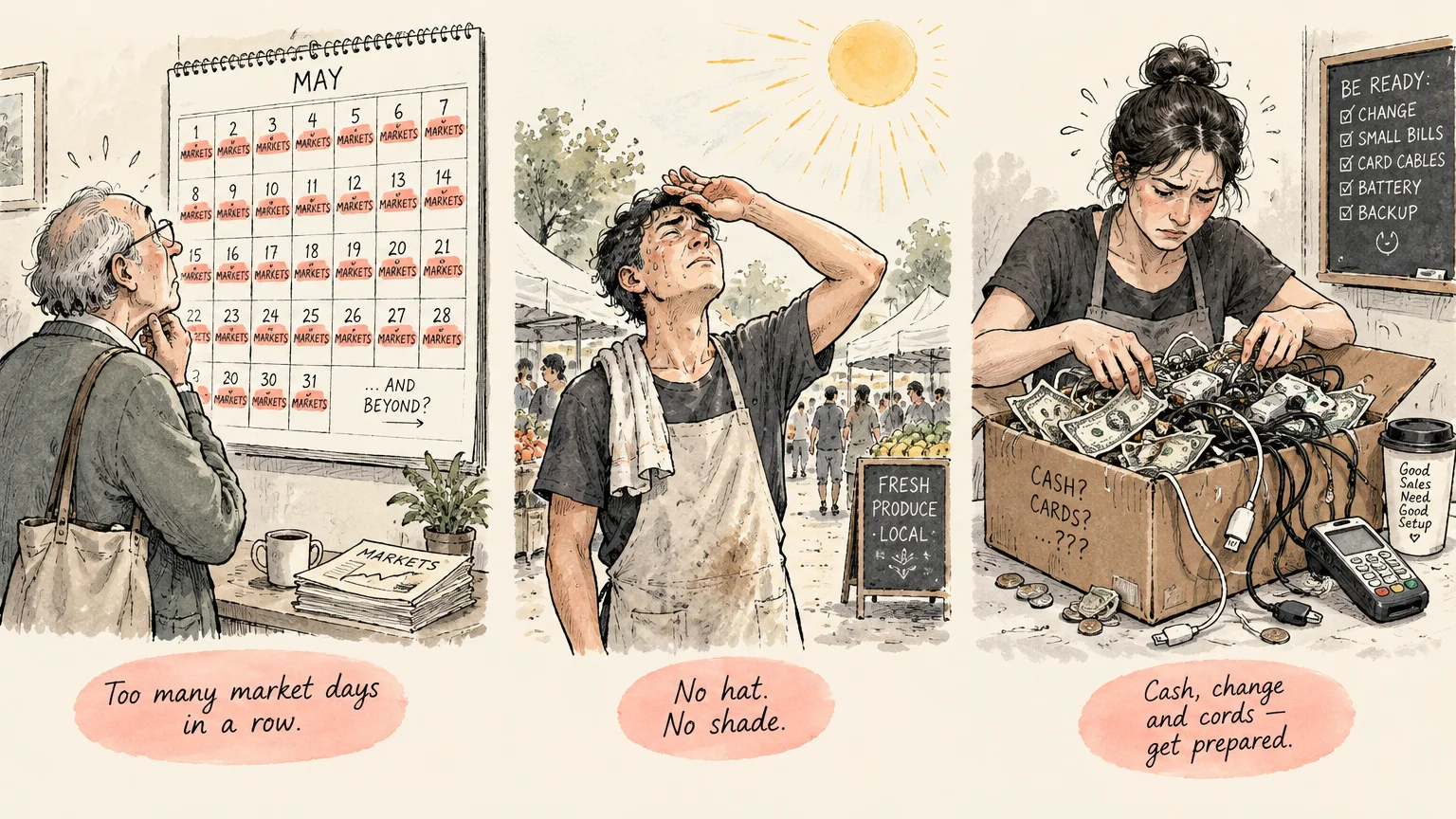
- Ignoring the weather forecast: Outdoor markets operate rain or shine. Failing to pack waterproof layers or thermal clothing leads to miserable shifts.
- Overcommitting your calendar: Reserve regular free weekends for yourself. Agreeing to work every Saturday and Sunday quickly causes retirement burnout.
- Neglecting tax withholdings: Forgetting to set aside twenty to twenty-five percent of independent contractor earnings can trigger unexpected tax bills.
Communication prevents misunderstandings between you and booth owners. Clarify your break times, payment schedules, and physical boundaries before your first market morning.

How to Land Your First Seasonal Market Role
Most farmers market jobs never appear on standard corporate digital job boards. Small business owners rely instead on word-of-mouth recommendations and face-to-face introductions.
Visit your regional market during the final hour of operation on a quiet morning. Booth operators have more time to chat after the early morning customer rush subsides.
Introduce yourself directly to business owners whose booths you admire. Hand them a clean index card or simple one-page sheet highlighting your reliability, availability, and customer service background.
You can also speak with the market manager directly at the central operational tent. Managers frequently keep lists of vendors looking for dependable seasonal staff.
County fair boards generally post seasonal application forms on municipal websites early each spring. Submitting your details in March or April guarantees placement before entry gates open in summer.
Frequently Asked Questions
Do farmers market jobs accommodate seniors with physical limitations?
Yes, many market positions require minimal lifting and offer seated options. Roles such as information ambassador, craft assistant, and fair ticket scanner focus primarily on customer interaction.
Always discuss your physical preferences and lifting boundaries with vendors before accepting an assignment. Most small operators readily provide chairs and assign lighter organizational tasks.
How are seasonal market workers paid?
Vendors pay workers either through direct deposit, payroll checks, or end-of-day cash stipends. Some businesses run official W-2 payroll, while others treat seasonal helpers as independent 1099 contractors.
Ensure you establish the pay rate, frequency of disbursement, and tax classification in writing before your start date. That clarity protects your retirement tax planning.
Will part-time earnings at fairs affect Medicare premiums?
Part-time seasonal earnings rarely impact Medicare Part B or Part D monthly premiums. The federal government only imposes income surcharges on higher-income retirees exceeding established annual thresholds.
Modest income from a weekend booth will not push typical retirees into surcharged premium brackets. Review your overall modified adjusted gross income to verify your personal bracket.
Can I take time off during the season for family vacations?
Most small business vendors appreciate advance notice and happily accommodate pre-planned travel. Be transparent about upcoming family trips or vacations when you first interview for the position.
Providing a reliable replacement or trading shifts with fellow seasonal staff keeps your working relationship seamless. Vendors value honesty far more than rigid perfect attendance.
Next Steps for Your Seasonal Work Search
Stepping into seasonal market work offers an uplifting path to supplement your income while staying socially vibrant. Grab a pair of supportive walking shoes, visit your downtown square this weekend, and explore the possibilities.
This article provides general retirement education and information only. Every retiree’s situation is unique—what works for others may not work for you. For personalized advice, consider consulting a qualified financial professional such as a CFP or CPA.
Last updated: March 2026. Retirement benefits, tax rules, and healthcare regulations change frequently—verify current details with official sources.









Leave a Reply