
Finding a peaceful community that protects your physical safety without draining your nest egg represents the ultimate retirement goal. Rising housing expenses and unpredictable local taxes often complicate this relocation journey.
You can stretch your fixed income much further by targeting regions where living expenses sit well below national averages. At the same time, you do not need to compromise on personal security or neighborhood tranquility.
Exploring low crime retirement towns allows you to preserve your hard-earned savings while enjoying true peace of mind. Here are eight standout communities offering exceptional safety and remarkable affordability for retirees today.

The Realities of Retirement Affordability and Safety in 2026
Planning your move requires an honest look at current economic benchmarks across the United States. Today, the average Social Security Administration monthly benefit sits at approximately $2,071.
Meanwhile, housing expenses continue to place significant pressure on traditional retirement portfolios. The national median home value has climbed to $366,157, while median rents nationwide stand near $1,487 each month.
Existing single-family home prices often reflect even higher hurdles, with the national sales median reaching $417,500. Relocating to low cost of living towns provides an immediate release valve for your monthly cash flow.
Physical safety remains equally vital when you decide where to plant your roots. The national benchmark for violent crime stands at 359 offenses per 100,000 residents.
Every community on this list falls well below that national benchmark, with several reporting rates under 100 incidents per 100,000 citizens. Living in these areas allows you to walk evening streets without persistent anxiety.
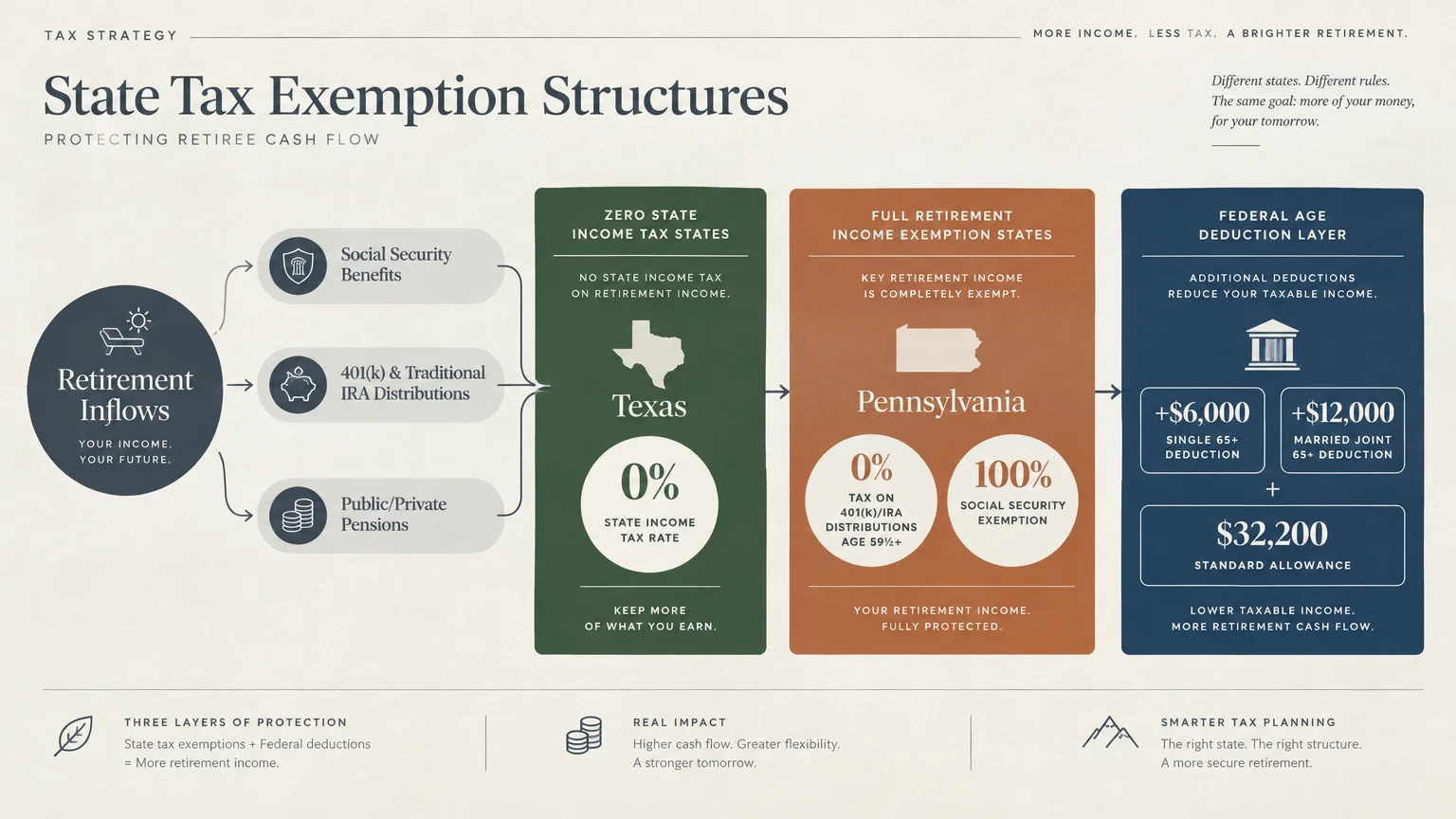
Recent tax reforms provide additional financial breathing room for older adults. Federal tax brackets through 2028 grant an extra $6,000 deduction for individuals aged 65 and older.
Married couples filing jointly who both meet the age threshold receive an additional $12,000 deduction on top of the standard $32,200 allowance. This policy change helps you protect your retirement distributions from heavy taxation.
“Living within your means in retirement is the single greatest gift you can give your future peace of mind.” — Jean Chatzky, Financial Educator
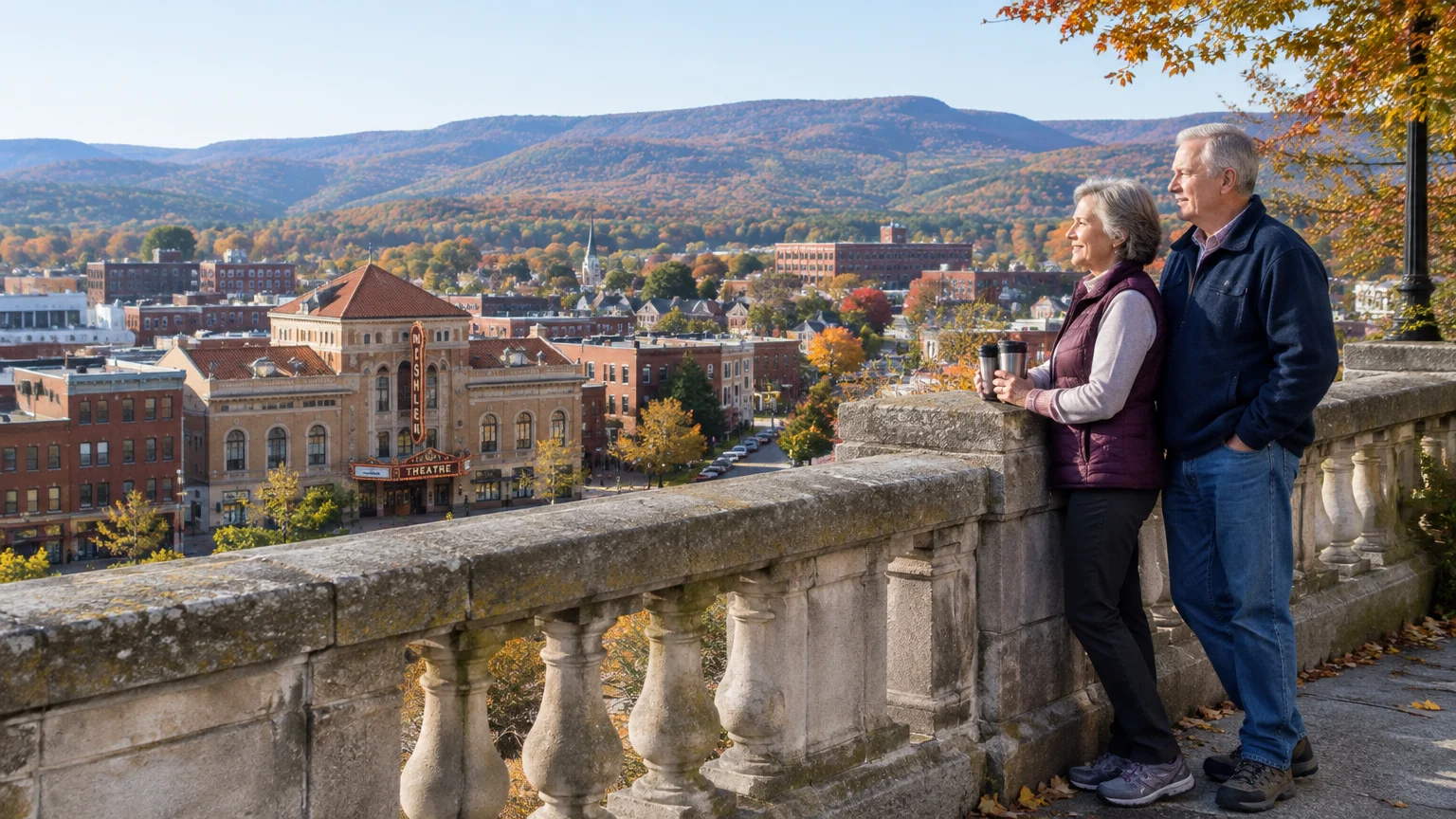
1. Altoona, Pennsylvania
Altoona sits nestled in the scenic Allegheny Mountains, offering picturesque surroundings alongside exceptional value. To comfortably afford a median home here, you need an annual household income of just $44,666.
Violent crime in Altoona measures 142 incidents per 100,000 residents, remaining less than half the national average. Neighborhoods throughout the city maintain a close-knit, vigilant atmosphere that looks after senior neighbors.
Pennsylvania offers one of the most generous tax environments in the country for retirees. The state completely exempts pensions, 401(k) distributions, and traditional IRA withdrawals from state income tax for individuals aged 59½ and older.
You also pay zero state tax on your Social Security checks, leaving more cash in your wallet each month. Healthcare access centers on the UPMC Altoona regional hospital, delivering comprehensive medical services right in town.
Local recreation centers around historic railroad heritage, community parks, and cultural events at the Mishler Theatre. The town combines rich history with quiet streets, making it one of the safest towns for seniors seeking genuine value.

2. Saginaw, Michigan
Saginaw provides remarkable affordability paired with a robust healthcare infrastructure. Purchasing a median home in this Great Lakes community requires an accessible household income of only $47,225 per year.
The violent crime rate stands at an impressive 66 incidents per 100,000 residents. This figure places Saginaw far below national risk benchmarks, giving residents outstanding personal peace of mind.
Michigan completed its multi-year retirement tax phase-out, greatly expanding protections for fixed incomes. Retirees can exempt up to $67,610 in qualified retirement distributions as single filers, or $135,220 on joint returns.
Medical infrastructure serves as a major draw for retirees prioritizing access to specialists. Saginaw houses four major medical facilities, including an expansive VA medical center serving regional veterans.
The community features the Japanese Cultural Center, scenic riverfront trails, and vibrant civic arts organizations. Residents enjoy quiet residential neighborhoods surrounded by convenient retail corridors and farmer markets.

3. Paducah, Kentucky
Positioned along the confluence of the Ohio and Tennessee rivers, Paducah blends cultural vibrancy with southern tranquility. You need an annual income of $48,612 to comfortably maintain a home in this historic river town.
Safety numbers remain outstanding across local neighborhoods. The violent crime rate is just 72 per 100,000 residents, creating a secure environment for solo retirees and couples alike.
Kentucky maintains a retiree-friendly financial landscape by lowering its flat state income tax rate to 3.5%. The state also provides an exclusion of up to $31,110 per person for qualified pension income.
Baptist Health Paducah and Mercy Health deliver extensive regional hospital networks within minutes of residential districts. These healthcare centers offer cardiology, oncology, and orthopedic services that meet high care standards.
Designated as a UNESCO Creative City, Paducah offers world-class quilt museums, active artist studios, and restored Victorian architecture. Riverfront walking trails and community music festivals keep seniors socially active year-round.
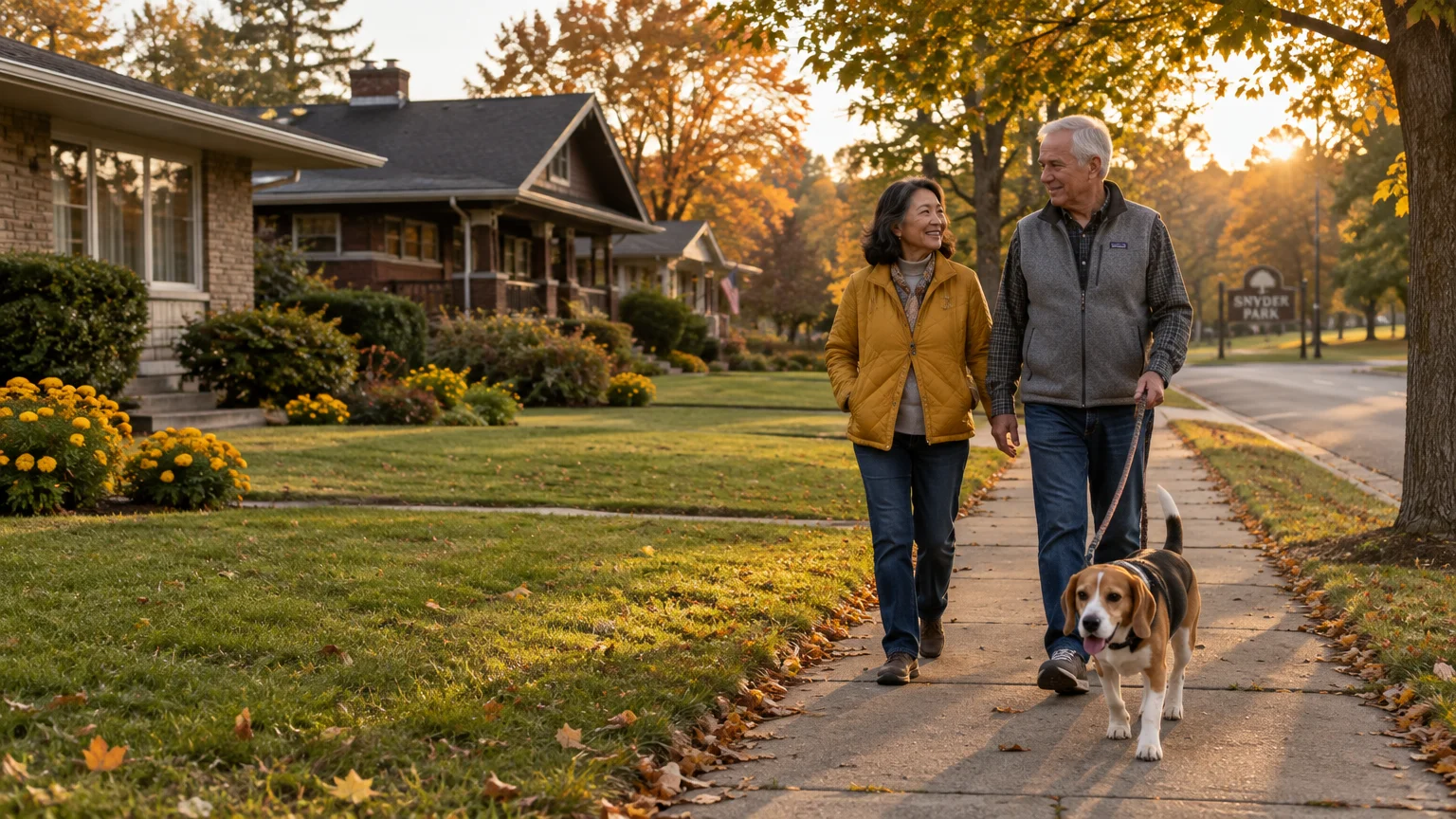
4. Springfield, Ohio
Springfield delivers classic Midwestern hospitality halfway between the metropolitan centers of Columbus and Dayton. Maintaining a median property here requires an annual income of approximately $52,782.
The violent crime rate is 58 incidents per 100,000 residents, placing it among the cleanest safety profiles in the Midwest. Active neighborhood watch groups and committed civic leadership keep local streets quiet and secure.
Ohio exempts Social Security benefits entirely from state income taxes. The state also offers modest retirement income credits on pensions, helping you stretch every dollar you pull from savings.
Mercy Health Springfield Regional Medical Center provides primary healthcare, an emergency room, and specialized senior services. The presence of regional health networks ensures you never need to travel far for routine or acute medical treatment.
Outdoor enthusiasts appreciate the Buck Creek State Park recreation corridors and the extensive paved trail systems. Historic architecture, antique centers, and Wittenberg University events offer stimulating leisure opportunities throughout the seasons.
“Do not save what is left after spending, but spend what is left after saving.” — Warren Buffett, Chairman and CEO of Berkshire Hathaway

5. Hattiesburg, Mississippi
Hattiesburg, known affectionately as the Hub City, combines gentle coastal plain weather with active university energy. Securing a comfortable home here requires a reasonable household income of $55,773 annually.
The violent crime benchmark rests at 107 incidents per 100,000 residents, remaining well under national averages. Residential pockets around the medical district and golf communities provide calm surroundings with strong community bonds.
Mississippi stands out as a premier tax haven for older Americans. The state exempts all qualified retirement income, including pensions, 401(k) distributions, and IRAs, from state income taxes once you reach age 59½.
Forrest General Hospital and Merit Health Wesley supply robust regional medical capabilities. These healthcare centers attract specialized physicians, giving you top-tier medical care without the headaches of large metropolitan traffic.
The Longleaf Trace offers forty-four miles of flat, paved rails-to-trails terrain ideal for morning walks and cycling. The presence of two universities brings cultural theater, Osher Lifelong Learning classes, and affordable collegiate athletics.

6. Eagle Pass, Texas
Located on the banks of the Rio Grande, Eagle Pass provides a warm climate alongside deep cultural heritage. Homeownership in this southwest Texas enclave requires an accessible annual income of $60,397.
Safety is a signature benefit of this community, with violent crime recorded at just 43 incidents per 100,000 residents. You will find tightly knit neighborhoods where multi-generational families prioritize shared safety and community support.
Texas remains one of nine states with zero state income tax on any personal earnings or retirement distributions. You pay no state taxes on Social Security benefits, pension payouts, or withdrawals from your investment accounts.
Fort Duncan Regional Medical Center serves the immediate healthcare needs of local residents. The facility offers advanced emergency care, surgical suites, and specialized outpatient care tailored to older adults.
Sunny weather year-round allows retirees to stay outside without battling icy winters or shoveling snow. Low living expenses and zero state tax burdens make Eagle Pass one of the cheapest safe places to retire in the Southwest.
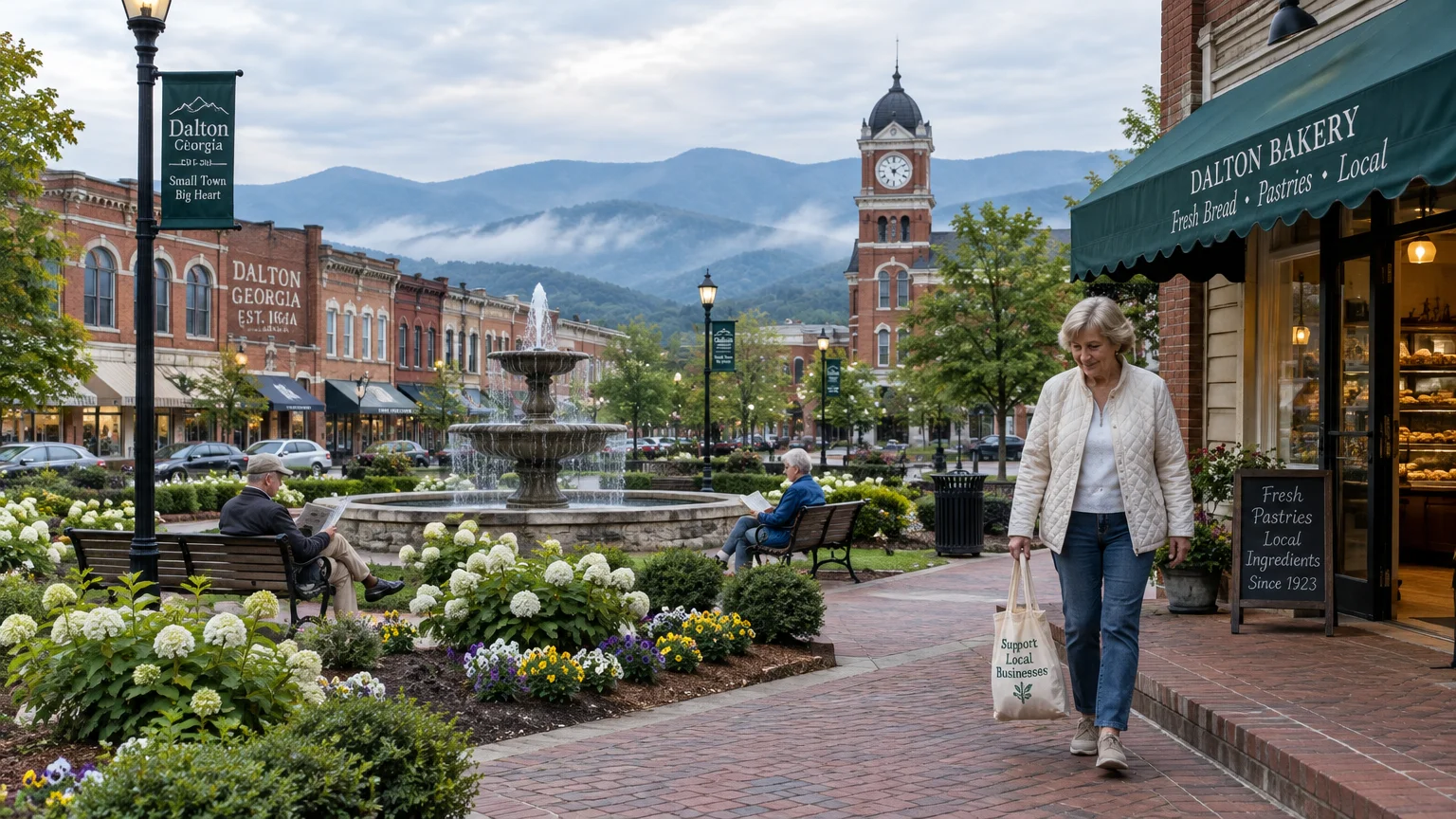
7. Dalton, Georgia
Dalton sits in the picturesque foothills of the Blue Ridge Mountains, providing beautiful vistas and Southern charm. You need an annual household income of $62,455 to comfortably afford a median property in this thriving city.
Violent crime sits low at 84 per 100,000 residents, beating national safety markers by more than four to one. Well-maintained parks, modern libraries, and safe suburban subdivisions attract older adults from across the nation.
Georgia provides excellent tax benefits designed specifically for older homeowners. The state allows individuals aged 65 and older to exclude up to $65,000 of retirement income per person from state taxation.
Married couples who meet the age standard can exclude up to $130,000 of retirement distributions annually. Social Security benefits remain completely exempt from Georgia state taxes, protecting your monthly cash inflow.
Hamilton Medical Center anchors the local healthcare sector with comprehensive cardiovascular, surgical, and emergency care. Hiking trails, civil war heritage sites, and mountain arts festivals offer rich social opportunities for retirees.
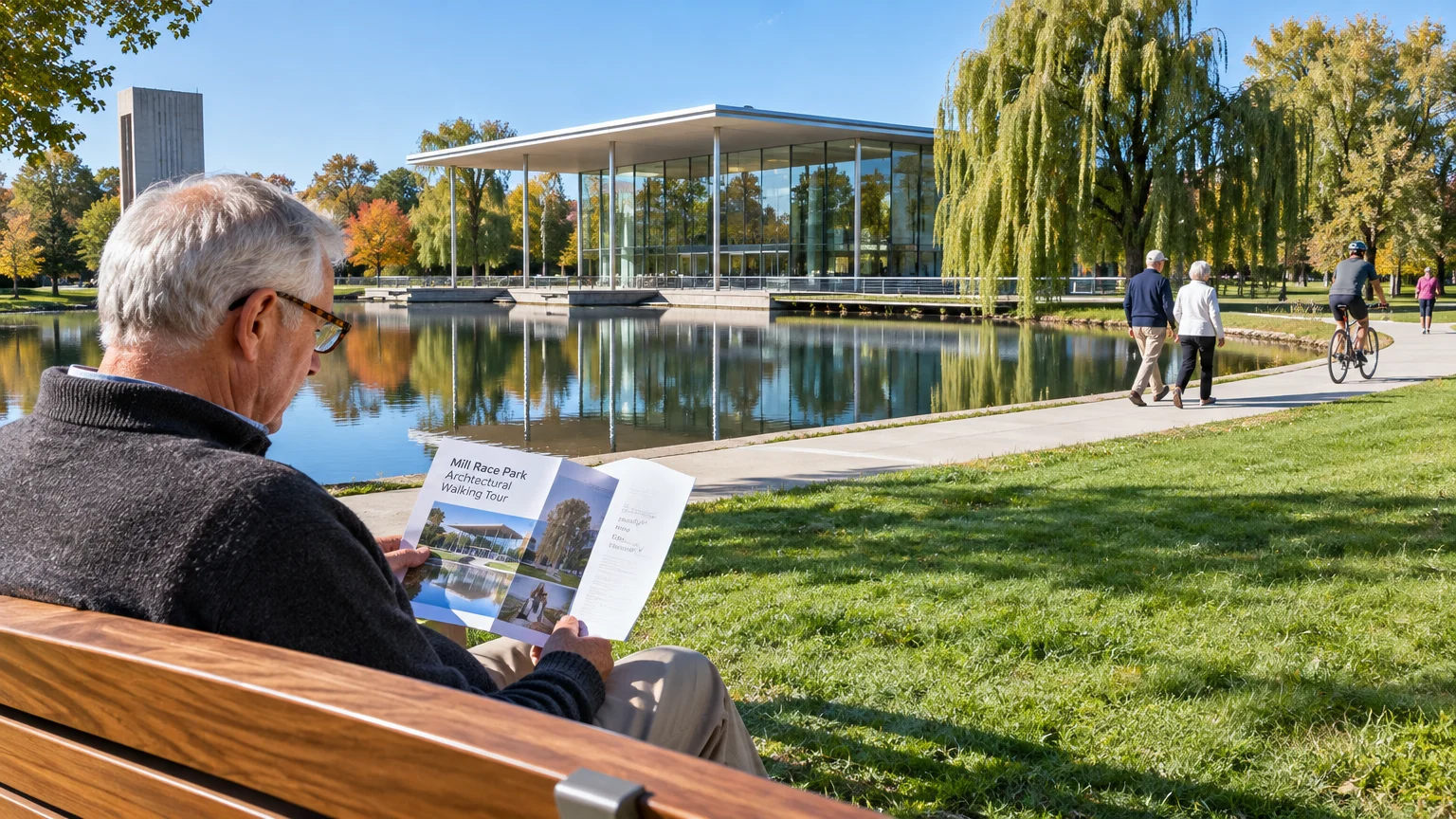
8. Columbus, Indiana
Columbus offers a distinctive combination of world-class architectural design, civic investment, and unmatched public safety. Comfortably buying a median property in this dynamic city requires an income of $68,948 per year.
Safety numbers here are extraordinary, recording a violent crime rate of only 7 per 100,000 residents. That stunning figure makes Columbus one of the safest towns for seniors anywhere in the country.
Indiana features a predictable flat income tax rate alongside complete exemptions for your Social Security checks. Property tax caps protect homeowners from sudden, dramatic tax hikes as neighborhood values steadily appreciate.
Columbus Regional Health provides extensive hospital coverage, diagnostic testing, and comprehensive specialty care. The city maintains pristine public parks, modern golf courses, and an extensive network of paved walking trails.
Modernist public art and famous buildings attract curious visitors and create a stimulating community atmosphere. It stands as an ideal option for retirees seeking safety, refined culture, and reasonable housing costs.
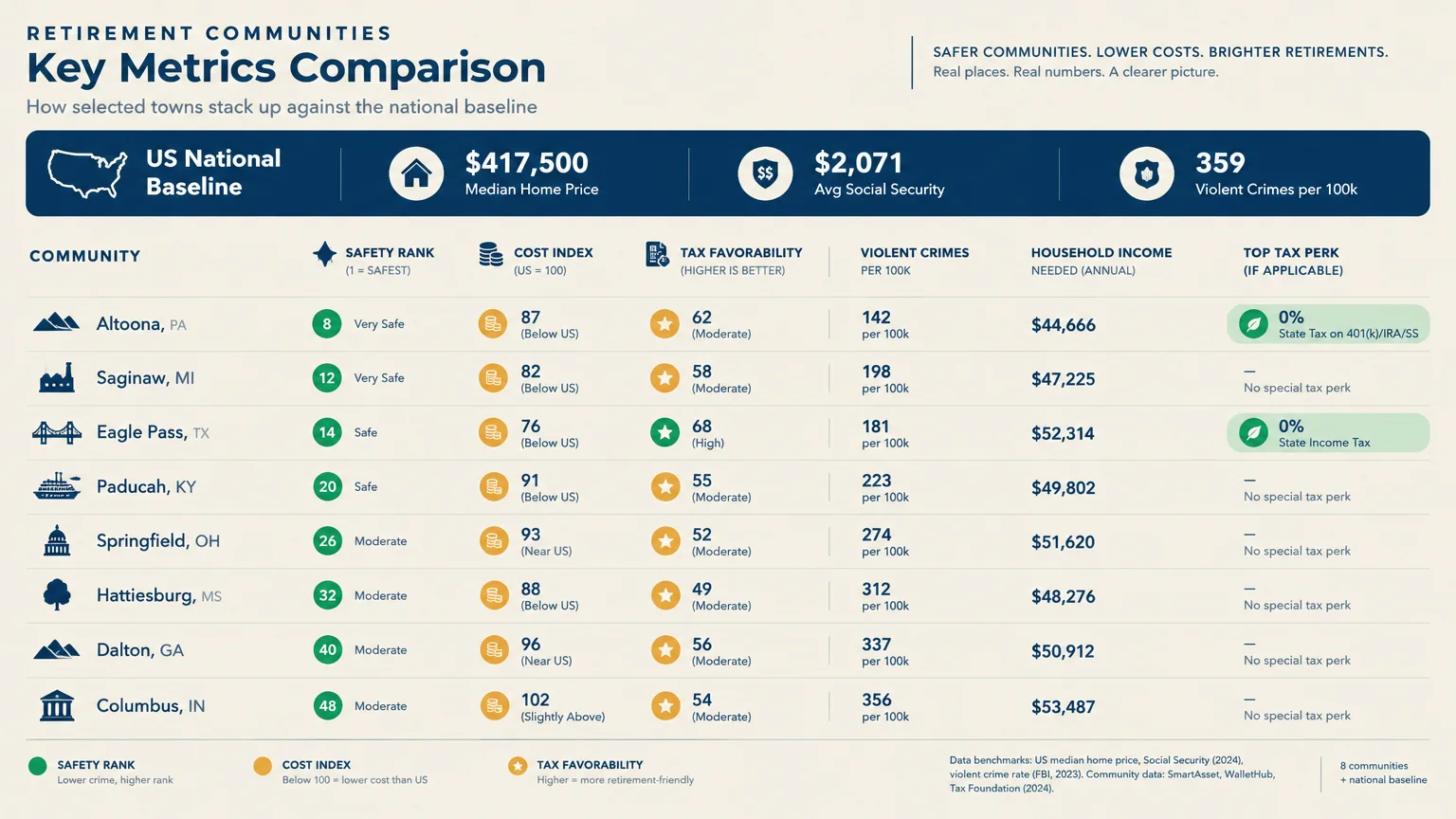
Side-by-Side Comparison: Safety, Costs, and Taxes
Comparing these standout destinations side by side helps you clarify which location matches your financial and lifestyle preferences. Evaluating violent crime statistics alongside required housing income highlights the deep value offered by each community.
Keep in mind that the national violent crime benchmark sits at 359 incidents per 100,000 residents. The figures below reveal how each town outperforms the country as a whole on both safety and affordability.
| Retirement Town | Annual Income Needed for Home | Violent Crime Rate (per 100k) | State Retirement Income Tax Rules |
|---|---|---|---|
| Altoona, PA | $44,666 | 142 | Fully exempts retirement accounts and pensions (age 59½+) |
| Saginaw, MI | $47,225 | 66 | Exempts up to $67,610 single / $135,220 joint |
| Paducah, KY | $48,612 | 72 | 3.5% flat tax; up to $31,110 pension exclusion |
| Springfield, OH | $52,782 | 58 | Social Security exempt; graduated rates with credits |
| Hattiesburg, MS | $55,773 | 107 | Fully exempts qualified retirement income (age 59½+) |
| Eagle Pass, TX | $60,397 | 43 | No state personal income tax |
| Dalton, GA | $62,455 | 84 | $65,000 exclusion per person (age 65+) |
| Columbus, IN | $68,948 | 7 | Social Security exempt; predictable flat state tax |
State Tax Rules That Maximize Your Relocation Savings
Evaluating state tax policy is just as essential as tracking local real estate listings. Nine states charge zero income tax: Alaska, Florida, Nevada, New Hampshire, South Dakota, Tennessee, Texas, Washington, and Wyoming.
However, you do not have to move to a zero-income-tax state to protect your retirement assets. Four states—Illinois, Iowa, Mississippi, and Pennsylvania—fully exempt pensions and qualified retirement account withdrawals for eligible older adults.
Recent legislative reforms continue to eliminate taxes on aging populations across the country. West Virginia completed its phase-out, making Social Security benefits 100% exempt from state taxes.
Today, only eight states continue to tax Social Security earnings under specific income thresholds. Relocating to tax-friendly regions prevents government levies from eating away at your hard-earned benefits.
Be sure to consult official Internal Revenue Service tax schedules and state revenue departments before finalizing any relocation plan. Tax exemptions can shift depending on your age, retirement account structure, and total income.

Evaluating Healthcare Infrastructure and Community Services
Affordable housing means little if you cannot access dependable medical providers as you grow older. Safe affordable retirement towns must support your ongoing physical wellness with established medical centers.
Before purchasing real estate in a new town, review regional hospital capabilities and specialist availability. Check whether local physician groups participate in your preferred Medicare plan network.
Community organizations and aging support networks also define your long-term quality of life. The National Council on Aging provides helpful tools to evaluate senior centers, wellness programs, and community transit.
Towns with active community programs make it easier to build social connections after leaving your former home. Regular physical activity, volunteer opportunities, and social circles play a decisive role in healthy aging.
Take time to research whether your chosen town features dedicated senior community centers and accessible transportation. Reliable public transit helps you maintain independence even if you decide to stop driving later in life.
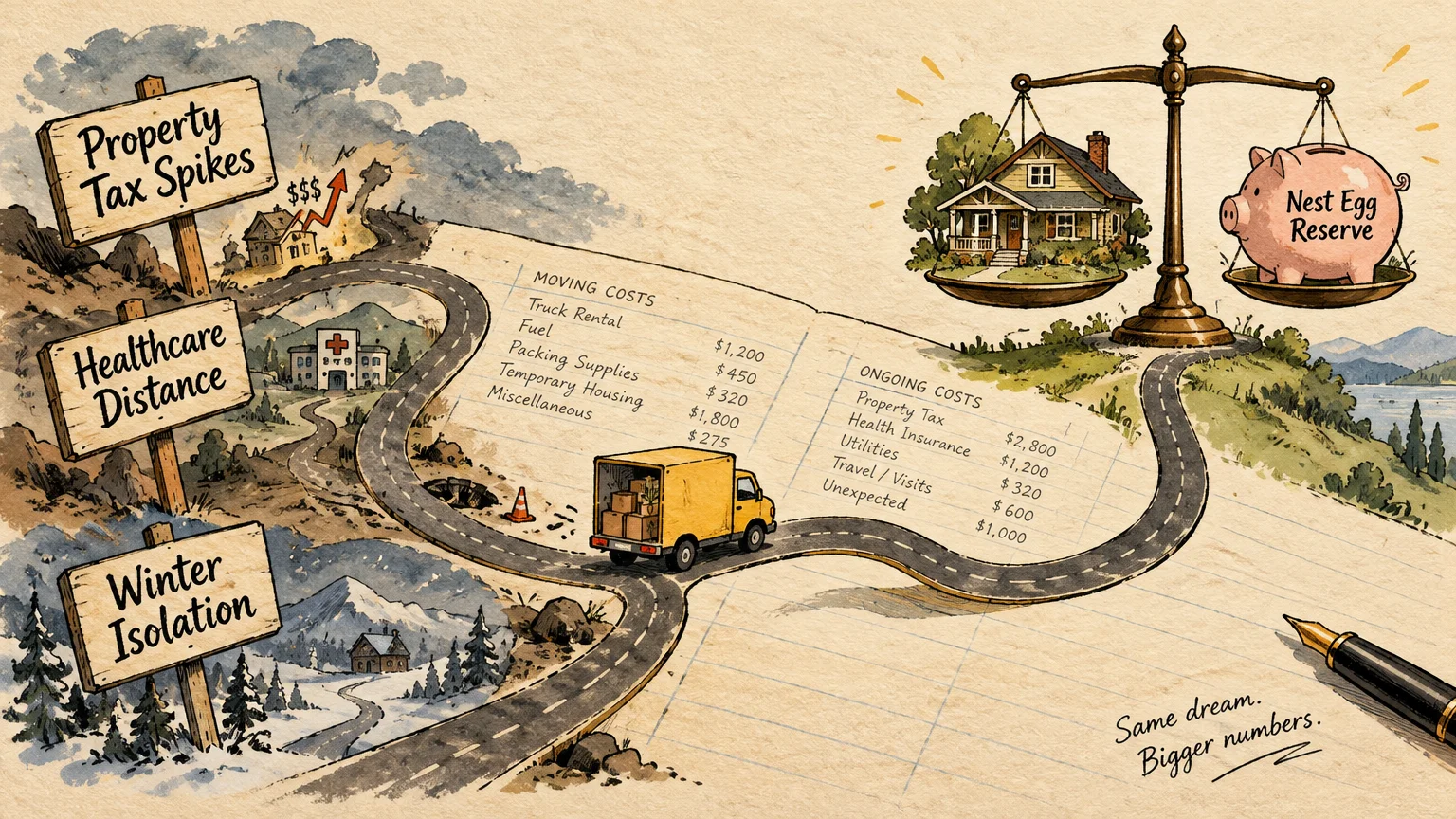
Avoiding Common Errors When Relocating for Retirement
Moving your life to a new region represents a major logistical and emotional transition. Avoiding typical financial and lifestyle miscalculations ensures your move remains a rewarding success.
- Overlooking property tax rates: Low home prices can sometimes mask unusually high local property tax assessments. Always confirm county tax records before buying.
- Ignoring climate adjustments: Shifting from a mild climate to cold northern winters or humid southern summers requires adaptation. Visit during the least pleasant season first.
- Rushing to purchase real estate: Committing to a property immediately can lock you into the wrong neighborhood. Renting for six to twelve months provides valuable local perspective.
- Failing to verify medical networks: Moving out of state often forces you to change healthcare providers. Verify that local clinics accept your specific coverage options.
- Underestimating distance from family: Relocating far from children and grandchildren can trigger isolation. Budget adequate time and travel funds for regular family visits.
Taking a deliberate, step-by-step approach shields your nest egg from costly mistakes. Treat your initial months as an exploratory period so you can integrate comfortably into your new community.
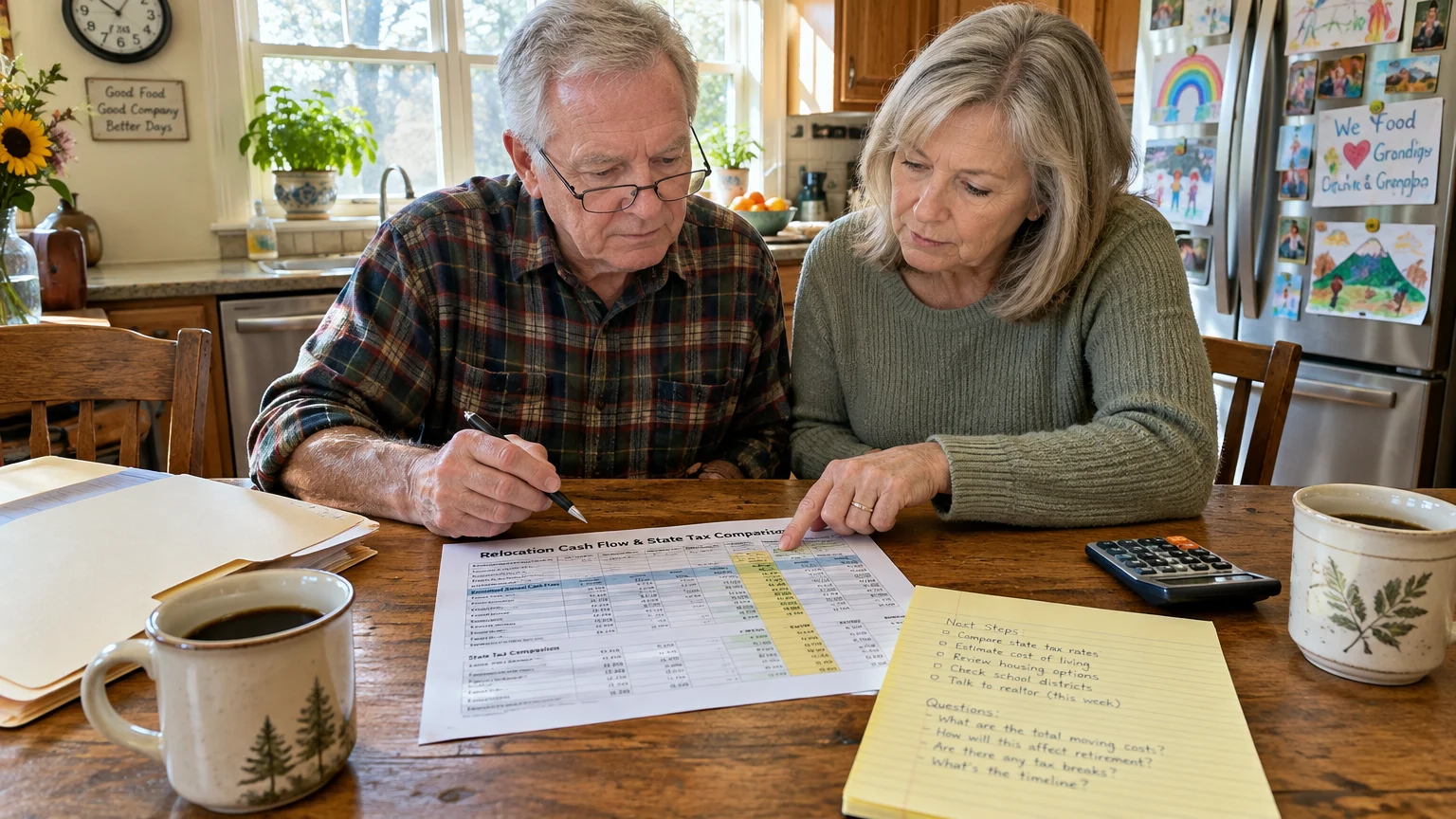
When DIY Isn’t Enough
Managing a retirement relocation involves balancing complex financial portfolios, real estate transactions, and changing healthcare plans. While you can handle much of the research on your own, certain scenarios demand licensed professional assistance.
You should consult a certified financial planner if your relocation involves selling an appreciated primary residence. A professional helps you structure capital gains exclusions and allocate proceeds into dependable income streams.
Working with an elder law attorney proves essential when moving estate documents across state lines. State laws governing trusts, wills, and healthcare powers of attorney vary, requiring formal review in your new residence.
Engaging an independent Medicare advisor helps prevent costly gaps in your health coverage. A licensed specialist can compare regional Medicare Advantage networks or confirm your supplemental policy remains valid in another state.
Frequently Asked Questions About Safe, Low-Cost Retirement Towns
What makes a retirement town both safe and affordable?
A balanced town combines violent crime rates well below the national benchmark with accessible home prices. Low property taxes, affordable healthcare, and reasonable everyday grocery costs complete the ideal financial profile.
How does moving to a new state impact my Social Security benefits?
Your federal Social Security payment amount does not change when you move across state lines. However, moving to one of the forty-two states that exempt Social Security protects your checks from state income taxes.
Should I rent or buy when moving to a new retirement town?
Renting for six to twelve months allows you to experience daily traffic, seasonal weather, and neighborhood culture firsthand. This temporary step protects you from purchasing a home in an area that does not suit your lifestyle.
How do I verify local crime statistics before relocating?
Examine official FBI uniform crime reports and check local municipal police department blotters online. Visiting neighborhood parks and grocery stores at different times of day also gives you valuable personal insight.
Your Next Steps
Securing a comfortable retirement begins with realistic planning and purposeful research. Start by listing your essential priorities, whether you value mountain views, university culture, or immediate access to specialized hospital care.
Schedule a visit to two or three of these affordable, low crime retirement towns to evaluate them yourself. Walking downtown sidewalks and speaking with local residents will show you exactly where you belong.
This is educational content based on general retirement and financial principles. Individual results vary based on your situation. Always verify current benefit rules, tax laws, and eligibility requirements with official sources like SSA, Medicare.gov, or the IRS.
Last updated: October 2026. Retirement benefits, tax rules, and healthcare regulations change frequently—verify current details with official sources.









Leave a Reply