
Finding an affordable retirement destination should never force you to accept isolation. You can stretch your nest egg while building an active, deeply fulfilling circle of lifelong friends.
Maintaining strong relationships protects both your cognitive vitality and emotional health. Accessible community clubs, volunteer programs, and neighborhood festivals provide meaningful daily connection without draining your monthly budget.
With the national median home price hovering around $417,500, smart value matters more than ever. These eleven affordable retirement towns combine accessible living costs with rich, bustling social calendars.
Why Community Connection Protects Your Health and Wealth
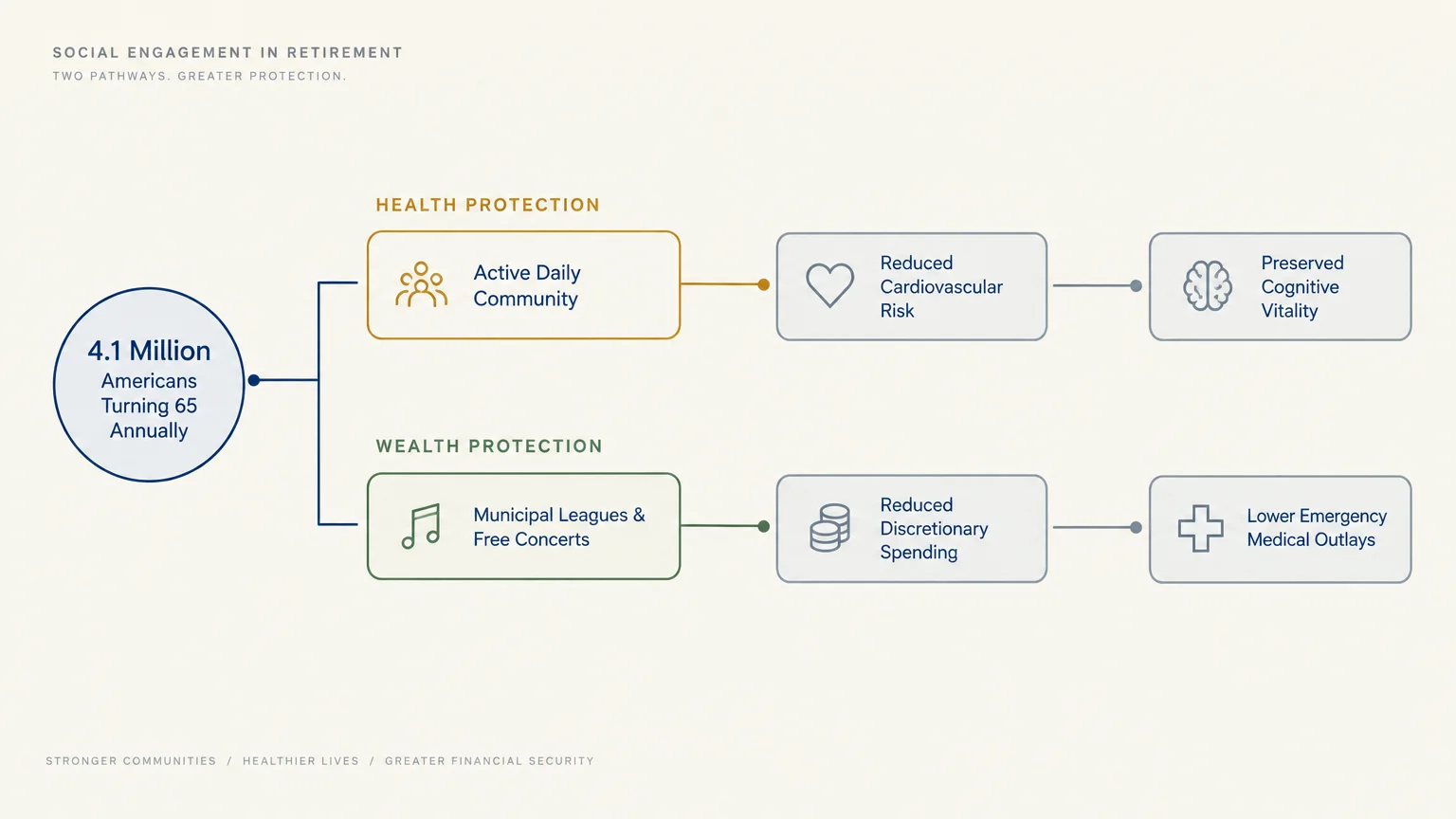
Isolation creates measurable health risks for older adults. The National Institute on Aging links chronic loneliness to higher rates of cardiovascular disease, cognitive decline, and depression.
Staying socially active does more than lift your spirits; it also shields your finances. Retirees with robust social networks frequently stay healthier, reducing unexpected medical expenses.
Towns with active social calendars offer affordable entertainment alternatives. When your weekly schedule includes municipal pickleball leagues, free outdoor concerts, and library book clubs, your discretionary spending drops dramatically.
Roughly 4.1 million Americans reach age 65 each year in this peak retirement wave. Joining communities designed for shared activity makes finding peers with similar interests and schedules far easier.
“Retirement is not the end of the road, but the beginning of the open highway. The secret to a meaningful second half is staying connected to people and purpose.” — Mitch Anthony, Author and Retirement Coach
What Makes a Retirement Town Truly Social and Affordable?
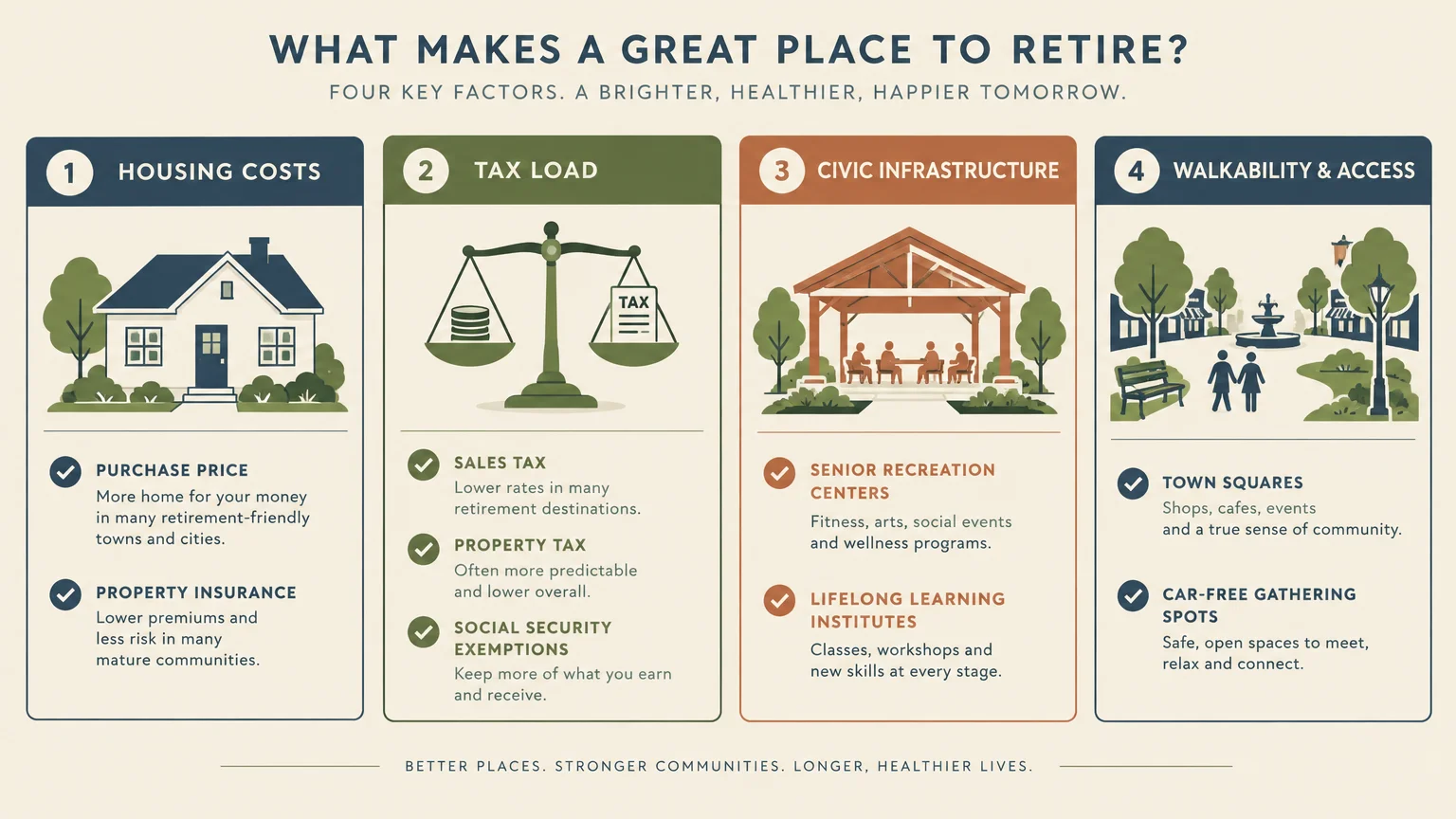
True affordability extends well beyond cheap real estate. You must also evaluate property taxes, sales taxes, utility costs, and local recreation fees.
A town with lower home values still strains your budget if property insurance or state income taxes run high. Smart buyers look at the entire operational cost of living in that area.
A thriving social calendar requires public infrastructure and civic support. Look for municipal recreation departments that actively program senior activities, lifelong learning institutes, and organized volunteer networks.
Access to walkable town squares, public parks, and community centers ensures you can participate in gatherings without expensive memberships or lengthy daily drives.

1. Green Valley, Arizona
Green Valley sits just south of Tucson in the scenic Santa Cruz River valley. The community functions as a haven for retirees seeking an active desert lifestyle.
The town features Green Valley Recreation, a sprawling nonprofit organization operating over a dozen recreation centers. This unified system grants residents access to multiple fitness centers, swimming pools, and sports courts.
You can join more than 130 special-interest clubs covering ceramics, lapidary arts, wood crafting, photography, and hiking. The daily schedule offers endless opportunities to learn alongside neighbors.
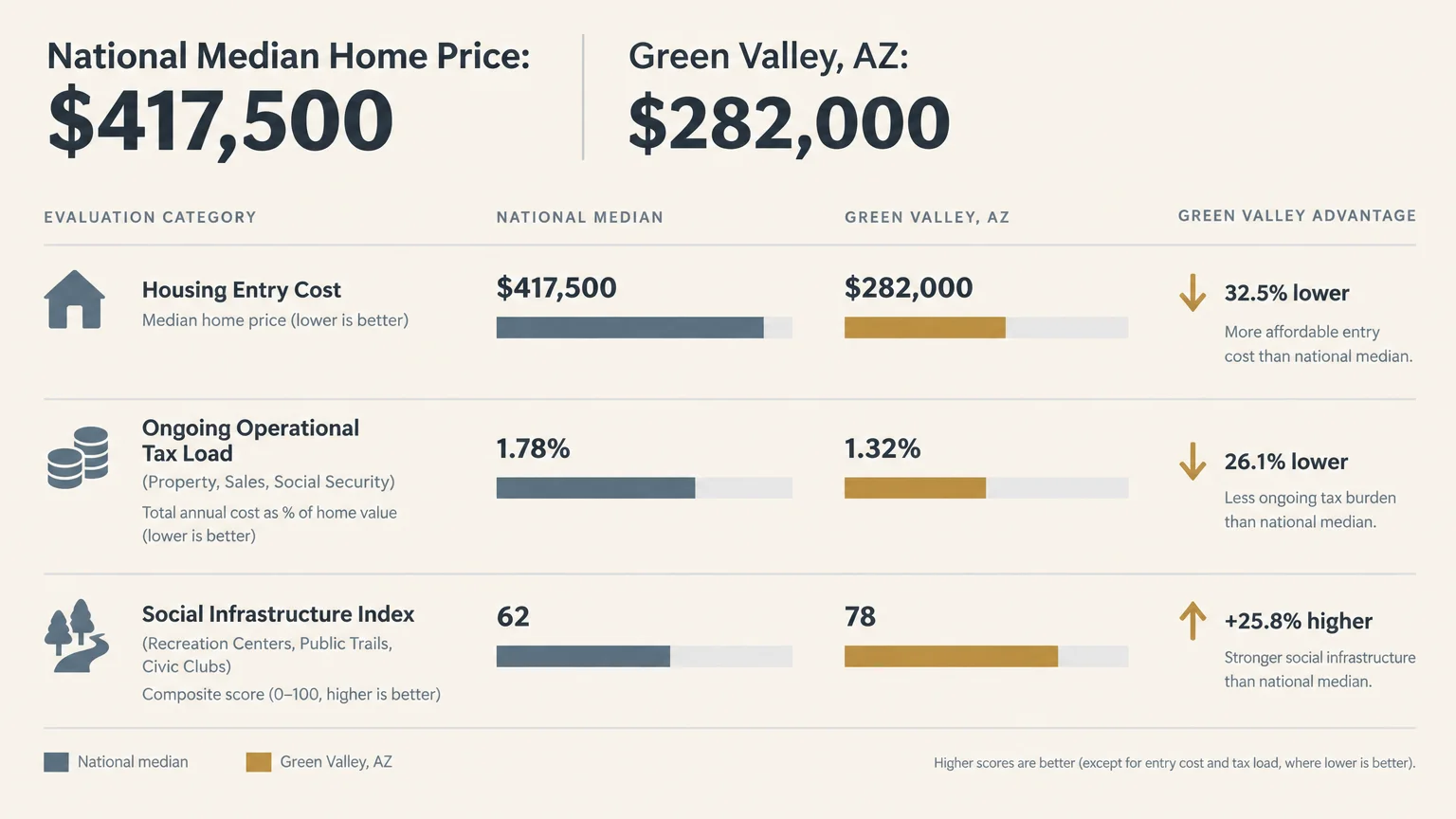
Housing remains remarkably accessible compared to larger desert metros. The median home price sits at approximately $282,000, falling well below the national median of $417,500.
Arizona also excludes Social Security benefits from state income taxation. This tax advantage leaves you with more disposable income to enjoy community dinners and local outings.
2. Sebring, Florida
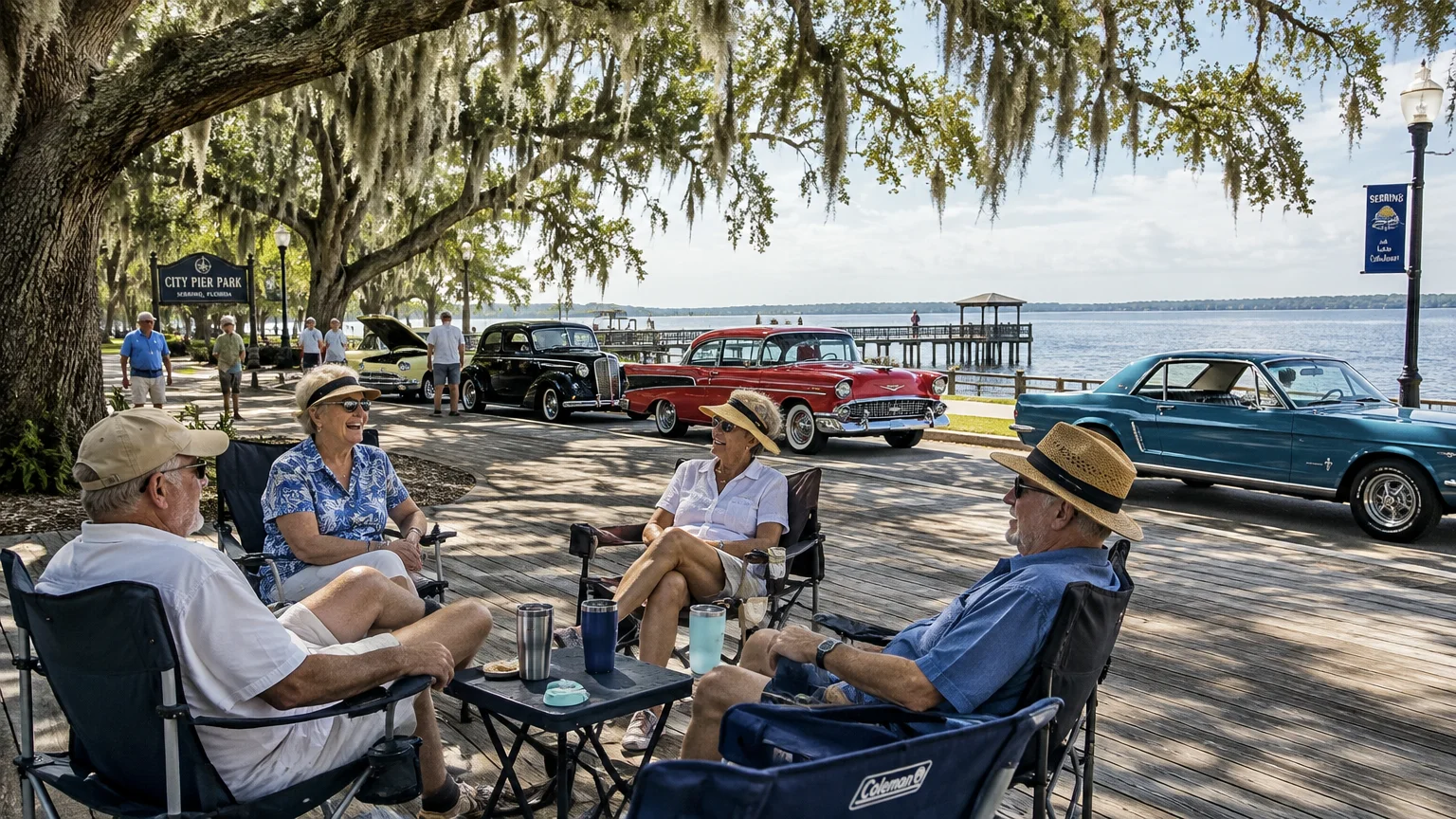
Sebring rests within south-central Florida’s lake country, offering a peaceful alternative to congested coastal cities. Its historic downtown circles around the charming, circular City Pier Park.
Retirees gather regularly for car shows, arts festivals, and waterfront celebrations along the shores of Lake Jackson. The Highlands Little Theatre and local cultural centers provide creative outlets year-round.
Outdoor social life thrives on the area’s freshwater lakes, golf courses, and county parks. Shuffleboard leagues, community fishing derbies, and morning walking clubs meet throughout the week.
Housing costs represent some of Florida’s best values. The median home value sits near $175,000, while median rents remain under $1,000 per month.
Florida levies no individual income tax, preserving your distributions from retirement accounts. However, you should account for rising property insurance costs when calculating your total monthly housing outlay.

3. Pittsburgh, Pennsylvania
Pittsburgh surprises many retirees with its world-class cultural amenities and welcoming neighborhood feel. The city features over ninety distinct neighborhoods, each supporting local community centers and merchant associations.
The Osher Lifelong Learning Institute at the University of Pittsburgh and Carnegie Mellon University keeps minds sharp. Retirees attend lectures, discuss literature, and form study groups with enthusiastic peers.
Free summer concerts at Point State Park and neighborhood food festivals fill the warmer months. Cultural venues in the Downtown Cultural District offer discounted matinees and volunteer usher opportunities.
Housing in Pittsburgh remains remarkably reasonable for a major metropolitan center. The median home sales price sits around $250,000, providing immense urban value.
Pennsylvania exempts retirement income, including public and private pensions and 401(k) distributions, from state income tax. That exemption allows you to comfortably fund museum memberships and dining with friends.
4. Duluth, Minnesota
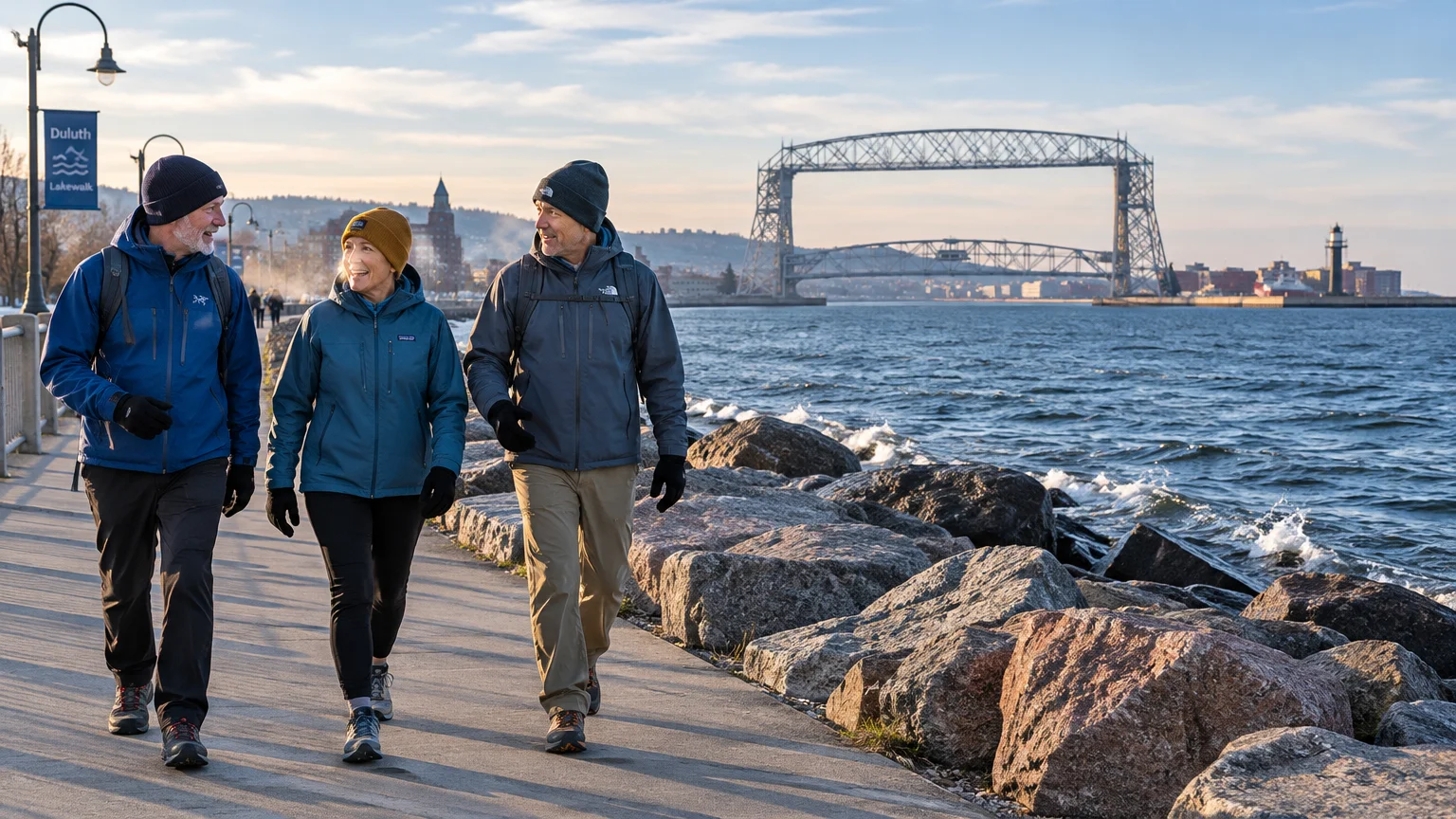
Duluth hugs the rugged shoreline of Lake Superior, creating a vibrant base for retirees who love four-season outdoor socialization. A strong sense of civic pride unites its energetic community.
The Lakewalk serves as an eight-mile social corridor where locals bike, stroll, and chat against panoramic water views. Active cross-country skiing clubs and snowshoe groups keep neighbors connected through the winter.
The Duluth Art Institute and the historic Depot present ongoing art exhibits, fiber-arts guilds, and ceramics workshops. Community choirs and theater ensembles actively recruit new members each season.
Real estate values remain attractive compared to national benchmarks. The average home value sits around $279,279, with median rent averaging $1,077 per month.
Minnesota is one of eight states that tax Social Security benefits, though state exemptions protect lower-income households. You will want to review state tax thresholds before finalizing your move.
5. Knoxville, Tennessee
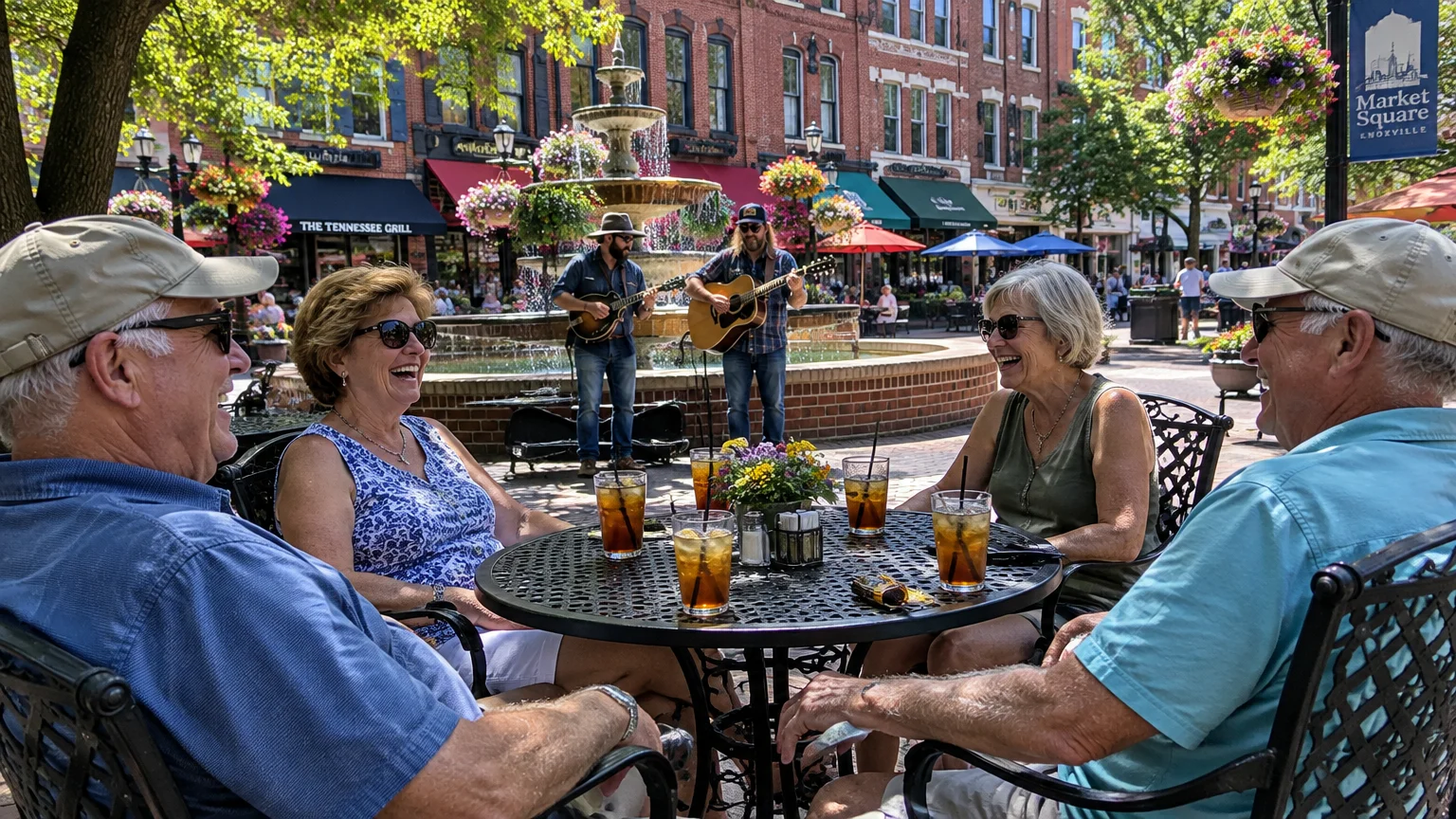
Knoxville combines a friendly small-city atmosphere with the boundless cultural energy of the University of Tennessee. Its historic Market Square hosts open-air farmers markets, outdoor concerts, and seasonal celebrations.
Retirees enjoy the city’s Urban Wilderness, a recreation corridor offering easy hiking groups and bird-watching gatherings. The Knoxville Museum of Art and local community orchestras provide rich venues for volunteering and creative participation.
The Dogwood Arts Festival fills April with neighborhood garden tours, visual art displays, and lively block parties. Civic organizations like the East Tennessee Historical Society provide active lecture series and social luncheons.
Real estate prices remain well below national averages, offering spacious suburban and downtown living options. Tennessee levies no individual wage or retirement income tax, keeping more money in your pocket.
Healthcare access is robust, anchored by the University of Tennessee Medical Center. Having comprehensive medical care nearby gives you confidence as you age in place.

6. Fort Wayne, Indiana
Fort Wayne has earned widespread recognition for its riverfront development and dedicated community programming. Promenade Park along the St. Marys River provides an accessible gathering hub with kayak rentals and outdoor music.
The Fort Wayne Parks and Recreation Department operates dedicated active senior centers. They organize daily euchre tournaments, wellness classes, computer workshops, and regional day trips.
Every summer, the Three Rivers Festival brings over a hundred events to town, including parades, art shows, and food rallies. The Fort Wayne Museum of Art and local botanic gardens sponsor ongoing social clubs.
Housing costs here rank among the most affordable in the Midwest, staying significantly below the $417,500 national median. Lower property taxes also help protect fixed monthly budgets.
Indiana taxes retirement income at a flat individual rate, but its overall low cost of living offsets the expense. You can easily maintain an active lifestyle without exhausting your funds.
7. Winston-Salem, North Carolina
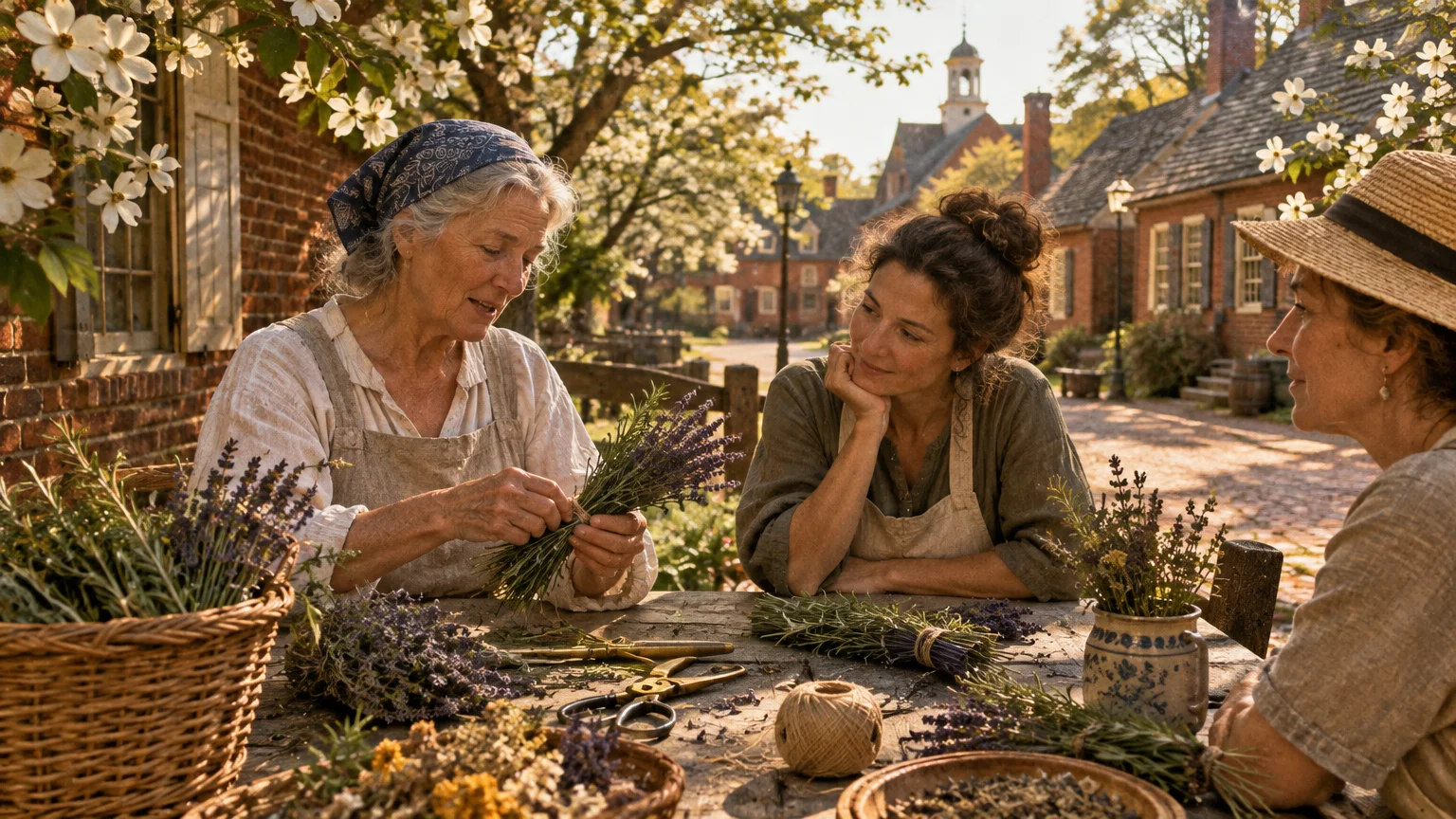
Known as the City of Arts and Innovation, Winston-Salem boasts a sophisticated cultural calendar. The historic Moravian settlement of Old Salem provides charming cobblestone streets, artisan demonstrations, and holiday community dinners.
The Downtown Arts District hosts popular gallery hops every month, drawing residents out for live performances and art openings. Retirees frequently volunteer at the Southeastern Center for Contemporary Art or regional historic preservation groups.
Lifelong learning flourishes through programs affiliated with Wake Forest University. You can participate in discussion seminars, book societies, and university athletic booster clubs alongside lifelong residents.
Homes sell well below the national median sales price, giving buyers ample choices across historic and newly developed neighborhoods. Property tax rates in Forsyth County remain competitive and manageable.
North Carolina exempts Social Security benefits from state income taxation. That policy helps you maintain disposable income for local dining, symphony tickets, and community classes.
8. Bella Vista, Arkansas
Bella Vista originated as a master-planned recreation village in the rolling hills of the Ozarks. Today, it operates as an independent city centered around shared athletic and social activities.
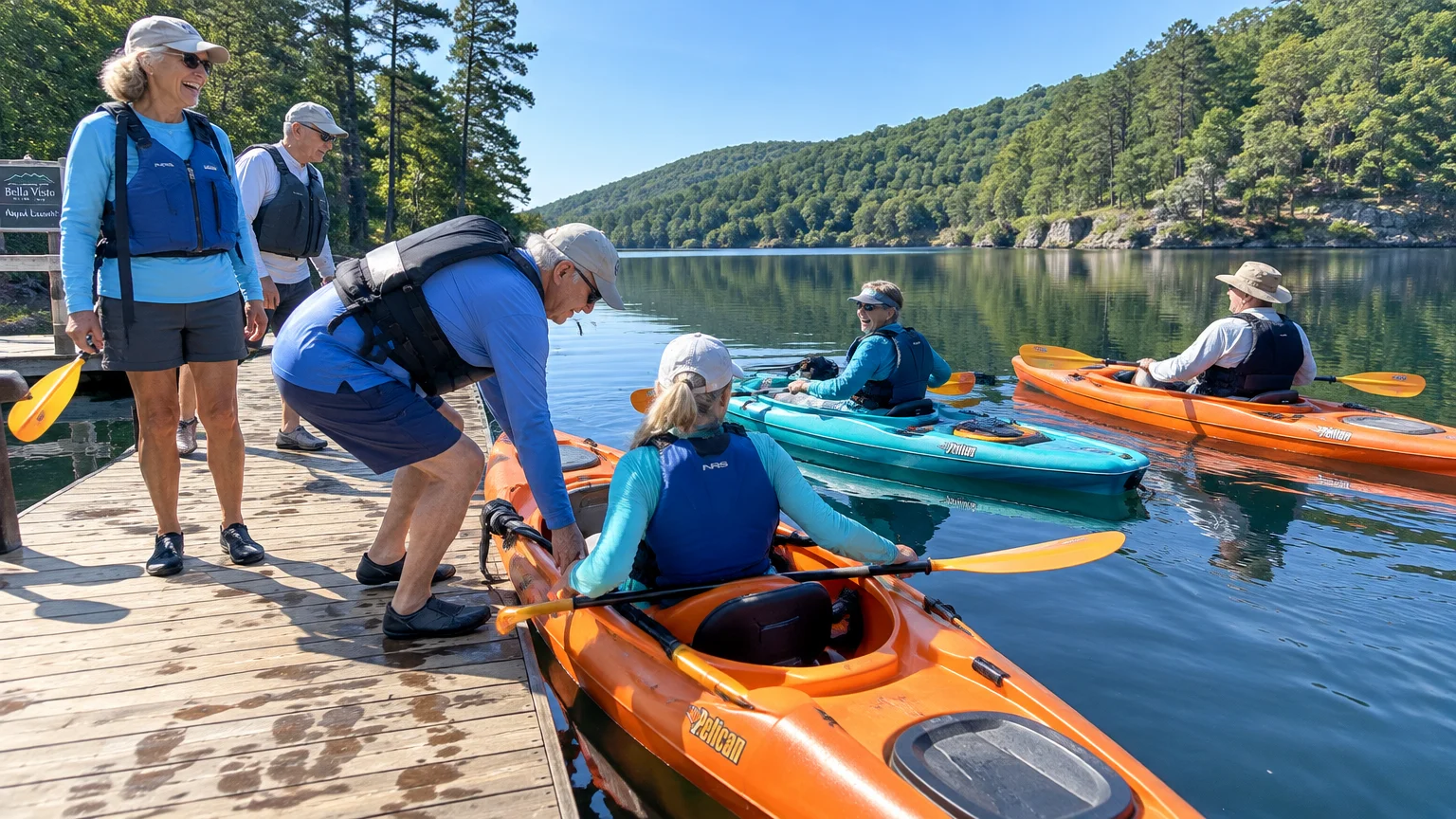
The Bella Vista Property Owners Association maintains seven private lakes, multiple golf courses, swimming complexes, and tennis facilities. Over one hundred organized clubs organize bridge games, gardening projects, and photography walks.
Miles of paved and natural walking trails wind throughout the community, encouraging spontaneous neighborhood meetups. Fishing groups and boating clubs take advantage of the private lakes throughout the spring and autumn.
Housing remains remarkably affordable, featuring a blend of golf-course villas, single-family homes, and lakeside cottages. Living costs stay manageable even when factoring in the modest association amenities fee.
Arkansas exempts Social Security income as well as up to $6,000 of traditional pension income from state taxation. These exemptions reduce tax friction for retirees drawing structured benefits.
9. Las Cruces, New Mexico
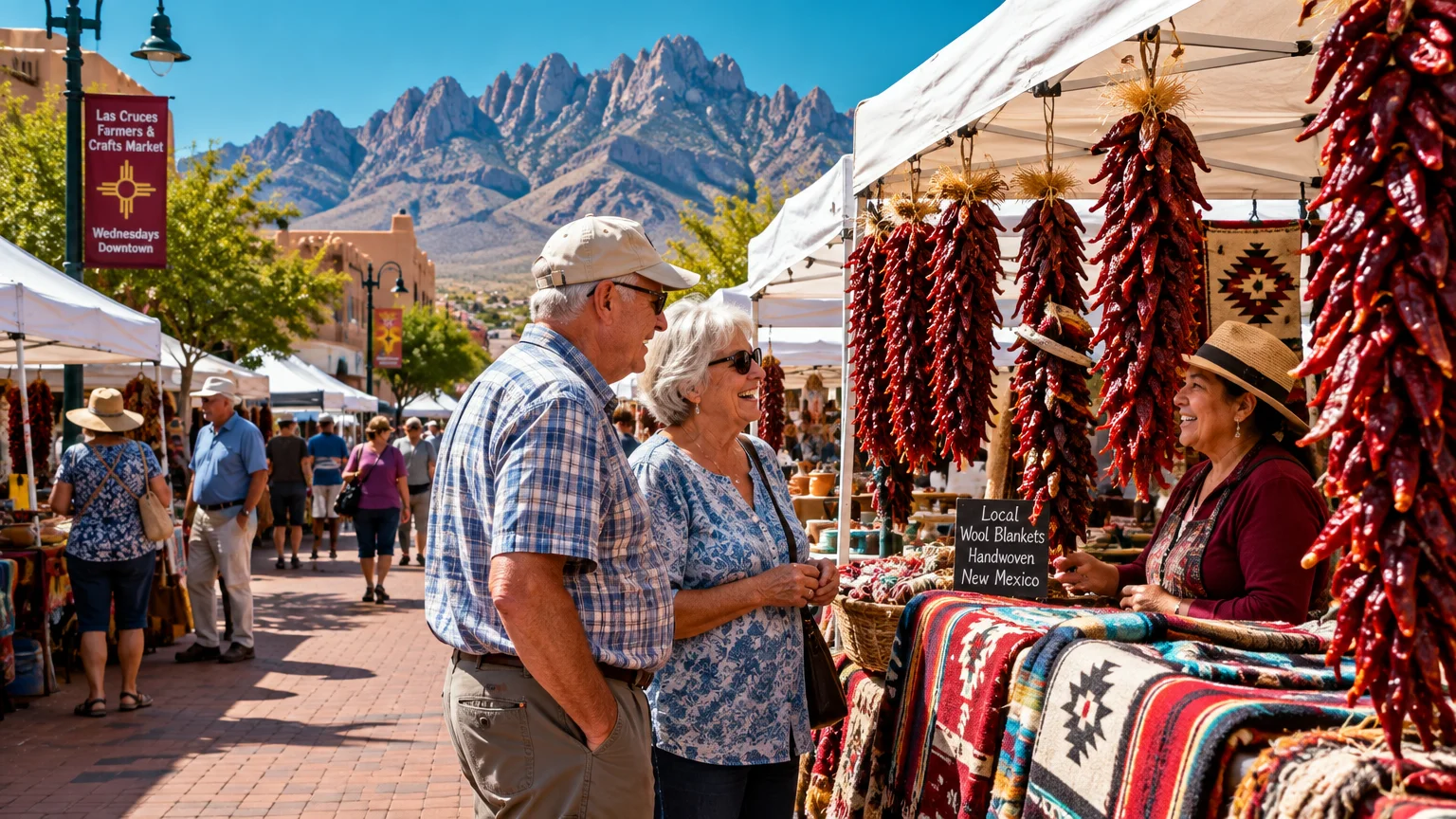
Nestled against the dramatic Organ Mountains, Las Cruces blends Southwestern culture with a college-town pulse. The city’s downtown plaza hosts one of the Southwest’s top-rated farmers and crafts markets every Wednesday and Saturday.
New Mexico State University welcomes older adults through its Academy for Learning in Retirement. Retirees attend presentations led by university faculty and engage in energetic debate with fellow attendees.
The Munson Senior Center serves as a major social nexus, offering billiards, craft rooms, and computer labs. Nearby Mesilla provides historic adobe plazas filled with seasonal fiestas, folk dancing, and community dining.
Real estate prices sit below the national average, making desert living affordable without sacrificing mountain scenery. The cost of daily goods and services remains gentle on fixed budgets.
New Mexico taxes some Social Security income, though generous exemptions exclude most middle-income retirees from liability. Checking income guidelines ensures your tax liability remains minimal.
10. Cedar Falls, Iowa
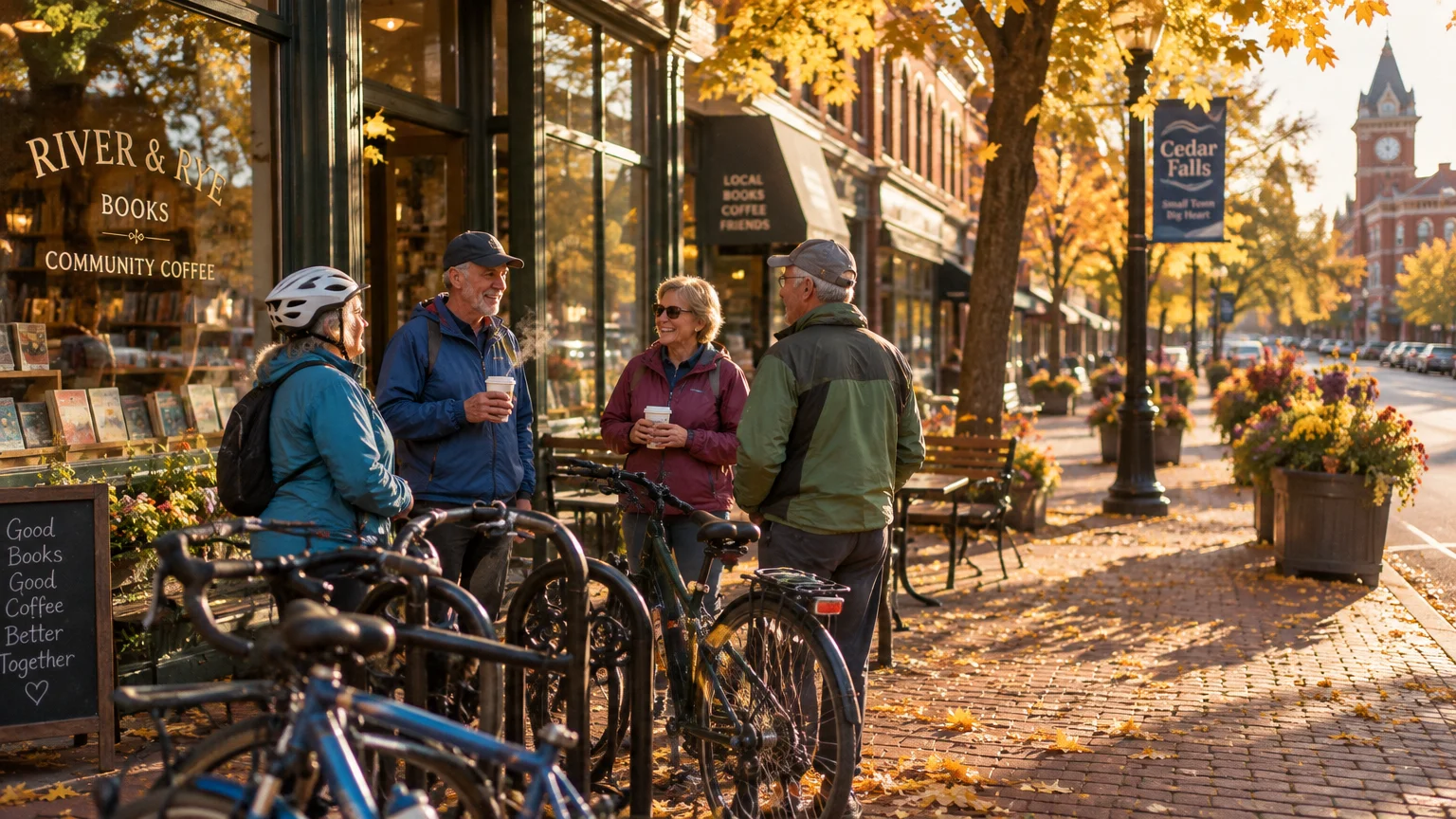
Cedar Falls delivers a warm Midwestern college-town dynamic, anchored by the University of Northern Iowa. Its historic Main Street hosts outdoor movies, holiday strolls, and community run-walk events.
The Hearst Center for the Arts offers free admission to galleries and sponsors ceramic, painting, and poetry workshops. Active community bands and theater groups invite community participation regardless of your skill level.
The Cedar Valley Nature Trail network connects neighborhoods to over one hundred miles of paved recreational corridors. Retirees organize group bike rides and birding excursions throughout the warmer seasons.
Residential properties in Cedar Falls trade well below the $417,500 national median home benchmark. City-owned fiber optic utilities also ensure fast, low-cost internet for remote community volunteering.
Iowa completely exempts retirement income, including pensions, annuities, and retirement account withdrawals, from state income taxes. This generous tax policy maximizes the spending power of your distributions.
11. Aiken, South Carolina
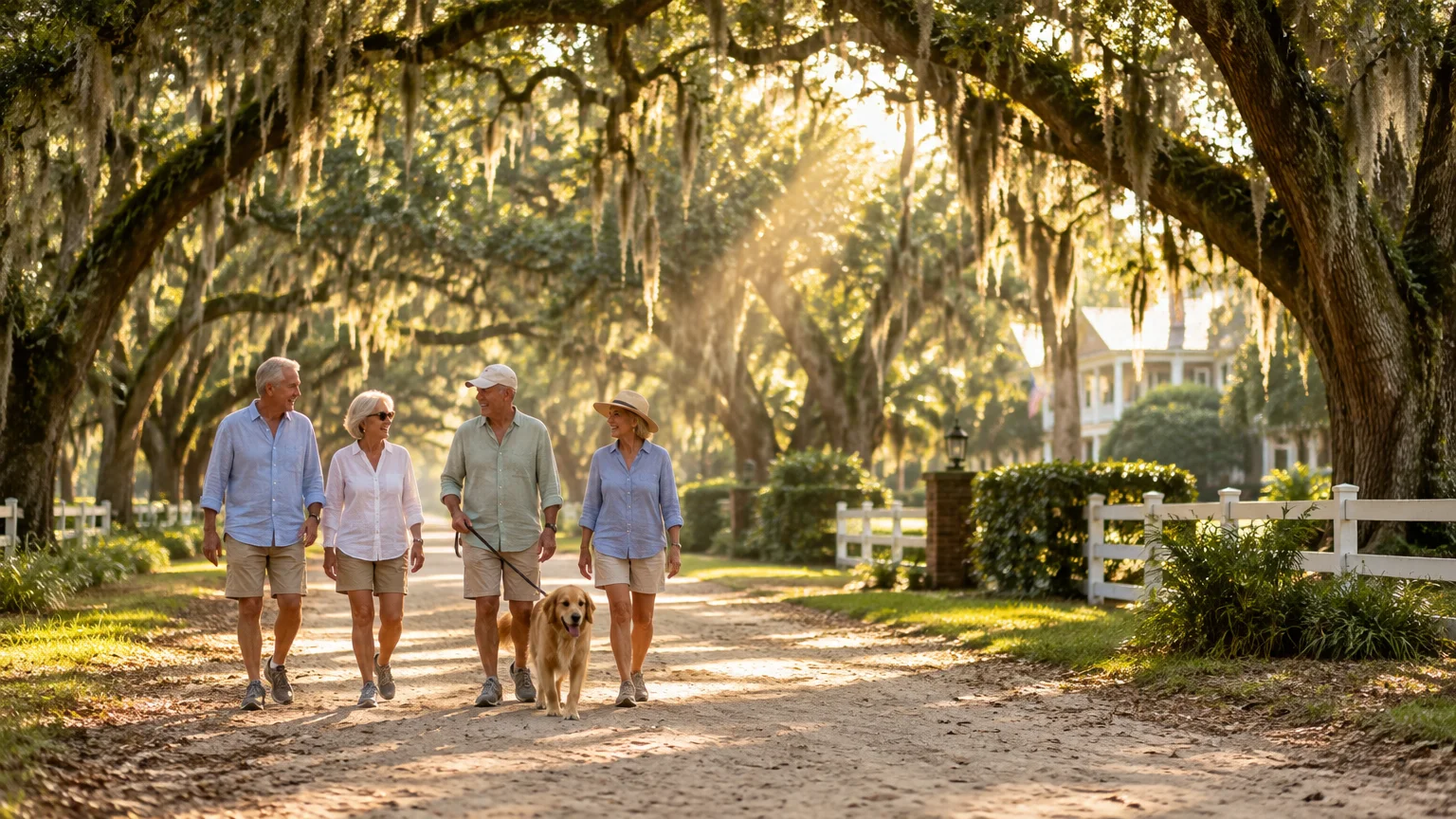
Aiken features historic, tree-canopied parkways and deep equestrian traditions that create a uniquely welcoming community. Downtown streets host vibrant equestrian parades, art walks, and monthly outdoor concerts throughout the year.
The Aiken Center for the Arts provides active ceramics, watercolor, and jewelry studios alongside volunteer gallery positions. The Aiken Senior Life Services center coordinates bridge leagues, fitness classes, and educational field trips.
Hopelands Gardens provides a peaceful venue for summer evening concerts, book readings, and walking clubs. The University of South Carolina Aiken hosts the Academy for Lifelong Learning, offering diverse lecture courses.
Aiken home prices remain competitive and fall comfortably under national averages. South Carolina provides generous property tax relief for longtime residents aged 65 and older through its homestead exemption.
The state does not tax Social Security benefits and provides substantial income tax deductions on other retirement earnings. This favorable fiscal climate leaves more capital available for social recreation.
Comparing Housing Costs and Social Infrastructure
Choosing the right destination requires balancing housing affordability against local amenities. The table below compares benchmark pricing, tax considerations, and primary social draws for all eleven towns.
| Town & State | Housing Cost Profile | Key Social Draw | State Tax Profile |
|---|---|---|---|
| Green Valley, AZ | ~$282,000 median home price | 130+ clubs & multiple rec centers | No tax on Social Security |
| Sebring, FL | ~$175,000 median home price | Lakefront festivals & active pier | No state income tax |
| Pittsburgh, PA | ~$250,000 median home price | University lifelong learning & 90 distinct neighborhoods | Exempts pensions & 401(k) income |
| Duluth, MN | ~$279,279 average home value | Lakewalk corridor & winter sports groups | Taxes some Social Security |
| Knoxville, TN | Well below $417,500 national median | Market Square events & Urban Wilderness | No state income tax |
| Fort Wayne, IN | Well below $417,500 national median | Riverfront parks & active senior centers | Flat tax; low overall cost |
| Winston-Salem, NC | Well below $417,500 national median | Downtown gallery hops & Wake Forest seminars | No tax on Social Security |
| Bella Vista, AR | Well below $417,500 national median | 100+ private association hobby clubs | No tax on Social Security; pension credit |
| Las Cruces, NM | Well below $417,500 national median | Farmers markets & NMSU lifelong learning | Exemptions for most retirees |
| Cedar Falls, IA | Well below $417,500 national median | Main Street festivals & arts center | Exempts all retirement income |
| Aiken, SC | Well below $417,500 national median | Equestrian parades & arts council | No tax on Social Security |
Every location listed above sits comfortably under the national median existing-home sales price of $417,500. This pricing cushion provides peace of mind when transitioning into fixed-income living.
Housing affordability gives you breathing room to invest in friendships, hobbies, and civic engagement. You can explore regional differences in depth through the National Council on Aging resource center.
Pitfalls to Watch For When Relocating for Social Living
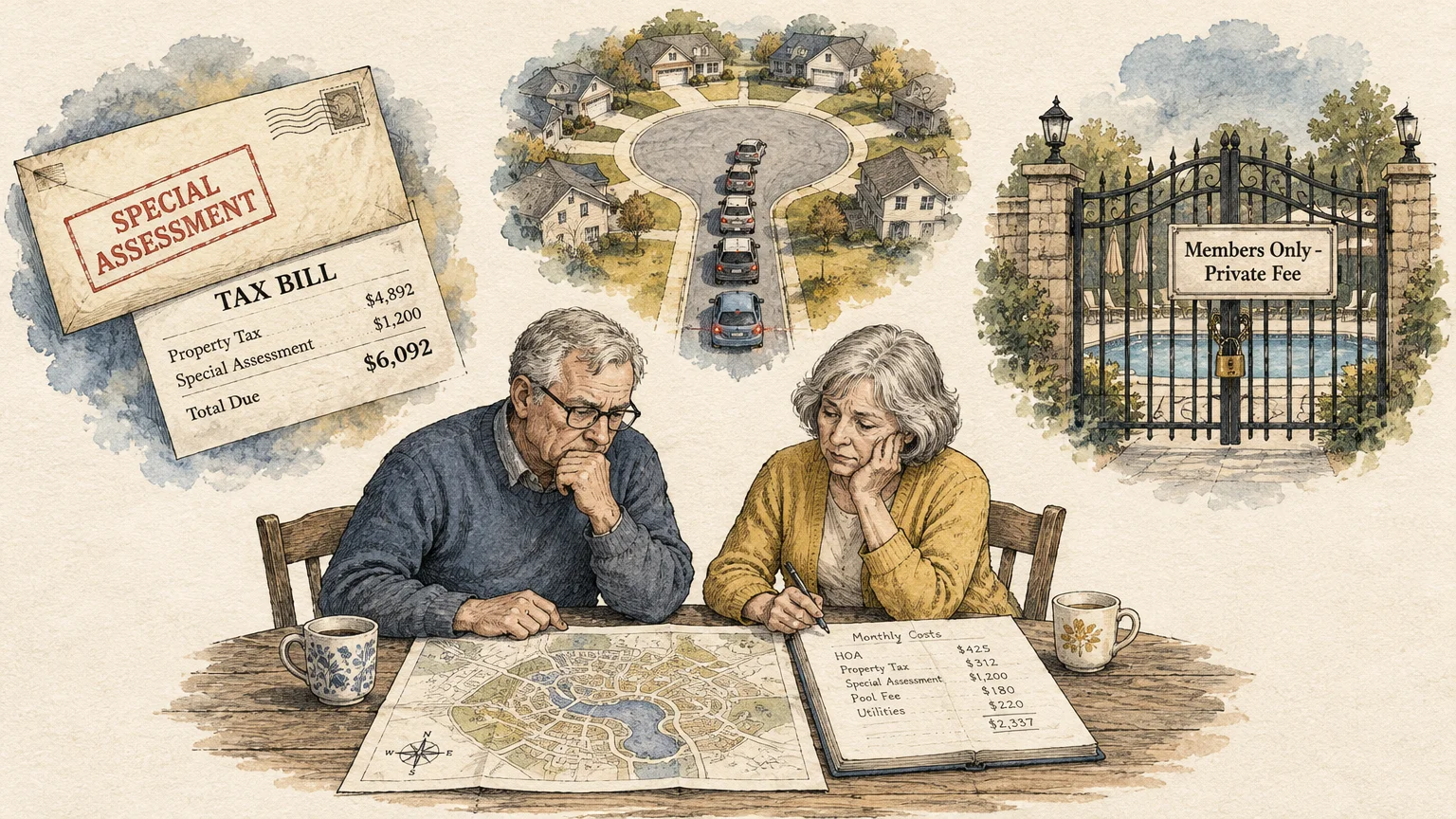
Relocating based solely on glossy brochures can result in costly surprises. Here are specific hazards you must investigate before signing a purchase contract:
- Unchecked Insurance Escalation: Low purchase prices in Florida or coastal regions can be offset by skyrocketing homeowner and flood insurance premiums.
- Escalating Association Dues: Communities with golf courses and recreation complexes often raise HOA or amenity fees to maintain aging facilities.
- Healthcare Bottlenecks: Smaller towns may lack specialized medical clinics, requiring long highway drives to see specialists as your care needs evolve.
- Automobile Dependency: If a town lacks walkable hubs or public transit, you risk social isolation once you decide to stop driving.
- Seasonal Population Swings: Snowbird communities can feel deserted during off-peak summer months, disrupting your regular social activities.
Always review at least two years of HOA financial statements and reserve fund balances before purchasing in a managed development. Unfunded repairs frequently trigger steep special assessments on homeowners.
Consult independent insurance agents in the target area to obtain realistic homeowner policy quotes. Factor these actual numbers into your debt-to-income calculations early in the process.
Strategies to Test-Drive a Town’s Social Scene
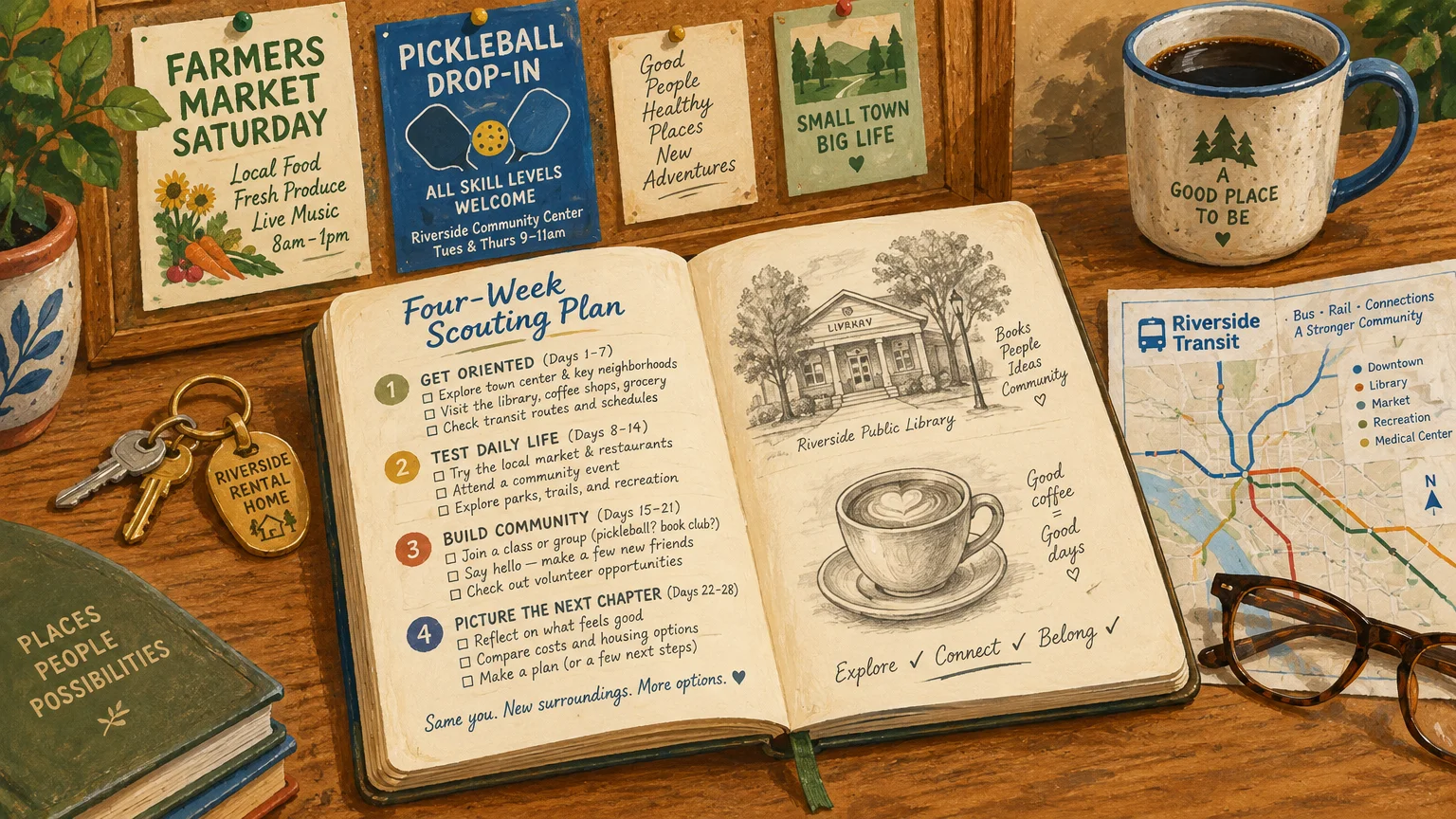
Visiting a town as a tourist rarely reveals what daily retirement life feels like. You need an immersive trial run to confirm the local culture matches your lifestyle.
Rent a furnished condo or home for four to six weeks during the off-season. This stay exposes you to typical traffic patterns, local dining, and changing weather conditions.
Visit the local senior center, community college, and public library on ordinary weekday mornings. Review their bulletin boards to see whether scheduled activities align with your personal passions.
Attend a city council meeting, a weekend farmers market, and an open house at a local house of worship. Engaging in spontaneous conversations reveals how warmly locals embrace newcomers.
Connect with local volunteer organizations, such as food banks or animal rescues, to gauge civic energy. Volunteering for a single afternoon can introduce you to lifelong friends before you purchase a property.
Financial Planning for Your Relocation
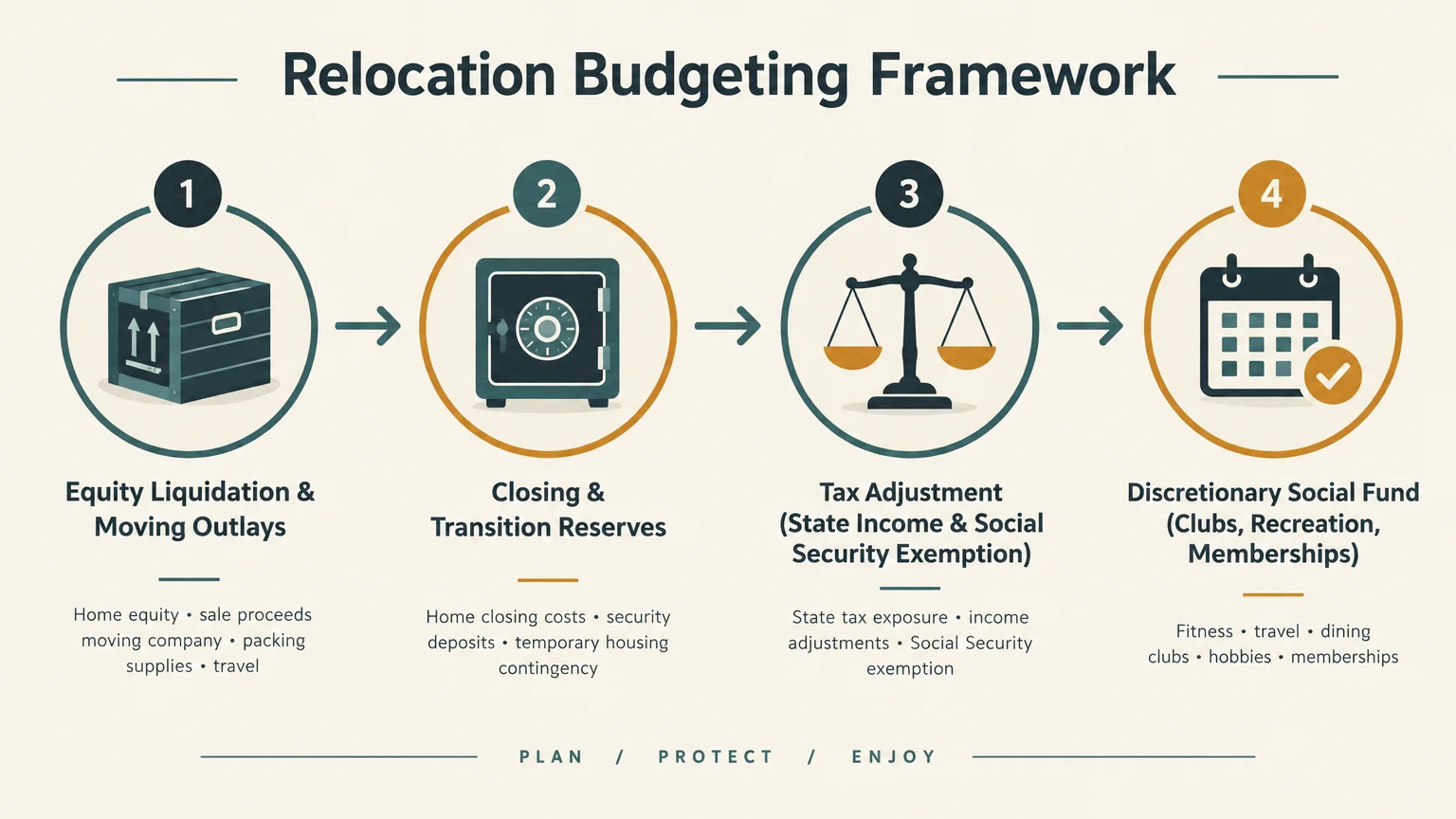
Relocating across state lines impacts every pillar of your retirement financial plan. The current average monthly Social Security benefit sits between $2,071 and $2,095 per worker, according to the Social Security Administration.
An upcoming 3.6% COLA will raise the average retired worker’s benefit to approximately $2,170 per month. Living in an affordable town ensures this modest raise covers more than just utility hikes.
Mortgage rates hover near 6.86% for a 30-year fixed loan. If you must finance part of your purchase, choosing a lower-cost market limits your monthly debt payments.
Retirees can also capitalize on the federal $6,000 bonus senior deduction active through 2028. Minimizing federal and state tax friction preserves more cash for your active social calendar.
Consult a qualified tax professional to evaluate how your pensions, annuities, and investment withdrawals will be treated in your prospective home state. You can analyze broad tax differences using resources from Bankrate.
Frequently Asked Questions
Which affordable retirement town has the best year-round warm weather?
Green Valley, Arizona, offers over 300 days of sunshine annually with warm, dry winters. Summer temperatures run high, but most recreation complexes operate climate-controlled indoor clubs.
How do I make friends quickly after retiring to a new town?
Join organized interest groups, such as hiking clubs, community gardening projects, or lifelong learning seminars. Consistent weekly attendance helps you build natural friendships without awkward networking.
Do any of these towns tax my Social Security benefits?
Of the eleven towns listed, only Duluth, Minnesota, and Las Cruces, New Mexico, are in states that tax Social Security. Both states offer income-based exemptions that protect many moderate-income retirees.
What should I budget for community recreation fees in these towns?
Recreation fees vary widely by municipality and association structure. Municipal centers often cost under $100 annually, while master-planned associations like Bella Vista or Green Valley charge modest monthly or annual dues.
Choosing an affordable retirement town with an active social calendar ensures you never have to sacrifice companionship to protect your savings. Take your time, test-drive candidate communities, and build a vibrant second half surrounded by new friends.
This is educational content based on general retirement and financial principles. Individual results vary based on your situation. Always verify current benefit rules, tax laws, and eligibility requirements with official sources like SSA, Medicare.gov, or the IRS.
Last updated: October 2026. Retirement benefits, tax rules, and healthcare regulations change frequently—verify current details with official sources.








Leave a Reply