
Finding the ideal place to spend your golden years means balancing your financial realities with the lifestyle you have always envisioned. The American West offers retirees an unmatched combination of sweeping landscapes, outdoor recreation, and vibrant local cultures that keep both body and mind active. Moving to a new state shifts your entire tax picture, healthcare access, and daily routine, making careful destination research absolutely essential. Whether you want to spend your mornings hiking mountain trails, exploring vibrant art scenes, or enjoying mild coastal breezes, western retirement destinations provide diverse environments to match your pace. Exploring these ten specific western towns reveals unique opportunities to maximize your retirement income while securing a deeply fulfilling and engaging daily life.

Defining the Western Retirement Lifestyle
When you picture retirement, the traditional image of a quiet Florida golf course is no longer the only option. Today’s retirees increasingly seek dynamic environments where they can hike, bike, ski, and immerse themselves in local arts and education. The western United States delivers this active lifestyle in spades, offering vast public lands, dramatic elevation changes, and communities built around outdoor recreation.
Choosing a western retirement town often means prioritizing experiences over extreme frugality, though many spots still offer excellent cost-of-living advantages compared to major coastal metros. The retirement lifestyle west of the Rocky Mountains tends to emphasize physical wellness, continuous learning, and community engagement. You will find that university towns, high-desert havens, and mountain valleys naturally attract populations that value staying active well into their seventies, eighties, and beyond. This cultural emphasis on wellness can profoundly impact your own health trajectory and daily happiness.
“Retirement is not an ending, but a transition to a new phase of life where you finally have the time and freedom to pursue your true passions and discover your authentic purpose.” — Mitch Anthony, Financial Planning Expert and Author
10 Standout Western Retirement Towns
The best places to retire west of the Mississippi River vary wildly in climate, culture, and cost. The following ten destinations consistently rank highly for their combination of natural beauty, healthcare access, tax friendliness, and lifestyle amenities.

1. Prescott, Arizona
Located at an elevation of roughly 5,200 feet, Prescott offers a profound climate advantage over the sweltering deserts of southern Arizona. Here, you get to experience four distinct, mild seasons. The town is wrapped in the ponderosa pines of the Prescott National Forest, providing endless miles of hiking and walking trails right outside your door—including the striking granite rock formations of the Granite Dells.
From a practical standpoint, Prescott has developed a robust healthcare infrastructure specifically geared toward an aging population, including the highly rated Yavapai Regional Medical Center. The historic downtown area, famous for its Whiskey Row, provides a vibrant cultural center filled with local art, summer concerts, and community festivals. Arizona is also broadly considered tax-friendly for retirees, as it does not tax Social Security benefits.

2. Bend, Oregon
If your ideal retirement involves kayaks, mountain bikes, and craft coffee, Bend might be your perfect match. Nestled in central Oregon’s high desert with the Cascade Mountains as a backdrop, Bend is a premier destination for the adventurous retiree. The Deschutes River runs straight through town, creating a natural gathering place for residents.
While Oregon’s state income taxes are notoriously high, the state has no sales tax, which can result in significant savings on large purchases. Bend’s St. Charles Medical Center is the largest hospital in central Oregon, ensuring you do not have to travel far for specialized care. The local community college offers extensive continuing education programs, keeping the local senior population intellectually engaged.

3. Boise, Idaho
Boise strikes an exceptional balance between urban amenities and rugged outdoor access. The city is defined by the Boise River Greenbelt, a 25-mile tree-lined pathway that provides safe, flat walking and biking routes through the heart of the city. As a capital city, Boise offers a thriving cultural scene, including a philharmonic orchestra, art museums, and Boise State University.
Idaho frequently ranks as one of the best scenic retirement locations due to its relatively low cost of living, low crime rates, and favorable tax environment for retirees. The state does not tax Social Security benefits, and property taxes are manageable. Boise’s healthcare system is anchored by St. Luke’s Health System, which is nationally recognized for cardiology and orthopedic care.

4. Fort Collins, Colorado
Retiring in a college town offers distinct advantages, and Fort Collins—home to Colorado State University—proves the rule. The university injects youthful energy into the city, alongside top-tier lectures, theater productions, and sporting events. Fort Collins boasts a notoriously bicycle-friendly culture, with wide, flat streets and hundreds of miles of dedicated bike paths.
Colorado is known for its flat-rate income tax and generous retirement income deductions, making it a surprisingly viable option for well-planned estates. Seniors in Colorado also benefit from a property tax exemption program. With the Rocky Mountain National Park just a short drive away and excellent facilities under the UCHealth system, Fort Collins merges mountain living with top-tier suburban infrastructure.

5. St. George, Utah
Located in the southwestern corner of Utah, St. George is famous for its striking red rock landscapes and proximity to Zion National Park. Because of its lower elevation compared to the rest of the state, St. George enjoys warm, sunny winters, earning it the nickname “Utah’s Dixie.” This makes it an incredibly popular destination for snowbirds and year-round retirees alike.
The city is built around active aging, featuring numerous 55-plus communities, championship golf courses, and pickleball complexes. Utah does tax Social Security benefits (though a credit exists for low-to-moderate-income earners), but the state’s property taxes remain exceptionally low. The St. George Regional Hospital provides comprehensive care, so you can enjoy the desert landscape without sacrificing medical security.
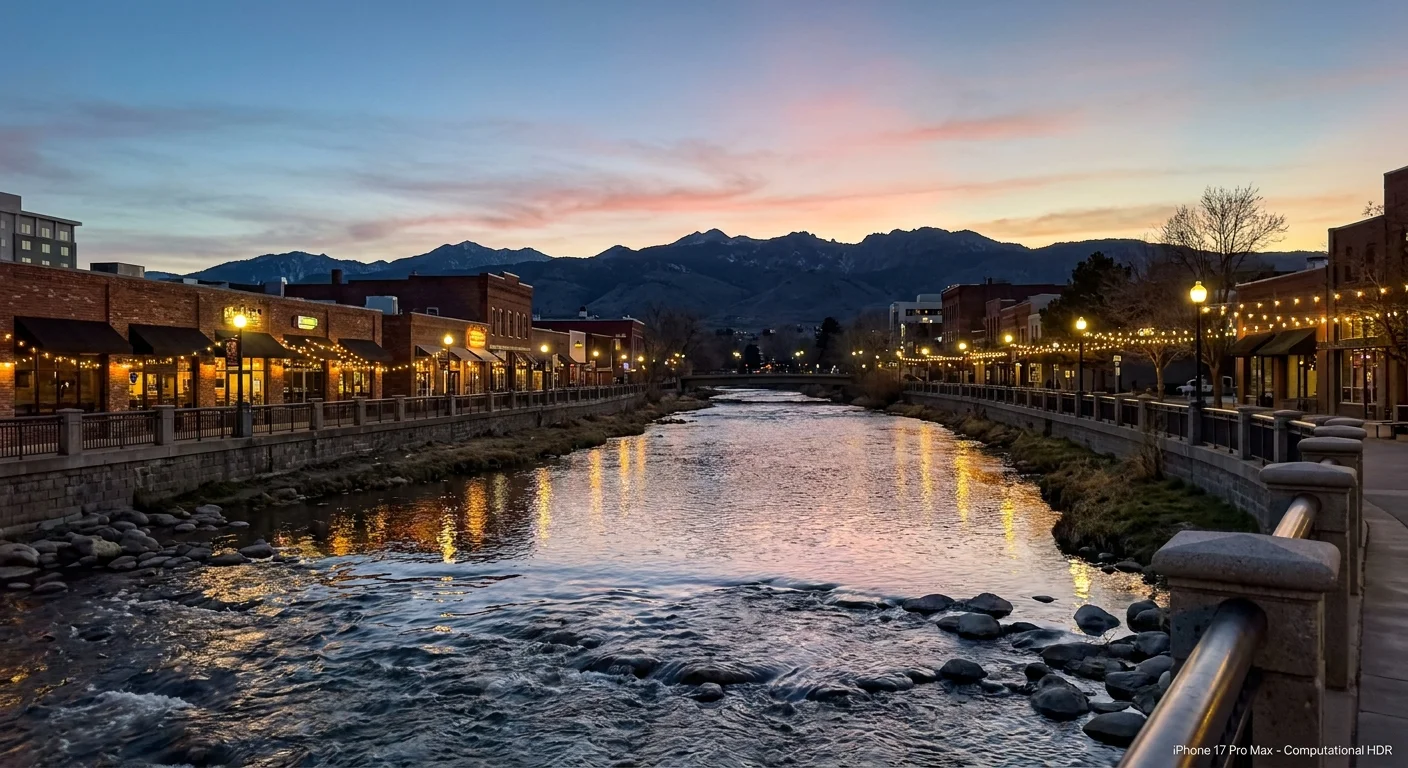
6. Reno, Nevada
Often overshadowed by Las Vegas, Reno bills itself as “The Biggest Little City in the World” and has quietly transformed into a high-tech hub and outdoor recreation gateway. Situated just 45 minutes from Lake Tahoe, Reno offers world-class skiing in the winter and alpine lake activities in the summer.
Financially, Nevada is a powerhouse for retirees. The state levies no personal income tax, meaning your Social Security, pensions, and IRA distributions are free from state-level taxation. The presence of the University of Nevada, Reno, ensures access to lifelong learning, while the expanding Renown Health system provides excellent medical care. It is an urban environment with immediate access to the wild Sierra Nevada mountains.

7. Santa Fe, New Mexico
For retirees prioritizing arts, culture, and culinary excellence, Santa Fe is entirely unique. Sitting at over 7,000 feet in elevation, the city offers cooler summers than most of the Southwest and beautiful, snowy winters. Its distinctive adobe architecture, historic central plaza, and world-renowned art galleries create a deeply enriching daily environment.
New Mexico recently changed its tax laws to exempt Social Security benefits from state income tax for the vast majority of retirees, significantly boosting its financial appeal. While the cost of living in Santa Fe is higher than the national average, it remains far more affordable than comparable cultural hubs on the coasts. The city’s walkable layout and strong community of fellow retirees make it easy to build a new social network.

8. San Luis Obispo, California
If your budget can handle the California premium, San Luis Obispo (SLO) offers what many consider the perfect climate. Nestled midway between San Francisco and Los Angeles, SLO sits just inland from the Pacific Ocean, offering cool breezes, rolling vineyards, and a relaxed, historic downtown.
California exempts Social Security benefits from state income tax, though taxes on other retirement income and general cost of living are high. However, residents of SLO report some of the highest well-being and happiness scores in the country. The presence of Cal Poly university, top-tier medical facilities, and endless farmers markets create a deeply satisfying, health-focused lifestyle.
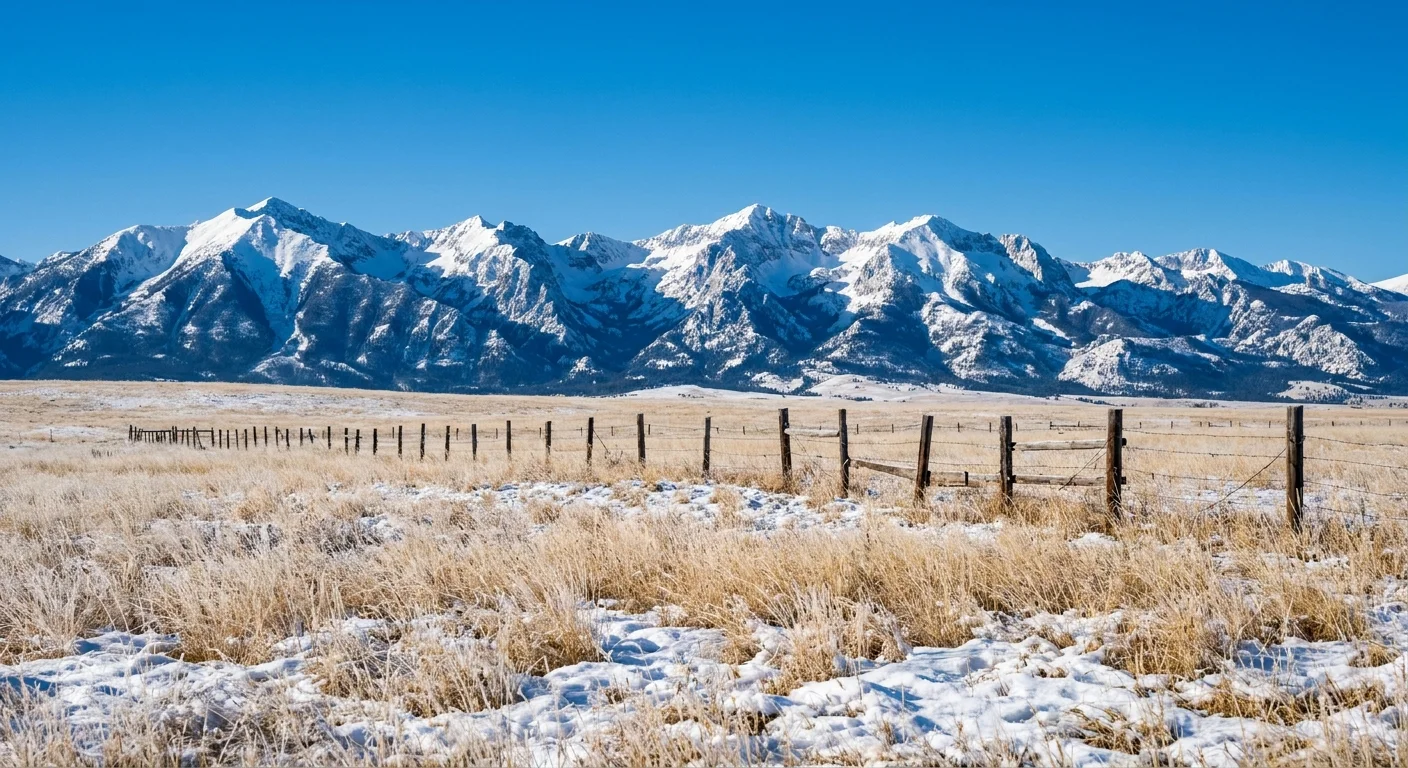
9. Bozeman, Montana
Bozeman is the quintessential Rocky Mountain town, offering unparalleled access to fly fishing, skiing, and Yellowstone National Park. It is an energetic, rapidly growing city that attracts individuals who want nature to be the primary focus of their retirement.
Montana does not have a state sales tax, which helps offset its somewhat high housing costs. While the winters are long and cold, the community embraces the snow, and the summers are nothing short of spectacular. Bozeman Health provides strong regional medical care, and the local airport is surprisingly well-connected, making it easy to visit family or travel during the deepest winter months.
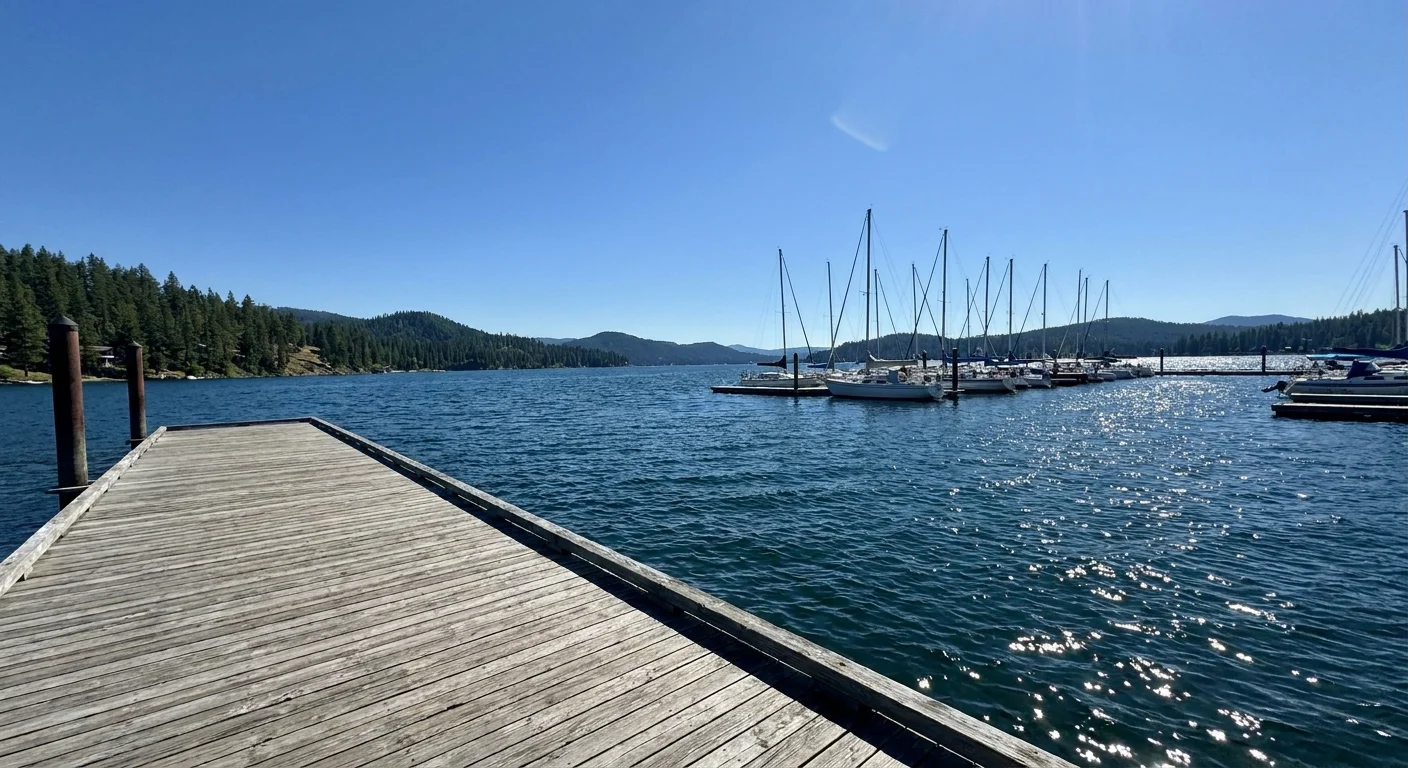
10. Coeur d’Alene, Idaho
Situated on the shores of a stunning 25-mile-long lake and surrounded by dense pine forests, Coeur d’Alene offers a resort-like atmosphere year-round. Summer brings boating, paddleboarding, and shoreline concerts, while winter offers nearby skiing at Schweitzer Mountain.
The town has a highly walkable downtown filled with boutiques and excellent restaurants. For major medical needs or air travel, Spokane, Washington, is just a 40-minute drive away. This proximity to a larger metropolitan area gives Coeur d’Alene residents the perfect blend of small-town lake living and big-city medical and transit infrastructure.
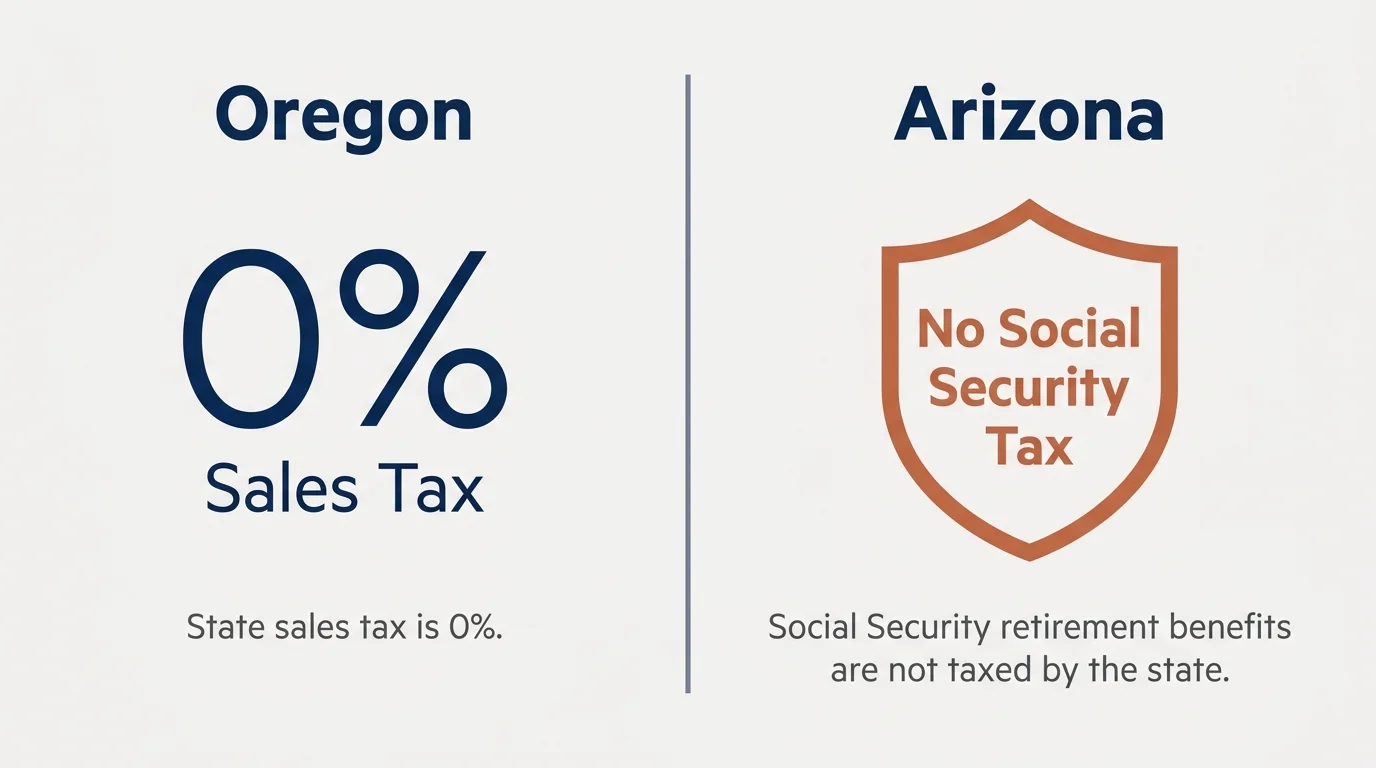
Comparing Tax Landscapes in Western States
When evaluating western retirement towns, you must look beyond the real estate listings and examine the state tax codes. A destination with cheap housing can quickly become expensive if the state heavily taxes your pension or retirement account withdrawals. Conversely, a higher-cost state might be manageable if your income streams are largely tax-exempt.
To help frame your financial planning, here is a breakdown of how several popular western states handle the taxes that matter most to retirees.
| State | Social Security Taxed? | State Income Tax Environment | Sales Tax Reality |
|---|---|---|---|
| Arizona | No | Low flat rate (2.5%) | Moderate to high (localities add to base) |
| Colorado | No (for almost all retirees) | Low flat rate (4.40%) | Moderate |
| Idaho | No | Flat rate (5.8%) | Moderate (6.0%) |
| Nevada | No | No state income tax | High (often over 8% with local taxes) |
| New Mexico | No (for vast majority) | Graduated (up to 5.9%) | Moderate (Gross Receipts Tax) |
| Oregon | No | High graduated rate (up to 9.9%) | None (0%) |
| Utah | Yes (with income-based credits) | Low flat rate (4.65%) | Moderate (roughly 7%) |
For detailed, up-to-date guidance on state tax brackets and property tax exemptions, resources like Kiplinger provide excellent interactive state-by-state tax maps designed specifically for retirees.
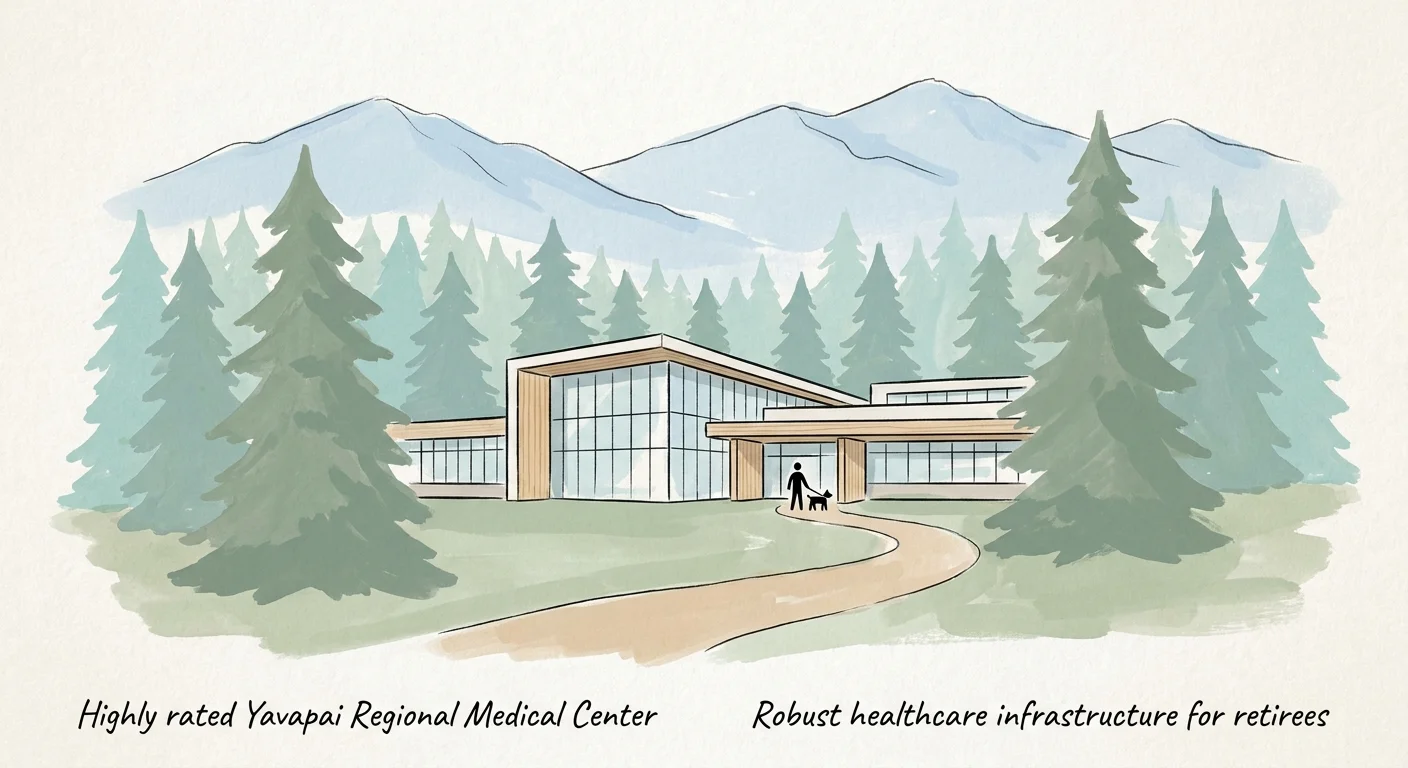
Prioritizing Healthcare in Your Search
Scenery and low taxes are wonderful, but healthcare access will eventually dictate your quality of life. The American West features vast stretches of rural land, meaning that a town just fifty miles outside a major city might be an hour away from the nearest cardiac or stroke center.
When researching western retirement spots, look up the hospital systems in the area and check their Medicare ratings using Medicare.gov. Furthermore, if you utilize a Medicare Advantage plan (Part C), you must verify that the local hospitals and primary care physicians are in-network. Moving across state lines often triggers a Special Enrollment Period, requiring you to select a new Medicare plan tailored to your new zip code.
For military veterans, proximity to a VA medical center or an approved community care clinic is crucial. Many western states have heavily concentrated veteran populations, but facilities are often centralized in major hubs. Always consult the Department of Veterans Affairs (VA) directory to map out your driving distance to guaranteed care before purchasing a home.
Pitfalls to Watch For
While the western lifestyle is deeply appealing, relocating to a new geographic region carries inherent risks that require careful planning.
- Wildfire Risks and Insurance Costs: The western United States is increasingly prone to severe wildfire seasons. This not only impacts air quality during the summer and fall but has completely upended the home insurance market. In states like California and Colorado, securing affordable homeowners insurance in forested or mountainous areas has become incredibly difficult. You must price out insurance policies before committing to a home purchase.
- High Cost of Housing: The secret is out on the best western towns. The influx of remote workers and retirees over the last decade has driven up housing prices significantly in places like Bend, Bozeman, and Boise. Do not assume that moving away from the coast automatically means cheap real estate.
- Geographic Isolation: Living in a high-desert haven or a mountain valley sounds romantic, but it can complicate travel. Factor in the distance to the nearest major airport. If you plan to fly back east frequently to visit grandchildren, a three-hour drive to an airport through snowy mountain passes will quickly become a burden.
- Altitude Adjustment: Many popular western towns sit above 4,000 feet. If you have underlying respiratory or cardiovascular issues, living at high altitude can exacerbate these conditions. Always rent for an extended period to see how your body handles the elevation.
Frequently Asked Questions
Are western retirement towns generally more expensive than southern ones?
Yes, on average, popular western retirement destinations (like those in Colorado, Oregon, and California) have higher housing costs than traditional southern spots in Florida or Alabama. However, states like Nevada, Idaho, and New Mexico offer middle-ground options where you can stretch your retirement dollars further.
How do I handle Medicare if I move to a different state?
If you have Original Medicare (Parts A and B) and a Medigap policy, your coverage generally travels with you anywhere in the United States. However, if you have a Medicare Advantage plan or a stand-alone Part D prescription drug plan, moving out of your plan’s service area requires you to switch to a new plan in your new state. You will be granted a Special Enrollment Period to make this change.
Is it better to rent first when retiring to a new western town?
Absolutely. Financial and real estate experts universally recommend renting in a new destination for at least six months—preferably during the area’s worst weather season. This allows you to experience the reality of the climate, the local medical infrastructure, and the community vibe before tying up a large portion of your net worth in an illiquid real estate asset.
Which western state is best for avoiding taxes on retirement income?
Nevada stands out as the most tax-friendly western state for high-income retirees, as it has no state income tax at all. Arizona, Colorado, and Idaho are also highly favorable, specifically because they do not tax Social Security benefits and offer relatively low, flat-rate income tax structures.
Planning Your Next Steps
Choosing where to live in retirement is one of the most exciting, yet consequential, decisions you will make. The American West offers a canvas of beautiful, active, and engaging communities ready to host your next chapter. Start by narrowing down your climate preferences, then map out the financial realities of state taxes and housing costs. Take the time to visit these locations, walk their downtowns, and speak with the locals.
This article provides general retirement education and information only. Every retiree’s situation is unique—what works for others may not work for you. For personalized advice, consider consulting a qualified financial professional such as a CFP or CPA.
Last updated: March 2026. Retirement benefits, tax rules, and healthcare regulations change frequently—verify current details with official sources.









Leave a Reply