
Finding the right retirement destination goes beyond analyzing tax rates and climate; it requires securing a vibrant, socially engaging lifestyle without draining your savings. The most desirable retirement towns in America offer robust calendars filled with free, year-round community events that keep residents active and connected. Staying socially engaged dramatically improves cognitive health and overall life satisfaction during your later years. Instead of paying hefty country club dues or expensive entertainment covers, you can settle in communities where free concerts, art walks, and cultural festivals are woven into the local fabric. Choosing a town that prioritizes accessible public events protects your fixed income while helping you build meaningful friendships and enjoy an enriching retirement daily.
The Health and Financial Power of Local Programming
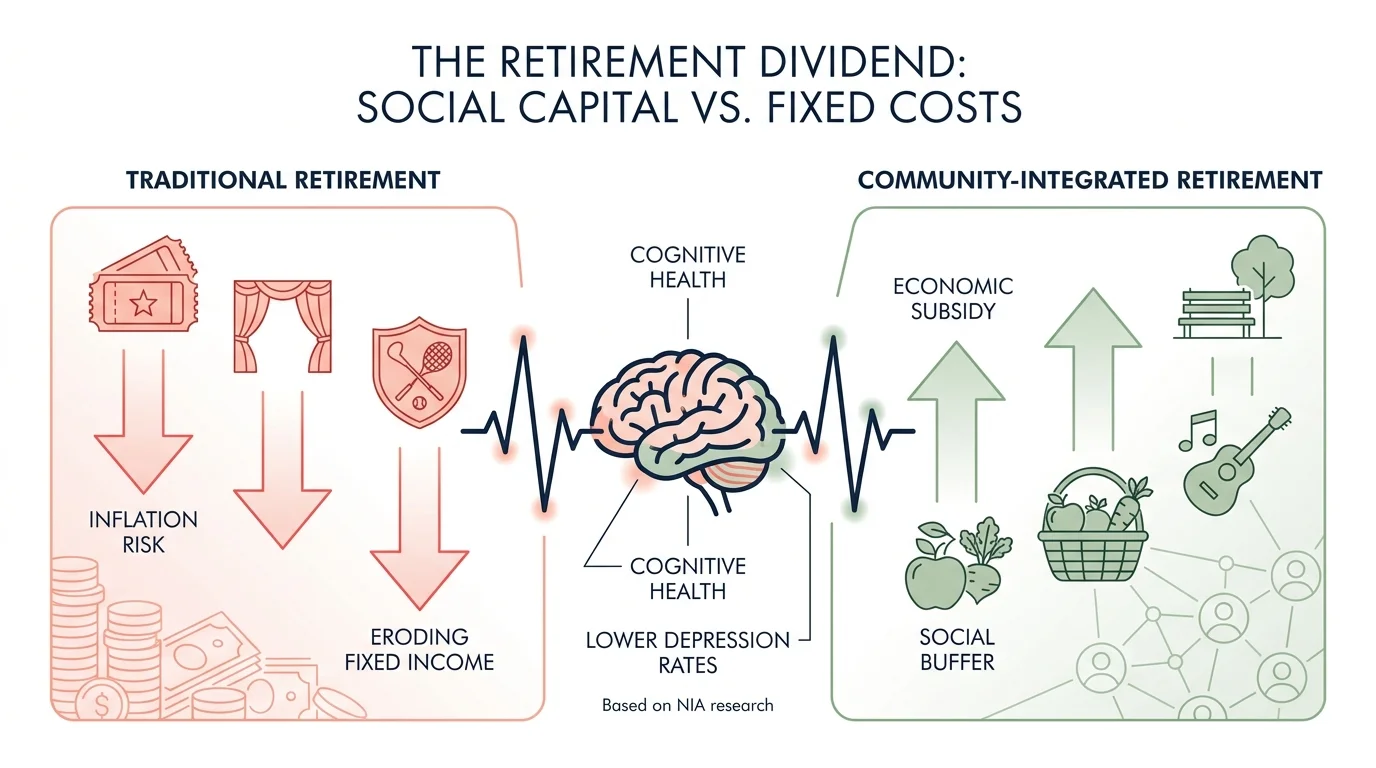
Relocating for retirement represents one of the most significant financial and emotional transitions you will ever make. While traditional retirement planning heavily emphasizes portfolio management and healthcare costs, lifestyle sustainability often takes a backseat. However, how you spend your days dictates your quality of life—and relying solely on paid entertainment quickly erodes a fixed income.
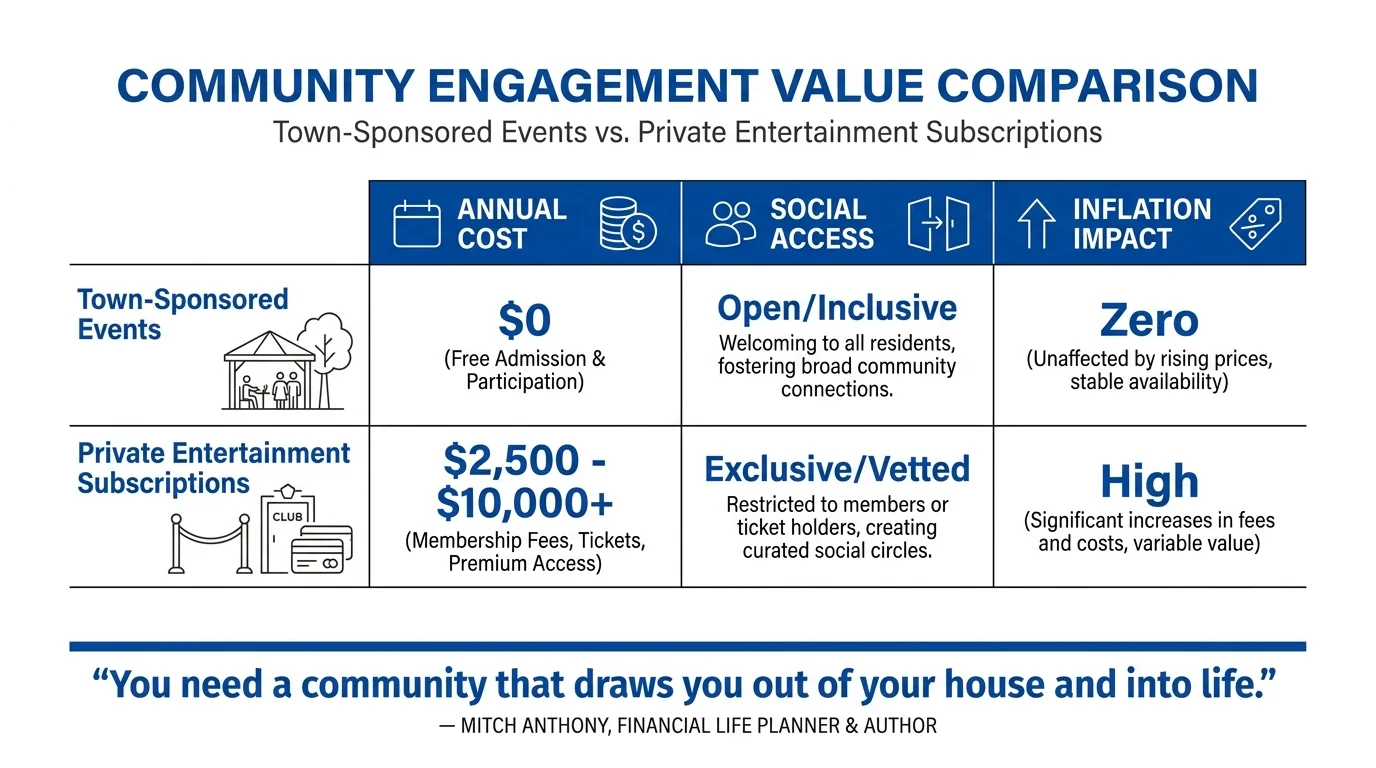
Municipalities that invest heavily in free community events offer a hidden economic subsidy to their senior residents. By providing high-quality concerts, farmers markets, and art festivals at no cost, these towns allow you to maintain an active social calendar without touching your discretionary entertainment budget. This structural advantage acts as a powerful hedge against inflation. When the cost of movie tickets, theater performances, and dining out rises, your access to local cultural enrichment remains untethered from economic pressures.
Beyond the financial mechanics, consistent access to local events provides profound medical benefits. Extensive research from the National Institute on Aging (NIA) demonstrates that older adults who remain actively engaged in their communities experience slower cognitive decline, lower rates of depression, and stronger immune systems compared to isolated peers. Public events naturally facilitate casual, low-pressure social interactions. You do not have to commit to formal memberships or navigate complex social hierarchies; you simply show up to the town square, unfold a lawn chair, and immediately share an experience with your neighbors.
“The new retirement is about moving toward something, not just moving away from work. You need a community that draws you out of your house and into life.” — Mitch Anthony, Retirement Lifestyle Expert
The following seven towns have mastered the art of public gathering, creating environments where retirees thrive physically, socially, and financially through exceptional free programming.
1. Greenville, South Carolina: Southern Charm Meets Urban Energy
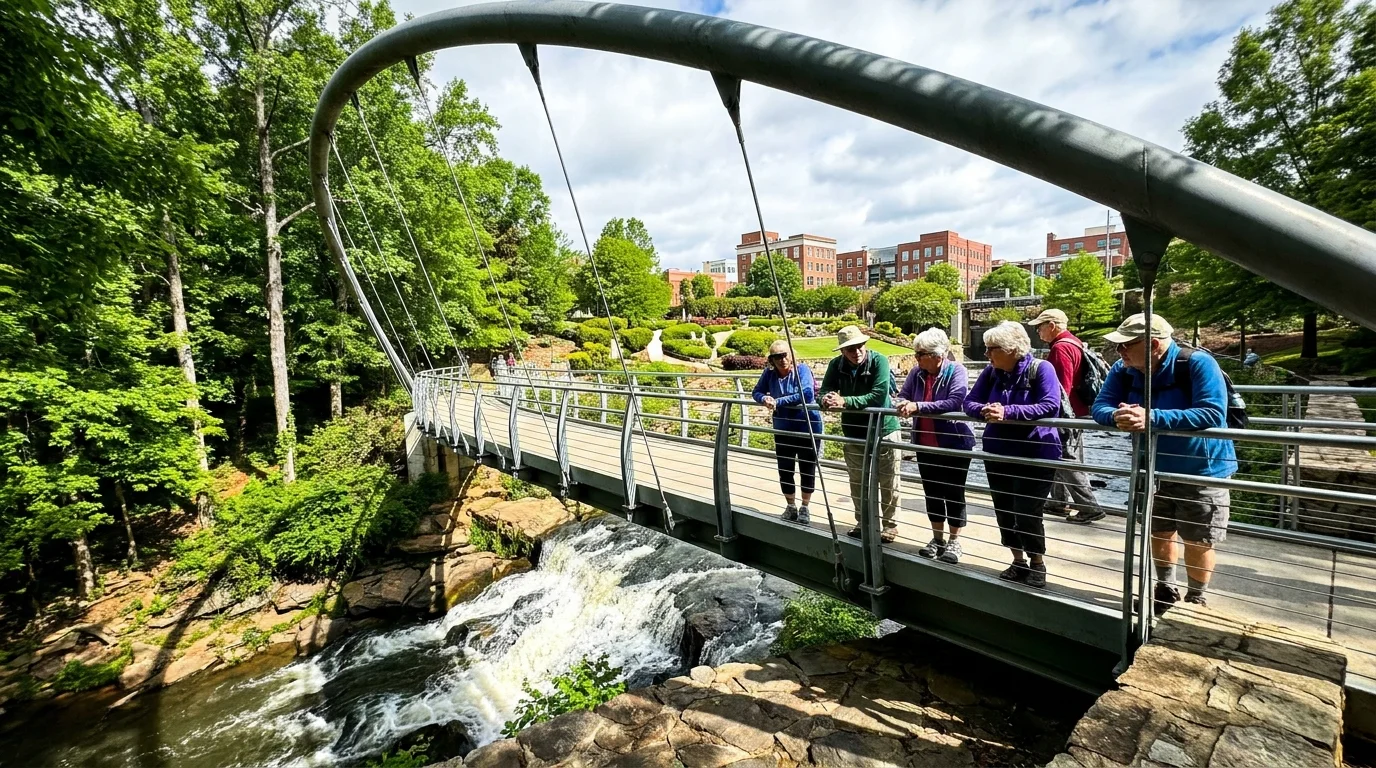
Greenville transformed its municipal identity by removing a highway bridge to reveal a spectacular natural waterfall in the center of the city. The resulting Falls Park on the Reedy now serves as the epicenter for an impressive array of free, year-round programming. The city seamlessly blends traditional Southern hospitality with modern, walkable urban planning, making it a magnet for retirees seeking an active lifestyle.
From March through September, the city hosts “Downtown Alive” every Thursday evening and “Main Street Fridays” the very next night. These sequential street parties feature live bands, local vendors, and dancing, entirely free to the public. Retirees consistently gather along the tree-lined Main Street to socialize, creating a reliable, weekly rhythm to their social calendars. Furthermore, the annual Artisphere festival transforms the downtown corridor into a sprawling, free-admission gallery featuring interactive exhibits and street performers.
Financially, Greenville supports older adults through South Carolina’s favorable tax policies, which exempt Social Security benefits from state income taxes and offer a generous retirement income deduction. You benefit from a premier cultural experience paired with a highly manageable cost of living.
2. Prescott, Arizona: The Festival City of the Southwest
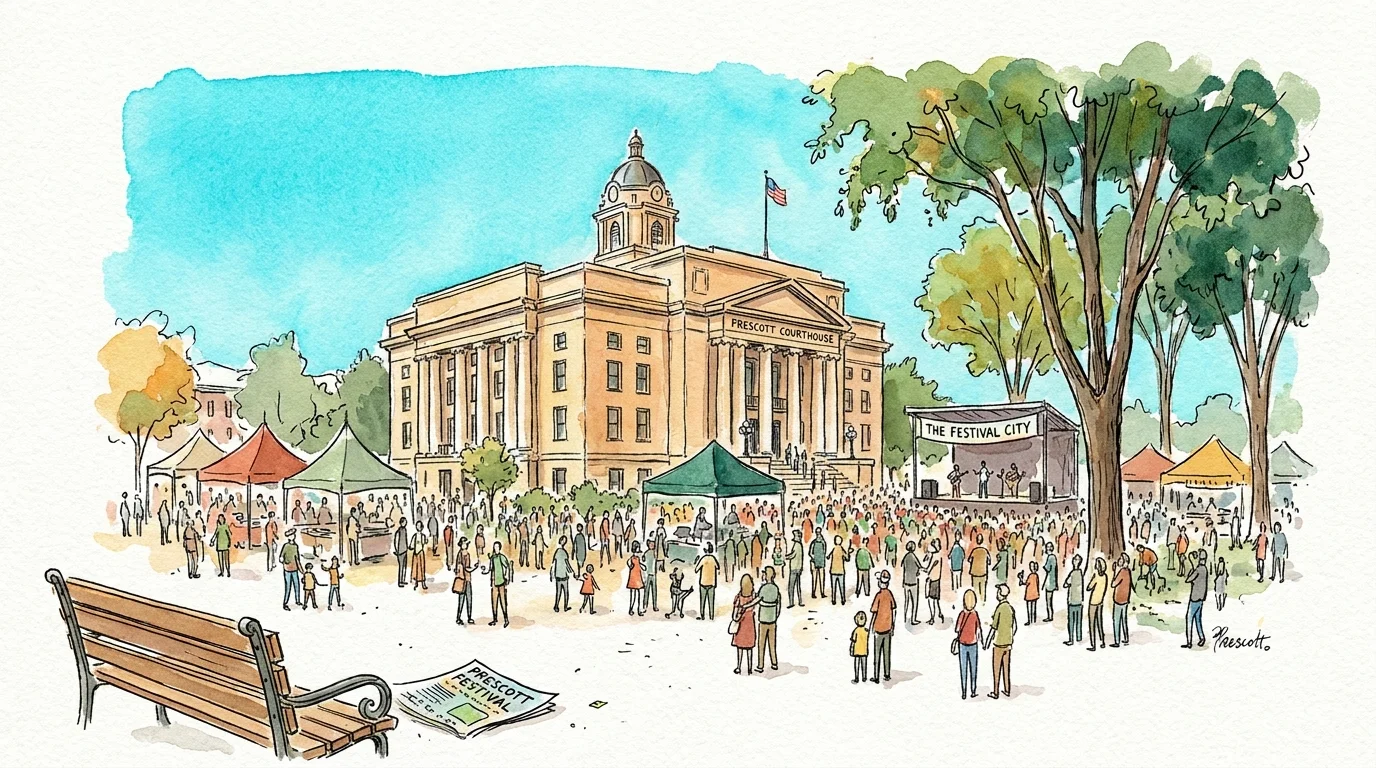
Known affectionately as “Everybody’s Hometown,” Prescott centers its civic life around the historic Courthouse Plaza. Unlike the scorching deserts of southern Arizona, Prescott sits at an elevation of 5,200 feet. This geography provides four distinct, remarkably mild seasons, allowing for outdoor community events throughout the entire calendar year.
The Courthouse Plaza hosts more than 100 free events annually. Music enthusiasts flock to the Prescott Bluegrass Festival, while visual arts aficionados enjoy numerous free fine arts and crafts shows staged on the expansive lawns. During summer evenings, the community congregates for a free concert series spanning jazz, country, and classic rock. During the winter, the plaza transforms through a spectacular holiday light parade that draws residents together in festive celebration.
Because the town actively courts and retains a large population of retirees, you instantly gain access to a peer group eager to connect. The frequent free events provide the perfect, low-stakes environment to introduce yourself to new neighbors and seamlessly integrate into the local culture.
3. Sarasota, Florida: A Cultural Hub on the Gulf Coast
Sarasota successfully blends beach-town relaxation with high-end arts and culture. While the city boasts a well-earned reputation for luxury living and philanthropy, savvy retirees know exactly how to navigate the area’s extensive free offerings without paying premium prices.
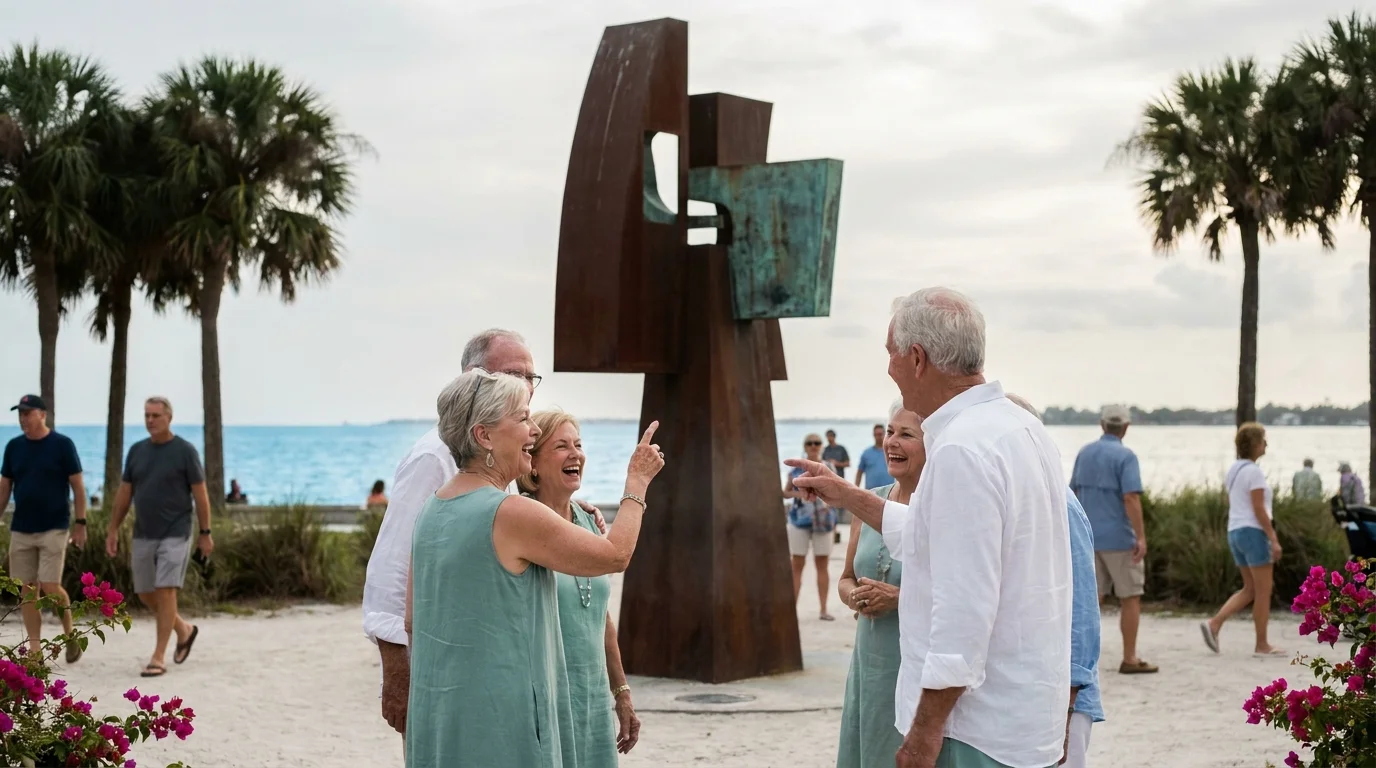
The cultural calendar overflows with accessible options. The Ringling Museum of Art—a sprawling bayfront estate—offers free admission to its grounds and select permanent galleries on Mondays, providing a world-class artistic escape. During the summer months, the Van Wezel Performing Arts Hall hosts “Friday Fest,” a highly popular series of free outdoor concerts along the scenic Sarasota Bayfront. Additionally, the famous Siesta Key Drum Circle gathers organically every Sunday evening just before sunset, offering a unique, unstructured community gathering right on the white quartz sand.
Florida’s complete lack of a state income tax remains a massive draw for retirees. By utilizing Sarasota’s free cultural infrastructure, you can fully reallocate your savings toward housing, health care, and travel, all while enjoying a premium coastal lifestyle.
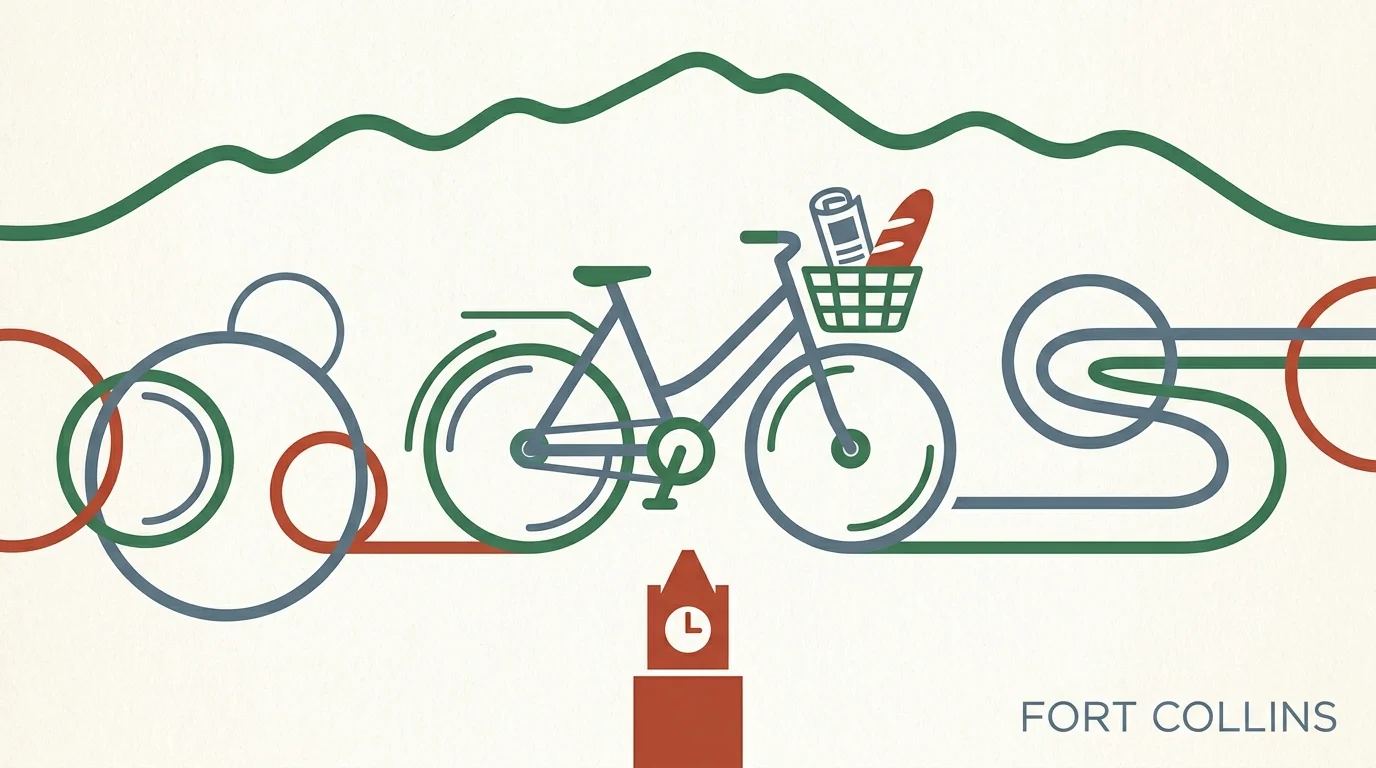
4. Fort Collins, Colorado: Active Living in the Foothills
If your ideal retirement involves rigorous outdoor recreation smoothly blended with cultural enrichment, Fort Collins demands your attention. As the home of Colorado State University, this town benefits directly from the youthful energy and cultural investments typical of a thriving college town, but it maintains a distinct, welcoming identity for older adults.
The downtown area, affectionately known as Old Town, acts as a staging ground for continuous community engagement. Retirees enjoy free outdoor summer concerts in the Old Town square, vibrant First Friday Art Walks, and numerous community street fairs. Beyond traditional events, Fort Collins maintains an extensive network of paved walking and biking trails. The local parks department frequently organizes free outdoor fitness meetups, bird-watching tours, and historical walking groups.
The community fiercely supports active aging. The pedestrian-friendly infrastructure means you can easily walk or bike to these free events, saving money on fuel and parking while maintaining your cardiovascular health. It provides a lifestyle where physical activity and social interaction occur simultaneously.
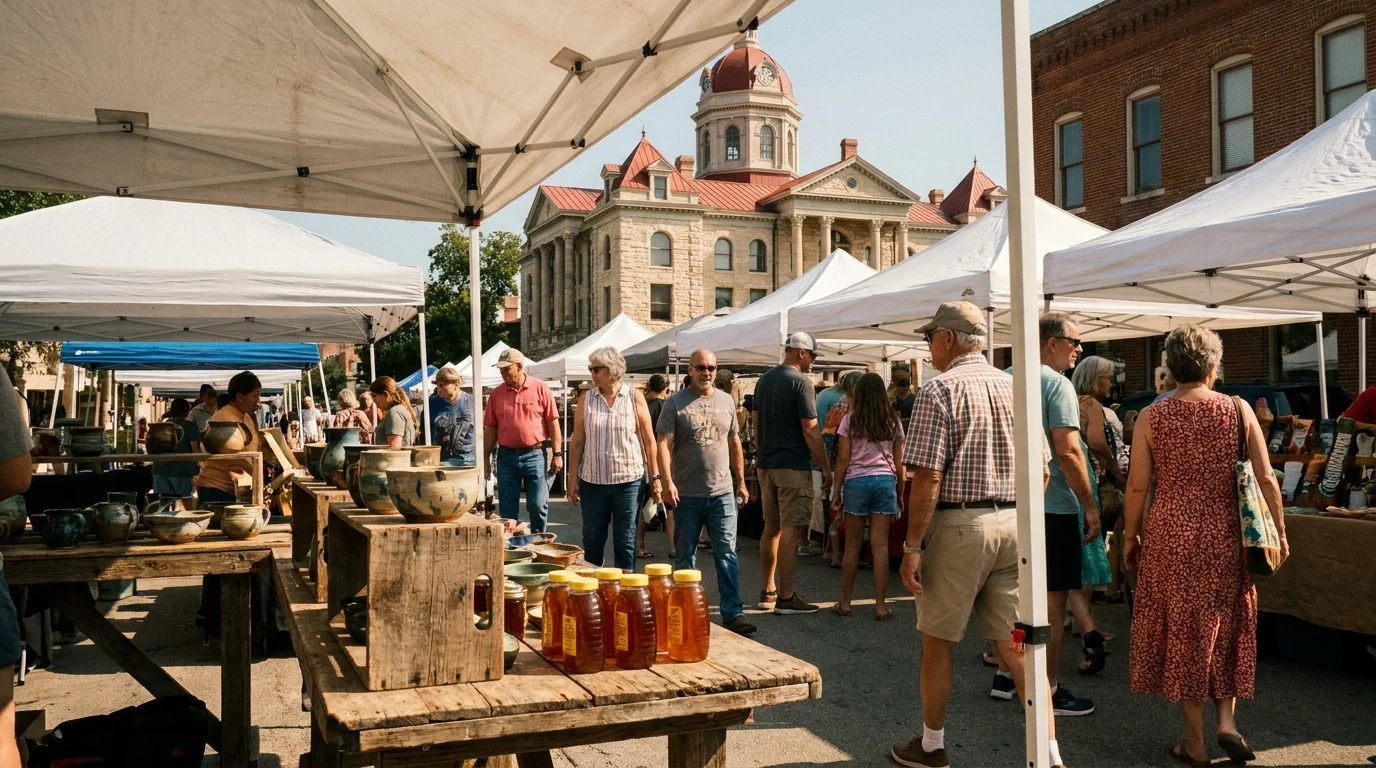
5. Georgetown, Texas: Historic Square Gatherings
Situated just north of Austin, Georgetown features what many proudly consider the most beautiful town square in Texas. This meticulously preserved historic square functions as the undeniable heartbeat of the community, drawing residents out of their homes and into the public sphere.
Every April, the town explodes with color during the free Red Poppy Festival. This massive community celebration features parades, classic car shows, and three consecutive days of live music. Throughout the rest of the year, Georgetown hosts regular “Market Days” on the square, offering free browsing and socializing among local artisans and musicians. Summer brings free Friday night concerts where retirees routinely gather with coolers, lawn chairs, and friends.
Georgetown explicitly caters to older adults, buoyed by the presence of large active-adult communities nearby. The town features highly accessible public spaces and excellent local healthcare facilities. Combined with Texas’s lack of state income tax, Georgetown allows your retirement savings to stretch incredibly far while providing a rich, Texas-sized social calendar.
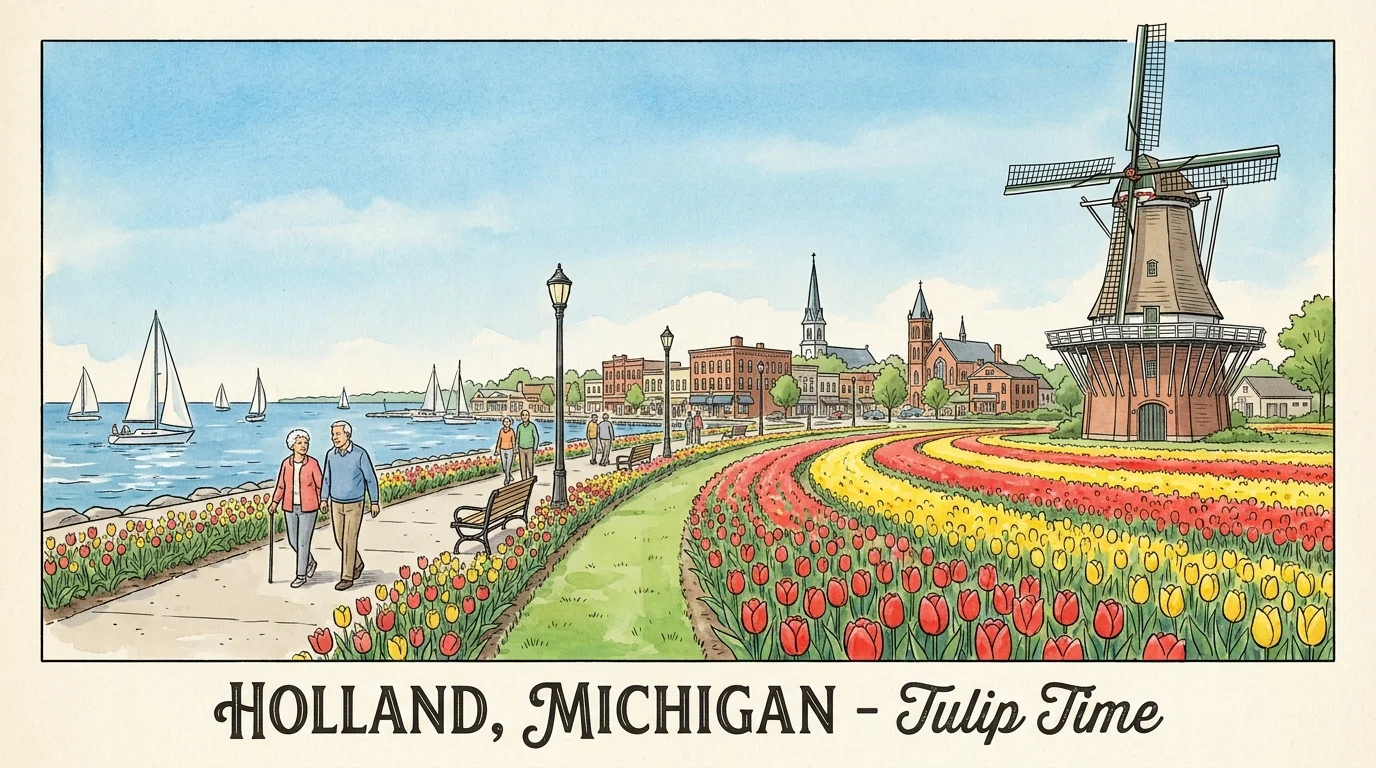
6. Holland, Michigan: Lakeside Festivals and Walkable Streets
For retirees who embrace distinct seasons and cherish lakeside living, Holland offers a fiercely proud, tight-knit community nestled on the shores of Lake Macatawa and Lake Michigan. The town embraces its heritage while providing a welcoming atmosphere for newcomers seeking community connection.
The world-famous Tulip Time Festival in May highlights the calendar, providing days of free parades, traditional Dutch dance performances, and spectacular floral displays. However, the free programming extends well beyond the spring bloom. The city hosts a vibrant Summer Street Performer Series every Thursday evening, transforming the highly walkable downtown blocks into a lively stage for local musicians, jugglers, and artists. Kollen Park frequently features free summer concerts where you can enjoy live music while watching boats navigate the waterfront.
Holland’s local cost of living sits comfortably below the national average. The municipality maintains clean, safe streets and heavily utilizes its waterfront, making it an economically sound and aesthetically pleasing choice for fixed-income households who want four true seasons.
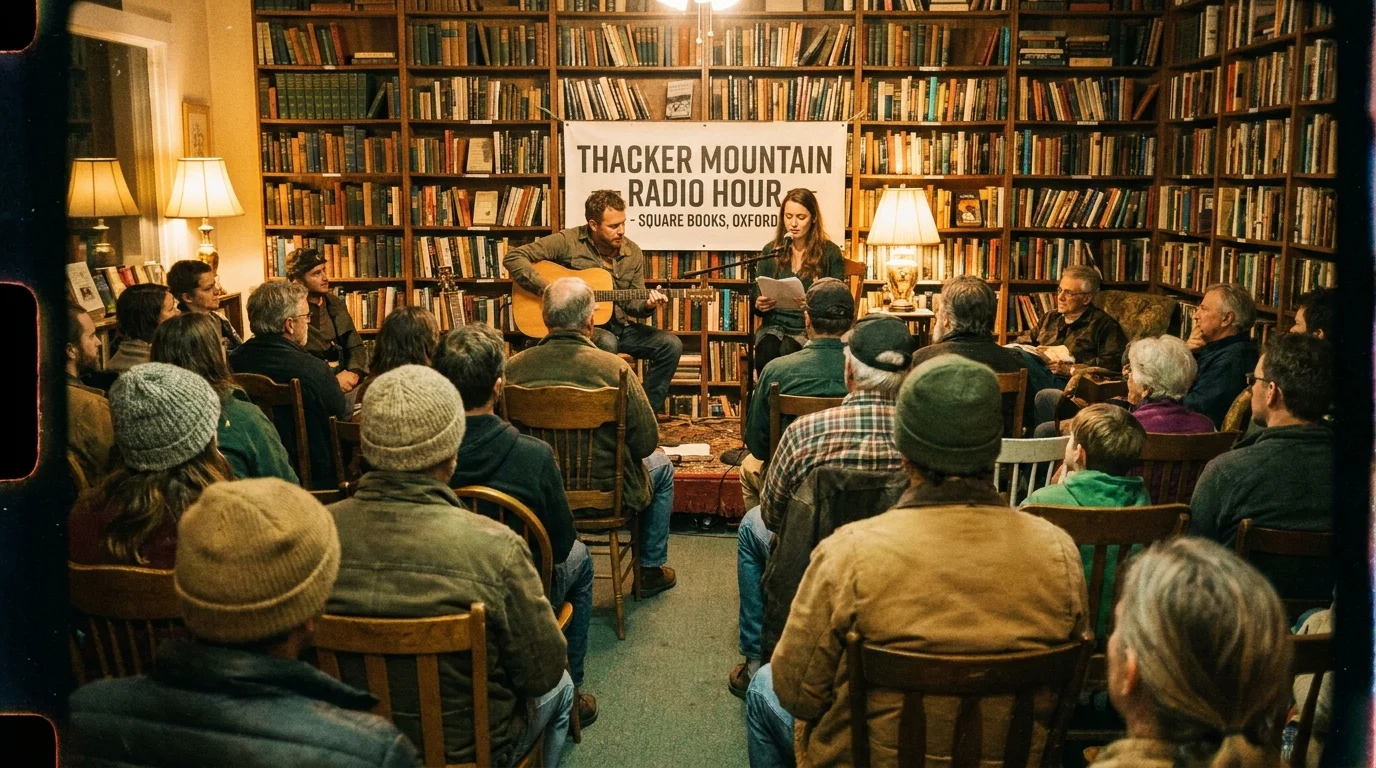
7. Oxford, Mississippi: Literary Roots and Musical Weekends
Oxford delivers quintessential Southern charm wrapped tightly in a vibrant literary and musical culture. As the home of the University of Mississippi, the town punches far above its weight class regarding cultural offerings, providing amenities typically reserved for much larger metropolitan areas.
The historic downtown Square serves as the focal point for daily community life. The annual Double Decker Arts Festival provides a massive weekend of free music, food, and art exhibitions that takes over the center of town. Throughout the year, you can attend free author readings at Square Books—one of the nation’s most celebrated independent bookstores—or enjoy complimentary outdoor concerts in the local parks.
Mississippi offers incredibly favorable tax treatment for retirees, exempting all qualified retirement income—including pensions, Social Security, and IRA distributions—from state income taxes. This structural financial advantage, paired with Oxford’s rich, free cultural calendar, leaves you with abundant resources to enjoy a sophisticated, intellectually stimulating daily life.
At a Glance: Comparing Your Entertainment Options
Understanding the fundamental characteristics of these towns helps narrow down your search. Use this comparison to align your climate preferences with local event structures.
| Town | Region & Climate | Signature Free Event Type | Walkability Focus |
|---|---|---|---|
| Greenville, SC | Southeast; Mild winters, hot summers | Weekly Main Street Concerts | High (Downtown & River trail) |
| Prescott, AZ | Southwest; Four mild seasons | Courthouse Plaza Festivals | High (Historic center) |
| Sarasota, FL | Gulf Coast; Warm year-round | Bayfront Music & Beach Drum Circles | Moderate (Car helpful overall) |
| Fort Collins, CO | Mountain; Snowy winters, sunny summers | Old Town Art Walks & Outdoor Fitness | Very High (Extensive bike trails) |
| Georgetown, TX | Texas Hill Country; Hot summers | Historic Square Market Days | High (Town square radius) |
| Holland, MI | Midwest; Cold winters, temperate summers | Street Performer Series & Floral Fests | High (Downtown grid) |
| Oxford, MS | Deep South; Mild winters, humid summers | Literary Events & Arts Festivals | Moderate (Square is very walkable) |
How to Evaluate a Town’s Social Infrastructure
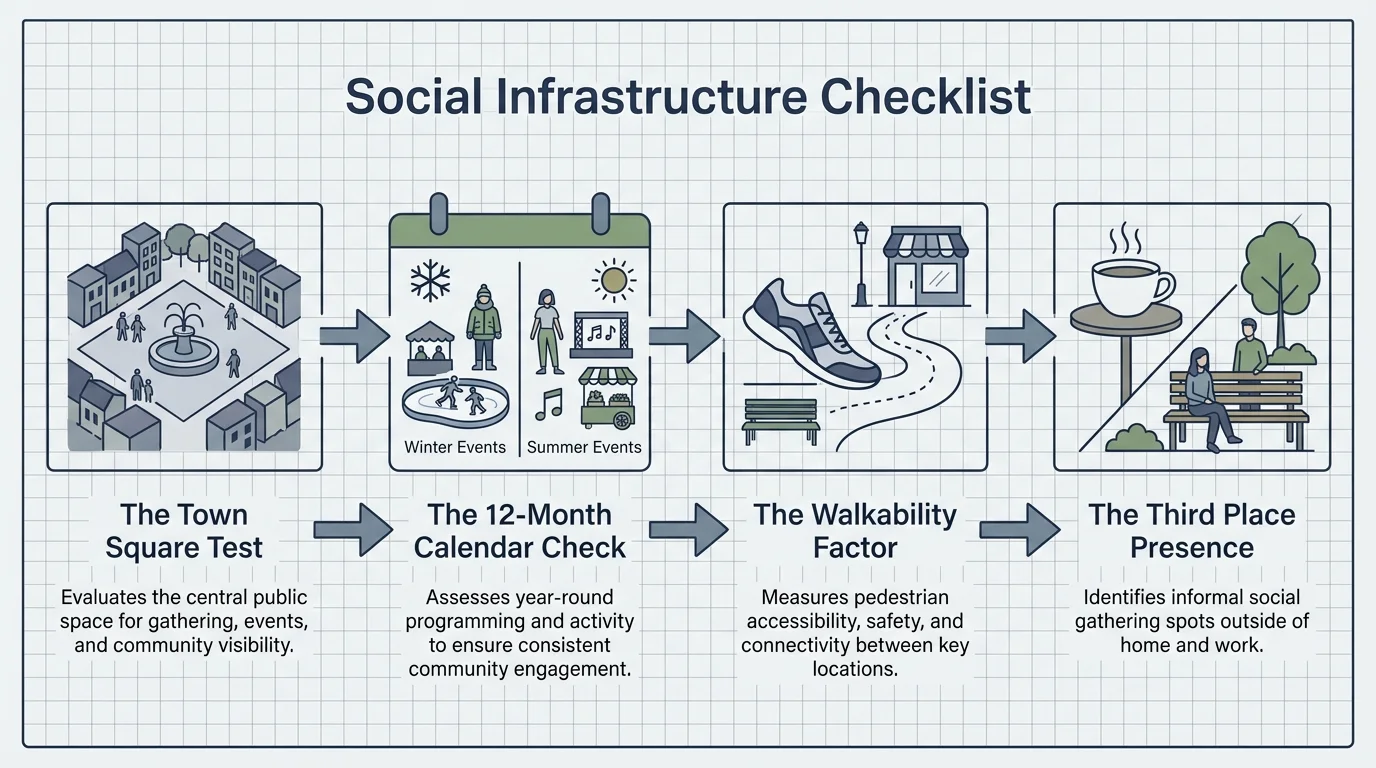
You should never assume a town has a thriving social scene based solely on a tourism brochure. A town that caters heavily to weekend tourists might actually neglect its full-time residents. To verify a location’s commitment to community events, you must conduct targeted research before making a real estate commitment. Use the AARP livability index as a starting point, but dig deeper with these specific actions.
- Audit the municipal parks and recreation guide: Go to the city’s official website and download the current seasonal catalog. Look for dedicated senior programming, free outdoor concert schedules, and continuing education classes. A thick, diverse catalog indicates robust municipal funding.
- Check the local public library calendar: The public library serves as the ultimate barometer for free community engagement. Look for frequent guest lectures, book clubs, technology workshops, and local history presentations.
- Monitor community Facebook groups: Join local groups a few months before your visit. Observe how residents interact. Are they constantly sharing flyers for weekend farmers markets and neighborhood block parties, or is the feed dominated by complaints about traffic and zoning?
- Evaluate the pedestrian infrastructure: Free events lose their appeal if you cannot easily access them. Check Google Maps to see if the event venues offer adequate parking or if they connect to residential areas via safe, well-lit sidewalks.
- Test the off-season atmosphere: A beach town might host incredible free concerts in July but become a ghost town by November. Always visit a prospective retirement destination during its least popular season to ensure the community remains active and connected year-round.
What Can Go Wrong When Relocating for Retirement
Even the most vibrant retirement destinations carry hidden risks. Failing to anticipate the friction points of relocation can lead to buyer’s remorse and unexpected financial strain.
The most common issue arises from the “tourism overlap.” Towns renowned for incredible street festivals and free public concerts naturally attract massive crowds. What feels like a fun, bustling atmosphere during a weekend vacation can become deeply frustrating when you live there full-time. During peak festival seasons, you might struggle to find parking at your own grocery store, face loud noise late into the evening, or deal with overwhelmed local infrastructure.
Furthermore, do not let the allure of free entertainment blind you to the broader cost of living. A town might offer free weekly concerts, but if local property taxes or homeowners insurance premiums skyrocket—a frequent issue in coastal areas—your overall budget suffers. Before moving, utilize resources from the Consumer Financial Protection Bureau (CFPB) to map out your long-term housing costs, factoring in potential property tax reassessments upon purchasing a new home.
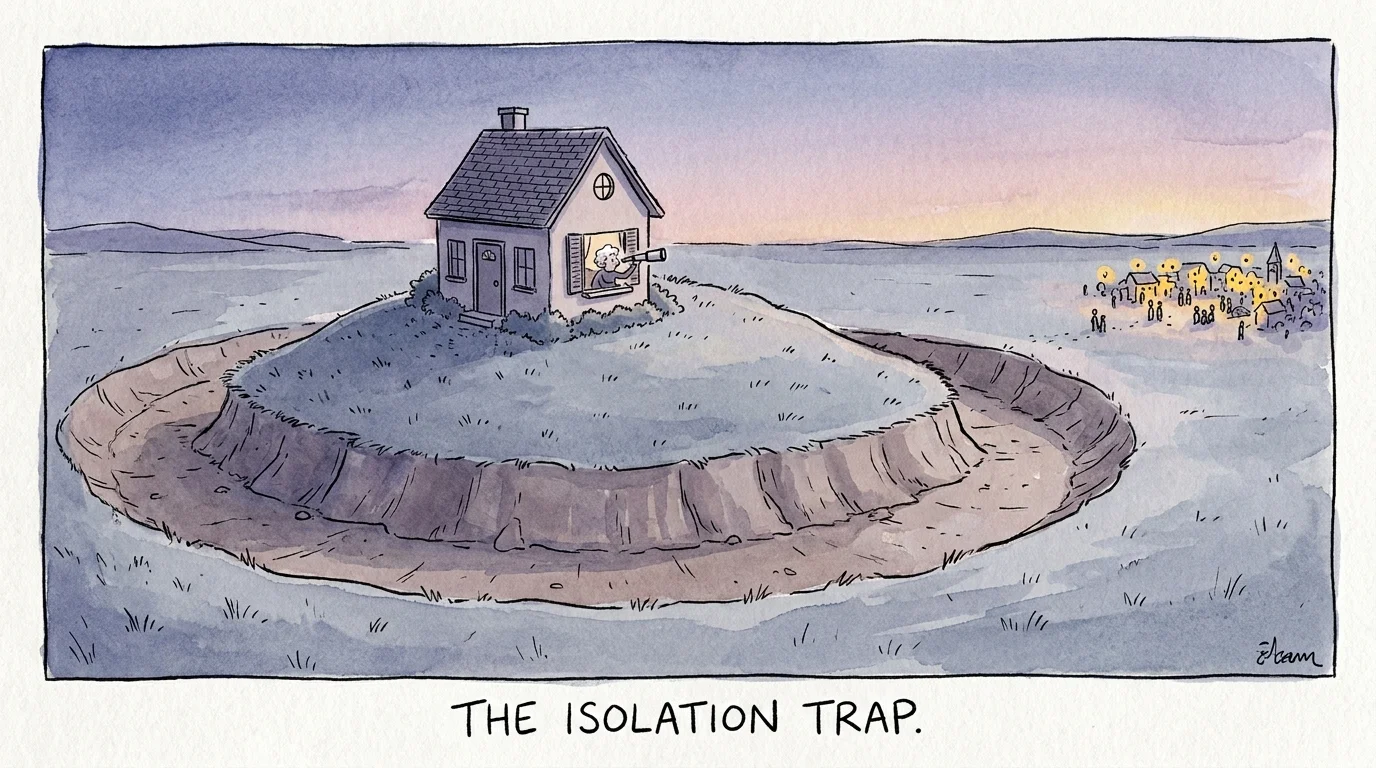
Finally, consider the reality of aging in place. If the town’s events require a 20-minute drive down a dark highway, your access to that free entertainment vanishes the moment you or your spouse can no longer comfortably drive at night. Always prioritize towns where events occur in centralized, easily navigable districts.
Frequently Asked Questions
Will moving to a new state for retirement affect my Medicare coverage?
If you are enrolled in Original Medicare (Part A and Part B), your coverage travels with you anywhere in the United States. However, if you rely on a Medicare Advantage plan (Part C) or a specific Part D prescription drug plan, you will almost certainly need to select a new plan when you change your primary address. Moving out of your plan’s service area triggers a Special Enrollment Period. You must visit the official Medicare.gov website to compare options available in your new zip code before relocating.
How do I establish a new social circle in a retirement town?
Treat your social life like a part-time job during your first six months. Do not wait for neighbors to knock on your door. Attend the same free community events consistently; repetition builds familiarity. Volunteer for local festival organizing committees, join the library’s foundation board, or participate in local parks cleanup days. Working alongside other residents provides a natural, structured way to build deep friendships quickly.
Are university towns always good for retirees?
University towns offer incredible perks: free access to collegiate lectures, diverse cultural performances, excellent medical facilities, and walkable campuses. However, you must carefully select your neighborhood. To avoid the noise, late-night parties, and parking shortages associated with student housing, work with a local real estate agent to find residential pockets specifically favored by university faculty or older professionals.
Do free community events truly save that much money?
Yes. According to federal consumer expenditure data, the average older household spends several thousand dollars annually on entertainment and socializing. By replacing paid theater tickets, expensive golf memberships, and pricey dinner covers with high-quality municipal concerts, art walks, and community festivals, you can effectively keep thousands of dollars in your portfolio each year, allowing those funds to continue compounding or covering vital healthcare costs.
Your Next Steps for a Socially Rich Retirement
Securing a socially vibrant retirement requires intentional planning and a willingness to explore new environments. Begin by narrowing down your preferred climate and geographic region. Once you have a shortlist, subscribe to the digital newsletters of the local parks and recreation departments for those specific towns. Monitoring their event calendars from afar provides a clear, objective view of how much the city invests in its residents.
Remember that a successful retirement heavily depends on your daily environment. Prioritize communities that naturally draw you out of your home and encourage organic connection with your peers. By choosing a town with abundant free events, you protect your fixed income while guaranteeing a socially engaged, deeply fulfilling lifestyle for the decades ahead.
This article provides general retirement education and information only. Every retiree’s situation is unique—what works for others may not work for you. For personalized advice, consider consulting a qualified financial professional such as a CFP or CPA.
Last updated: May 2026. Retirement benefits, tax rules, and healthcare regulations change frequently—verify current details with official sources.








Leave a Reply