
Finding the perfect retirement spot means looking past crowded beaches and expensive desert resorts to discover communities that actually stretch your savings while elevating your daily life. The most rewarding retirement destinations often hide in plain sight, blending top-tier healthcare systems, tax-friendly policies, and vibrant local cultures without the premium price tags of traditional hubs. Stepping off the beaten path reveals cities offering walkable downtowns, world-class university amenities, and stunning outdoor access. These hidden retirement gems provide the financial breathing room and engaging lifestyles modern retirees demand. Exploring these eight unexpected locations helps you find a community that perfectly aligns with your financial reality and your vision for an active, fulfilling next chapter.
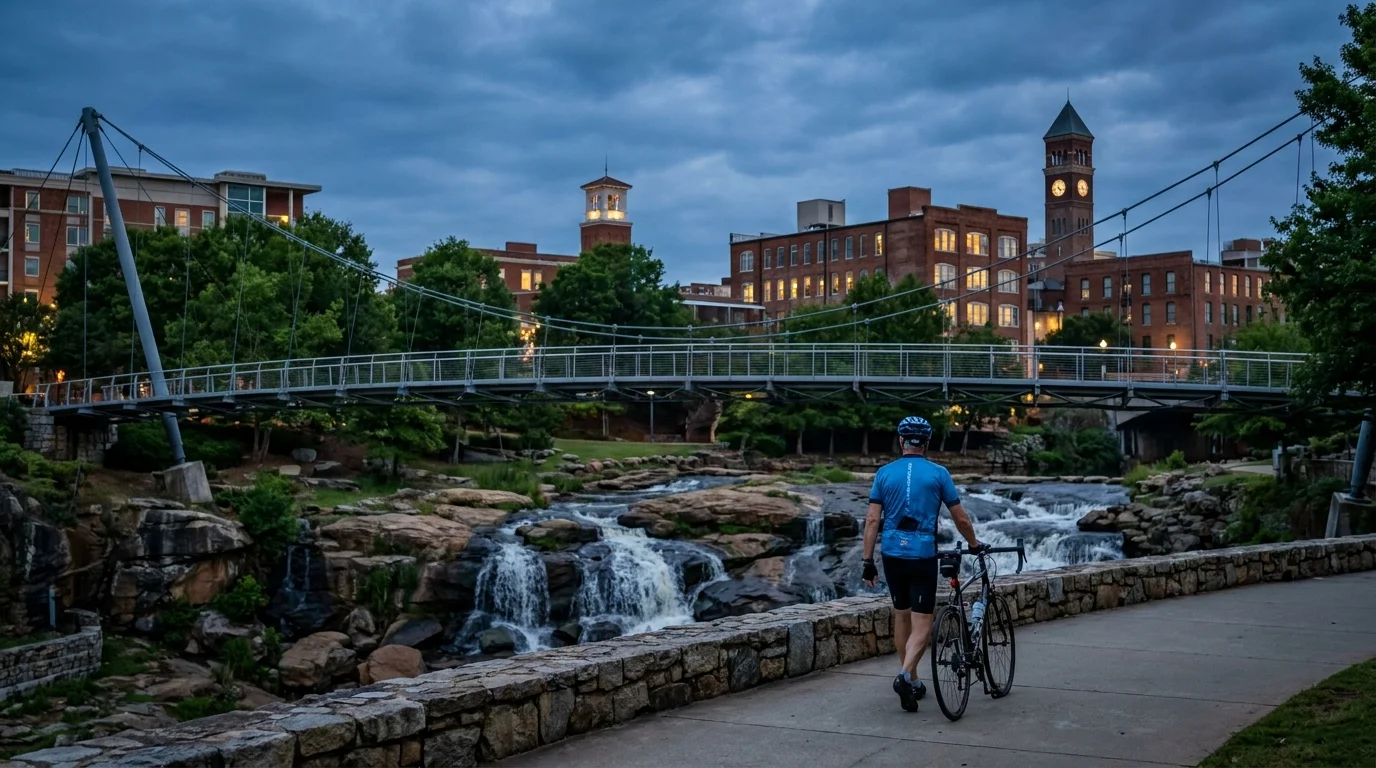
Greenville, South Carolina: Southern Charm Meets Urban Revitalization
Greenville frequently shocks first-time visitors with its sophisticated, highly walkable downtown. Anchored by Falls Park on the Reedy—a stunning public space featuring a curved suspension bridge and natural waterfalls right in the city center—Greenville proves that you do not need to live in a massive metropolis to enjoy world-class urban planning.
Retirees flock to Greenville for the active lifestyle. The Swamp Rabbit Trail offers over 20 miles of paved pathways connecting the city to nearby Travelers Rest, making cycling and walking a daily routine rather than a weekend event. The local culinary scene rivals cities three times its size, supported by a rich arts community centered around the Peace Center.
Financially, Greenville presents a compelling case. South Carolina completely exempts Social Security benefits from state income tax. Furthermore, residents aged 65 and older can deduct up to $15,000 of other retirement income. When you combine these tax advantages with a cost of living that sits comfortably below the national average, your retirement nest egg simply stretches further. The Prisma Health system provides excellent, comprehensive medical care right in the region, ensuring you have access to specialists without needing to travel out of state.

Ann Arbor, Michigan: Intellectual Energy and Premier Healthcare
Many people cross the Midwest off their retirement lists because of winter weather, missing out on some of the most engaging communities in the country. Ann Arbor challenges the traditional retirement narrative by offering an intellectually stimulating environment driven by the University of Michigan. Living in a college town keeps you deeply connected to the arts, continuous learning, and diverse cultural events.
The Osher Lifelong Learning Institute at the university offers hundreds of courses tailored specifically for older adults, fostering a strong community of active, curious retirees. The downtown area features independent bookstores, historic theaters, and exceptional global cuisine that you can enjoy year-round.
The biggest draw for Ann Arbor is healthcare. The University of Michigan Health System consistently ranks among the top hospitals in the nation, providing unparalleled access to cutting-edge treatments and top-tier specialists. While Michigan does tax some retirement income, the state offers generous exemption limits for older adults depending on their birth year. If you value world-class healthcare, vibrant autumns, and a community focused on learning, Ann Arbor easily justifies the need to keep a snow shovel handy.

Lancaster, Pennsylvania: The Ultimate East Coast Compromise
When you hear Lancaster, you might picture horse-drawn buggies and vast farmlands. While the rich agricultural heritage remains intact, the city of Lancaster has quietly transformed into an artistic, foodie-friendly haven. This unique blend of rural tranquility and urban revitalization makes it a constant fixture on lists of surprising retirement destinations.
The city features historic architecture, thriving farmer’s markets—including the famous Lancaster Central Market—and a vibrant gallery row. You get the tight-knit community feel of a small town alongside amenities typically reserved for larger urban areas.
Pennsylvania offers arguably the most aggressive tax benefits for retirees in the Northeast. The state does not tax Social Security benefits, nor does it tax distributions from 401(k) plans, IRAs, or pensions once you reach age 59 and a half. This total exemption of retirement income dramatically lowers your cost of living. Furthermore, Lancaster sits just a short train ride away from Philadelphia, New York City, and Washington, D.C., giving you effortless access to major metropolitan areas and international airports without paying their exorbitant property taxes.

Boise, Idaho: Wide Open Spaces and Tax Advantages
If you crave outdoor adventure but want the safety and amenities of a growing city, Boise delivers an exceptional retirement experience. Situated against the foothills of the Rocky Mountains, the city offers immediate access to hiking, fishing, and kayaking. The Boise River Greenbelt provides 25 miles of tree-lined pathways following the river directly through the heart of the city.
Boise boasts an incredibly low violent crime rate and a clean, easily navigable downtown. The city has experienced significant growth, bringing in an influx of new restaurants, craft breweries, and cultural institutions like the Boise Art Museum and the Morrison Center for the Performing Arts.
From a financial perspective, Idaho exempts Social Security benefits from state income taxes. The state also offers a grocery tax credit to help offset the sales tax on food. While housing prices in Boise have risen over the last decade due to its growing popularity, they remain significantly lower than coastal markets in California and Washington, making it a lucrative relocation target for retirees cashing out of high-cost western cities.

Huntsville, Alabama: Aerospace History and Unbeatable Affordability
Known as “Rocket City” due to its deep ties to NASA and the aerospace industry, Huntsville offers a unique demographic makeup. The city houses a massive concentration of engineers, scientists, and highly educated professionals, resulting in a community that values education, innovation, and technological advancement.
Huntsville provides a quiet, comfortable lifestyle with excellent infrastructure. You can explore the U.S. Space and Rocket Center, hike the trails of Monte Sano State Park, and enjoy the botanical gardens. The city’s layout minimizes traffic congestion, making daily errands and social outings stress-free.
Affordability serves as Huntsville’s most powerful magnet for retirees. Housing costs fall well below the national average, allowing you to downsize or purchase a beautiful forever home outright. Alabama features some of the lowest property taxes in the United States and fully exempts both Social Security and defined-benefit pensions from state income tax. This combination of low housing costs and favorable tax policies leaves you with significant disposable income to fund travel, hobbies, and family visits.

Winston-Salem, North Carolina: Arts, Innovation, and Value
While retirees heavily target Asheville and the Raleigh-Durham triangle, Winston-Salem quietly offers many of the same benefits at a fraction of the cost. Nicknamed the “City of Arts and Innovation,” Winston-Salem transformed its historical tobacco and textile infrastructure into modern loft apartments, research parks, and contemporary art spaces.
The city’s Innovation Quarter serves as a hub for biomedical research and technology, breathing vibrant economic life into the downtown area. Retirees enjoy strolling through the historic Old Salem Museums & Gardens, exploring local vineyards in the Yadkin Valley, and attending performances at the prestigious University of North Carolina School of the Arts.
Healthcare accessibility stands out in Winston-Salem. The presence of Wake Forest Baptist Medical Center ensures you have access to elite medical professionals and clinical trials right in your backyard. North Carolina features a flat income tax rate and exempts Social Security benefits. By choosing Winston-Salem over North Carolina’s more famous retirement hubs, you capture a high quality of life while preserving a larger portion of your wealth.

Lincoln, Nebraska: Midwestern Stability and Quiet Comfort
Lincoln frequently tops lists measuring citizen well-being and happiness, and for good reason. The city embodies Midwestern friendliness, offering a safe, deeply community-oriented environment. As the state capital and home to the University of Nebraska, Lincoln maintains a stable economy and a robust cultural calendar that punches well above its weight class.
Retirees appreciate Lincoln’s massive park system, which includes over 130 parks and 134 miles of trails. The Haymarket District provides a charming, historic downtown area filled with boutiques, cafes, and weekly farmer’s markets. Traffic is minimal, and the pace of life remains delightfully relaxed.
Nebraska recently took significant steps to become more attractive to retirees. The state phased out its taxation on Social Security benefits entirely. While property taxes can be slightly higher than in some southern states, the overall low cost of living, affordable healthcare, and inexpensive housing market make Lincoln an incredibly financially secure choice. If you value a grounded, neighborly atmosphere over ocean views, Lincoln deserves your attention.

Fort Collins, Colorado: Active Living in the Foothills
For those who view retirement as an opportunity to ramp up their physical activity, Fort Collins serves as an ideal basecamp. Located roughly an hour north of Denver, this city offers the quintessential Colorado lifestyle without the intense congestion and eye-watering real estate prices of Boulder or Denver.
Fort Collins is notoriously bicycle-friendly, featuring miles of dedicated lanes and paved trails. The proximity to Horsetooth Reservoir and the Rocky Mountain foothills means you can spend your mornings hiking or paddleboarding. The city also hosts a vibrant historic downtown—which famously inspired the design of Disneyland’s Main Street USA—and a legendary craft brewing culture.
Colorado offers a generous pension and annuity subtraction, allowing retirees aged 65 and older to deduct a significant amount of retirement income (including Social Security) from their state taxes. The presence of Colorado State University ensures access to continuing education and college athletics, while the UCHealth system provides highly rated medical care throughout the region.
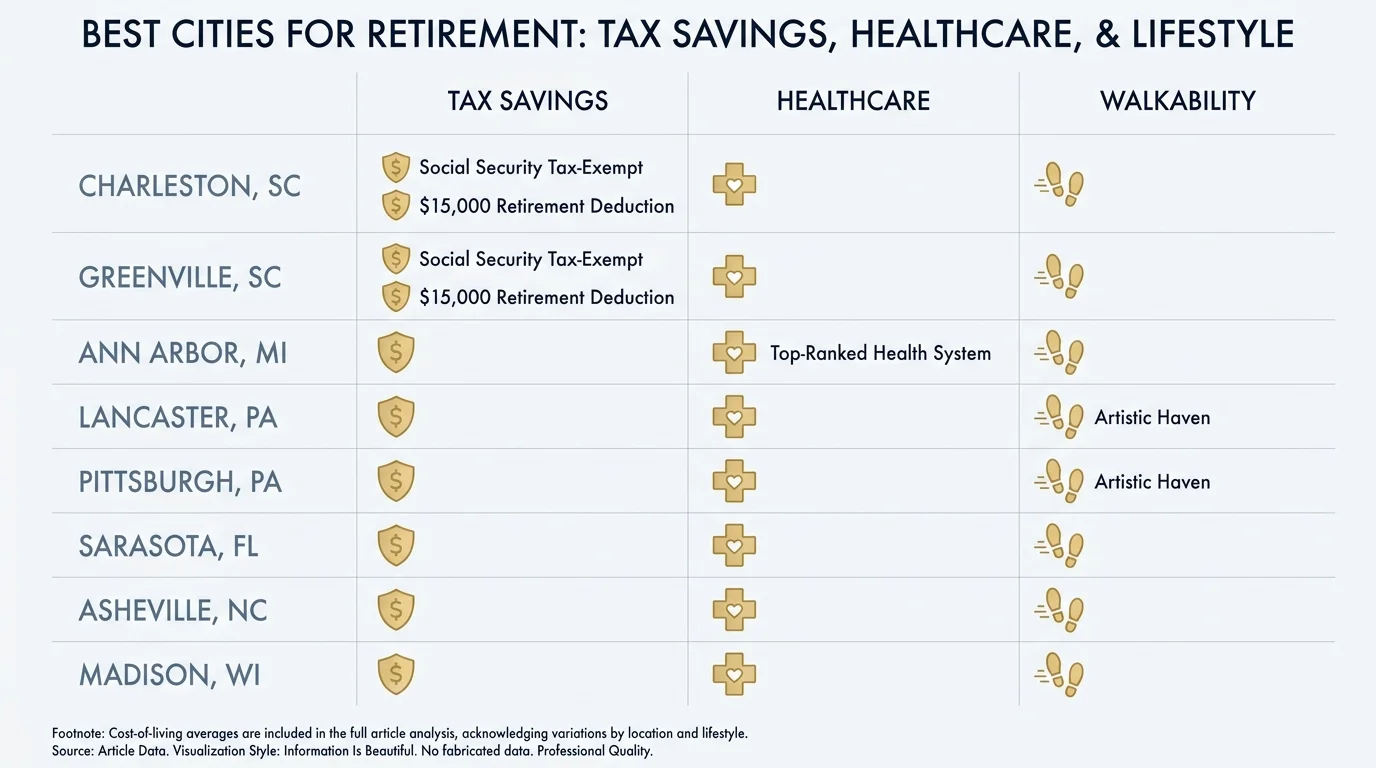
Comparing the Hidden Gems: Cost of Living and Healthcare
When evaluating these surprising destinations, seeing the data side-by-side helps clarify which locations align with your financial parameters. Housing costs and tax policies vary wildly from state to state.
| Destination | Estimated Median Home Price (2026) | State Tax on Social Security | Key Standout Feature |
|---|---|---|---|
| Greenville, SC | $315,000 | Exempt | Walkable downtown and mild winters |
| Ann Arbor, MI | $485,000 | Exempt (with conditions) | Elite university hospital access |
| Lancaster, PA | $350,000 | Exempt | No state tax on IRA/401(k) withdrawals |
| Boise, ID | $475,000 | Exempt | Unmatched outdoor recreation |
| Huntsville, AL | $295,000 | Exempt | Incredibly low property taxes |
| Winston-Salem, NC | $280,000 | Exempt | High-value alternative to major NC hubs |
| Lincoln, NE | $290,000 | Exempt | Exceptional safety and community well-being |
| Fort Collins, CO | $560,000 | Exempt (with generous deductions) | 300 days of sunshine and active lifestyle |

Key Factors When Evaluating Unexpected Places to Retire
Looking past the obvious retirement destinations requires you to build a framework for evaluating unfamiliar cities. Before you commit to a relocation, prioritize these essential elements to ensure the location actually supports your long-term needs.
- Healthcare Access and Quality: A charming small town loses its appeal quickly if you have to drive three hours to see a cardiologist. Investigate the local hospital systems. You can use tools on Medicare.gov to compare hospital ratings and ensure local providers accept your specific Medicare Advantage or Supplement plan.
- The True Tax Burden: Do not just look at income tax. You must evaluate the combination of property taxes, sales taxes, and how the state handles pension and retirement account withdrawals. Resources like the Kiplinger state tax guide can help you model your actual tax liability in a new state.
- Climate Resilience and Accessibility: Consider how the local weather impacts your mobility and home maintenance requirements as you age. Look for cities with robust infrastructure, reliable snow removal, and comprehensive emergency services.
- Social Infrastructure: Isolation poses a severe threat to retirees. Seek out locations with active community centers, university extension programs, volunteer networks, and public transportation options that allow you to remain independent even if you stop driving. You can evaluate the social and physical infrastructure of any zip code using the AARP Livability Index.
“Retirement is an artificial finish line. It’s really about transitioning into a life where you have the freedom to choose your purpose.” — Mitch Anthony, Retirement Lifestyle Expert

Common Mistakes to Avoid When Relocating
Moving during retirement involves significant financial and emotional capital. Protect your transition by avoiding these frequent relocation errors.
Buying a Home Sight Unseen or Too Quickly: Never purchase a home in a new city without spending substantial time there first. Rent an apartment or a short-term vacation property for at least three to six months. Experience the local traffic, navigate the grocery stores, and endure the worst weather season the city offers before locking up your cash in real estate.
Ignoring Distance to Family and Major Airports: A hidden gem nestled deep in the mountains might sound romantic, but if it takes a two-hour drive to reach a regional airport, visiting family becomes a stressful, expensive chore. Ensure your new location offers straightforward travel logistics for both you and your visitors.
Overlooking Estate Taxes: Many retirees carefully analyze income and property taxes but forget to research estate and inheritance taxes. Several states still impose taxes on the transfer of wealth, which could significantly impact the legacy you intend to leave your heirs. Always verify a state’s specific estate tax laws before establishing residency.
Frequently Asked Questions About Retirement Relocation
Should I rent first when moving to a new retirement destination?
Absolutely. Renting for six months to a year allows you to test the waters without the financial friction of real estate transactions. It gives you time to learn the neighborhoods, find the right doctors, and confirm that the lifestyle matches your expectations before committing permanently.
How do state taxes impact my overall retirement budget?
State taxes can dramatically alter your cash flow. A state that does not tax Social Security or IRA distributions can save you thousands of dollars annually, effectively increasing your monthly budget. However, always balance income tax savings against local property and sales taxes to understand your total tax burden.
Does Medicare coverage change if I move out of state?
Original Medicare (Parts A and B) remains valid anywhere in the United States. However, if you hold a Medicare Advantage (Part C) plan or a specific Part D prescription drug plan, moving to a new zip code usually triggers a Special Enrollment Period, requiring you to select a new plan available in your new county.
Finding your ideal retirement destination requires matching your financial resources with your lifestyle goals. Use this list as a starting point, plan a few extended visits to the cities that catch your eye, and experience the community culture firsthand before making your decision.
The information in this guide is meant for educational purposes. Your specific circumstances—including income, health needs, tax situation, and goals—may require different approaches. When in doubt, consult a licensed professional.
Last updated: May 2026. Retirement benefits, tax rules, and healthcare regulations change frequently—verify current details with official sources.









Leave a Reply