
Finding the perfect place to settle down after decades of work requires balancing affordability, healthcare access, and an environment that genuinely supports your wellbeing. The most desirable retirement cities offer peaceful neighborhoods where you can walk safely, sleep soundly, and enjoy a strong sense of community without the chaotic pace of major metropolitan hubs. Choosing your ideal destination means evaluating local tax burdens, weather patterns, and the availability of specialized medical care alongside those quiet, tree-lined streets. This guide breaks down ten exceptional cities across the United States that deliver tranquility without sacrificing essential amenities, helping you identify the right geographic match for your lifestyle preferences and long-term financial security.
The Essentials
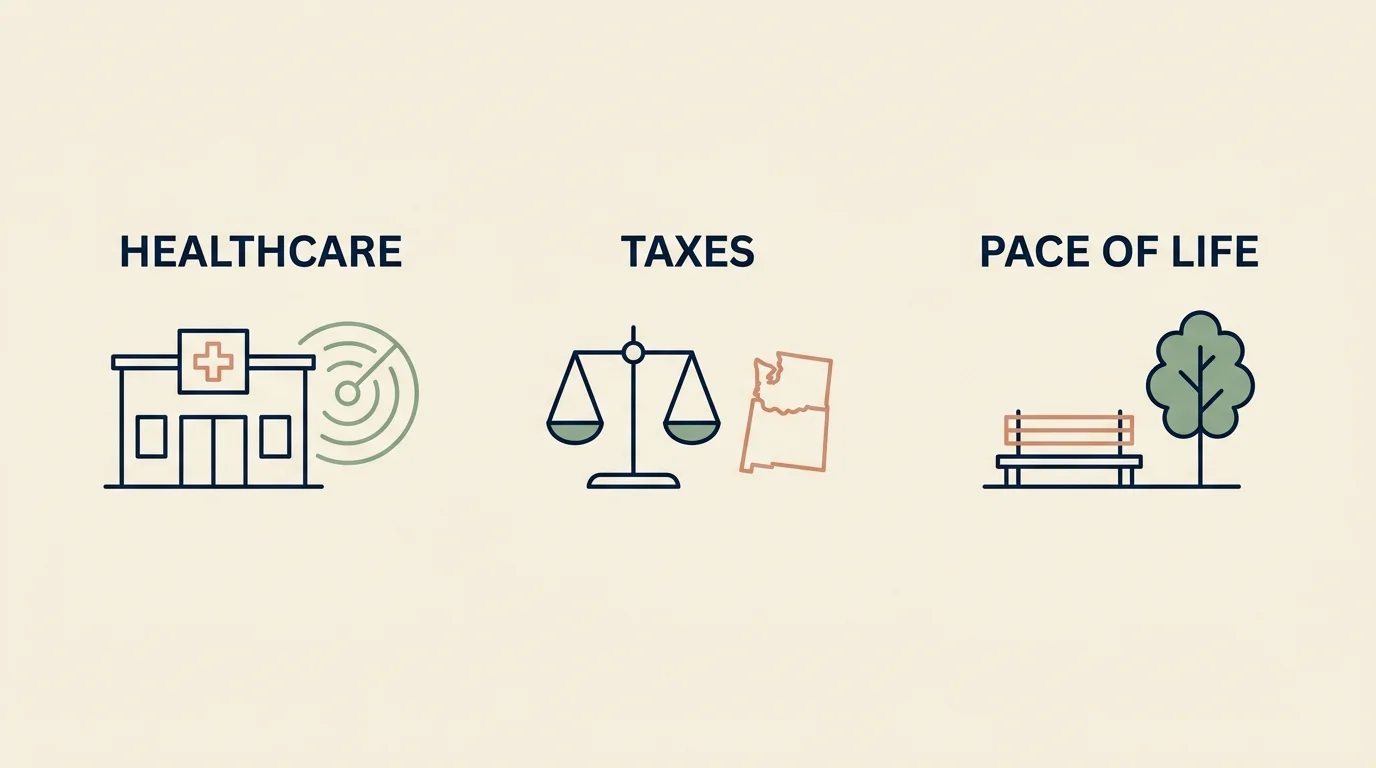
- Healthcare proximity matters: A peaceful neighborhood loses its appeal if you have to drive two hours for specialized medical care or emergency services.
- Tax implications vary widely: Moving across state lines can drastically alter how your pension, Social Security, and retirement account withdrawals are taxed.
- Pace of life dictates happiness: The best retirement cities balance quiet residential streets with vibrant, accessible cultural and recreational activities.
Defining a Peaceful Neighborhood in Retirement
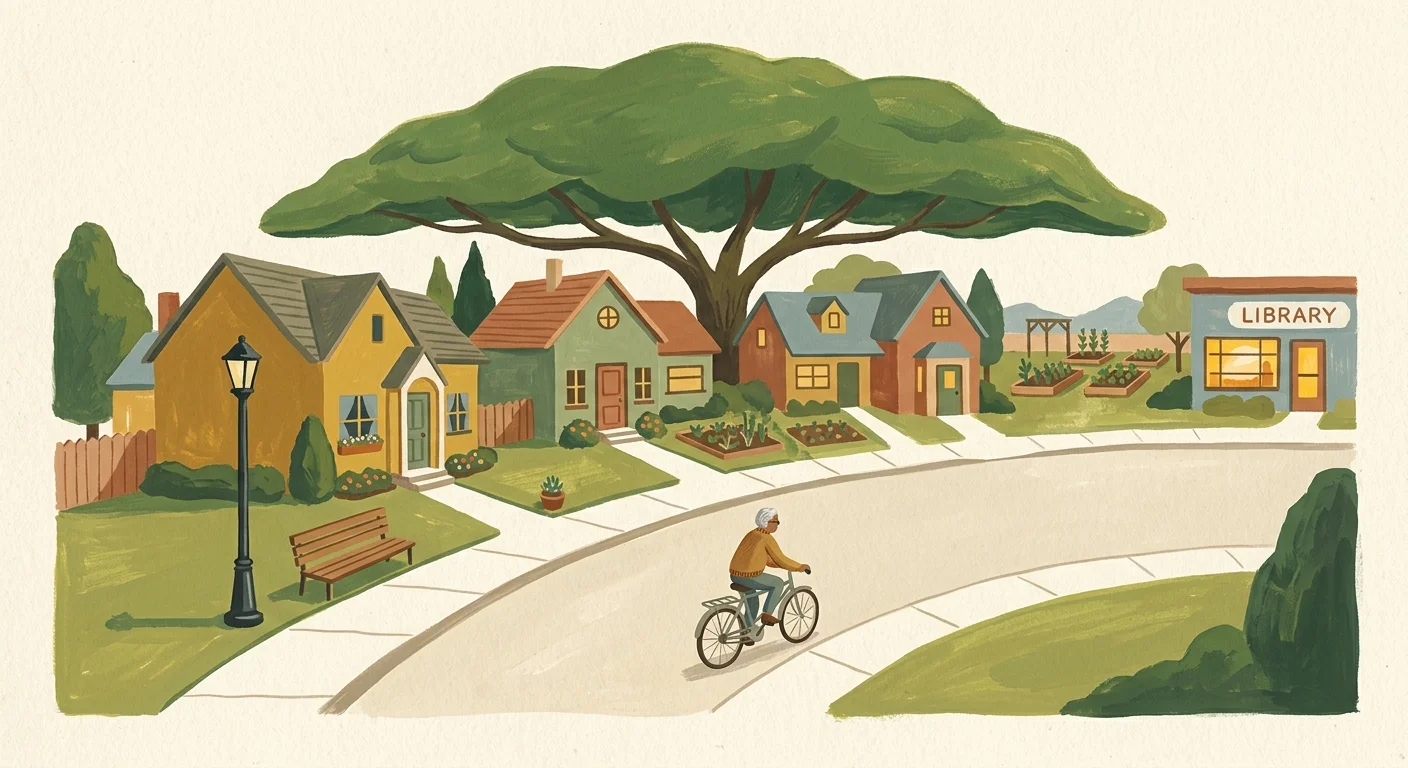
Peace and quiet in retirement extend far beyond low decibel levels; it encompasses physical safety, financial predictability, and environmental stability. When evaluating a potential relocation destination, you must look at how the community operates on a day-to-day basis. A genuinely peaceful neighborhood features strict local zoning laws that prevent heavy commercial traffic from routing through residential streets, well-maintained sidewalks that encourage evening strolls, and a visible but unobtrusive community watch or local police presence.
Financial peace of mind is equally critical to your daily tranquility. Living in a serene, forested enclave is stressful if the local property taxes skyrocket every year or if the cost of living forces you to drain your portfolio faster than anticipated. You want a locale that aligns with your fixed-income strategy while providing robust local services. This means researching municipal bond ratings, historical property tax trends, and the financial health of local homeowners associations before making an offer on a house.
“Retirement is an opportunity to reinvent yourself. You have the time, the experience, and the wisdom to create a life that brings you joy and purpose.” — Mitch Anthony, Retirement Lifestyle Expert
Finally, consider the social infrastructure. Peaceful does not mean isolated. The healthiest neighborhoods for retirees foster organic social interactions without forcing participation. Look for communities with accessible parks, local libraries, community gardens, and walkable town centers. These amenities provide the foundation for an active, engaged lifestyle while allowing you to retreat to the quiet comfort of your home whenever you choose.
10 Best Retirement Cities With Peaceful Neighborhoods
The following cities have been selected based on their consistently low crime rates in residential areas, access to top-tier healthcare, favorable or manageable tax environments, and overall quality of life for older adults.
1. Cary, North Carolina
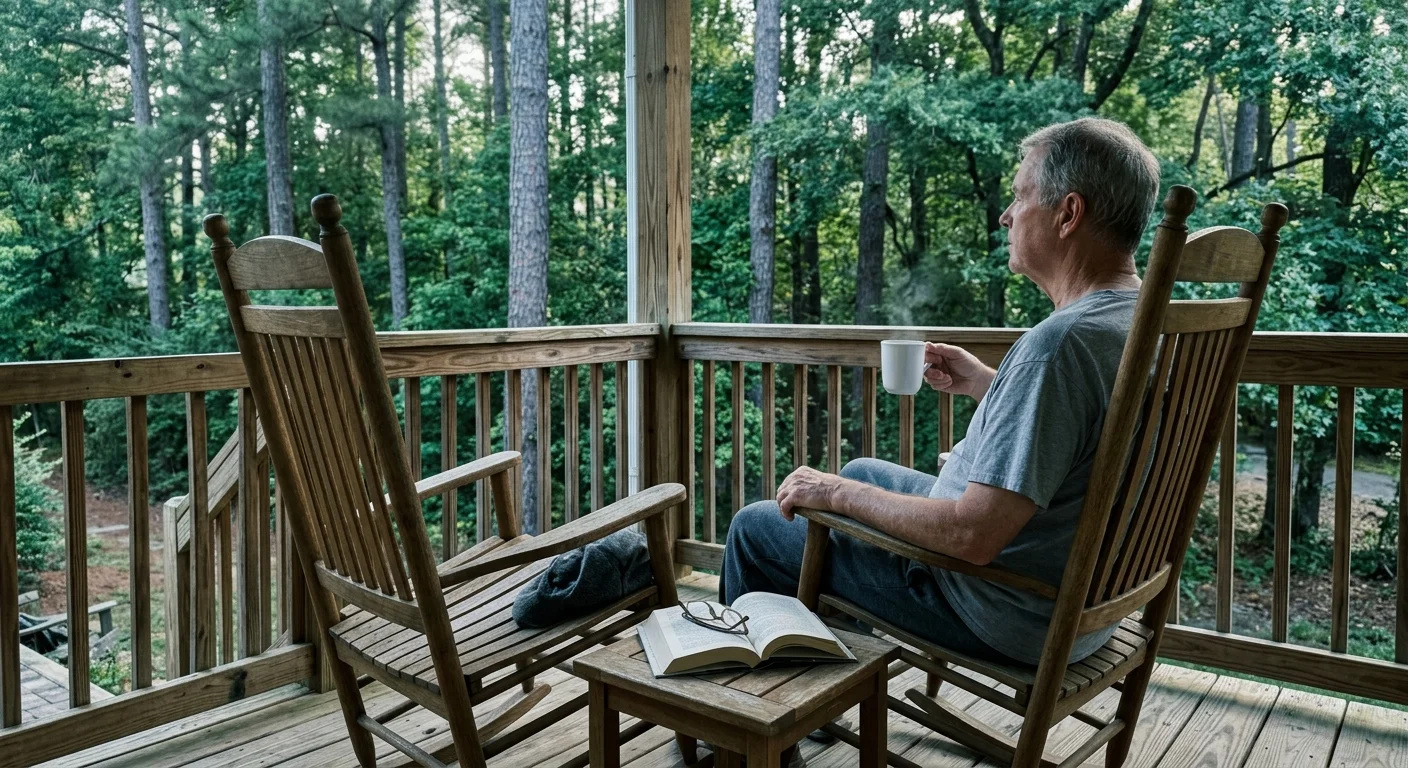
Located in the heart of the Research Triangle, Cary consistently ranks as one of the safest cities of its size in the United States. The town is famous for its meticulous urban planning, which mandates extensive tree canopies, paved greenways, and strict zoning that keeps commercial noise far away from residential subdivisions. You can enjoy a quiet cup of coffee on your porch without the interruption of heavy traffic or industrial noise.
From a healthcare perspective, Cary offers unparalleled advantages. You are minutes away from world-class medical facilities, including Duke Health and UNC Hospitals, providing access to cutting-edge treatments and specialists. North Carolina offers a reasonable financial environment for retirees; the state does not tax Social Security benefits, though withdrawals from 401(k)s and IRAs are subject to a flat state income tax rate.
The climate features four distinct but mild seasons, allowing for year-round outdoor activities. The town maintains over 80 miles of greenway trails, perfect for walking, jogging, or cycling safely away from vehicular traffic. Neighborhoods like Preston and Lochmere offer serene lake views and golf course living tailored to a relaxed pace of life.
2. Naples, Florida
For those seeking warmth and luxury, Naples remains a premier retirement destination. Situated on the Gulf of Mexico, this city boasts some of the most tranquil and pristine neighborhoods in the country. Master-planned communities like Pelican Bay and Lely Resort are designed specifically with tranquility in mind, featuring private nature preserves, manicured landscaping, and quiet, winding streets.
Florida’s tax structure is highly favorable for retirees. There is no state income tax, meaning your Social Security, pensions, and retirement account withdrawals remain entirely yours. However, you must carefully budget for higher property insurance premiums and homeowners association fees, which have risen significantly in recent years.
Healthcare in Naples is exceptional, catering heavily to an older demographic. The NCH Healthcare System and nearby facilities offer comprehensive senior care. The lifestyle here is centered around quiet beaches, world-class golf courses, and upscale dining, making it ideal if you want a resort-like atmosphere combined with residential peace.
3. Lancaster, Pennsylvania
Lancaster provides a unique blend of rural charm and modern urban amenities, making it a highly sought-after destination for retirees who value a quiet, grounded lifestyle. The surrounding Amish countryside sets a naturally slower pace, while the historic downtown offers vibrant cultural experiences, theaters, and farm-to-table dining. The residential neighborhoods on the outskirts of the city are characterized by historic homes, quiet streets, and tight-knit communities.
Pennsylvania is one of the most tax-friendly states for retirees. The state does not tax Social Security benefits, nor does it tax income from pensions or retirement accounts for residents over the age of 59 and a half. This substantial tax advantage allows you to stretch your retirement savings much further than in neighboring states.
Healthcare access is robust, anchored by Penn Medicine Lancaster General Health, which provides comprehensive, high-quality medical services. The cost of living in Lancaster remains below the national average, making it an excellent choice for budget-conscious retirees who refuse to compromise on safety, healthcare, or neighborhood tranquility.
4. Ann Arbor, Michigan
If you thrive in an intellectually stimulating environment but still crave a quiet place to call home, Ann Arbor is an exceptional choice. Home to the University of Michigan, the city offers the cultural and educational perks of a major college town—including lifelong learning institutes for seniors—while maintaining highly peaceful residential areas like Burns Park and Ann Arbor Hills.
Access to healthcare is a primary draw. Michigan Medicine is consistently ranked among the top hospitals in the nation, offering specialized care across geriatrics, neurology, and cardiology. When you are managing chronic health conditions or simply want the peace of mind that comes with elite medical care, living minutes from this campus is invaluable.
Financially, Michigan offers a favorable landscape. While the state has a flat income tax, it provides significant exemptions for retirement income depending on your birth year, and Social Security is completely exempt. The city experiences harsh winters, which you must factor into your decision, but the vibrant spring, mild summer, and stunning autumn make the seasonal shift worthwhile for many.
5. Boise, Idaho
Boise has emerged as a top retirement destination for active adults who want access to nature without the crowds and chaos of larger mountain cities. The North End neighborhood, with its tree-lined streets, historic homes, and direct access to the Boise Foothills, exemplifies the peaceful living retirees seek. Crime rates are remarkably low, and the local culture places a high value on community and outdoor recreation.
The city features a relatively low cost of living compared to coastal retirement hubs, though housing prices have increased over the last decade. Idaho taxes most retirement income, but Social Security benefits are exempt. The state also offers a property tax reduction program for qualifying seniors, helping you manage long-term housing costs.
Healthcare is provided by the St. Luke’s and Saint Alphonsus health systems, both of which offer comprehensive services and expanding specialized care networks. If your ideal retirement involves quiet mornings, afternoon hikes, and feeling safe walking your dog at dusk, Boise offers a compelling package.
6. Prescott, Arizona
Positioned at an elevation of 5,200 feet, Prescott offers a cooler, more temperate alternative to the scorching summers of Phoenix or Tucson. Surrounded by the Prescott National Forest, the city provides a deeply peaceful environment characterized by clean air, pine trees, and stunning granite landscapes. Neighborhoods here are quiet, spread out, and frequently integrate seamlessly into the natural surroundings.
Prescott is rich in western history, and its downtown plaza serves as a calm but active gathering place. Arizona is moderately tax-friendly for retirees; Social Security is exempt from state income taxes, though distributions from retirement accounts are taxed. Property taxes in Yavapai County are generally low, helping to stabilize your monthly housing budget.
Medical care is anchored by the Dignity Health Yavapai Regional Medical Center, which adequately serves the local senior population. For highly specialized medical procedures, Phoenix is only a two-hour drive away. Prescott is perfect if you desire a quiet, nature-focused retirement with a strong sense of local heritage.
7. Fort Collins, Colorado
Nestled at the base of the Rocky Mountain foothills, Fort Collins is renowned for its exceptional quality of life, extensive bike paths, and peaceful residential zoning. Neighborhoods surrounding Horsetooth Reservoir or tucked away in the southern part of the city offer serene, quiet living with immediate access to outdoor recreation.
Colorado offers a generous retirement income deduction for residents over 55, allowing you to exclude a significant portion of your pension, annuity, and IRA income from state taxes. Property taxes are also lower than the national average, though the initial cost of purchasing a home in Fort Collins can be steep.
The UCHealth system provides excellent medical care, and the city’s overall focus on wellness makes it easy to maintain a healthy lifestyle. With over 300 days of sunshine a year, Fort Collins allows active retirees to enjoy a peaceful, health-oriented lifestyle in a vibrant, safe community.
8. Charlottesville, Virginia
Steeped in history and surrounded by the Blue Ridge Mountains, Charlottesville offers a refined, peaceful retirement experience. Areas like Crozet, situated just outside the city center, provide stunning mountain views, quiet streets, and a relaxed pace of life while remaining close to modern amenities.
The University of Virginia (UVA) Medical Center is a massive draw for retirees, offering nationally ranked specialties and cutting-edge treatments. Knowing that top-tier emergency and specialized care is just down the road provides immense peace of mind.
Virginia does not tax Social Security, and it offers an age deduction for residents 65 and older that can significantly reduce taxable income. The combination of historical charm, academic energy, superb healthcare, and quiet residential enclaves makes Charlottesville a premier choice for a sophisticated retirement.
9. Green Valley, Arizona
Unlike the other cities on this list, Green Valley is an unincorporated community designed almost entirely for active adults and retirees. Located south of Tucson, this area is made up of numerous 55-plus neighborhoods that prioritize peace, quiet, and recreation. Golf carts are a primary mode of transportation on the residential streets, and the strict community guidelines ensure noise and disruptions are kept to an absolute minimum.
The cost of living in Green Valley is highly attractive, making it easy to stretch a fixed income. Housing is affordable, and the community shares resources like recreation centers, pools, and hobby shops through the Green Valley Recreation organization.
Healthcare needs are met by the nearby Santa Cruz Valley Regional Hospital, and the extensive medical infrastructure of Tucson is less than 40 minutes away. If you want a retirement environment specifically tailored to seniors where peace and quiet are practically guaranteed by community design, Green Valley is unmatched.
10. Madison, Wisconsin
Built on an isthmus between two stunning lakes, Madison combines natural beauty with the amenities of a state capital and university town. Neighborhoods like Shorewood Hills and Nakoma offer peaceful, heavily wooded streets that feel remarkably isolated from the hustle and bustle, despite being just minutes from the city center.
Madison’s healthcare infrastructure is world-class, led by UW Health and American Family Children’s Hospital facilities, ensuring that you have access to some of the best medical professionals in the Midwest. The city is highly walkable and frequently ranks as one of the best cities for cycling in the country.
Wisconsin’s tax picture requires careful planning; while Social Security is exempt, the state taxes most other retirement income. Furthermore, property taxes are relatively high. However, many retirees find that the exceptional local services, safety, and pristine neighborhood environments more than justify the cost.

Comparing Living Costs and Healthcare Quality
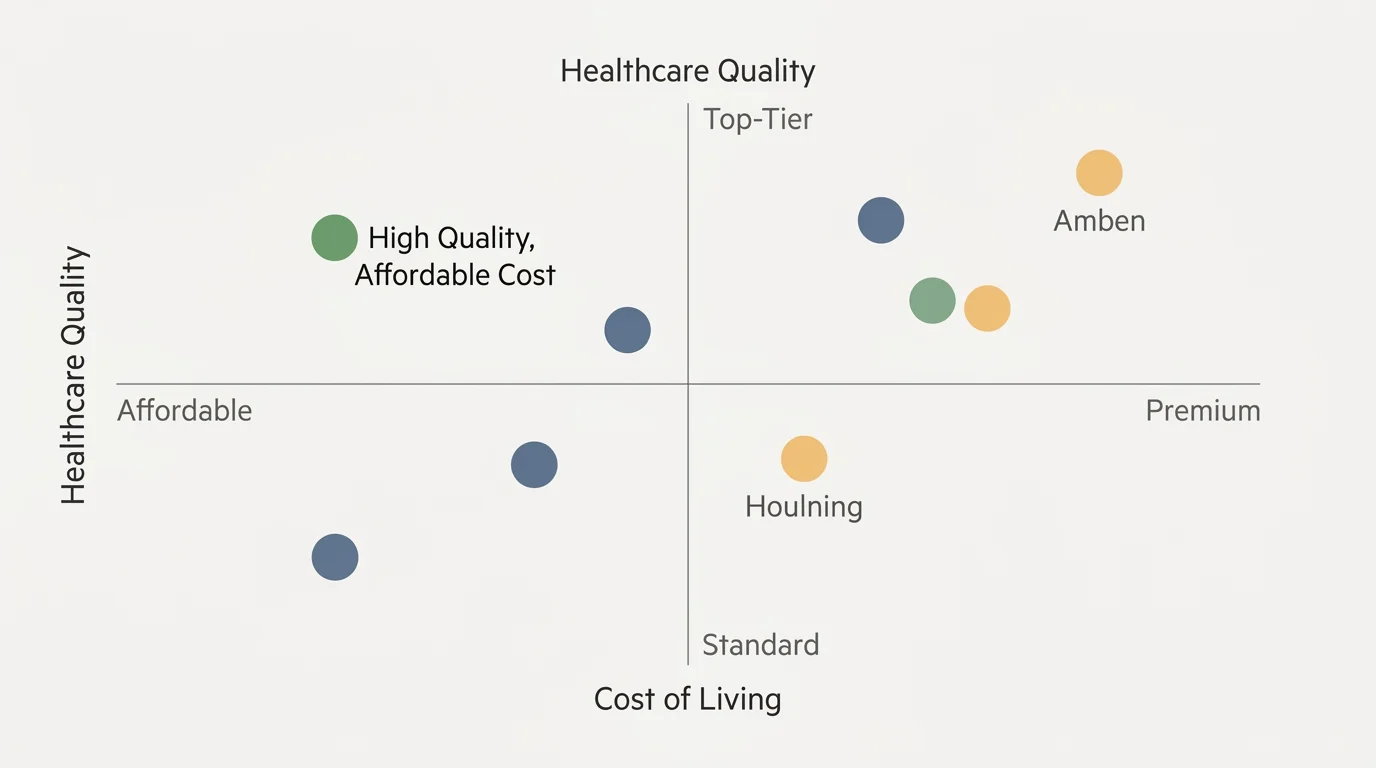
When selecting a peaceful retirement destination, you must weigh the upfront cost of housing against ongoing tax liabilities and the quality of local services. Using data compiled from resources like Bankrate and local municipality reports, this table provides a high-level comparison of our top ten cities.
| City | Median Housing Cost | State Tax on Social Security? | Healthcare Access Quality |
|---|---|---|---|
| Cary, NC | High | No | Excellent |
| Naples, FL | Very High | No | Excellent |
| Lancaster, PA | Moderate | No | Very Good |
| Ann Arbor, MI | High | No | Outstanding |
| Boise, ID | High | No | Good |
| Prescott, AZ | Moderate | No | Good |
| Fort Collins, CO | High | No | Very Good |
| Charlottesville, VA | High | No | Excellent |
| Green Valley, AZ | Low | No | Good |
| Madison, WI | High | No | Outstanding |

Avoiding Common Relocation Errors
Relocating in retirement is a massive financial and emotional undertaking. Even if a city looks perfect on paper, failing to account for practical realities can turn a dream move into a stressful mistake. Protect your retirement strategy by avoiding these common missteps.
Buying a Home Sight Unseen
Never purchase a retirement home without spending significant time in the specific neighborhood. A street that seems peaceful on a Tuesday morning might become a loud, congested cut-through during evening rush hour. Rent an Airbnb or short-term apartment in your target neighborhood for at least a month. Visit the local grocery store, observe the traffic patterns, and listen to the ambient noise at night before committing your capital.
Ignoring the Impact of HOA Regulations
Many of the most peaceful neighborhoods maintain their tranquility through strict Homeowners Associations (HOAs). While these organizations enforce rules that keep the neighborhood beautiful, they also impose fees that generally rise every year. Before moving, demand to see the HOA’s reserve study to ensure they have enough funds to cover future repairs. Underfunded HOAs will inevitably hit residents with massive special assessments.
Overlooking Future Mobility Needs
A multi-story home on a quiet, steep mountain road sounds idyllic for a healthy 65-year-old, but it can become a prison for an 80-year-old with mobility issues. As noted by the AARP, aging in place requires homes with primary-level living, minimal stairs, and accessible bathrooms. Choose a peaceful neighborhood that also offers flat, walkable terrain and housing layouts that will accommodate you as you age.
Frequently Asked Questions
How do I research neighborhood crime rates before moving?
You should consult multiple sources to get an accurate picture of neighborhood safety. Start by contacting the local police department and asking for a crime map of the specific zip code. You can also use municipal databases and neighborhood watch forums. Remember to look specifically at violent crime and property crime trends over the last five years, rather than just a single snapshot in time.
Are 55-plus communities more peaceful than traditional neighborhoods?
Generally, age-restricted communities are quieter because they lack the daily disruptions of school buses, commuting workers, and loud late-night gatherings. These communities are explicitly designed for tranquility, often featuring sound-mitigating landscaping and strict noise ordinances. However, traditional neighborhoods with strong zoning laws and active neighborhood associations can be equally peaceful while offering a more diverse, multi-generational environment.
How does relocating to a new state affect my Medicare coverage?
Original Medicare (Parts A and B) is a federal program, meaning your coverage remains the same anywhere in the United States. However, if you are enrolled in a Medicare Advantage (Part C) plan or a standalone Part D prescription drug plan, you must update your address with Medicare.gov and switch to a plan available in your new zip code. Failure to do so can result in losing coverage or paying out-of-network costs.
Should I prioritize being close to family or finding a peaceful location?
This is a deeply personal decision that balances emotional support against daily quality of life. Many retirees find a compromise by choosing a peaceful, affordable town within a two-hour drive or a short direct flight from their children. This allows for frequent visits and emergency support without forcing you to live in a high-stress, high-cost metropolitan area.
Choosing the best retirement city is about aligning your daily environment with your financial realities and health needs. Take your time, run the numbers on state taxes and cost of living, and physically spend time in these neighborhoods to ensure they meet your definition of peace. A successful relocation will set the foundation for a vibrant, secure, and deeply satisfying retirement.
The information in this guide is meant for educational purposes. Your specific circumstances—including income, health needs, tax situation, and goals—may require different approaches. When in doubt, consult a licensed professional.
Last updated: July 2026. Retirement benefits, tax rules, and healthcare regulations change frequently—verify current details with official sources.









Leave a Reply