
Nearly 80 percent of adults over age 50 want to remain in their current residences as they age, according to data from the AARP. Yet, as physical needs change and home maintenance becomes burdensome, many assume a traditional retirement facility is their only realistic option.
Traditional facilities offer security and care, but they also require a massive lifestyle shift and a substantial financial commitment. You have more choices today than at any point in history. The housing market, community organizations, and healthcare systems have evolved to support a wide spectrum of senior living alternatives. Whether you want to downsize, travel the country, or retrofit your current house to safely support you for decades, you can build a living arrangement that matches your exact preferences.
Evaluating these options requires you to look honestly at your finances, your social needs, and your potential future health requirements. Here are 12 practical alternatives to standard retirement homes, ranging from simple home modifications to entirely new ways of living.
01 Aging in Place with Universal Design
Aging in place remains the most popular choice for older Americans. Remaining in your home allows you to maintain your established social networks, keep your favorite routines, and avoid the trauma of a major relocation. However, aging in place requires proactive modifications before a health crisis forces the issue.
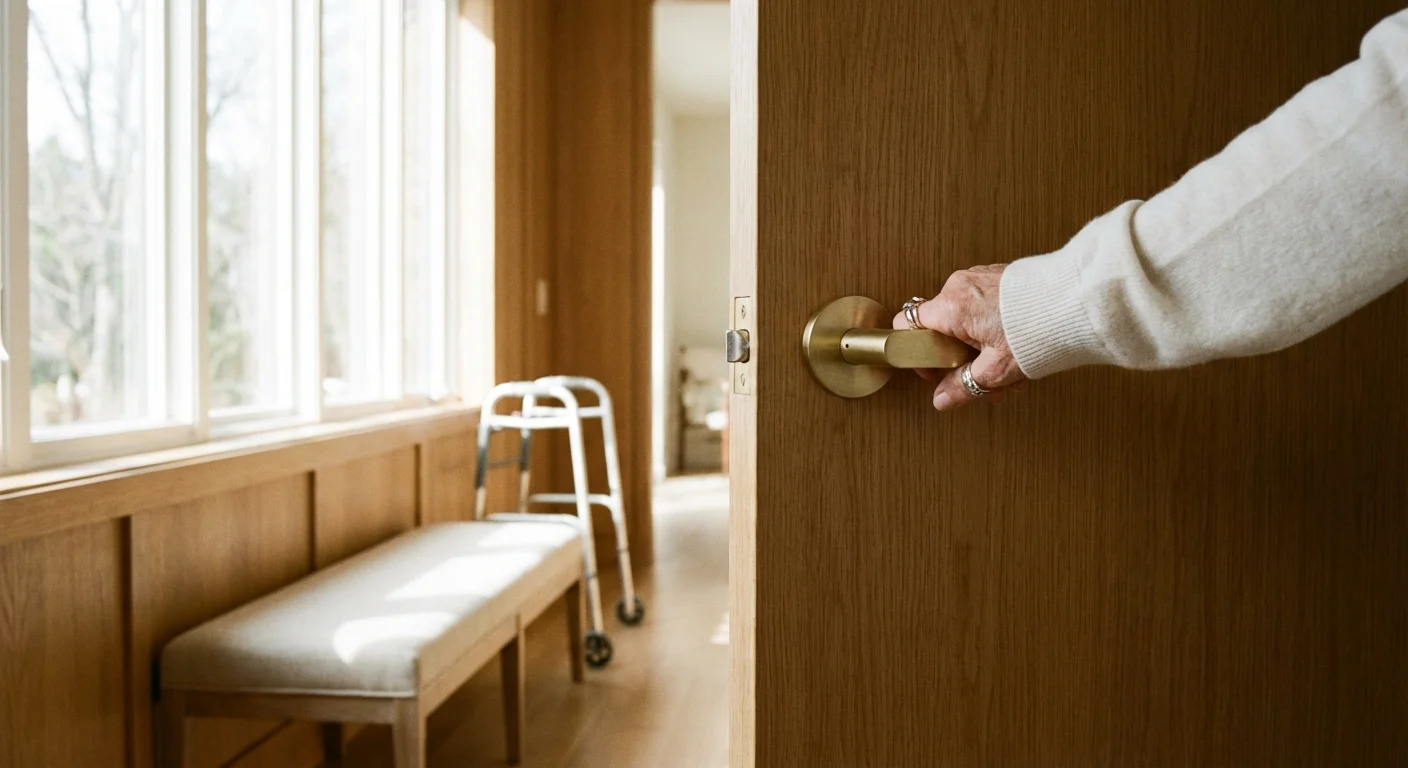
To safely implement aging in place options, you must assess your home through the lens of Universal Design—the concept of building or modifying spaces to be accessible to everyone, regardless of age or physical ability. Practical modifications include installing zero-entry showers, replacing doorknobs with lever-style handles, widening doorways to accommodate walkers or wheelchairs, and moving the primary bedroom to the ground floor. The National Institute on Aging (NIA) recommends scheduling a home safety assessment with an occupational therapist to identify hidden fall risks and necessary upgrades.