
Leaving behind a highly structured career often triggers an unexpected wave of anxiety rather than the immediate relaxation you anticipated. Without the familiar rhythm of commutes and clear expectations, the sudden vastness of free time can quickly feel overwhelming. Building a deliberate retirement lifestyle is the most effective way to protect your mental well-being during this major life transition. Retirees who intentionally design their daily schedules consistently report lower stress levels, better sleep, and a deeper sense of purpose. By adopting specific daily and weekly habits—ranging from morning physical activity to scheduled financial check-ins—you replace the external demands of a career with routines that prioritize your happiness, physical vitality, and peace of mind.

1. Anchor Your Morning With Purposeful Movement
The way you spend your first waking hour sets the neurological tone for your entire day. When you transition into retirement, the urgency of an alarm clock and a morning commute vanishes. Replacing that lost urgency with a dedicated physical activity routine gives your day an immediate anchor. Physical movement processes cortisol—the primary stress hormone—out of your bloodstream, allowing you to approach your day with a calmer, clearer mindset.
Consistency matters far more than intensity. You do not need to train for a marathon to reap the stress-reducing benefits of morning exercise. Successful retirees often start with a simple 20-minute neighborhood walk, a gentle yoga sequence in their living room, or water aerobics at a local community center. Tying this movement to an existing habit, such as lacing up your walking shoes immediately after pouring your first cup of coffee, guarantees you complete the activity before daily distractions derail your focus. According to the National Institute on Aging (NIA), establishing a regular exercise routine is one of the most reliable ways for older adults to combat depression, maintain independence, and manage stress.

2. Implement a Weekly “Money Minute” Check-In
Financial anxiety changes shape in retirement. Instead of stressing about earning enough to save, you begin stressing about making your savings last. Market fluctuations, inflation, and unexpected medical bills can create a constant, low-level hum of anxiety if you leave your financial picture to guesswork. Staring at your portfolio every single day breeds panic; ignoring your finances for months breeds disaster.
The middle ground is a weekly financial check-in. Choose a specific day and time—perhaps Tuesday mornings at 10:00 AM—to sit down and review your accounts. During this brief window, you can verify your cash balances, review your recent credit card transactions for fraud, and ensure your upcoming bill payments are scheduled. By confining your financial worry to this specific 30-minute block, you give yourself permission to stop stressing about money for the rest of the week. For guidance on structuring a secure withdrawal strategy and understanding financial protections, resources provided by the Consumer Financial Protection Bureau (CFPB) offer excellent, unbiased frameworks for retirees.

3. Establish Dedicated “Offline” Hours
The modern news cycle thrives on inducing outrage and anxiety. Retirees often find themselves consuming significantly more television news and social media simply because they have more time available. This constant influx of negative global events, political arguments, and economic doomscrolling directly elevates blood pressure and disrupts peace of mind.
Creating explicit digital boundaries drastically improves daily mood. Many stress-free retirees implement a firm rule: no screens before 9:00 AM and no news after 7:00 PM. During these offline hours, replace screen time with tactile, low-stress activities. Read a physical book, work on a jigsaw puzzle, garden, or listen to instrumental music. By intentionally disconnecting from the digital world, you protect your mental space and prevent external crises from dictating your internal emotional state.

4. Schedule Consistent Social Touchpoints
Workplaces organically provide dozens of micro-interactions every day—chatting by the coffee machine, problem-solving in meetings, or catching up over lunch. When you retire, this built-in social network disappears overnight. Social isolation is not just lonely; it is a profound health risk that accelerates cognitive decline and magnifies daily stress.
To recreate this social safety net, you must become proactive about scheduling human interaction. Treat social engagements with the same respect you once gave professional meetings. Put them on the calendar in ink.
- Weekly standing dates: Arrange a recurring Thursday breakfast with a former colleague or neighbor.
- Activity-based groups: Join a local walking club, a book discussion group, or a community garden where interaction happens naturally alongside a shared task.
- Intergenerational connections: Make deliberate plans to connect with younger family members or community members, which provides diverse perspectives and keeps you mentally agile.

5. Treat Volunteer Work Like a Part-Time Job
Many retirees struggle with a sudden loss of identity. When you spend forty years defining yourself by your profession, answering the question “What do you do?” becomes unexpectedly difficult after you stop working. Volunteering provides a structured environment where your skills are valued, rebuilding that sense of professional purpose without the stress of a corporate paycheck.
“Retirement is an artificial boundary. We need purpose and a reason to get up in the morning. When we lose our core identity, we have to find a new one that serves others.” — Mitch Anthony, Retirement Expert
Commit to a regular volunteer schedule, even if it is just four hours a week at a local food bank, an animal shelter, or a literacy program. The commitment forces you out of the house, gives you a reason to dress up, and immerses you in a community of active, engaged peers. The AARP frequently highlights how purpose-driven activities like volunteering directly correlate with longer, healthier, and less stressful retirements.

6. Dedicate Time for Continual Learning
A stagnant mind quickly becomes an anxious mind. When you stop learning new concepts, your world shrinks, and minor daily inconveniences begin to feel like major catastrophes. Engaging in continuous learning builds cognitive reserve, enhances memory, and introduces a joyful, low-stakes challenge into your week.
Carve out two to three hours a week dedicated strictly to acquiring a new skill. This could involve taking a community college course in history, using a language app to learn Spanish, mastering a new cooking technique, or taking up woodworking. The goal is not perfection or mastery; the goal is the process of learning itself. Stretching your brain in novel ways distracts you from routine worries and provides a satisfying sense of ongoing personal growth.
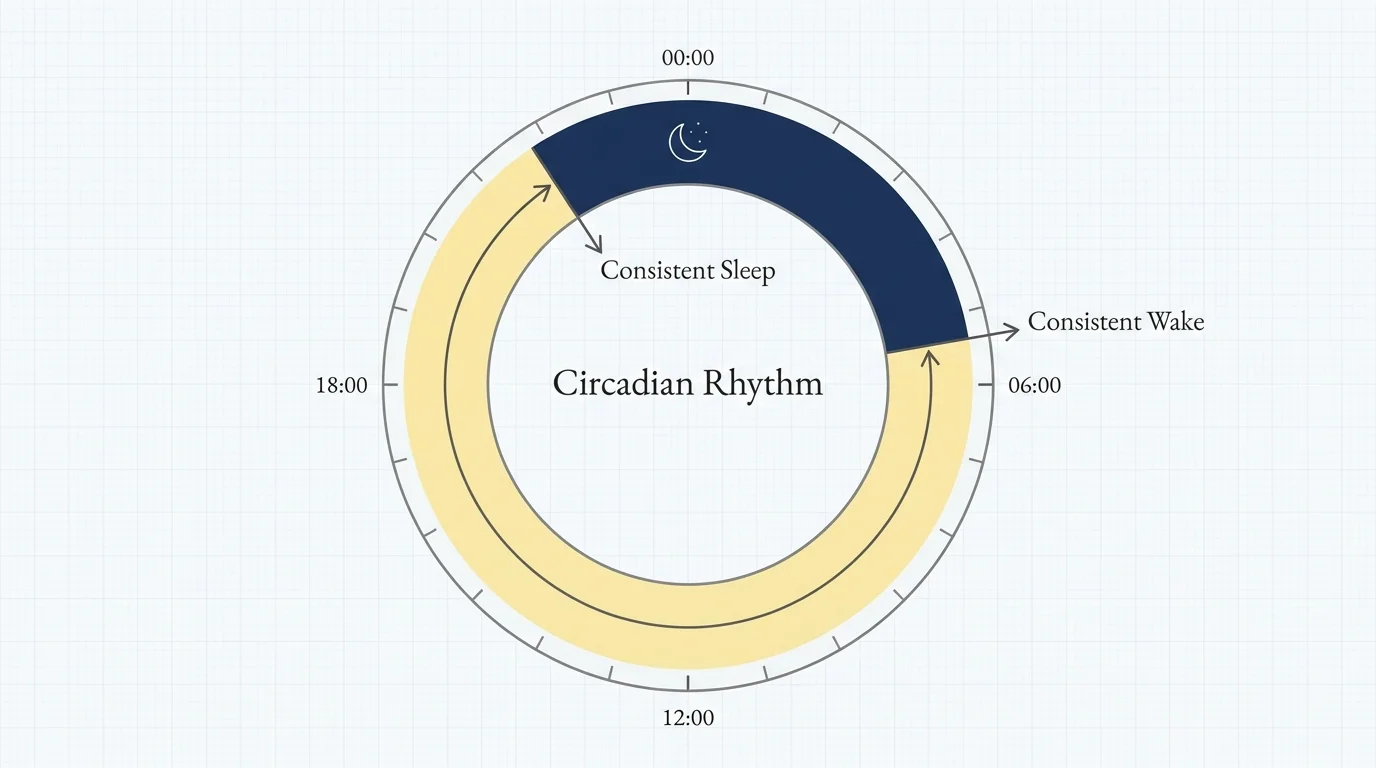
7. Maintain Consistent Sleep and Wake Times
The temptation to stay up late and sleep in is powerful when you no longer have a morning commute. However, drastically shifting your sleep schedule disrupts your body’s circadian rhythm. A misaligned internal clock leads to fragmented sleep, daytime fatigue, and heightened irritability.
Aim to go to bed and wake up at the exact same time every day, including weekends. Consistent sleep architecture helps your brain process daily emotional stressors and solidifies new memories. Keep your bedroom cool, dark, and reserved exclusively for sleep. If you find yourself napping during the day, limit those naps to 20 minutes in the early afternoon so they do not interfere with your nighttime rest.

8. Batch Your Household Tasks and Errands
Without the structure of a workweek, household chores have a dangerous tendency to expand, filling whatever time you give them. You might find yourself doing a single load of laundry on Monday, grocery shopping on Tuesday, cleaning the kitchen on Wednesday, and running to the hardware store on Thursday. Suddenly, your entire retirement feels like an endless sequence of maintenance tasks.
Batching your chores creates vast, uninterrupted blocks of free time. Designate specific days for specific tasks. For example, make Tuesday your official “errand day” where you handle groceries, post office trips, and medical appointments. Dedicate Thursday mornings to house cleaning. By confining these obligations to distinct time blocks, you reclaim your weekends. Even in retirement, you deserve days that are entirely free of obligation, where you can travel, relax, or immerse yourself in a hobby without feeling guilty about the unvacuumed living room.
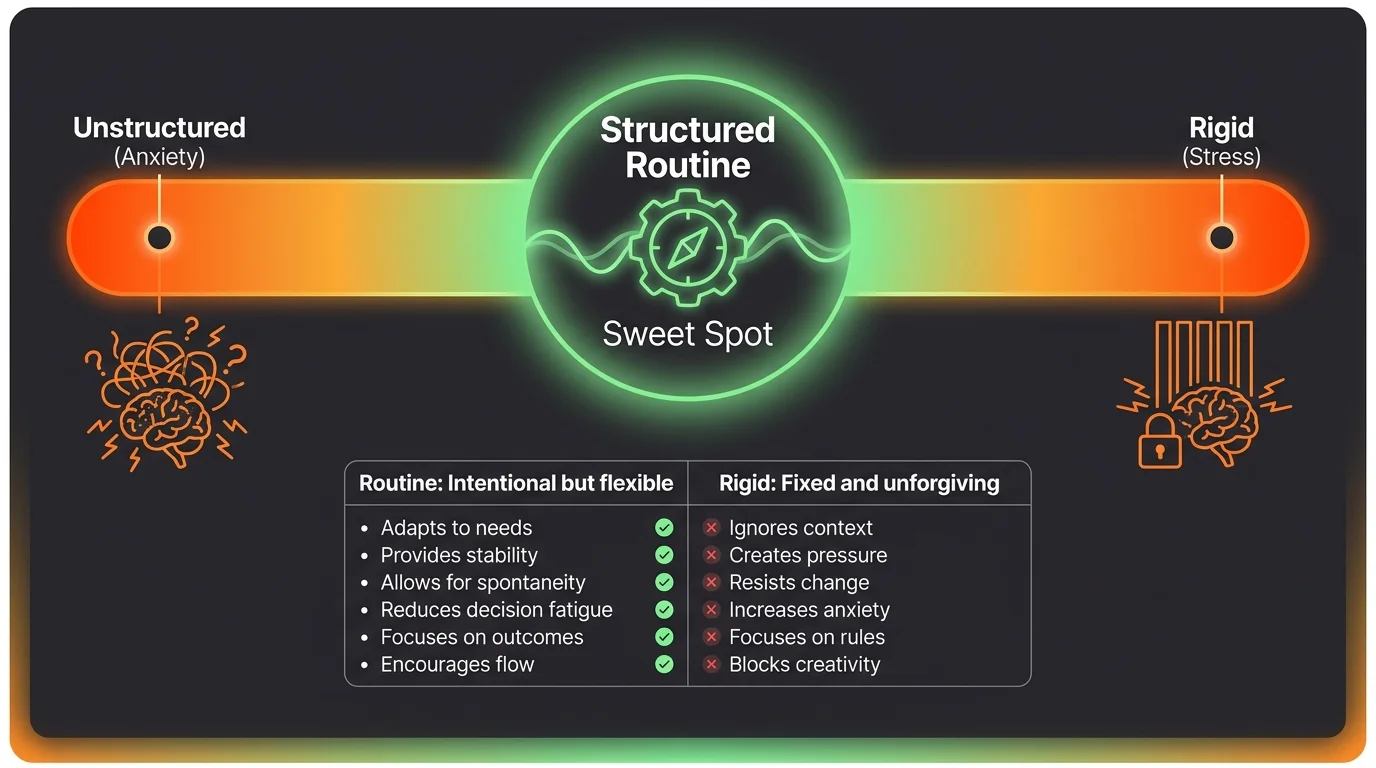
Finding the Balance: Structured Routine vs. Rigid Schedule
There is a critical difference between a routine that serves you and a schedule that imprisons you. The goal of building retirement habits is to reduce decision fatigue, not to create a stressful, minute-by-minute itinerary.
| Characteristic | Structured Routine (Healthy) | Rigid Schedule (Stressful) |
|---|---|---|
| Flexibility | Easily adapts to unexpected invitations or bad weather. | Creates guilt or anxiety if an activity is missed or delayed. |
| Focus | Prioritizes the habit itself (e.g., “I will exercise today”). | Prioritizes the exact time (e.g., “I must exercise at exactly 8:00 AM”). |
| Purpose | Acts as a gentle guide to keep the day moving forward. | Feels like a list of demanding obligations you have to survive. |
| Outcome | Generates energy, peace of mind, and a sense of accomplishment. | Leads to burnout, resentment, and exhaustion. |

What Can Go Wrong
The most common mistake new retirees make is over-scheduling. In a panic to fill the void left by their careers, they say yes to every volunteer board, every social club, and every family obligation. This behavior quickly leads to retirement burnout. Your routine should include substantial blocks of unstructured downtime. Protect your free time fiercely; just because you are retired does not mean you have infinite capacity for obligations.
Another pitfall is refusing to adapt. A routine that works beautifully in your first year of retirement might feel stagnant by your fifth year. Physical limitations, changing financial circumstances, or shifting interests require you to audit your habits periodically. If a routine no longer brings you peace or joy, discard it and build a new one.
Frequently Asked Questions
How long does it take to settle into a retirement routine?
Most retirees report that it takes anywhere from six to eighteen months to fully adjust to their new lifestyle. Give yourself grace during this transition phase. It is normal to test several different schedules before finding the rhythm that perfectly suits your energy levels and interests.
Should my spouse and I follow the exact same routine?
No. In fact, maintaining separate hobbies and routines is crucial for marital harmony in retirement. While you should certainly schedule shared activities and meals, spending 24 hours a day together often causes friction. Independent routines provide you with fresh experiences to talk about when you reunite in the evening.
What if I hate planning and prefer spontaneity?
You do not need to plan every hour. Instead, try building “anchor habits.” Establish just two fixed points in your day—perhaps a morning walk and an evening reading session—and leave the entire middle of the day open for spontaneous decisions. This provides a baseline of healthy structure while preserving your freedom.
Building Your Ideal Day
Retirement is your opportunity to build a daily life based on your values rather than an employer’s demands. Start small. Pick just one or two of these routines—perhaps the morning movement or the weekly money check-in—and implement them this week. Notice how these small anchors reduce your underlying anxiety and provide a comforting sense of predictability.
As you gradually layer these habits together, you will find that retirement transforms from a daunting, empty calendar into a deeply satisfying phase of life. You have worked decades to earn this time. By thoughtfully managing your daily routines, you ensure those years are spent enjoying your freedom, preserving your health, and living with profound peace of mind. This is educational content based on general retirement and financial principles. Individual results vary based on your situation. Always verify current benefit rules, tax laws, and eligibility requirements with official sources like SSA, Medicare.gov, or the IRS.
Last updated: May 2026. Retirement benefits, tax rules, and healthcare regulations change frequently—verify current details with official sources.









Leave a Reply