
Choosing where to retire often comes down to finding a community where you can walk your dog at dusk without looking over your shoulder. When you trade the daily commute for long-term comfort, neighborhood safety directly impacts your quality of life, housing costs, and overall peace of mind. Across America, smaller cities and carefully planned towns consistently report violent and property crime rates well below the national average. By analyzing recent crime data, we identify the specific towns offering the highest security for your retirement years. From the quiet shores of New England to the sunny neighborhoods of the Southwest, these safe communities successfully blend rigorous public safety with the essential healthcare access and lifestyle amenities active retirees require.

Why Safety Metrics Matter More in Retirement
As you transition into retirement, your definition of a secure environment naturally evolves. When you are younger, you might tolerate a noisier, slightly less predictable neighborhood if it means a shorter commute or lower rent. In your later years, however, predictability becomes a vital asset. Physical vulnerability is a reality of aging; a safe environment encourages you to stay active, walk your neighborhood, and engage with your community without anxiety.
Beyond physical security, financial vulnerability plays a massive role in retirement planning. When you live on a fixed income drawn from Social Security, pensions, or investment portfolios, the financial shock of property crime can be devastating. Replacing a stolen catalytic converter, repairing a broken window, or covering the deductible for stolen electronics disrupts carefully managed monthly budgets. Towns with exceptionally low property crime rates act as an insurance policy for your nest egg, allowing you to project your expenses with far greater accuracy.
“Financial security is the peace of mind you feel when you aren’t worrying about your money.” — Jean Chatzky, Financial Editor
High-trust communities also foster better health outcomes. When residents feel secure, they are more likely to participate in local senior center activities, utilize public parks, and form strong neighborhood support networks. This social cohesion acts as a secondary layer of security—neighbors look out for one another, notice when something is amiss, and provide assistance during extreme weather events or health emergencies.
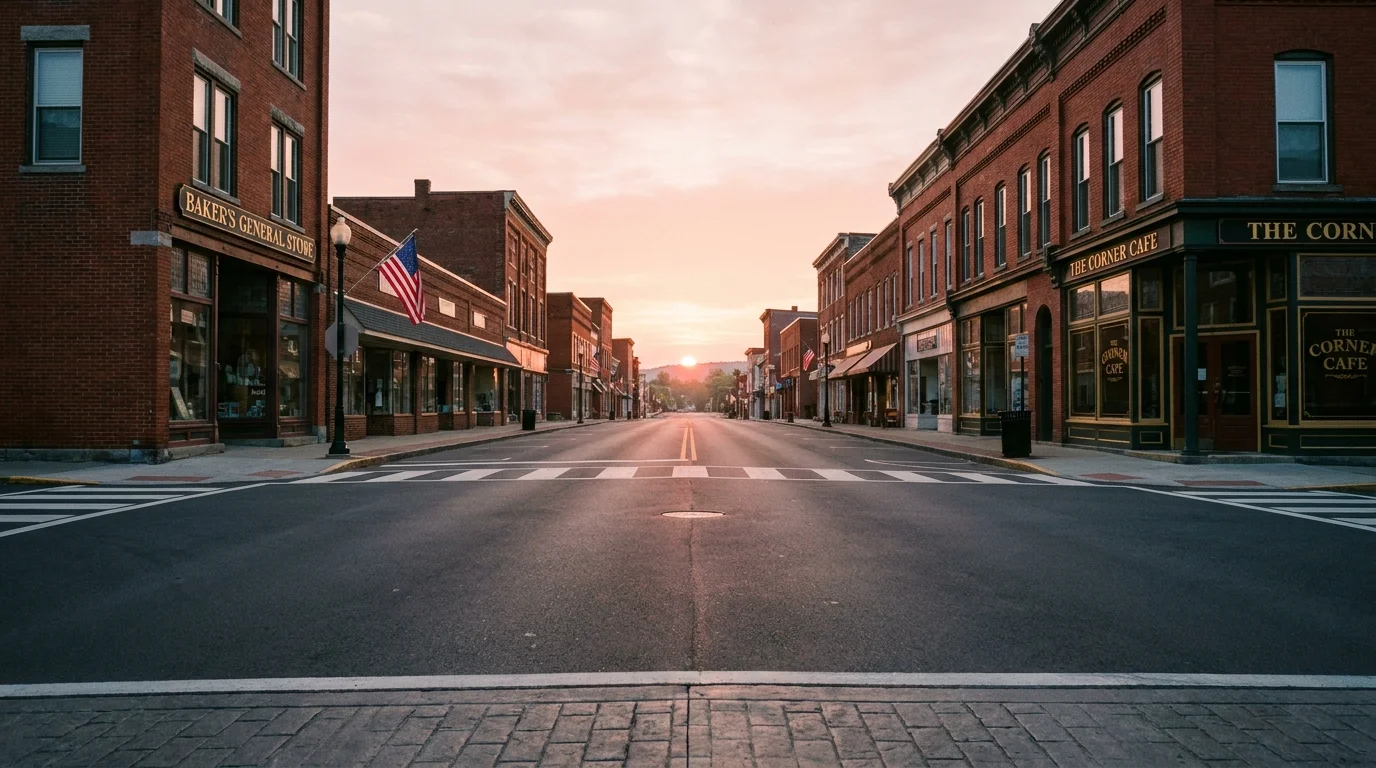
The Safest American Towns for Retirees
According to recent law enforcement data, the national violent crime rate sits near 4.4 incidents per 1,000 people, while the property crime rate averages around 22.9 incidents per 1,000. The towns highlighted below boast statistics that fall dramatically below these national benchmarks, offering retirees unparalleled peace of mind. Whether you desire coastal breezes, Midwestern affordability, or sunny desert landscapes, these communities prioritize resident safety.
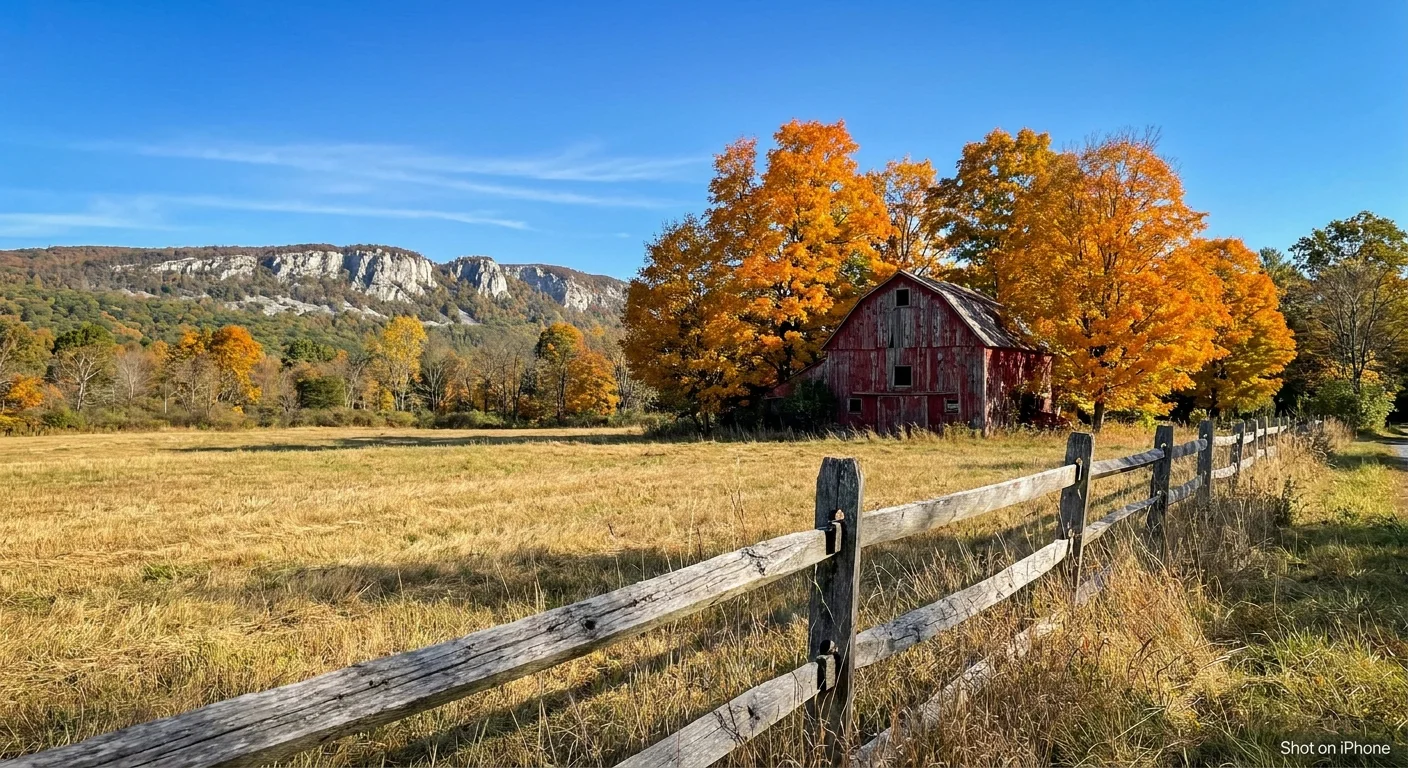
1. Shawangunk, New York
Nestled in the picturesque Hudson Valley, Shawangunk routinely ranks among the absolute safest places to live in the United States. Recent data indicates virtually zero violent crimes and a property crime rate that barely registers on national indexes. For retirees, the appeal lies in the quiet, rural atmosphere framed by the dramatic Shawangunk Mountains. You can enjoy apple orchards, quiet state parks, and expansive properties without feeling isolated. Crucially, the town is located close enough to larger medical centers in neighboring cities, ensuring that emergency care is readily available when required.

2. Cape Elizabeth, Maine
If your retirement dream involves sea air and historic lighthouses, Cape Elizabeth offers coastal Maine living at full volume. Beyond its scenic beauty—including the famous Portland Head Light at Fort Williams Park—the town is exceptionally secure. Violent crime is exceedingly rare, and strong community engagement keeps property crime remarkably low. Retirees favor Cape Elizabeth because it balances small-town tranquility with immediate proximity to Portland’s major hospitals and trauma services, ensuring you never have to sacrifice world-class healthcare for a peaceful lifestyle.
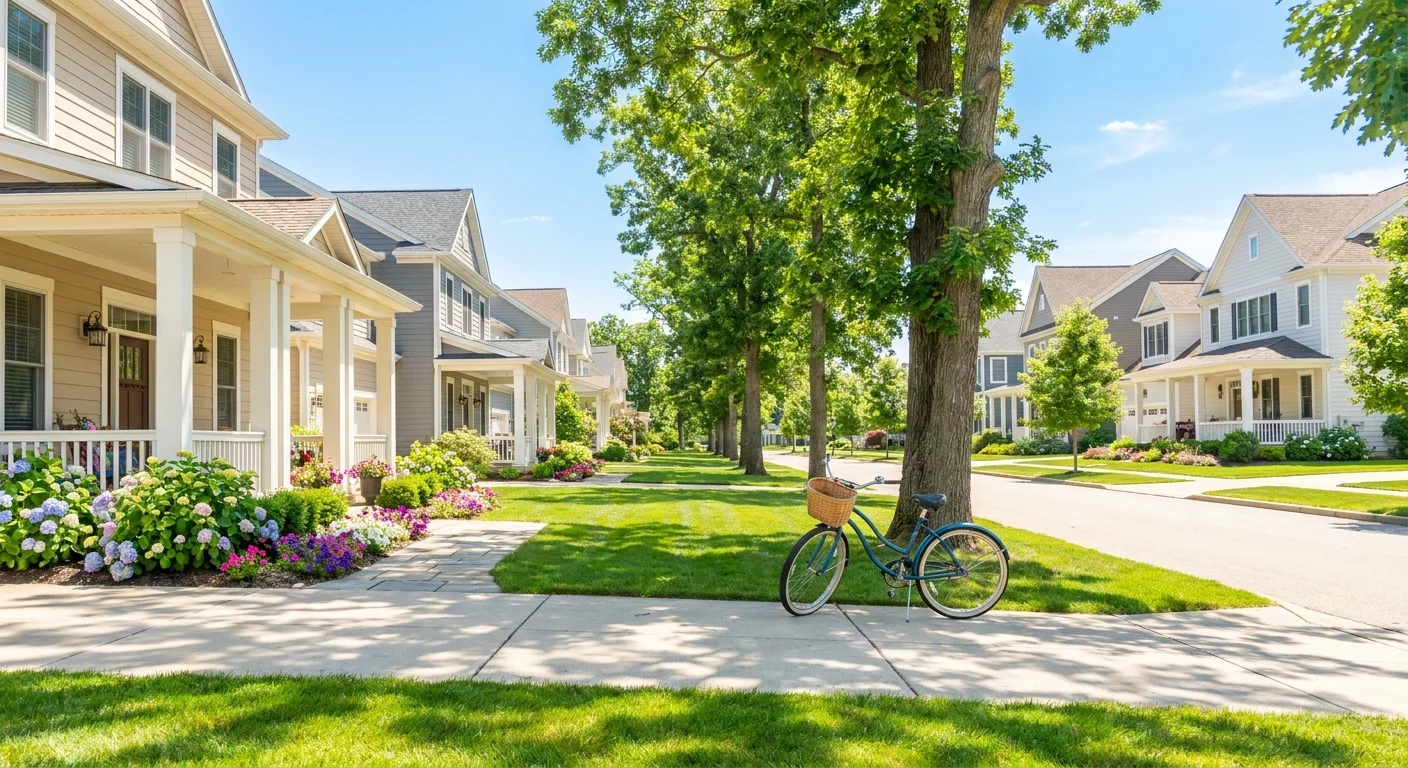
3. Broadview Heights, Ohio
For those seeking Midwestern sensibility and lower living costs, Broadview Heights stands out as a premier retirement destination. This Cleveland suburb reports drastically lower per-capita crime rates than nationwide averages. What makes Broadview Heights particularly attractive to retirees is its exceptional public service infrastructure, including a highly active senior center and exceptionally well-funded emergency response teams. Furthermore, living here provides effortless access to the Cleveland Clinic, one of the most highly regarded healthcare systems in the world, ensuring your medical needs are met by top-tier professionals.

4. Hopkinton, Massachusetts
Famous worldwide as the starting point of the Boston Marathon, Hopkinton offers rich New England history wrapped in a blanket of supreme safety. This quaint town recently recorded a property crime rate of less than 10% of the national average, with violent crime virtually non-existent. Located just 26 miles from Boston, it provides easy highway and commuter rail access to the city. Active retirees love the walkable downtown area, the sprawling state parks, and the knowledge that they reside in one of the most secure zip codes in the Northeast.
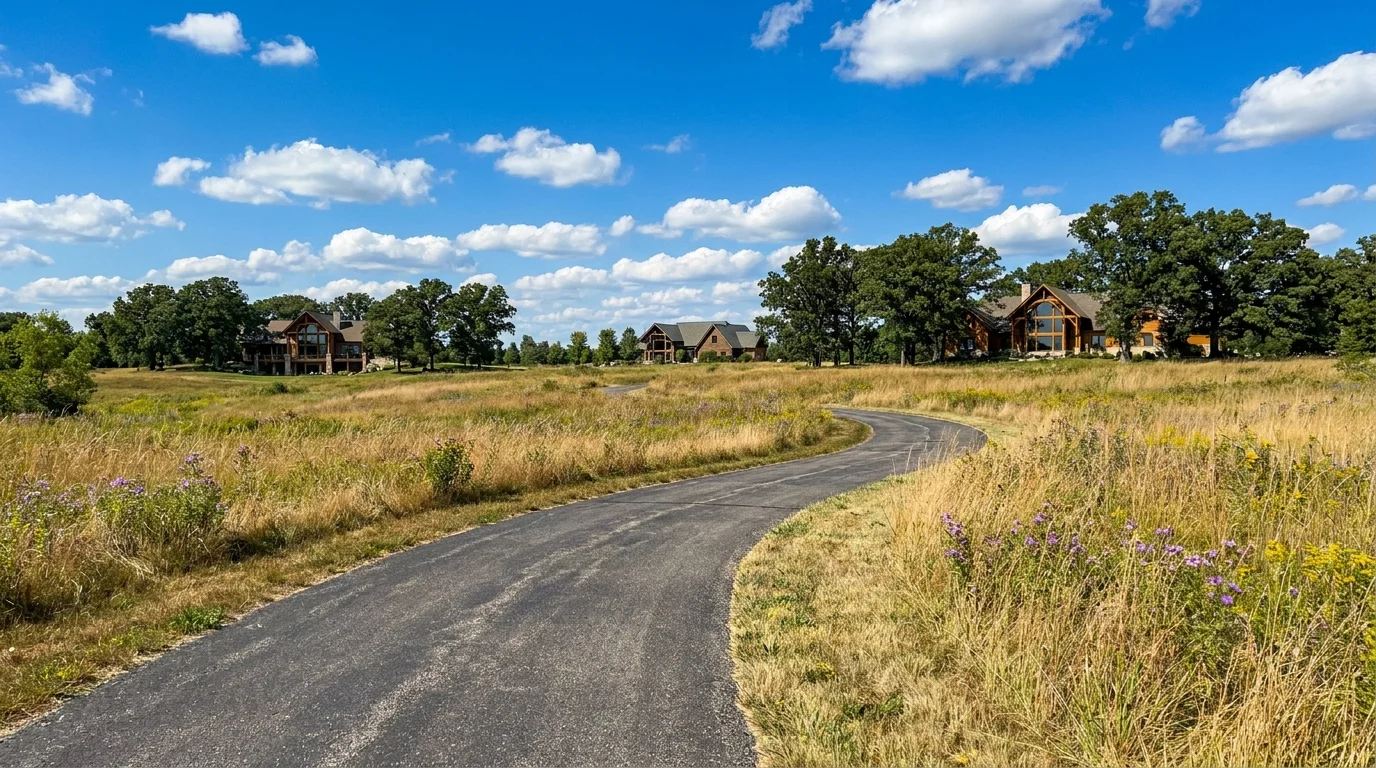
5. Campton Hills, Illinois
Campton Hills offers a serene, semi-rural environment located just far enough from Chicago to avoid urban congestion, but close enough to enjoy its amenities. The town is defined by its green spaces, low traffic, and a community-oriented culture that actively deters crime. In recent reports, both violent and property crime rates were a mere fraction of the national average. The sprawling lots give retirees plenty of privacy, while local ordinances and an active, community-focused police department ensure that neighborhoods remain deeply secure year-round.
6. Midland, Michigan
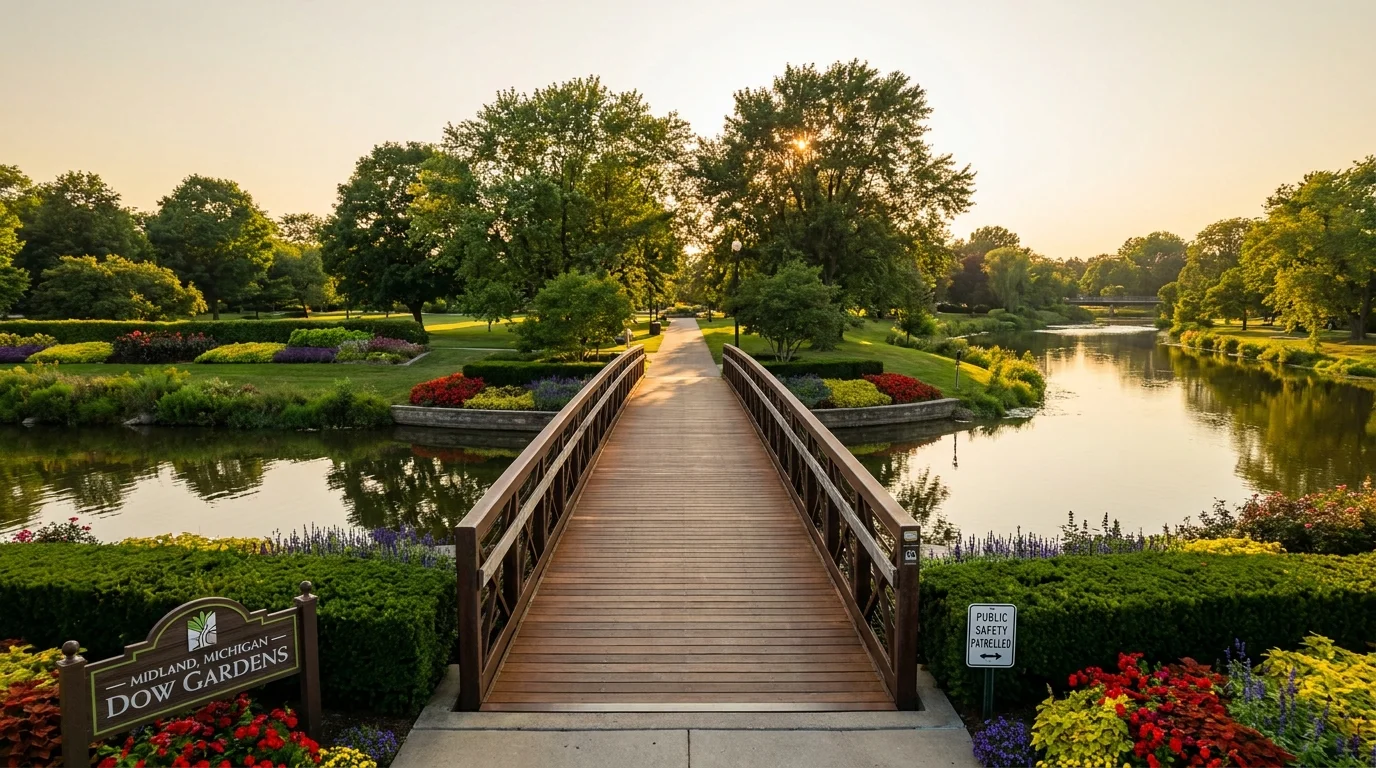
Midland frequently earns recognition for its high livability and exceptional safety ratings. Residents enjoy a total crime rate of just 0.68%, which is significantly lower than most cities across the country. Midland is ideal for budget-conscious retirees who still want rich cultural amenities; the town features the Midland Center for the Arts, Dow Gardens, and excellent indoor pool facilities. The strong local economy translates into well-maintained public spaces, well-lit streets, and reliable municipal services that cater heavily to the senior population.

7. Scottsdale, Arizona
While significantly larger than the other towns on this list, Scottsdale earns its spot due to its massive popularity among retirees and its highly secure master-planned communities. Reviewers consistently highlight the area’s low crime rate, clean neighborhoods, and friendly atmosphere. Scottsdale offers a premium lifestyle with endless hiking trails, pristine golf courses, and an arid climate that many seniors find beneficial for arthritis and respiratory health. High-end local healthcare systems and robust community policing make it a premier destination for those who want city amenities without urban danger.

Evaluating a Town’s True Safety Profile
Statistics only tell part of the story. A truly safe retirement town provides comprehensive security that extends beyond police reports. When evaluating potential relocation targets, you must consider the town’s infrastructure, emergency preparedness, and environmental safety.
- Emergency Medical Response: A rural enclave might boast a zero-percent crime rate, but if the local fire department is entirely volunteer-run and the nearest hospital is forty-five minutes away, your actual physical safety is compromised. Always check average EMS response times.
- Pedestrian Infrastructure: Are the sidewalks level and well-maintained? Are crosswalks clearly marked and adequately lit at night? Trip-and-fall hazards are a leading cause of injury for seniors; a safe town prioritizes the physical maintenance of its walking paths.
- Climate Resilience: Consider the local weather patterns and how the municipal government handles them. A town that efficiently clears snow and ice prevents wintertime isolation and accidents. Conversely, coastal towns must have clear, tested, and highly organized hurricane evacuation routes.
You can explore programs dedicated to community safety and healthy aging by visiting the National Council on Aging (NCOA), which offers excellent frameworks for understanding what makes a community truly senior-friendly.

Comparing Crime Rates: A Snapshot
To help visualize the safety gap between these premier retirement destinations and standard American cities, consider how their crime indices compare to national averages. The table below illustrates the dramatic reduction in risk you experience when relocating to a highly-rated safe town.
| Location | Violent Crime Risk | Property Crime Risk | Primary Draw for Retirees |
|---|---|---|---|
| National Average | Moderate (4.4 per 1k) | Moderate (22.9 per 1k) | Varies by region |
| Shawangunk, NY | Extremely Low | Extremely Low | Mountain views, quiet rural living |
| Broadview Heights, OH | Very Low | Very Low | Affordability, world-class healthcare |
| Cape Elizabeth, ME | Extremely Low | Very Low | Coastal beauty, immediate hospital access |
| Scottsdale, AZ | Low (Localized) | Low | Warm climate, endless recreation |

How to Research Local Crime Before Relocating
Do not buy a home based purely on internet lists or promotional brochures. Finding the perfect retirement haven requires on-the-ground research and a critical eye. Use these actionable strategies to vet your shortlist of towns.
“An ounce of prevention is worth a pound of cure.” — Benjamin Franklin
First, call the local police department on their non-emergency line. Introduce yourself as a prospective resident and ask the desk sergeant about the most common issues they respond to in the specific neighborhoods you are considering. Their candid answers will tell you more than any spreadsheet. They might reveal that while violent crime is nonexistent, package theft is a recurring nuisance, or that certain intersections are notoriously dangerous for pedestrians.
Second, rent before you buy. Spend at least one month living in the town during its least appealing season—such as February in Maine or August in Arizona. Visit the local grocery store at nine o’clock at night. Drive the route to the nearest hospital during morning rush hour. These practical tests reveal the true rhythm and safety of a community far better than a weekend vacation ever could.
Finally, examine the property tax history. Safe towns generally stay safe because they heavily fund their police, fire, and emergency medical services. If a town boasts low taxes but relies entirely on aging infrastructure and understaffed emergency personnel, its safety ranking may be precarious.

What Can Go Wrong: Hidden Risks in “Safe” Towns
Even in America’s safest communities, retirees can face unexpected challenges if they allow a low-crime rating to lull them into a false sense of absolute security.
The Complacency Trap: When you live in a town where “nothing bad ever happens,” it is easy to leave doors unlocked, garage doors open, and keys in the car. Unfortunately, opportunistic criminals from neighboring areas often target notoriously safe, affluent zip codes precisely because the residents are known to be relaxed about security. Maintain standard security practices—like utilizing modern deadbolts and exterior lighting—regardless of local statistics.
Digital Borders Do Not Exist: A gated community in Illinois or a quiet street in Maine cannot protect you from cybercrime. Identity theft, sophisticated phishing emails, and telephone scams specifically targeting retirees cross state lines effortlessly. Stay updated on the latest elder fraud schemes by utilizing resources from the Consumer Financial Protection Bureau (CFPB).
Social Isolation: Sometimes, the quietest towns are simply too quiet. Moving to an extremely remote, low-crime area can lead to severe social isolation if there are no community centers, walkable downtowns, or active senior groups. Mental and emotional health are just as important as physical safety; ensure the town has a pulse that matches your lifestyle needs.
When to Consult a Professional
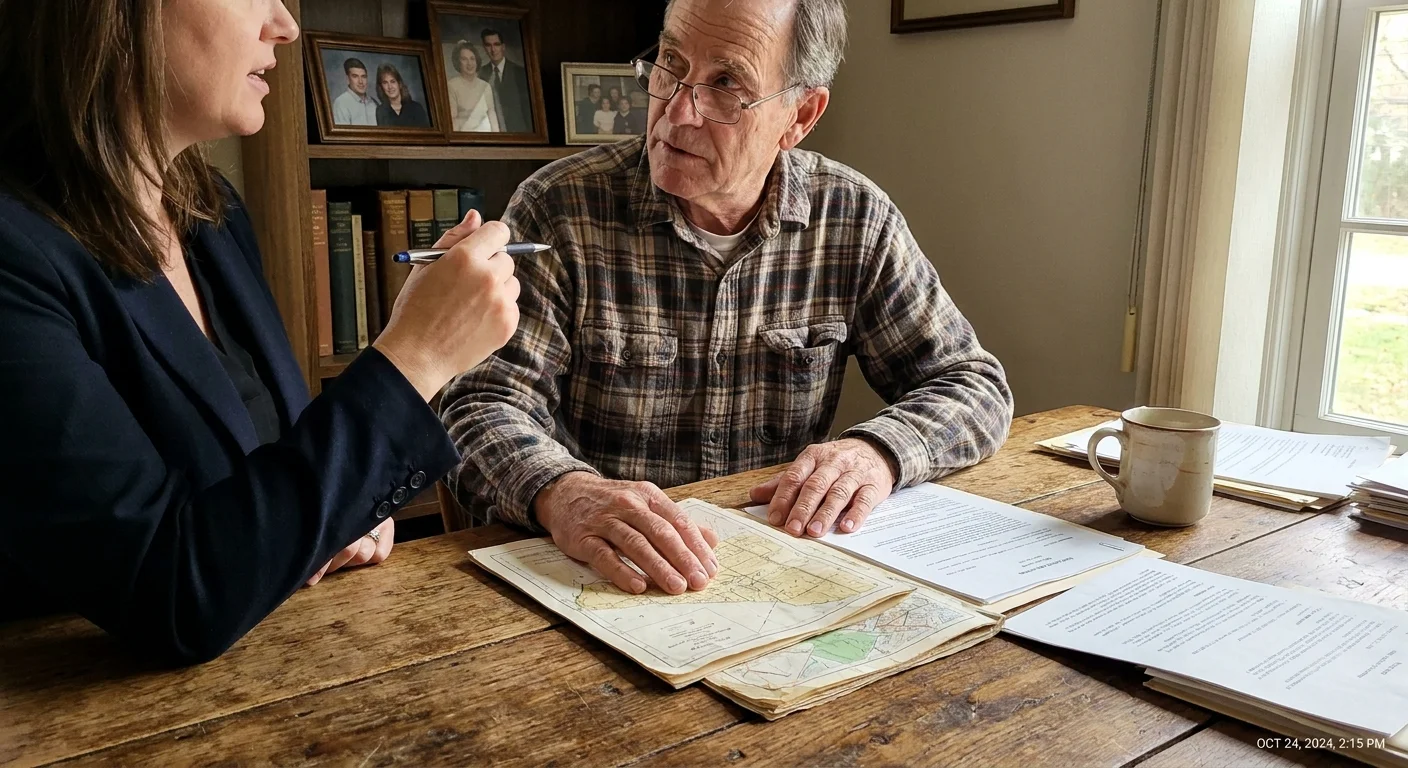
Relocating for retirement is a major life event with significant financial and healthcare implications. Do not hesitate to enlist expert help when making this transition.
Consult a Medicare Broker: If you are moving across state lines or even to a new county, your current healthcare coverage may not travel with you. Medicare Advantage plans and Medicare Part D prescription networks are highly localized. Before finalizing a move, utilize the official tools at Medicare.gov or consult a licensed broker to ensure your preferred doctors and local hospitals are in-network.
Consult a Fiduciary Financial Planner: Moving to a highly rated, safe town often comes with a higher cost of living or elevated property taxes to fund those excellent public services. A financial planner can run long-term projections to ensure your portfolio can handle the local tax burden without stress. Find a qualified professional through the Certified Financial Planner Board.
Consult a Senior Real Estate Specialist (SRES): Real estate agents with an SRES designation are specifically trained to help older adults transition to new communities. They understand how to evaluate single-story living options, assess neighborhood accessibility, and identify communities that truly cater to the lifestyle needs of retirees.
Frequently Asked Questions About Retirement Relocation
Are gated communities safer for retirees?
Gated communities successfully reduce random foot traffic and lower the risk of opportunistic property crime, such as package theft or vandalism. However, they do not provide immunity from targeted scams or internal community disputes, and the associated Homeowner Association (HOA) fees can be quite steep.
Do safer towns always have a higher cost of living?
Not necessarily. While safe coastal towns and major metropolitan suburbs often carry a premium price tag, many towns in the Midwest and South feature incredibly low living costs combined with excellent safety scores. Towns in Ohio, Michigan, and parts of the Sunbelt frequently offer this ideal balance.
How important is proximity to a major hospital when relocating?
It is absolutely vital. Medical emergencies require rapid response times. A completely isolated town may boast a zero percent crime rate, but an hour-long ambulance ride negates that physical safety if you experience a severe cardiac or neurological event. Always measure the distance to a Level 1 or Level 2 trauma center.
Can I trust online crime maps?
Online crime maps are useful starting points, but they often lack context. A commercial district might show a high volume of minor property crime (like shoplifting), skewing the town’s overall rating, while the residential neighborhoods remain flawlessly safe. Always verify online data with the local police department.
Taking the Next Step
Finding a safe place to retire requires balancing cold statistics with your personal lifestyle preferences. Start by narrowing down your preferred climate and proximity to family, then use the safety metrics to filter your options. Renting a home for a few weeks in your top choice will provide the clarity you need to make a confident, permanent move.
This is educational content based on general retirement and financial principles. Individual results vary based on your situation. Always verify current benefit rules, tax laws, and eligibility requirements with official sources like SSA, Medicare.gov, or the IRS.
Last updated: May 2026. Retirement benefits, tax rules, and healthcare regulations change frequently—verify current details with official sources.








Leave a Reply