
Finding the right place to retire means looking beyond mild weather and low taxes to focus on what actually fills your calendar with purpose. The best places for seniors offer an infrastructure of walkable neighborhoods, lifelong learning centers, and vibrant cultural scenes that keep you engaged. Too many retirees relocate based solely on climate, only to discover their new community lacks the social connections necessary for a fulfilling lifestyle. As retirement shifts from slowing down to gearing up, senior friendly towns across the country are stepping up with robust amenities. Whether you want to volunteer, hike, or master a new skill, choosing a location that actively supports your interests changes everything.
What Makes a Location Ripe for Active Aging?
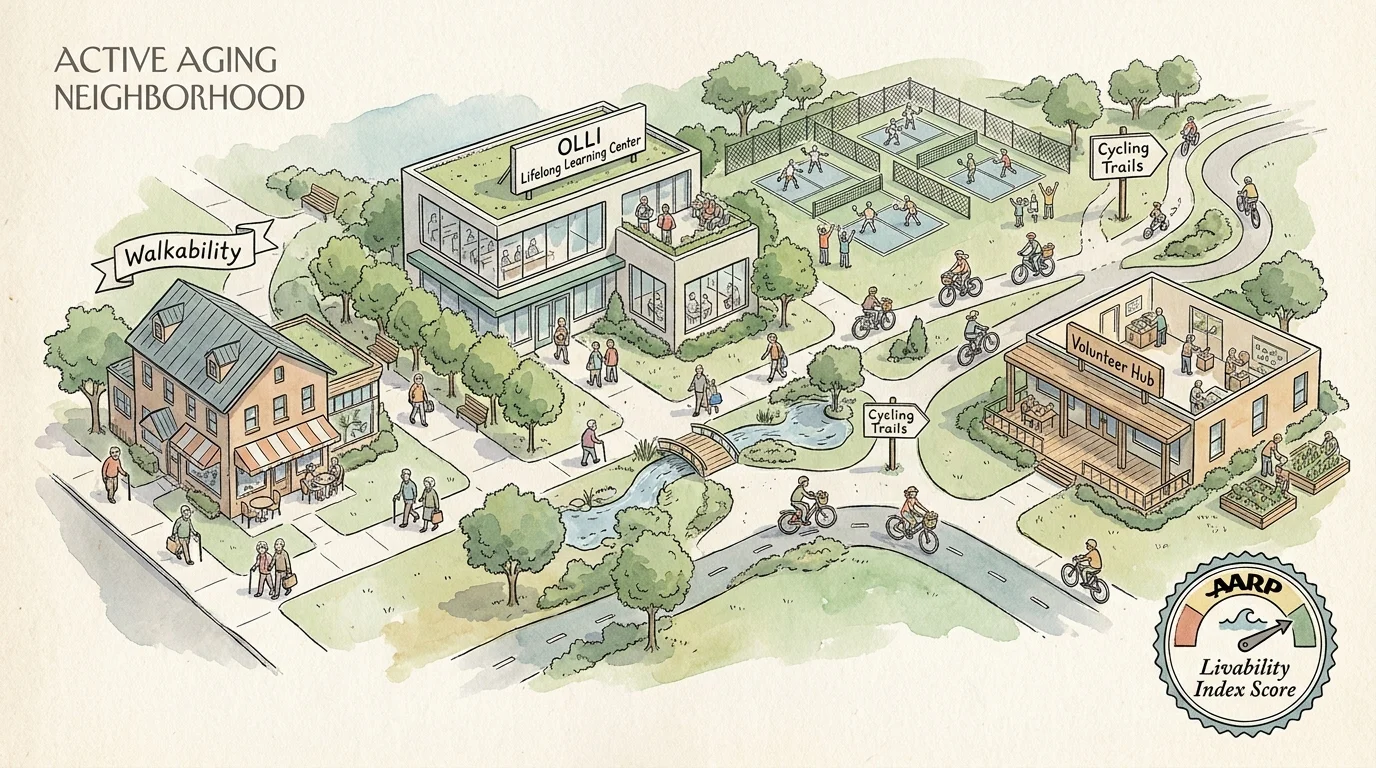
Before packing boxes and hiring movers, you need to define what an active lifestyle means to you. For some, it means access to miles of paved cycling trails and pickleball courts; for others, it means proximity to a major university offering discounted courses for older adults. The most appealing active retirement destinations share several underlying characteristics that make it remarkably easy to leave the house and connect with others.
When evaluating potential destinations, look for communities that prioritize the following infrastructure:
- Walkability and Transit: Neighborhoods where you can walk to a coffee shop, grocery store, or library foster spontaneous social interactions.
- Lifelong Learning Centers: College towns frequently offer Osher Lifelong Learning Institute (OLLI) programs, giving you access to peer-led classes on history, arts, and technology without the pressure of exams.
- Organized Volunteer Networks: Communities with established nonprofit sectors provide immediate avenues to give back and meet like-minded peers.
- Year-Round Outdoor Access: Whether through snowshoeing trails in the winter or shaded botanical gardens in the summer, environments that encourage year-round movement are vital.
To measure these factors systematically, many relocating seniors use resources like the AARP Livability Index, which scores neighborhoods on housing, transportation, and community engagement. By prioritizing these elements, you position yourself to thrive physically and socially.

1. Ann Arbor, Michigan: The Lifelong Learning Hub
If your idea of a perfect Tuesday involves a morning lecture on modern architecture followed by an afternoon kayaking down a quiet river, Ann Arbor belongs on your radar. Home to the University of Michigan, this city offers an intellectual vibrancy that deeply enriches the retirement experience. The local Osher Lifelong Learning Institute boasts thousands of members, creating a built-in community of intellectually curious older adults.
Beyond the classroom, Ann Arbor provides extensive retirement lifestyle activities. The Huron River winds directly through the city, offering accessible paddling and miles of adjacent walking paths. The downtown corridor remains highly walkable, filled with independent bookstores, local cafes, and a robust farmers market. While the winters require a warm coat and a sturdy pair of boots, the trade-off is a deeply engaged community that does not hibernate when the snow falls.
2. Sarasota, Florida: Culture and Coastal Living
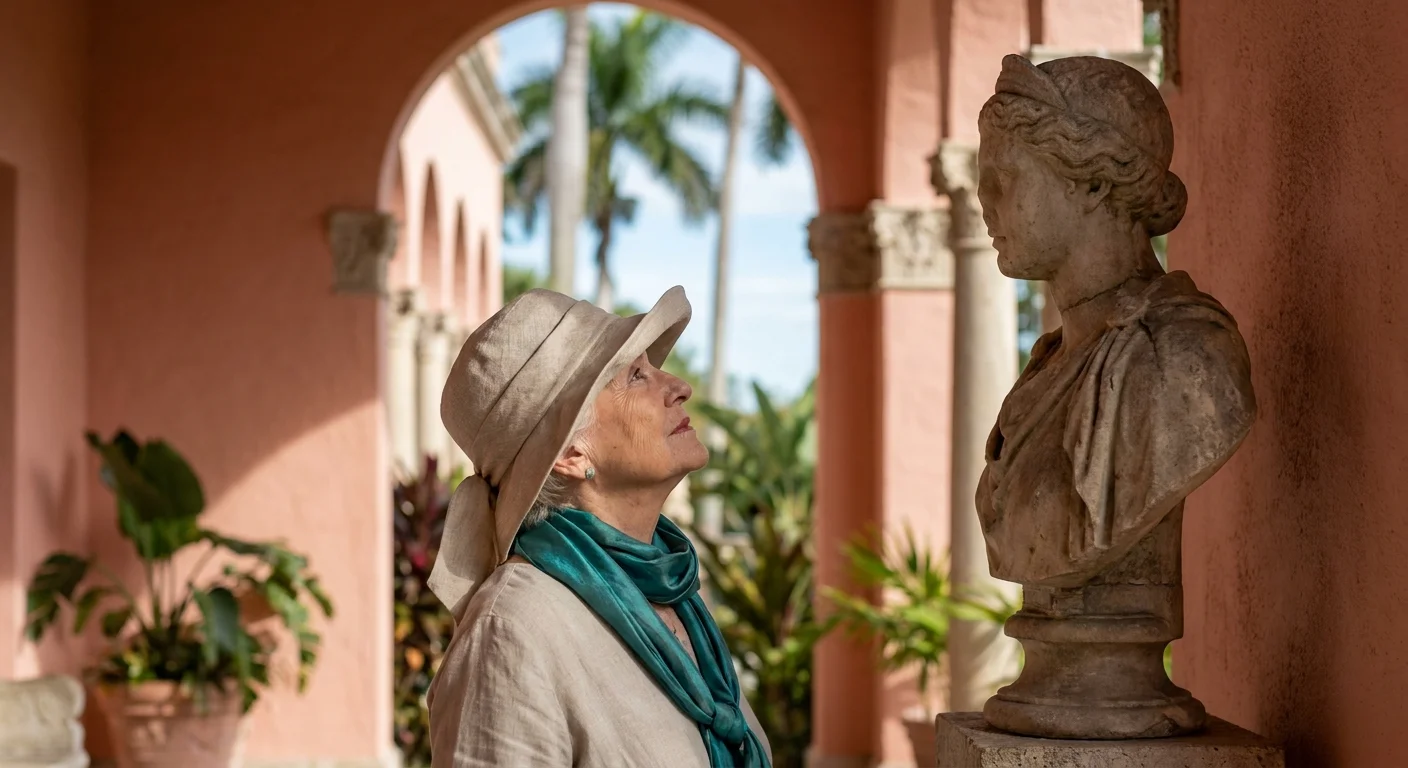
Florida has long been a traditional retirement haven, but Sarasota distinguishes itself by offering far more than just warm weather and golf. Often referred to as Florida’s Cultural Coast, Sarasota provides a level of artistic engagement typically reserved for much larger metropolitan areas. You can spend your days exploring The Ringling—a massive complex featuring an art museum, circus museum, and historic mansion—or walking the stunning paths at the Marie Selby Botanical Gardens.
Sarasota keeps your calendar full with professional theater, an opera house, and a symphony orchestra. The city also maintains a strong focus on wellness, with countless yoga studios, master swimming programs, and cycling clubs tailored to older adults. It represents a perfect balance for those who want the classic Florida beach lifestyle without sacrificing high-level cultural engagement.
3. Fort Collins, Colorado: Pedaling Into Your Next Chapter
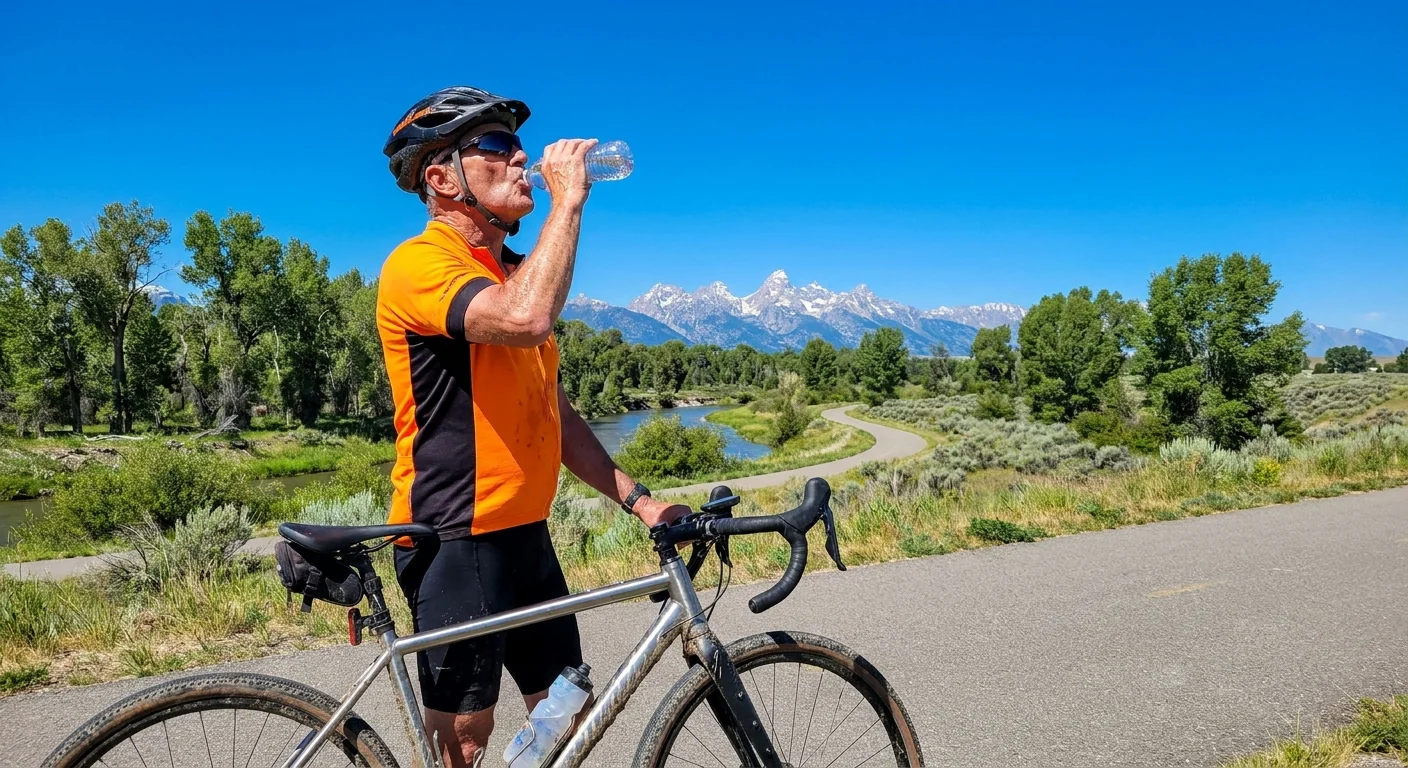
For retirees who define active living through physical movement and outdoor recreation, Fort Collins is a playground. Nestled against the foothills of the Rocky Mountains, this city is famously bicycle-friendly, boasting over 280 miles of trails and dedicated bike lanes. You will routinely see residents in their sixties, seventies, and beyond commuting by bike to local breweries, cafes, and community centers.
Colorado State University anchors the town, bringing the benefits of collegiate sports, guest lectures, and cultural events. The nearby Horsetooth Reservoir provides excellent opportunities for boating, paddleboarding, and hiking. Because the city sits at a relatively high altitude with over 300 days of sunshine a year, the climate encourages residents to stay outside and stay moving, making it one of the premier places to retire actively in the American West.

4. Asheville, North Carolina: Mountain Arts and Blue Ridge Adventures
Asheville seamlessly blends outdoor adventure with a fiercely independent arts scene. Located in the Blue Ridge Mountains, the city attracts retirees who want to spend their mornings hiking scenic stretches of the Appalachian Trail and their afternoons browsing artisan galleries in the River Arts District.
The city’s culinary scene is heavily focused on farm-to-table dining, and the local community is highly engaged in environmental conservation and volunteerism. OLLI at UNC Asheville is particularly renowned, offering over 350 courses annually and hosting numerous special interest groups ranging from creative writing to financial history. Asheville proves that you do not have to choose between a quiet mountain retreat and a busy social calendar—you can easily have both.
Comparing Top Active Retirement Destinations
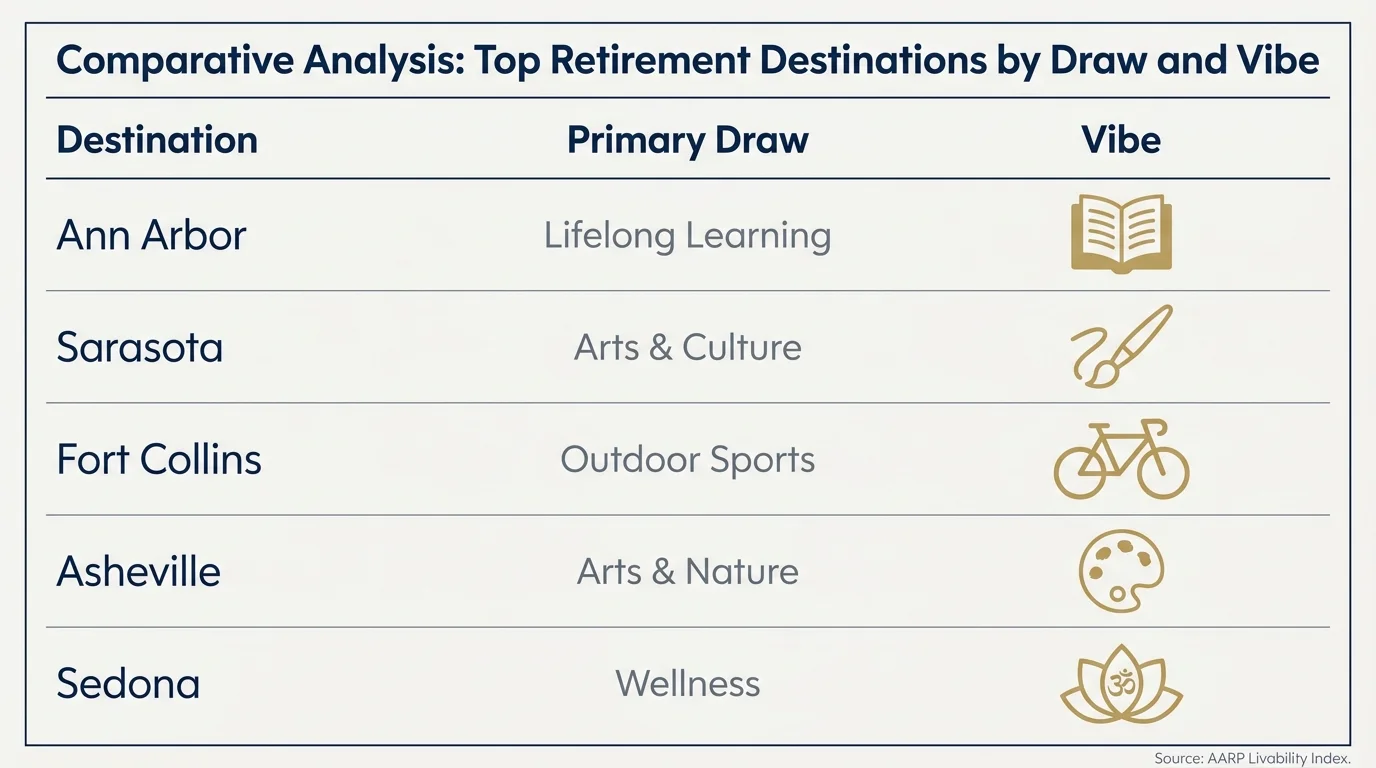
Choosing the right community requires weighing different lifestyle priorities. The table below highlights how some of these top destinations compare regarding their primary draw and general environment.
| Destination | Primary Activity Draw | Vibe & Environment | Climate Consideration |
|---|---|---|---|
| Ann Arbor, MI | Education, University Events, Arts | Collegiate, intellectual, highly walkable | Distinct four seasons; snowy winters |
| Sarasota, FL | Performing Arts, Museums, Boating | Coastal, refined, culturally dense | Tropical; hot/humid summers |
| Fort Collins, CO | Cycling, Hiking, Craft Breweries | Active, outdoorsy, relaxed | Sunny, dry; high altitude |
| Asheville, NC | Mountain Recreation, Artisan Crafts | Bohemian, artistic, nature-focused | Mild mountains; cool winters |
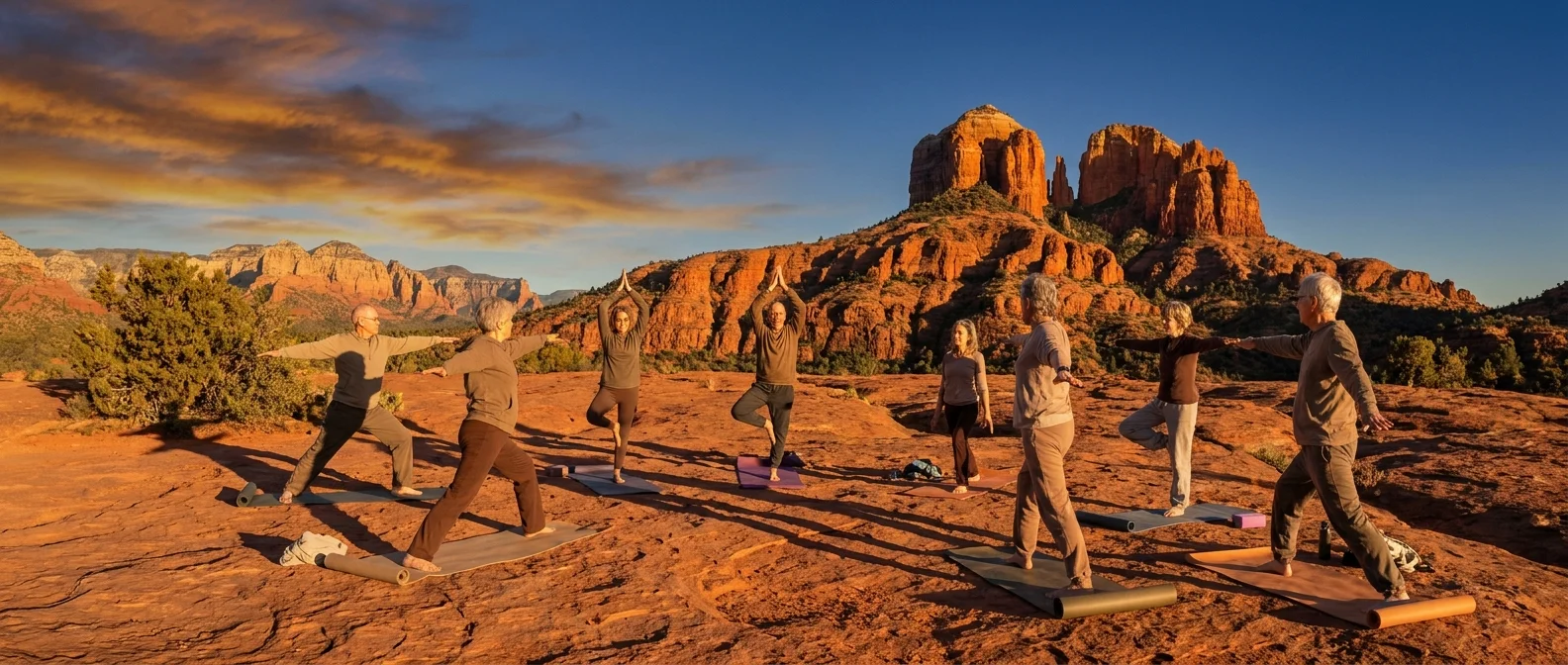
5. Sedona, Arizona: Wellness and Wilderness
Sedona offers a radically different pace, focusing heavily on personal wellness, spirituality, and breathtaking natural beauty. Surrounded by massive red rock formations, the town is uniquely suited for retirees who want to prioritize their physical and mental health. The hiking trails range from gentle, paved walks to challenging ascents, accommodating various fitness levels.
The community is deeply invested in alternative health, yoga, and meditation, making it incredibly easy to join classes and meet others focused on healthy aging. Sedona also hosts a vibrant arts community with numerous galleries and seasonal festivals. The climate remains much milder than the extreme heat of Phoenix or the heavy snows of Flagstaff, allowing for comfortable outdoor activities nearly every day of the year.
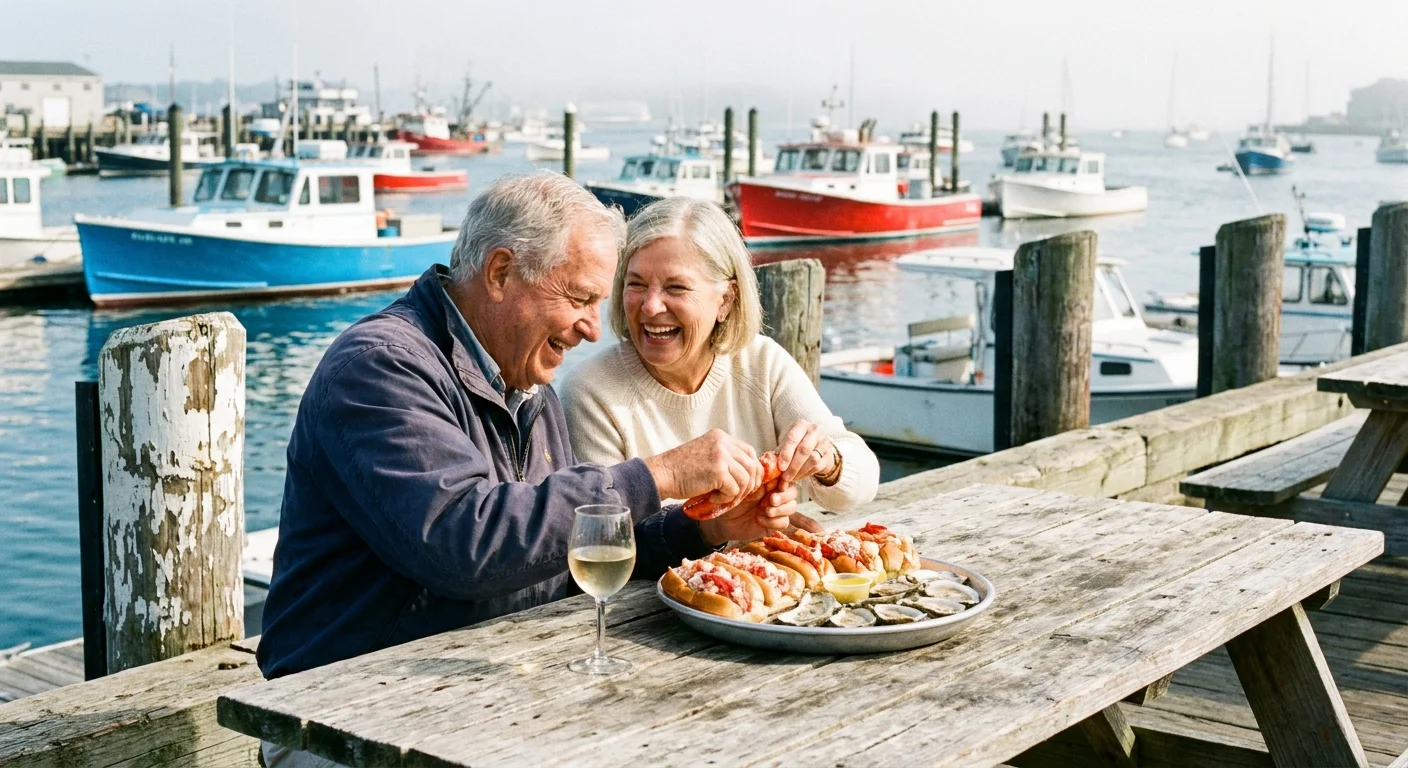
6. Portland, Maine: A Foodie and Maritime Paradise
Retirees seeking a coastal experience with a distinct New England charm are increasingly looking at Portland, Maine. Known for having one of the highest numbers of restaurants per capita in the country, Portland is a paradise for culinary enthusiasts. You can spend your retirement taking cooking classes, touring local seafood markets, or dining at award-winning establishments.
The working waterfront provides a picturesque backdrop for daily walks, and the city’s compact, historic downtown is highly walkable. Community engagement runs deep here; many older adults find purpose in volunteering with maritime preservation societies or local literacy programs. The brisk winters simply provide an excuse to gather indoors for book clubs, community theater, and hearty meals with new friends.
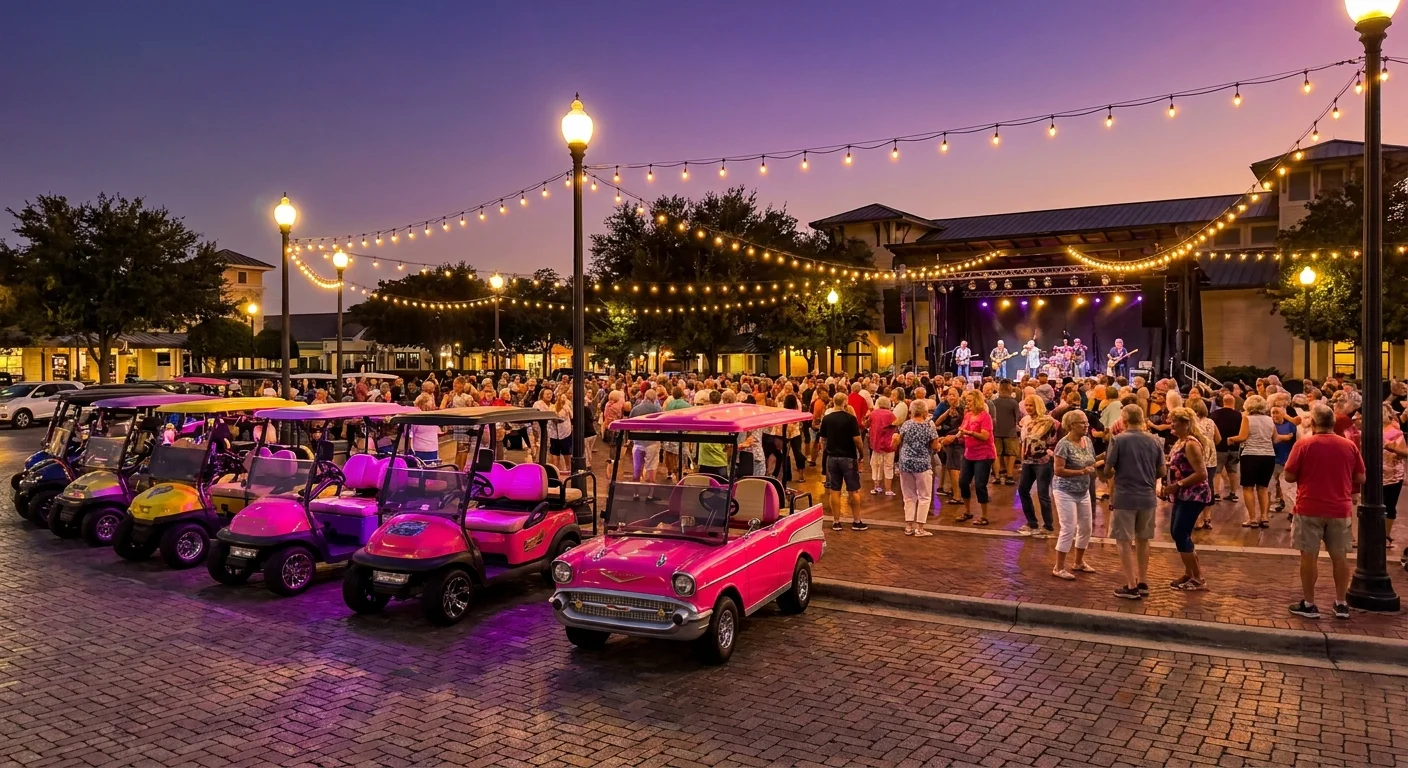
7. The Villages, Florida: The King of Retirement Lifestyle Activities
No list of active senior destinations is complete without mentioning The Villages. As one of the largest age-restricted communities in the world, it was built from the ground up specifically to keep retirees busy. The scale of activities available is staggering—the community features over 3,000 official social clubs covering everything from synchronized swimming to genealogy, woodworking, and theater.
Residents navigate the massive community almost entirely by golf cart, traveling to town squares that feature free, live entertainment 365 days a year. With dozens of golf courses, pickleball courts, and recreation centers, boredom is virtually impossible. While the highly structured, massive-scale environment is not for everyone, it undeniably delivers on the promise of providing endless things to do.
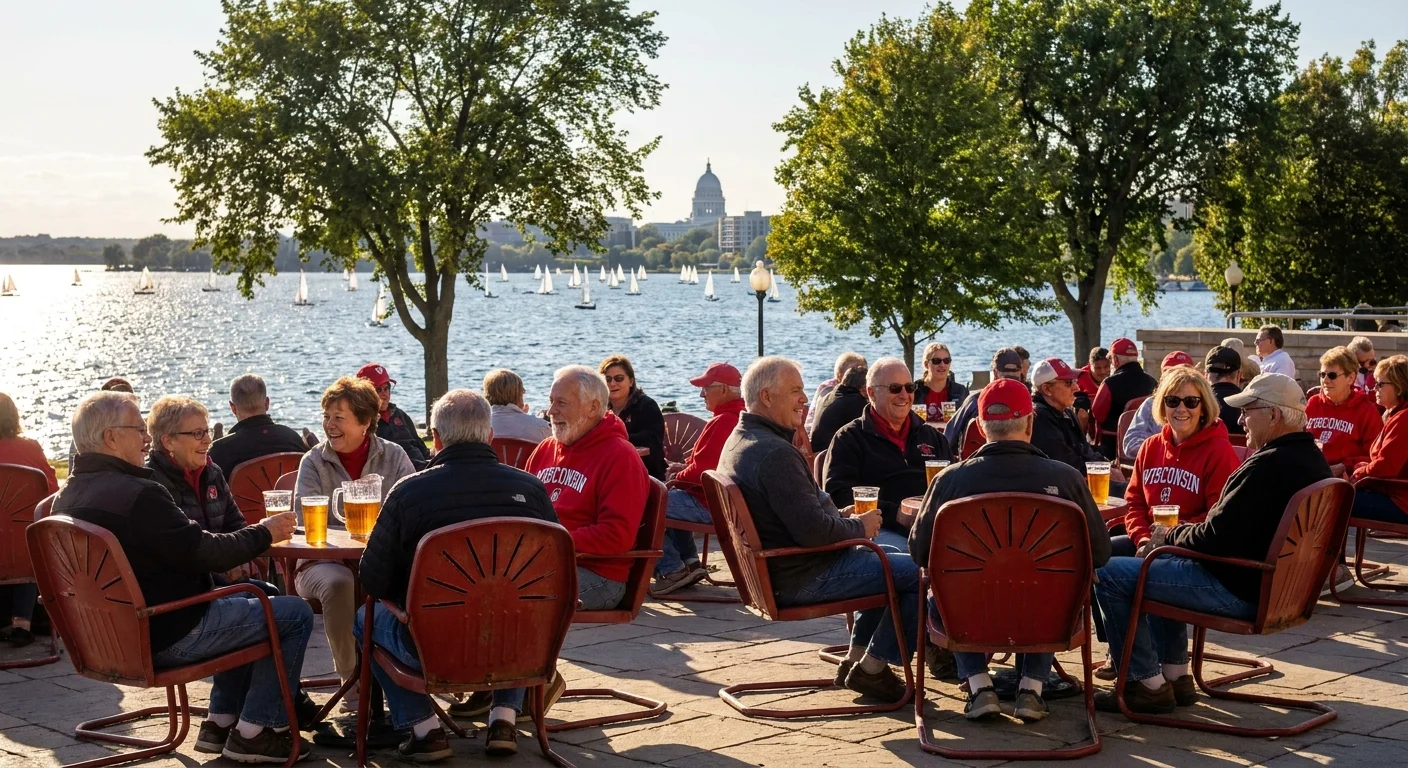
8. Madison, Wisconsin: Lakes, Trails, and Big Ten Energy
Built on an isthmus between two stunning lakes, Madison offers a unique geography that naturally encourages outdoor recreation. In the warmer months, the lakes are dotted with kayaks, sailboats, and paddleboards. The city also features an extensive network of paved cycling trails that make it easy to navigate without a car.
As the home of the University of Wisconsin and the state capital, Madison hums with political, educational, and cultural energy. The Dane County Farmers’ Market, held on the square surrounding the Capitol building, is the largest producer-only farmers market in the country and serves as a weekly social hub. Excellent healthcare facilities and a strong community focus on healthy aging make Madison a deeply practical, yet exciting, place to land.

9. Austin, Texas: Music, Tech, and Year-Round Sun
Austin has transformed from a sleepy college town into a booming metropolis, but it retains a specific charm that appeals to active older adults. Known as the Live Music Capital of the World, the city offers endless opportunities to see live bands, attend cultural festivals, and engage with a vibrant, multi-generational population.
For outdoor enthusiasts, Lady Bird Lake sits right in the center of the city, surrounded by miles of flat, scenic walking and biking trails. The nearby Texas Hill Country provides beautiful drives, winery tours, and hiking. The presence of the University of Texas ensures access to lifelong learning, while the warm climate means your golf clubs and walking shoes will never collect winter dust.

The Science Behind Staying Busy
Seeking out places to retire actively is not just about having fun; it is a critical component of healthy aging. According to the National Institute on Aging (NIA), participating in social and productive activities can lower the risk of certain health conditions, including dementia, and increase longevity. Social isolation is one of the greatest risks to older adults, carrying health impacts comparable to smoking.
When you relocate to a community that makes activity and connection the path of least resistance, you naturally protect your cognitive and physical health. Programs supported by the Administration for Community Living (ACL) further emphasize that seniors who engage in volunteerism and community programs report higher levels of life satisfaction.
“Retirement is an artificial finish line. What we really want is the freedom to pursue our purpose and engage in meaningful work or play.” — Mitch Anthony, Retirement Expert
Ultimately, the right environment acts as a catalyst. If the trails are paved, you will walk more. If the university is close, you will learn more. If the community is welcoming, you will connect more.
Frequently Asked Questions
Should I rent before buying in a new retirement destination?
Yes. Renting for at least six months to a year is highly recommended. It allows you to experience the local climate during its worst season, test the actual walkability of the neighborhood, and verify if the community clubs and activities align with your expectations before making a massive financial commitment.
Are college towns expensive places to retire?
College towns can have a higher cost of living and property tax base due to the demand for housing and the local amenities. However, they offset these costs by providing massive value through free or heavily discounted university events, public transportation infrastructure, and world-class healthcare facilities usually associated with teaching hospitals.
How do I find social groups in a new city?
Start with the local parks and recreation department, the nearest senior center, or the public library. College towns will have OLLI program directories online. Additionally, pursuing your existing hobbies—whether that is joining a local cycling shop’s weekend ride or volunteering at an animal shelter—is the fastest way to organically meet peers with shared interests.
Taking the leap to a new city can feel daunting, but treating your relocation as an adventure rather than a final closing chapter sets the tone for a vibrant future. Take the time to visit these locations, walk their downtowns, and strike up conversations with the locals at the coffee shop. You are looking for a place that pulls you out of your living room and into the community.
The information in this guide is meant for educational purposes. Your specific circumstances—including income, health needs, tax situation, and goals—may require different approaches. When in doubt, consult a licensed professional.
Last updated: May 2026. Retirement benefits, tax rules, and healthcare regulations change frequently—verify current details with official sources.







Leave a Reply