
Many retirees instinctively look south, but settling in a northern destination offers distinct seasonal beauty, robust healthcare networks, and close-knit communities that prioritize quality of life. Choosing northern retirement destinations allows you to trade extreme summer heat for crisp autumn leaves, cozy winter retreats, and vibrant spring blooms. These locations frequently provide superior access to world-class medical facilities, cultural institutions, and outdoor recreation tailored for active seniors. Relocating to a peaceful retirement town in the north often means enjoying less crowded infrastructure compared to saturated sunbelt cities. By evaluating local housing markets, state tax policies, and daily amenities across these nine charming northern spots, you can confidently find a community that aligns perfectly with your financial reality and lifestyle goals.
The Growing Appeal of Northern Retirement Destinations
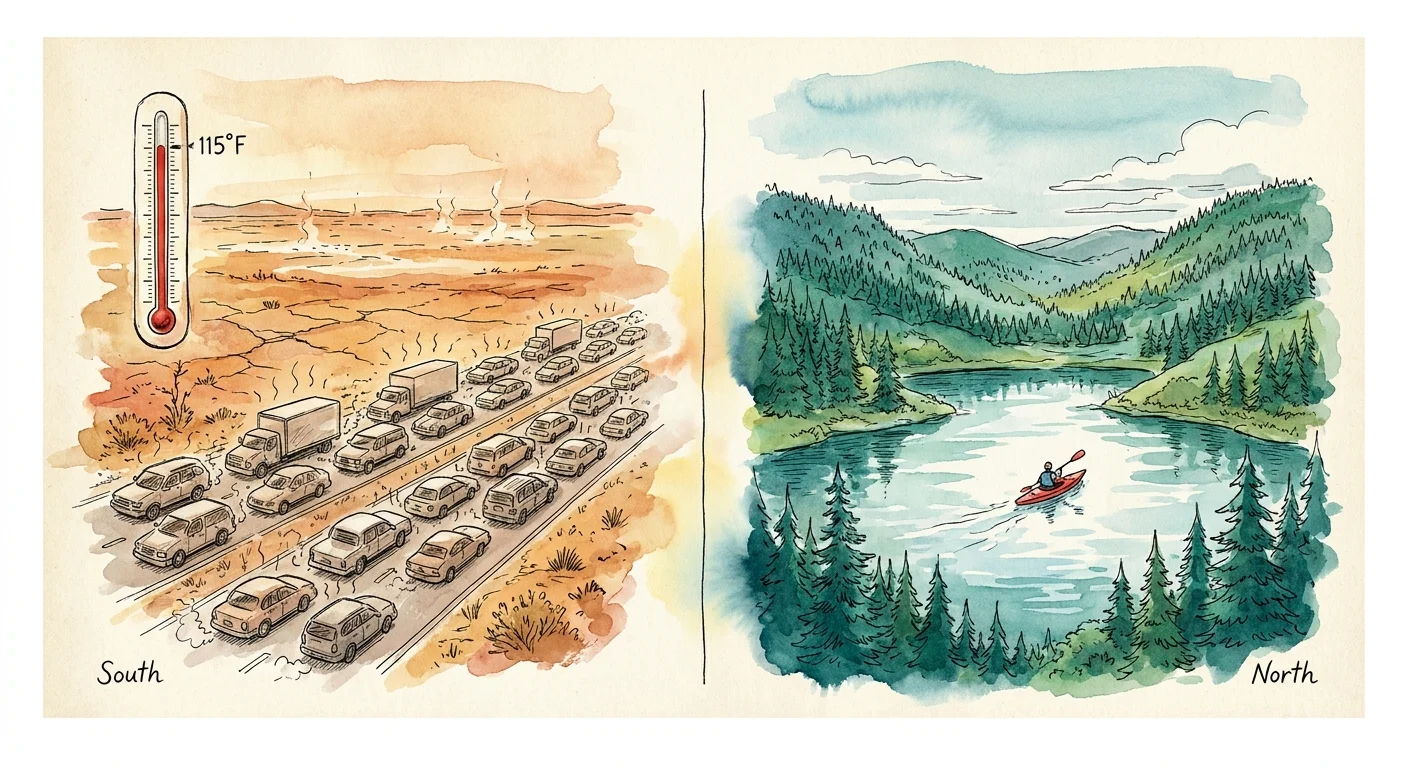
For decades, the standard American retirement dream involved moving to the warmest climate possible. Today, that narrative is rapidly shifting. Extended heat waves, rising insurance costs in coastal southern states, and crowded infrastructure are prompting many pre-retirees to look north.
Northern senior living offers a rhythmic, seasonal lifestyle that many find intellectually and physically stimulating. The changing of the seasons encourages different types of physical activity throughout the year—from kayaking in July to cross-country skiing in February. Furthermore, many northern states invest heavily in community infrastructure, public transportation, and healthcare systems. When you prioritize longevity and quality of life, having immediate access to top-tier university health systems often outweighs the convenience of year-round warm weather.
“Retirement is not an end; it is a new beginning. The most successful retirees do not just retire from something; they retire to something.” — Mitch Anthony, Retirement Lifestyle Expert
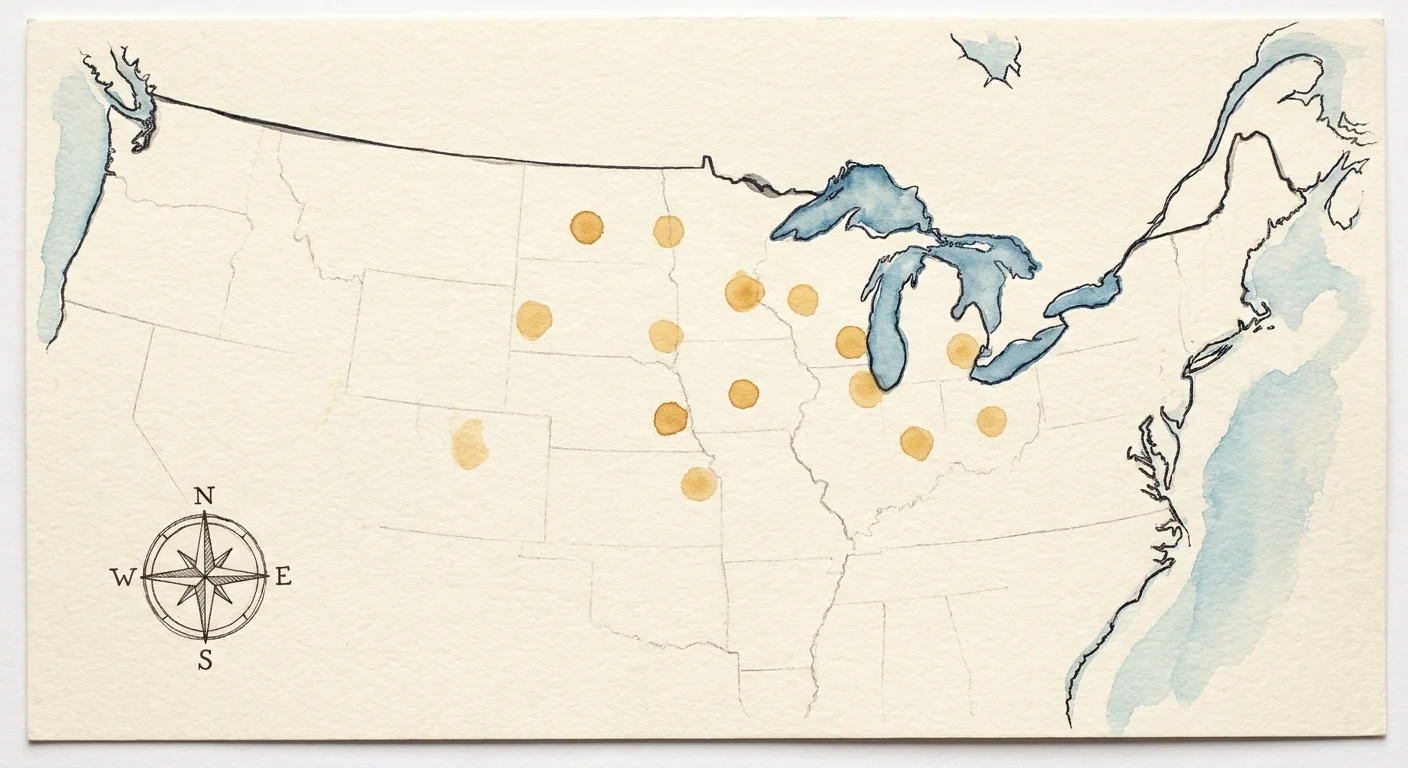
9 Charming Northern Spots for Retirement

1. Portland, Maine
Positioned on a picturesque peninsula extending into Casco Bay, Portland perfectly balances historical coastal charm with modern urban amenities. The city boasts a renowned culinary scene, featuring everything from classic lobster shacks to high-end farm-to-table dining. For retirees, Portland provides immense walkability within its downtown arts district and along the waterfront.
Healthcare is a major draw here; the city is anchored by Maine Medical Center, providing comprehensive, high-level specialty care. While the cost of living and property values are higher than the national average, Maine offers specific tax exemptions for pension income, making it financially viable for diligent savers. The summers are delightfully cool, and while winters require a reliable snow shovel, the strong sense of community makes the colder months incredibly cozy.

2. Portsmouth, New Hampshire
If you love New England colonial history but want to protect your retirement income from taxation, Portsmouth deserves your attention. New Hampshire levies no state income tax on earned income and is currently phasing out its tax on interest and dividends; additionally, the state has no general sales tax. This tax environment allows your savings to stretch considerably further.
Portsmouth features a meticulously preserved downtown centered around Market Square, filled with independent bookstores, cafes, and theaters. You can spend your days exploring Prescott Park or walking through the living history museum of Strawbery Banke. When you require major medical specialists or an international flight, Boston is just an hour’s drive south.

3. Burlington, Vermont
Situated on the eastern shore of Lake Champlain with the Green Mountains serving as a dramatic backdrop, Burlington is an outdoor enthusiast’s paradise. The city has a vibrant, youthful energy courtesy of the University of Vermont, which also provides retirees with exceptional lifelong learning opportunities and access to the UVM Medical Center.
Burlington is highly progressive and environmentally conscious. You will find extensive bike paths, community gardens, and a pedestrian-only downtown shopping district called the Church Street Marketplace. While Vermont’s tax burden is historically high, the state provides robust social services, excellent public safety, and a pristine natural environment that justifies the cost for many residents.
4. Saratoga Springs, New York
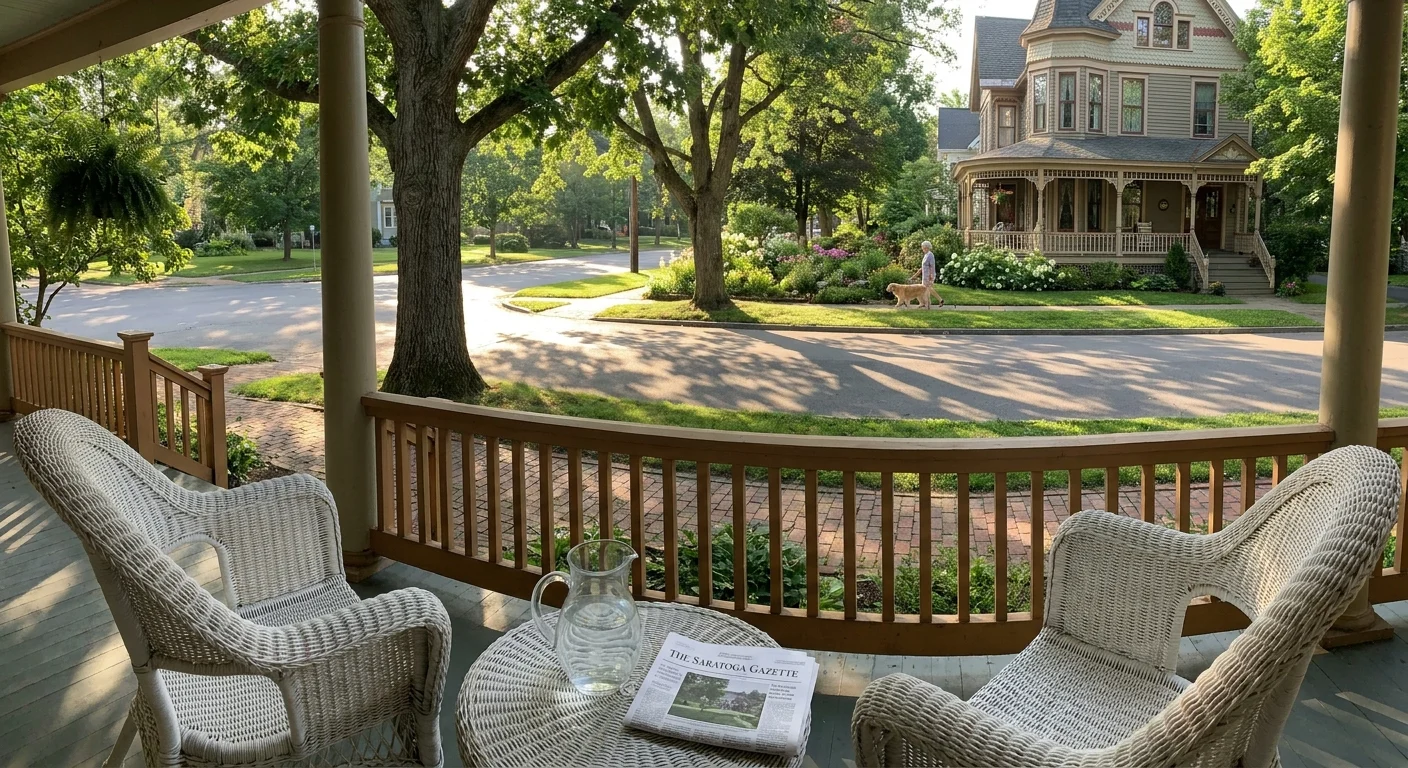
Famous for its historic mineral springs and thoroughbred horse racing, Saratoga Springs offers a retirement lifestyle steeped in arts and culture. The city hosts the Saratoga Performing Arts Center, which serves as the summer home for the New York City Ballet and the Philadelphia Orchestra.
The downtown area is renowned for its Victorian architecture, wide sidewalks, and beautiful floral displays. New York State offers significant advantages for retirees by completely exempting Social Security benefits from state income taxes and providing generous exemptions for public and private pensions. The local healthcare network is strong, and the major medical hubs of Albany are less than an hour away.

5. Traverse City, Michigan
Known as the Cherry Capital of the World, Traverse City sits at the base of the Grand Traverse Bay on Lake Michigan. The water here is crystal clear, and the surrounding countryside is dotted with vineyards, orchards, and rolling hills. It is an idyllic setting for retirees who appreciate boating, fishing, and wine tasting.
The Traverse Area Recreation and Transportation trails provide miles of paved paths for safe cycling and walking. Healthcare needs are easily met by Munson Medical Center, a highly rated regional hospital. Michigan has recently updated its tax codes to be more favorable to retirees, rolling back previous taxes on public and private pensions, making this lakeside haven increasingly affordable.

6. Madison, Wisconsin
Built on an isthmus between Lake Mendota and Lake Monona, Madison offers a stunning visual landscape combined with the rich intellectual environment of the University of Wisconsin-Madison. The city consistently ranks high for livability due to its extensive park system, low crime rates, and world-class healthcare facilities associated with the university.
Madison thrives on civic engagement; it is incredibly easy for retirees to find volunteer opportunities, join local boards, or audit university classes. The Saturday morning farmers market around the State Capitol is a beloved weekly tradition. Wisconsin does not tax Social Security benefits, though property taxes in Dane County can be substantial.

7. Duluth, Minnesota
For retirees seeking a more rugged, dramatic landscape, Duluth delivers. Built on a steep hillside overlooking the vast expanse of Lake Superior, this port city offers breathtaking views and endless access to the North Woods. Duluth is incredibly affordable compared to coastal northern towns, allowing retirees to purchase homes with spectacular water views at a fraction of the cost.
The city features a vibrant Lakewalk, excellent local breweries, and a deep appreciation for the outdoors. Winters here are undeniably long and cold; however, the community embraces the snow with festivals, snowshoeing, and cross-country skiing. The local medical infrastructure is anchored by Essentia Health and St. Luke’s, providing top-tier care without the need to travel to Minneapolis.
8. Galena, Illinois
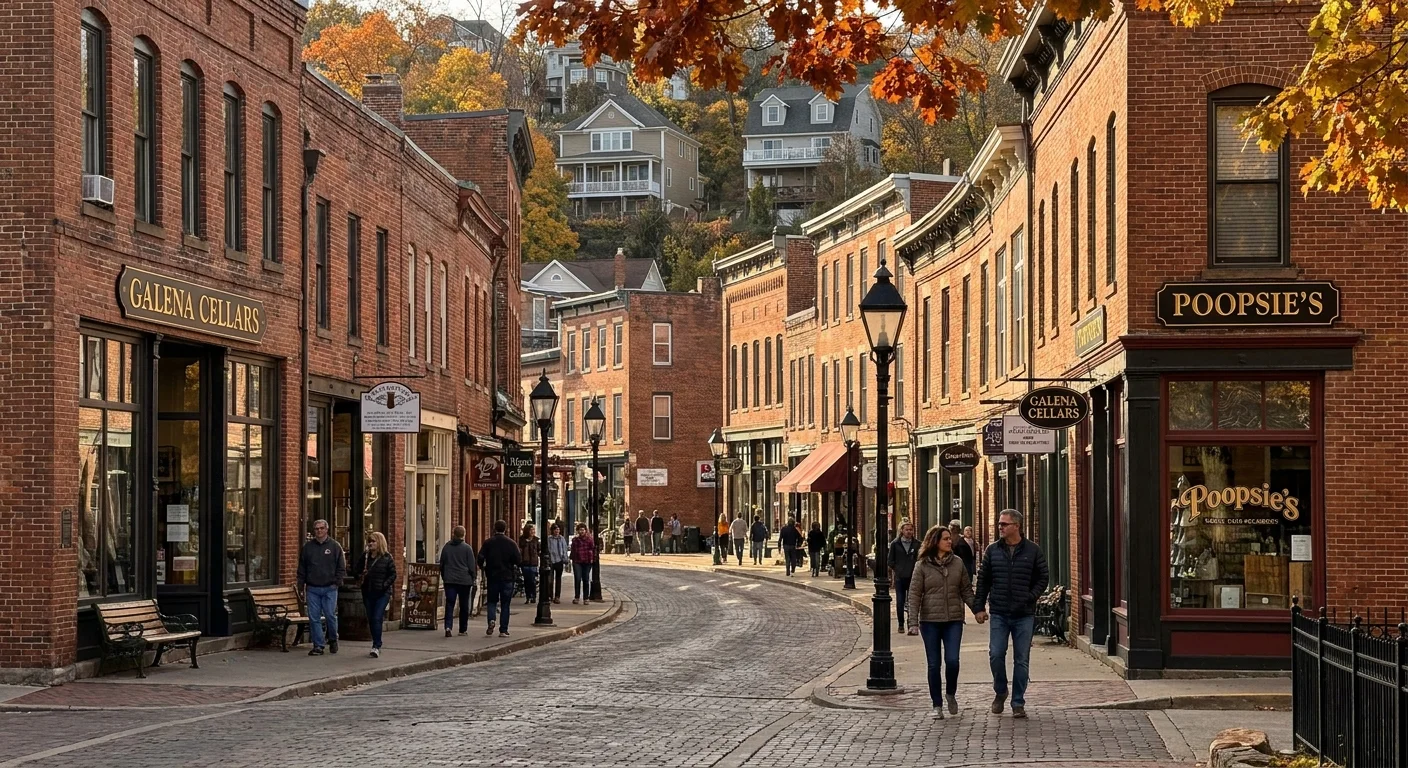
Tucked into the rolling hills of the Driftless Area in northwestern Illinois, Galena looks exactly as it did in the 19th century. Over 85 percent of the town is listed on the National Register of Historic Places. For retirees seeking a quiet, intensely charming small-town environment, Galena is tough to beat.
The Main Street is lined with red-brick buildings housing boutiques, art galleries, and restaurants. Beyond its beauty, Galena offers a massive financial advantage: Illinois does not tax retirement income. This means your Social Security, 401(k) distributions, and pension payouts are completely exempt from state income tax, leaving you with more discretionary income to enjoy the local golf courses and historic tours.

9. State College, Pennsylvania
Colloquially known as Happy Valley, State College revolves around Penn State University. Retiring in a major college town provides profound benefits: cultural events, Big Ten athletics, youthful energy, and access to advanced medical care at Mount Nittany Medical Center.
The town is impeccably clean, highly educated, and very safe. Through the Osher Lifelong Learning Institute, retirees can take hundreds of non-credit courses purely for the joy of learning. Furthermore, Pennsylvania is one of the most tax-friendly states for retirees in the nation, completely exempting Social Security, public pensions, private pensions, and distributions from retirement accounts like IRAs and 401(k)s.
Comparing Your Northern Options
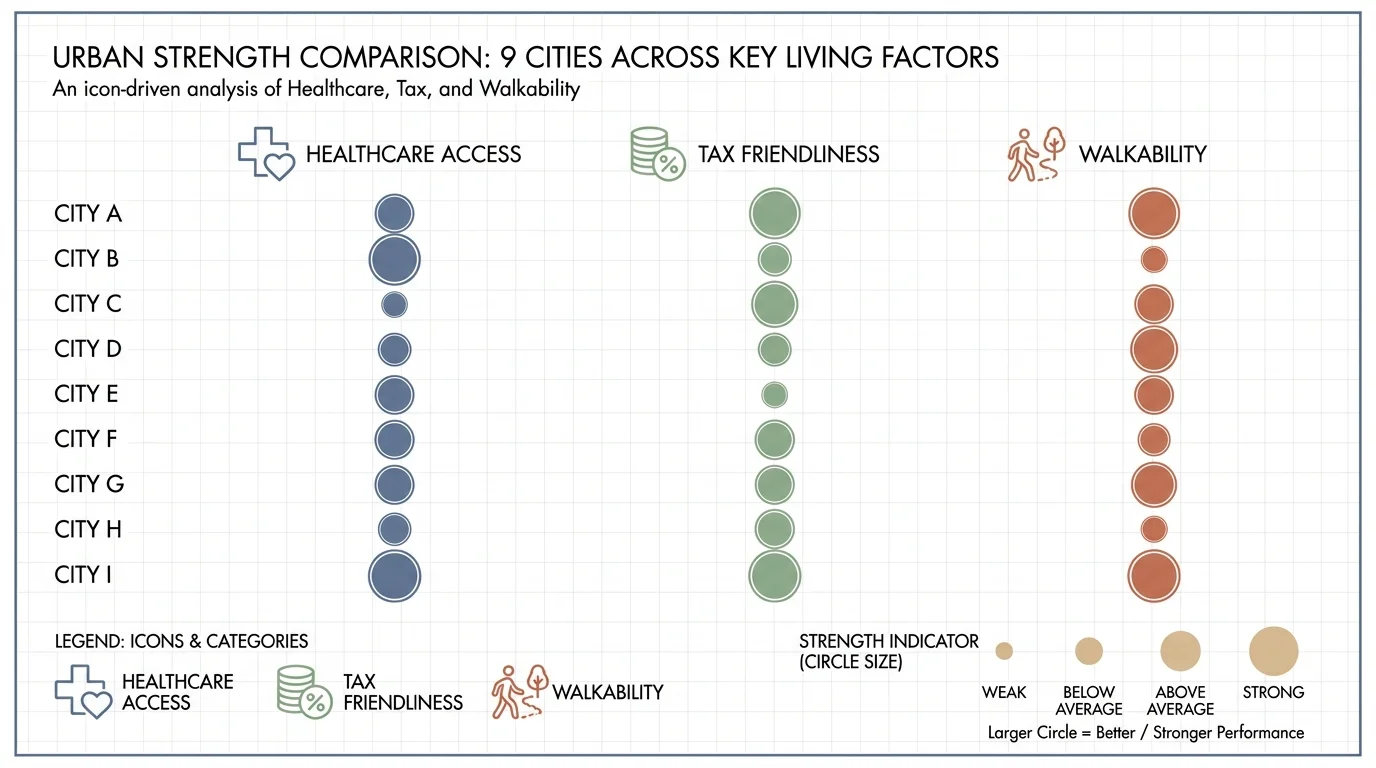
When narrowing down your choices, you must weigh the climate against local economics. The table below highlights key comparative factors for a few of these top destinations to help you gauge which environment best matches your retirement strategy.
| Destination | State Tax on Social Security | Tax on Pensions/401(k) | Primary Lifestyle Draw |
|---|---|---|---|
| Portsmouth, NH | None | None (No state income tax) | Coastal history; zero sales tax |
| Saratoga Springs, NY | None | Generous exemptions | Arts, racing, and mineral springs |
| Galena, IL | None | None (Fully exempt) | 19th-century charm; rolling hills |
| State College, PA | None | None (Fully exempt) | University culture; lifelong learning |
| Portland, ME | None | Tiered taxation with deductions | Culinary excellence; sailing |
State Taxes and Your Retirement Income
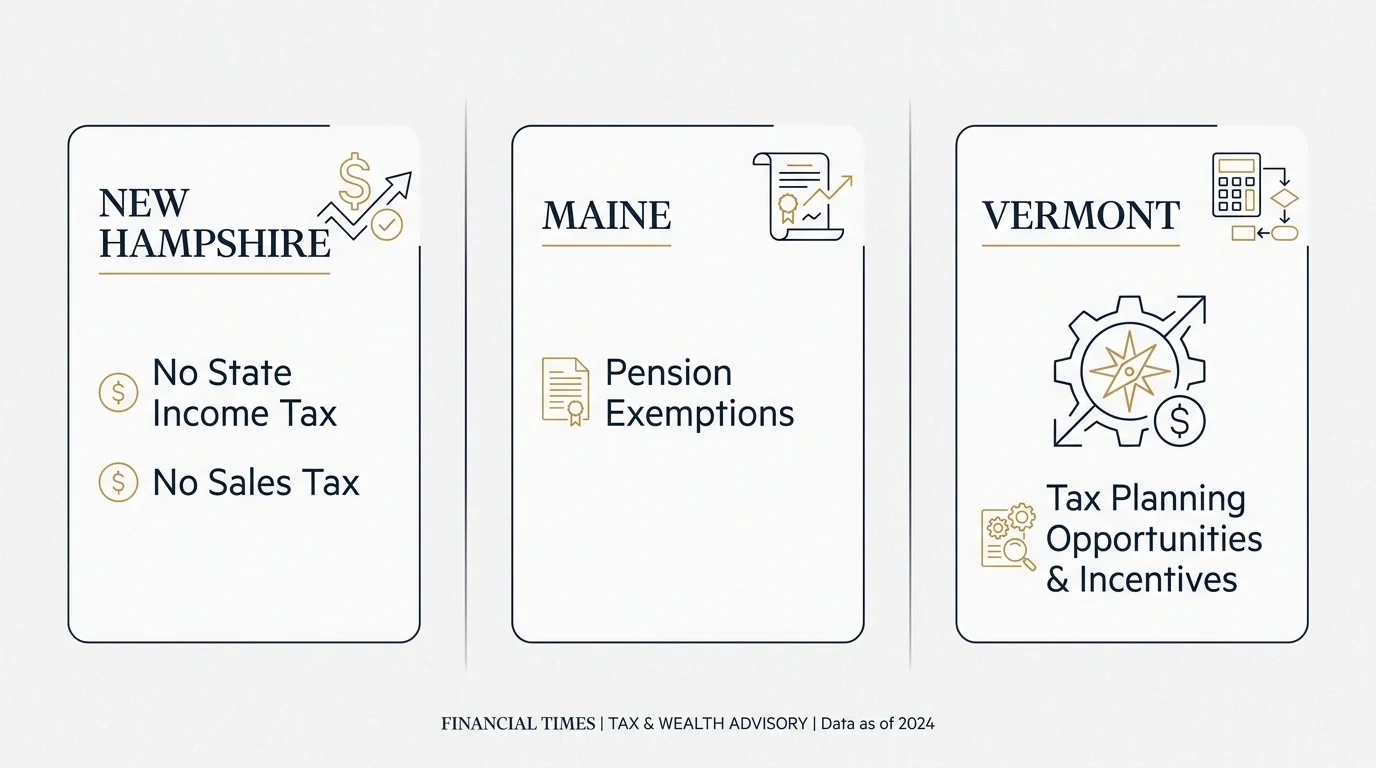
Your geographic location drastically impacts your net retirement income. When you evaluate northern towns, you cannot look solely at the sticker price of a house; you must analyze the comprehensive tax burden. Many northern states employ a high-tax, high-service model, meaning you will pay more in taxes but receive superior public transportation, better roads, and extensive senior center programming.
States like Pennsylvania and Illinois offer massive incentives by completely exempting your retirement income from state taxation. New Hampshire achieves a similar result by having no state income tax at all. However, local municipalities must fund their services somehow, which frequently results in higher local property taxes. Before buying a home, review the historical property tax rates for the specific county you are targeting. You can find comprehensive state-by-state tax guides through resources like Kiplinger to help you run the exact numbers on your projected income.

Evaluating Local Healthcare Options
Relocating to a new state triggers significant changes to your Medicare coverage. While Original Medicare (Part A and Part B) is a federal program that travels with you to any doctor who accepts Medicare nationwide, private Medicare plans operate on localized networks.
If you are enrolled in a Medicare Advantage (Part C) plan or a standalone Part D prescription drug plan, moving out of your current plan’s service area grants you a Special Enrollment Period. You will need to select a new plan within your new northern zip code. Moving to a rural northern town might limit your choices of Advantage plans, making Original Medicare paired with a Medigap policy a safer bet for unrestricted access to specialists.
You must also be aware of state-specific Medigap rules. Some northern states, like New York and Maine, have favorable community-rating rules or guaranteed issue rights that protect you from medical underwriting. Always use the official plan finder tool on Medicare.gov to verify which insurance networks operate seamlessly in your chosen town.
Pitfalls to Watch For When Relocating North
Moving across the country is a monumental task, and shifting to a colder climate introduces specific challenges. Keep these common pitfalls in mind as you plan your northern retirement:
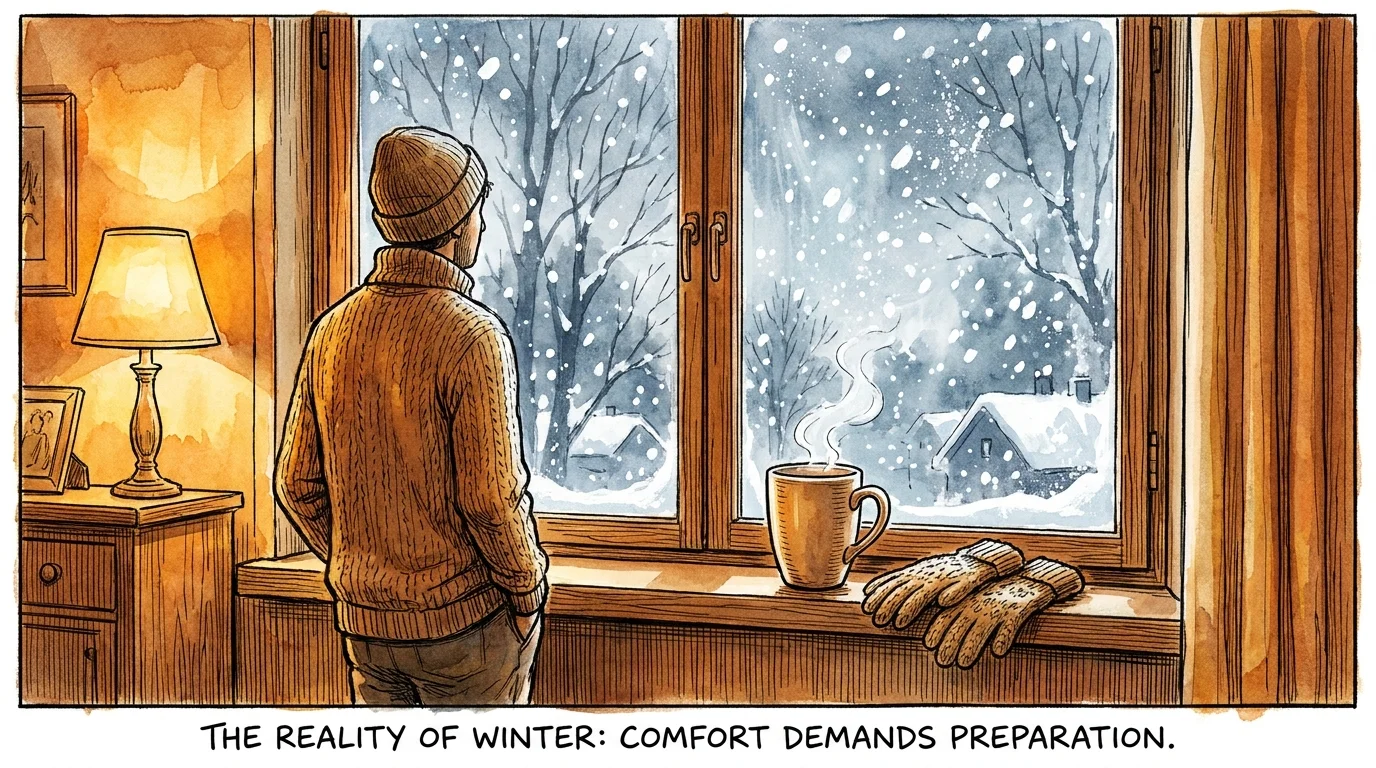
- Underestimating Winter Maintenance: Shoveling snow becomes dangerous as we age due to slip risks and cardiovascular strain. Budget for professional snow removal and landscaping services so you can enjoy the snow through the window rather than fighting it in the driveway.
- Ignoring Housing Design: Older, charming Victorian homes in the north often feature steep, narrow staircases and main bedrooms on the second floor. Look for homes with universal design elements—like zero-step entryways, main-floor primary suites, and walk-in showers—to ensure you can age in place gracefully.
- Social Isolation in Winter: The dark, cold months of January and February can lead to cabin fever if you do not have an established social network. Prioritize towns with robust senior centers, indoor fitness facilities, or university extension programs to keep you engaged year-round.
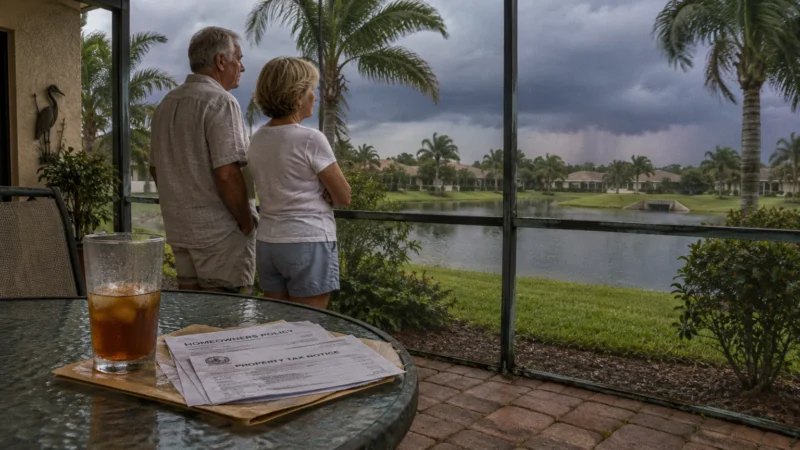
- Overlooking the Total Tax Burden: Do not move solely because a state does not tax pensions. If the property taxes and sales taxes are exceptionally high, your overall cost of living might actually increase.
Frequently Asked Questions
How do I manage harsh northern winters as I age?
Preparation is everything. Transitioning to a maintenance-free housing community, such as a condo or a managed patio home, eliminates the physical burden of snow removal and exterior maintenance. Additionally, invest in high-quality winter gear to prevent slips, and consider joining indoor walking clubs or taking up indoor hobbies to stay active during the coldest weeks.
Are northern states less tax-friendly for retirees?
It is a mixed bag. States like Vermont and Minnesota generally have higher tax burdens. Conversely, Pennsylvania, New Hampshire, and Illinois are among the most tax-friendly states in the country for retirees because they either exempt retirement income entirely or lack a state income tax. You must evaluate the laws of the specific state.
Will my Medicare coverage work if I move to a different state?
If you have Original Medicare, yes—you can see any doctor in the United States who accepts Medicare. If you have a Medicare Advantage plan, you will almost certainly need to enroll in a new plan specific to your new county. Moving provides a Special Enrollment Period allowing you to make this switch without penalty.
How can I test a town before committing?
Never buy a home in a northern destination without experiencing its winter firsthand. Rent an Airbnb or a short-term apartment for the month of February. This allows you to experience the reality of the climate, evaluate the local grocery store access during a snowstorm, and see if the community remains active in the off-season. You can also research the community’s livability score via AARP to assess its senior-friendly infrastructure.
Your Next Steps
Finding the perfect northern retirement destination requires balancing your desire for distinct seasons and cultural charm with your financial reality and healthcare needs. Start by picking your top three spots from this list and spending a week in each during their off-season. Talk to the locals, visit the primary medical centers, and consult with a tax professional to model how a relocation will affect your specific retirement portfolio.
This is educational content based on general retirement and financial principles. Individual results vary based on your situation. Always verify current benefit rules, tax laws, and eligibility requirements with official sources like SSA, Medicare.gov, or the IRS.
Last updated: March 2026. Retirement benefits, tax rules, and healthcare regulations change frequently—verify current details with official sources.








Leave a Reply