
Stepping away from the daily grind opens the door to days spent hiking quiet trails and breathing fresh mountain air. Choosing the right nature-filled destination for your sixties requires balancing scenic beauty with practical realities like healthcare access, tax rules, and cost of living. You need a location that feeds your soul while protecting your financial security. Whether you crave the dramatic red rocks of the Southwest, the lush canopies of the Blue Ridge Mountains, or the crisp lakeside breezes of the Midwest, certain towns stand out for active adults. Evaluating these top outdoor retirement destinations helps you align your lifestyle goals with long-term peace of mind, ensuring your next chapter is vibrant and secure.
Evaluating Scenic Places to Retire
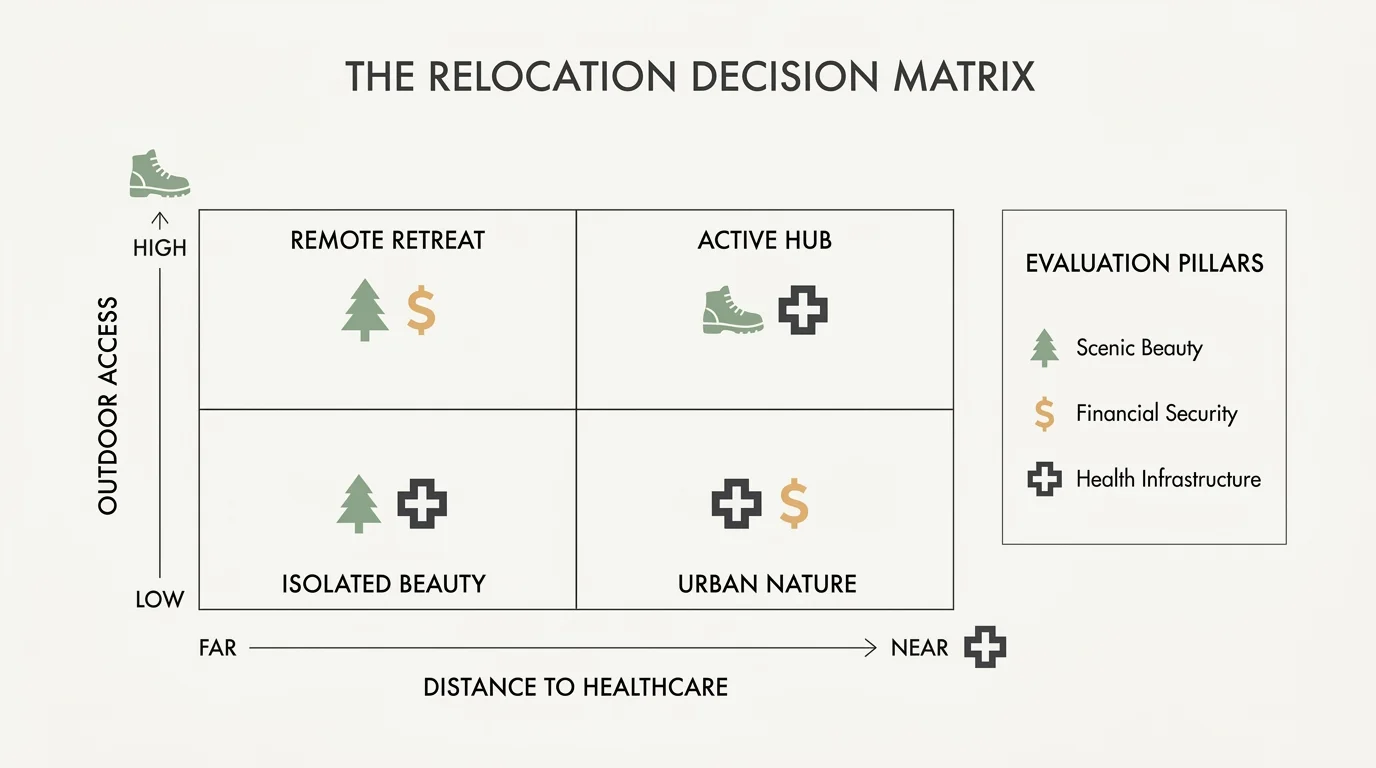
Relocating for retirement requires more than just picking a spot with a beautiful view. When you leave the workforce, your daily routine changes entirely, and your environment must support a healthy, active, and financially sustainable lifestyle. Finding the best nature retirement destinations means looking for intersections of natural beauty, community engagement, and robust infrastructure.
As you assess potential locations, consider the specific outdoor activities you enjoy. A town that offers world-class downhill skiing might not be ideal if you prefer gentle, paved walking trails along a river. Similarly, a remote mountain cabin sounds romantic, but living an hour away from the nearest hospital becomes a serious liability as you age. The most successful relocations happen when you balance your desire for outdoor retirement living with clear-eyed practicalities.
“Retirement should not be an end, but a new beginning—a time to transition from a life of making a living to a life of making a difference and enjoying your surroundings.” — Mitch Anthony, Financial Planner and Author

The 11 Best Nature-Filled Destinations
The following locations offer varying climates, landscapes, and cultural vibes, but they all share one common trait: they provide exceptional access to the natural world while maintaining the amenities necessary for a comfortable retirement.
1. Asheville, North Carolina
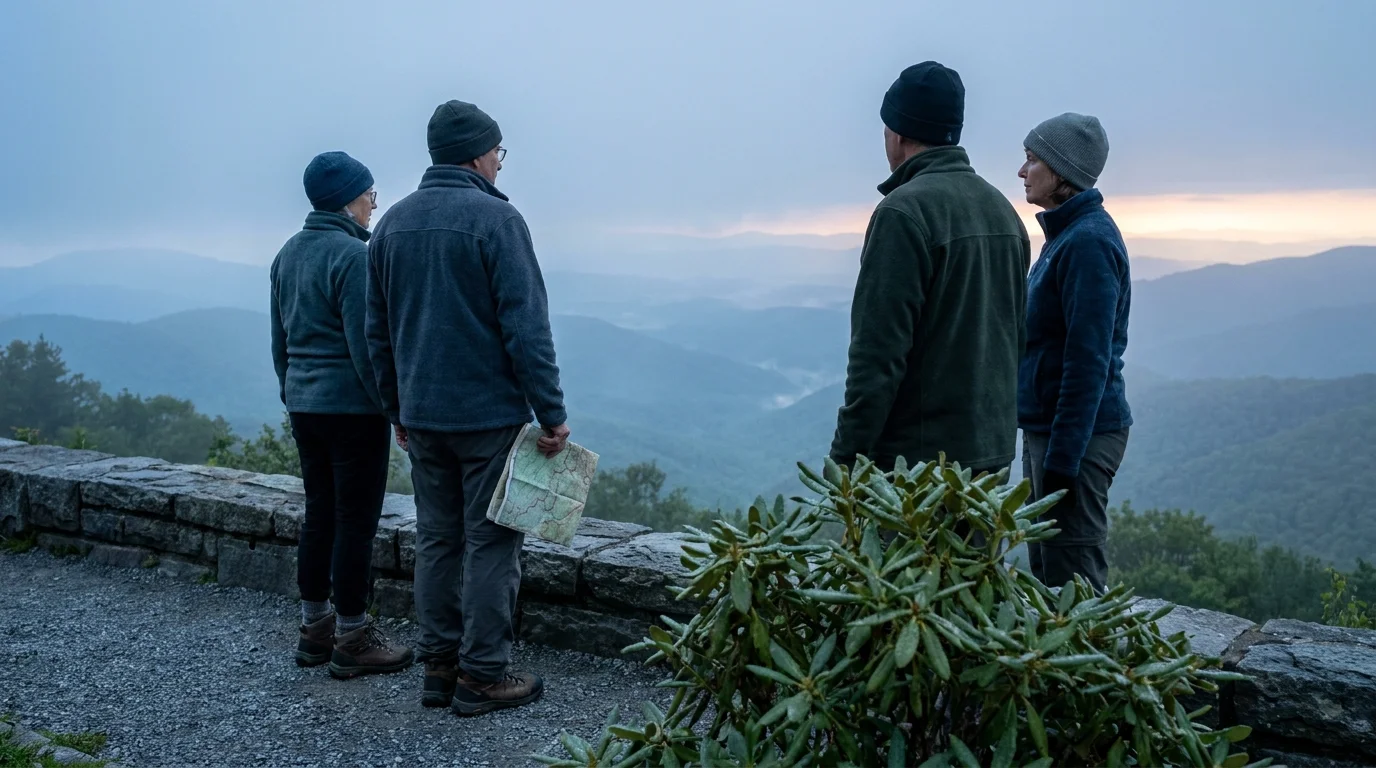
Nestled in the Blue Ridge Mountains, Asheville consistently ranks as one of the most desirable peaceful retirement locations in the country. The city offers immediate access to the Blue Ridge Parkway and the expansive Pisgah National Forest. You can spend your mornings hiking shaded mountain trails and your afternoons exploring a vibrant downtown filled with art galleries and farm-to-table restaurants.
Beyond the scenery, Asheville provides excellent medical facilities, primarily through the Mission Health system. North Carolina also exempts Social Security benefits from state income taxes, making it financially attractive. The climate features four distinct seasons, but the winters remain relatively mild compared to northern states, allowing for year-round outdoor activity.

2. Sedona, Arizona
If you prefer a dry climate and dramatic landscapes, Sedona offers unparalleled visual beauty. Surrounded by towering red rock buttes and the vast Coconino National Forest, this high-desert town provides hundreds of miles of trails for hiking and mountain biking. The elevation keeps it cooler than Phoenix, offering more temperate summers while still providing sunny, mild winters.
Sedona leans heavily into wellness and healthy living, boasting numerous spas, alternative medicine practitioners, and community wellness programs. Housing costs run higher here than the national average, so you must carefully evaluate your retirement budget before making the move. However, for those who can afford it, Sedona offers a highly active, spiritually enriching environment.

3. Traverse City, Michigan
Positioned on the shores of the Grand Traverse Bay, Traverse City serves as a gateway to Lake Michigan and the stunning Sleeping Bear Dunes National Lakeshore. This destination shines for retirees who love the water. You can spend your days boating, fishing, or walking miles of pristine freshwater beaches.
Traverse City embraces all four seasons. While the winters bring substantial snowfall, the community remains active with cross-country skiing, snowshoeing, and cozy indoor cultural events. The region features a robust healthcare system anchored by Munson Medical Center, ensuring you do not have to travel far for specialized care. Property taxes vary, but the overall cost of living remains manageable for many retirees.

4. Bend, Oregon
Sitting in the high desert east of the Cascade Mountains, Bend enjoys roughly 300 days of sunshine each year. The Deschutes River runs directly through town, providing opportunities for kayaking, paddleboarding, and fly fishing just minutes from your front door. The nearby Cascade Lakes and Mount Bachelor offer endless summer hiking and winter skiing.
Bend attracts a highly active demographic, making it easy to find walking groups, cycling clubs, and volunteer organizations focused on environmental conservation. While Oregon imposes a relatively high state income tax, it does not tax Social Security benefits and has no state sales tax. The St. Charles Health System provides comprehensive medical care for the growing senior population.
5. Coeur d’Alene, Idaho
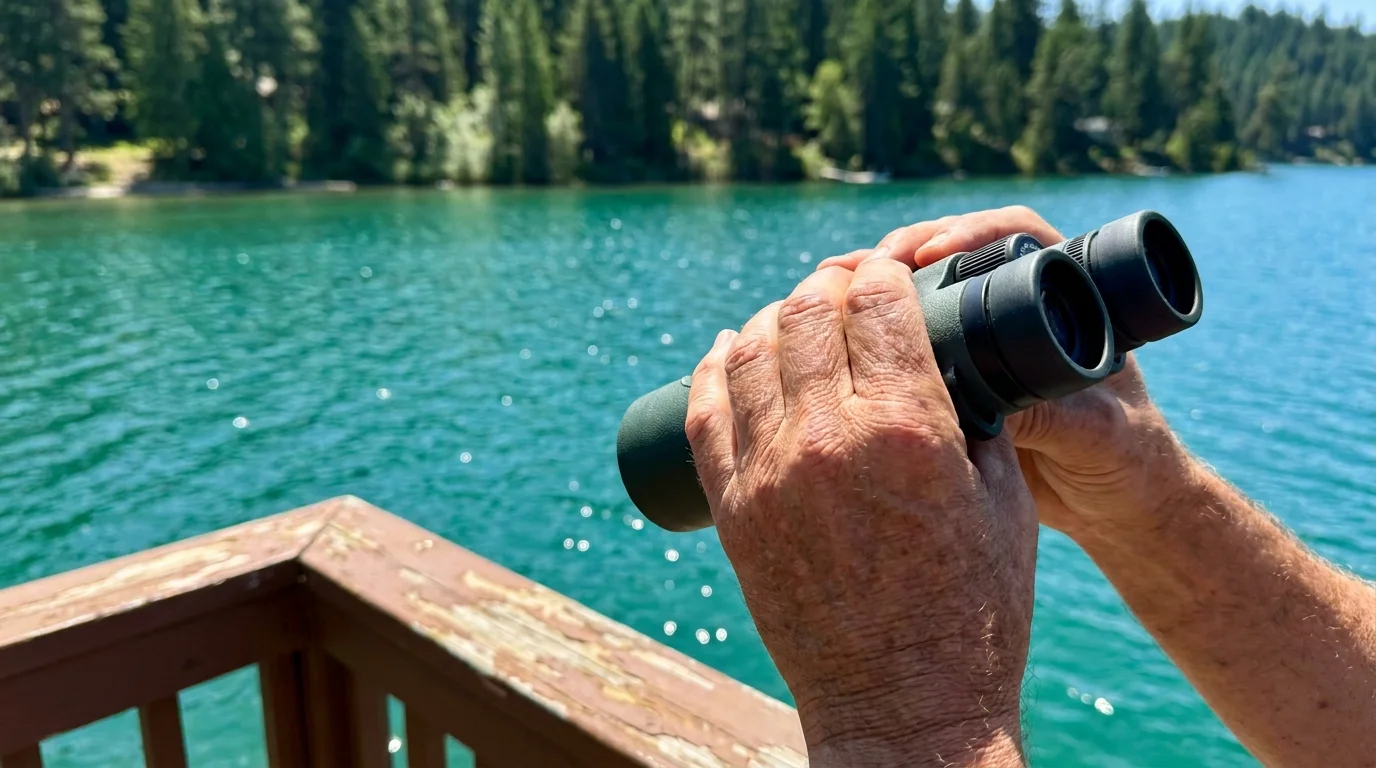
Surrounded by dozens of pristine lakes left behind by Ice Age glaciers, Coeur d’Alene offers a quintessential Pacific Northwest outdoor experience without the heavy rainfall of the coast. The Idaho Panhandle National Forests provide millions of acres for exploration. You can cycle the famous Trail of the Coeur d’Alenes, a paved 73-mile path that spans the state.
Idaho frequently appeals to retirees due to its lower overall cost of living and favorable tax policies. The community feels smaller and more relaxed than major urban centers, but it maintains excellent amenities. The local healthcare network is strong, and Spokane, Washington, sits just 30 miles away for any highly specialized medical needs.
6. St. George, Utah
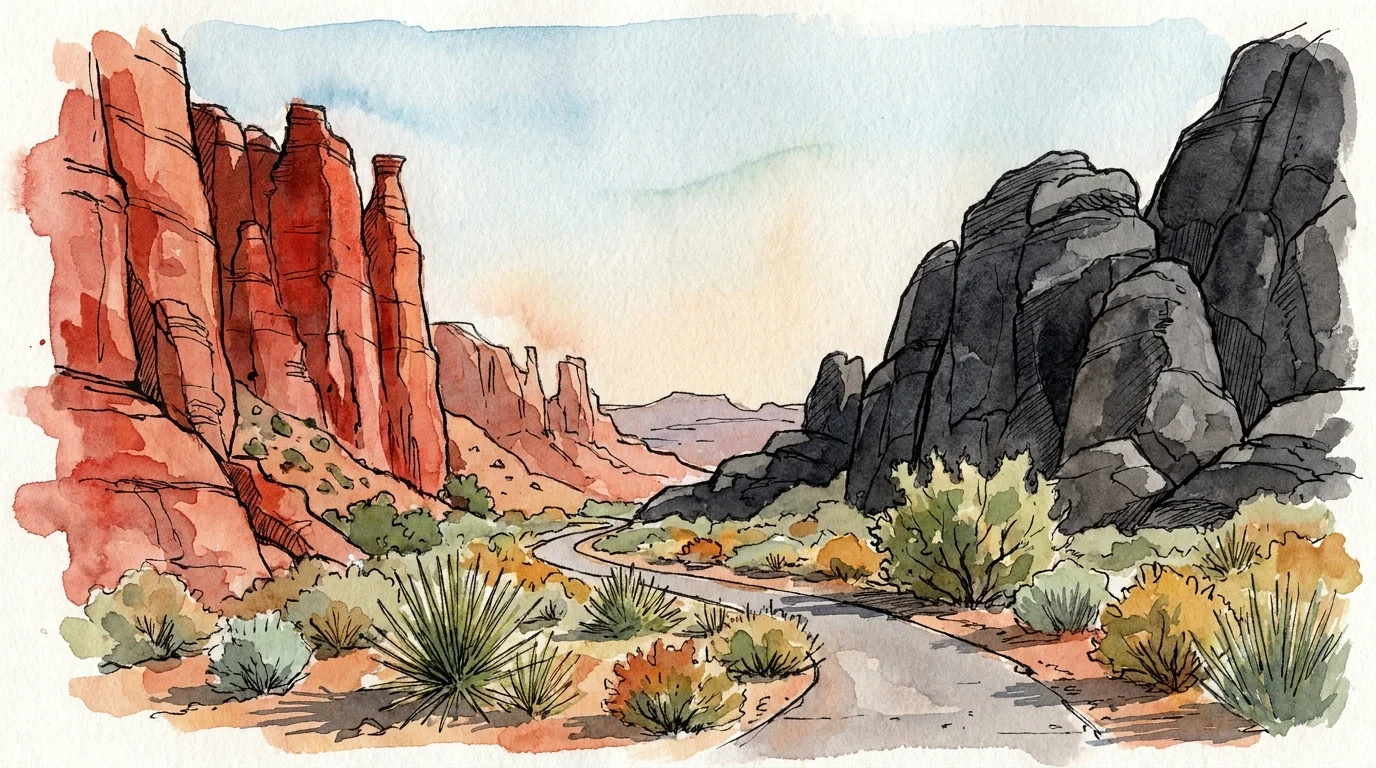
Located in the southwestern corner of Utah, St. George puts you at the doorstep of Zion National Park and Snow Canyon State Park. The landscape features stunning red sandstone cliffs and black lava rock. Because it sits at a lower elevation than much of the state, St. George avoids harsh winters, making it a haven for snowbirds and year-round retirees alike.
Golfing, hiking, and cycling dominate the local culture. The city boasts miles of paved, multi-use urban trails that connect neighborhoods to parks and commercial centers. While Utah does tax some retirement income, property taxes remain relatively low. The Intermountain Health system operates a major hospital in the city, providing reliable care.

7. Burlington, Vermont
For those who desire a blend of intellectual stimulation and deep woods beauty, Burlington offers a unique northern retreat. Set on the shores of Lake Champlain with the Green Mountains serving as a backdrop, the city provides spectacular scenery. You can sail the lake in the summer and ski world-class resorts in the winter.
Home to the University of Vermont, Burlington brings a college-town energy to retirement. You can take advantage of lifelong learning programs and cultural events. The UVM Medical Center is a top-tier teaching hospital, providing exceptional healthcare. Keep in mind that Vermont has a higher cost of living and heavier tax burden, so robust financial planning is necessary.
8. Bozeman, Montana
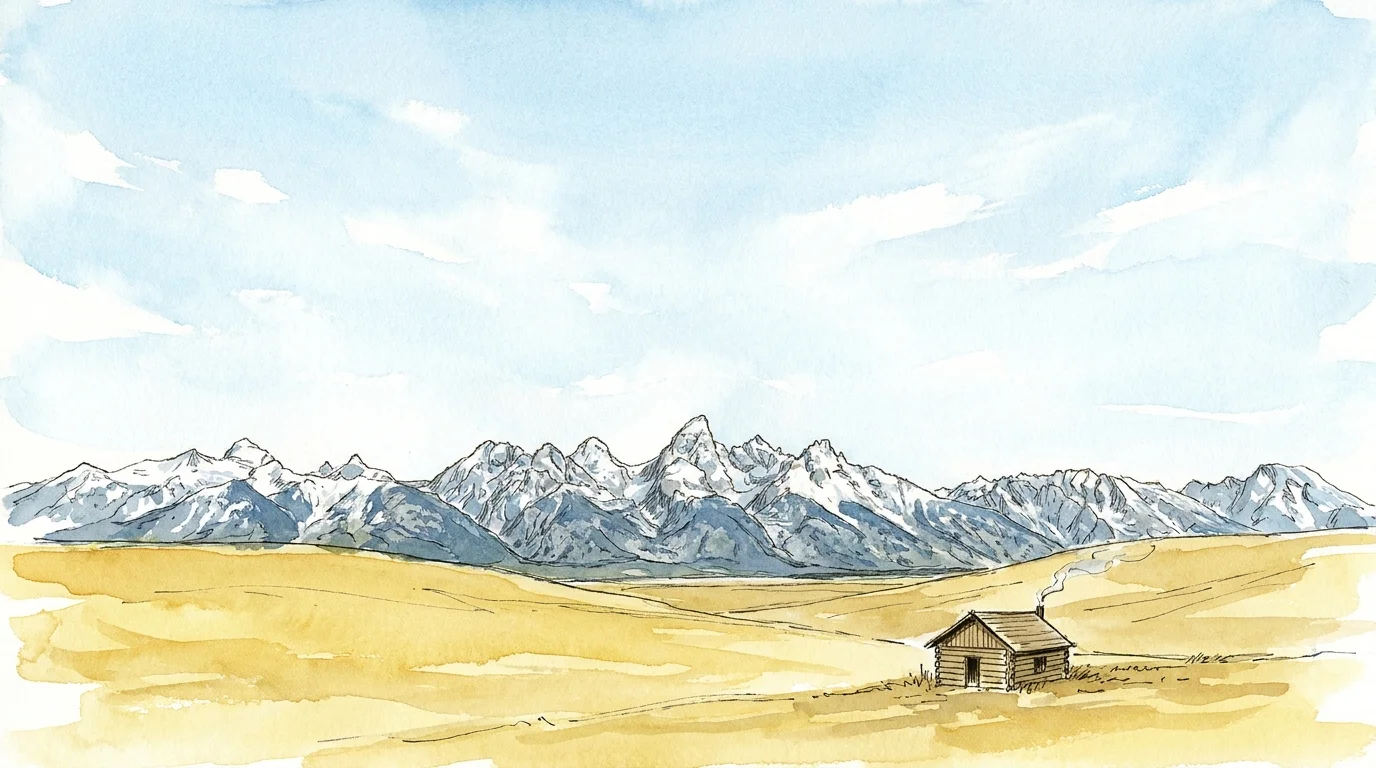
Bozeman sits in the fertile Gallatin Valley, surrounded by rugged mountain ranges. It serves as a northern gateway to Yellowstone National Park, making it an absolute dream for wildlife enthusiasts, fly fishers, and hikers. The air is crisp, the water is clean, and the community deeply values its connection to the outdoors.
Like Burlington, Bozeman benefits from a university presence (Montana State University). The town has grown rapidly in recent years, which has driven up housing costs, but this growth has also brought expanded medical services through Bozeman Health. Montana does not have a state sales tax, which helps offset some daily living expenses.

9. Taos, New Mexico
If you want a retirement near nature that feels culturally distinct from the rest of the country, Taos delivers. Located in the high desert of the Sangre de Cristo Mountains, Taos features historic adobe architecture and a deep-rooted artistic community. The nearby Rio Grande Gorge and Taos Ski Valley provide dramatic landscapes for recreation.
The high altitude (nearly 7,000 feet) means you get four distinct seasons with plenty of sunshine and low humidity. This climate often benefits individuals with certain respiratory or joint issues, though you should consult your doctor about living at elevation. Taos offers a quieter, slower pace of life, making it a truly peaceful retirement location.
10. Ithaca, New York
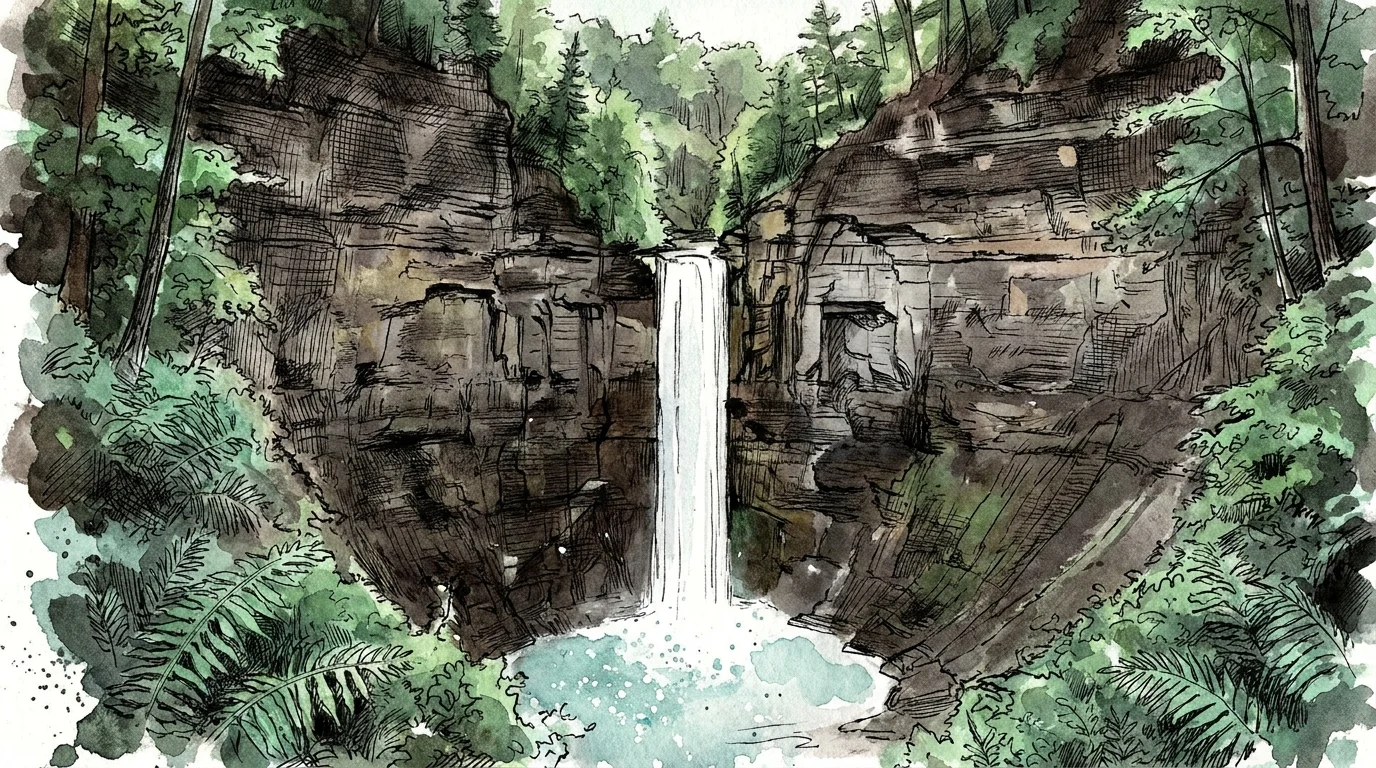
Famous for the phrase “Ithaca is Gorges,” this central New York town sits at the southern tip of Cayuga Lake. The surrounding area features more than 150 waterfalls within a 10-mile radius. State parks like Taughannock Falls and Watkins Glen offer spectacular hiking through ancient, glacier-carved landscapes.
Home to Cornell University and Ithaca College, the town vibrates with cultural and educational opportunities. You can audit classes, attend concerts, and engage with a highly educated community. New York taxes can be steep, but the state does exempt public pensions and up to $20,000 of private retirement income from state taxes. The local Cayuga Medical Center handles most routine and emergency healthcare needs.
11. Bar Harbor, Maine
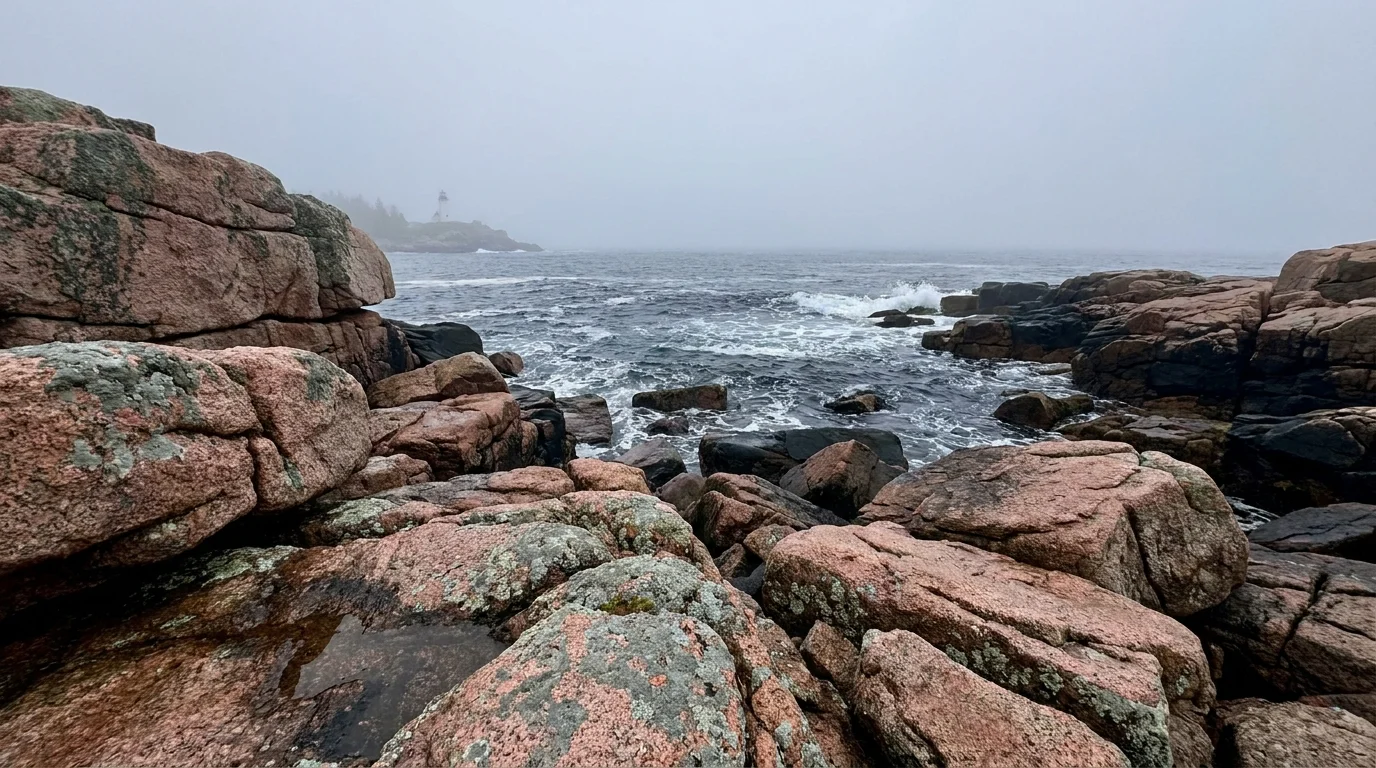
Located on Mount Desert Island, Bar Harbor serves as the gateway to Acadia National Park. If your vision of outdoor retirement living involves rocky coastlines, lobster boats, and crashing Atlantic waves, this is your destination. You can hike the carriage roads of Acadia, kayak along the coast, and watch the first sunrise in the United States from Cadillac Mountain.
Bar Harbor transforms from a bustling tourist hub in the summer to a quiet, tight-knit community in the winter. Living here requires an appreciation for cold weather and a slower winter pace. The Mount Desert Island Hospital provides local care, with larger facilities available in Bangor. Maine offers targeted tax relief programs for senior homeowners to help manage property costs.
Comparing Top Peaceful Retirement Locations
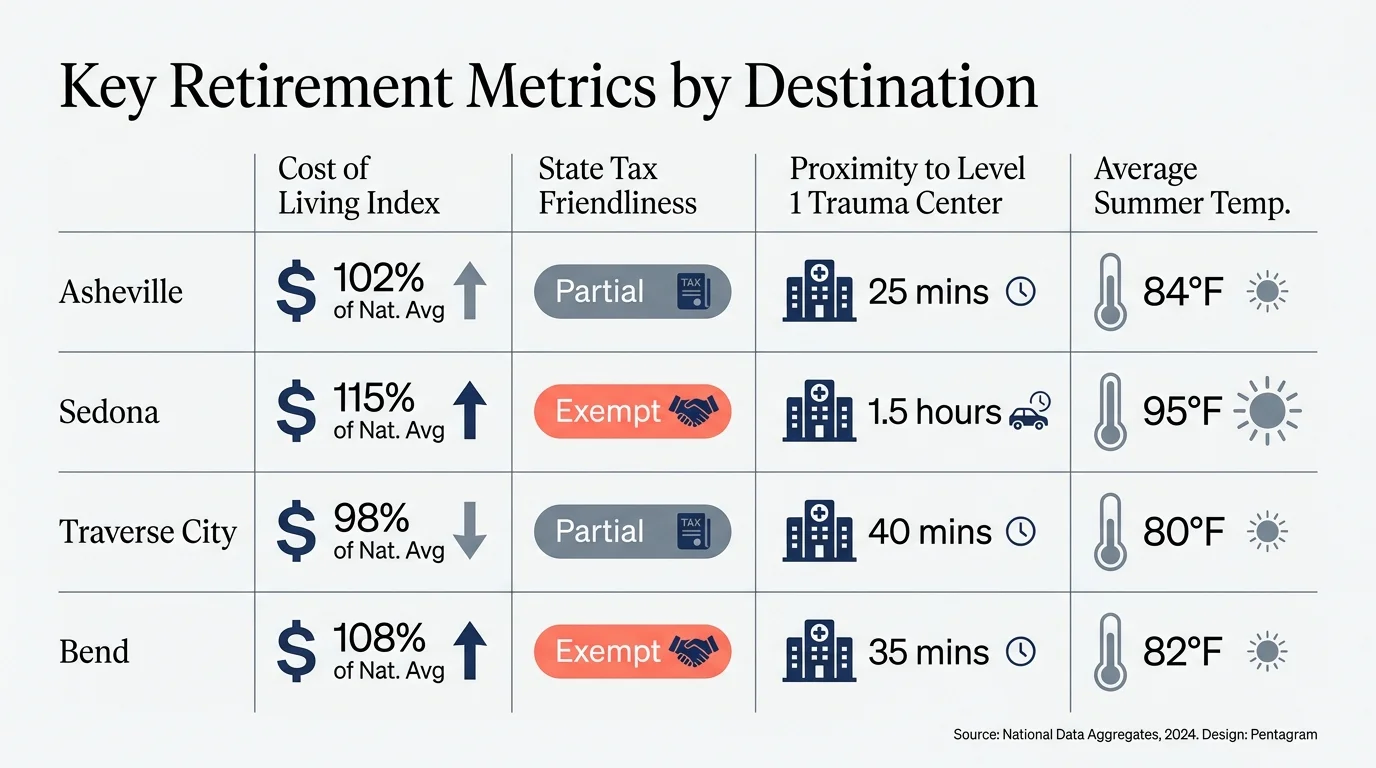
To help you weigh your options, the table below compares five of the most popular destinations across key lifestyle categories. Keep in mind that “Cost of Living” is relative to the national average, and housing markets fluctuate.
| Destination | Primary Landscape | Cost of Living | Healthcare Hub | Best Feature for Active Aging |
|---|---|---|---|---|
| Asheville, NC | Forested Mountains | Moderate to High | Mission Health | Year-round temperate hiking |
| Bend, OR | High Desert / Lakes | High | St. Charles Health | 300+ days of sunshine |
| Traverse City, MI | Freshwater Coastline | Moderate | Munson Medical | Water sports and beach walking |
| St. George, UT | Red Rock Desert | Moderate to High | Intermountain Health | Extensive paved urban trail system |
| Burlington, VT | Lakeside / Mountains | High | UVM Medical Center | Walkable layout and lifelong learning |
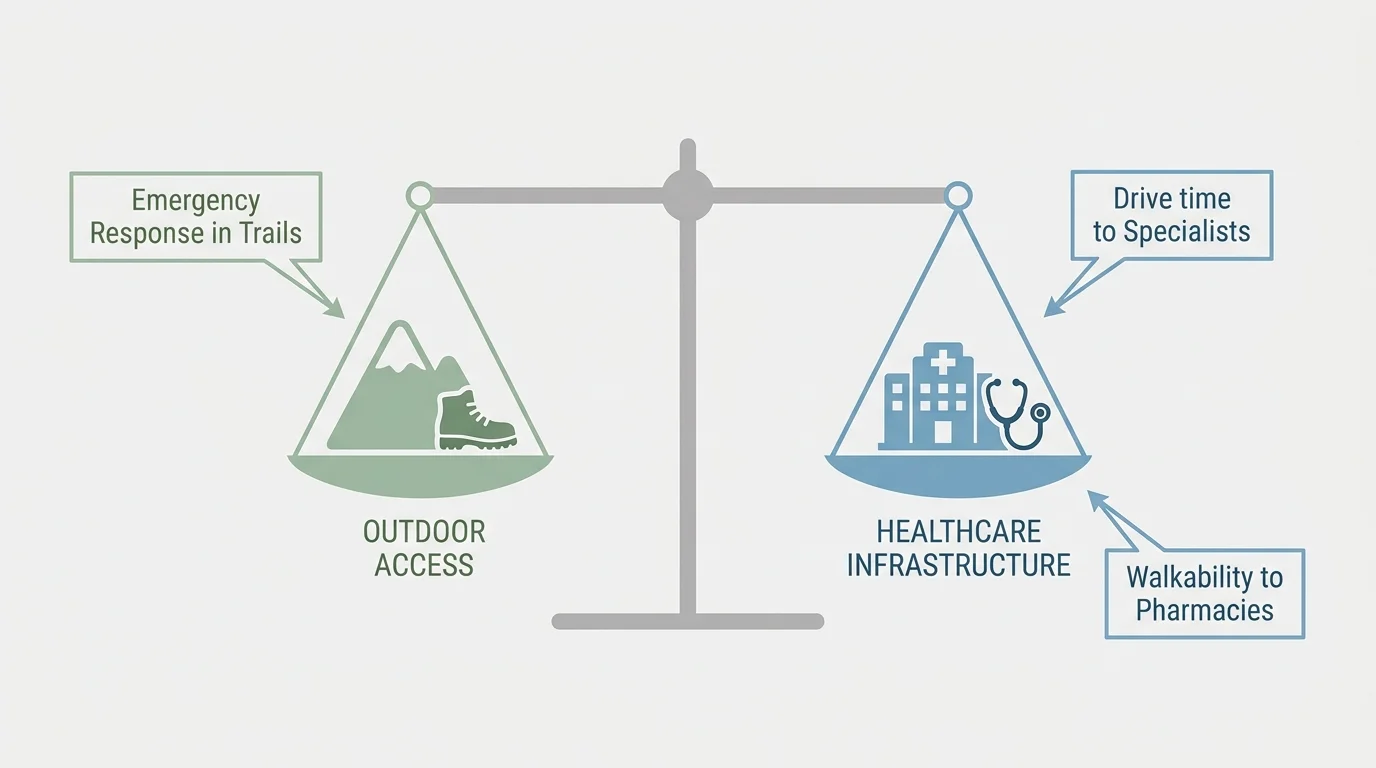
Balancing Outdoor Access with Healthcare Realities
Moving to a beautiful natural setting often means moving further away from major metropolitan centers. While the fresh air and active lifestyle will undoubtedly benefit your physical health, you must proactively manage your healthcare logistics. As you age, proximity to specialists, emergency services, and rehabilitation centers becomes non-negotiable.
Before committing to a new location, verify how your current health insurance will function. If you utilize Original Medicare, you can generally see any doctor who accepts Medicare nationwide. However, if you rely on a Medicare Advantage plan, your coverage is often tied to a specific regional network. Relocating to a different state or even a different county usually requires you to switch plans entirely. You can use official resources provided by Medicare.gov to search for available plans and provider networks in your target zip code before you move.
Furthermore, investigate the local hospital’s trauma level and specialty departments. A small town might have a wonderful primary care clinic, but if you require a specialized cardiologist or regular oncology treatments, an hour-long drive in winter weather can become a dangerous burden. Organizations like AARP offer livability indexes that rate communities on their healthcare accessibility, helping you measure how well a scenic town supports senior health needs.

Common Mistakes to Avoid When Relocating
Relocating later in life involves significant emotional and financial investments. Sidestep these frequent pitfalls to ensure your transition to a nature-filled destination is smooth.
- Buying Before Renting: Never purchase a home in a new town based solely on a few great vacations. Vacationing in a place is entirely different from living there year-round. Rent for at least six months—preferably spanning the harshest weather season—to ensure the daily reality matches your expectations.
- Underestimating the Cost of Isolation: A cabin in the woods sounds peaceful, but physical isolation can lead to social isolation, which negatively impacts cognitive and emotional health. Choose a location where you can easily drive to a grocery store, a community center, and neighbors.
- Ignoring State Tax Nuances: Don’t just look at income tax rates. A state might have zero income tax but incredibly high property taxes or sales taxes. Utilize resources from the National Council on Aging (NCOA) to understand the full financial picture of your targeted destination.
- Overlooking Future Mobility Needs: You might be capable of maintaining a steep, winding driveway and a multi-story home at 62. But consider how that same property will function at 82. Look for single-story living and flat, accessible properties even in mountainous regions.
Frequently Asked Questions
Does moving to a rural nature destination affect my Social Security benefits?
No, your federal Social Security benefit amount remains exactly the same regardless of where you live in the United States. However, your net income might change depending on how your new state taxes those benefits. Currently, a majority of states do not tax Social Security, but you must verify the rules for your specific destination.
How do I find a community of other retirees in an outdoor town?
Look for towns that have active chapters of national organizations, robust parks and recreation departments, or university extension programs. Volunteering at local state or national parks, joining local bird-watching or hiking clubs, and participating in library events are the fastest ways to build a new social network.
Are high-altitude destinations safe for retirees?
High-altitude locations (like Taos or parts of Colorado and Montana) offer crisp air and fewer bugs, but they also have lower oxygen levels. This can exacerbate existing heart conditions, COPD, or high blood pressure. You should always consult your primary care physician and ideally spend a few weeks at elevation to test how your body responds before making a permanent move.
Finding your perfect outdoor retirement destination takes time, research, and careful planning. You have spent decades working hard; you deserve a retirement environment that brings you joy, peace, and natural beauty. Focus on your priorities, test out a few locations, and prepare your finances for the transition. The right scenic town is out there, ready to serve as the backdrop for your most fulfilling chapter yet.
This article provides general retirement education and information only. Every retiree’s situation is unique—what works for others may not work for you. For personalized advice, consider consulting a qualified financial professional such as a CFP or CPA.
Last updated: May 2026. Retirement benefits, tax rules, and healthcare regulations change frequently—verify current details with official sources.









Leave a Reply