
Retiring no longer requires settling into a cookie-cutter golf community. Today, an exciting wave of niche retirement neighborhoods allows you to center your daily life around the exact passions that drive you. Whether you want to taxi a private plane into your driveway, harvest organic produce at a neighborhood farm, or stargaze from a custom astronomical observatory, specialized active adult communities exist to match your unique interests. Choosing an affinity community provides a built-in network of peers who share your enthusiasm, making it much easier to forge authentic friendships. Moving to a neighborhood designed around your favorite pastime transforms your post-career years from a quiet deceleration into a highly engaged, vibrant new chapter.

The Power of Purpose-Driven Living
For decades, the standard vision of retirement involved moving to a sunny climate, downsizing your home, and perhaps picking up a passive hobby to pass the time. However, modern retirees expect far more from their post-career years. They view retirement not as an ending, but as an opportunity to double down on the interests they barely had time for while working full-time.
Affinity retirement communities—also known as niche communities—cater directly to this mindset. Instead of organizing social calendars around generic card games and generic holiday mixers, these neighborhoods invest heavily in highly specialized infrastructure. They build meditation halls, fully equipped digital editing bays, and working agricultural farms. By moving into a community centered around a specific lifestyle, you bypass the awkward phase of trying to find like-minded friends in a new town. Everyone who buys into the neighborhood already shares your foundational interest.
“Retirement is an artificial finish line. We need to retire to something, not just from something.” — Mitch Anthony, Retirement Expert
The National Council on Aging (NCOA) consistently emphasizes that social isolation presents a severe health risk for older adults. Niche communities actively prevent this isolation by weaving your favorite activities directly into your daily routine and surrounding you with neighbors eager to participate alongside you.
1. Spruce Creek Fly-In: The Aviator’s Paradise
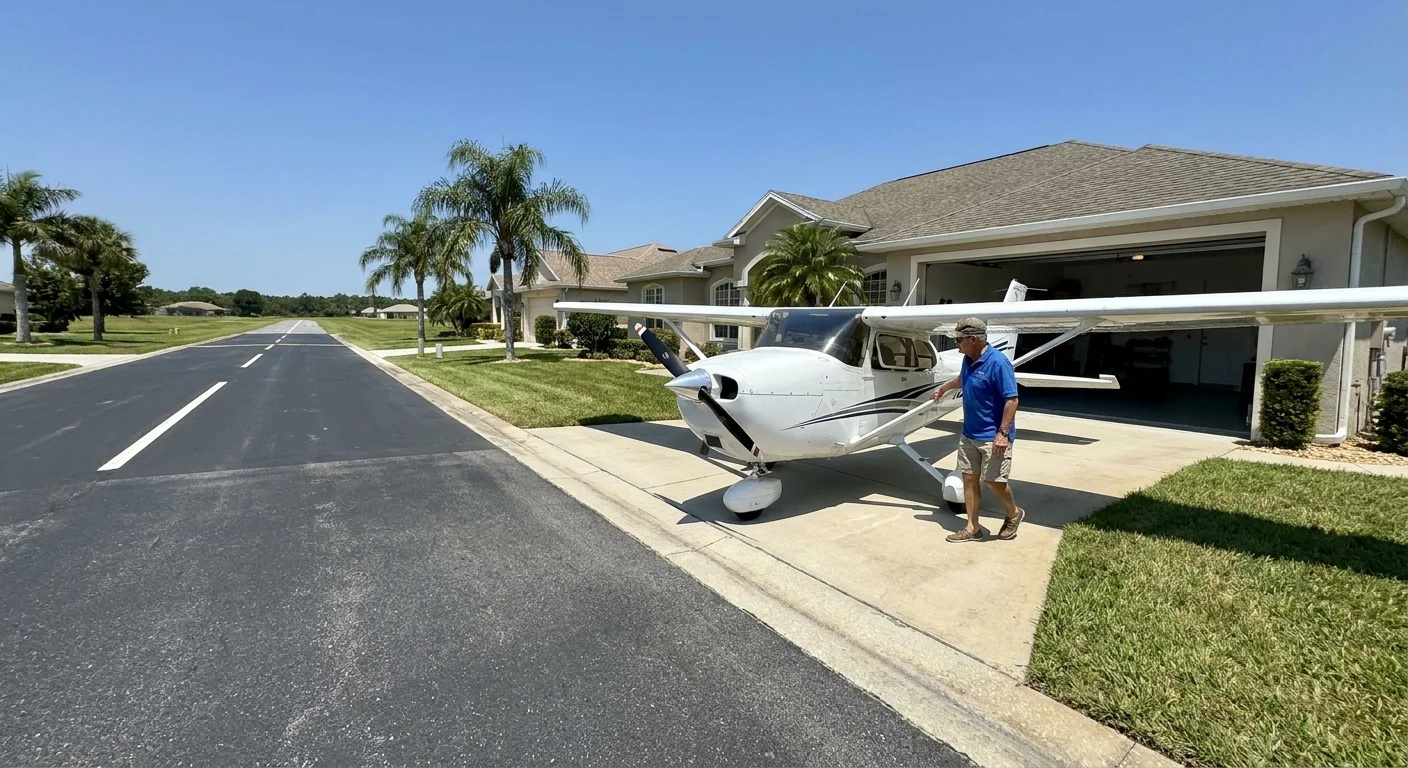
If you have spent your life looking up at the sky, an aviation-focused retirement community might be your perfect landing spot. Located just south of Daytona Beach in Port Orange, Florida, Spruce Creek Fly-In stands out as the largest airpark community in the world. With roughly 5,000 residents and 1,300 homes, this sprawling neighborhood swaps out standard cul-de-sacs for an intricate network of paved taxiways.
The centerpiece of the community is a 4,000-foot paved and lighted runway. Residents literally land their private aircraft, taxi down the street, and pull directly into custom-built hangars attached to their houses. You do not have to be a retired commercial pilot to live here; many residents simply hold private licenses or just love the culture of aviation. Beyond the runway, the community features a country club, a golf course, and a strong culture of group “fly-outs” where neighbors take to the skies together for weekend breakfasts at neighboring airports.

2. Burbank Senior Artists Colony: A Haven for Creatives
You do not need to be a professional painter or a retired Hollywood actor to appreciate the Burbank Senior Artists Colony. Situated in the heart of California’s entertainment district, this unique apartment community targets older adults who want to spend their time creating, writing, and performing. It offers an independent living model specifically designed to nurture artistic expression.
The community features a 78-seat stadium-style performing arts theater, digital video editing rooms, fine arts studios, and a Hollywood-themed clubhouse. Residents write screenplays, direct short films, paint, and sing in the community choir. Because it operates as an apartment rental community rather than a traditional home-buying development, it provides a financially flexible option for retirees who want to immerse themselves in the arts without locking up hundreds of thousands of dollars in real estate.
3. Chiefland Astronomy Village: Reaching for the Stars
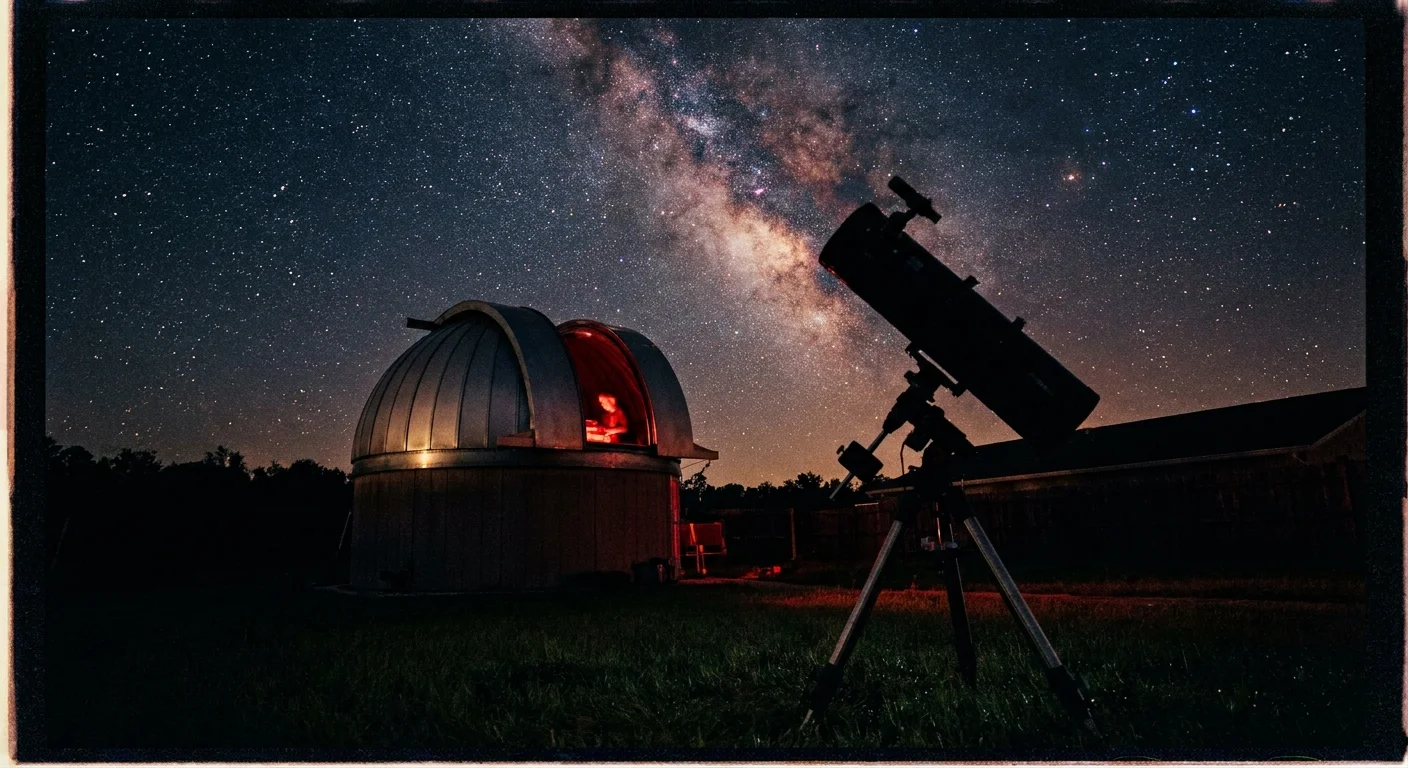
While massive developers build most active adult communities, the Chiefland Astronomy Village in Northwest Florida grew organically from a highly specific shared passion: stargazing. A small, fiercely dedicated group of retirees and amateur astronomers established this neighborhood specifically because the local skies suffer from incredibly low light pollution.
This community takes its hobby seriously. Residents build custom observatories with roll-off roofs right in their backyards, housing massive, high-powered telescopes and astrophotography gear. To protect the viewing conditions, the community strictly enforces a ban on outdoor white lights at night. If you walk around the neighborhood after dark, you will only see the faint red glow of specialized flashlights designed to preserve night vision. It represents the ultimate commitment to a solitary, yet deeply shared, scientific hobby.

4. Lasell Village: A Commitment to Lifelong Learning
Many retirement communities offer a few casual guest lectures, but Lasell Village in Newton, Massachusetts, takes education to an entirely different level. Located directly on the campus of Lasell University, this continuing care retirement community requires its residents to sign a formal commitment to learning. As a condition of living there, residents must complete at least 450 hours of educational, physical, or cultural activities every single year.
This mandate functions like a highly engaging, stress-free college curriculum for older adults. Residents attend university classes, mentor undergraduate students, participate in rigorous debate groups, and lead their own seminars. The environment attracts retired professors, lifelong academics, and anyone who believes that keeping the brain active is the ultimate fountain of youth. By tightly integrating older adults with younger college students, the village completely dismantles the traditional age-segregated retirement model.
5. Chickahominy Falls: The Agricultural Agrihood
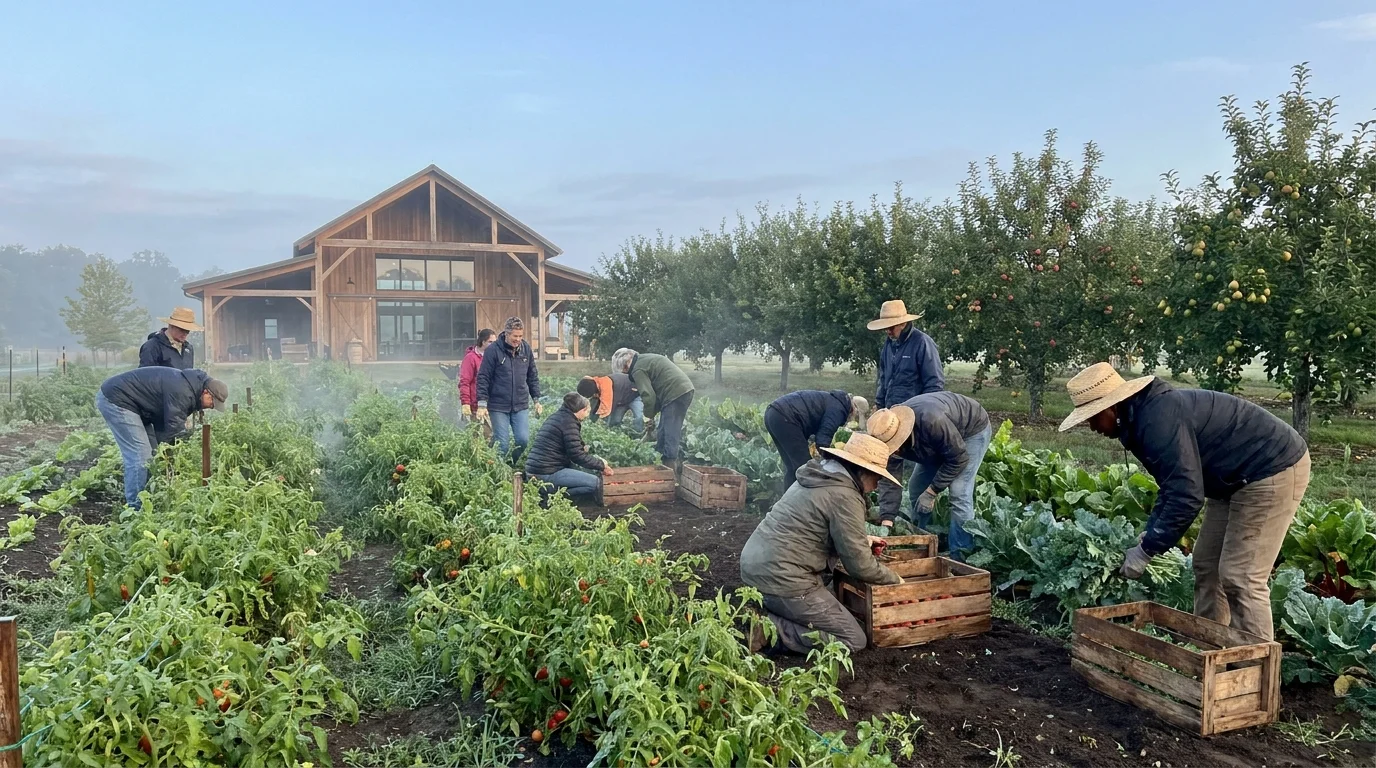
If you prefer harvesting organic tomatoes over swinging a golf club, an “agrihood” might be your ideal destination. Chickahominy Falls, located in Hanover County, Virginia, replaces the traditional golf course with Woodside Farms—a sprawling, 10-acre professionally managed working farm.
Residents here enjoy the perks of farm life without the exhausting burden of managing agricultural land on their own. You can volunteer to work in the dirt alongside professional farmers, participate in the community-supported agriculture (CSA) program to receive fresh produce, or simply enjoy the agrarian aesthetic. The neighborhood’s barn-style clubhouse features a professional teaching kitchen where residents take culinary classes to learn how to prepare the seasonal vegetables grown right outside their front doors. It appeals heavily to environmentally conscious retirees who want to eat clean, stay active, and connect with nature.
6. Enso Village: Zen Mindfulness and Meditation
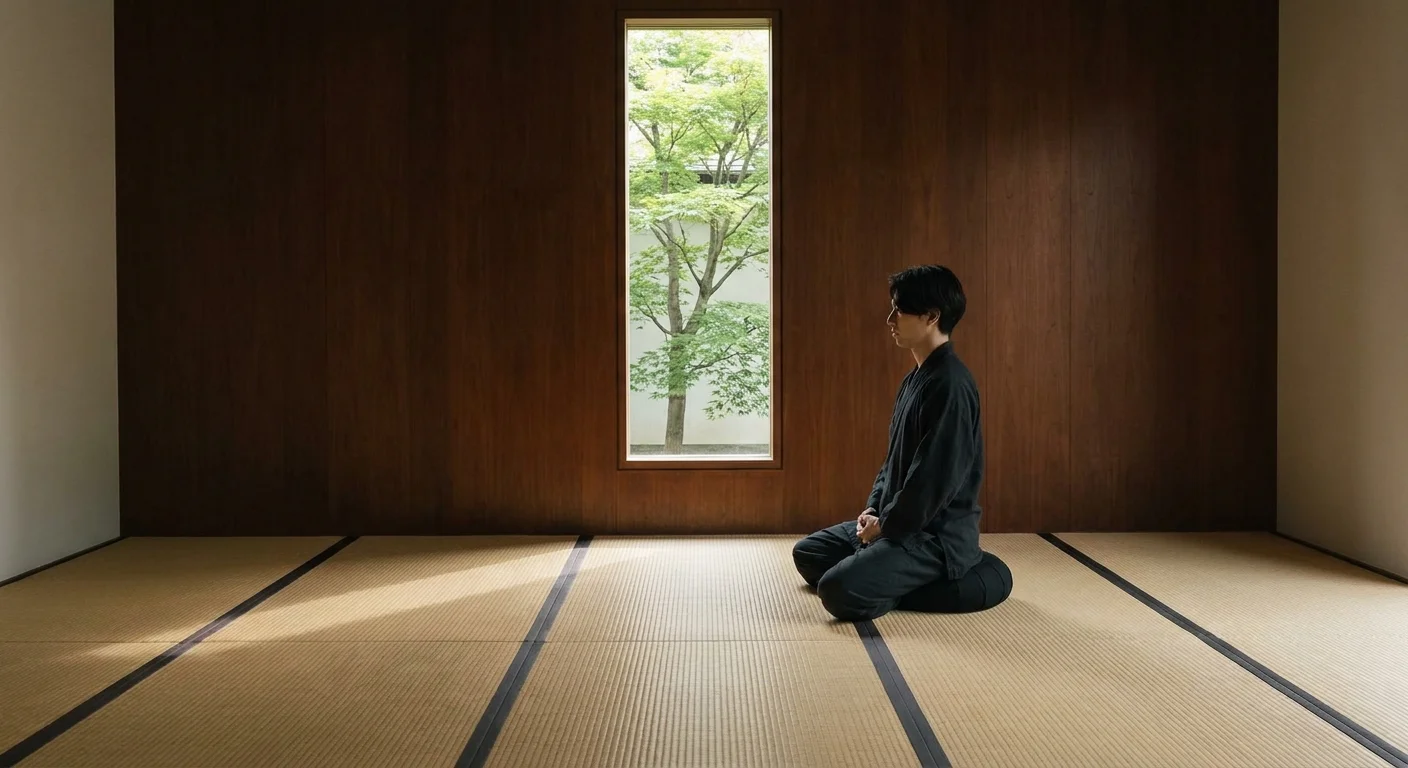
Retirement often brings a desire for quiet reflection, and Enso Village in Healdsburg, California, caters perfectly to that instinct. Developed in collaboration with the San Francisco Zen Center, this community grounds its daily lifestyle in the principles of Zen Buddhism, mindfulness, and contemplative care. You do not have to be a practicing Buddhist to live here, but you do need an appreciation for a slower, more intentional way of life.
The community features large meditation halls, vegetarian-friendly farm-to-table dining options, an on-site acupuncturist, and extensive yoga programs. Interestingly, several retired Zen teachers live on the premises, offering guidance and fostering a deeply peaceful atmosphere. Enso Village operates as a Continuing Care Retirement Community (CCRC), ensuring that residents can smoothly transition to higher levels of medical care without ever having to leave their mindful sanctuary.
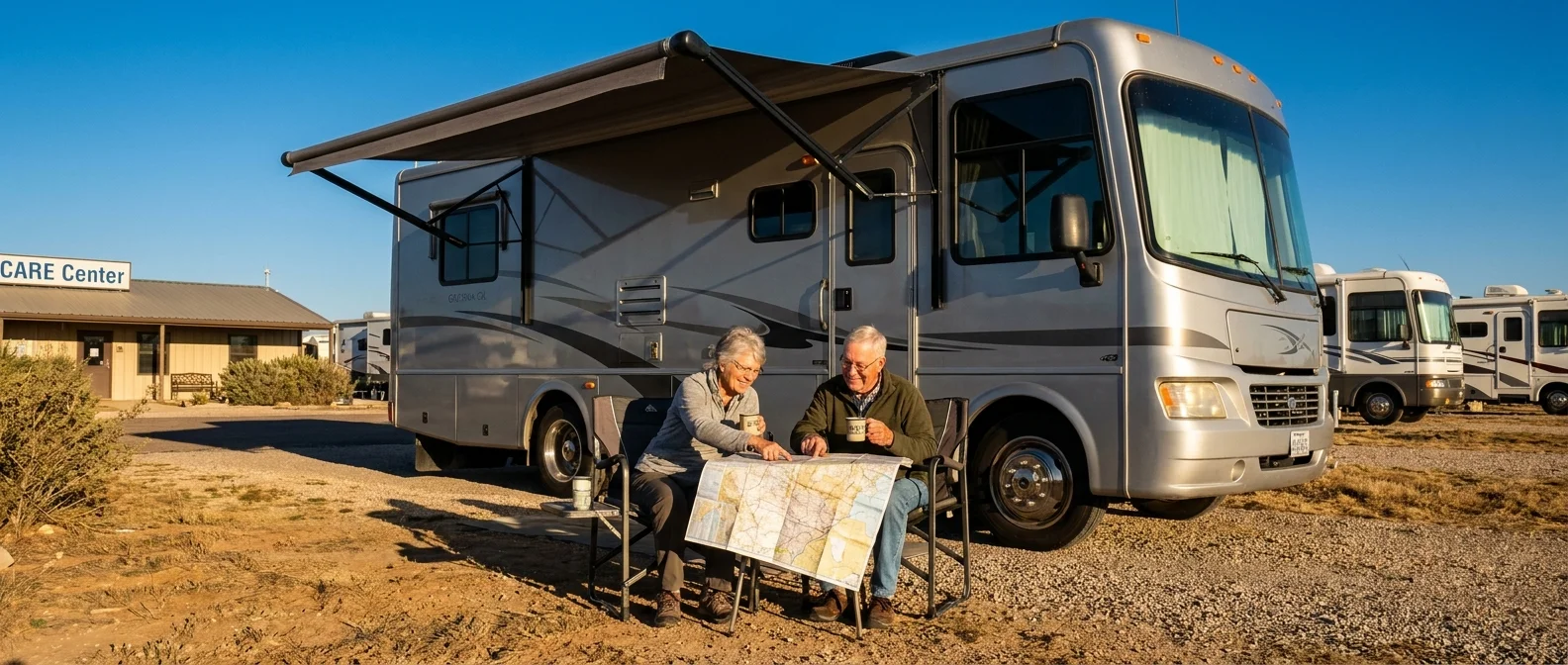
7. Escapees CARE Center: Support for the Nomadic RV Lifestyle
Hundreds of thousands of Americans sell their houses upon retirement to travel the country full-time in recreational vehicles. But this intensely physical, nomadic hobby inevitably runs into a serious roadblock: what happens when your health declines and you can no longer drive your rig or maintain your independence on the road?
The Escapees CARE (Continuing Assistance for Retiree Escapees) Center in Livingston, Texas, provides a brilliant solution. It operates as an RV park that provides adult daycare, medical assistance, and three meals a day for aging road warriors. Residents live in their own familiar RVs—preserving their independence and nomadic identity—while receiving the critical physical support they need. It offers a safety net that prevents full-time travelers from being forced into traditional nursing homes prematurely.
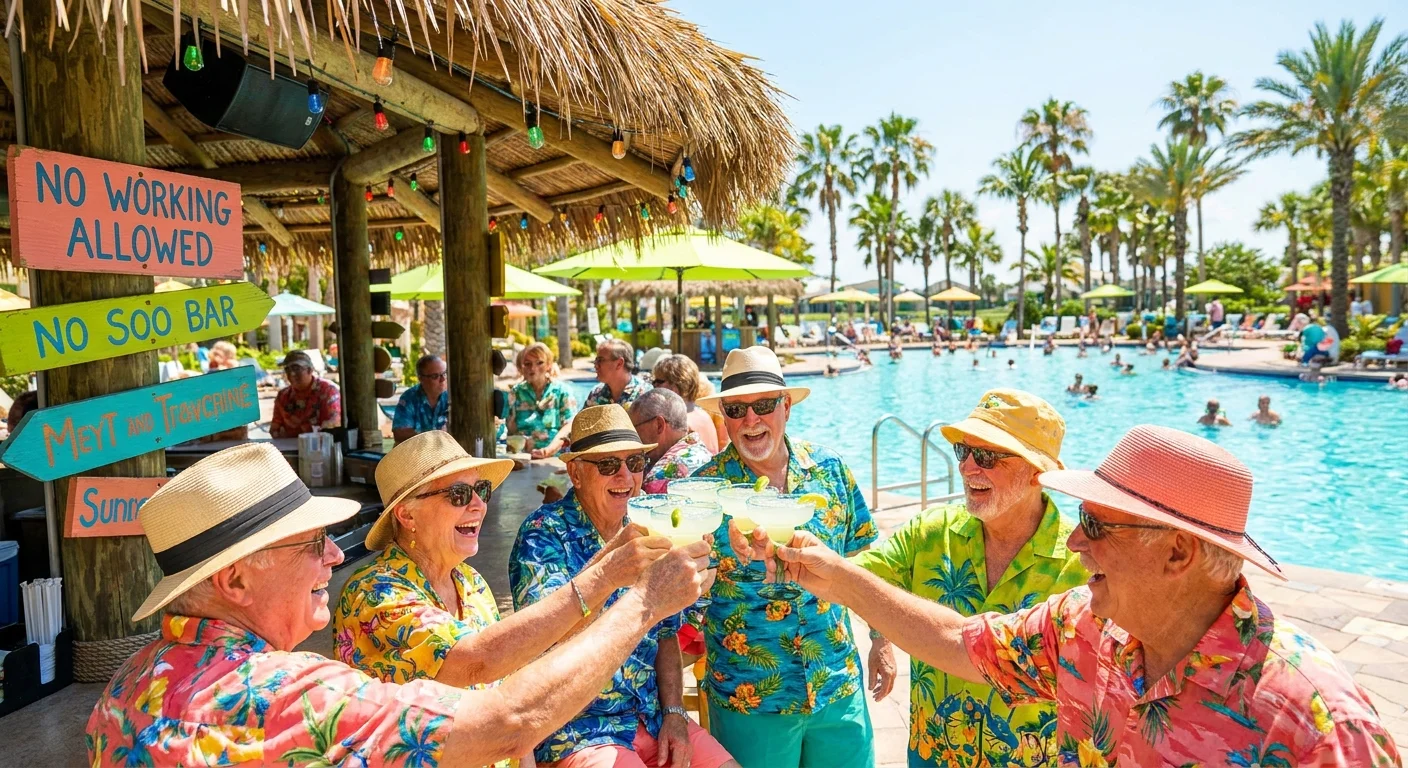
8. Latitude Margaritaville: The Professional Party
Sometimes, your primary hobby is simply having a great time. Inspired by the music and lifestyle of Jimmy Buffett, Latitude Margaritaville communities—located in Florida, South Carolina, and Texas—focus entirely on relaxation, socialization, and “flip-flop culture.”
These sprawling neighborhoods feel exactly like high-end Caribbean resorts. The amenities include massive resort-style swimming pools with tiki bars, private beach clubs, and an expansive town square featuring live music, dancing, and theatrical performances. If your idea of a perfect retirement involves driving a customized golf cart to a margarita-tasting event while a cover band plays tropical rock, this community is built specifically for your sensibilities. It aggressively promotes a laid-back, vacation-every-day atmosphere.
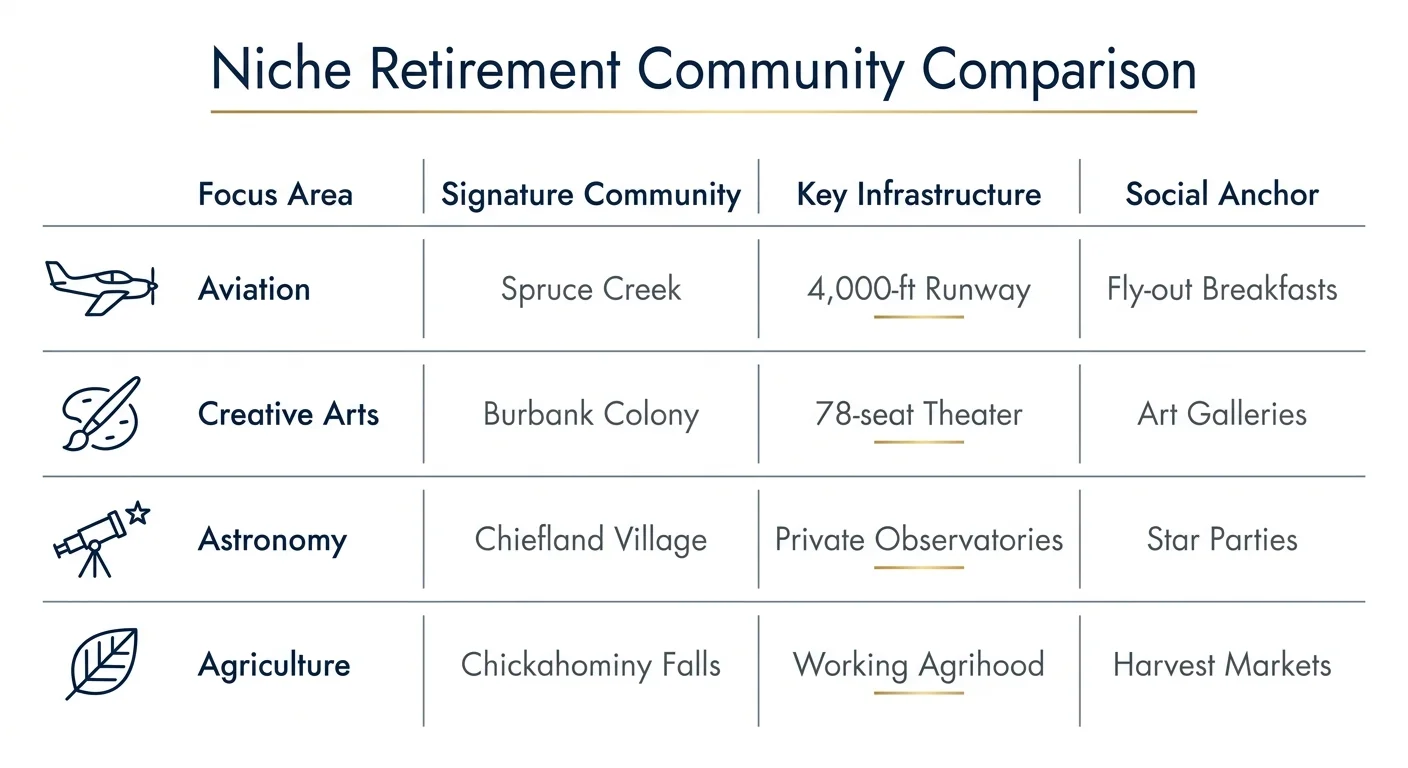
Comparing Your Niche Retirement Options
To help you visualize how these communities differ, review this high-level comparison of their locations, primary focuses, and housing structures.
| Community | Location | Primary Hobby Focus | Housing Model |
|---|---|---|---|
| Spruce Creek Fly-In | Port Orange, Florida | Aviation & Flying | Single-family homes with hangars (Own) |
| Burbank Senior Artists Colony | Burbank, California | Arts & Performance | Apartments (Rent) |
| Chiefland Astronomy Village | Chiefland, Florida | Stargazing | Single-family homes with observatories (Own) |
| Lasell Village | Newton, Massachusetts | Lifelong Learning | CCRC / Campus living (Buy-in & Monthly fees) |
| Chickahominy Falls | Hanover County, Virginia | Agriculture & Farming | Single-family homes & townhouses (Own) |
| Enso Village | Healdsburg, California | Zen Mindfulness | CCRC (Buy-in & Monthly fees) |
| Escapees CARE Center | Livingston, Texas | RV Nomadic Living | RV lots with supportive care services (Rent) |
| Latitude Margaritaville | Multiple Locations | Music & Resort Socializing | Single-family homes & villas (Own) |

What Can Go Wrong: The Risks of Hobby-Based Retirement
While the idea of living inside your favorite hobby sounds idyllic, niche communities carry unique risks that you must carefully evaluate before packing your bags.
- Your health or interests may change: The National Institute on Aging (NIA) recommends evaluating how any living situation supports you when your physical abilities inevitably change. If you lose your pilot’s license or develop severe arthritis that prevents you from gardening, a massive airplane hangar or an agricultural neighborhood might suddenly feel isolating rather than empowering.
- Extremely restrictive HOA rules: To maintain their unique environments, affinity communities enforce rigid covenants. Chiefland will fine you for leaving a porch light on, and Spruce Creek strictly regulates aircraft noise and taxiway etiquette. Before you buy, review all community bylaws thoroughly. The Consumer Financial Protection Bureau (CFPB) advises prospective buyers to scrutinize homeowners’ association fees and regulations, as specialized maintenance (like paving runways or funding a working farm) often results in steep, non-negotiable monthly dues.
- Resale difficulties: When it comes time to sell your home, your buyer pool will be dramatically smaller. Selling a house with an attached astronomical observatory or a specialized airplane hangar takes much longer than selling a standard three-bedroom ranch. Your heirs may struggle to offload an intensely customized property quickly.
- Lack of diversity: While living with like-minded people is comforting, it can also create an echo chamber. If you enjoy interacting with people from vastly different backgrounds, varying age groups, and completely different interest sets, an affinity community might eventually feel claustrophobic.
Frequently Asked Questions
Are niche retirement communities more expensive than standard active adult neighborhoods?
Costs vary wildly depending on the infrastructure required. Rental communities like the Burbank Senior Artists Colony generally align with local apartment market rates. Conversely, homes in aviation or equestrian communities carry significant premiums due to massive land footprints and highly specialized amenities. You must also factor in elevated homeowners association dues that cover the maintenance of shared assets like runways, riding trails, or working farms.
What happens if my health declines while living in a hobby-focused community?
Most affinity communities operate strictly as independent living neighborhoods, meaning they do not provide on-site medical or nursing care. If your health declines, you will need to hire private in-home caregivers or eventually relocate to an assisted living facility. However, a select few—such as Enso Village or Lasell Village—operate as Continuing Care Retirement Communities, offering tiered health support on the same campus as your needs evolve.
Do I need to be an absolute expert in the hobby to move in?
Rarely. While you might occasionally run into a retired commercial airline pilot in an aviation airpark or a former university dean in an academic community, the vast majority of residents are simply passionate enthusiasts. The core goal is shared enjoyment, community participation, and lifelong learning, not strict professional competition.
Can I test out a niche community before committing to buy?
Yes, and you absolutely should. Many developers offer “discovery packages” allowing prospective buyers to stay in a guest home for a long weekend to test the amenities and meet the neighbors. For communities without formal trial programs, look for short-term vacation rentals on standard booking platforms so you can experience the culture firsthand before making a massive financial commitment.
Moving Forward With Purpose
Choosing where to live in your later years represents one of the most profound decisions of your financial and personal life. If standard golf courses and quiet clubhouses leave you uninspired, a niche retirement community might provide exactly the spark you need. By surrounding yourself with neighbors who share your passions, you drastically reduce the risk of social isolation and ensure your daily routine remains filled with activities you genuinely love. Take the time to visit these neighborhoods, talk to the current residents, and envision how your specific hobbies could shape the next brilliant phase of your life.
The information in this guide is meant for educational purposes. Your specific circumstances—including income, health needs, tax situation, and goals—may require different approaches. When in doubt, consult a licensed professional.
Last updated: May 2026. Retirement benefits, tax rules, and healthcare regulations change frequently—verify current details with official sources.






Leave a Reply