
More than one million Americans sleep in recreational vehicles every night, and a rapidly growing segment of that population consists of retirees who have traded their concrete foundations for four wheels. Turning the ignition key represents a profound shift away from property taxes, endless lawn maintenance, and accumulating clutter. Instead, this lifestyle moves toward mobility, intentional living, and absolute choice.
Selling the family home to live in a motorhome or fifth-wheel trailer might have seemed eccentric a few decades ago. Today, it stands as a mainstream strategy for achieving a dynamic, travel-rich retirement. Modern technology, reliable remote connectivity, and a robust network of national campgrounds make life on the road more accessible than ever. If you find yourself staring at empty bedrooms and wondering if there is more to your golden years than routine home maintenance, understanding the appeal of the RV lifestyle could change your entire retirement trajectory.
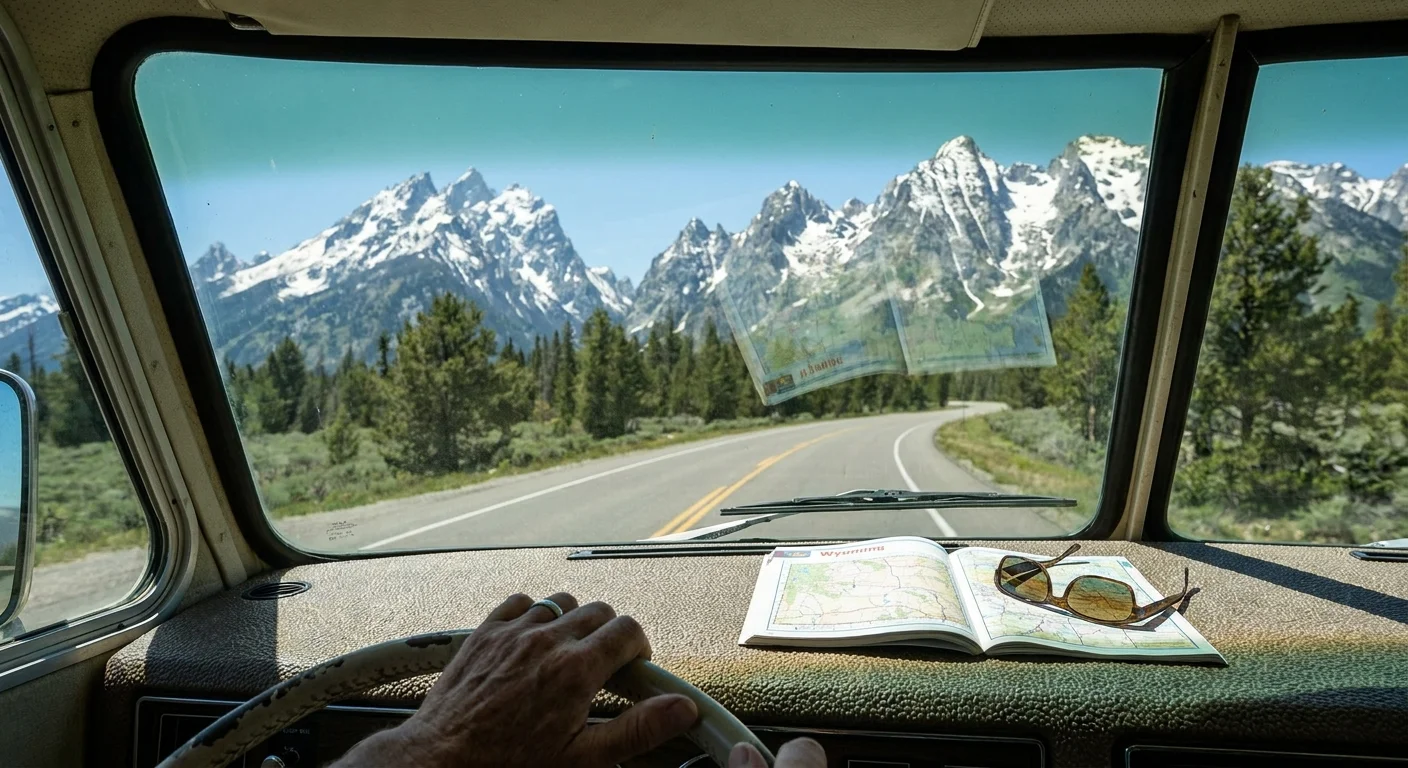
1. Achieving Unmatched Geographic Freedom
Living in a traditional house means committing to one neighborhood, one local government, and one regional culture. A travel retirement obliterates those boundaries. When your home has wheels, your backyard can be the jagged peaks of the Grand Tetons one week and the sandy shores of the Florida Keys the next.
This level of geographic independence allows you to follow your interests rather than waiting for an annual two-week vacation. If you love discovering regional cuisines, you can spend the autumn tasting your way through New England before driving down the coastline for fresh Gulf seafood in the winter. You are never stuck next to difficult neighbors, nor are you bound to a town that no longer serves your lifestyle. If a location loses its charm, you simply pull up your leveling jacks and drive to the next destination.
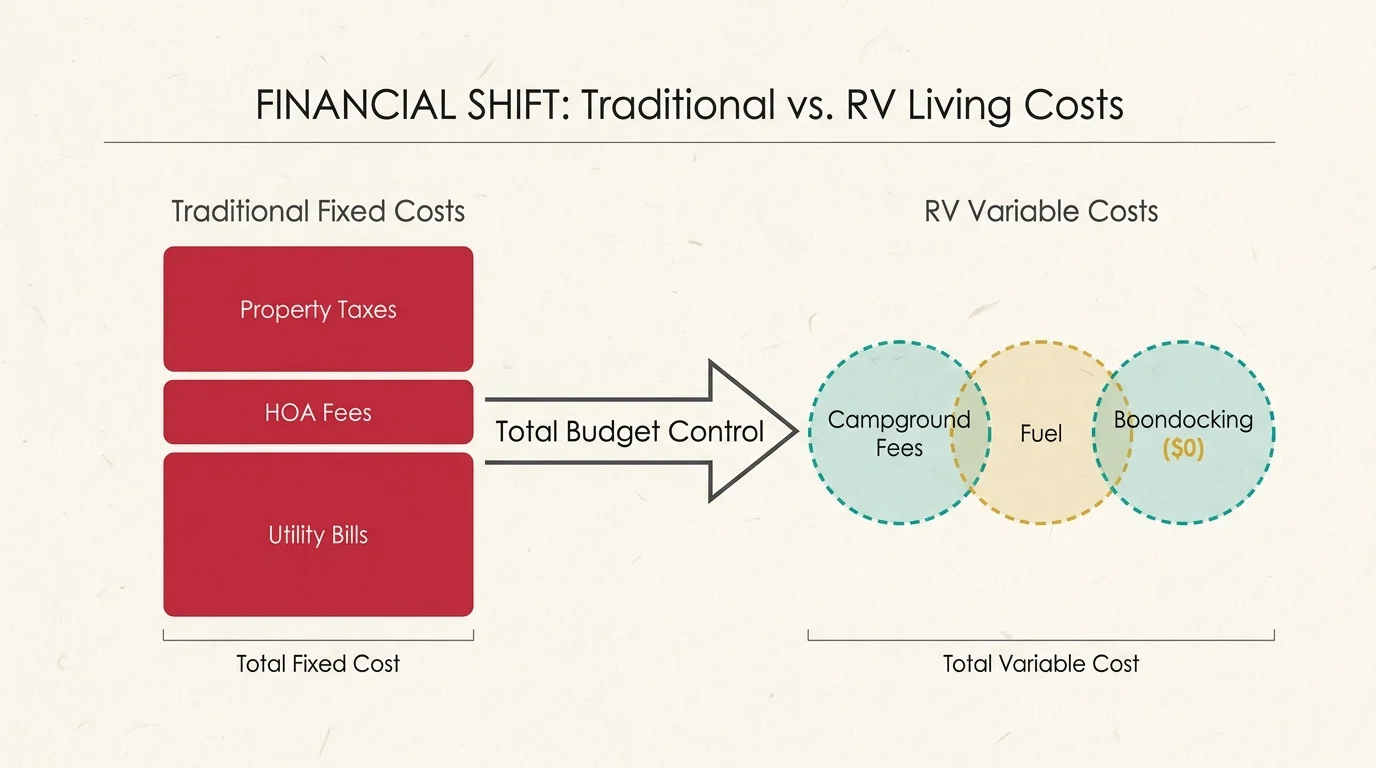
2. Lowering and Controlling the Cost of Living
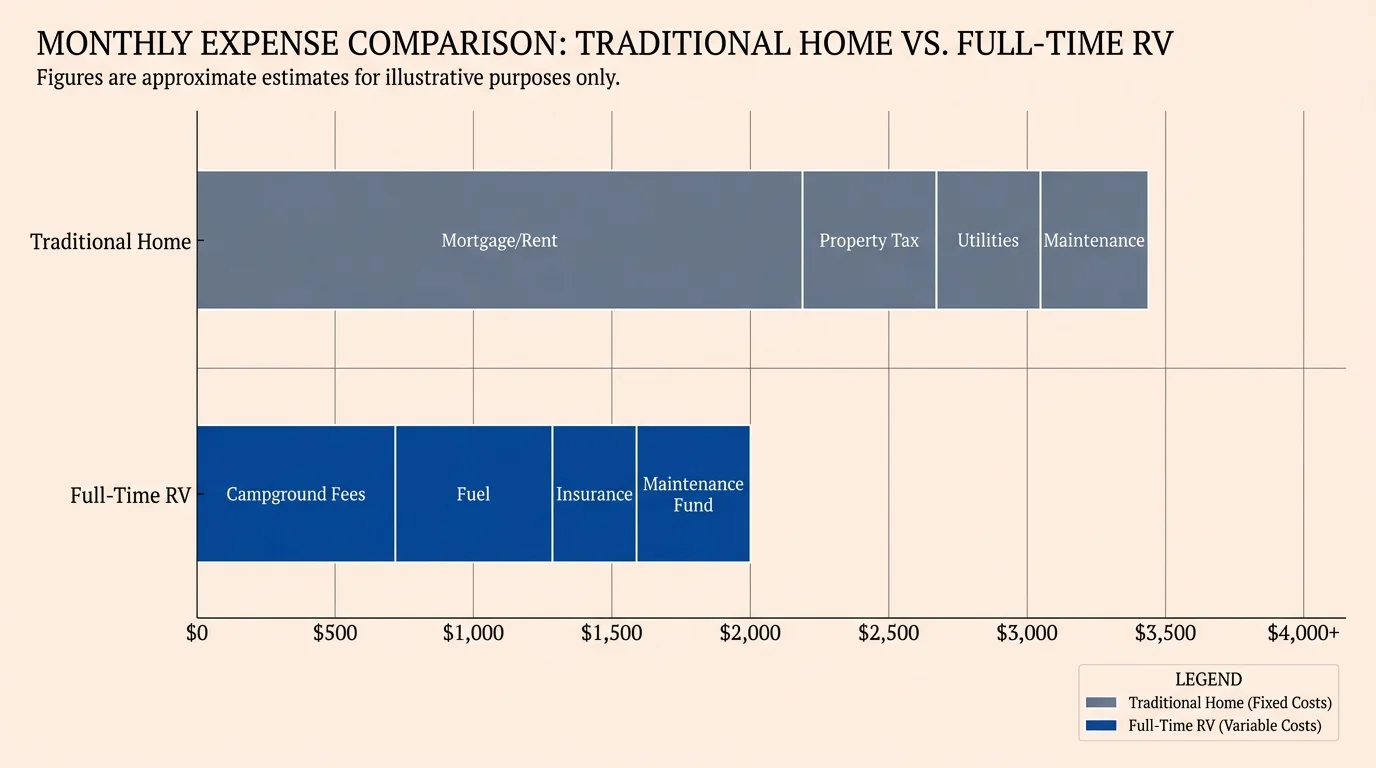
The financial mechanics of retirement often hinge on reducing fixed expenses. The RV living cost can be significantly lower than maintaining a traditional home, especially when you factor in the elimination of property taxes, homeowner association (HOA) fees, and expensive municipal utility bills.
While an RV requires fuel and campground fees, you possess total control over these expenses. If your budget feels tight one month, you can choose to stay stationary at a monthly-rate RV park, or you can boondock—camping without hookups on public lands—for free. You can adjust your spending on a whim, moving from luxury RV resorts with swimming pools to state parks that cost just a few dollars a night. For resources on building a sustainable retirement budget, the AARP provides excellent calculators and financial planning tools specifically geared toward alternative senior living arrangements.

3. Escaping the Traditional Housing Market Fluctuations
Maintaining a large family home ties a massive portion of your net worth to a single, localized real estate market. Property taxes can skyrocket based on city assessments, and insurance premiums are subject to regional weather risks. By selling the primary residence, many retirees unlock hundreds of thousands of dollars in home equity.
Liquidating this asset allows you to invest your cash into diversified portfolios that generate passive income to fund your travels. While an RV is a depreciating asset—much like a car—the cash freed up by selling a traditional home often provides the liquidity necessary to enjoy your time right now, rather than leaving all your wealth trapped in drywall and shingles.

4. The Mental Clarity of Extreme Downsizing
Decades of living in the same house invariably leads to accumulating possessions you do not need, use, or even remember buying. The process of moving into an RV forces a ruthless evaluation of your belongings. You can only bring what truly matters and what physically fits into a few designated storage bays.
Seniors who adopt this nomadic lifestyle frequently report a massive psychological weight lifting from their shoulders once they sell or donate their excess furniture, old clothes, and garage clutter. Managing fewer physical items translates to less time cleaning, organizing, and worrying about property. You trade a life focused on managing things for a life focused on managing experiences.

5. Building a Tight-Knit Nomadic Community
Isolation ranks among the most significant health risks for aging adults. Traditional suburban neighborhoods often empty out during the day, leaving retirees isolated in quiet houses. The culture among full time RV seniors operates entirely differently.
Campgrounds function as instant, walkable neighborhoods where everyone shares a common mindset. Walking your dog or simply sitting outside under your awning acts as an open invitation for conversation. RV clubs organize massive rallies where hundreds of travelers converge to share maintenance tips, host potlucks, and form friendships that span the continent. You will often find yourself crossing paths with the same travelers in different states, building a resilient social network that stretches across the country.
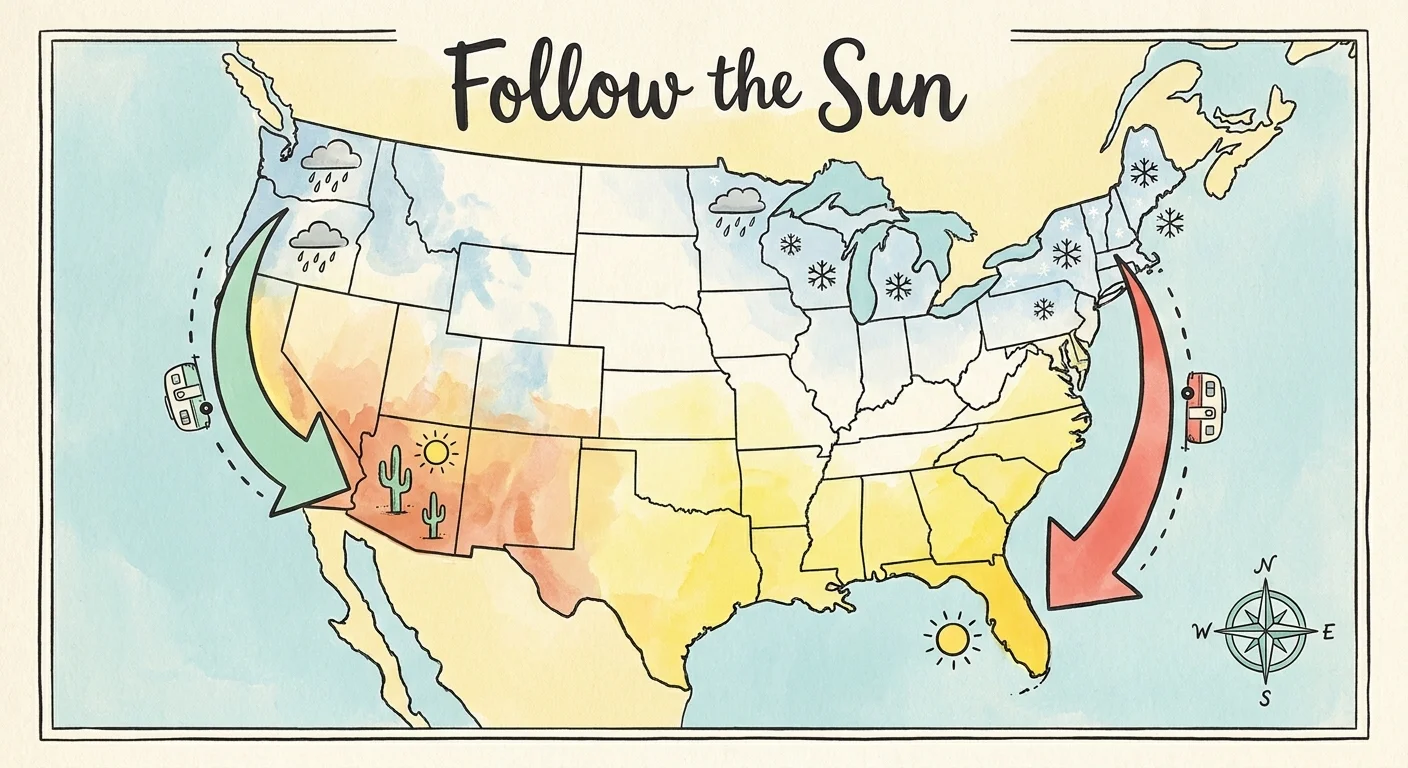
6. Customizing Your Climate Year-Round
Shoveling snow and navigating icy sidewalks pose genuine physical hazards as we age. Conversely, enduring the sweltering, humid summers of the deep South can force you indoors for months. RV life allows you to execute the ultimate “snowbird” strategy, keeping yourself in a permanent, comfortable spring.
Nomadic retirees use the changing seasons as their navigation guide. You can spend your winters enjoying the dry, mild desert air in Arizona or Southern California. As the temperatures rise in the spring, you gently migrate north, spending your summers in the cool, crisp air of the Pacific Northwest, Michigan, or Maine. You dictate your weather, dramatically increasing the number of days you can comfortably spend outdoors.
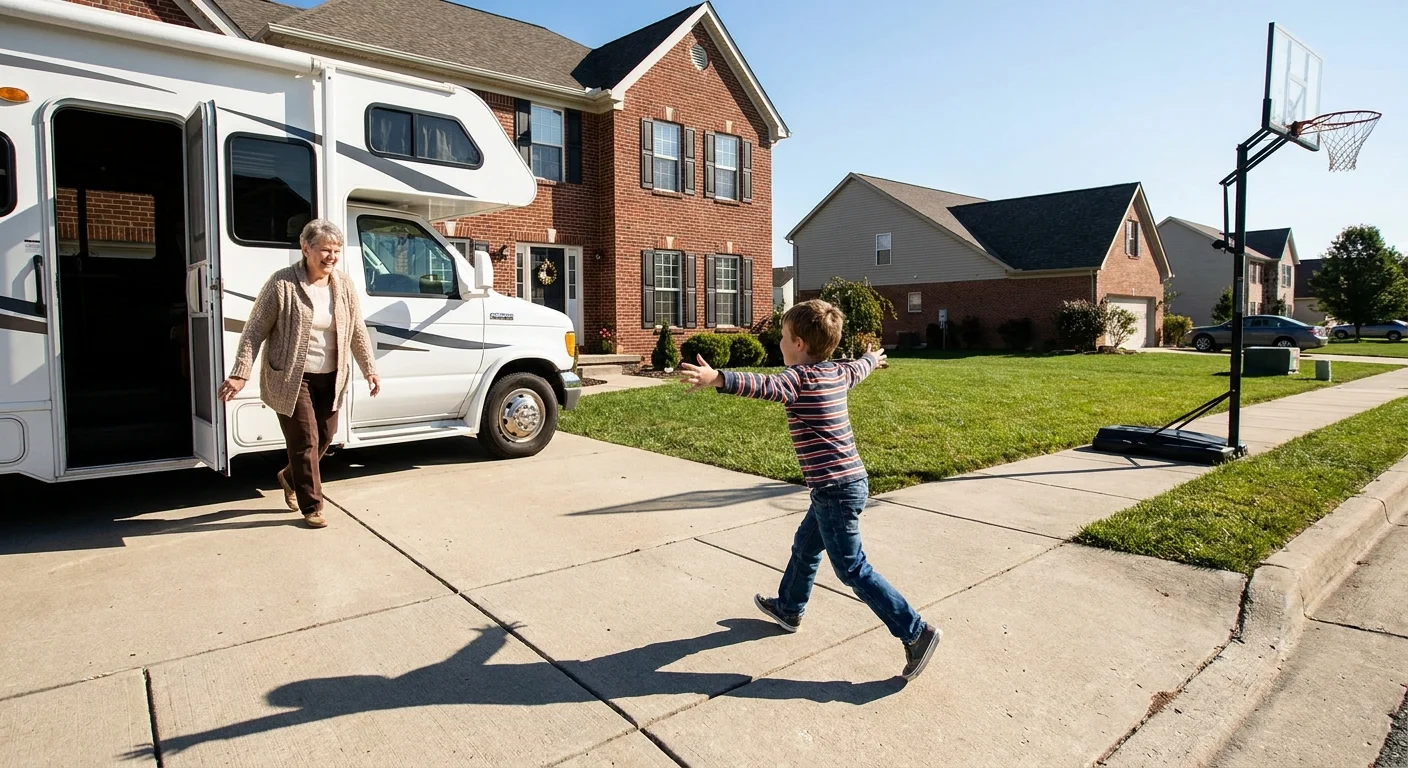
7. Visiting Family Without Imposing
Maintaining strong relationships with adult children and grandchildren is a priority for most retirees. However, staying in a guest bedroom for weeks at a time can strain family dynamics and disrupt their household routines.
An RV solves this delicate balancing act. You can pull into your children’s driveway—or park at a nearby campground—bringing your own bed, your own bathroom, and your own kitchen. You get to spend quality time with your grandchildren during the day and retreat to your own private sanctuary at night. This setup allows for longer, more frequent visits without ever feeling like a burden to your family.

8. Taking Control of the Aging Process
A sedentary lifestyle accelerates physical decline. The travel retirement lifestyle naturally incorporates physical movement into your daily routine. Setting up camp requires walking around the vehicle, plugging in electrical cords, hooking up water hoses, and leveling the rig.
Beyond the daily chores, the environment encourages activity. When your front door opens to a national forest, you are much more likely to take a morning hike, go kayaking on a quiet lake, or ride your bicycle on paved campground trails. The continuous engagement with new environments keeps the brain stimulated, forming new neural pathways as you navigate unfamiliar towns and solve logistical puzzles on the road.
9. Turning “Someday” Travel Into Everyday Life
Many people spend their working years dreaming of seeing the Grand Canyon, driving the Pacific Coast Highway, or exploring the historic battlefields of the East Coast. Unfortunately, health issues or financial constraints often delay these “someday” trips until it is too late.
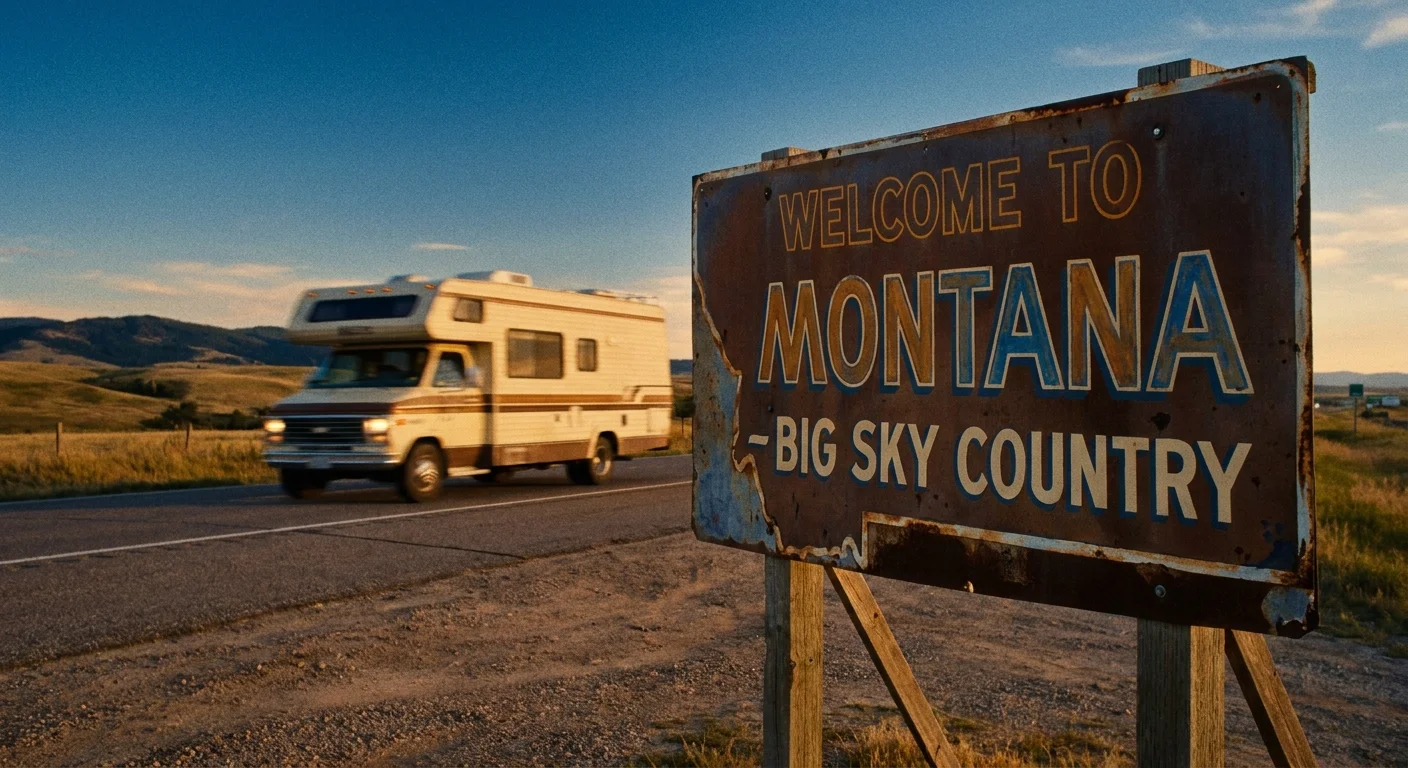
RV living transforms these bucket-list destinations into your everyday reality. You do not have to cram a rushed visit to Yellowstone into a busy schedule. You can park just outside the park boundaries and explore it slowly over an entire month, visiting different geysers and trails at your own pace. The journey becomes the destination.

10. Redefining Purpose in the Golden Years
Retirement often triggers an identity crisis. When you stop working, you lose the professional title that defined you for forty years. Hitting the road provides an immediate, tangible sense of purpose: you become an explorer, a navigator, and a traveler.
“Retirement should mean retiring to something, not from something.” — Mitch Anthony, Financial Gerontologist and Author
Planning routes, researching local history, and maintaining your mobile home require focus and intention. You are no longer just passing the time; you are actively designing your daily existence. This proactive approach to life generates a profound sense of agency and fulfillment.
Cost Comparison: RV Life vs. Traditional Home
To truly understand the financial impact, you must look at how expenses shift when moving from a fixed property to a mobile one. While individual budgets vary wildly, the fundamental categories undergo a massive transformation.
| Expense Category | Traditional Home | Full-Time RV Life |
|---|---|---|
| Housing / Shelter | Mortgage payments or lost opportunity cost of home equity. | Campground fees, RV resort memberships, or free public land camping. |
| Property Taxes | A perpetual, rising expense based on local municipal assessments. | Zero. You pay vehicle registration fees, which are typically much lower. |
| Utility Bills | High fixed costs for water, trash, electricity, and natural gas. | Often included in campground fees. Solar panels can eliminate electricity costs while boondocking. |
| Routine Maintenance | Roofing, HVAC systems, lawn care, painting, and plumbing. | Tire replacement, engine/tow vehicle maintenance, and sealing the RV roof. |
| Travel and Fuel | Separate vacation budget for flights, hotels, and rental cars. | Fuel is a primary living expense, scaling directly with how fast and far you travel. |

Managing Healthcare on the Road
Healthcare requires careful strategy when you do not have a fixed local address. If you rely on Medicare, your coverage choices dictate your medical freedom. Traditional Original Medicare (Parts A and B) paired with a Medigap (Medicare Supplement) policy is generally the most effective strategy for nomadic retirees. This combination allows you to see any doctor or specialist in the United States who accepts Medicare, without needing referrals or worrying about out-of-network penalties.
Conversely, Medicare Advantage (Part C) plans are typically regional HMOs or PPOs. If you have an Advantage plan from Ohio and require routine medical care while traveling in New Mexico, you may face steep out-of-network costs or find no coverage at all, save for severe emergencies. Always verify coverage details and compare plan flexibility directly through the official Medicare.gov platform before hitting the road.

What Can Go Wrong: The Realities of Full-Time RV Seniors
While the marketing brochures highlight spectacular sunsets and empty beaches, living in an RV carries unique stressors that you must prepare to handle.
- Rapid Asset Depreciation: Unlike real estate, which historically appreciates over time, motorhomes and travel trailers lose value the moment you drive them off the lot. You are purchasing a lifestyle, not making a financial investment.
- Unpredictable Maintenance: An RV is essentially a house undergoing a continuous, minor earthquake as it rolls down the highway. Screws loosen, water lines vibrate, and slide-out motors jam. You must maintain an emergency fund specifically for sudden, expensive mechanical repairs.
- Travel Fatigue: Moving every few days sounds exciting until the logistics wear you down. Planning routes, finding fuel stations large enough to accommodate your rig, and securing safe parking can lead to burnout. Many seasoned RVers adopt the “2-2-2 rule”: travel no more than 200 miles a day, arrive by 2:00 PM, and stay for at least 2 nights.
- Physical Limitations: Climbing up and down steep RV stairs, crawling under the rig to check jacks, and wrestling with heavy sewer hoses require a baseline level of strength and mobility. As health declines, transitioning back to traditional housing may become necessary.
Frequently Asked Questions About RV Retirement Life
How do nomadic retirees establish legal residency?
You cannot use a P.O. Box as a legal domicile. Most full-time RVers establish legal residency in states with no state income tax and favorable RV regulations, such as South Dakota, Texas, or Florida. They utilize specialized mail-forwarding services that provide a legitimate physical street address recognized by the federal government for tax and voting purposes.
Can I get mail and packages delivered while traveling?
Yes. Mail forwarding services collect your letters, scan the envelopes, and allow you to view them online. When you want physical copies or packages, you request the service to bundle and ship them to the campground or local post office (via General Delivery) wherever you currently are.
How do I handle banking and finances without a local branch?
Modern banking is incredibly friendly to digital nomads. By utilizing online-first institutions or major national banks, you can deposit checks via your smartphone, automate all bill payments, and manage investments remotely. For guidance on securing accounts and managing credit on the road, review the educational materials provided by the Consumer Financial Protection Bureau (CFPB).
Is high-speed internet available everywhere?
Connectivity has drastically improved with the advent of satellite internet services like Starlink, alongside robust cellular data plans from major carriers. With the right equipment, you can stream movies, conduct telehealth visits, and video chat with family from remote desert locations or deep within national forests.
Making the Transition
Deciding to trade a traditional home for the RV retirement life requires deep reflection on what you value most. If you crave predictability and deep roots in a single community, the nomadic lifestyle will quickly frustrate you. However, if you are eager to minimize your footprint, maximize your travel, and wake up to a different horizon every month, the freedom of the open road is unparalleled.
Start small. Before selling your home, rent an RV for a month. Test your tolerance for small spaces, managing holding tanks, and navigating campground reservations. Treat the trial run as an honest assessment of your physical and mental readiness for full-time travel.
This article provides general retirement education and information only. Every retiree’s situation is unique—what works for others may not work for you. For personalized advice, consider consulting a qualified financial professional such as a CFP or CPA.
Last updated: March 2026. Retirement benefits, tax rules, and healthcare regulations change frequently—verify current details with official sources.









Leave a Reply