
Trading the daily grind for rugged coastlines and towering evergreens makes retiring in the Pacific Northwest a highly sought-after goal. You need a destination balancing breathtaking scenery with excellent healthcare and active senior networks. From the rain-shadowed havens of the Olympic Peninsula to the sun-drenched vineyards of eastern Washington, this region offers diverse microclimates tailored to varied lifestyles. Choosing the right spot means looking beyond postcard views to evaluate local tax implications, seasonal weather patterns, and daily amenities that support comfortable aging. These twelve distinct towns represent the best the Pacific Northwest has to offer, giving you practical options whether you prefer mountain trails, ocean breezes, or bustling local art scenes.

Coastal and Island Retreats
Retiring near the water offers a restorative environment characterized by mild year-round temperatures and dramatic scenery. The coastal areas of the Pacific Northwest provide endless opportunities for beachcombing, boating, and enjoying a maritime lifestyle without the extreme heat found in southern states.

1. Sequim, Washington
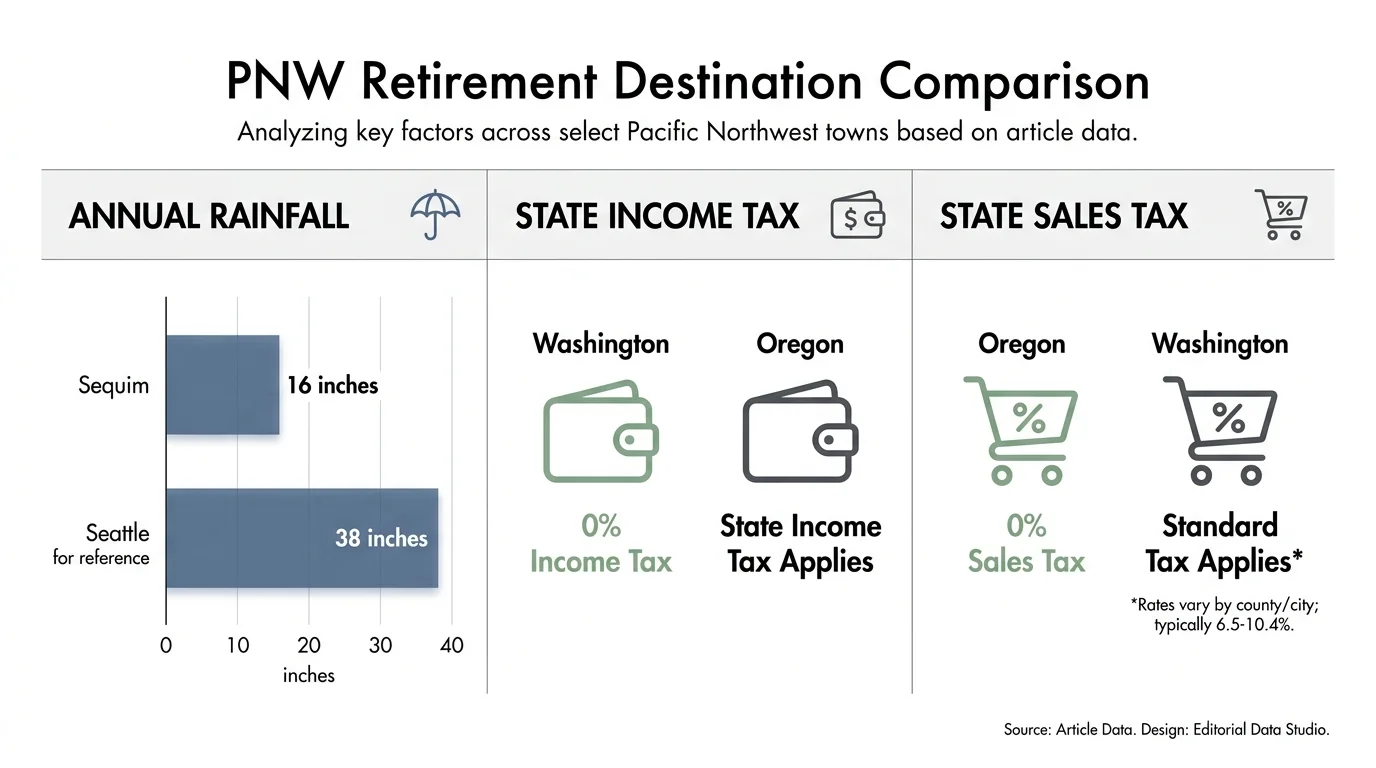
Positioned on the Olympic Peninsula, Sequim is famous among retirees for a geographical anomaly known as the “Blue Hole.” While Seattle endures roughly 38 inches of rain annually, Sequim receives just 16 inches due to the rain shadow cast by the Olympic Mountains. You get to enjoy the stunning beauty of Washington State without the oppressive winter gloom. The town is highly walkable, boasts numerous lavender farms, and provides easy access to the Dungeness National Wildlife Refuge. For healthcare, Olympic Medical Center operates a robust campus right in town, ensuring you do not have to travel far for routine or urgent medical needs. Furthermore, Washington’s lack of a state income tax means your 401(k) distributions and pension income remain untouched by state revenue agencies.
2. Anacortes, Washington
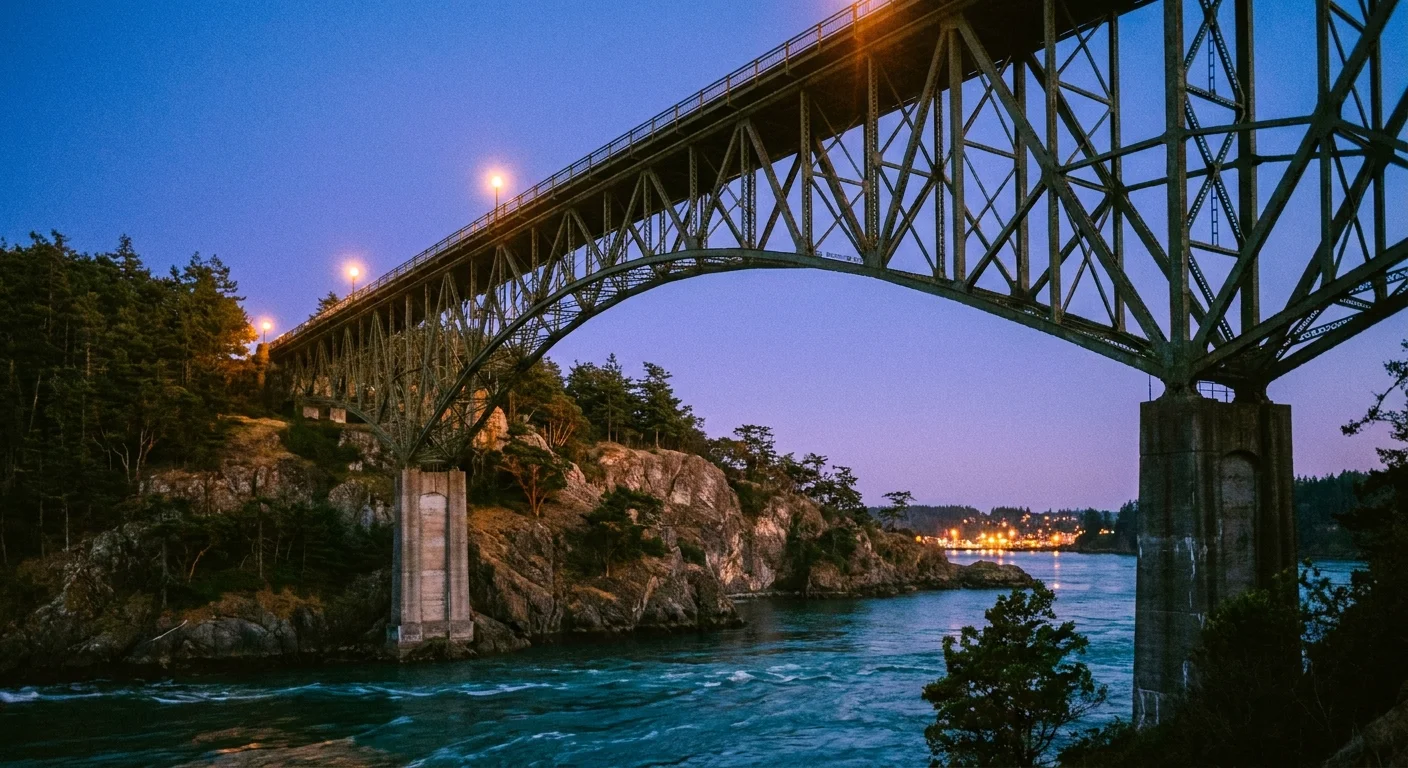
If you love the idea of island living but hate the logistical nightmare of relying on a ferry schedule, Anacortes is your ideal compromise. Located on Fidalgo Island, you can drive directly into town via a scenic bridge. Often called the gateway to the San Juan Islands, Anacortes features a bustling, historic downtown filled with art galleries, bookstores, and local cafes. Retirees flock here for the exceptional boating culture, extensive community forest trails, and vibrant civic life. Island Health, a highly rated local hospital, serves the community, meaning excellent care is accessible right in your neighborhood. The cost of living is slightly elevated compared to inland towns, but the vibrant waterfront lifestyle justifies the premium for many active adults.
3. Astoria, Oregon
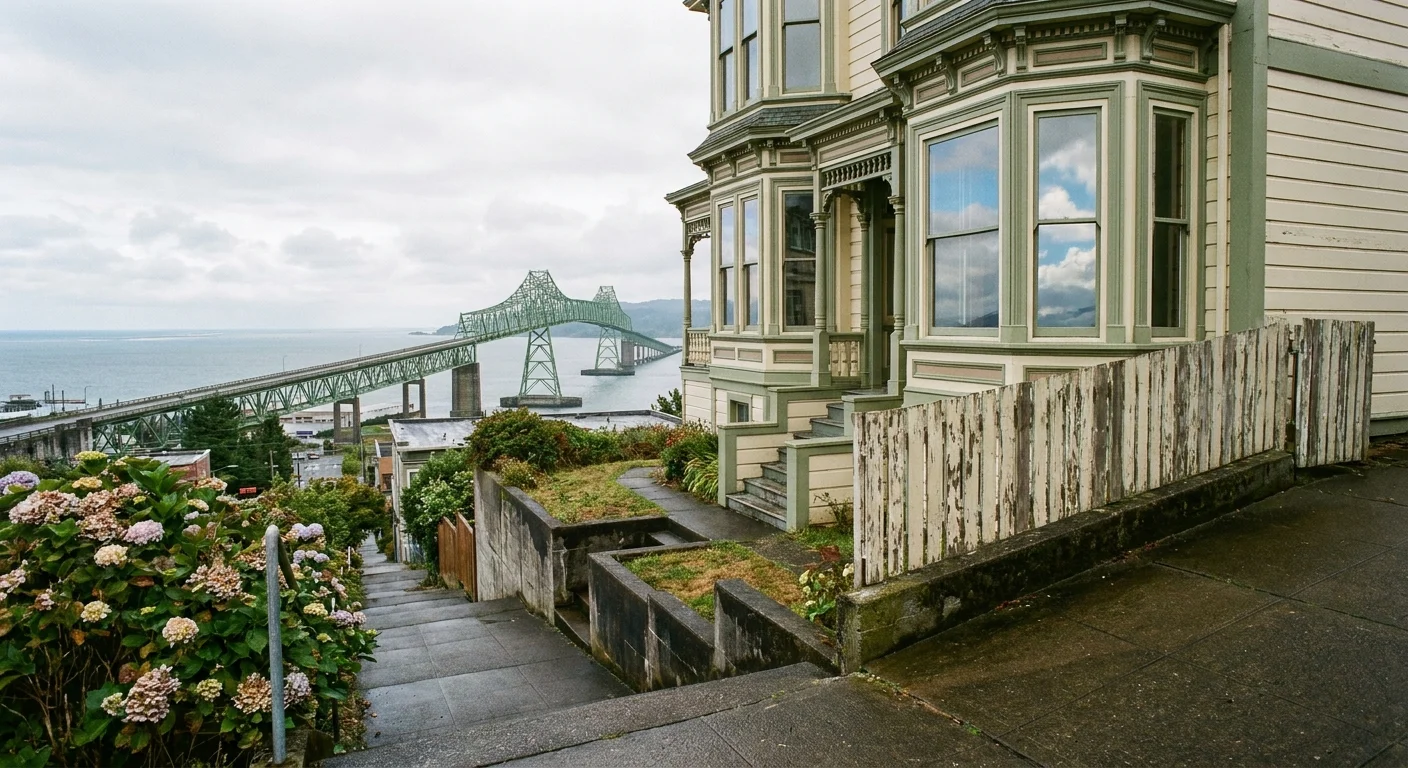
Where the expansive Columbia River meets the Pacific Ocean, Astoria stands as a historic maritime gem. Characterized by its stunning Victorian architecture and steeply terraced hillsides, this town appeals to retirees who want a deeply authentic, culturally rich coastal experience. The Astoria Riverwalk provides miles of flat, paved pathways perfect for morning walks or bike rides, while the town’s breweries and museums offer constant entertainment. Columbia Memorial Hospital serves the region efficiently. You should note that Astoria’s steep hills can present mobility challenges; however, neighborhoods situated closer to the waterfront are generally flat and highly accessible. Oregon does charge a state income tax, but the total lack of sales tax makes everyday purchases and larger expenses notably cheaper.

Mountain and High Desert Havens
If you prefer dramatic elevation changes, crisp mountain air, and four distinct seasons, the inland and high desert regions offer magnificent landscapes. These areas appeal strongly to highly active retirees who want hiking, skiing, and golfing right outside their front door.
4. Bend, Oregon
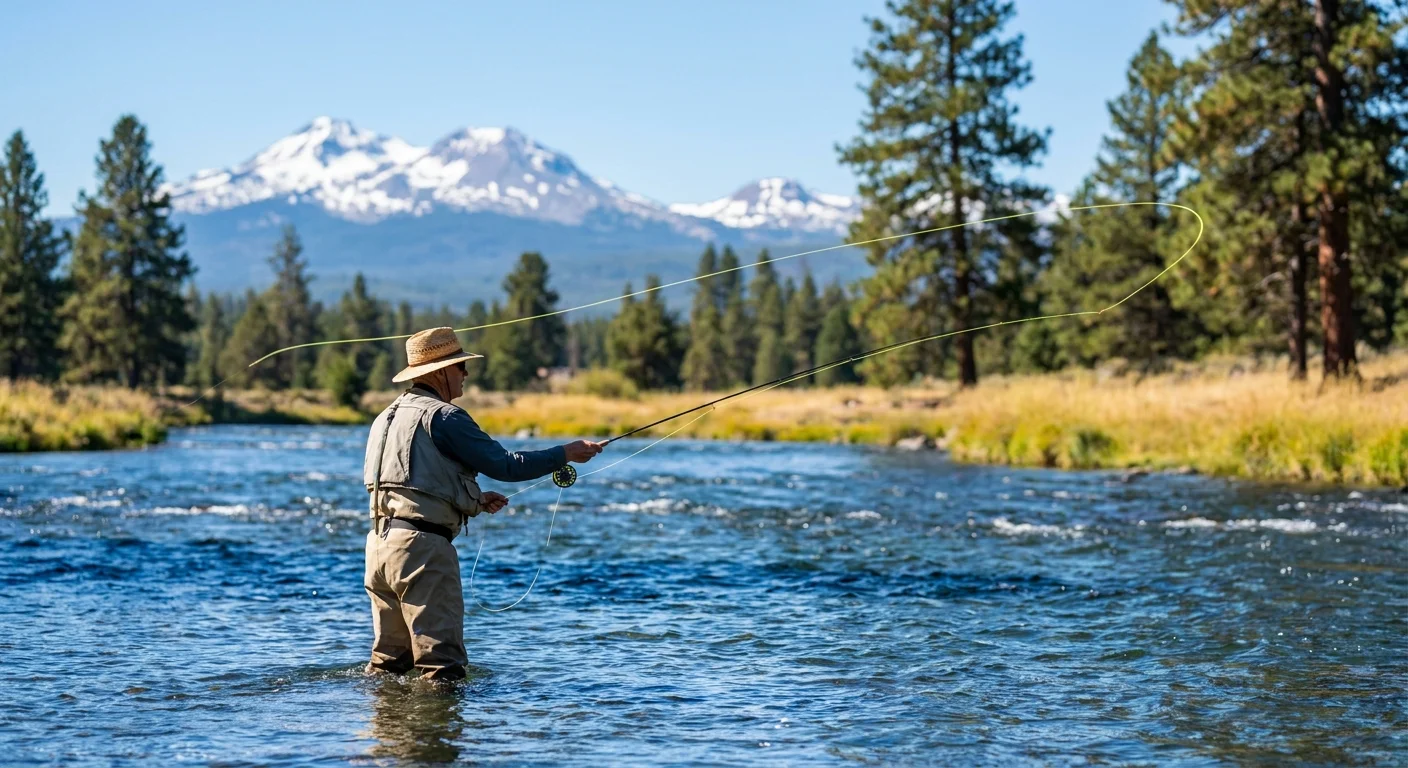
Bend has transformed into a premier retirement destination for outdoor enthusiasts. Situated in Oregon’s high desert, it boasts nearly 300 days of sunshine a year—a stark contrast to the rainy coastal regions. The Deschutes River runs directly through town, providing opportunities for kayaking, paddleboarding, and scenic riverside walks. Winter brings dry, powdery snow to nearby Mount Bachelor, making it a haven for senior skiers. St. Charles Medical Center is the largest hospital in the region, offering comprehensive, top-tier specialized care. The primary hurdle when considering Bend is the cost of real estate; housing prices have surged over the past decade due to high demand. However, if your retirement budget accommodates the market, the quality of life, vibrant craft food scene, and robust infrastructure make it unparalleled.
5. Coeur d’Alene, Idaho
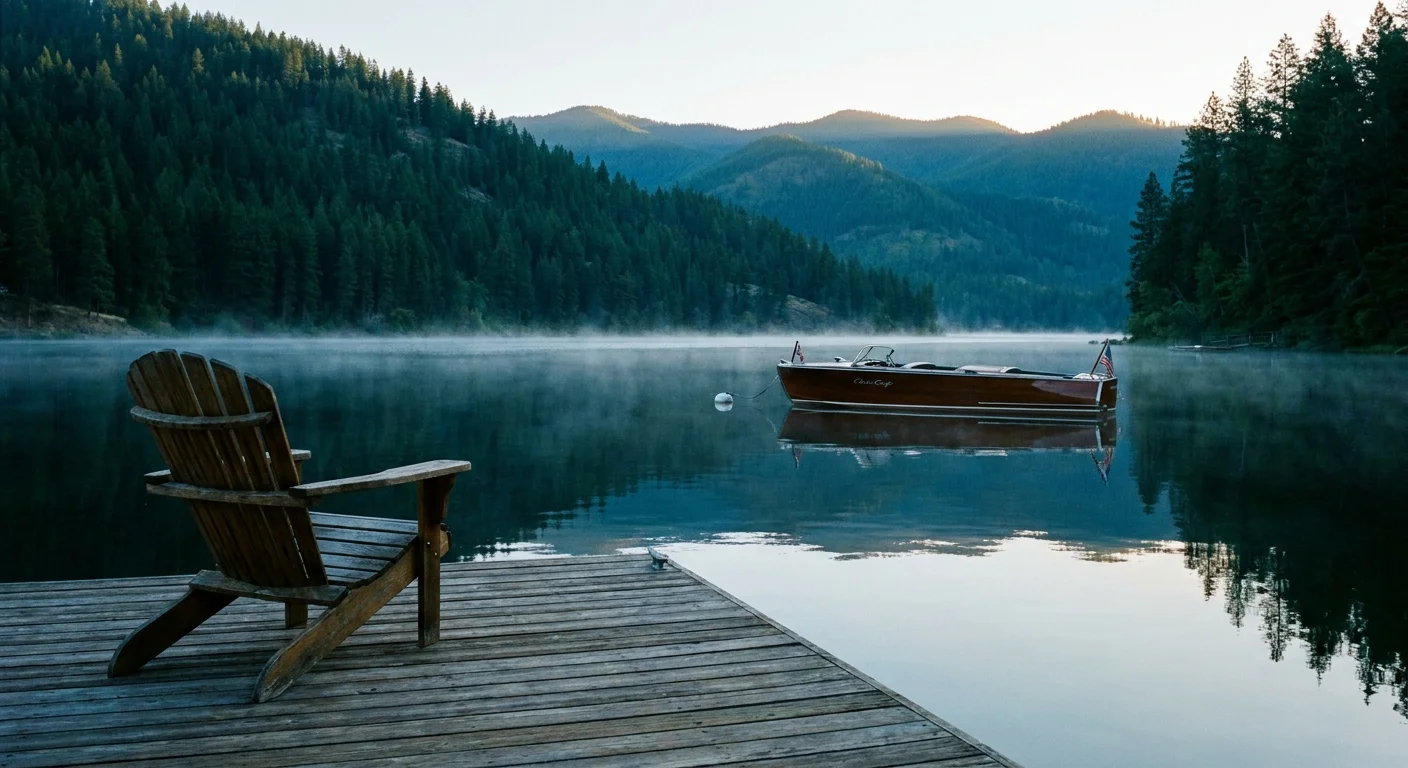
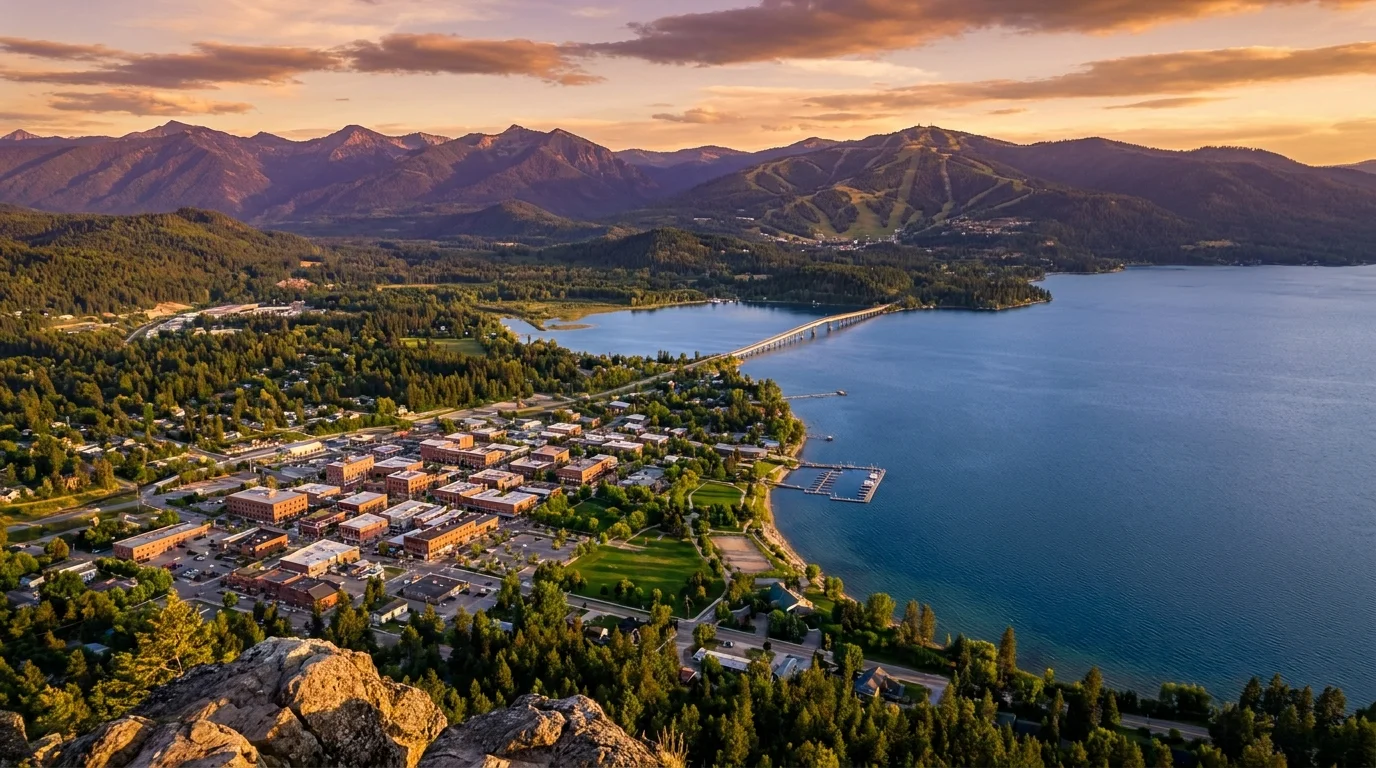
Nestled against a stunning, pine-rimmed lake, Coeur d’Alene offers a quintessential resort lifestyle that transitions beautifully into a permanent retirement haven. Idaho is incredibly tax-friendly for retirees—the state does not tax Social Security benefits, which can significantly stretch your monthly budget. The town features world-class golf courses, a highly active senior center, and over 100 miles of paved biking trails. Kootenai Health is a sprawling, modern medical facility located centrally, providing excellent peace of mind. While the winters do bring snow, the climate is generally milder than the high Rockies, allowing for year-round community engagement.
6. Sandpoint, Idaho
For those who find Coeur d’Alene slightly too busy, Sandpoint sits just an hour north on the shores of Lake Pend Oreille. It retains a slower, more intimate small-town charm while still providing massive recreational value. During the summer, the lake is the center of community life; during the winter, Schweitzer Mountain Resort offers incredible alpine experiences. The local healthcare anchor is Bonner General Health, which adequately handles everyday medical needs and emergencies. Sandpoint is deeply community-oriented, hosting farmers’ markets, art festivals, and outdoor concerts that make it incredibly easy to build a new social circle in retirement.

Cultural and Academic Hubs
Retiring in a college town or cultural center provides access to lifelong learning, incredible arts scenes, and a youthful, dynamic community energy that keeps the mind sharp.
7. Ashland, Oregon
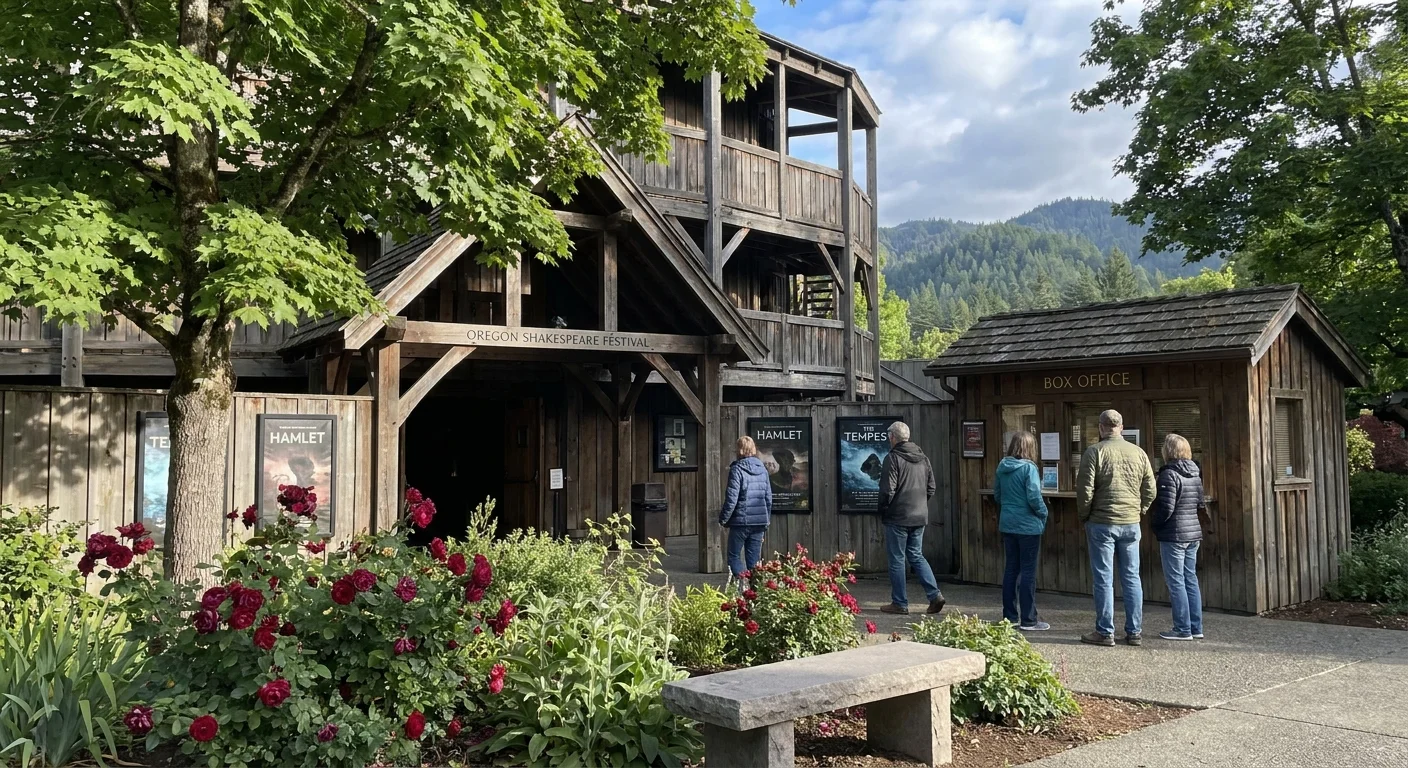
World-renowned for the Oregon Shakespeare Festival, Ashland is a cultural powerhouse set against the backdrop of the Siskiyou Mountains. Retirees who value the arts, literature, and ongoing education thrive here. Southern Oregon University anchors the town and offers an exceptional Osher Lifelong Learning Institute (OLLI) program, where seniors can take diverse, non-credit courses ranging from history to horticulture. Asante Ashland Community Hospital provides solid local care, with larger regional medical centers available in nearby Medford. The town features four distinct seasons, beautiful historic homes, and a walkable downtown centered around Lithia Park. While the cost of living is above the national average, the access to world-class theater and intellectual engagement is a powerful draw.
8. Bellingham, Washington
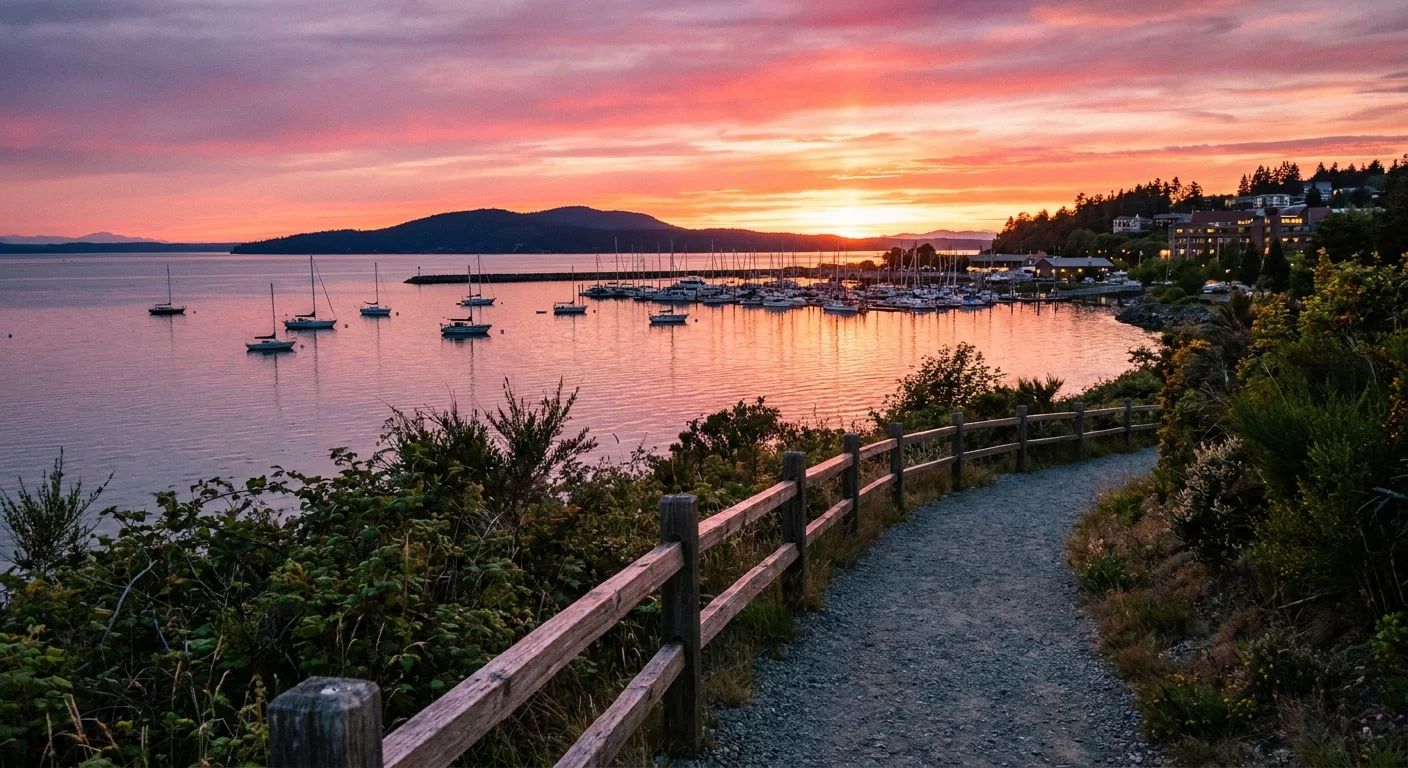
Positioned beautifully between the bustling metropolis of Seattle and the international flair of Vancouver, British Columbia, Bellingham is a vibrant coastal college town. Home to Western Washington University, the community benefits from collegiate sports, guest lectures, and extensive arts programming. The historic Fairhaven district offers brick-paved sidewalks, independent bookstores, and fantastic dining. Mount Baker is close by for winter sports, while Puget Sound offers kayaking and sailing. PeaceHealth St. Joseph Medical Center ensures you have access to comprehensive, high-quality medical treatments without needing to drive to Seattle. Bellingham’s active, environmentally conscious ethos makes it an easy place to stay physically and mentally engaged.
9. Port Townsend, Washington
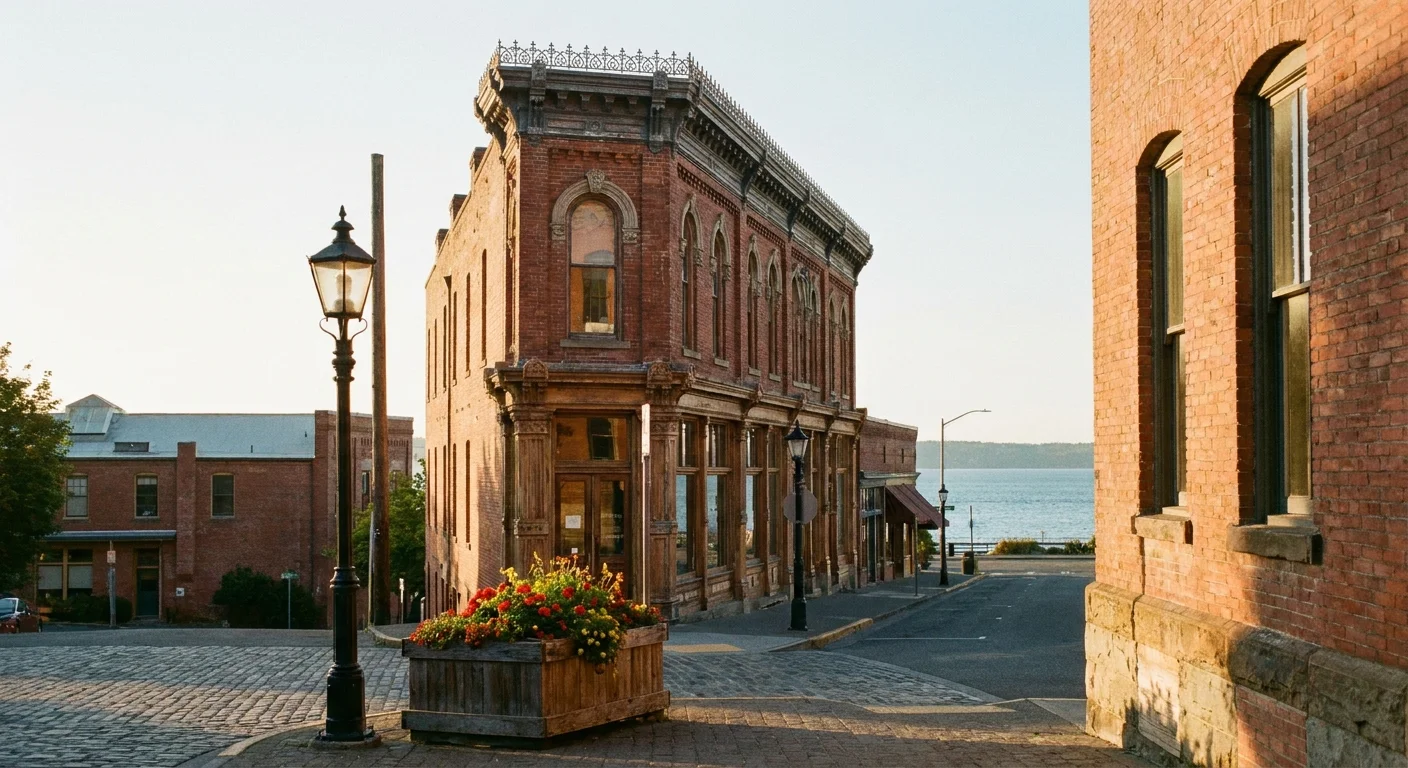
If you appreciate history and craftsmanship, Port Townsend will instantly capture your heart. Recognized as one of only three Victorian seaports on the National Register of Historic Places, the town is visually stunning. It sits at the northeastern tip of the Olympic Peninsula, boasting a thriving community of artists, writers, and wooden boat builders. Fort Worden State Park provides expansive beaches and trails right in town. Jefferson Healthcare hospital serves the community well, and the town’s relatively isolated geographic position fosters a deeply tight-knit, supportive local culture. It is a place where neighbors truly know each other, making the transition into retirement much less isolating.

Wine Country and River Valleys
The agricultural valleys of the Pacific Northwest offer sweeping vistas of rolling hills, world-class vineyards, and a farm-to-table culinary lifestyle that rivals anywhere in the world.

10. Walla Walla, Washington
Tucked into the southeastern corner of Washington, Walla Walla is synonymous with premium wine, boasting over 120 wineries. Beyond the vineyards, it is a highly walkable, charming town with a flat, easily navigable downtown core. The presence of Whitman College injects intellectual vitality into the community, and retirees frequently take advantage of campus events and concerts. The climate here is notably different from the coast—summers are hot and dry, while winters are cold and crisp. Providence St. Mary Medical Center provides excellent healthcare services for the region. Because it is located inland, housing costs remain generally more accessible than in coastal Washington or central Oregon.
11. Hood River, Oregon
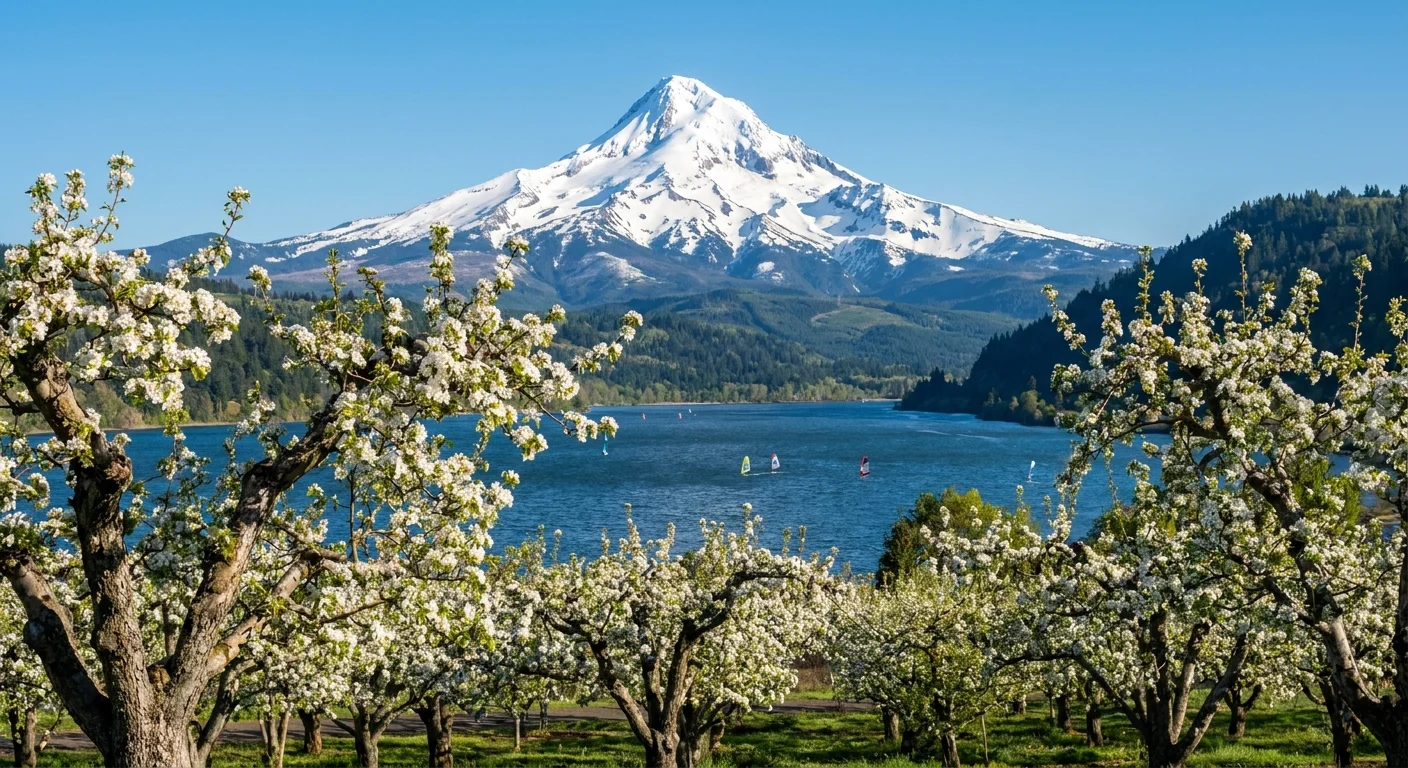
Situated in the heart of the Columbia River Gorge, Hood River is an energizing mix of agricultural roots and extreme sports culture. Surrounded by the famous “Fruit Loop”—a trail of local orchards and farm stands—retirees enjoy unparalleled access to fresh, local produce. The town is heavily focused on the outdoors, with windsurfing on the river and hiking on Mount Hood being local staples. Providence Hood River Memorial Hospital serves the area, and major specialists in Portland are only an hour’s drive away. The sheer physical beauty of the Gorge makes every daily errand feel like a scenic tour.
12. McMinnville, Oregon
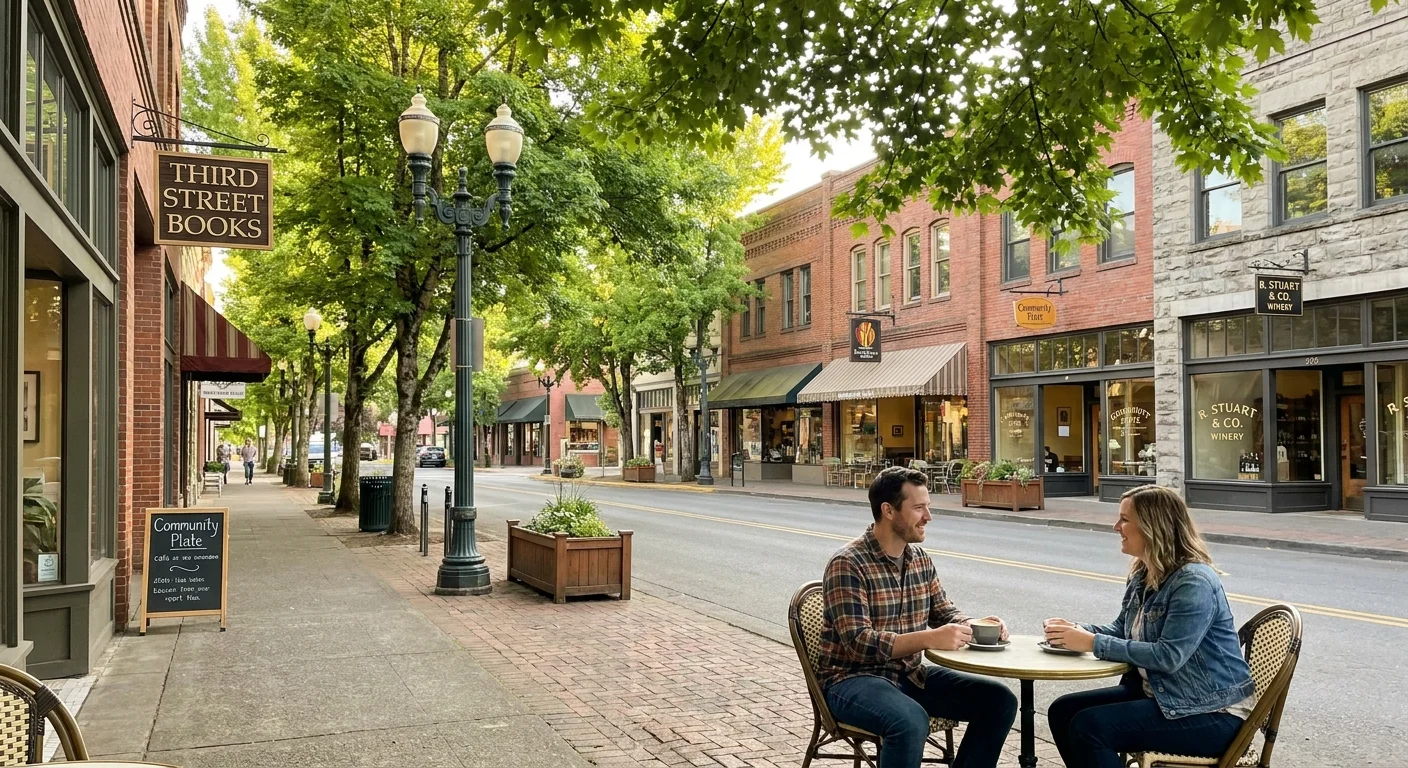
Located in the heart of the Willamette Valley, McMinnville offers a refined yet relaxed lifestyle surrounded by world-renowned Pinot Noir vineyards. Its historic Third Street is frequently voted one of the best main streets in America, lined with farm-to-table restaurants, boutiques, and tasting rooms. Linfield University brings cultural events and educational opportunities to the local population. Willamette Valley Medical Center ensures strong healthcare access, and the major medical networks of Portland are less than an hour away. The terrain is flat, the climate is temperate, and the community is exceptionally welcoming to newcomers looking to enjoy the finer things in their golden years.
Comparing Top Pacific Northwest Retirement Spots
To help you narrow down your choices, here is a quick comparison of a few standout destinations based on typical retirement priorities. Housing markets fluctuate, so use this as a baseline for your research.
| Destination | Primary Vibe | Climate Profile | Standout Tax / Financial Benefit |
|---|---|---|---|
| Sequim, WA | Quiet, Coastal, Walkable | Mild; low rainfall (Rain Shadow) | No state income tax; lower utility costs |
| Bend, OR | Highly Active, Outdoorsy | High Desert; 300 days of sun | No state sales tax; great property appreciation |
| Ashland, OR | Cultural, Intellectual | Four distinct seasons; snowy winters | No state sales tax; access to student services |
| Coeur d’Alene, ID | Resort Lifestyle, Lakefront | Four seasons; moderate snowfall | Social Security is completely tax-exempt |
| Walla Walla, WA | Agricultural, Culinary | Hot summers, cold winters | No state income tax; lower housing baseline |
“Retirement is an opportunity to redefine your purpose and environment. Choosing where you live should be driven by the activities that give you joy and the community that keeps you engaged.” — Mitch Anthony, Retirement Lifestyle Expert
Pitfalls to Watch For When Retiring in the PNW
While the Pacific Northwest offers incredible lifestyle benefits, relocating here requires careful planning. You must account for regional quirks that can impact your budget and your daily happiness.
- The Tax Tug-of-War: Washington has no state income tax, making it a haven for retirees drawing heavily from pensions, 401(k)s, or traditional IRAs. However, Washington imposes high sales and property taxes. Oregon, conversely, has no sales tax but levies a relatively high income tax. Before moving, review your prospective state’s tax burden using tools from Kiplinger to see how your specific mix of Social Security and investment income will be treated.
- Healthcare Access in Rural Areas: Towns like Sandpoint or the San Juan Islands are breathtaking, but their geographical isolation can be problematic if you develop complex medical needs. If you rely on specific medical specialists, verify local facility ratings on Medicare.gov before buying a home in a more remote mountain town.
- The “Big Dark” and Seasonal Affective Disorder: Coastal and Puget Sound locations experience months of persistent gray skies and drizzle from November through April. If you are sensitive to a lack of sunlight, you must prioritize rain-shadow locations like Sequim, or opt for the high desert sunshine of Bend.
- Housing Affordability: The secret is out on the PNW. Coastal towns and popular hubs like Bend have seen real estate prices skyrocket. The AARP Livability Index can help you evaluate neighborhood housing metrics, walkability, and community engagement for specific ZIP codes to ensure you do not overextend your budget.
Frequently Asked Questions About Retiring in the Pacific Northwest
Is it expensive to retire in the Pacific Northwest?
Yes, generally speaking, the cost of living in the Pacific Northwest sits above the national average. Housing is the primary driver of this expense, particularly in coastal towns, Bend, and near major metros like Seattle and Portland. However, you can manage costs by moving slightly inland to areas like Walla Walla or by strategically utilizing state tax structures (like Washington’s lack of income tax) to preserve your wealth.
How do taxes work for retirees in Oregon versus Washington?
The two states are polar opposites. Washington does not have a state income tax, which is incredibly beneficial if you rely on taxable retirement accounts or a pension. However, it compensates with higher sales and property taxes. Oregon has no sales tax—meaning large purchases like vehicles or appliances cost exactly the sticker price—but it does heavily tax income. Neither state taxes Social Security benefits.
What is the weather actually like year-round?
The region features dramatic microclimates. West of the Cascade Mountains (the coast, Puget Sound, Willamette Valley), you will experience mild, dry summers and long, wet, temperate winters with rarely any snow. East of the Cascades (Bend, Walla Walla, Idaho), you enter a high desert or continental climate characterized by hot, dry summers and genuinely cold, snowy winters with abundant sunshine.
Finding your perfect Pacific Northwest retirement destination requires balancing your physical needs, your financial realities, and your lifestyle dreams. Take the time to visit these communities during their least pleasant season—visit the coast in February or the high desert in August—to ensure you love the environment year-round. Renting an Airbnb in your top two or three choices for a month can provide invaluable clarity before you make a permanent move.
This is educational content based on general retirement and financial principles. Individual results vary based on your situation. Always verify current benefit rules, tax laws, and eligibility requirements with official sources like SSA, Medicare.gov, or the IRS.
Last updated: May 2026. Retirement benefits, tax rules, and healthcare regulations change frequently—verify current details with official sources.









Leave a Reply