
Hitting the open road offers an unmatched sense of freedom, turning your golden years into an adventure where your backyard changes whenever you choose. Selecting the right locations dictates whether you spend days battling crowded lots or enjoying spectacular views alongside welcoming communities. The rv lifestyle allows you to chase perfect weather year-round, but finding spots with reliable amenities, senior-friendly healthcare, and vibrant social scenes takes careful planning. Whether you prefer the sun-drenched deserts of the American Southwest or the coastal breezes of the Southeast, specific regions stand out as premier havens for mobile retirees. These eight extraordinary destinations cater directly to the unique needs of extended road trips and retirement travel.
1. Quartzsite, Arizona: The Ultimate Winter Gathering
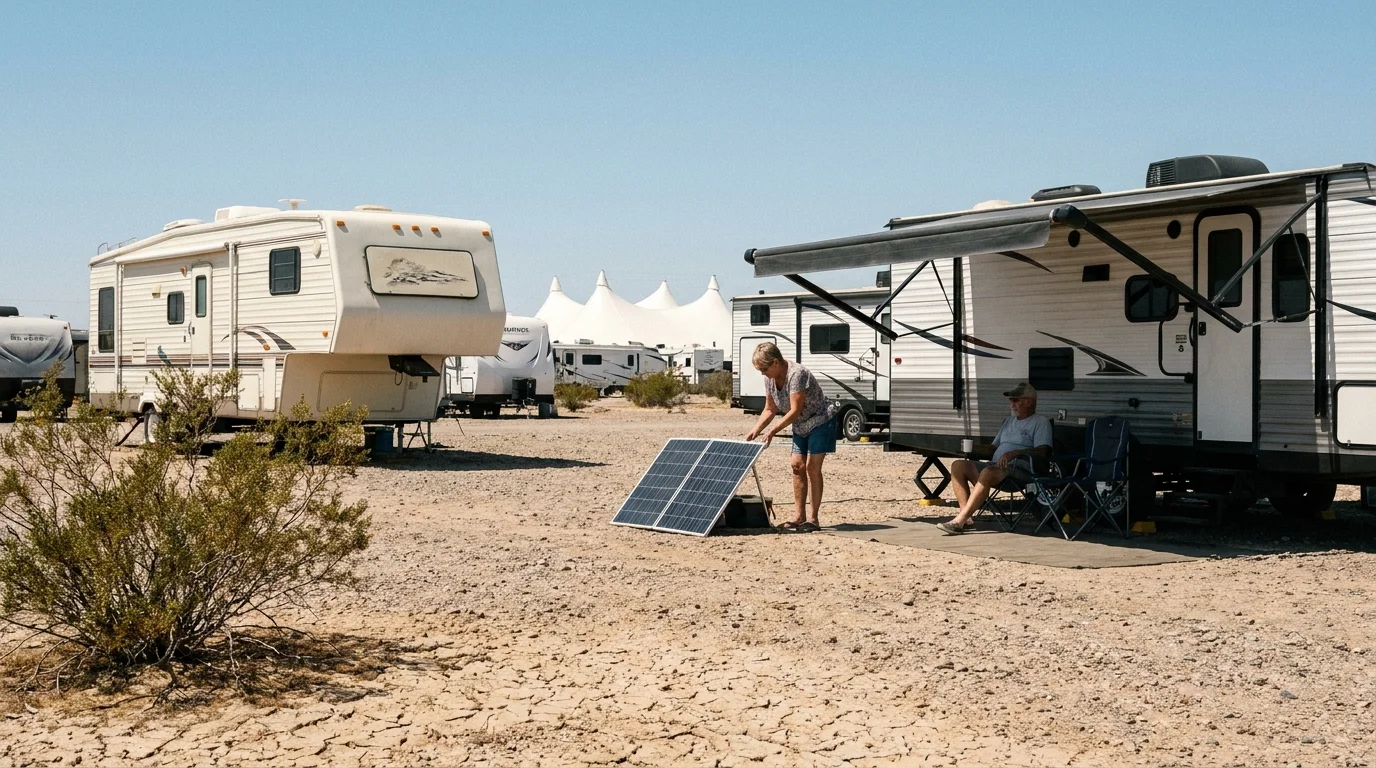
When the winter chill sets across the northern states, hundreds of thousands of retirees steer their rigs toward a tiny desert town in western Arizona. Quartzsite transforms from a sleepy outpost into an expansive, bustling metropolis of motorhomes, fifth wheels, and travel trailers from November through March. The primary draw is the vast expanse of Bureau of Land Management (BLM) territory surrounding the town, offering incredibly affordable long-term camping options.
By purchasing a Long Term Visitor Area (LTVA) permit, you secure a spot on the sun-baked desert floor for the entire winter season for less than the cost of a single week at a luxury resort. This environment is highly conducive to boondocking—camping without traditional water, sewer, or electrical hookups. You will rely on your solar panels, generators, and holding tanks while enjoying breathtaking desert sunsets and incredibly dark, star-filled night skies.
The social scene in Quartzsite is legendary. In January, the town hosts the massive RV Show, bringing together vendors, mechanics, and fellow travelers under the iconic “Big Tent.” It is a prime location to upgrade your rig, attend specialized seminars on battery maintenance, and connect with hobbyist groups ranging from rockhounds and silversmiths to amateur astronomers. The sense of community is profound; you will easily find neighborhood potlucks, morning hiking groups, and impromptu jam sessions springing up among the cacti.
2. The Florida Keys: Tropical Living Without a Passport
If your idea of a perfect retirement involves turquoise waters, gentle sea breezes, and an endless supply of fresh seafood, driving the Overseas Highway into the Florida Keys should be at the top of your list. The Keys offer a Caribbean-style atmosphere without the hassle of international borders or currency exchanges. However, securing a spot in this paradise requires strategic planning and a comfortable budget.
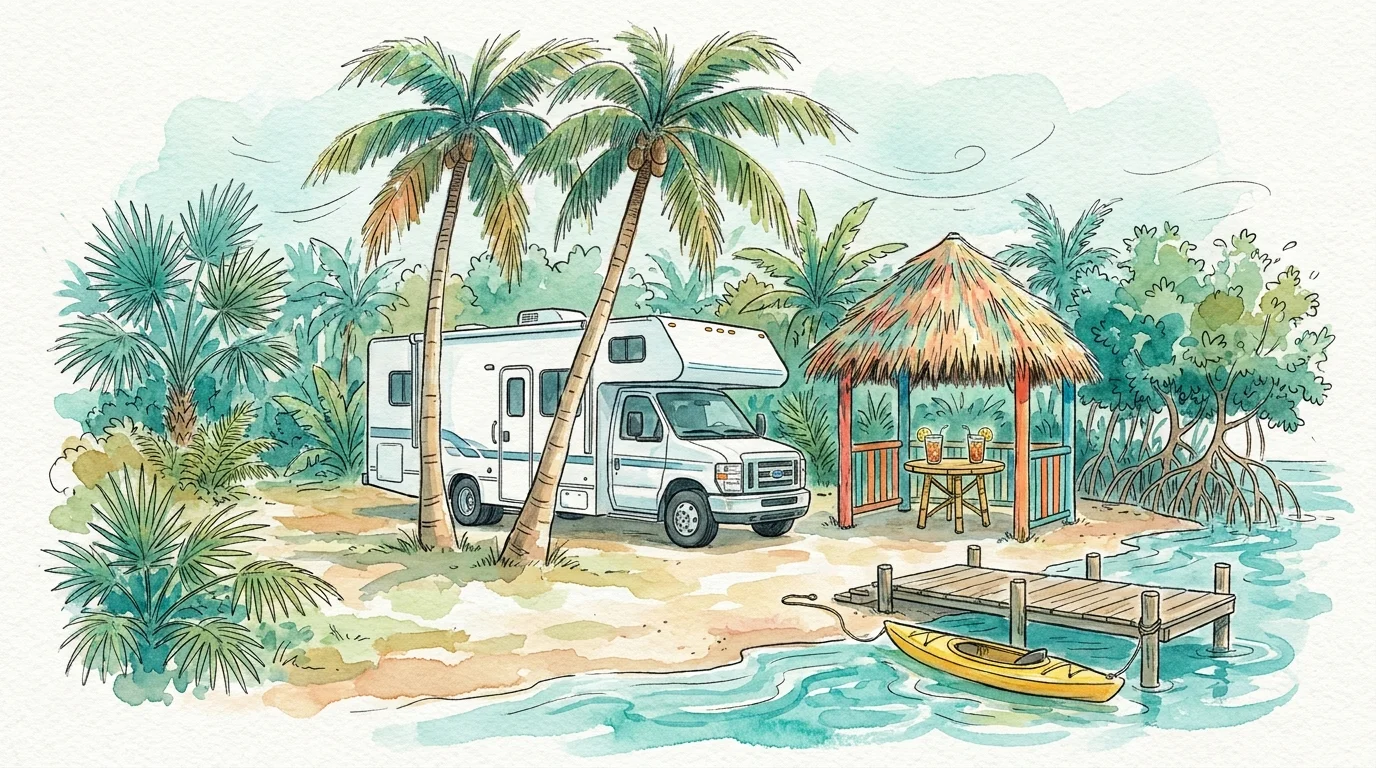
State parks such as Bahia Honda and John Pennekamp Coral Reef State Park offer spectacular, nature-immersed sites right on the water. These locations are highly coveted; securing a reservation often means logging online exactly eleven months in advance. For those seeking more robust amenities, the Keys boast several high-end private RV resorts. Places like Bluewater Key feature expansive, privately owned lots available for rent, complete with private tiki huts, outdoor kitchens, and personal boat docks.
Living in the Keys during the winter months means trading snow shovels for snorkeling gear. The flat, paved trails connecting the islands are perfect for morning bicycle rides, while the calm waters invite daily kayaking or paddleboarding excursions. Medical facilities are readily accessible in the Upper Keys and Key West, ensuring that your healthcare needs are met while you enjoy your tropical retreat.
3. The Texas Hill Country: Bluebonnets and Southern Hospitality
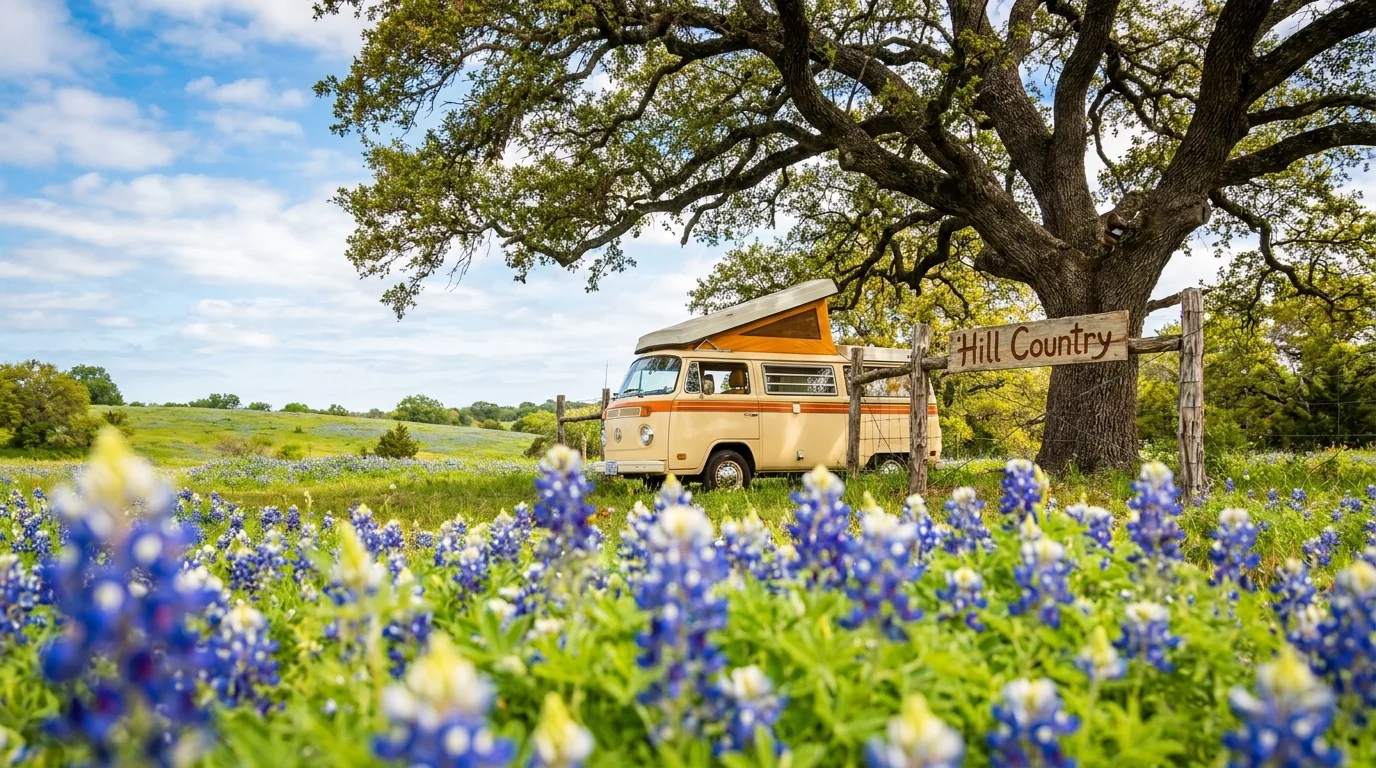
Tucked away in the central region of the Lone Star State, the Texas Hill Country offers a perfect blend of natural beauty, cultural richness, and modern convenience. Towns like Fredericksburg, Kerrville, and New Braunfels serve as excellent base camps for retirees looking to escape harsh northern winters while avoiding the coastal humidity of the Southeast.
The region is famous for its rolling terrain, spring-fed rivers, and a deep-rooted German heritage that influences local architecture and cuisine. During the spring, the landscape explodes with color as millions of bluebonnets and Indian paintbrushes bloom across the fields. You will find a wide variety of RV parks nestled along the Guadalupe and Frio rivers, offering shaded pull-through sites beneath massive, centuries-old live oak trees.
Affordability is a significant advantage of the Hill Country compared to Florida or Southern California. Moreover, the area is renowned for its welcoming atmosphere. You can spend your days touring the numerous local wineries, exploring historic main streets filled with antique shops, or attending vibrant local festivals. When specialized medical care is required, the world-class hospital systems in nearby San Antonio and Austin are just a short drive away.
4. Gulf Shores, Alabama: White Sand and Affordability
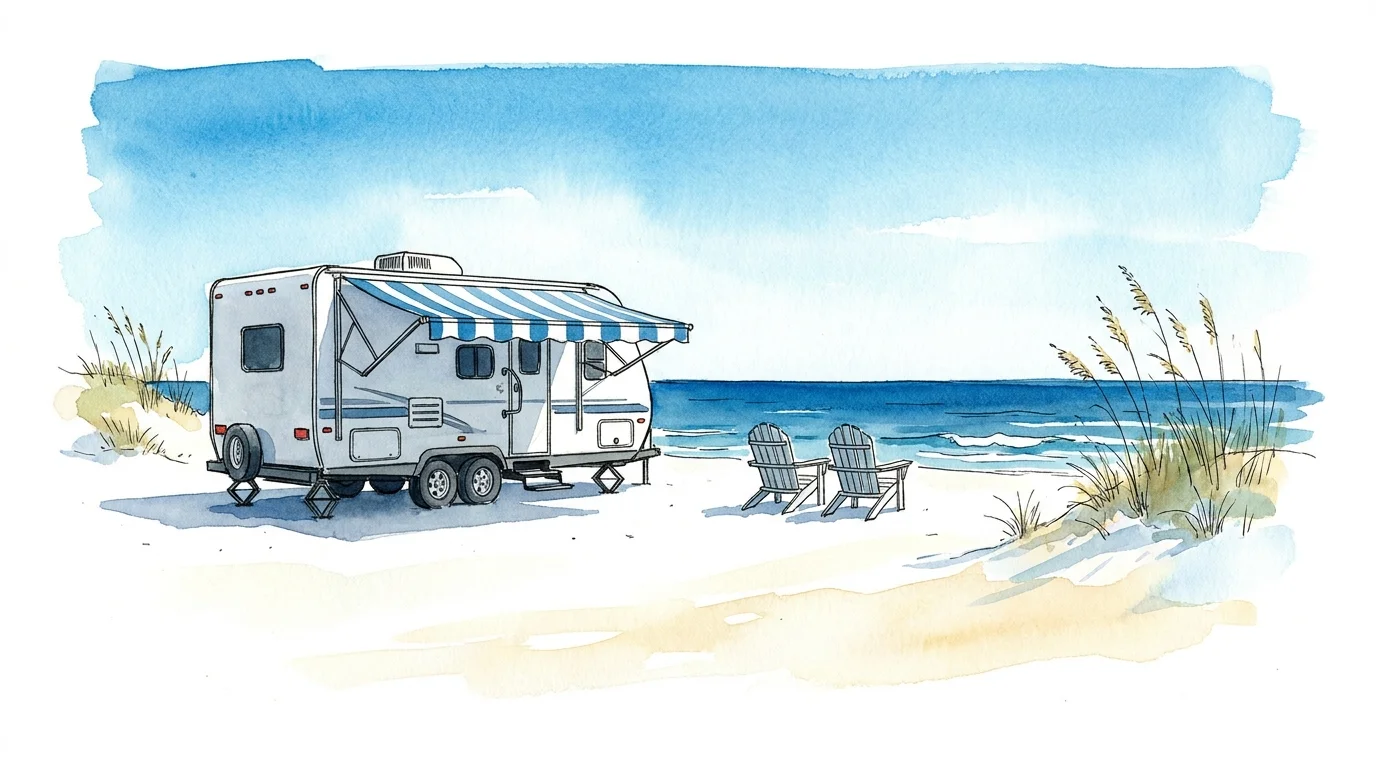
For retirees seeking the beautiful beaches of the Gulf of Mexico without the premium price tag of a Florida zip code, Gulf Shores, Alabama, presents an ideal alternative. The local community has embraced the seasonal influx of older travelers, earning the area a reputation as one of the most hospitable snowbird destinations in the country.
Gulf State Park is the crown jewel of the area, featuring nearly 500 spacious RV sites set amidst a diverse ecosystem of freshwater lakes, pine forests, and marshlands. The park boasts over 28 miles of paved trails—perfect for walking, jogging, or biking without the worry of vehicular traffic. You are just minutes away from miles of pristine, sugar-white sand beaches that rival any found further south.
The local culture caters heavily to wintering retirees. Civic centers and local clubs host daily activities ranging from pickleball tournaments and line dancing to continuing education classes and volunteer opportunities. The culinary scene is heavily focused on fresh, locally caught Gulf seafood, offering endless options for affordable, high-quality dining.
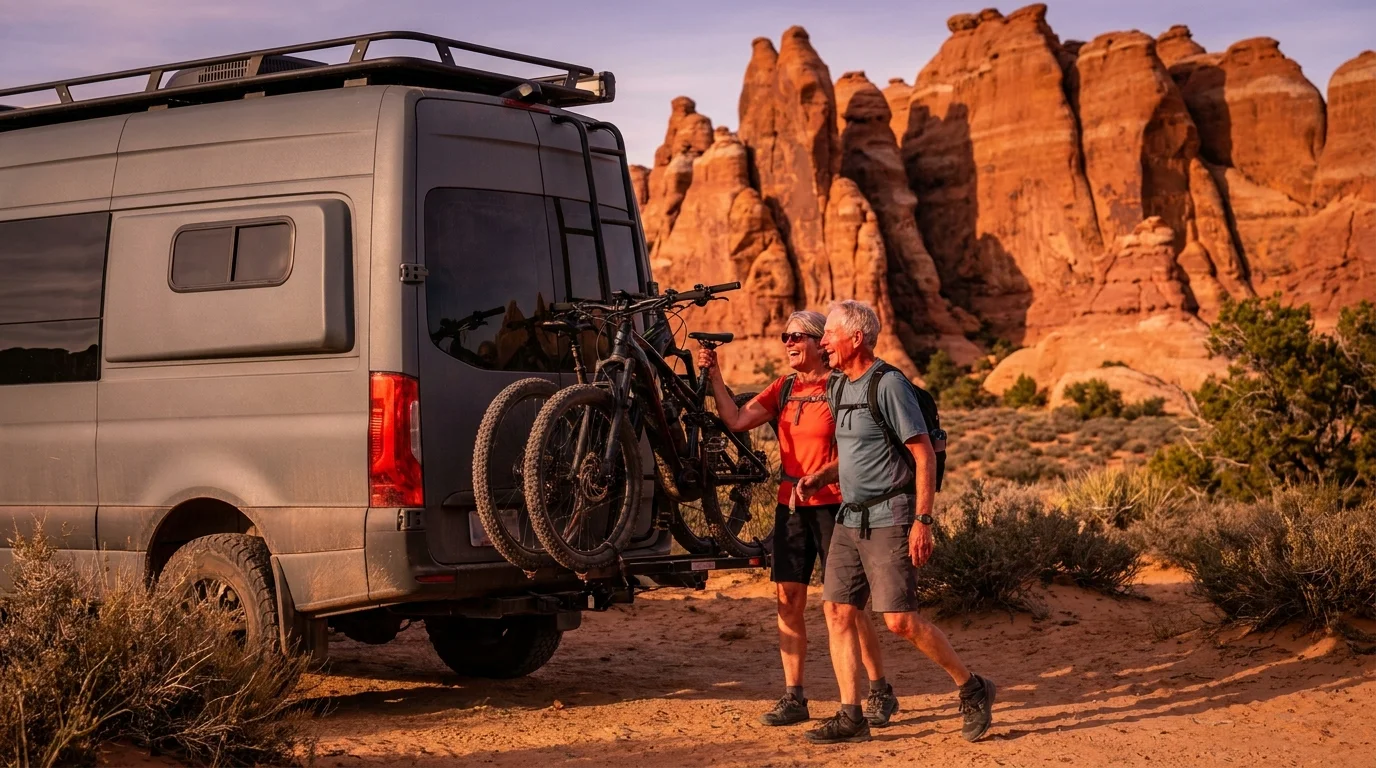
5. Moab, Utah: Red Rock Adventures for Active Seniors
Not all retirees want to spend their days lounging by a beach; many prefer an active, physically engaging lifestyle. For these adventurous souls, Moab, Utah, serves as the ultimate high-desert playground. Surrounded by dramatic red rock formations, deep canyons, and the winding Colorado River, Moab is the gateway to both Arches and Canyonlands National Parks.
Because summer temperatures routinely exceed 100 degrees and winters can bring freezing conditions, Moab is best experienced during the shoulder seasons of spring and autumn. During these months, the weather is perfect for exploring the extensive network of hiking trails, taking a scenic drive through the national parks, or renting a Jeep for some off-road exploration.
RV accommodations in Moab range from luxurious commercial parks in the center of town—offering resort-style pools and fast Wi-Fi—to more secluded, primitive BLM campsites situated directly alongside the river. The town itself has a vibrant, energetic atmosphere, filled with outdoor gear shops, excellent local breweries, and art galleries showcasing Southwestern landscapes.
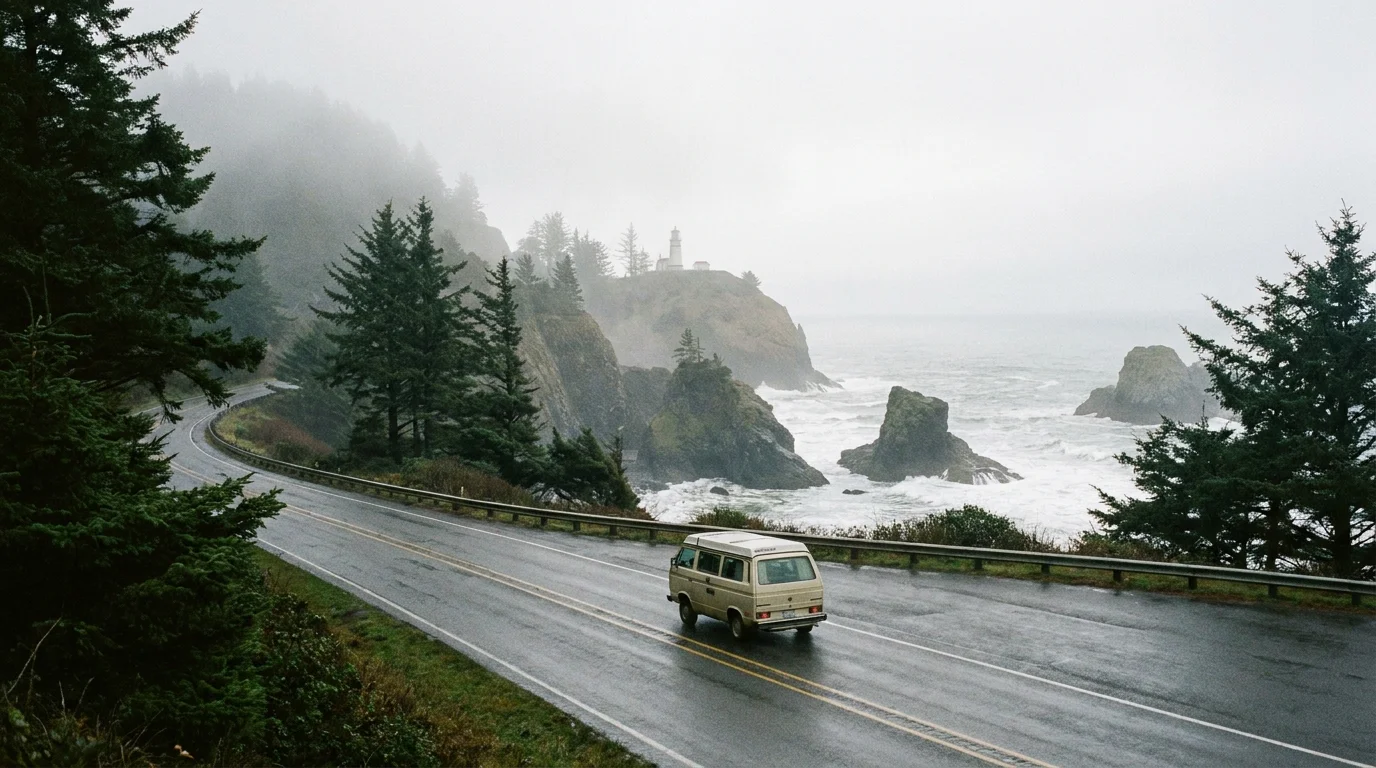
6. The Oregon Coast: A Summer Refuge from the Heat
When the southern states begin to swelter in the humid heat of summer, mobile retirees instinctively point their rigs northward. The Oregon Coast provides a dramatic, visually stunning escape characterized by towering sea stacks, historic lighthouses, and consistently cool ocean breezes. Driving Highway 101 in a motorhome is a bucket-list experience, offering panoramic views of the Pacific Ocean at every turn.
Oregon boasts one of the most well-maintained and comprehensive state park systems in the country. Parks like Beverly Beach, Fort Stevens, and Harris Beach offer expansive, forested RV sites that provide both privacy and easy access to the shoreline. Purchasing an Oregon State Parks pass is a wise investment, granting you access to miles of pristine coastline perfect for beachcombing, tide-pooling, and whale watching.
The coastal towns—such as Newport, Florence, and Cannon Beach—offer a relaxed, artistic vibe. You can spend your afternoons browsing local art galleries, visiting maritime museums, or enjoying fresh Dungeness crab right on the docks. The cool, misty mornings and comfortable afternoon temperatures make it a true sanctuary from the grueling summer heat found elsewhere in the country.
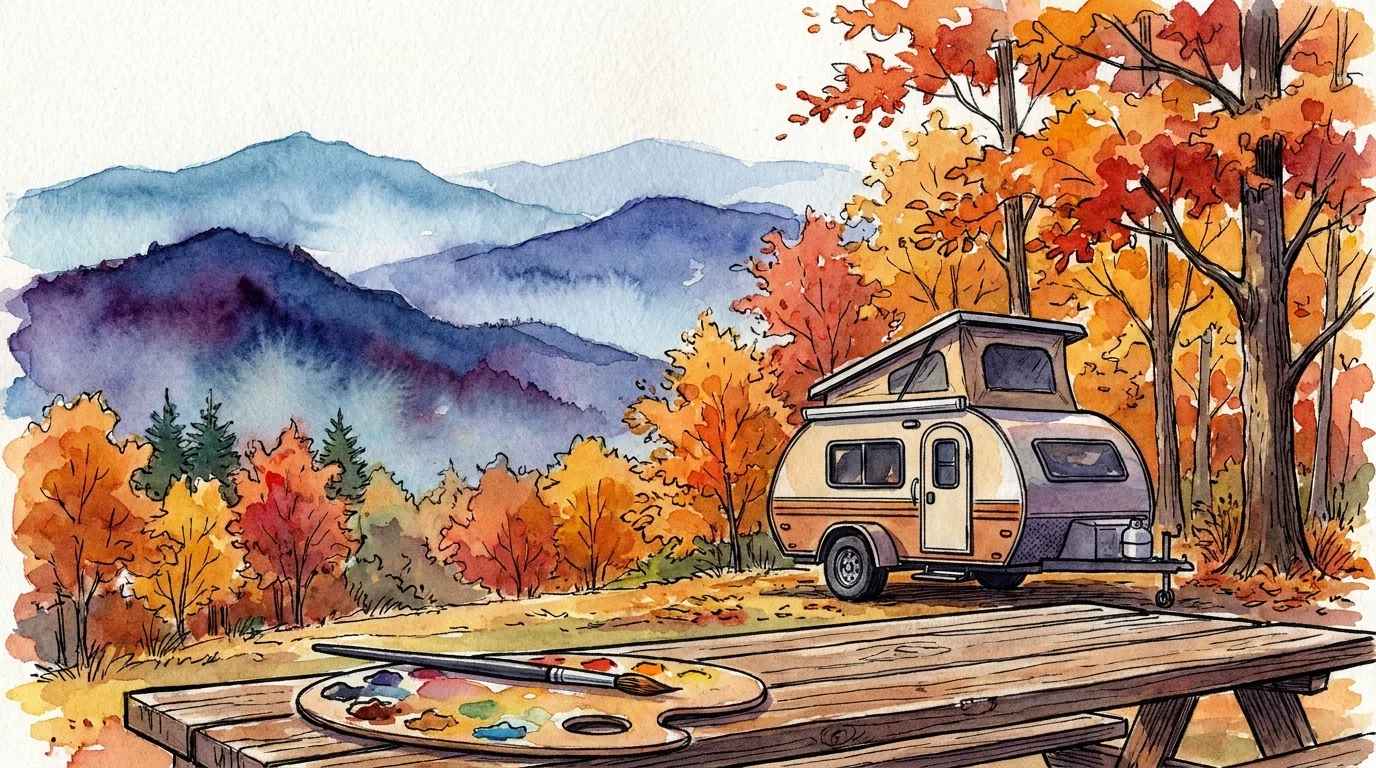
7. Asheville, North Carolina: Mountain Air and Cultural Charm
Nestled in the Blue Ridge Mountains, Asheville offers a sophisticated retreat for retirees who appreciate cool mountain air combined with a vibrant cultural scene. The elevation provides relief from the oppressive summer humidity of the southern lowlands, making it a highly desirable destination from May through October.
The region is easily accessible via the Blue Ridge Parkway, widely considered one of the most scenic drives in America. RV parks in the surrounding areas of Hendersonville, Waynesville, and Black Mountain offer peaceful, wooded settings with easy access to hundreds of miles of Appalachian hiking trails. You will need to ensure your rig is equipped to handle mountain grades, but the spectacular vistas are well worth the climb.
Asheville itself is an artistic and culinary hub. You can spend your days touring the historic Biltmore Estate, exploring the River Arts District, or dining at farm-to-table restaurants. Furthermore, Asheville is home to the Mission Health system, providing access to top-tier specialists and emergency care, which is a crucial consideration for any long-term traveler.
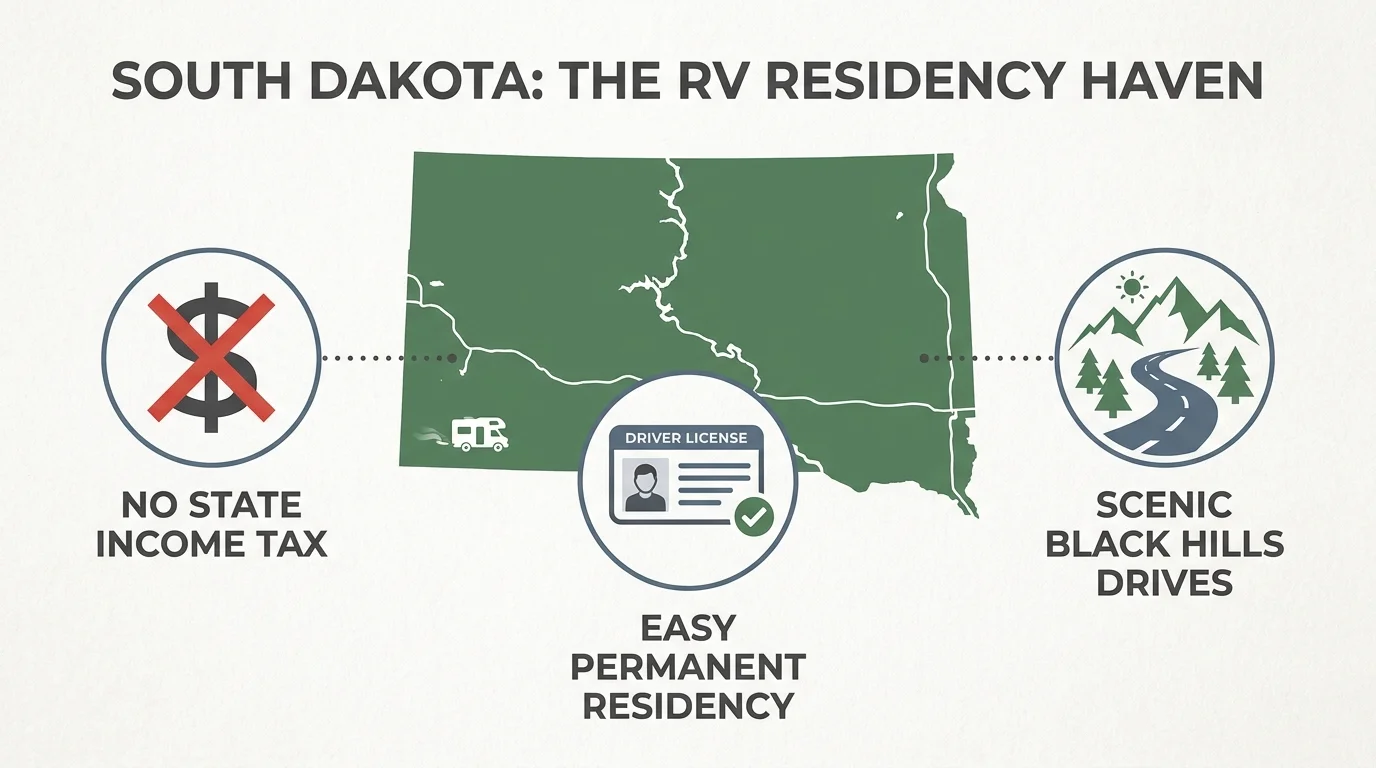
8. The Black Hills, South Dakota: Residency Perks and Scenic Drives
The Black Hills region of western South Dakota is not merely a beautiful destination; it is the legal home base for thousands of full-time RVers. South Dakota is incredibly friendly to mobile retirees, offering zero state income tax, low vehicle registration fees, and a straightforward process for establishing legal domicile using a mail-forwarding service address.
Beyond the legal and financial perks, the area is an outdoor enthusiast’s dream, particularly in the late summer and early fall. Custer State Park is legendary among RVers; it offers excellent campgrounds situated amid rolling plains where herds of wild bison frequently wander right past your site. The region also provides easy access to iconic American landmarks like Mount Rushmore, the Crazy Horse Memorial, and the otherworldly landscapes of Badlands National Park.
The roads cutting through the Black Hills, such as the Needles Highway and Iron Mountain Road, are famous for their scenic beauty, though you must carefully map your routes to avoid narrow tunnels with your larger RV. The area combines rugged western history with stunning geography, offering an experience that is both practically advantageous and visually awe-inspiring.
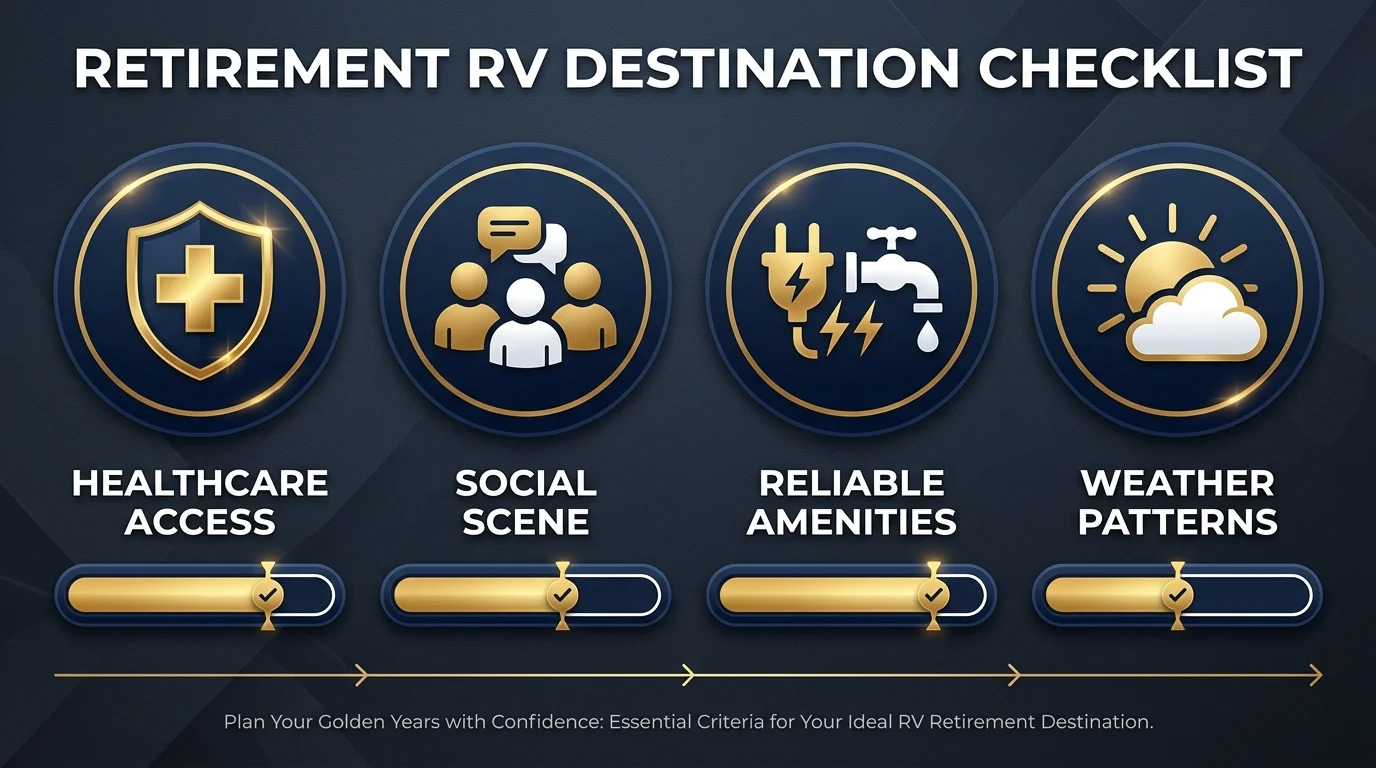
Essential Criteria for Evaluating Your Next Stop
Selecting the right destination involves more than just finding a pretty view. A successful long-term stay requires a balance of essential infrastructure and lifestyle amenities. When planning your route, evaluate each potential stop against these key criteria:
- Site Accessibility and Infrastructure: Ensure the park accommodates your rig’s length and height. Look for level, pull-through sites with 50-amp electrical service, stable water pressure, and reliable sewer connections for extended stays.
- Connectivity: Reliable internet is no longer a luxury; it is a necessity for managing finances, staying in touch with family, and streaming entertainment. Check user reviews for cellular signal strength or invest in a satellite system like Starlink.
- Medical Access: Proximity to urgent care facilities, specialized clinics, and well-rated hospital networks is vital. You never want to be hours away from help during a medical emergency.
- Community Atmosphere: Determine if the park caters to transient overnight guests or fosters a community of long-term residents. Parks with clubhouses, organized activities, and active social directors can prevent the isolation that sometimes accompanies life on the road.
To help you visualize your seasonal travel strategy, compare these popular regional profiles:
| Region | Primary Season | Cost Profile | Key Lifestyle Highlights |
|---|---|---|---|
| Desert Southwest (AZ, UT) | Winter / Spring | Low to Medium | Boondocking, vast public lands, off-roading, warm dry days. |
| Southeast Coast (FL, AL) | Winter | Medium to High | Beach access, deep-sea fishing, vibrant snowbird communities. |
| Pacific Northwest (OR, WA) | Summer | Medium | Cool coastal weather, lush forests, excellent state park systems. |
| Appalachia (NC, TN) | Summer / Fall | Medium | Mountain culture, scenic parkways, autumn foliage, arts. |
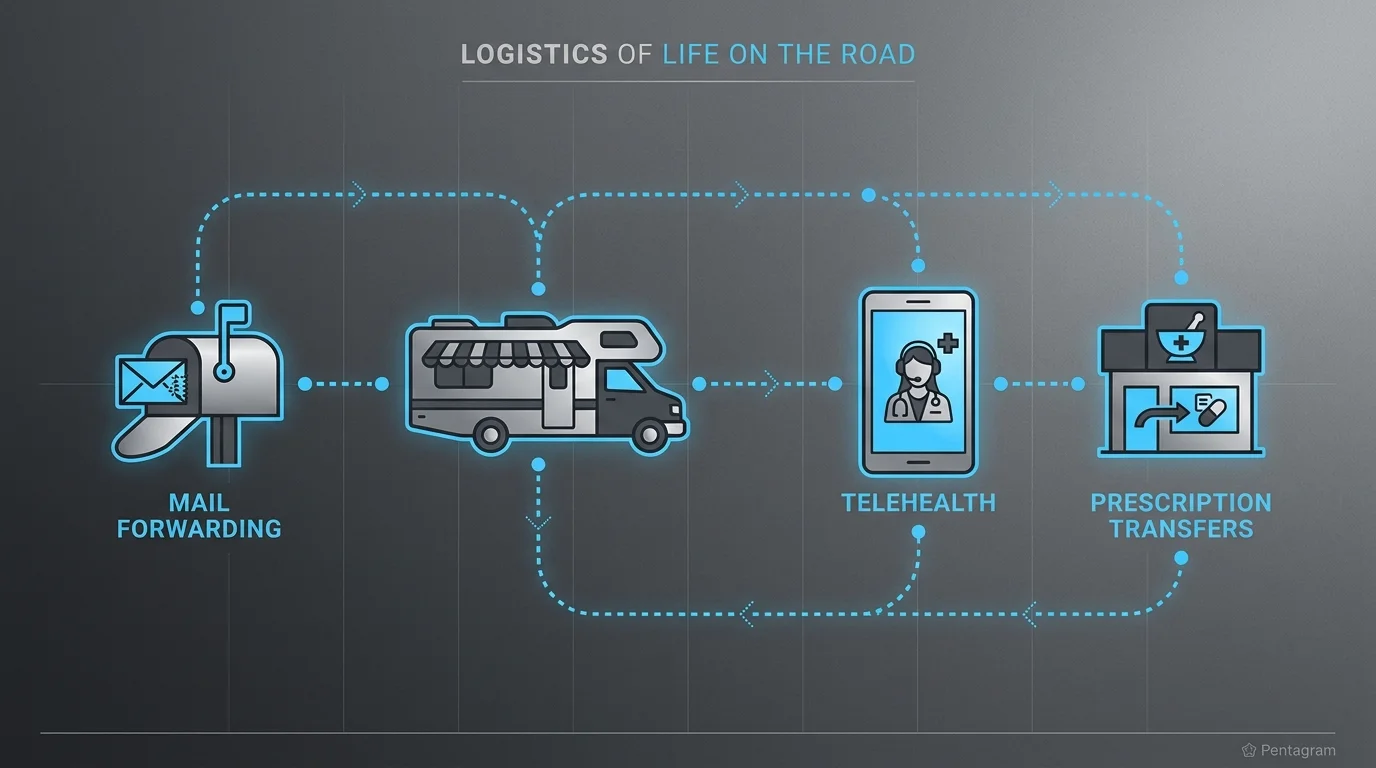
Managing Healthcare and Logistics on the Road
Transitioning to a mobile lifestyle requires you to rethink how you handle daily logistics. Mail forwarding services—often based in RV-friendly states like Texas, Florida, or South Dakota—can provide you with a physical street address for vehicle registration, voting, and receiving packages while scanning your letters for secure online viewing.
Healthcare requires the most strategic planning. If you are not yet 65, navigating the Affordable Care Act exchanges for a policy with a nationwide network is essential. Once you reach Medicare age, you must carefully evaluate your coverage. Original Medicare, combined with a Medigap policy, is generally considered the gold standard for full-time travelers because it allows you to see any doctor or facility nationwide that accepts Medicare. Conversely, many Medicare Advantage plans utilize localized HMO or PPO networks, which can leave you severely underinsured if a health issue arises while you are halfway across the country. You can compare network restrictions and coverage options by utilizing the official tools available at Medicare.gov.
Do not let the logistics overshadow the joy of the journey. To maximize your travel budget and experiences, consider utilizing the extensive resources provided by AARP, which offers significant discounts on campground memberships, roadside assistance programs, and rental cars. Additionally, purchasing an America the Beautiful Senior Pass via USA.gov Benefits grants lifetime access to federal recreation sites, saving you thousands of dollars in entry fees over the years.
“Retirement is an artificial finish line. It is an opportunity to redefine your life’s purpose and align your daily activities with what brings you genuine joy.” — Mitch Anthony, Financial Educator and Author
Frequently Asked Questions About Mobile Retirement
How do I establish residency if I live in my RV full-time?
Most full-time travelers establish a “domicile” in states with favorable tax laws and easy residency requirements—primarily South Dakota, Texas, or Florida. You utilize a specialized mail forwarding service to obtain a legal street address, spend a required minimal amount of time in the state (often just a single day in South Dakota), and register your vehicles and voter information there.
Can I use my health insurance if I travel out of my home state?
It depends entirely on your specific policy. If you have Original Medicare paired with a Medicare Supplement (Medigap) plan, you are covered by any provider in the U.S. that accepts Medicare. However, if you are on a Medicare Advantage plan or a localized ACA plan, your non-emergency coverage may be restricted entirely to your home network. Always verify your out-of-network coverage limits before crossing state lines.
What is the most affordable way to camp long-term?
Boondocking on BLM land or within National Forests is by far the most economical approach, often costing nothing or a very small seasonal fee. To do this comfortably, your RV must be equipped with sufficient solar power, a reliable generator, and large holding tanks for fresh and waste water. Alternatively, purchasing annual memberships like Thousand Trails can dramatically lower the nightly cost of private resort stays.
Is the RV lifestyle cheaper than owning a traditional home?
It can be, but it requires discipline. While you eliminate property taxes and traditional home maintenance, you replace them with campground fees, significant fuel costs, RV insurance, and specialized vehicle maintenance. Controlling how fast you travel—staying in one place for a month rather than moving every three days—is the most effective way to manage your budget and secure lower monthly site rates.
Next Steps for Your Journey
Embracing the rv lifestyle allows you to curate an environment perfectly tailored to your current interests, health needs, and weather preferences. Start by taking shorter, multi-week trips to different regions to test the waters before fully committing to long-term travel. Map out a logical route that chases the mild weather, book your critical site reservations well in advance, and double-check your healthcare networks to ensure peace of mind.
This article provides general retirement education and information only. Every retiree’s situation is unique—what works for others may not work for you. For personalized advice, consider consulting a qualified financial professional such as a CFP or CPA.
Last updated: March 2026. Retirement benefits, tax rules, and healthcare regulations change frequently—verify current details with official sources.









Leave a Reply