
Retirement today looks vastly different than it did just a decade ago, evolving from a quiet withdrawal from the workforce into an active, purpose-driven chapter of life. The latest lifestyle trends for seniors in 2026 prioritize physical longevity, deep community connections, and leveraging technology to maintain absolute independence. As shifting demographics redefine what it means to age, older adults are embracing innovations that seamlessly blend health management with personal fulfillment. From multi-generational co-housing setups to sophisticated wearable health tech and hybrid travel models, the opportunities to design a rich, dynamic daily routine have never been better. You now have unprecedented access to tools and environments that actively support your wellness, mobility, and lifelong learning goals.
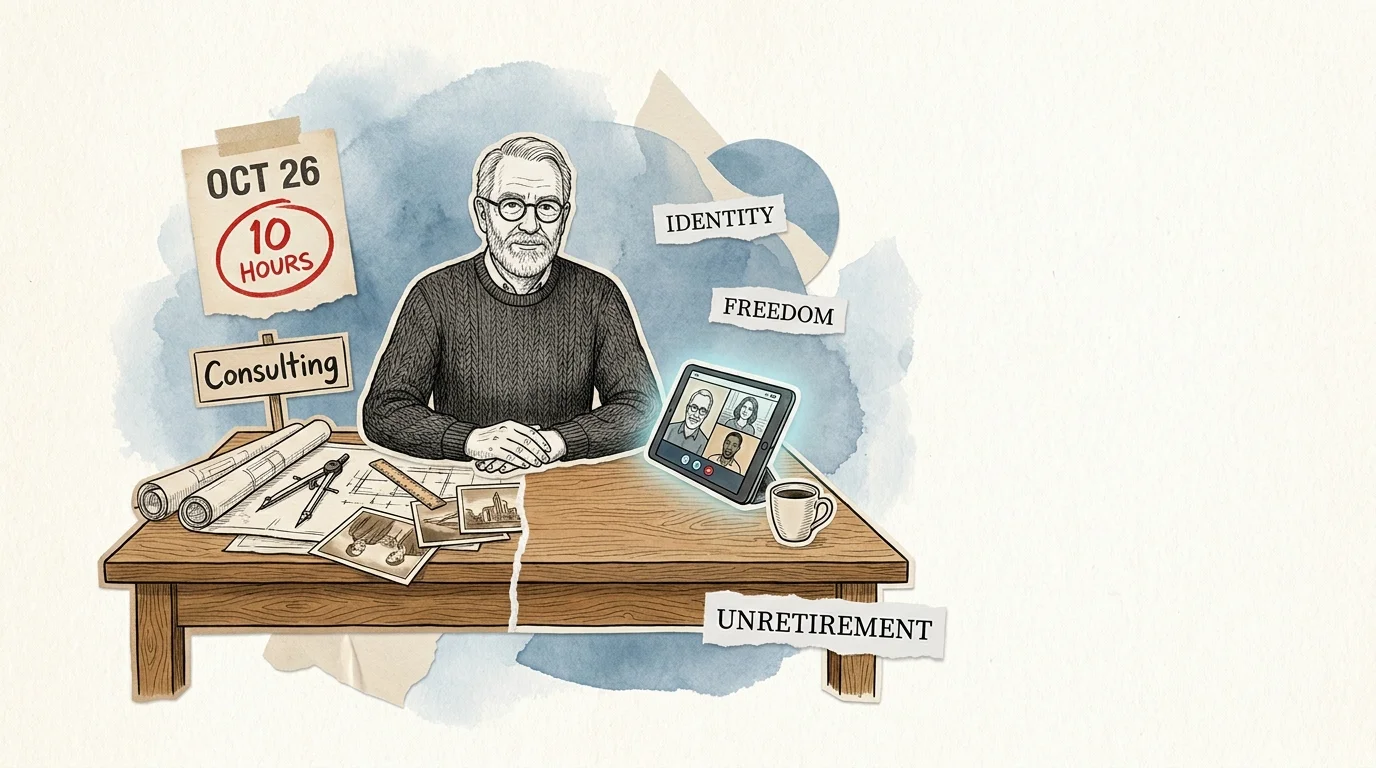
1. Purpose-Driven “Unretirement” and Micro-Working
The traditional concept of a hard stop at age 65 has largely vanished; instead, older adults are embracing the concept of “unretirement.” Rather than stepping away from the professional world entirely, you might find yourself transitioning into micro-working, consulting, or passion-driven entrepreneurship. This shift is fueled by the realization that complete withdrawal from the workforce can sometimes lead to a sudden loss of identity and social connection. Micro-working allows you to maintain professional engagement on your exact terms, whether that means consulting for ten hours a week, mentoring young professionals in your former industry, or turning a lifelong hobby into a small local business.
This trend offers a dual benefit: it supplements your retirement income while providing a structured sense of purpose. Research consistently links a strong sense of purpose to better cognitive health and lower rates of depression in older adults. By choosing when, where, and how you work, you retain total control over your schedule, leaving ample time for family, travel, and relaxation while remaining intellectually stimulated.
“Retirement is an artificial finish line. We need to focus on having enough purpose to wake up in the morning and enough money to sleep at night.” — Mitch Anthony, Retirement Expert
2. Preventative Health Tech and Smart Wearables
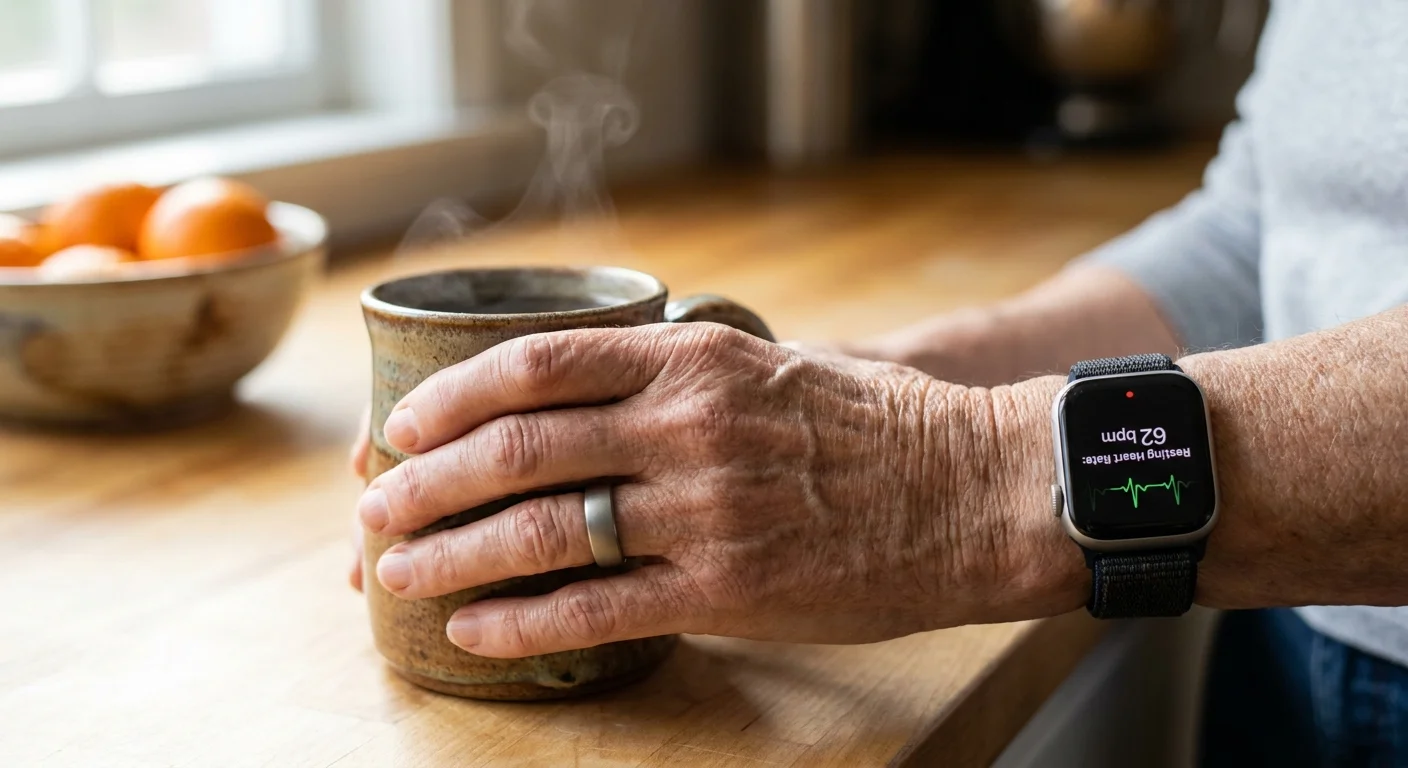
Health technology has moved far beyond simple step counters. In 2026, the senior wellness trends are defined by sophisticated, non-invasive wearables that provide clinical-grade data directly to your smartphone and your medical team. Smart rings that monitor sleep architecture, continuous glucose monitors (CGMs) for non-diabetics optimizing their diet, and smartwatches with advanced fall-detection and atrial fibrillation (AFib) alerts have become standard lifestyle accessories.
These devices empower you to take a proactive rather than reactive approach to your health. By tracking subtle changes in your resting heart rate or blood oxygen levels, you can address potential health issues before they require emergency intervention. Furthermore, the integration of remote patient monitoring into mainstream healthcare means that physicians can keep an eye on your chronic conditions without requiring frequent in-office visits. You can learn more about how certain chronic care management and remote monitoring services are covered by visiting Medicare.gov, as benefits continue to expand to support preventative care.
3. The Rise of “Agrihoods” and Niche Co-Housing Communities
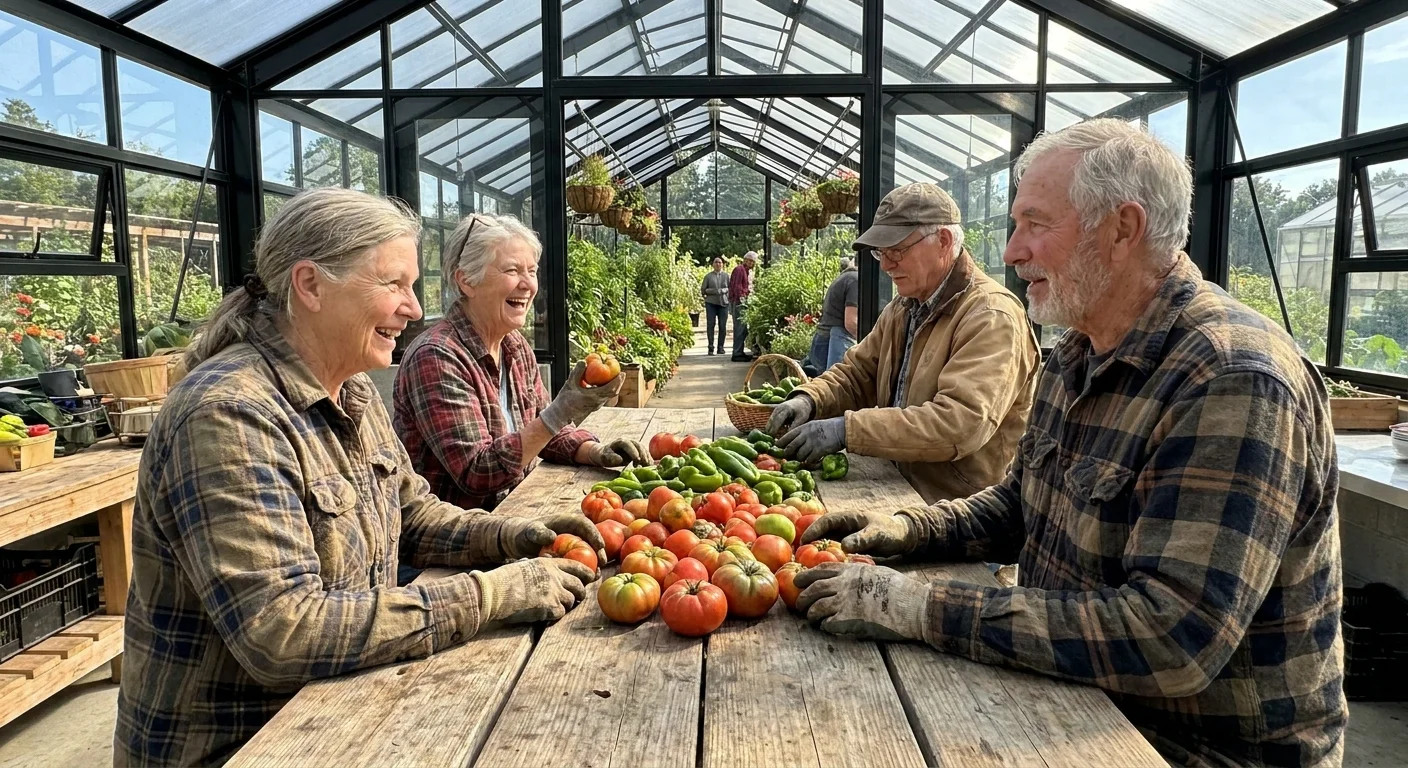
For decades, the default retirement destination was the sun-drenched golf course community. Today, you have access to highly specialized, intentional living environments that cater to specific interests and values. One of the fastest-growing trends is the development of “agrihoods”—neighborhoods built around working community farms rather than golf courses. These communities offer you the opportunity to engage in light agricultural work, consume fresh, hyper-local produce, and connect with neighbors over shared environmental values.
Similarly, co-housing communities are gaining immense popularity among those seeking deep social connections without sacrificing privacy. In a co-housing setup, you own a private home but share extensive communal spaces like industrial kitchens, gardens, and workshop areas. The benefits of these intentional communities include:
- Built-in social networks: Regular community meals and shared responsibilities naturally eliminate the isolation that often accompanies aging.
- Resource sharing: Neighbors frequently share tools, vehicles, and caregiving duties, which reduces the overall cost of living.
- Multi-generational living: Many co-housing communities intentionally blend retirees with young families, fostering mutual support and keeping older adults engaged with younger generations.
- Enhanced safety: A tight-knit community means there is always someone looking out for your well-being.

4. Slow Travel and “Roam-Working”
The rushed, ten-cities-in-ten-days bus tours of the past are being replaced by the “slow travel” movement. Retirees in 2026 are opting for extended stays in a single location, allowing for deeper cultural immersion and a more relaxed pace. Instead of viewing travel as a quick vacation, you might choose to rent an apartment in a European village or a coastal South American town for three to six months at a time. This approach not only provides a richer experience but often proves more economical than maintaining a rapid travel schedule.
Coupled with the unretirement trend, this has given rise to the senior “roam-worker.” Because micro-working and consulting can largely be done online, you can manage your part-time professional endeavors from anywhere in the world. Slow travel reduces physical exhaustion, allows you to build temporary local routines, and provides the thrill of global exploration without the stress of constant transit.
5. Micro-Mobility Solutions for Independent Living
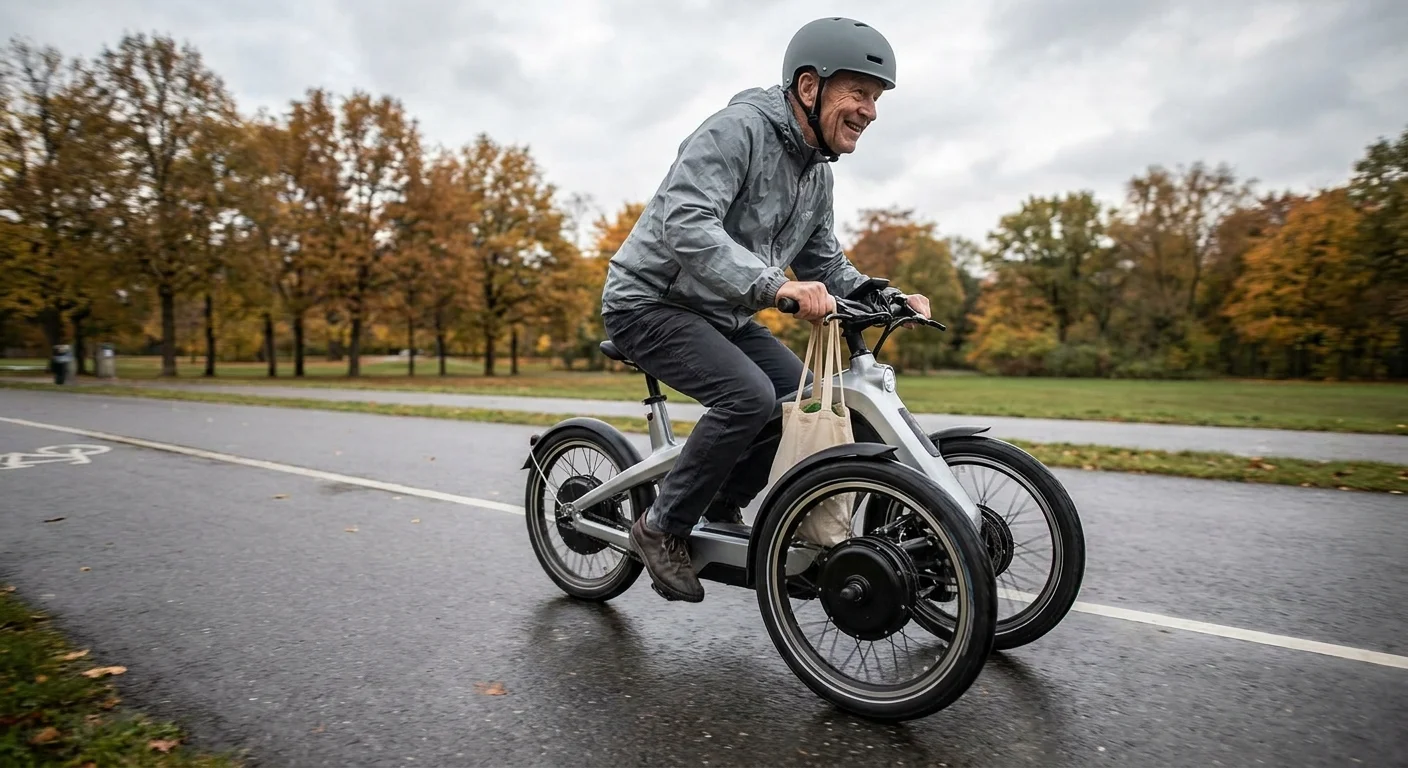
Maintaining independence is heavily tied to mobility, and the automotive industry’s shift toward micro-mobility has created fantastic options for older adults. Electric bikes (e-bikes), adult electric tricycles, and Neighborhood Electric Vehicles (NEVs) are transforming how seniors navigate their local communities. These vehicles bridge the gap between walking and driving a full-sized car, offering an eco-friendly and physically accessible way to run errands, visit friends, or simply enjoy the outdoors.
E-bikes with step-through frames and pedal-assist technology allow you to enjoy cycling regardless of your current cardiovascular fitness level or joint health. Adult trikes provide the same electric assistance but add absolute stability, eliminating the fear of losing balance. By adopting these micro-mobility solutions, you can significantly shrink your carbon footprint while expanding your daily radius of independence, long after you might choose to give up your driver’s license.
6. Lifelong Learning Through University Partnerships
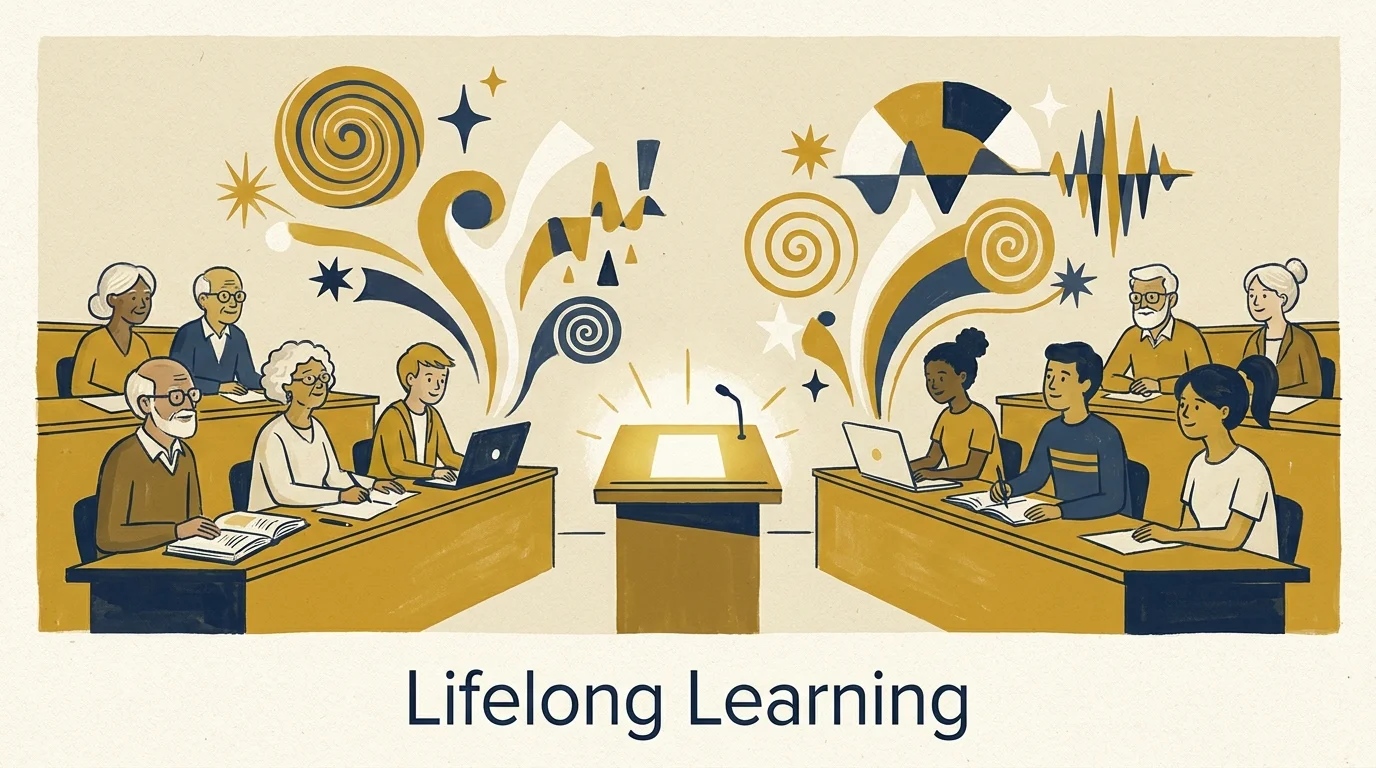
Intellectual stagnation is a risk in retirement, but the expanding network of University-Based Retirement Communities (UBRCs) offers a compelling solution. These living arrangements are physically located on or immediately adjacent to college campuses, allowing residents to seamlessly integrate into the academic environment. Even if you do not live in a UBRC, many universities now offer robust, low-cost auditing programs specifically designed for adults over 60.
Engaging in rigorous academic environments later in life provides immense cognitive benefits. You can study art history, debate modern political science, or learn a new language, all while interacting with undergraduate students and tenured professors. This continuous intellectual challenge builds cognitive reserve, which neurologists identify as a key factor in delaying the onset of dementia and cognitive decline.
7. High-Tech Aging in Place
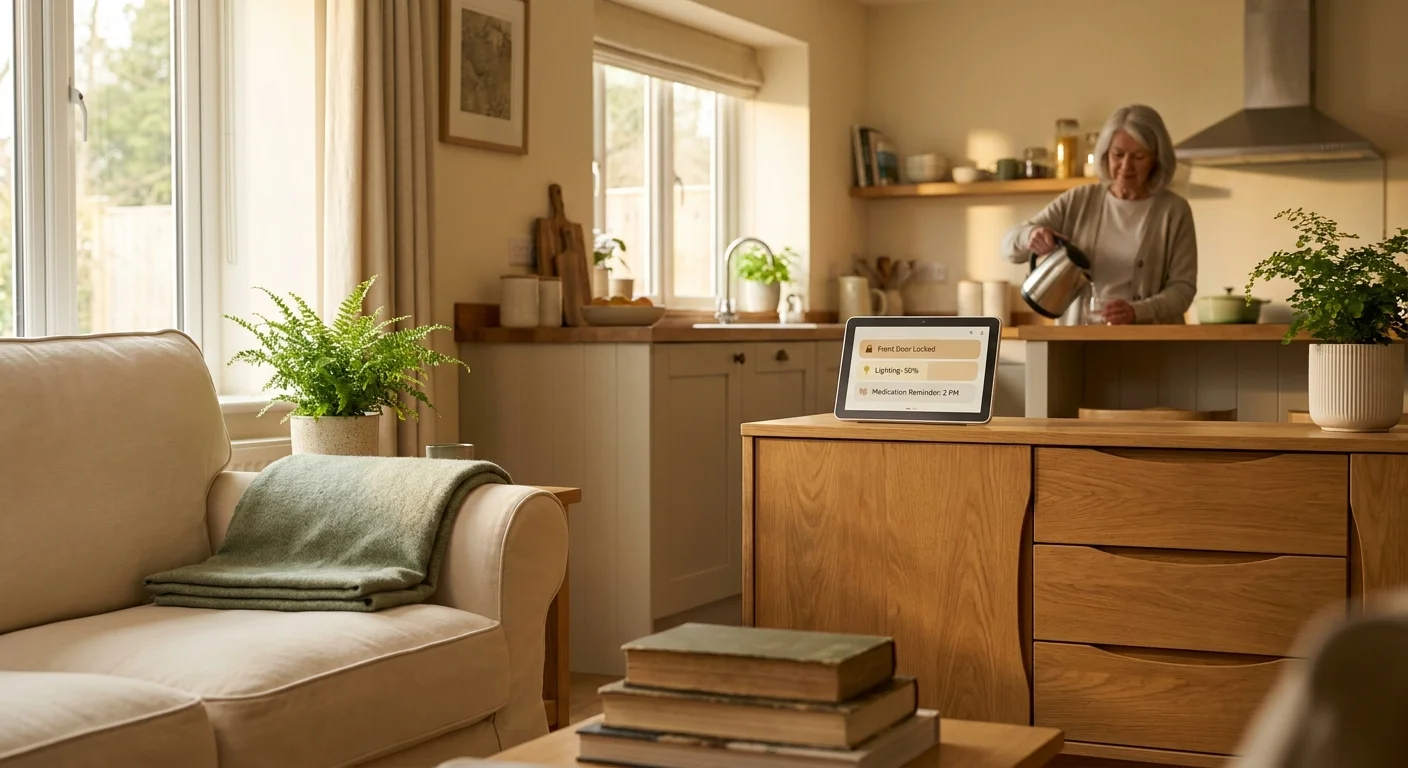
The vast majority of older adults prefer to remain in their own homes as they age, and smart home technology is finally making this a safe, realistic long-term option. High-tech aging in place relies on ambient computing—technology that operates quietly in the background without requiring constant manual input. Voice-activated assistants are just the baseline; homes are now equipped with predictive AI that learns your daily routines and alerts family members or emergency services if a dangerous anomaly occurs.
Smart lighting systems automatically adjust their color temperature throughout the day to support your circadian rhythm, improving your sleep quality. Automated shut-off valves for stoves and water pipes prevent catastrophic accidents, while smart medication dispensers ensure you never miss a dose. Organizations like the Administration for Community Living (ACL) provide excellent resources on community programs that can help you integrate these supportive technologies into your home safely and affordably.

8. Proactive Cognitive Nutrition
The conversation around senior nutrition has shifted from simple weight management to proactive cognitive preservation. In 2026, there is a massive cultural emphasis on diets specifically formulated to protect brain health, most notably the MIND diet—a hybrid of the Mediterranean and DASH diets. This approach emphasizes leafy greens, berries, nuts, olive oil, and fatty fish while actively minimizing processed foods, red meat, and refined sugars.
The trend extends into the growing field of nutritional psychiatry, which studies how gut health directly impacts mood and cognitive function. By adopting a plant-forward, nutrient-dense diet, you can actively reduce systemic inflammation, which is a primary driver of both physical joint pain and cognitive decline. For detailed, evidence-based guidance on how diet affects aging, the National Institute on Aging (NIA) offers comprehensive, free publications that translate complex nutritional science into actionable daily meal planning.
9. Next-Generation Financial Wellness and Fraud Protection
As the financial landscape becomes more complex, so do the tools available to manage and protect your wealth. Financial wellness in 2026 goes beyond traditional budgeting; it involves utilizing dynamic drawdown software that adjusts your withdrawal rates based on real-time market conditions and inflation metrics. This technology helps you maximize your spending power while ensuring you do not outlive your assets.
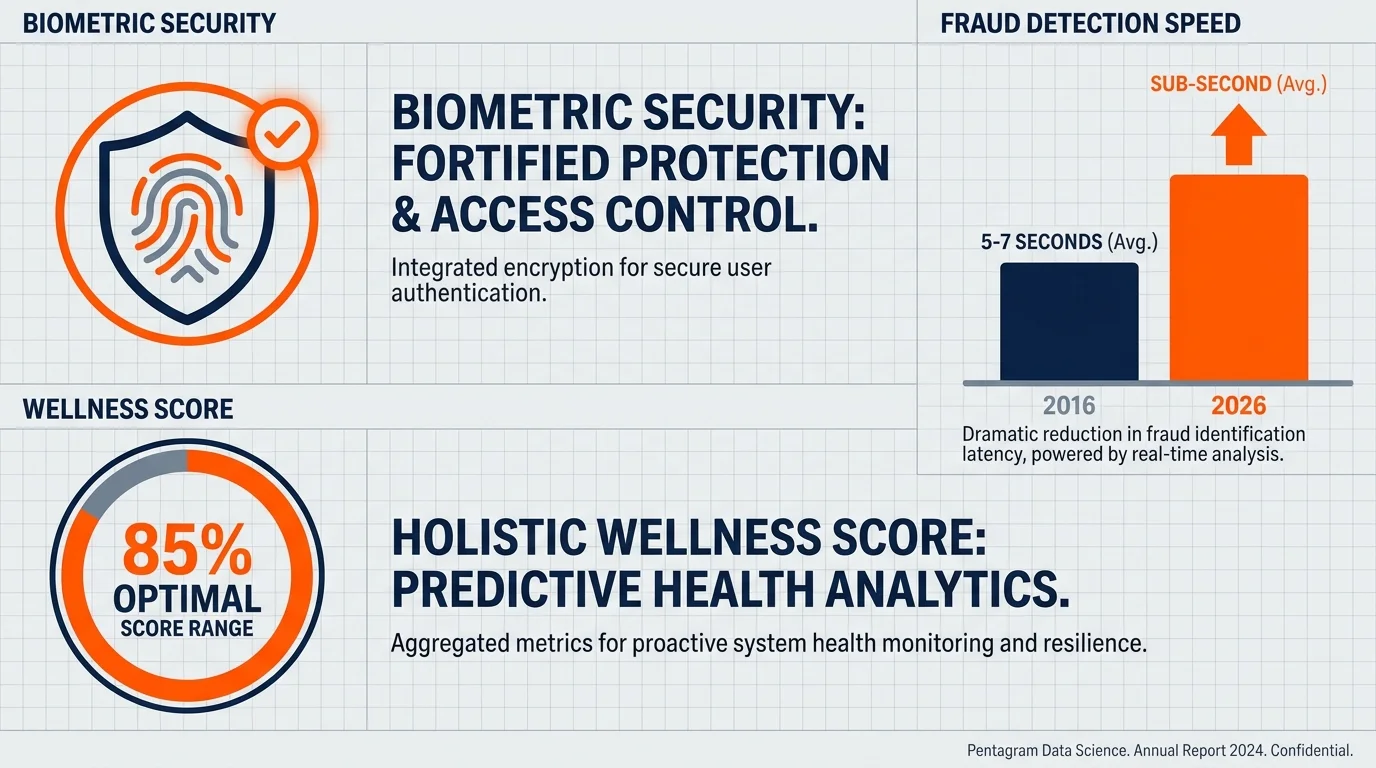
Simultaneously, older adults are adopting aggressive, tech-enabled stances against financial fraud. With the rise of AI-driven scams, such as voice cloning and sophisticated phishing attempts, retirees are utilizing advanced security measures like multi-factor authentication, biometric logins, and trusted-contact alerts on all investment accounts. Staying educated is your best defense. The Consumer Financial Protection Bureau (CFPB) regularly updates its resources to help older adults identify emerging scams and establish robust safeguards for their financial accounts.
Comparing Retirement Lifestyles: Traditional vs. 2026 Trends
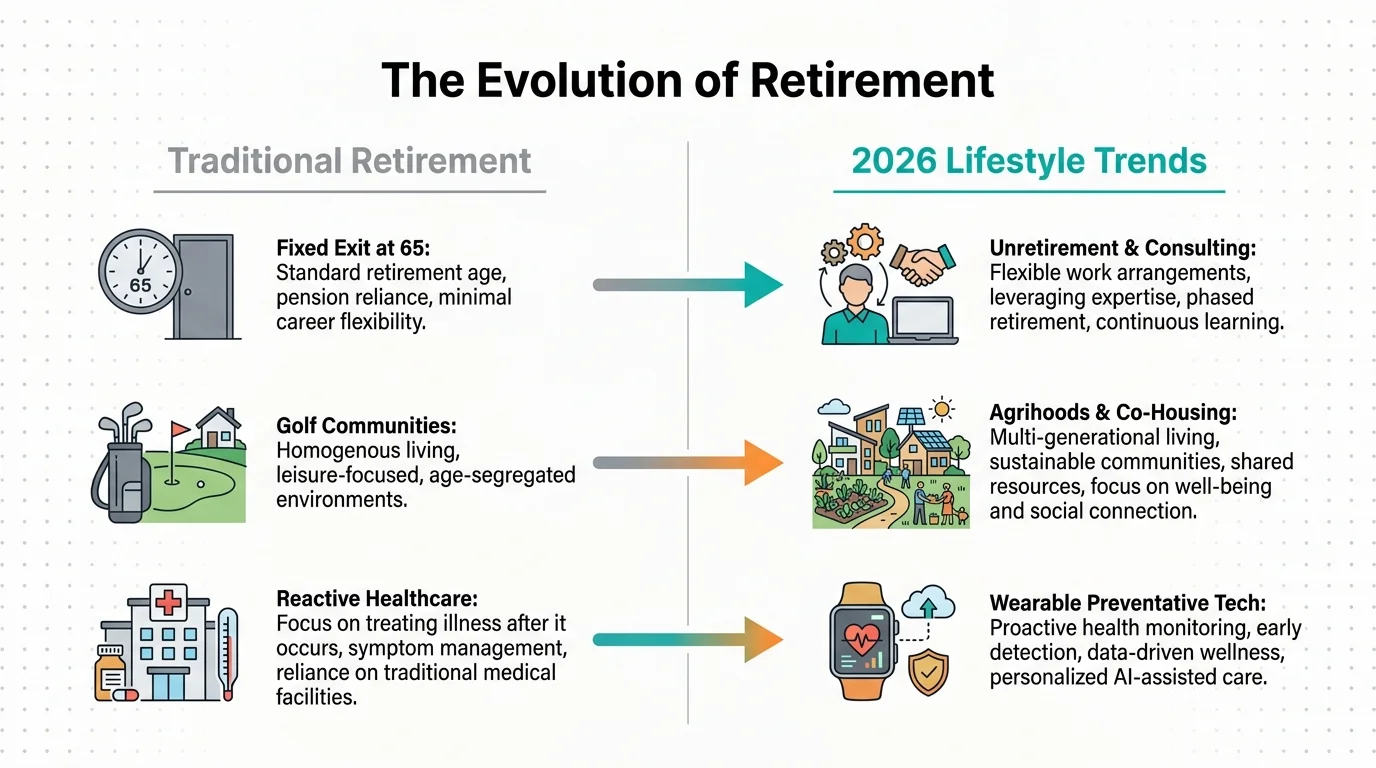
To understand the magnitude of these shifts, it helps to look at how the default retirement lifestyle has evolved. The table below illustrates the stark contrast between traditional retirement models and the dynamic approaches gaining traction today.
| Lifestyle Category | Traditional Retirement Model | Emerging 2026 Lifestyle Trends |
|---|---|---|
| Housing | Golf course communities or downsizing to an isolated condo. | Agrihoods, co-housing, and University-Based Retirement Communities. |
| Work & Purpose | Complete cessation of work at age 65; reliance solely on hobbies. | “Unretirement,” micro-working, and consulting for purpose and extra income. |
| Health Monitoring | Reactive healthcare; relying on annual physical check-ups. | Proactive wearable tech; continuous monitoring and preventative data. |
| Travel | Fast-paced group bus tours covering multiple countries quickly. | Slow travel; renting local apartments for months to immerse in the culture. |
| Daily Mobility | Driving full-sized vehicles until vision or health forces a surrender of keys. | E-bikes, adult electric trikes, and accessible micro-mobility solutions. |
Common Mistakes to Avoid When Upgrading Your Lifestyle
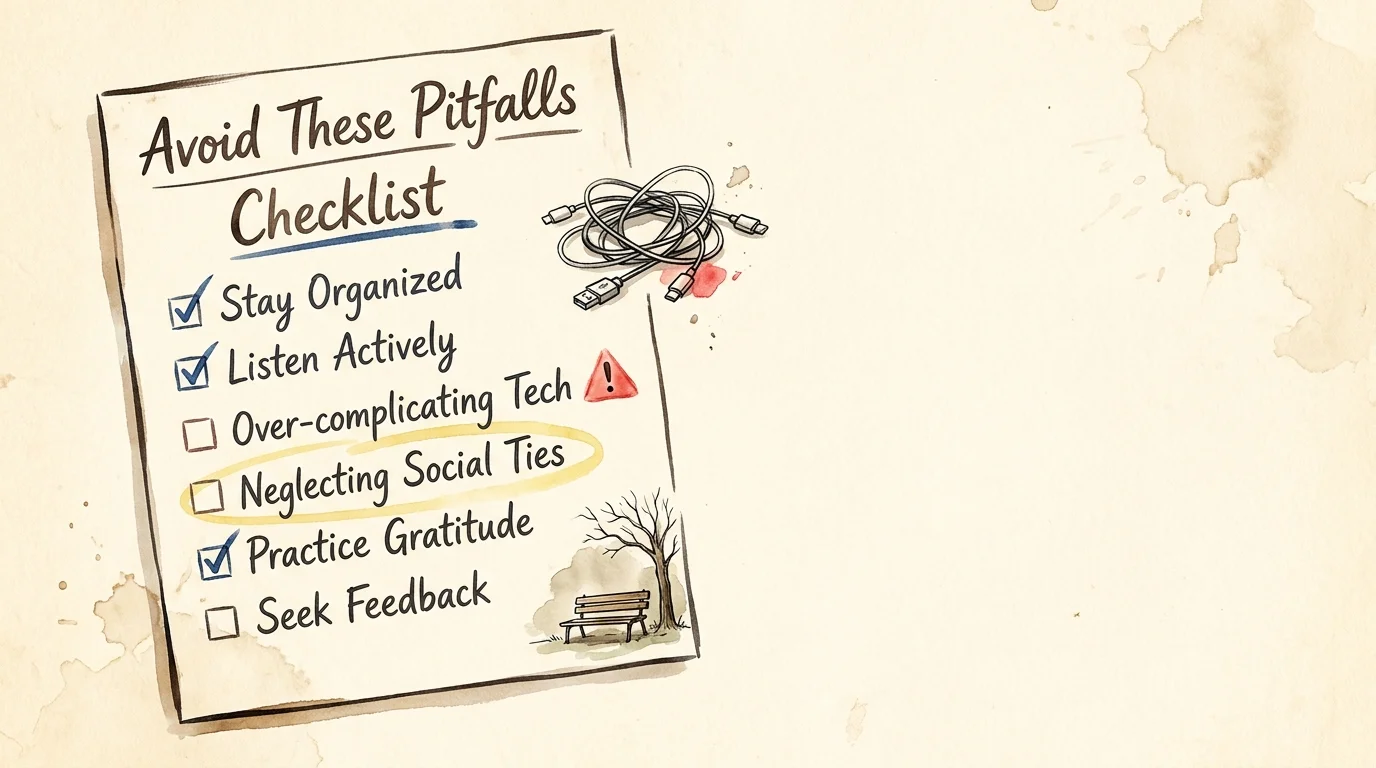
While embracing new lifestyle trends can significantly enhance your retirement, rushing into major changes without proper planning can backfire. One of the most common mistakes is over-investing in smart home technology without a clear understanding of its utility or privacy implications. Before outfitting your entire home with cameras and voice assistants, identify the specific problems you want to solve—such as fall prevention or medication management—and purchase focused, high-quality devices that prioritize user privacy.
Another frequent error is selling a long-time family home to move into a niche community, like an agrihood or co-housing setup, without doing a trial run. Intentional communities require a high degree of social interaction and compromise, which is not suited for everyone. Always rent or arrange an extended stay in a new community type before making a permanent financial commitment. Finally, be cautious of adopting extreme, restrictive diets in the name of longevity; sustainable health comes from balanced, gradual changes rather than sudden, unmanageable dietary overhauls.
Frequently Asked Questions
Does Medicare cover the cost of smart health wearables like Apple Watches or continuous glucose monitors?
Original Medicare generally does not cover consumer-grade fitness trackers like standard smartwatches. However, some Medicare Advantage (Part C) plans offer allowances for fitness technology or over-the-counter health items. Continuous Glucose Monitors (CGMs) may be covered by Medicare Part B if you meet specific medical criteria, even if you are not taking insulin. Always check your specific plan’s evidence of coverage for exact details.
Are smart home devices for aging in place expensive to install?
The cost has decreased significantly over the last few years. While comprehensive whole-home automated systems can cost thousands, you can achieve substantial safety benefits with piecemeal consumer devices. Smart lightbulbs, plug-in voice assistants, and Wi-Fi-enabled security cameras can be installed for just a few hundred dollars. Many community aging programs also offer grants or free installations of basic safety tech for eligible seniors.
How do I find co-housing communities or agrihoods near me?
The best starting point is the Cohousing Association of the United States, which maintains a comprehensive, searchable directory of established and developing communities across the country. For agrihoods, local real estate agents who specialize in master-planned communities can guide you, or you can search databases provided by the Urban Land Institute.
Adopting even just one or two of these lifestyle trends can dramatically shift the trajectory of your aging experience, transforming it into a period of growth, exploration, and deep satisfaction. You have the power to curate an environment that supports your physical health while challenging your intellect and feeding your soul. Take inventory of your current routines, identify areas where you crave more connection or convenience, and begin experimenting with the tools and communities that resonate with your vision for the future.
Whether you decide to audit a university class, rent an e-bike for weekend errands, or spend a season slow-traveling through a new country, the goal remains the same: building a life that you genuinely love living. The architecture of a successful retirement is no longer rigid; it is a flexible, deeply personal design that you can refine year after year.
This is educational content based on general retirement and financial principles. Individual results vary based on your situation. Always verify current benefit rules, tax laws, and eligibility requirements with official sources like SSA, Medicare.gov, or the IRS.






Leave a Reply