
For decades, the standard American financial playbook has treated homeownership as the ultimate finish line. You work hard, you pay off the mortgage, and you live comfortably in your paid-off house throughout your golden years. Today, that conventional wisdom is undergoing a massive shift. Navigating the housing decision in retirement requires you to weigh unpredictable property taxes, changing physical mobility, and the hidden costs of property upkeep against the emotional comfort of owning your space.
Deciding whether to rent or own in retirement is rarely a straightforward mathematical equation. It is a major lifestyle choice that dictates how you spend your time, where your money is tied up, and what your daily responsibilities look like. Stripping away the emotional attachment to the “American Dream” allows you to look at your housing seniors options with clear eyes.

At a Glance: The Essentials
- Equity vs. Cash Flow: Owning locks your wealth in an illiquid asset; renting allows you to invest your home equity to generate monthly income.
- Predictability: A paid-off home eliminates a mortgage payment, but leaves you vulnerable to sudden repair costs and rising property taxes. Renting fixes your maximum monthly housing cost for the duration of the lease.
- Flexibility: Renting allows you to easily relocate closer to family or better medical care, while selling a home involves significant time and transaction costs.
- Maintenance: Homeownership requires physical labor or the budget to hire help. Renting shifts the burden of maintenance entirely to the landlord.

The Case for Homeownership 60+
Staying in a home you already own—or downsizing to a smaller, more manageable purchased property—offers powerful psychological and financial benefits. If you have paid off your mortgage, your baseline monthly living expenses drop significantly. This creates a buffer against inflation, as your primary housing cost is insulated from the whims of landlords and local rental markets.
Owning your home also provides absolute control over your environment. If you want to paint the walls, remodel the bathroom to accommodate mobility needs, or landscape the backyard, you have the authority to do so. Furthermore, home equity acts as a financial safety net. Should you face a severe medical crisis or need long-term care later in life, that equity can be tapped via a reverse mortgage or a home sale.
“If you have a mortgage, you are paying interest. If you have no mortgage, you are earning interest.” — Suze Orman, Personal Finance Expert
However, the financial security of homeownership only holds true if the home is actually affordable. You must account for the ongoing, non-mortgage costs of keeping the property operational. If your home represents the vast majority of your net worth, you might find yourself “house rich and cash poor,” struggling to buy groceries or travel because all your wealth is trapped in the drywall.
The Hidden Costs of Owning in Retirement
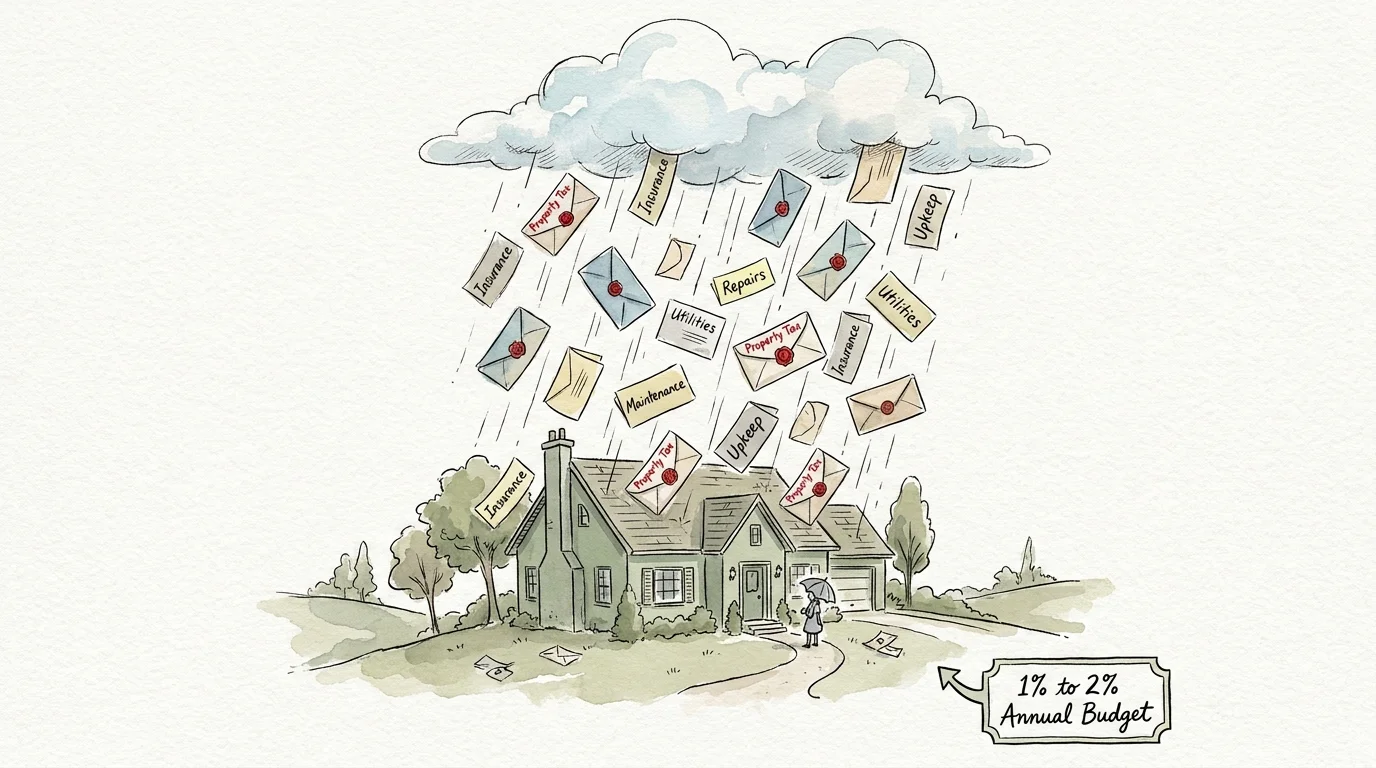
A paid-off mortgage does not mean living for free. Many retirees severely underestimate the ongoing costs of homeownership. When projecting your retirement budget, you must factor in several critical expenses that will continue for as long as you own the property.
First, property taxes and homeowners insurance tend to rise steadily over time. Even if your income is fixed, the local municipality’s tax assessments are not. In some high-tax states, property taxes alone can rival the cost of renting an apartment in a cheaper area.
Second, routine maintenance and unexpected repairs eat into fixed incomes. A common rule of thumb is to budget 1% to 2% of the home’s value annually for maintenance. For a $400,000 home, that means setting aside $4,000 to $8,000 every single year. Replacing a roof, upgrading an HVAC system, or fixing a foundation issue can instantly drain your cash reserves.
Finally, as you age, the physical labor of maintaining a home often transitions from a DIY weekend project to a mandatory outsourced expense. Paying for lawn care, snow removal, gutter cleaning, and housekeeping adds significant overhead to your monthly budget.

Why Renting as a Retiree Is Gaining Popularity
The concept of the renting retiree is shedding its old stigmas. A growing contingent of older adults is willingly selling their homes, cashing out their equity, and signing leases. This strategy shifts the focus from accumulating assets to maximizing lifestyle flexibility and cash flow.
When you sell a home, you convert an illiquid asset into cash. Let us assume you sell a home and net $500,000 after taxes and fees. If you invest that money in a conservative portfolio yielding 4% to 5% annually, it generates $20,000 to $25,000 a year in passive income. You can use that income to offset your rent payments, effectively letting your former home equity pay for your new housing.
Renting also eliminates the anxiety of sudden, catastrophic home repair bills. If the refrigerator dies or the water heater bursts, you make a phone call to property management instead of writing a massive check out of your savings. This predictable cost structure is incredibly valuable when you are managing a fixed retirement income.
“Return on life is more important than return on investment.” — Mitch Anthony, Financial Planning Pioneer
Beyond the math, renting offers unparalleled freedom. If you decide you want to spend your winters in a warmer climate, move closer to a newly born grandchild, or transition to an independent living community, breaking a lease or waiting for it to end is vastly simpler than preparing a house for sale, finding a buyer, and navigating closing processes.

Comparing the Financial Impact
To make the best rent or own retirement decision, you need to compare how each option impacts your daily life and your long-term financial plan. The table below outlines the primary differences.
| Factor | Owning a Home | Renting an Apartment or House |
|---|---|---|
| Upfront Costs | High (down payment, closing costs, moving). | Low (security deposit, first/last month’s rent). |
| Monthly Predictability | Variable. Taxes, insurance, and repairs can spike unexpectedly. | Highly predictable for the duration of the lease term. |
| Maintenance Burden | 100% your responsibility (physical labor or financial cost). | Zero responsibility. Handled by the landlord or property manager. |
| Asset Growth | Home may appreciate, building your estate’s value over time. | No property equity gained, but freed capital can be invested elsewhere. |
| Flexibility to Move | Low. Selling requires time, market cooperation, and 6-10% in transaction fees. | High. You can relocate easily at the end of a lease term. |
Factoring in Your Health and Lifestyle Goals
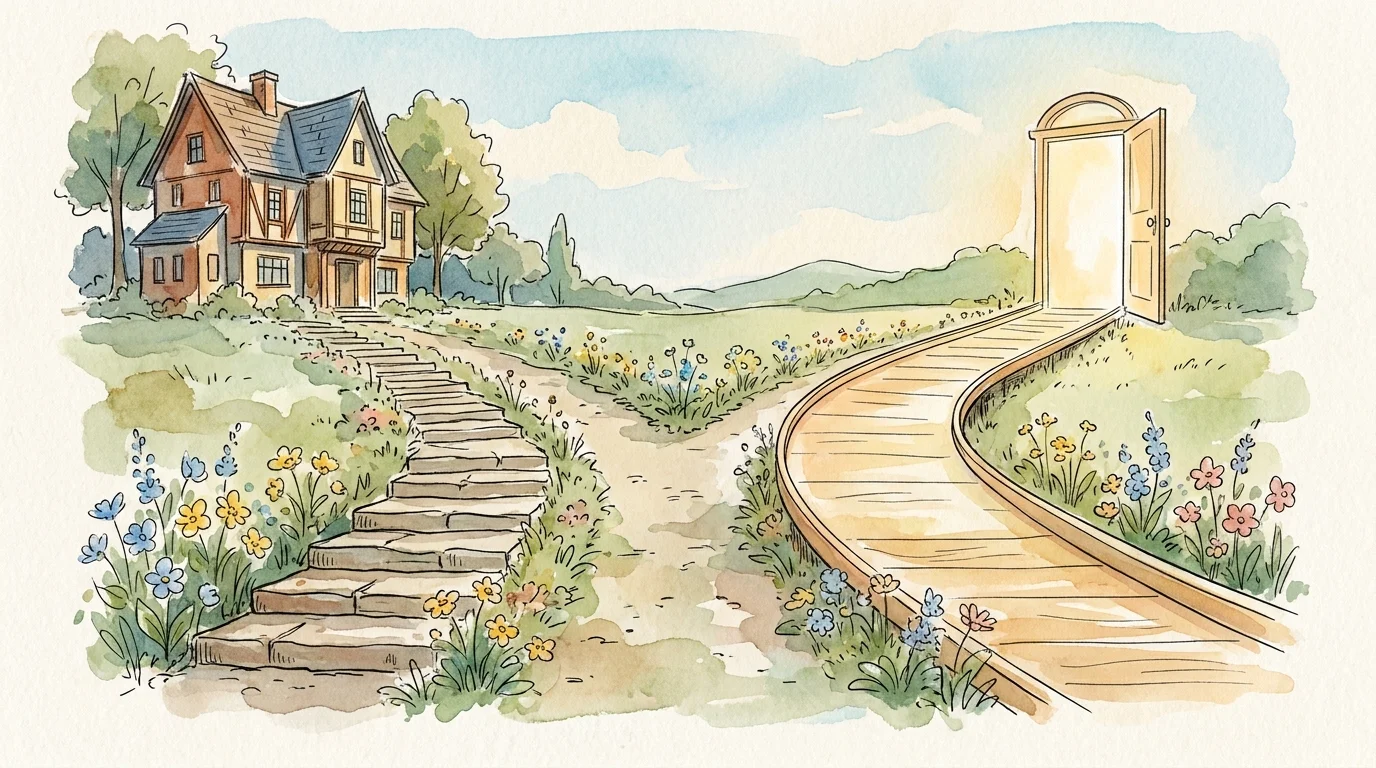
Your physical health and mobility will inevitably change as you age. When evaluating a property—whether to buy or to stay in your current home—you must look at it through the lens of a 75, 80, or 85-year-old.
A multi-story home with a steep driveway and a sprawling yard might be perfect at age 62, but it can become a physical hazard and an isolating trap twenty years later. The National Institute on Aging (NIA) emphasizes that aging in place safely requires a home that can adapt to changing needs. Modifying a home to include wider doorways, zero-entry showers, and main-floor living spaces can cost tens of thousands of dollars. If your current home cannot easily accommodate these changes, relocating to a single-story rental or an accessible condo might be the safer, more practical choice.
Lifestyle goals matter just as much. If your dream retirement involves traveling in an RV for six months of the year, paying property taxes and heating bills for an empty house makes little sense. Conversely, if your greatest joy is hosting large family holidays and tending to a massive garden, the restrictions of a rental property might severely diminish your quality of life.
Avoiding Common Errors in the Housing Decision
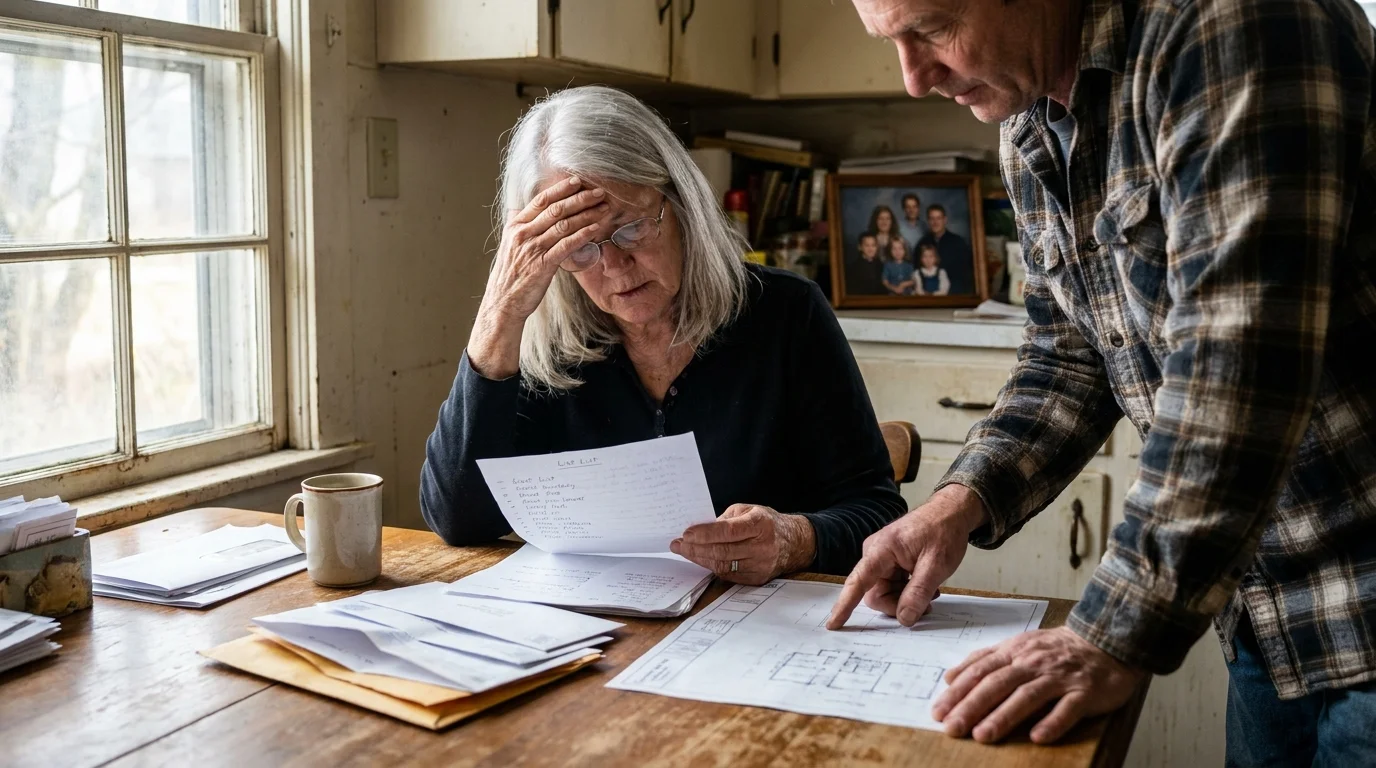
Housing decisions are deeply emotional, which makes them ripe for expensive miscalculations. When planning your housing strategy, beware of these frequent pitfalls:
- Clinging to an empty nest: Holding onto a four-bedroom house for the one week a year the grandchildren visit forces you to heat, cool, clean, and pay taxes on square footage you never use. It is often cheaper to downsize and rent an Airbnb for the family when they come to town.
- Ignoring transaction costs: When comparing renting to buying a new, smaller home, people often forget the friction costs of real estate. Selling a home and buying another will cost you roughly 8% to 10% of the home’s value in agent commissions, closing costs, and moving fees. If you plan to move again in less than five to seven years, buying rarely makes mathematical sense.
- Fearing the rental increase: A common argument against renting is that landlords will raise the rent. While rent does increase, property taxes, insurance premiums, and labor costs for home repairs also increase. Homeownership does not fully protect you from inflation.
- Forgetting the tax implications of selling: If you have lived in your home for decades in a rapidly appreciating market, you might be sitting on massive capital gains. Understanding the current exclusions is critical before you list the property.
When DIY Isn’t Enough
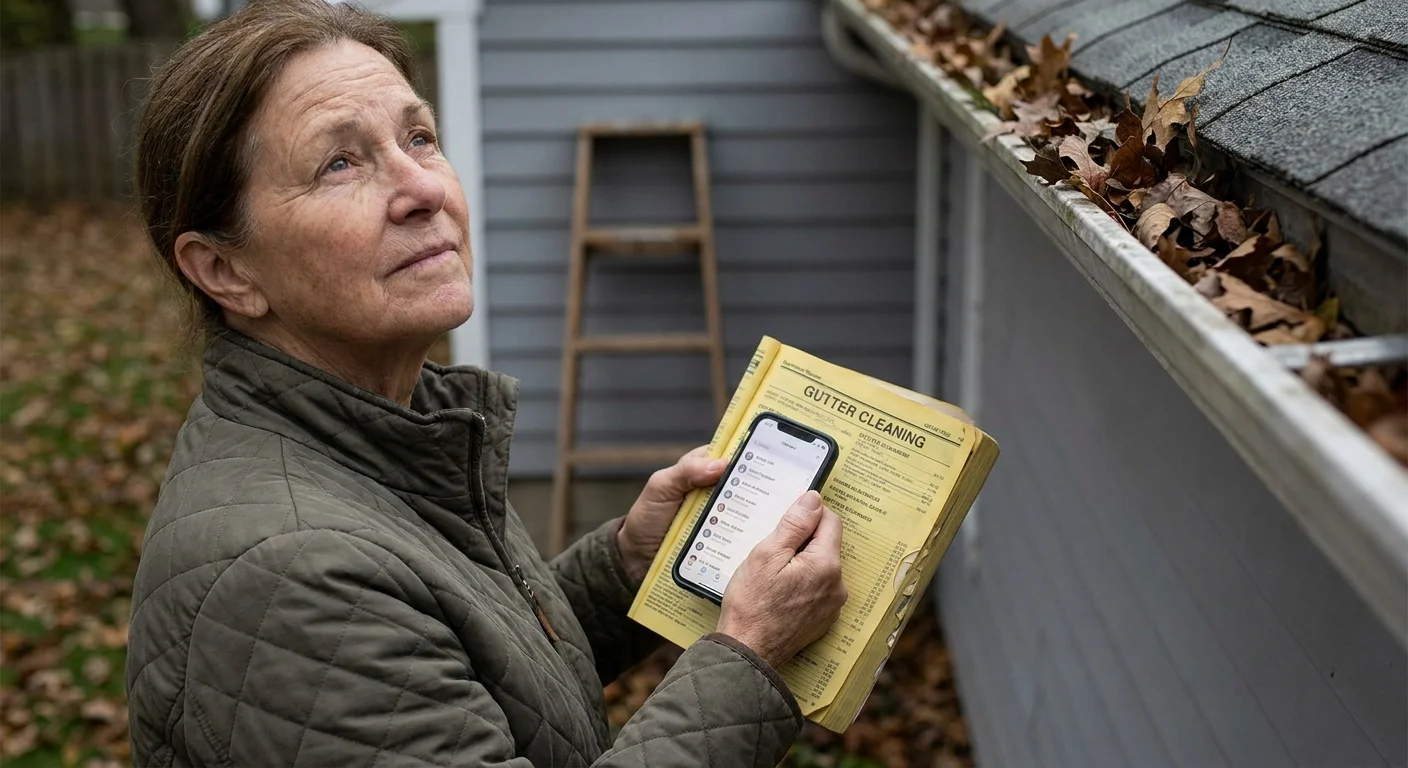
For some, the decision is obvious. For others, the overlapping complexities of taxes, estate planning, and cash flow require an outside perspective. You should strongly consider consulting a fiduciary advisor if you encounter the following scenarios:
You have massive, taxable capital gains. If the profit on your home sale exceeds the IRS exclusion limits ($250,000 for single filers, $500,000 for married couples filing jointly), selling could trigger a massive tax bill that threatens your retirement plan. A tax professional can help you strategize the sale or explore alternative options.
Your wealth is entirely in your home. If you lack a sufficient 401(k), IRA, or pension, but own a very valuable property, your primary challenge is converting that physical asset into grocery money. An advisor can help you objectively compare downsizing, renting, or utilizing a reverse mortgage. The Consumer Financial Protection Bureau (CFPB) offers excellent preliminary guides on the risks and rewards of reverse mortgages.
You have complex estate planning goals. If your primary objective is leaving a specific financial legacy to your heirs, the way you handle your real estate will dictate what they inherit. Passing down a house involves different tax rules—specifically regarding the step-up in basis—than passing down a brokerage account funded by the sale of a house. Consulting a professional through the Certified Financial Planner Board can clarify these legacy mechanics.
Frequently Asked Questions
Is it better to pay off my mortgage or keep the cash and rent?
This depends entirely on the interest rate of your mortgage and the potential return on your cash. If you hold a mortgage with a highly favorable interest rate (e.g., under 4%), keeping the mortgage and leaving your cash in high-yield investments often leaves you mathematically wealthier. However, paying off the mortgage provides guaranteed peace of mind and lowers your monthly overhead, which is incredibly valuable for retirees on a fixed income.
Can I use the proceeds from selling my house to pay for a luxury rental?
Yes. Many retirees use the equity from a sold home to fund a higher-end rental lifestyle. By investing the proceeds of the house sale into a balanced portfolio, you can generate monthly dividends and interest. This cash flow can be used to pay the rent on a maintenance-free luxury apartment or a home in an active adult community, allowing you to enjoy the equity you built over your working years.
What happens to my taxes if I sell my house and start renting?
If you take the standard deduction—as the vast majority of retirees do—selling your house will not significantly change your annual income tax filing, because you were likely not itemizing your property taxes and mortgage interest anyway. The main tax event occurs in the year you sell the home. If your profit exceeds the IRS exclusion limits, you will owe capital gains tax. Once you are renting, your housing costs are not tax-deductible.
The rent vs. own retirement decision is ultimately about designing the life you want to live. Take the time to run the numbers, assess your physical needs, and have honest conversations with your family. By carefully weighing the demands of homeownership against the flexibility of renting, you can build a housing strategy that protects your wealth and maximizes your peace of mind.
The information in this guide is meant for educational purposes. Your specific circumstances—including income, health needs, tax situation, and goals—may require different approaches. When in doubt, consult a licensed professional.
Last updated: April 2026. Retirement benefits, tax rules, and healthcare regulations change frequently—verify current details with official sources.









Leave a Reply