
Retirement offers the perfect opportunity to transform activities you genuinely enjoy into reliable, flexible revenue streams. Earning money from a hobby past age 60 provides more than just a financial buffer against inflation; it delivers a renewed sense of purpose and daily mental engagement. Whether your interests lie in woodworking, organic gardening, digital photography, or vintage restoration, modern platforms and community networks have made it easier than ever to monetize your existing skills. You no longer need to commit to a demanding part-time job or rigid schedule to supplement your fixed income. By treating your favorite pastimes as small-scale ventures, you can generate meaningful side income on your own terms while doing exactly what you love.
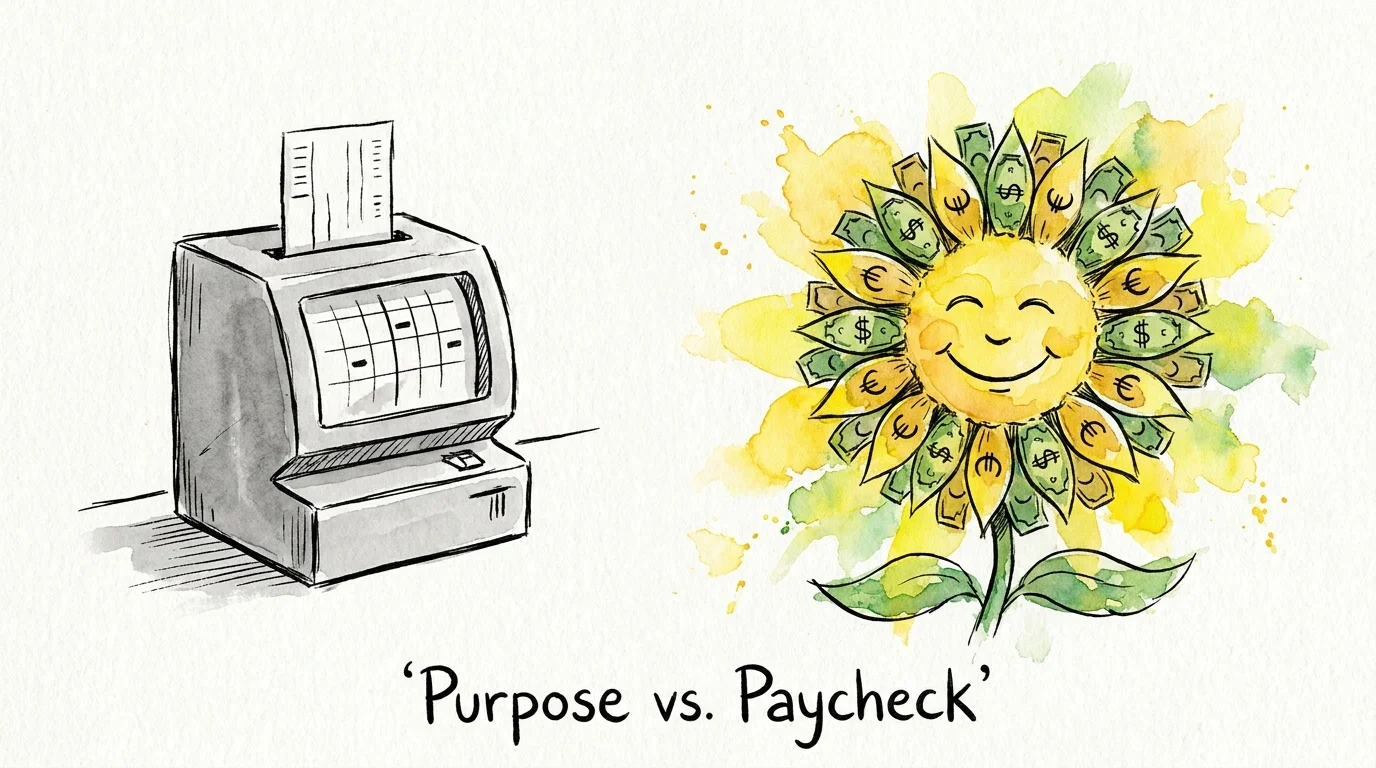
The Shift Toward Purpose-Driven Earning
The traditional concept of retirement often involved a hard stop to all productive labor—a sudden cliff where work ended and leisure began. Today, that model feels outdated. Seniors are living longer, healthier lives, and endless days of unstructured leisure can eventually lead to boredom or cognitive decline. Finding a way to make money hobby retirement style bridges the gap between relaxation and productivity.
Engaging in a profitable pastime allows you to dictate your own hours, select your customers, and control your output. When you profit from passion senior years become a period of entrepreneurial discovery. You control the dial; you can scale your operations up during the long days of summer or dial them back when you want to travel or spend time with grandchildren. This autonomy represents the ultimate luxury of retirement.
“Retirement is an artificial finish line. When you find a pursuit that combines your passion with value to others, you never truly retire—you simply repurpose your life’s work.” — Mitch Anthony, Retirement Lifestyle Educator
Identifying Which Hobbies Have Profit Potential
Not every hobby translates well into a business, and that is perfectly acceptable. Some activities should remain purely for your own enjoyment. However, if you want to generate hobby income seniors generally find the most success in fields where they can solve a problem, provide a unique handcrafted item, or teach a specialized skill.
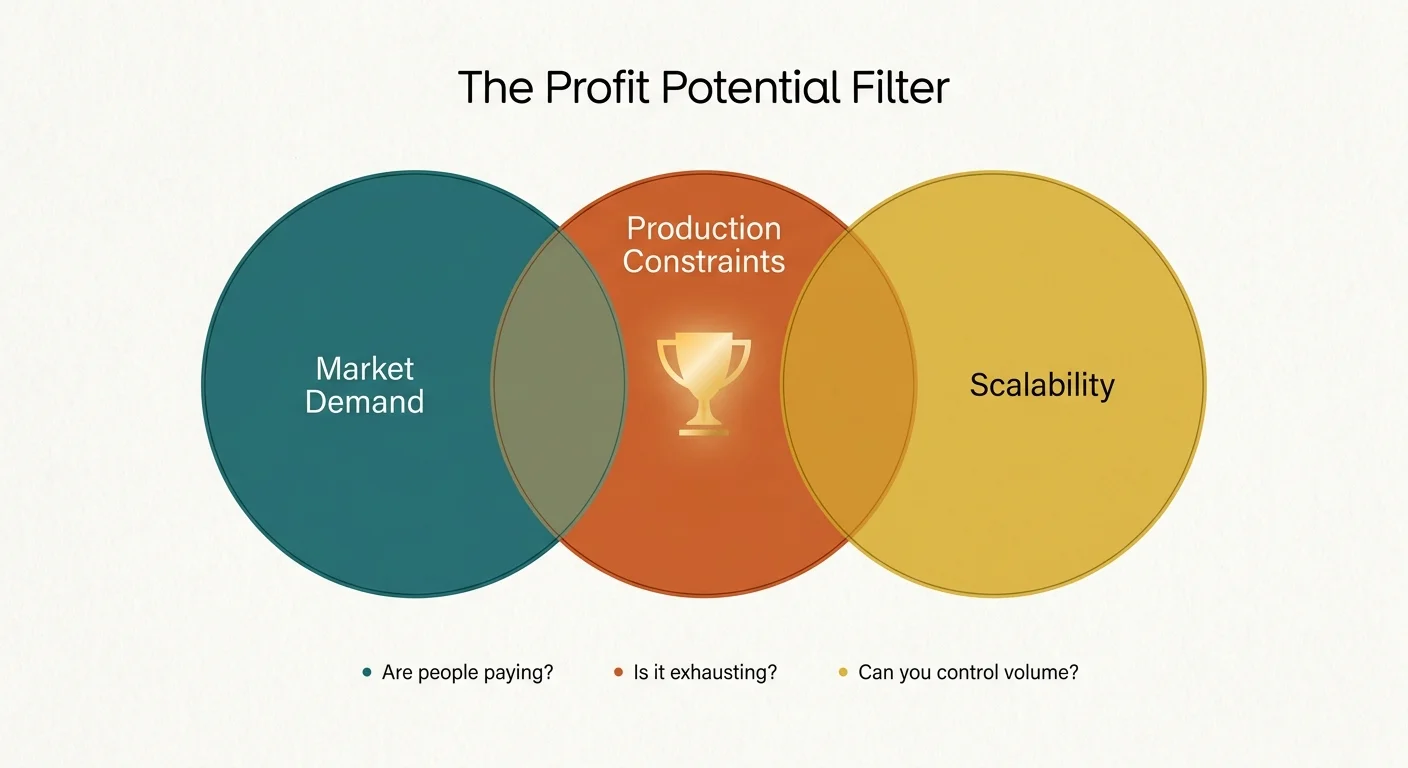
To determine if your hobby has market viability, evaluate it against three core criteria:
- Market Demand: Are people currently paying for similar products or services? Search online marketplaces or visit local craft fairs to see what sells.
- Production Constraints: Can you produce the item or deliver the service without exhausting yourself or requiring massive upfront capital?
- Scalability: Can you easily control the volume of your work? If a sudden influx of orders would cause you intense stress, the model might need adjusting.
A lifelong knitter might find that producing custom, adult-sized sweaters takes too long to yield a reasonable hourly wage. However, shifting focus to high-quality, quick-to-produce baby hats or selling original knitting patterns online could quickly become a highly profitable venture.
Popular Avenues to Earn Money From a Hobby Past 60
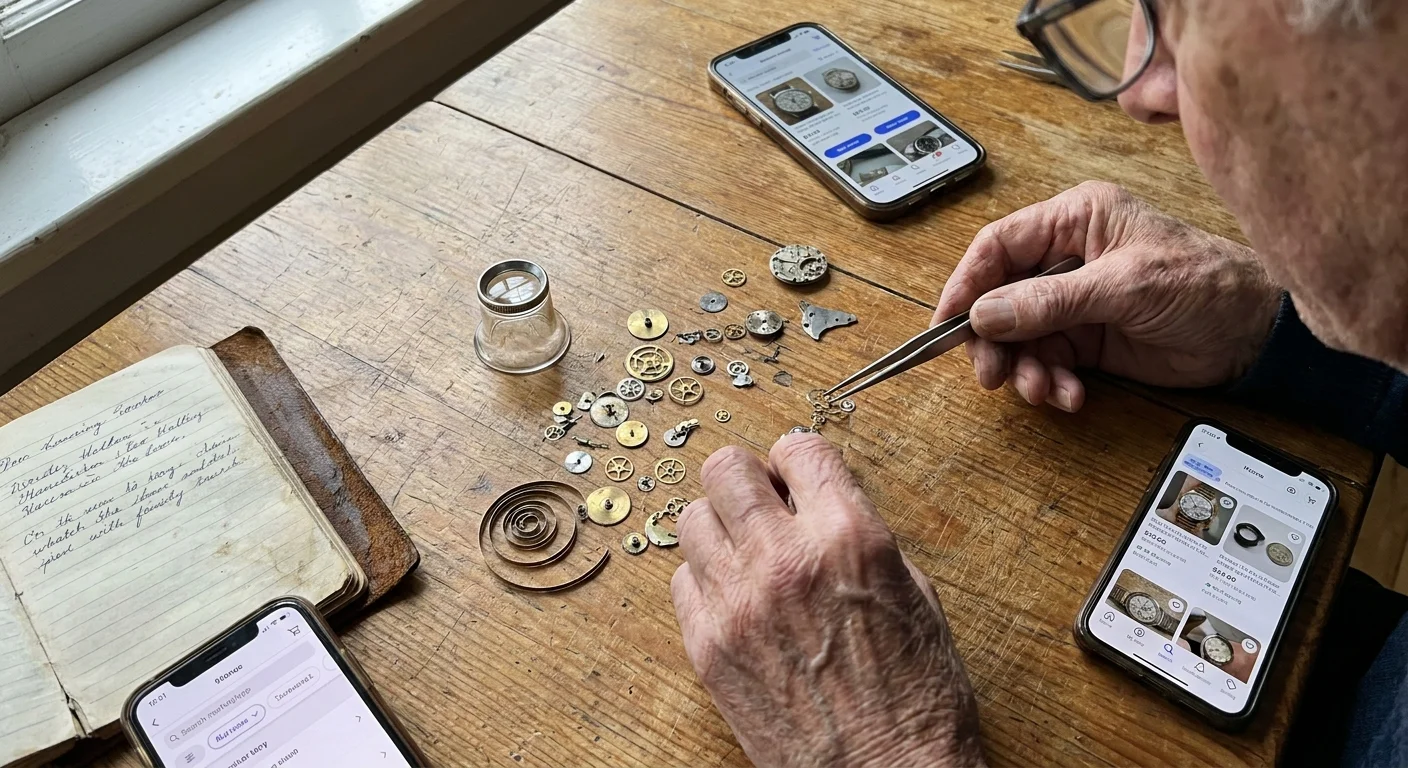
The landscape of the gig economy and artisan marketplaces has evolved significantly, providing retirees with dozens of low-barrier entry points. Here are the most successful categories for seniors turning passions into paychecks in 2026.
Handcrafted Goods and Artisan Crafts
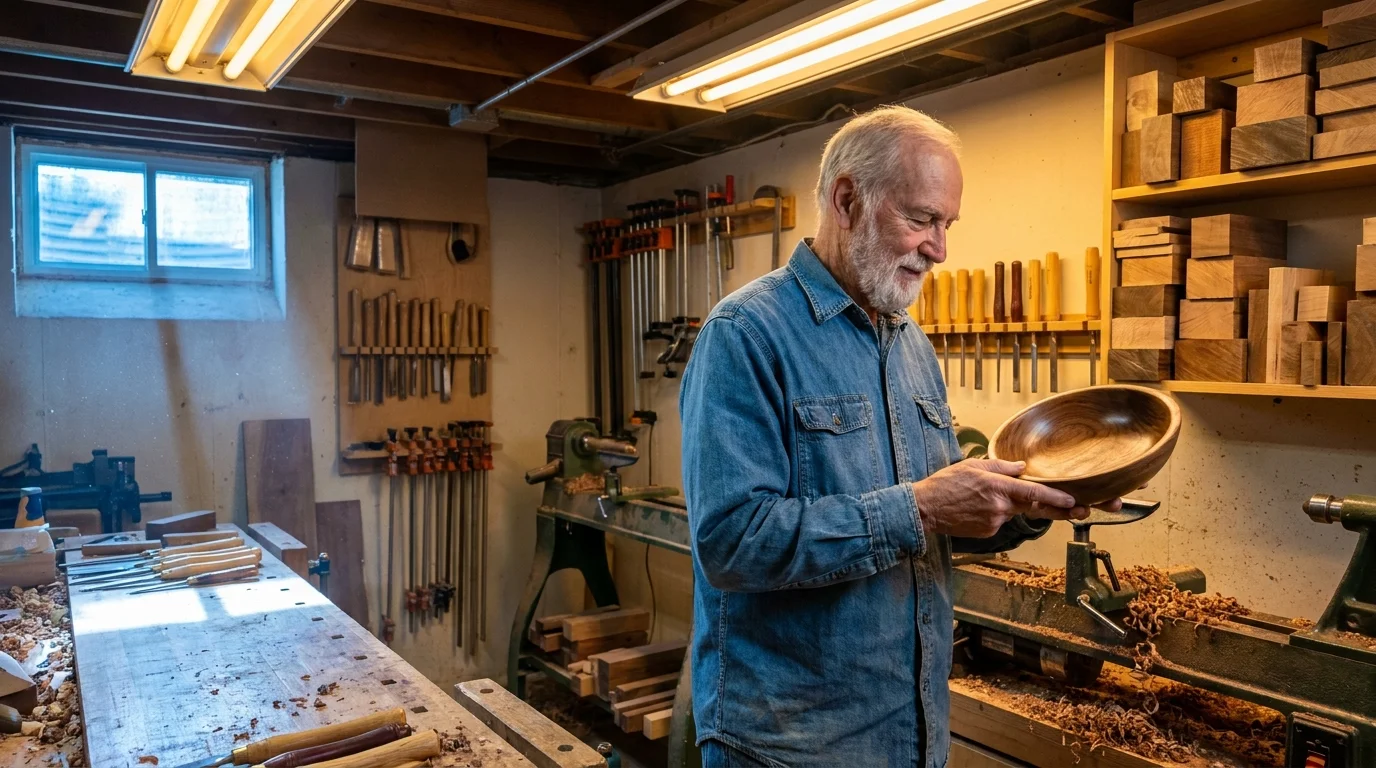
If you excel at woodworking, pottery, jewelry making, or sewing, the market for unique, handmade items remains robust. Consumers increasingly reject mass-produced goods in favor of items with a story. Selling online through platforms built for artisans allows you to reach a global audience without leaving your living room. Alternatively, local farmer’s markets, holiday bazaars, and community festivals offer excellent venues to sell products while socializing with your neighbors.

Gardening and Agriculture
Many retirees spend hours tending to their gardens. You can easily turn a green thumb into green cash. High-yield, specialty crops like heirloom tomatoes, organic herbs, or microgreens are always in demand by local restaurants and farmers market shoppers. You might also propagate and sell rare houseplants, offer seasonal floral arrangements, or sell seeds and cuttings. This approach keeps you active outdoors while generating a steady seasonal income.
Consulting and Freelance Expertise
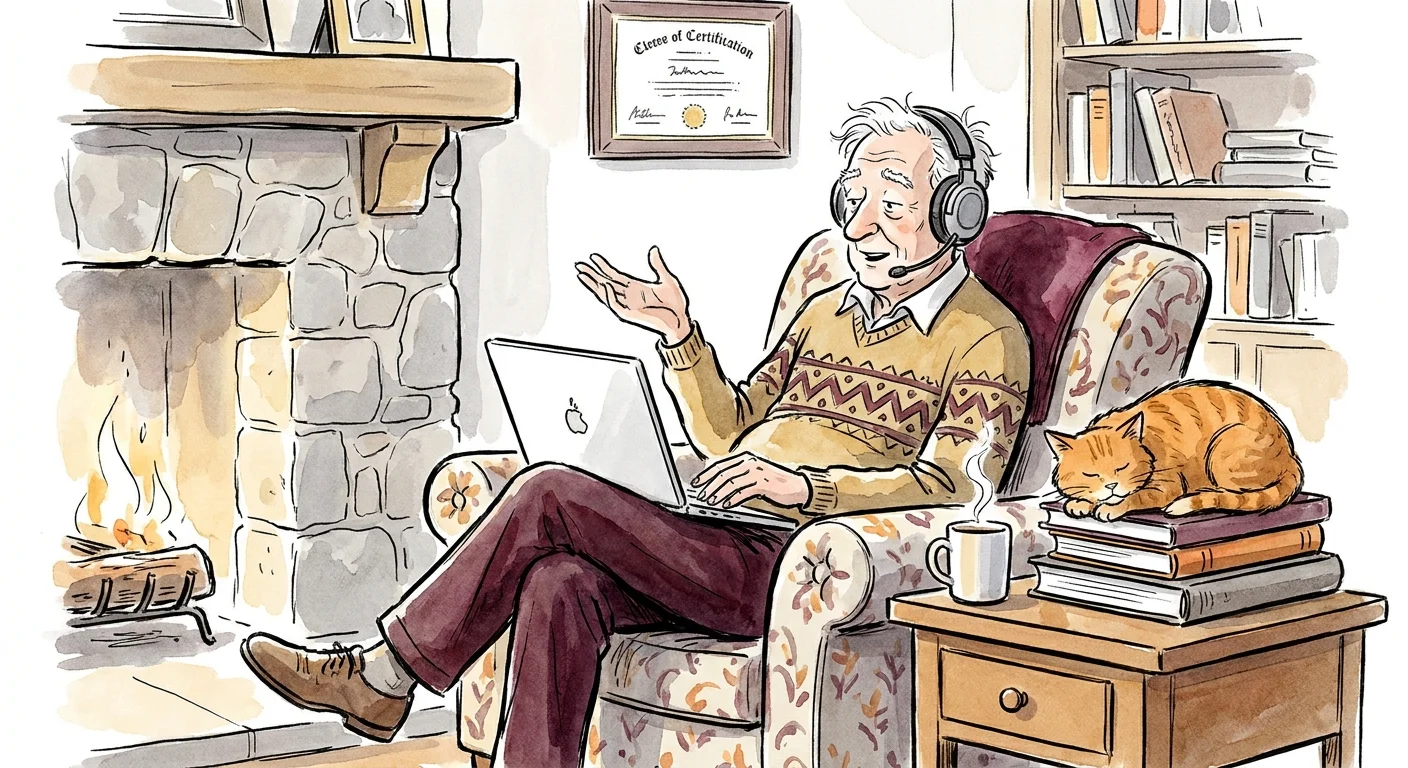
If your career spanned decades in accounting, human resources, engineering, or marketing, your accumulated knowledge is incredibly valuable. Many small businesses cannot afford full-time executives but will eagerly pay for a few hours of expert consulting each week. Transitioning your former career into a part-time consulting hobby allows you to stay mentally sharp and connected to your industry without the stress of office politics or a daily commute.
Teaching and Mentoring
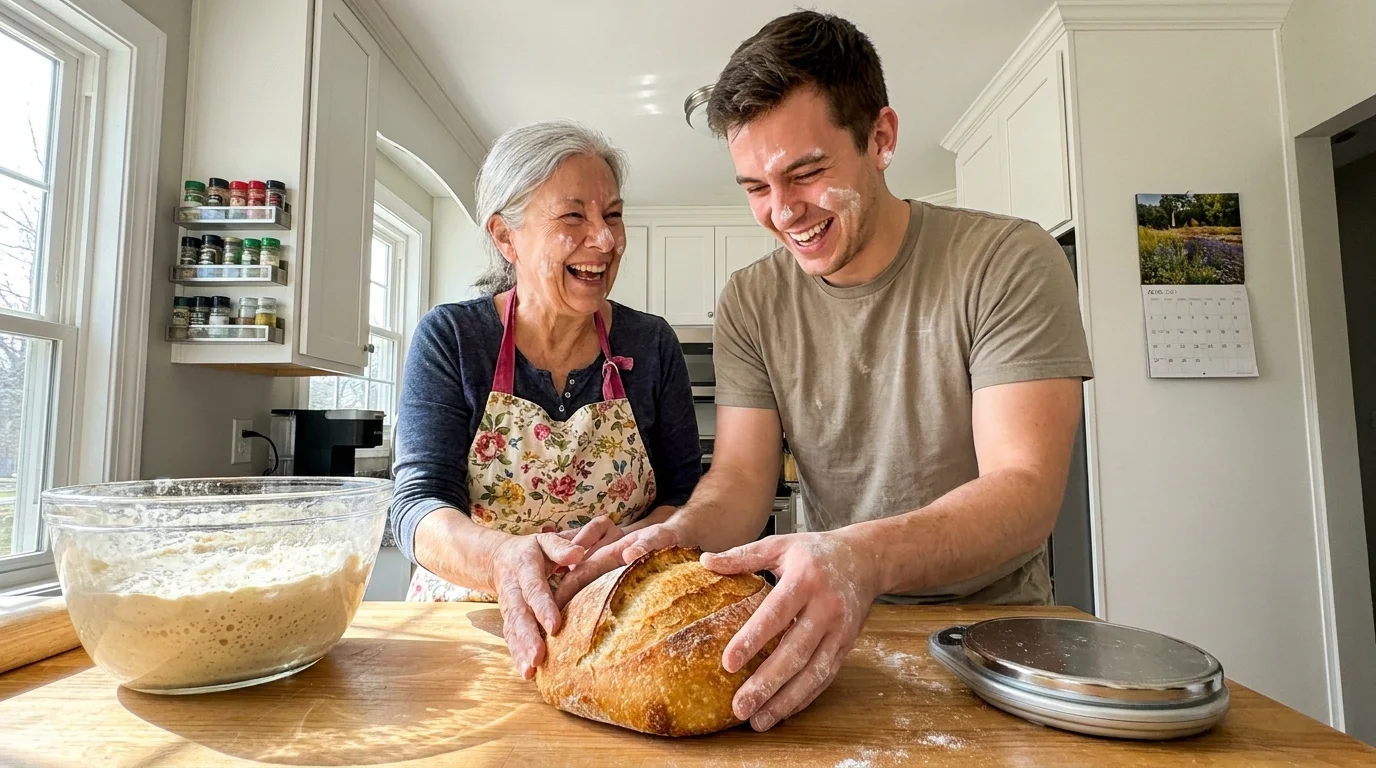
You can earn money hobby 60+ by teaching others what you already know. Whether it is giving piano lessons, tutoring high school students in mathematics, teaching a local watercolor painting class, or offering fly-fishing instruction, sharing your skills is deeply rewarding. Community centers, local libraries, and adult education programs frequently look for experienced individuals to lead workshops.
The Financial Realities: Navigating Taxes and Regulations
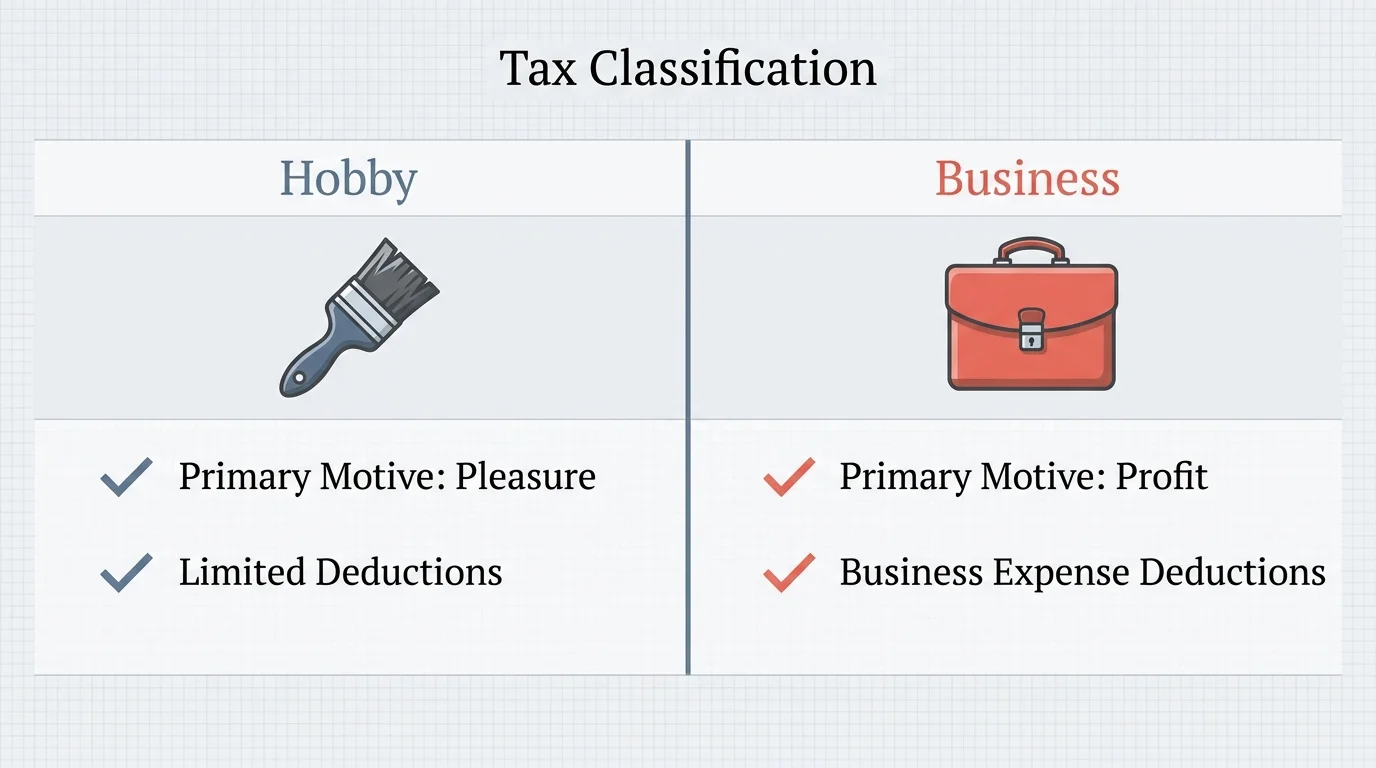
Generating a side income retirees can rely on requires a solid understanding of how the government views your earnings. The moment you start selling products or services, you invite tax implications. The Internal Revenue Service (IRS) draws a very distinct line between a casual hobby and a formal business.
This distinction matters immensely for your tax return. If the IRS classifies your activity as a hobby, you must report the income, but you generally cannot deduct your expenses to claim a loss. If the IRS classifies it as a business, you can deduct legitimate business expenses—such as supplies, advertising, and a portion of your home internet—which lowers your overall taxable income.
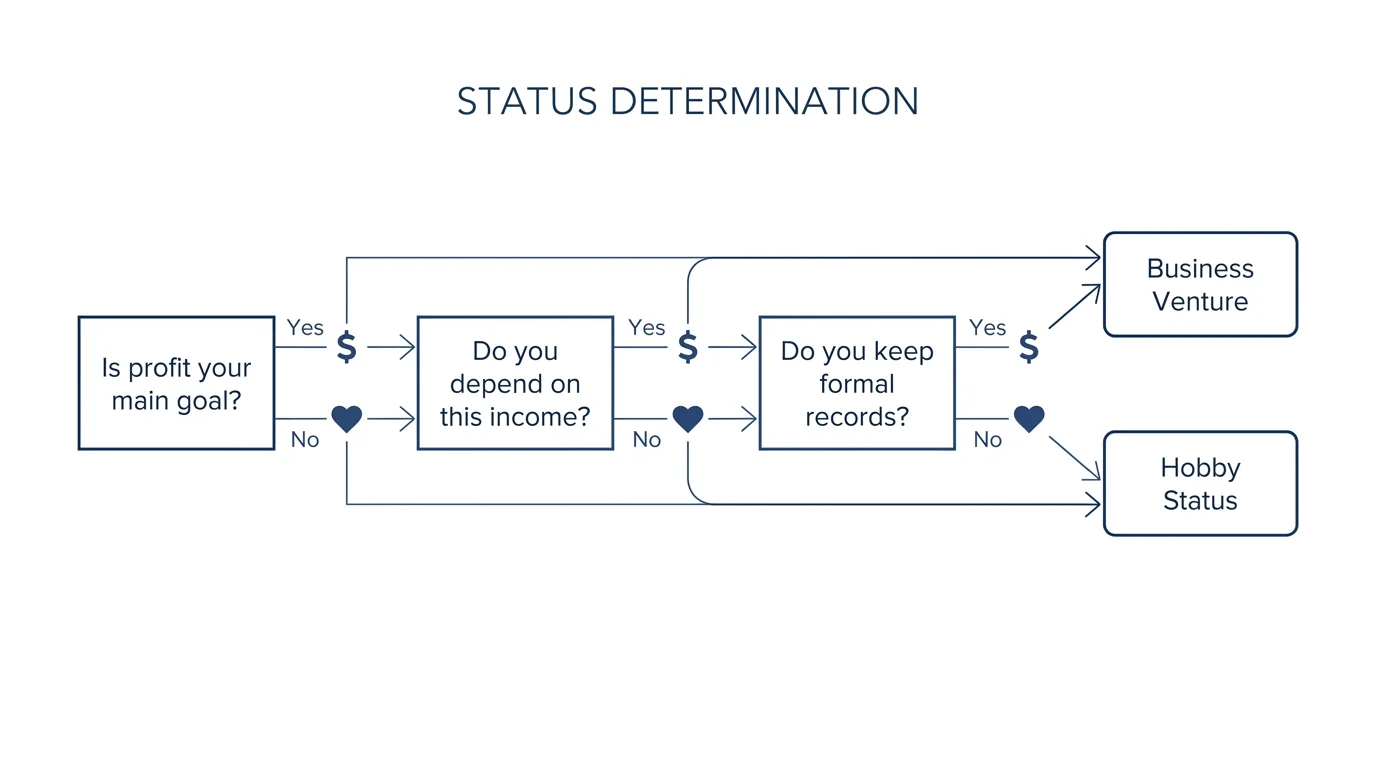
The IRS looks at several factors to determine your status, primarily whether you carry on the activity in a businesslike manner and whether you intend to make a profit. Generally, if you turn a profit in three out of five consecutive years, the IRS presumes you are operating a business.
Comparing a Hobby vs. a Business
| Feature | Hobby Classification | Business Classification |
|---|---|---|
| Primary Motive | Personal enjoyment and recreation. | Generating a profit. |
| Expense Deductions | Generally not deductible against hobby income. | Deductible; can result in a net loss to offset other income. |
| Tax Reporting | Reported as “Other Income” on Form 1040. | Reported on Schedule C; subject to self-employment tax. |
| Record-Keeping | Casual; minimal documentation required. | Rigorous; separate bank accounts and thorough bookkeeping expected. |
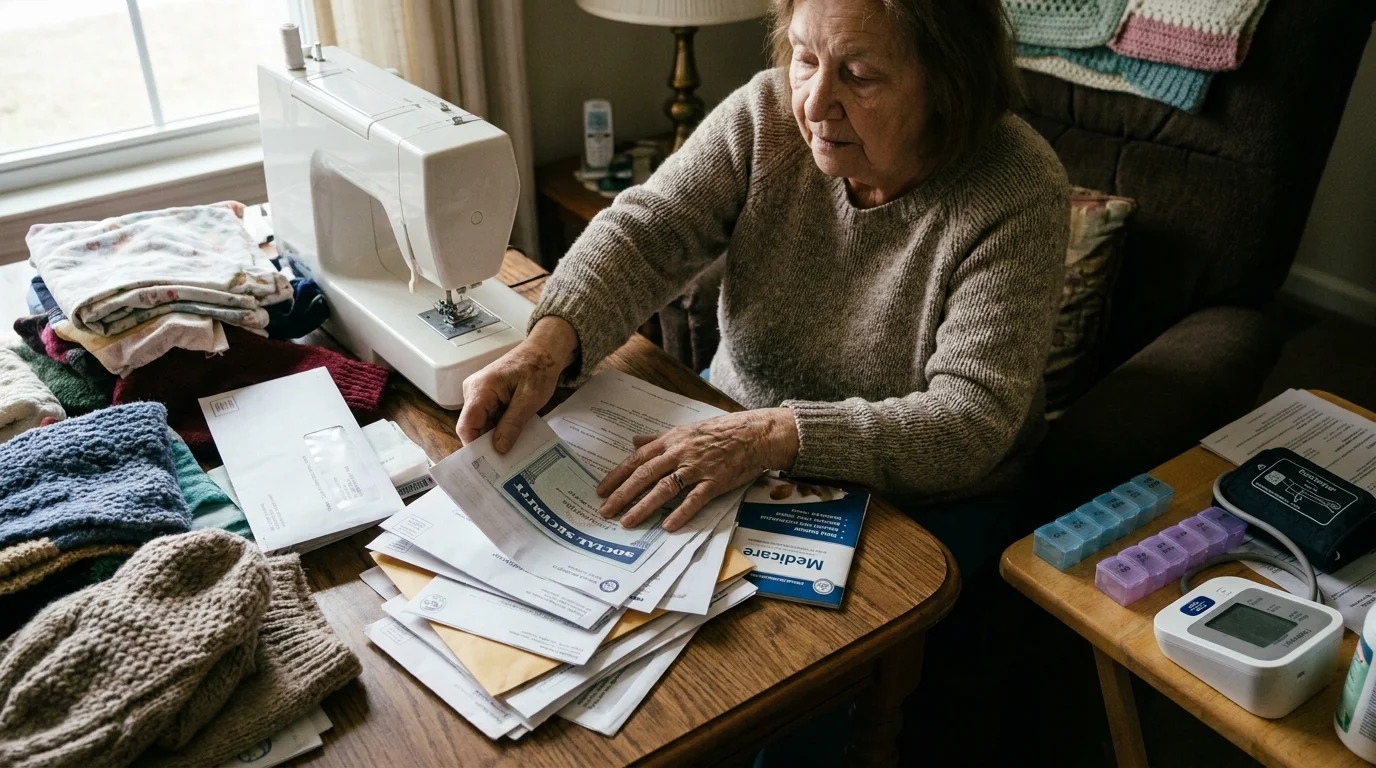
Social Security and Healthcare Considerations
Before launching your new venture, you must evaluate how extra income might affect your existing retirement benefits. If you have reached your Full Retirement Age (FRA)—which is 67 for anyone born in 1960 or later—you can earn an unlimited amount of money without facing any reduction in your Social Security benefits.
However, if you claimed Social Security early and have not yet reached your FRA, the Social Security Administration imposes an annual earnings limit. If your net earnings from self-employment exceed this limit, the SSA will withhold $1 in benefits for every $2 you earn above the threshold. While you eventually get this money back in the form of a recalculated, higher benefit after you reach FRA, the temporary reduction can disrupt your monthly cash flow.
Additionally, substantial business success could impact your Medicare premiums. Medicare Part B and Part D premiums are tied to your Modified Adjusted Gross Income (MAGI) from two years prior. If your new business is highly profitable, you could trigger an Income-Related Monthly Adjustment Amount (IRMAA), resulting in higher monthly premiums.
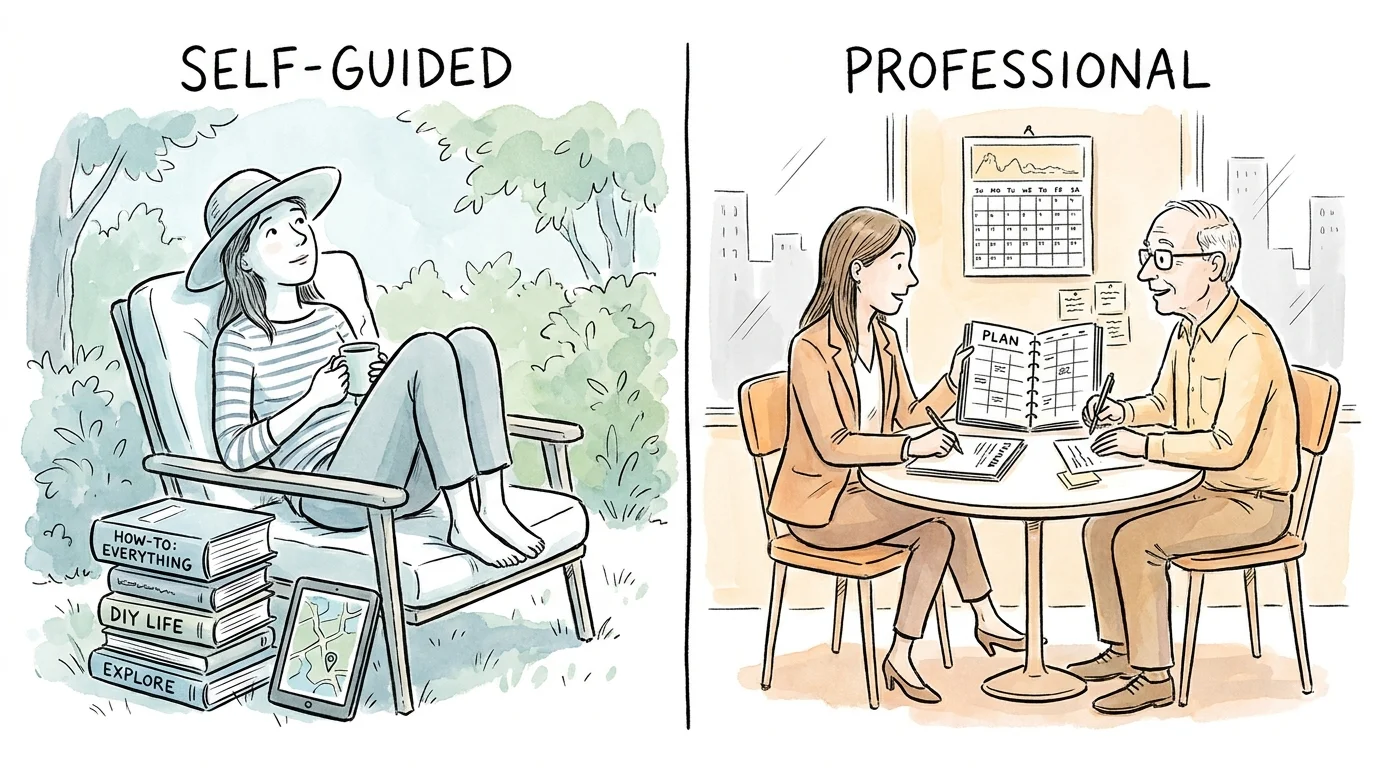
Professional vs. Self-Guided
When transitioning a hobby into an income stream, you must decide how much administrative work to handle yourself versus when to hire a professional. Making the right choices early on prevents headaches down the road.
- Business Structure and Liability:
Self-Guided: Operating as a Sole Proprietor is free and requires no paperwork; you simply start selling.
Professional: If your hobby carries risk (e.g., selling homemade food, offering physical fitness instruction), hiring an attorney or using a legal service to form a Limited Liability Company (LLC) protects your personal retirement assets from business lawsuits. - Tax Preparation:
Self-Guided: Using standard tax software to file a simple Schedule C is perfectly fine if your expenses are straightforward and your revenue is low.
Professional: Once you start purchasing expensive equipment, managing inventory, or claiming a home office deduction, hiring a Certified Public Accountant (CPA) ensures you maximize deductions while remaining compliant with IRS rules. - Digital Marketing and E-commerce:
Self-Guided: Setting up an Etsy shop or a basic social media page is intuitive and requires no technical background.
Professional: If you want a standalone website to avoid marketplace fees, hiring a freelance web developer can provide a polished, secure online storefront that attracts higher-paying customers.
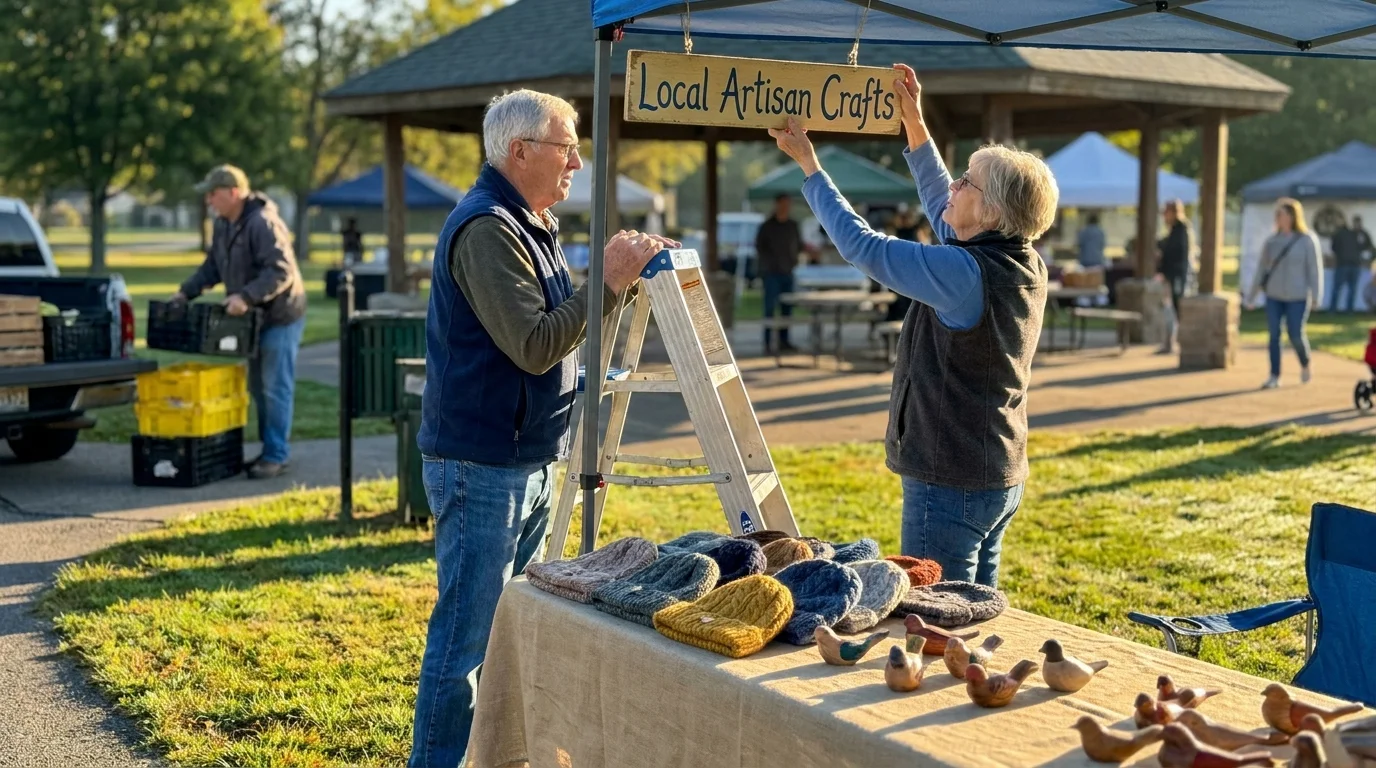
Marketing Your Skills Locally and Online
Creating a wonderful product or offering a valuable service is only half the equation; people need to know you exist. Fortunately, marketing in 2026 does not require a massive advertising budget. Authenticity and community connection are your strongest assets.
Start with your immediate network. Inform your friends, family, and former colleagues about your new venture. Word-of-mouth remains one of the most powerful marketing tools, especially for service-based hobbies like pet sitting, consulting, or local repairs. Neighborhood networking apps and local community Facebook groups allow you to target customers directly in your zip code.
If you are selling physical items, high-quality photography is essential. You do not need professional equipment; a modern smartphone and good natural lighting are sufficient. Focus on clearly demonstrating the quality and scale of your items. Write detailed, honest descriptions that highlight the craftsmanship and care poured into each piece.
Organizations like AARP offer excellent resources for senior entrepreneurs, including webinars on digital marketing, business planning, and navigating online sales platforms. Taking advantage of these free educational materials can significantly shorten your learning curve.
Common Mistakes to Avoid When Monetizing a Hobby
Turning a passion into a business is exciting, but enthusiasm can sometimes lead to avoidable errors. Keep these common pitfalls in mind as you build your side income.
- Overinvesting in Supplies Upfront: Do not drain your savings to buy top-of-the-line equipment or bulk materials before you have proven that people will buy your product. Start small, test the market, and use your initial profits to fund upgrades.
- Underpricing Your Work: Retirees often charge too little because they enjoy the work and do not feel they need the money urgently. However, underpricing devalues your time and makes it impossible to cover the hidden costs of shipping, materials, and taxes. Calculate your material costs and pay yourself a fair hourly wage.
- Mixing Personal and Business Funds: Even if your operation is tiny, open a separate, dedicated checking account for your hobby income and expenses. This separation simplifies tax preparation and provides a clear picture of whether you are actually making a profit.
- Letting the Hobby Become a Chore: The primary goal of retirement is freedom. If fulfilling orders starts causing you anxiety or preventing you from traveling, you have successfully built a business but lost your hobby. Learn to say no, set firm boundaries around your working hours, and prioritize your well-being.
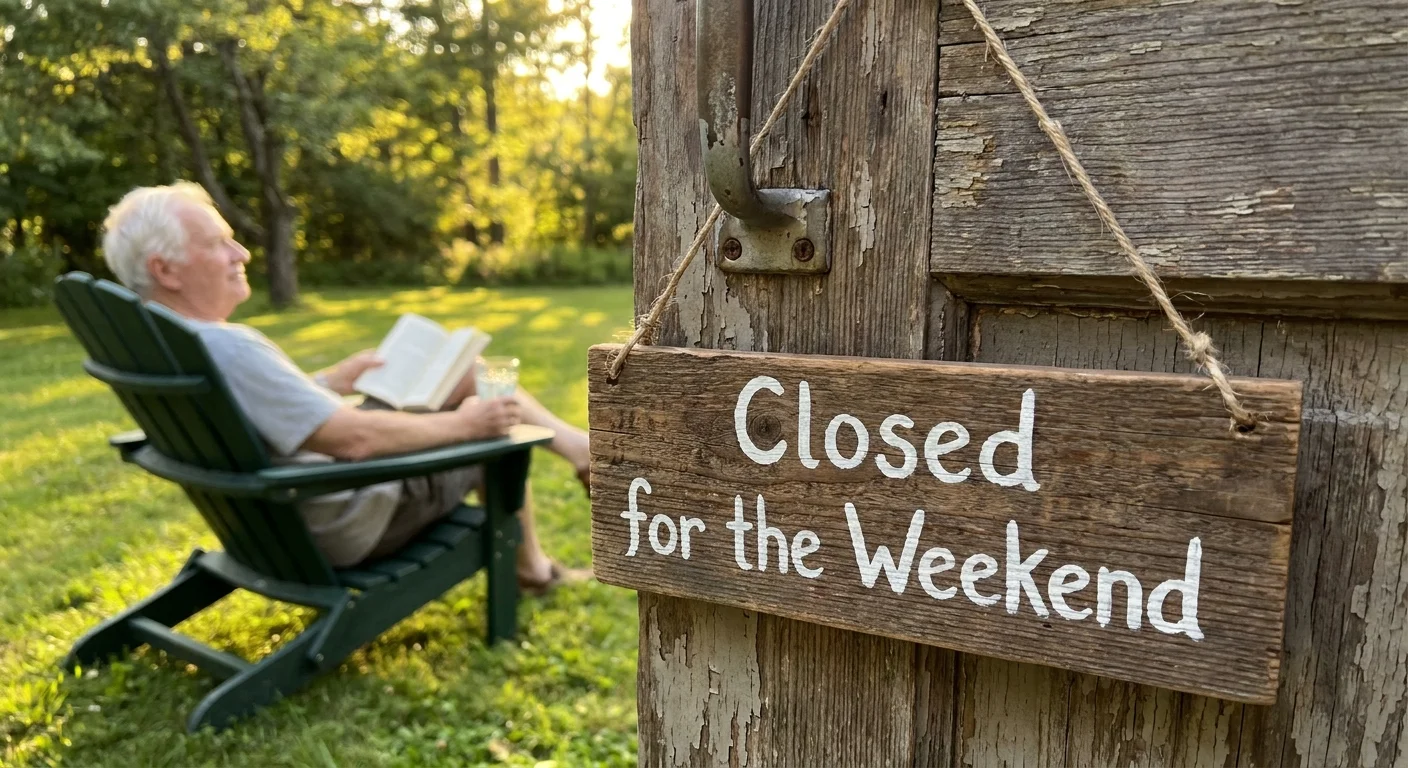
Setting Boundaries to Protect Your Retirement Lifestyle
The most crucial aspect of generating hobby income is maintaining control over your time. When you work for an employer, your schedule is dictated to you. When you work for yourself, you are in charge, but the temptation to overwork can be strong, especially when the orders start rolling in.
Define your success metrics early on. For some, success is earning $500 a month to cover a country club membership or a specialized travel fund. For others, success is simply having a reason to spend four hours a day in the woodworking shop. Once you hit your personal target, give yourself permission to step back.
The National Council on Aging highlights that staying engaged through work and community involvement significantly improves longevity and mental health. The key is ensuring the work remains enjoyable rather than burdensome. If your hobby begins to feel like a demanding job, take a sabbatical. Put your online store on vacation mode, pause your consulting contracts, and remember that you have already earned the right to relax.
Frequently Asked Questions
Do I have to pay taxes on hobby income?
Yes. The IRS requires you to report any income generated from a hobby on your personal tax return. If your activity qualifies as a business rather than a hobby, you will report it on Schedule C and may also owe self-employment taxes, but you will gain the ability to deduct related business expenses.
Will earning money from a hobby reduce my Social Security benefits?
It depends on your age. If you have reached Full Retirement Age (FRA), your earnings will not reduce your benefits at all. If you claim benefits before FRA and your net self-employment earnings exceed the annual limit set by the Social Security Administration, your benefits may be temporarily reduced.
What is the easiest hobby to monetize for a senior?
Service-based hobbies are typically the easiest and cheapest to monetize because they require little to no inventory. Pet sitting, offering gardening advice, tutoring, and freelance writing or consulting based on your career experience can all be started immediately with almost zero overhead costs.
Do I need a business license to sell crafts I make at home?
Local regulations vary widely. Many cities and counties require a basic business license or a home occupation permit, even for tiny operations. If you sell physical goods within your state, you may also need to register for a sales tax permit. Check with your local city hall or county clerk’s office to ensure you comply with regional laws.
Taking the Next Step
Monetizing a hobby represents a brilliant way to enrich your retirement years, offering both financial rewards and personal satisfaction. Start by evaluating the skills you already possess and taking small, low-risk steps to test the market. Whether you decide to sell handmade pottery at a local market or offer virtual consulting to your former industry, the opportunity to build something new on your own terms is an empowering chapter in your financial life.
Take time to research the local landscape, discuss your plans with supportive family members, and organize a simple plan. By setting clear boundaries and treating your new venture with a professional yet flexible mindset, you can successfully turn your lifelong passions into tangible rewards.
This article provides general retirement education and information only. Every retiree’s situation is unique—what works for others may not work for you. For personalized advice, consider consulting a qualified financial professional such as a CFP or CPA.
Last updated: May 2026. Retirement benefits, tax rules, and healthcare regulations change frequently—verify current details with official sources.









Leave a Reply