
Modern senior living goes far beyond standard golf courses and generic dining halls, offering specialized amenities that redefine how you spend your post-career years. Today’s most innovative retirement communities provide unexpected perks ranging from university-integrated lifelong learning programs to onsite vineyards and professional-grade artist studios. Choosing where to live shapes your daily schedule, social circle, and overall wellness. By looking beyond the basic marketing brochures, you discover communities designed for active engagement rather than passive aging. Whether you want to study astrophysics, master organic farming, or train in an equestrian center, you can find a neighborhood built precisely around your passions. These environments turn ordinary retirement housing into an exciting launchpad for your next chapter.
Why Specialized Amenities Matter for Your Lifestyle
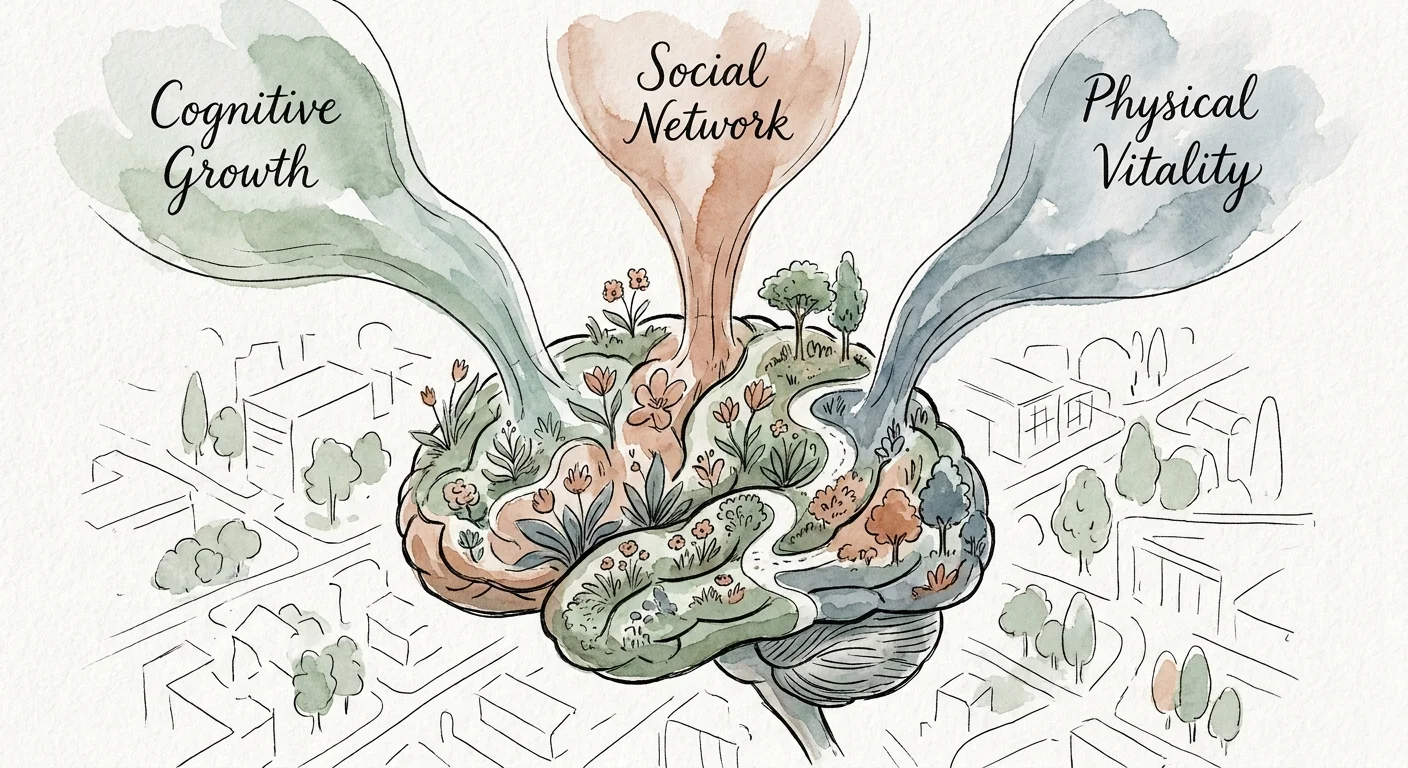
Housing decisions in retirement extend far beyond simple square footage and floor plans. Your environment dictates your daily routine, your physical activity levels, and the quality of your social interactions. Historically, the senior housing industry focused on care provision and basic accessibility. Today, the landscape focuses heavily on lifestyle enrichment, driven by a new generation of retirees who demand purpose, adventure, and personal growth.
Engaging in complex, challenging activities keeps the mind sharp and staves off cognitive decline. Researchers at organizations like the National Institute on Aging consistently highlight that learning new skills and maintaining strong social networks are critical pillars of healthy aging. When you move to a community built around a shared passion—whether that happens to be aviation, agriculture, or the arts—you automatically surround yourself with a built-in network of peers who share your interests. This shared enthusiasm fosters deeper connections than geographic proximity alone ever could.
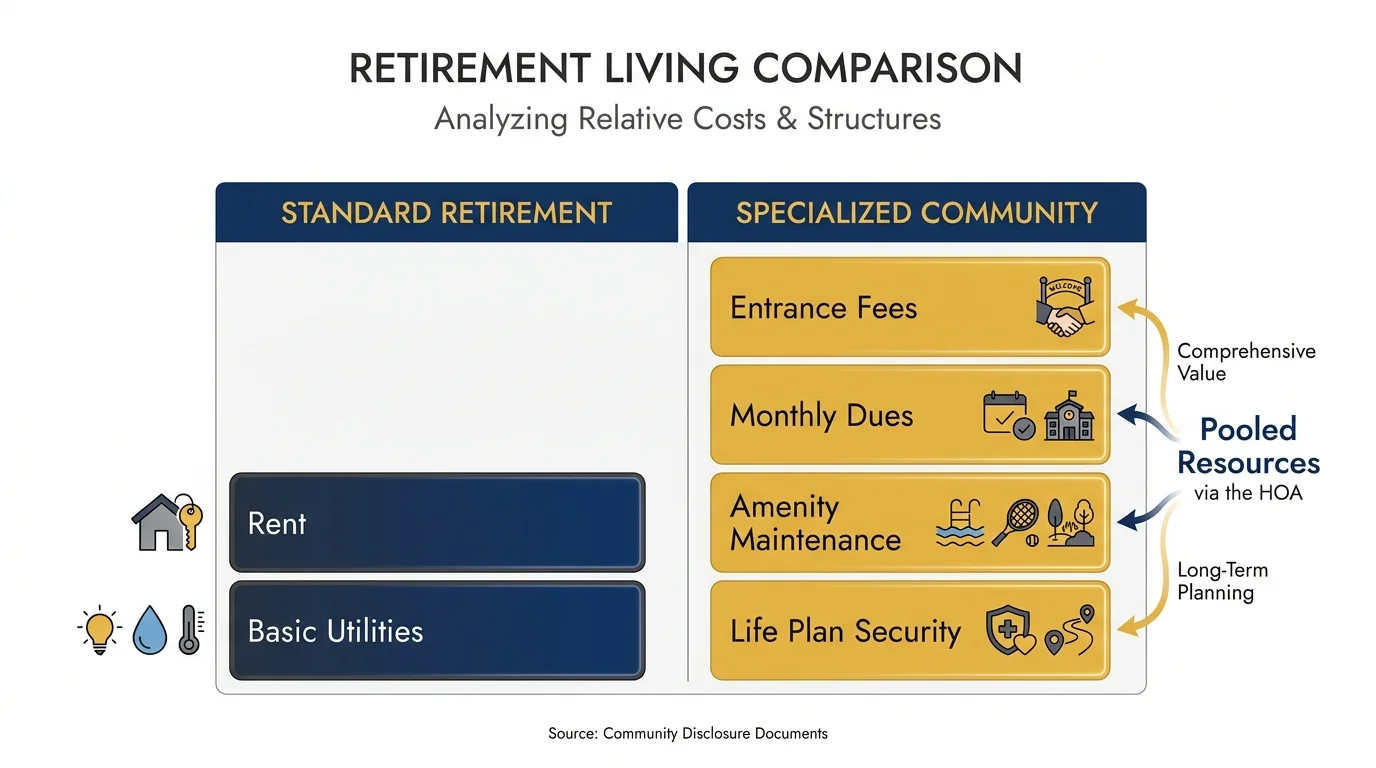
Furthermore, specialized communities solve a significant logistical hurdle. Maintaining a large private farm, a specialized workshop, or an aviation hangar requires immense personal labor and capital. By pooling resources through specialized homeowners associations (HOAs) or community entrance fees, you gain access to commercial-grade facilities without the burden of maintaining them entirely on your own.

1. University-Based Retirement Communities (UBRCs)
For lifelong learners, few environments rival the intellectual stimulation of a college campus. University-Based Retirement Communities—often referred to as UBRCs—integrate senior housing directly with academic institutions. Prominent examples operate alongside Dartmouth College, Stanford University, and Oberlin College.
“An investment in knowledge pays the best interest.” — Benjamin Franklin
Living in a UBRC provides a dynamic, intergenerational experience. Rather than isolating older adults in a secluded neighborhood, these communities weave residents into the fabric of campus life. The perks extend far beyond a quiet library.
- Academic Access: You can audit undergraduate and graduate-level courses, often for free or at a highly reduced rate.
- Cultural Amenities: You gain walking access to collegiate theater productions, symphony performances, and guest lecture series.
- Mentorship Opportunities: Many residents actively mentor students, participate in alumni associations, or even assist in university research projects.
- Campus Facilities: Access to state-of-the-art university fitness centers, natatoriums, and dining halls provides an energetic alternative to standard senior living amenities.
Financially, many UBRCs operate as Life Plan Communities, previously known as Continuing Care Retirement Communities (CCRCs). This means you typically pay an upfront entrance fee alongside a monthly maintenance fee, which secures your housing and guarantees access to assisted living or skilled nursing care later in life if your health declines.
2. Agrarian and Farm-to-Table Communities
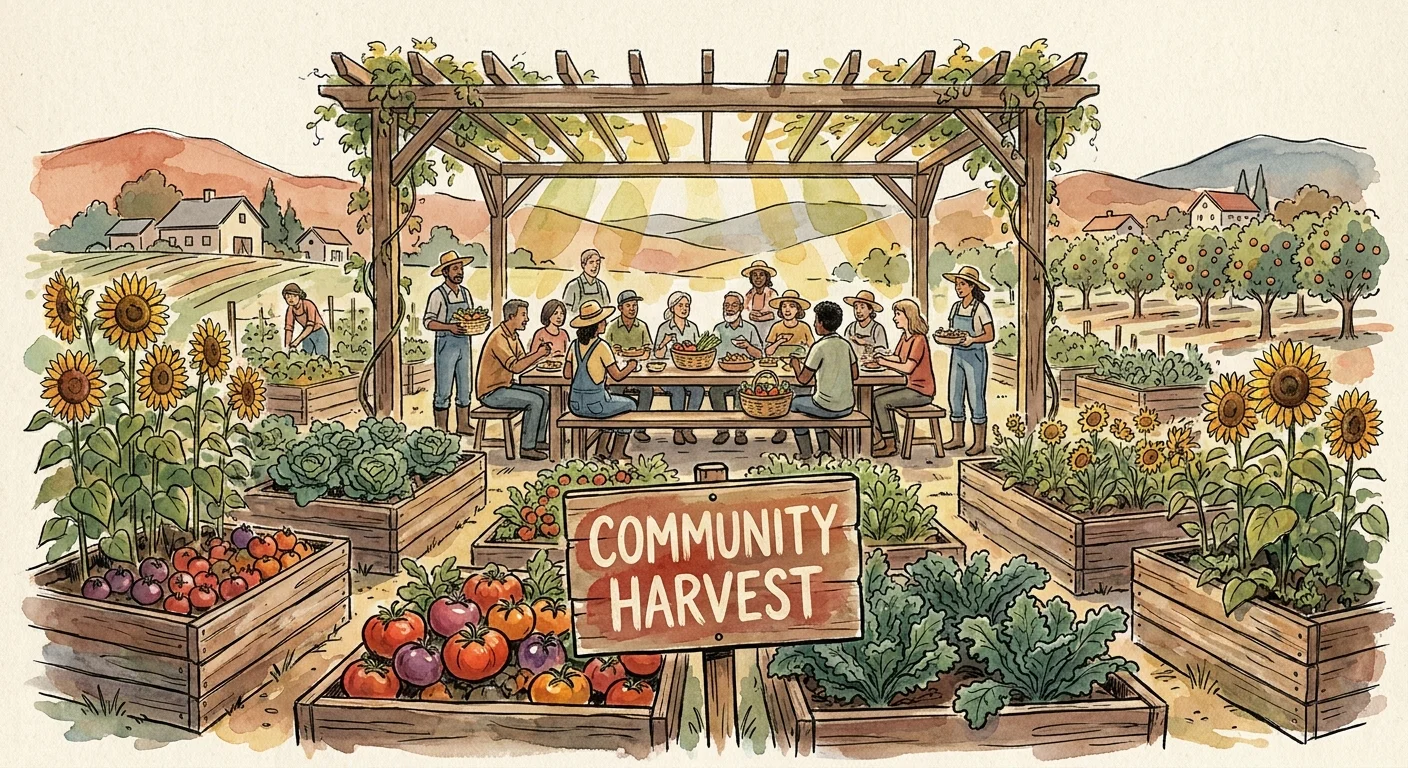
If you prefer harvesting heirloom tomatoes over hitting the golf links, an agrarian-focused retirement community—often dubbed an “agrihood”—might be your ideal destination. These developments replace traditional centerpieces like clubhouses and fairways with working organic farms, community gardens, and orchards.
In an agrihood, professional farm managers handle the heavy agricultural labor, such as tilling, massive crop rotations, and soil management. You enjoy the benefits of agrarian life without the grueling physical demands that typically force older adults to abandon rural properties.
Unexpected perks in these neighborhoods include weekly community-supported agriculture (CSA) boxes delivered directly to your front porch, on-site farmers markets, and seasonal harvest festivals. Many feature specialized workshops where you can learn beekeeping, artisanal cheese making, or advanced food preservation techniques. Dining halls in these communities rely heavily on ingredients grown just hundreds of yards from the kitchen, offering nutritional benefits that drastically outpace standard institutional dining.
3. Aviation-Focused Fly-In Communities
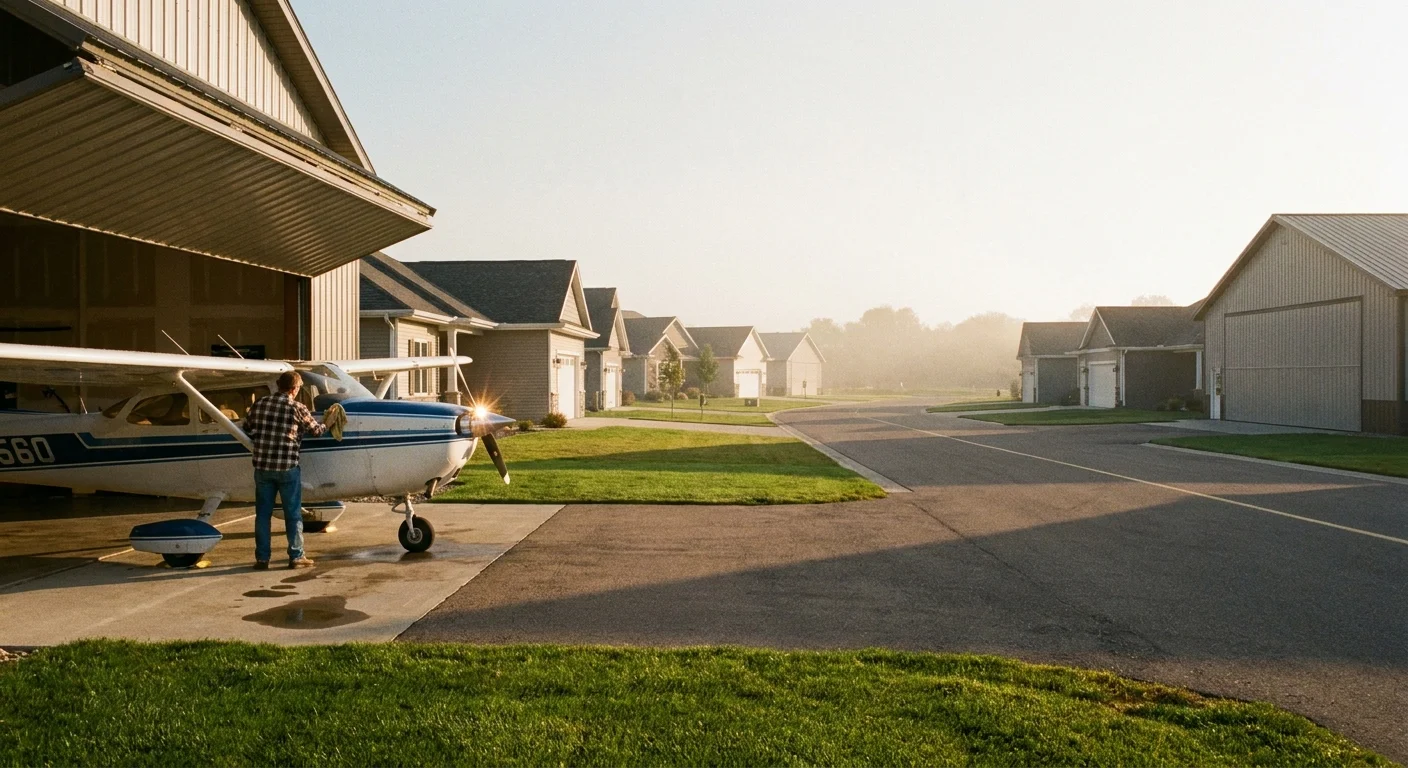
For licensed pilots and aviation enthusiasts, flying is not a hobby; it is a fundamental part of their identity. Fly-in communities, or residential airparks, cater specifically to this demographic. Instead of pulling your car into a standard driveway, you taxi your personal aircraft straight from a private runway into a hangar attached to your home.
These specialized neighborhoods replace typical neighborhood streets with ultra-wide, reinforced taxiways designed to accommodate both vehicle traffic and aircraft. Living in an airpark eliminates the time-consuming commute to a regional airport, the cost of hangar rentals, and the hassle of commercial aviation security lines.
Beyond the runway, aviation communities feature robust social calendars built around the skies. Neighbors frequently organize group flights to weekend destinations, host maintenance workshops, and run experimental aircraft building clubs. Because these communities rely on strict safety protocols and specialized infrastructure, the HOAs handle complex maintenance tasks like runway paving, taxiway lighting, and windsock management.

4. Arts and Cultural Enclaves
Creative expression remains one of the most effective ways to process the emotional transitions of retirement. Arts-focused retirement communities provide the infrastructure needed to pursue painting, writing, theater, and music at a highly professional level.
Instead of offering a generic craft room with a few folding tables, these communities invest in specialized, commercial-grade artistic infrastructure. You will find amenities such as:
- Properly ventilated painting and sculpture studios with optimal natural light.
- High-capacity kilns for ceramics and pottery.
- Fully equipped woodworking and metalworking shops with modern safety equipment.
- Soundproof practice rooms equipped with grand pianos and recording gear.
- On-site art galleries where residents curate and sell their work.
Many arts enclaves also employ full-time creative directors who organize masterclasses with visiting professionals. Whether you want to write your memoirs in a dedicated writers’ lounge or join an active community theater troupe complete with a costume shop and a professional stage, these communities treat your creative pursuits with genuine respect.

5. Eco-Friendly and Sustainable Villages
Environmental stewardship drives the decision-making process for many modern retirees. Eco-friendly retirement villages prioritize sustainability, drastically reducing your carbon footprint while simultaneously lowering your long-term utility costs.
These communities incorporate cutting-edge green technology directly into the architecture. Homes are often built to LEED (Leadership in Energy and Environmental Design) certification standards, featuring superior insulation, triple-pane windows, and geothermal heating and cooling systems.
The unexpected perks of a sustainable village include access to community solar microgrids, which protect you from regional power grid failures and rising energy costs. You will also find extensive electric vehicle (EV) charging infrastructure, community-wide composting programs, and landscaping composed entirely of drought-resistant, native plants. By moving to a community that prioritizes zero-waste initiatives and water conservation, you actively participate in protecting the environment for future generations.
6. Equestrian and Ranch-Style Living
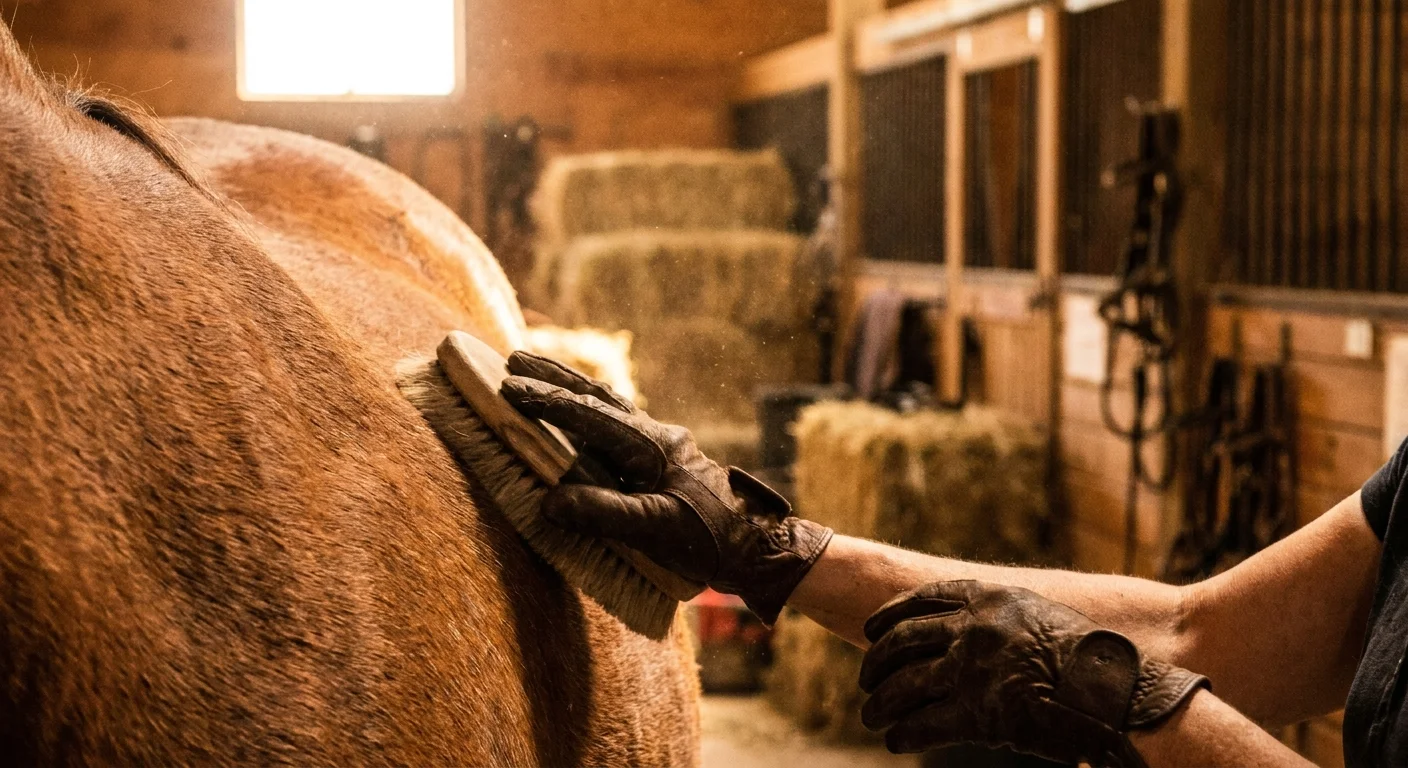
Horse ownership provides immense joy, but the daily physical labor of mucking stalls, managing feed schedules, and maintaining fencing becomes increasingly difficult as you age. Equestrian retirement communities solve this problem by combining private homeownership with professional, centralized horse care.
In these developments, you own your home, while the community manages a state-of-the-art equestrian center just a short walk or golf cart ride away. Professional stable hands manage the daily feeding, turnout schedules, and stall cleaning. This allows you to focus entirely on the rewarding aspects of horsemanship: grooming, riding, and bonding with your animal.
These communities typically feature miles of private, well-maintained riding trails, covered arenas for year-round training, and on-site access to specialized veterinary care and farrier services. For retirees who love horses but no longer wish to own one, many communities maintain a stable of community-owned horses available for residents to ride and care for on a flexible schedule.

7. High-Tech and Smart-Home Havens
Technology now plays a vital role in keeping retirees safe, connected, and independent. High-tech retirement communities integrate advanced digital infrastructure directly into the building materials, offering a seamless, futuristic living experience.
These communities offer enterprise-grade Wi-Fi networks capable of handling everything from high-definition telehealth appointments to virtual reality gaming. The homes themselves feature voice-activated smart systems that control lighting, window shades, climate, and home security.
The health-monitoring perks are particularly impressive. Some tech-forward communities utilize circadian rhythm lighting that adjusts its color temperature throughout the day to improve your sleep quality. Others embed subtle biometric sensors into the flooring to detect changes in your gait, which can predict and prevent a catastrophic fall before it happens. Built-in telehealth portals allow you to conduct routine medical checkups from your living room, seamlessly sharing data from your wearable devices directly with on-site nursing staff.

8. Resort-Style Wellness Retreats
While most standard retirement communities offer a basic gym and a swimming pool, wellness-focused communities rival five-star medical spas. These developments prioritize preventative healthcare and holistic well-being, helping you maximize your healthspan.
Living in a wellness retreat means having daily access to therapies typically reserved for professional athletes or elite health clubs. Unexpected perks often include:
- Hydrotherapy circuits featuring cold plunge pools, infrared saunas, and steam rooms.
- Salt caves for respiratory health and hyperbaric oxygen therapy chambers.
- Dedicated Pilates reformer studios, aerial yoga spaces, and specialized balance-training equipment.
- On-site functional medicine practitioners, nutritionists, and massage therapists.
The dining options in wellness communities closely mirror the medical approach, offering highly customized meal plans designed to reduce inflammation, manage blood sugar, and support cardiovascular health. By integrating these preventative therapies into your daily routine, you proactively manage the physical challenges of aging.
Evaluating the True Cost of Unique Amenities
Unique lifestyle perks require substantial financial backing. When comparing specialized communities to standard 55+ neighborhoods, you must carefully evaluate how these amenities impact your housing budget. Utilizing resources from the National Council on Aging can help you project how these specific fee structures will impact your long-term portfolio.
Understanding the exact financial structure prevents unpleasant surprises down the road. Below is a breakdown of how different specialized communities typically structure their costs:
| Community Type | Typical Financial Structure | Key Financial Considerations |
|---|---|---|
| University-Based (UBRC) | Large Entrance Fee + Monthly Maintenance | Often includes prepaid future healthcare (Life Plan contract). High upfront cost; predictable long-term medical costs. |
| Agrihood | Standard Mortgage + Moderate HOA | HOA covers farm management. You may save money on groceries through included community-supported agriculture shares. |
| Aviation / Airpark | Premium Home Price + High HOA | Home prices carry a massive premium due to attached hangars. HOAs must fund strict FAA-compliant runway maintenance. |
| Wellness Retreat | Monthly Rental or High HOA | Base fees are high, but you save money by eliminating private gym memberships, spa visits, and out-of-pocket holistic therapies. |
“Retirement is not the end of your life. It is the beginning of the next phase.” — Suze Orman, Financial Expert
Before committing, request a five-year history of HOA fee increases. A community featuring private runways or commercial-grade equestrian facilities carries massive insurance and maintenance liabilities. If inflation drives up the cost of specialized labor—like farm managers or aircraft mechanics—your monthly dues will inevitably rise.

Pitfalls to Watch For
While moving to a community centered around your favorite hobby sounds idyllic, hyper-specialized living carries distinct risks. The most common pitfall involves aging out of your chosen amenity. If you move to a fly-in community at age 65 but lose your pilot’s medical clearance at age 72, you find yourself paying premium HOA fees for a runway you can no longer legally use. Similarly, a severe mobility issue can permanently sideline you from the equestrian center or the organic farm.
Always review the community’s policies regarding home modifications and medical care. Unlike Continuing Care Retirement Communities, many specialized lifestyle neighborhoods operate strictly as independent 55+ housing. They may lack the licensing or infrastructure to provide assisted living services. If your health deteriorates, you might be forced to sell your specialized home and relocate to a traditional medical-care facility, incurring massive transaction costs in the process.
Finally, consider the resale market. A house with a 3,000-square-foot airplane hangar appeals to a very narrow subset of buyers. If you need to sell quickly to fund medical care, highly specialized properties often sit on the market significantly longer than traditional homes. Discuss the liquidity of your real estate investment with a fiduciary financial advisor, and consult AARP resources regarding the complexities of selling niche senior real estate.
Frequently Asked Questions
Are these specialized communities restricted to people over 55?
Most specialized retirement communities operate under the Housing for Older Persons Act (HOPA), meaning at least 80% of the occupied units must include one resident who is 55 or older. However, some models, particularly agrihoods and eco-villages, operate as multi-generational communities with no age restrictions, relying on the lifestyle amenities to naturally attract active retirees.
Can Medicare cover the cost of living in a wellness-focused retirement community?
No. Medicare covers medically necessary procedures, doctor visits, and short-term rehabilitation, but it does not cover custodial care or independent housing costs, regardless of the health amenities provided. You can verify specific coverage limitations and rules regarding residential care through Medicare.gov.
Do University-Based Retirement Communities require you to be an alumnus?
Generally, no. While UBRCs heavily market to alumni and retired faculty, the vast majority welcome anyone who desires an intellectually engaging environment. The primary requirement for entry is meeting the financial obligations and passing the health screening if the facility operates as a Life Plan Community.
Is it better to rent or buy in a niche community?
This depends entirely on the financial structure of the specific development and your personal timeline. Renting offers flexibility, allowing you to easily leave if your health changes or you lose interest in the core amenity. Buying allows you to build equity, but leaves you vulnerable to the liquidity issues associated with selling highly specialized real estate.
Moving Forward With Confidence
Finding a retirement community that aligns with your specific passions allows you to spend your time energized and engaged. As you explore these unexpected lifestyle options, schedule multi-day visits to experience the culture firsthand. Talk to current residents, review the financial disclosures with a trusted advisor, and realistically assess how your housing choice will support your long-term physical and financial well-being.
This is educational content based on general retirement and financial principles. Individual results vary based on your situation. Always verify current benefit rules, tax laws, and eligibility requirements with official sources like SSA, Medicare.gov, or the IRS.
Last updated: March 2026. Retirement benefits, tax rules, and healthcare regulations change frequently—verify current details with official sources.








Leave a Reply