
6. Buying a Home Before Truly Experiencing the Neighborhood
Plunging directly into homeownership in an unfamiliar market stands out as a leading cause of retirement relocation regrets. National relocation volume saw roughly 258,000 Americans move specifically for retirement in 2024—a 23.8% drop from 2023, reflecting housing market frictions and elevated interest rates. Retirees who rushed to purchase homes in unfamiliar areas frequently discover hidden community drawbacks after closing.
Neighborhood dynamics change dramatically across seasons. A tranquil neighborhood in November may turn into a noisy, gridlocked tourist corridor during spring and summer. HOA rules might prohibit overnight parking for visiting guests, restrict pet breeds, or impose steep unexpected monthly fees for community amenities you never use. Furthermore, distance to daily essentials—such as grocery stores, pharmacies, public parks, and cultural venues—can turn simple errands into lengthy drives.
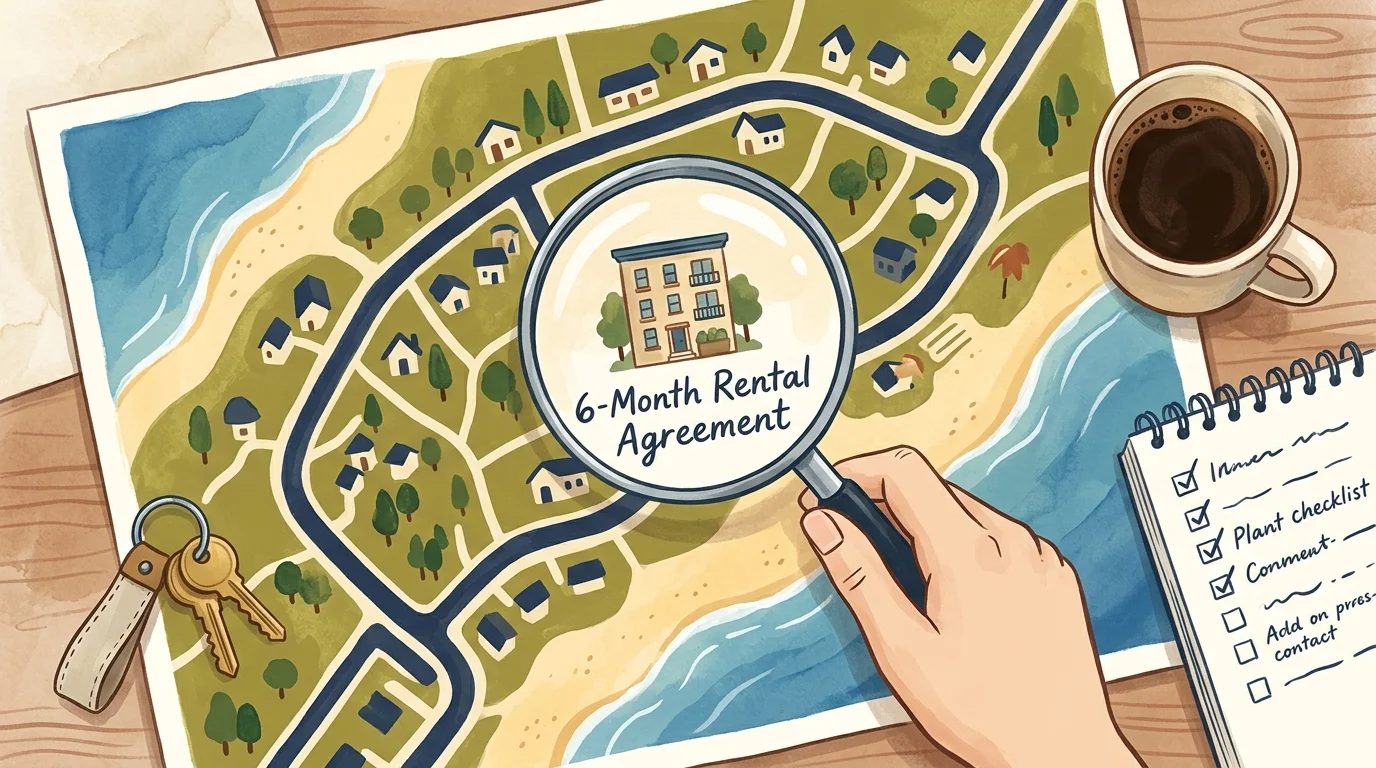
Renting for 6 to 12 months provides an effective buffer against expensive real estate mistakes. Leasing a home first allows you to test daily life in all four seasons, learn local traffic patterns, interact with community members, and audit healthcare access before permanently committing home equity capital.









Leave a Reply