
The holiday season brings joyful family gatherings, but it also triggers an aggressive wave of elder fraud targeting your retirement assets. Recognizing these seasonal financial traps immediately preserves your peace of mind and protects your hard-earned wealth.
According to the FBI, older Americans lose over $7.7 billion annually to financial fraud, with criminal activity accelerating sharply between November and December. Deceptive predators routinely exploit holiday generosity, seasonal travel, and family loyalty against you.
Understanding modern holiday scams 2026 threats ensures your savings remain completely safe throughout the winter festivities. Here are twelve dangerous schemes targeting retirees right now and the exact steps to disarm them.
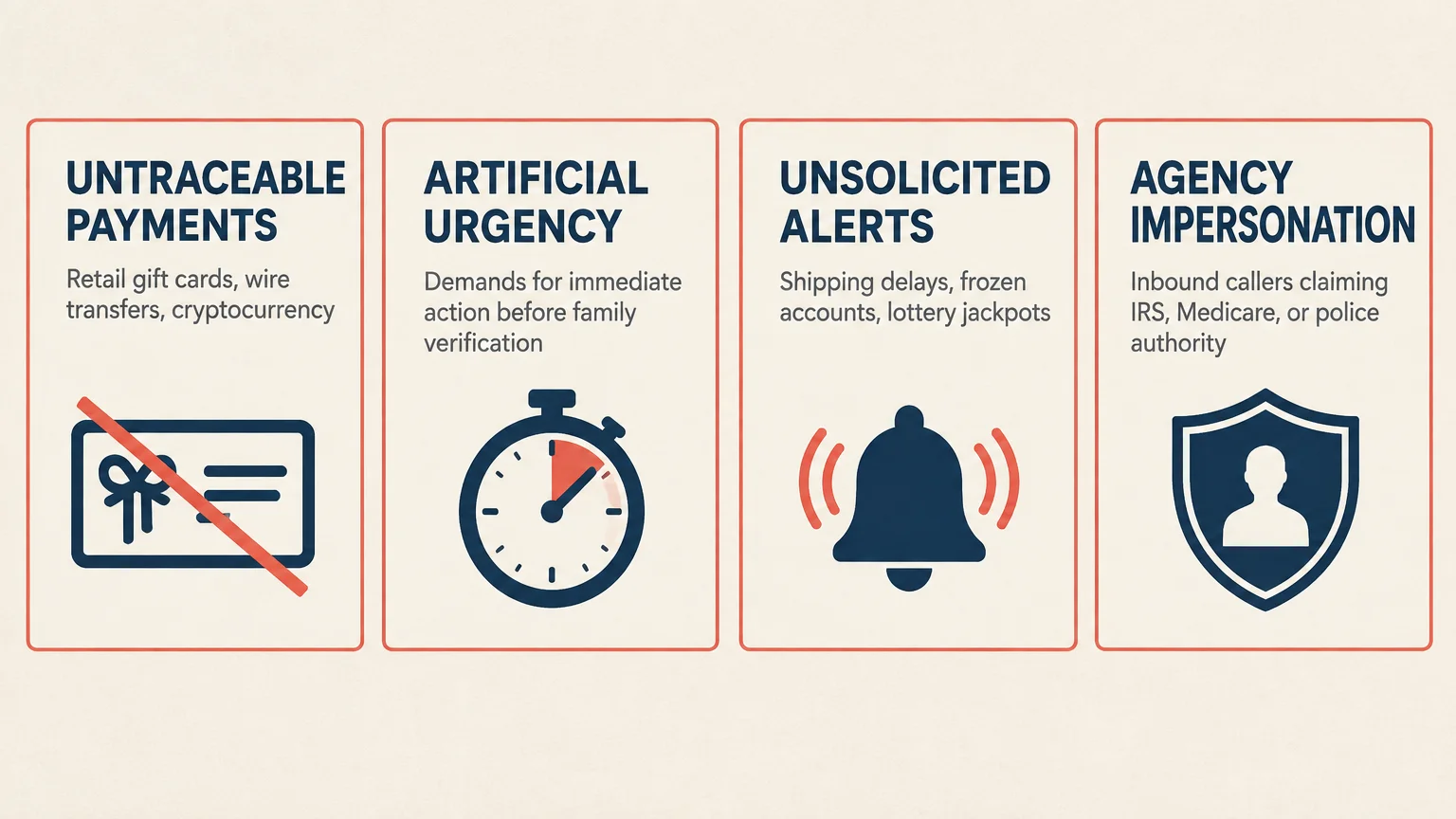
The Essentials: Holiday Defense Checklist
Holiday criminals rely on artificial urgency to bypass your normal critical thinking.
Before examining each specific scheme, keep these four universal warning signs in mind:
- Demands for untraceable payment methods, including retail gift cards, wire transfers, or cryptocurrency.
- Extreme emotional pressure requiring immediate action before you can verify facts with family members.
- Unsolicited digital communications claiming shipping delays, frozen bank accounts, or unexpected lottery jackpots.
- Inbound callers impersonating government agencies like Medicare, the IRS, or local law enforcement.
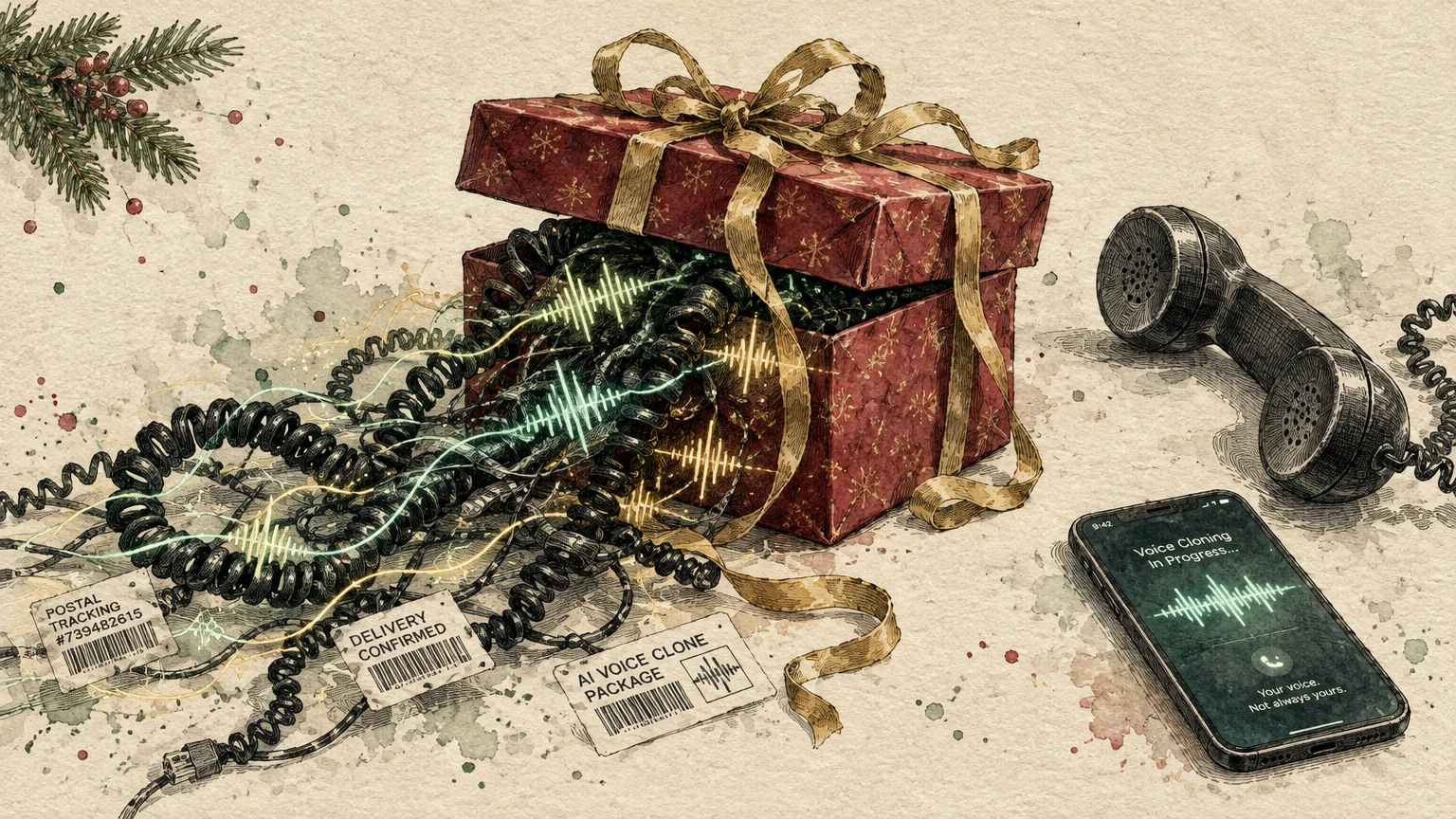
12 Scams Targeting Retirees During the Holidays
Criminal networks deploy targeted deception during the winter months to exploit your holiday routines.
Familiarize yourself with the mechanics behind these twelve prevalent holiday threats:
1. In-Store Gift Card Draining and Tampering
Organized fraud rings tamper with physical gift card displays at retail stores across the country.
Thieves scan retail barcodes and record hidden PINs before carefully resealing the packaging on store racks.
Once you purchase and activate the card at checkout, automated software drains the cash balance within seconds.
Federal reports indicate that gift card schemes account for over $100 million in losses reported by older adults annually.
2. AI Voice-Cloning Grandparent Impersonation
Cybercriminals now use artificial intelligence to clone a family member’s voice with alarming precision.
Scammers need only a brief audio sample from social media or voicemail to generate an authentic clone.
The caller poses as your grandchild claiming an urgent holiday travel arrest, car accident, or medical emergency.
They demand immediate wire transfers or cash delivery through a courier while begging you to keep parents uninformed.
3. Package Delivery Smishing Messages
Record shipping volumes make delivery text notifications one of the most effective christmas scams today.
You receive an urgent text claiming the postal service cannot deliver your package due to an incomplete address.
The embedded link directs you to a counterfeit website requesting a small redelivery fee of several dollars.
Submitting your payment details gives offshore criminal syndicates direct access to your credit card credentials.
4. Year-End Fake Charity Appeals
Retirees often rush to complete tax-deductible charitable contributions before the midnight December 31 deadline.
Deceptive operators establish bogus non-profits with names nearly identical to respected national charitable foundations.
High-pressure callers push you to donate immediately over the phone rather than allowing time for independent research.
Always verify tax-exempt status using the IRS Tax Exempt Organization Search tool before donating.
5. Medicare Card Phishing During Open Enrollment
Medicare Annual Open Enrollment runs from October 15 through December 7, directly overlapping with early holiday shopping.
Imposters contact retirees claiming Medicare is issuing new plastic cards or requires immediate Part D coverage re-verification.
Callers threaten to cancel your health coverage if you refuse to surrender your personal Medicare beneficiary number.
Legitimate representatives from Medicare.gov never place unprompted calls demanding personal identity data or payment for cards.
6. Tech Support Traps for New Electronics
Retirees unwrapping new smart televisions, tablets, or smart home assistants often run into confusing setup screens.
Online searches for customer assistance frequently lead to sponsored advertisements operated by fraudulent support operations.
Imposters demand bogus activation fees between $80 and $300 just to register your purchased electronics.
In severe cases, they persuade you to install remote-access software that exposes your private banking logins.
7. Counterfeit Online Retail Sites and Social Ads
Social media platforms often display sponsored holiday advertisements offering popular gifts at discounts exceeding seventy percent.
These links direct shoppers to sophisticated fake storefronts designed solely to harvest payment card details.
Shoppers either receive cheap knockoff items weeks later or experience identity theft with nothing delivered at all.
If an online holiday price looks impossibly cheap, you are looking at an active storefront scam.
8. Airline Ticket and Travel Rebooking Fraud
Millions of older adults travel across the country to visit children and grandchildren during the winter.
When severe winter weather causes flight cancellations, frantic passengers search online for customer support phone numbers.
Counterfeit travel directories connect callers to fake agents who charge hundreds of dollars in unauthorized rebooking fees.
Always resolve travel disruptions directly inside your airline’s official smartphone app or at the airport ticket counter.
9. Social Media “Secret Sister” Gift Pyramids
Social media invitations frequently encourage seniors to join festive gift exchanges promising multiple gifts in return.
Promotions claim that purchasing one modest gift guarantees that you will receive dozens of presents from strangers.
These arrangements represent illegal pyramid schemes designed to harvest your personal mailing address and contact details.
The U.S. Postal Inspection Service strictly prohibits these pyramid chain letters under federal lottery statutes.
10. Winter Utility Disconnection Threats
Freezing temperatures give fraudsters powerful psychological leverage to execute high-pressure utility payment scams.
Imposters call claiming that your heating or electricity service faces immediate termination within an hour due to unpaid bills.
The caller demands instant payment using untraceable methods like prepaid debit cards or cryptocurrency kiosks.
Regulated utilities send multiple written notices by mail and never demand instant payment through prepaid debit cards.
11. Holiday Sweepstakes and Bogus Lottery Prizes
Older adults frequently receive official-looking mailings or calls announcing unexpected holiday sweepstakes winnings.
The caller enthusiastically claims you won a brand-new vehicle or a massive cash prize in a seasonal drawing.
To collect the payout, the promoter insists that you must prepay government taxes, processing fees, or shipping insurance.
Legitimate lotteries never require winners to pay money upfront before receiving their actual prize payouts.
12. Seasonal Romance and Companionship Schemes
Holiday celebrations can intensify feelings of isolation, making lonely retirees attractive targets for deceptive romance predators.
Con artists cultivate digital relationships over several weeks before manufacturing an urgent holiday travel crisis or medical expense.
According to federal data, elder fraud victims face median losses exceeding $1,600 when ensnared by imposter schemes.
Never transfer funds to an online romantic partner whom you have never met in person.
“Financial predators deliberately target seniors during moments of emotional vulnerability and festive distraction, making vigilant skepticism your best line of defense.” — Elizabeth Warren, U.S. Senator and Consumer Advocate
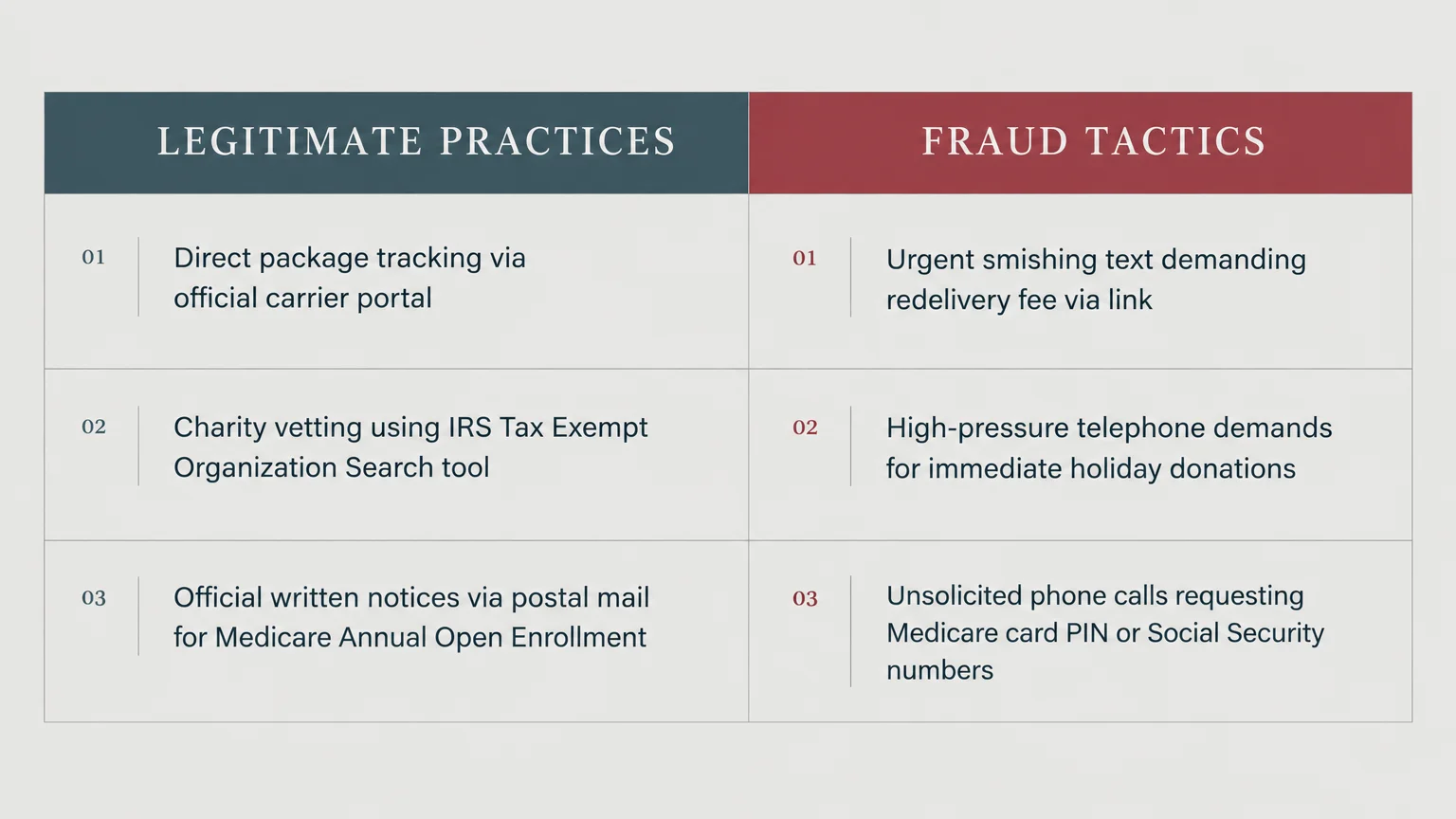
How to Spot Scams: Legitimate Practices vs. Fraud Tactics
Comparing unexpected requests against normal business practices quickly exposes fraudulent behavior.
Use this reference table to evaluate suspicious holiday communications targeting your household:
| Feature | Legitimate Organizations | Fraudulent Scammers |
|---|---|---|
| Payment Method | Accepts credit cards, ACH transfers, and corporate checks. | Demands gift cards, wire transfers, or cryptocurrency deposits. |
| Response Urgency | Provides reasonable deadlines and formal written notifications. | Demands immediate settlement within minutes under threat of arrest. |
| Contact Initiation | Uses secure account dashboards or physical postal correspondence. | Sends unsolicited text messages, robocalls, or urgent emails. |
| Identity Verification | Uses multi-factor authentication codes and encrypted web portals. | Pressures you to disclose complete Social Security or Medicare numbers. |
| Caller Identification | Matches public corporate registries and verified customer lines. | Spoofs local phone numbers and agency names on caller ID displays. |
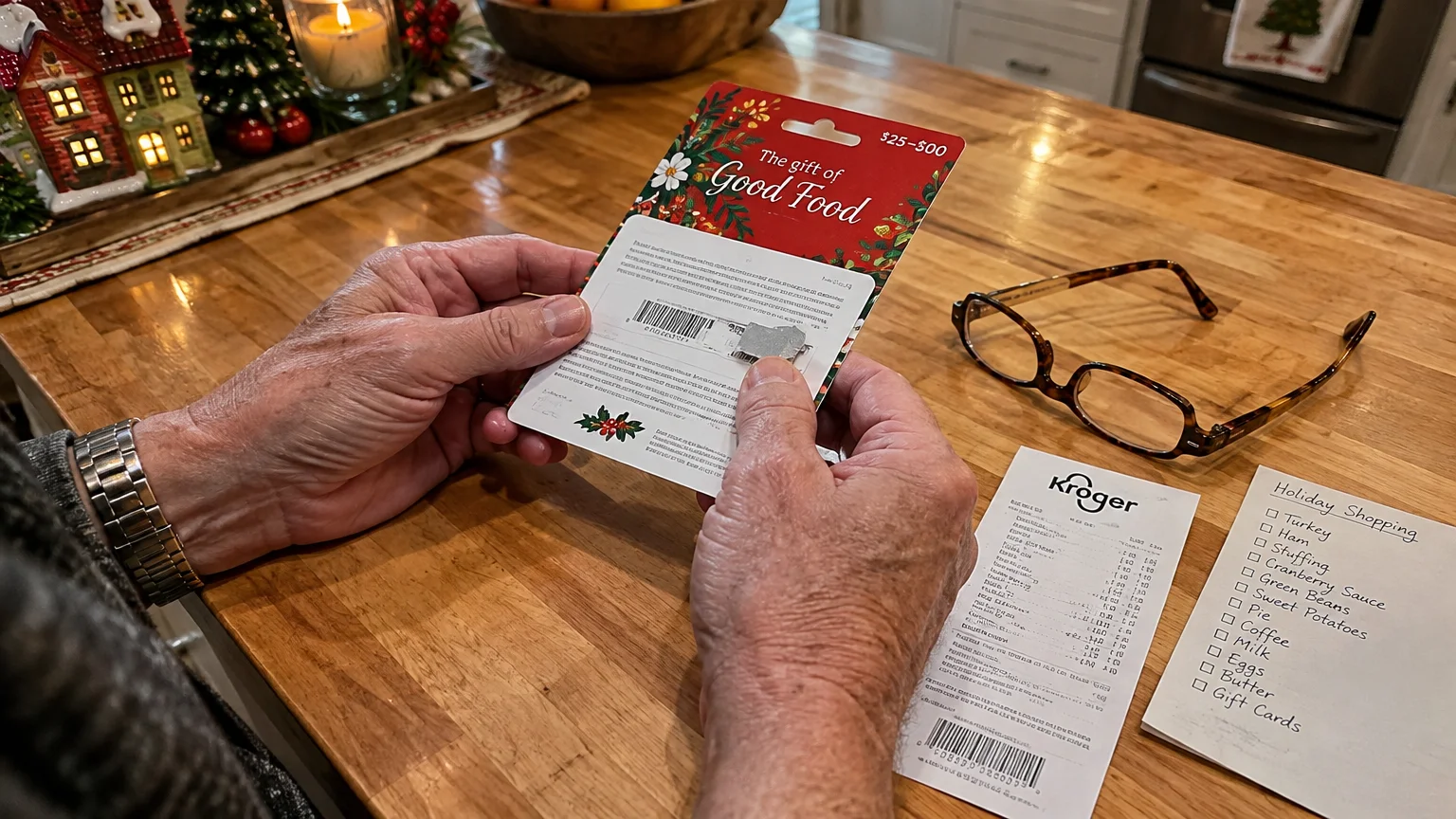
What Can Go Wrong: Costly Holiday Mistakes to Avoid
Holiday distractions and family obligations often lower your natural suspicion during routine financial transactions.
Avoid these four critical mistakes to keep your retirement portfolio thoroughly protected:
Clicking Delivery Links in Text Messages
Opening links inside unsolicited tracking messages exposes your smartphone browser to sophisticated credential-harvesting software.
Always open your web browser independently and enter tracking codes directly on official carrier tracking portals.
Buying Gift Cards from Unsecured Retail Racks
Selecting gift cards displayed openly on store floors exposes you to previously scanned and drained cards.
Ask retail cashiers for cards stored behind service desks, and examine packaging carefully for damaged seals.
Reacting to High-Pressure Family Emergencies
Letting panic drive your decisions plays directly into the emotional traps laid by modern cybercriminals.
Hang up immediately and call your relative on their known phone number before wiring any funds.
Trusting Incoming Caller ID Displays
Digital spoofing applications allow foreign call centers to display local hospital names or government agencies on your screen.
Never assume an incoming call is genuine based solely on the caller ID text displayed on your telephone.

When to Consult a Professional
Certain elder fraud situations require specialized technical, financial, or legal intervention to prevent severe asset loss.
Seek qualified professional assistance under these specific conditions:
Compromised Banking Credentials: Contact your financial institution’s fraud department immediately if you shared bank logins, debit card details, or retirement account access.
Suspected Identity Theft: Consult a financial advisor to place security freezes across Equifax, Experian, and TransUnion files to block unauthorized credit applications.
Year-End Tax Complications: Work with an enrolled agent or certified public accountant if scammers accessed your Social Security number or retirement distributions.
Cognitive Vulnerability and Estate Protection: Speak with an elder law attorney to establish trusted contact authorizations and power of attorney protections for vulnerable loved ones.
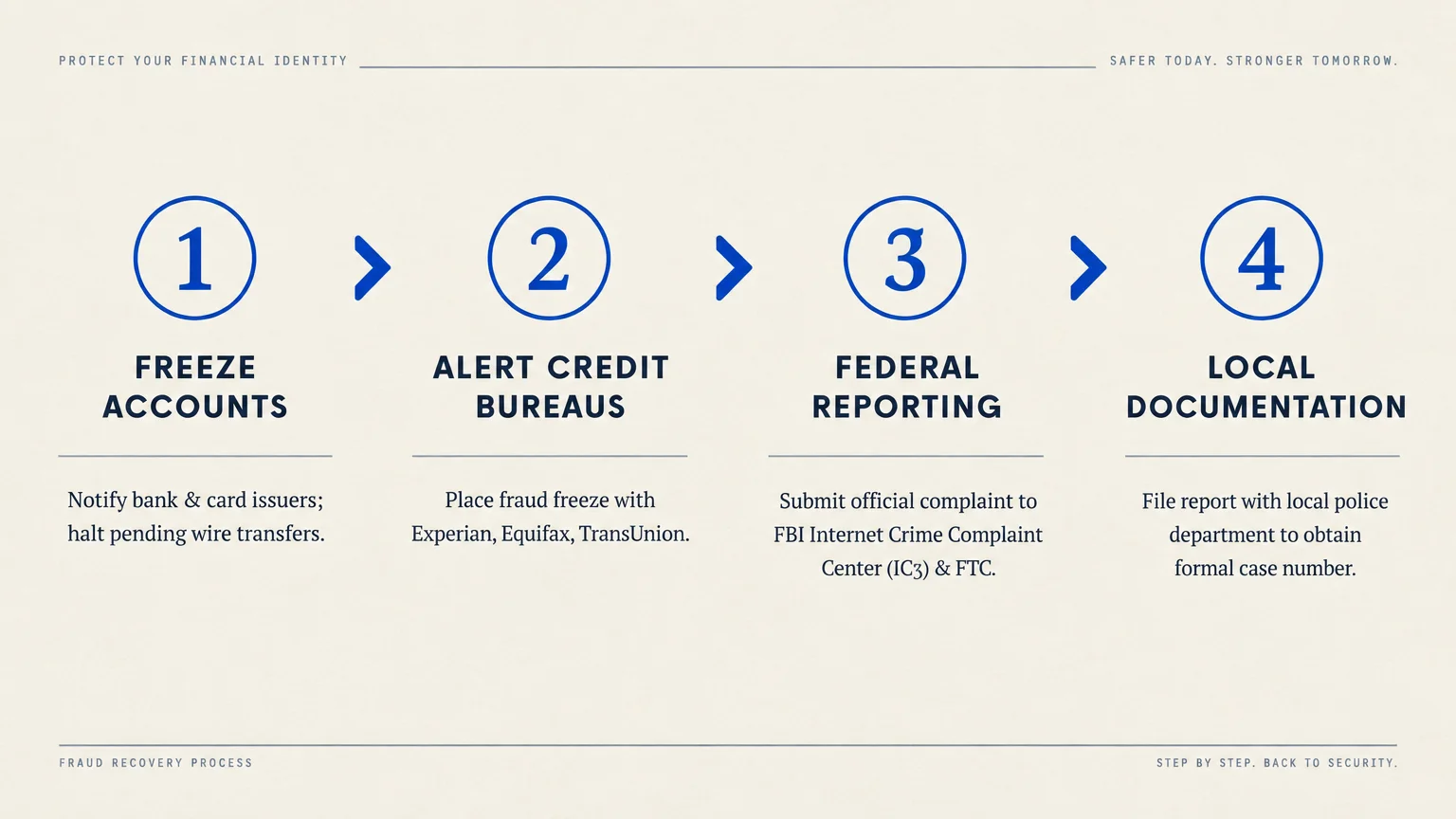
How to Report Elder Fraud and Recover Your Funds
Reporting fraud incidents immediately significantly improves the chances that authorities can intercept stolen retirement assets.
Victims aged 60 and older report average losses of $38,500 per complaint, making swift documentation critical.
Contact these dedicated federal agencies and elder support programs if you encounter scams targeting seniors:
- U.S. Department of Justice National Elder Fraud Hotline: Call 1-833-372-8311 for free reporting assistance and personalized case management.
- AARP Fraud Watch Network Helpline: Call 1-877-908-3360 to review suspicious communications with trained specialists at AARP.
- FBI Internet Crime Complaint Center: Submit detailed cybercrime and wire transfer reports online at ic3.gov.
- Federal Trade Commission: File reports on imposter schemes and deceptive business practices at ReportFraud.ftc.gov.
Review comprehensive consumer education materials available from the Consumer Financial Protection Bureau to strengthen your financial defenses.
Frequently Asked Questions About Holiday Scams
What should you do immediately if you sent money to a scammer?
Contact your bank or wire transfer provider immediately and request a fraudulent transaction recall. If you purchased gift cards, contact the card issuer directly with your store receipt to freeze remaining balances.
How can you safely purchase retail gift cards during the holidays?
Purchase gift cards directly from behind the store service counter or buy digital codes through official retailer websites. Always examine physical cards to ensure protective scratch-off packaging remains completely intact.
Why do cybercriminals target older adults more frequently during the holidays?
Criminals capitalize on the combination of holiday generosity, complex seasonal travel schedules, and significant accumulated retirement savings. High holiday shopping volumes also make deceptive shipping texts look routine and believable.
Does Medicare ever place unannounced phone calls to seniors?
Medicare representatives never call beneficiaries unprompted to request personal identification numbers or charge for updated plastic cards. Hang up immediately if any caller demands personal information to maintain your health insurance coverage.
Safeguarding Your Retirement This Winter
Maintaining financial independence requires consistent vigilance, careful digital verification, and open discussions with family members.
By learning how to avoid scams and pausing before responding to unexpected demands, you keep your holiday joyful and secure.
This is educational content based on general retirement and financial principles. Individual results vary based on your situation.
Always verify current benefit rules, tax laws, and eligibility requirements with official sources like SSA, Medicare.gov, or the IRS.
Last updated: March 2026. Retirement benefits, tax rules, and healthcare regulations change frequently—verify current details with official sources.








Leave a Reply