
Many retirees assume paying off a mortgage means credit scores no longer matter. In reality, maintaining an accurate credit profile protects your hard-earned nest egg from predatory scams and costly financial surprises.
Criminal syndicates increasingly target older Americans with sophisticated identity fraud schemes. Regularly reviewing your credit files ensures unauthorized accounts and fraudulent inquiries never go undetected.
Checking your files today costs nothing and will not lower your credit scores. Here is why proactive retirees are making credit reviews a priority this month.
1. Escalating Elder Fraud Losses Demand Immediate Vigilance
Elder financial exploitation has escalated into an urgent national crisis. Syndicates specifically target seniors who possess accumulated savings, excellent credit histories, and substantial home equity.
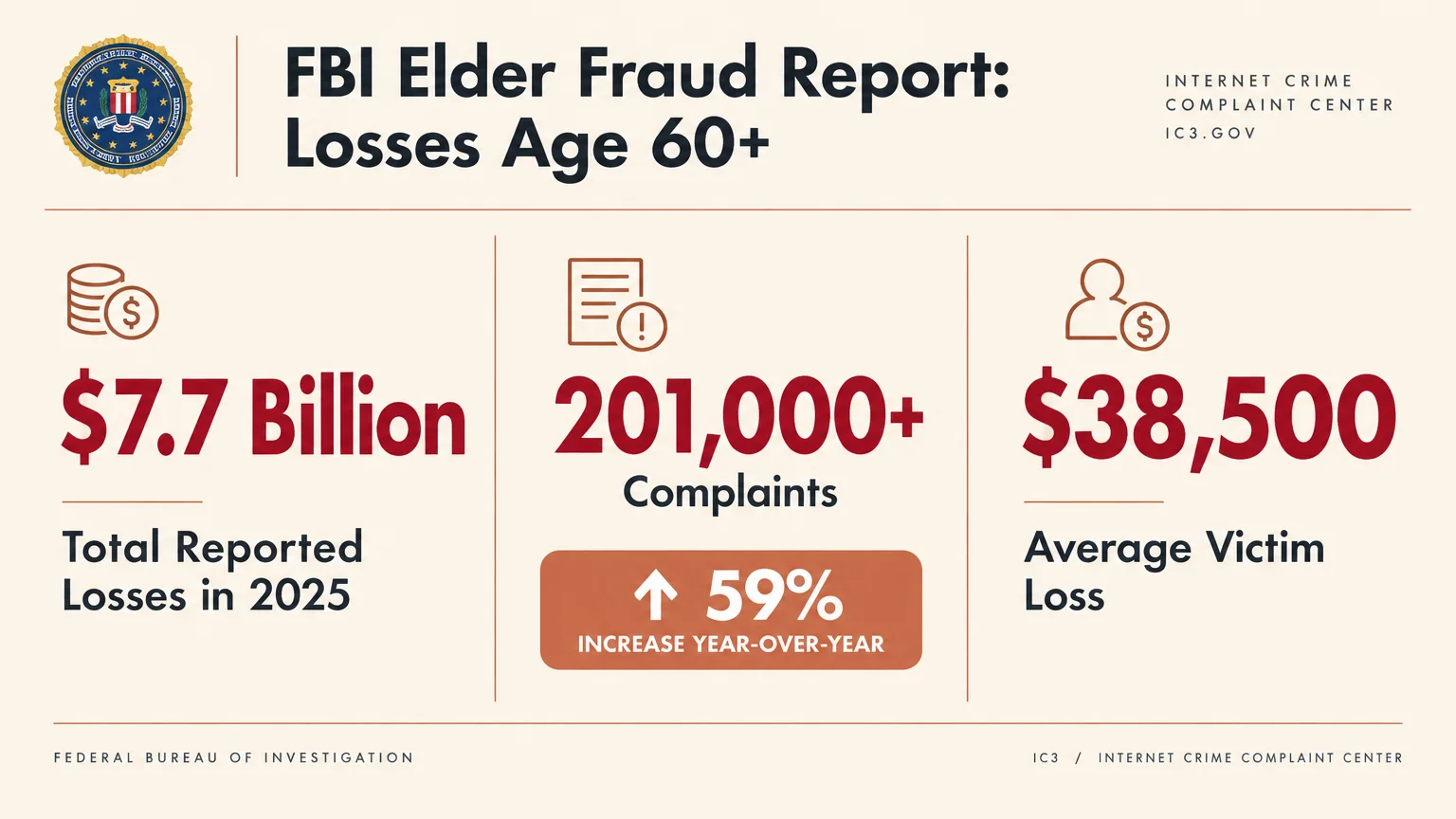
According to the FBI Internet Crime Complaint Center, victims aged 60 and older reported over $7.7 billion in fraud losses in 2025 across more than 201,000 complaints.
This staggering figure reflects a 59 percent increase in losses compared to the prior year. The average victim suffered an out-of-pocket loss of $38,500.
Criminals exploit personal information to open fraudulent credit cards, drain equity, or obtain personal loans in your name. For this reason, identity theft retirees experience often starts quietly on an unchecked credit profile.
Reviewing your files allows you to spot bogus inquiries and newly opened lines before severe financial damage occurs.
2. Free Weekly Credit Reports Are Now Permanent
For years, federal law only guaranteed consumers one free credit disclosure every twelve months. Many retirees rationed their checks, requesting one bureau file every four months.
That limitation no longer exists. In October 2023, the nationwide credit bureaus—Equifax, Experian, and TransUnion—made free weekly access permanent through AnnualCreditReport.com.
This permanent change gives you regular visibility into your records without spending a single dollar. Conducting a routine free credit report check allows you to spot inaccuracies early.
Accessing your disclosures through this authorized portal results in a soft inquiry. It will never lower your credit scores or alert lenders.
3. Clearing Erroneous Medical Debt from Credit Files
Healthcare expenses represent one of the largest budget categories in retirement. Unfortunately, complex billing errors between providers and Medicare frequently result in unwarranted collection notices.
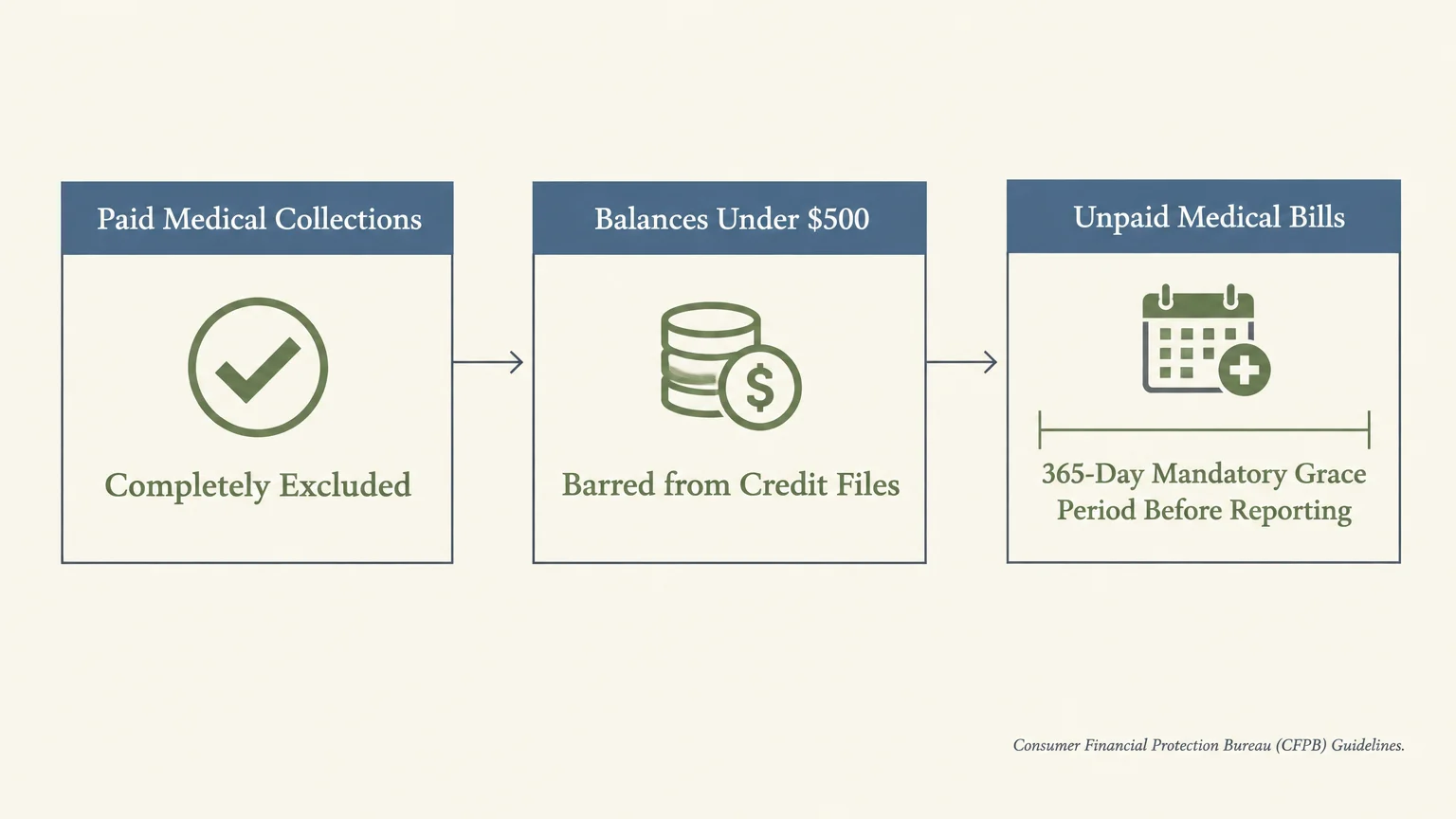
Major credit bureaus updated their reporting policies to better protect consumers. Collections from paid medical debts no longer appear on credit records.
The bureaus also removed all medical debt collections with an initial balance under $500. Additionally, unpaid medical bills must undergo a 365-day grace period before appearing on files.
Despite these regulations, outdated or improper medical entries still slip through. You should consult guidance from the Consumer Financial Protection Bureau (CFPB) to dispute medical collections that violate these federal thresholds.

4. Preventing Dormant Account Takeovers and Ghost Inquiries
Many retirees carry credit cards opened decades ago that now sit untouched in a drawer. These dormant accounts represent prime targets for sophisticated cybercriminals.
Hackers intercept account notifications, alter mailing addresses, and order replacement cards without your knowledge. Because you rarely use the card, months could pass before you discover the unauthorized balances.
Regular credit reviews show every active line associated with your Social Security number. If a dormant card suddenly reports activity, you can intervene immediately.
Closing old accounts is not always wise, as doing so can shorten your credit history length. Monitoring them through regular reports provides protection without damaging your score.

5. Protecting Your Auto and Homeowners Insurance Premiums
Most retirees know lenders review credit scores, but few realize property insurers do as well. In most states, auto and homeowners insurance carriers utilize credit-based insurance scores to calculate annual premiums.
Actuarial models suggest that individuals with lower credit scores file more frequent insurance claims. Consequently, a surprise reporting error could cause your monthly premiums to climb significantly.
Even if you have never missed a payment, inaccurate balances or misreported defaults drag your score downward. A quick quarterly review prevents you from paying hundreds of dollars in unnecessary insurance surcharges.

6. Preparing for Downsizing, Relocation, or New Leases
Retirement often brings lifestyle transitions, such as downsizing from a family home to a condominium or moving into an active adult community. Even well-funded moves require clean credit profiles.
Property management companies and 55-plus communities screen prospective tenants thoroughly. They examine payment histories, outstanding balances, and public records before approving lease agreements.
Discovering an identity mix-up or an unresolved billing dispute while trying to secure housing can derail your relocation plans. Verifying your records well before submitting housing applications keeps your transition stress-free.
“A great credit score is an investment in your peace of mind and your financial independence.” — Suze Orman, Personal Finance Author & Advisor
Maintaining stellar credit preserves your flexibility when making major life choices. It ensures that your options remain open whenever you decide to move.
7. Exercising Your Federal Right to Free Credit Freezes
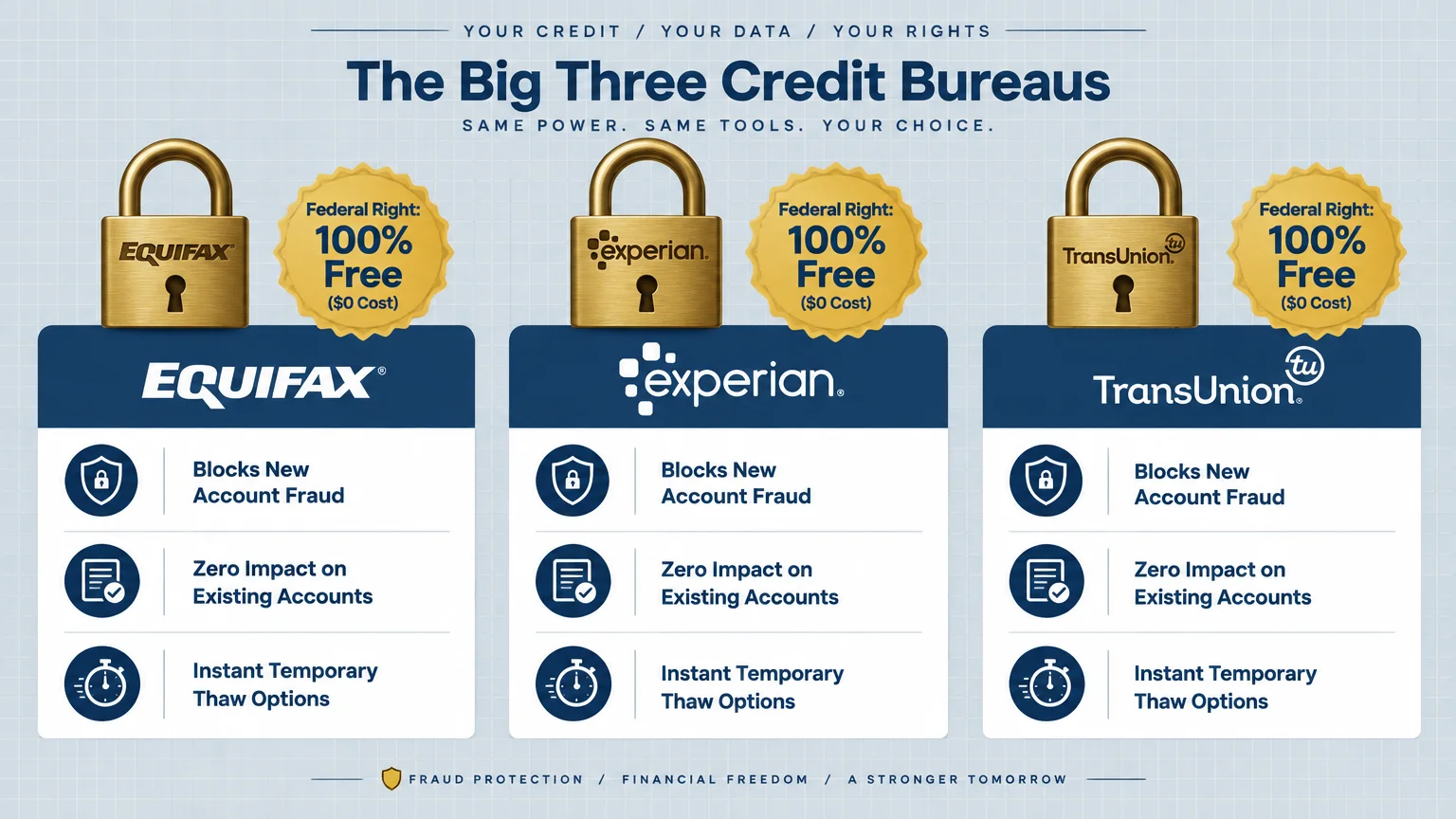
Placing a security freeze on your credit files remains the single most effective defense against unauthorized accounts. A freeze prevents potential lenders from accessing your credit report to open new lines.
Under the Economic Growth, Regulatory Relief, and Consumer Protection Act of 2018, freezing and unfreezing your files is completely free. Credit reporting agencies cannot legally charge you fees for this protection.
Unlike commercial locks that come bundled with monthly fees, a federal security freeze carries strict legal guarantees. Freezing your files does not hinder existing credit accounts or your daily card usage.
If you need to apply for a loan or lease, you can temporarily lift the freeze online within minutes. For retirees not actively seeking credit, keeping files frozen provides unparalleled security.

8. Eliminating Synthesized and Mixed Credit Files
Mixed credit files occur when a credit reporting agency combines the financial records of two different people. This issue frequently affects family members who share identical names, such as senior and junior generations.
If your adult child shares your name and past addresses, their late payments or high card balances might inadvertently appear on your profile. These errors unfairly lower your score.
Similarly, cybercriminals generate synthetic identities by combining legitimate Social Security numbers with fictitious names. Older adults with stable credit histories make attractive targets for synthetic identity rings.
Scrutinizing your reports allows you to identify unfamiliar names, altered birth dates, or strange addresses linked to your identity. Disputing these mixed entries restores the integrity of your personal financial record.
9. Claiming Extra Equifax Settlement Reports Before 2026 Ends
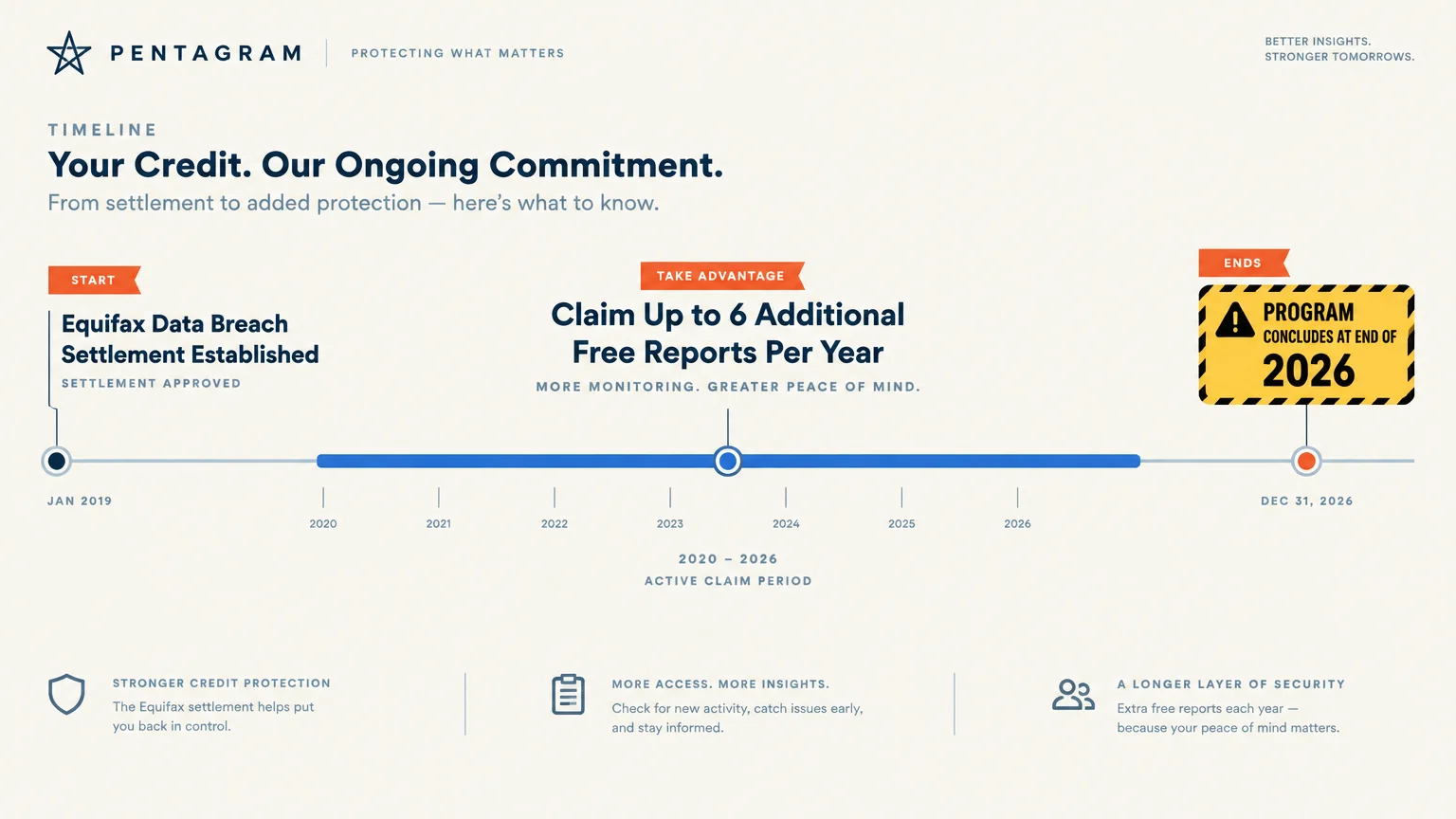
Consumers impacted by historical data breaches have access to extended credit monitoring remedies. Under the legal settlement resolving the 2017 Equifax data breach, Americans can claim six additional free credit reports each year directly from Equifax.
This settlement provision remains active through December 31, 2026. These additional disclosures provide an extra layer of oversight without any subscription costs.
Retirees who prefer staggered reviews throughout the year can utilize these settlement reports alongside weekly disclosures. Leveraging these extra checks ensures ongoing vigilance against fraudulent activities.
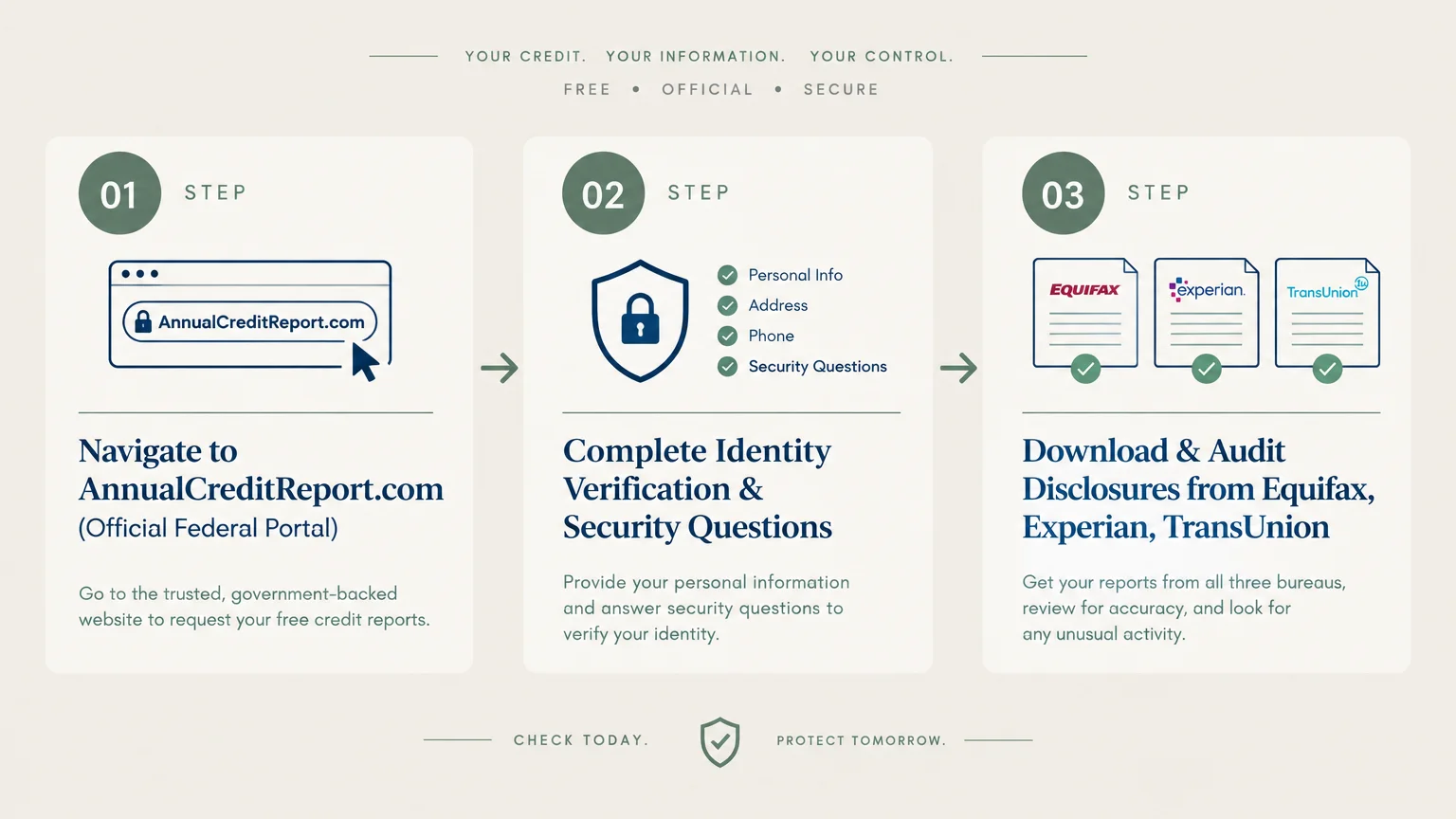
How to Check Credit Report Files Step-by-Step
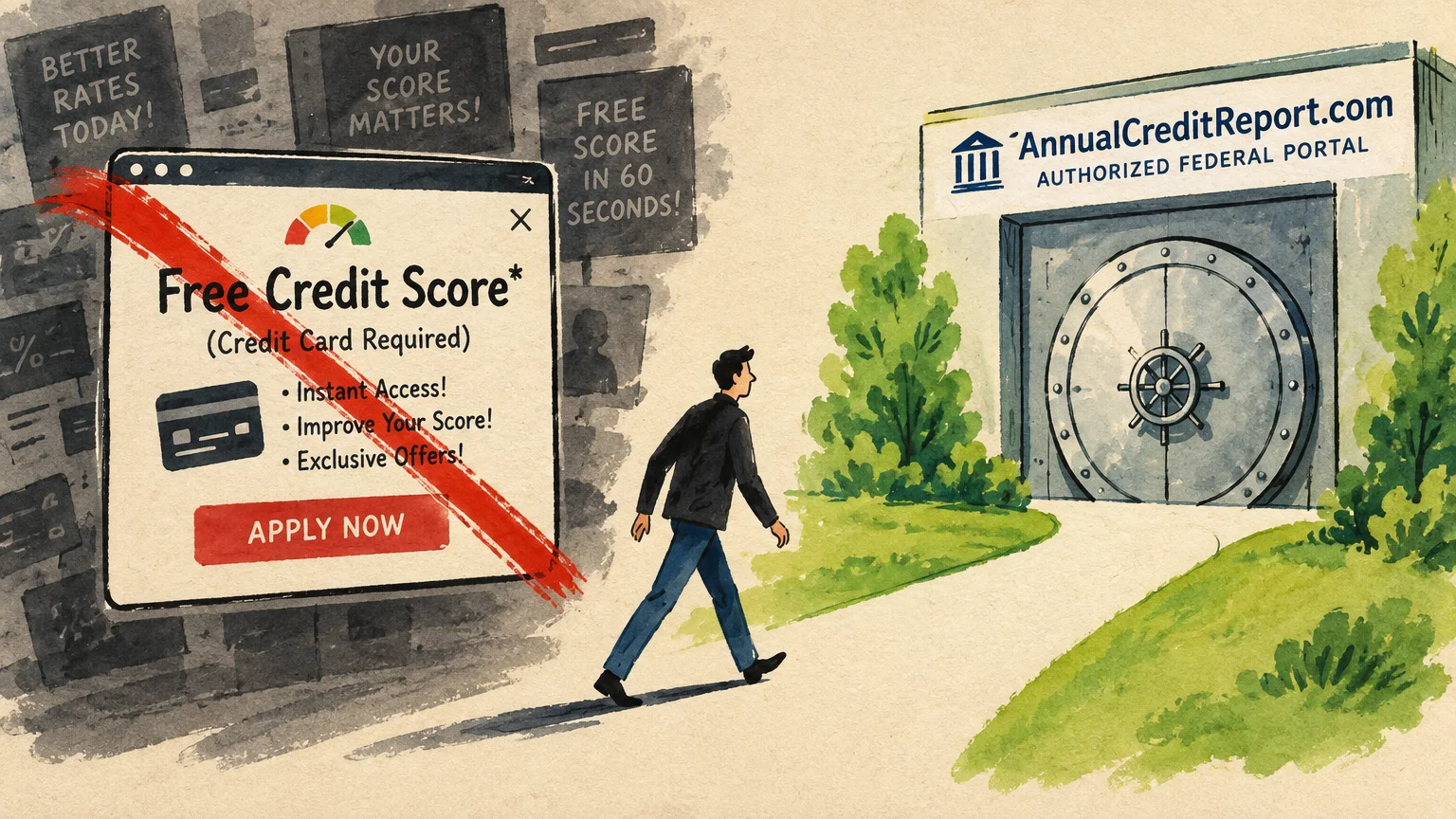
Checking your credit files requires only a few minutes when using the official federally approved channel. Avoid third-party promotional websites that demand credit card information for free trials.
Follow these straightforward steps to retrieve and verify your records safely:
- Navigate directly to the official portal at AnnualCreditReport.com or call 1-877-322-8228.
- Provide your legal name, current address, previous addresses from the past two years, Social Security number, and date of birth.
- Answer identity authentication questions based on past mortgages, auto loans, or banking relationships.
- Download and save electronic copies of your credit disclosures from Equifax, Experian, and TransUnion.
- Review personal identification details, account listings, public records, and recent inquiries line by line.
If you spot an error, file a written dispute directly with the reporting agency. Under the Fair Credit Reporting Act, agencies must investigate and resolve disputes within 30 days.
For step-by-step guidance on identifying identity scams, resources from AARP provide retirees with direct fraud-fighting assistance.
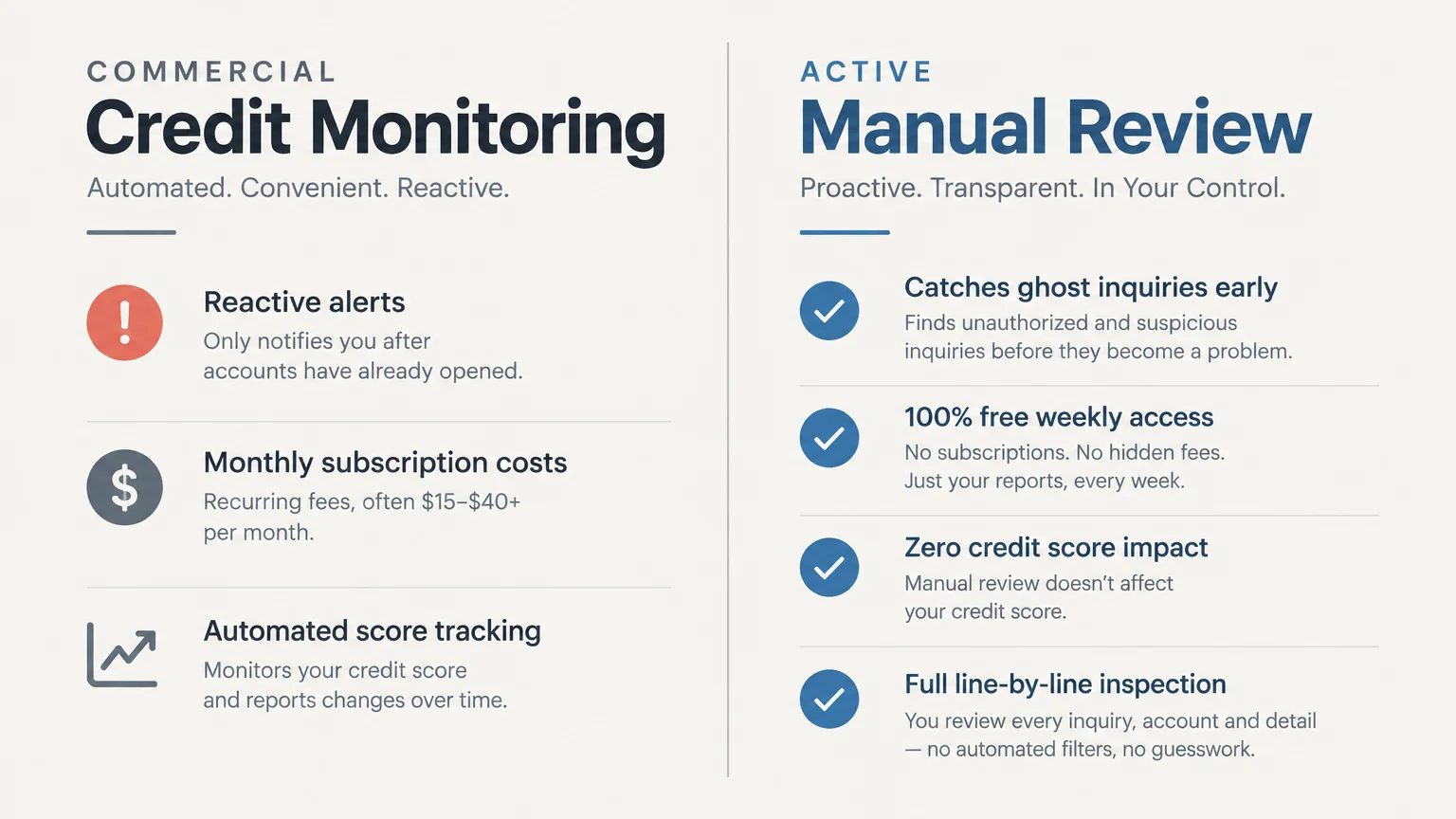
Credit Monitoring for Seniors vs. Active Manual Reviews
Many financial firms aggressively market paid subscription services to older adults. Understanding the difference between commercial credit monitoring for seniors and free self-managed tools prevents unnecessary spending.
While paid services offer automated text alerts, they rarely stop fraud from occurring in real time. A federal security freeze coupled with manual weekly checks offers superior protection at zero cost.
Compare the available methods below to choose the best defense strategy for your household:
| Protection Method | Direct Cost | Fraud Prevention Level | Effort Required | Best Suited For |
|---|---|---|---|---|
| AnnualCreditReport.com | Free | Detection only | Low to Moderate | Routine annual and quarterly audits |
| Federal Security Freeze | Free by law | Proactive prevention | Low (set once) | Retirees not opening new credit lines |
| Paid Credit Monitoring | $10 to $40 monthly | Detection only | Very low | Individuals wanting passive alerts |
| Bureau Mobile “Locks” | Varies (often bundled) | Contractual block | Low | Consumers wanting app-based convenience |
Relying exclusively on paid alerts can create a false sense of security. Taking active control of your files remains the most dependable safeguard for your retirement funds.
Common Mistakes to Avoid
Even seasoned retirees can make missteps when managing their credit profiles. Steering clear of these pitfalls keeps your rating high and your personal information safe.
- Closing long-standing credit cards: Closing old accounts reduces your available credit and shortens your credit history length, which can inadvertently drop your FICO score.
- Paying for routine credit reports: Never pay recurring monthly subscription fees for standard credit disclosures that federal regulations provide for free.
- Fearing the impact of self-checks: Checking your personal credit report is always a soft inquiry that has zero impact on your credit score.
- Ignoring minor collection notices: Small administrative or medical errors can snowball into damaging collection entries if left unaddressed.
- Forgetting to safeguard Social Security numbers: Avoid carrying your physical Social Security card in your wallet; protect it alongside your credit records.
Safeguarding your retirement income also means protecting your government benefits. Check your account records with the Social Security Administration (SSA) regularly to prevent benefit redirection fraud.

Professional vs. Self-Guided Management
Determining whether to manage credit tasks yourself or hire professional assistance depends on the complexity of your situation. Most retirees manage routine tasks independently, but certain crises require experienced counsel.
Consider these specific scenarios when choosing your approach:
- Routine Credit Audits and Freezes (Self-Guided): Setting up a free credit freeze and downloading reports via AnnualCreditReport.com is simple, cost-free, and best handled by yourself online.
- Persistent Inaccuracies and Mixed Files (Self-Guided with CFPB Escalation): If a bureau fails to resolve a valid dispute within 30 days, filing a formal complaint directly through the CFPB portal usually resolves the dispute without hiring an attorney.
- Complex Identity Theft and Financial Exploitation (Professional Assistance): If bad actors have taken out large mortgages or accumulated significant tax liabilities in your name, retain an elder law attorney or an accredited identity restoration specialist.
- Estate Planning and Power of Attorney Management (Professional Assistance): When managing credit files for an incapacitated spouse or parent, consult a Certified Financial Planner (CFP) or legal counsel to properly file fiduciary documentation with the credit bureaus.
Frequently Asked Questions
Does checking my own credit report lower my credit score?
No, pulling your own disclosure constitutes a soft inquiry. Soft inquiries do not impact your credit score in any way, regardless of how often you review your files.
How often should retirees check their credit reports?
A quarterly review provides strong protection for most seniors. However, checking monthly or weekly is advantageous if you recently experienced identity theft or received data breach notifications.
Can someone open accounts in my name if my credit is frozen?
A federal credit freeze stops almost all unauthorized new accounts. Because lenders cannot access your credit files to evaluate risk, they will reject new credit applications automatically.
How long do negative items stay on a credit report?
Most negative remarks remain on your credit files for seven years from the original delinquency date. Bankruptcy filings can remain visible for up to ten years.
Protecting Your Financial Autonomy
Taking an hour this month to inspect your credit reports gives you clarity and security. A clean credit profile preserves your financial autonomy, lowers your living costs, and safeguards your hard-earned assets.
This article provides general retirement education and information only. Every retiree’s situation is unique—what works for others may not work for you. For personalized advice, consider consulting a qualified financial professional such as a CFP or CPA.
Last updated: March 2026. Retirement benefits, tax rules, and healthcare regulations change frequently—verify current details with official sources.









Leave a Reply