
A routine autumn insurance check can save you thousands of dollars while sealing dangerous gaps in your retirement safety net. Major policy deadlines and premium shifts cluster between September and December.
Reviewing your contracts each fall allows you to adjust coverage limits, claim newly available discounts, and align protections with your lifestyle. Taking action today prevents costly coverage surprises next year.
Use this seasonal window to systematically inspect your healthcare, property, and asset protections before insurer deadlines close. A few deliberate adjustments now will safeguard your nest egg for years to come.
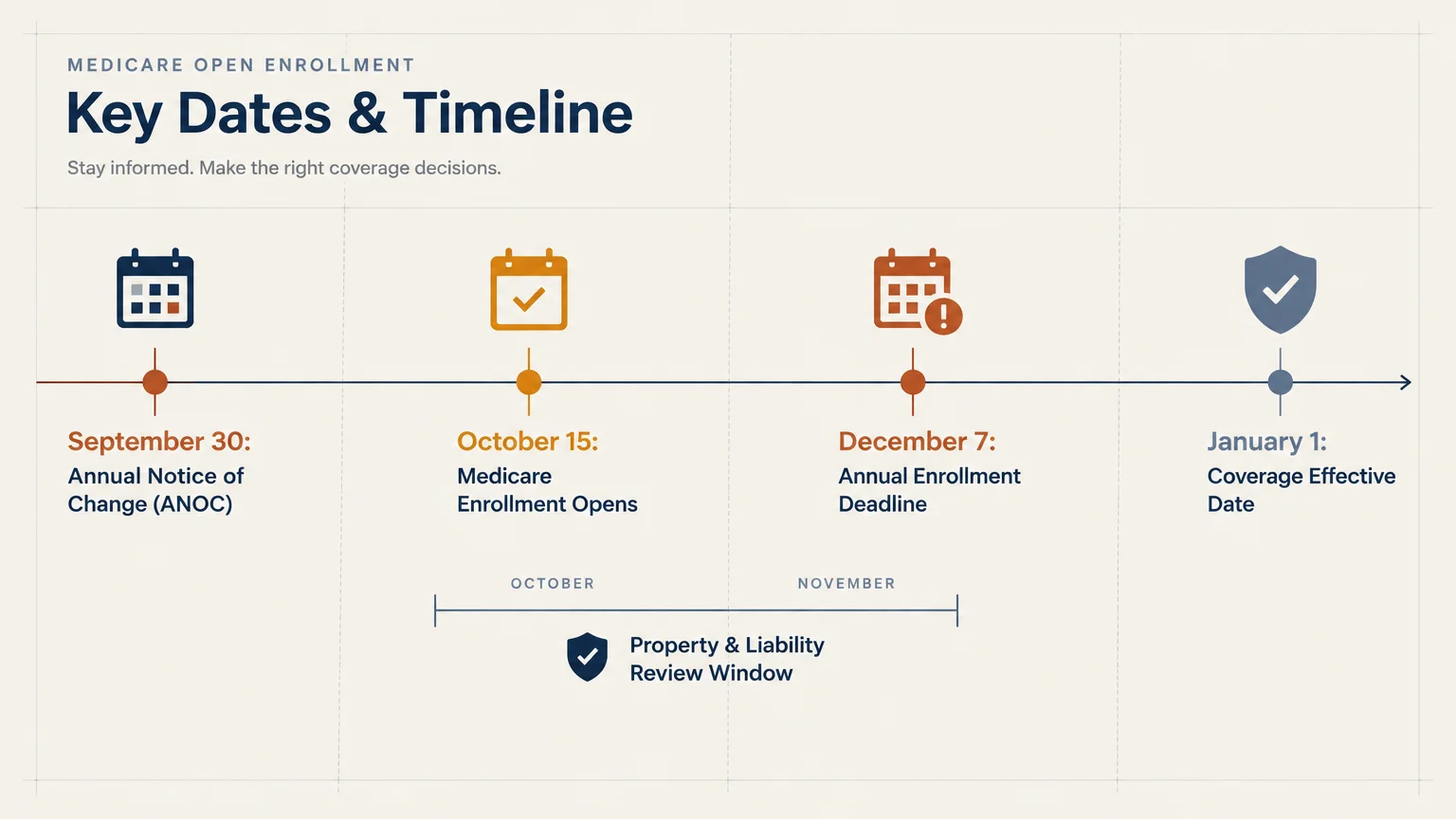
At a Glance: The Autumn Policy Audit
Autumn brings strict statutory deadlines for healthcare enrollment alongside significant seasonal shifts in property and liability risks.
Auditing your insurance portfolio before year-end safeguards your retirement assets against unexpected out-of-pocket expenses.
1. Medicare and Supplemental Health Coverage
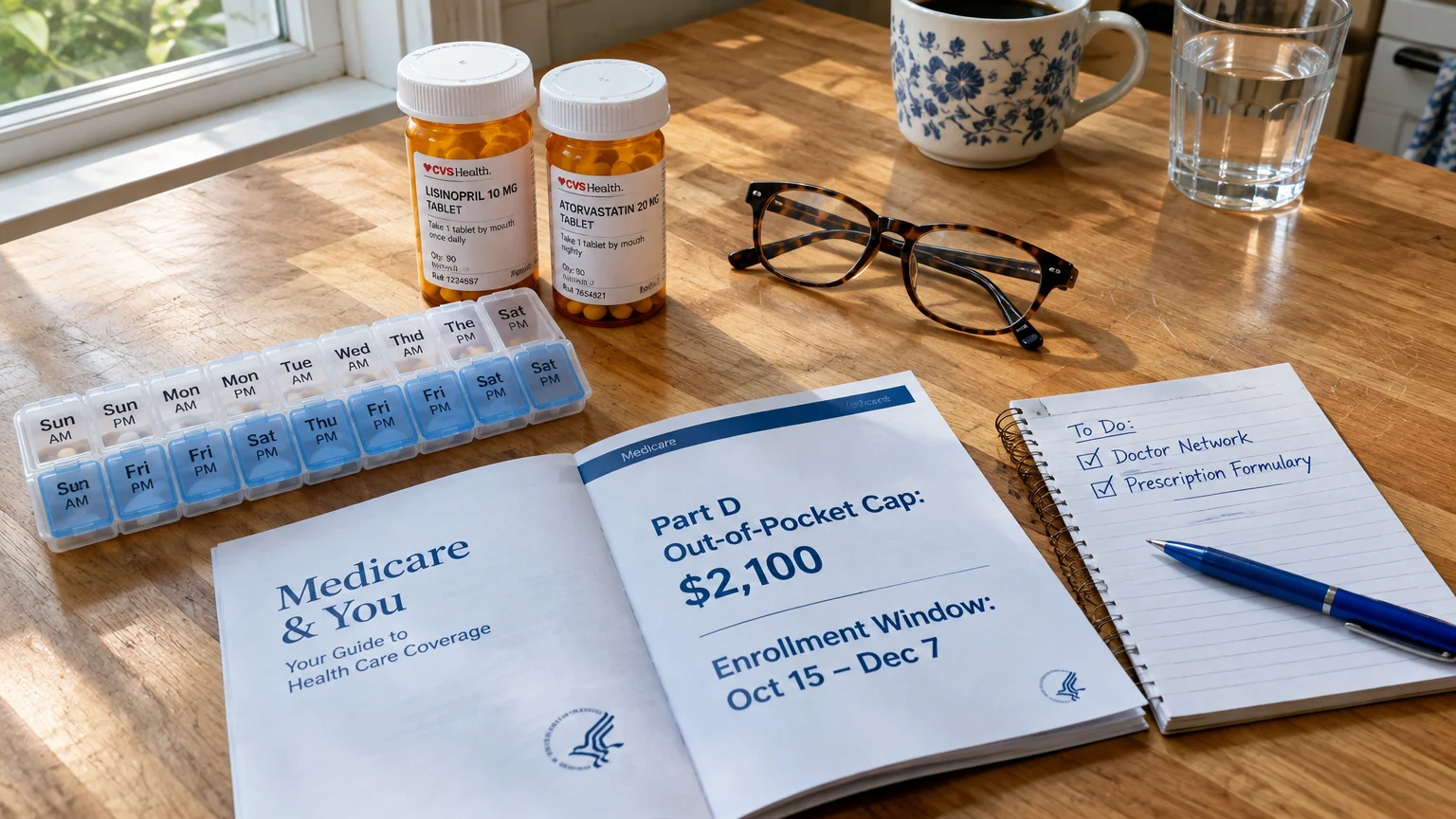
The Medicare Annual Enrollment Period runs strictly from October 15 through December 7 each year. Any coverage modifications you make during this window take effect on January 1.
Insurance carriers must deliver your Annual Notice of Change by September 30. This critical packet details adjustments to your prescription formulary, doctor networks, and copay requirements.
Pay close attention to your prescription costs. Under current federal guidelines, Part D out-of-pocket medication expenses are capped at $2,100 per year.
You can also elect the Medicare Prescription Payment Plan. This feature spreads your pharmacy out-of-pocket costs into predictable monthly installments throughout the calendar year.
Visit Medicare.gov to compare drug plans and Medicare Advantage options directly against your actual prescriptions.

2. Homeowners and Property Insurance
Average annual home insurance premiums across the country have surged to between $2,400 and $2,720 for standard dwelling coverage. Persistent inflation in construction materials and labor costs drives these continuous rate adjustments.
An estimated 12 million American homes currently lack sufficient coverage to rebuild after a catastrophic loss. A standard policy limit established a decade ago rarely covers current rebuilding expenses.
Ask your carrier to verify your dwelling coverage limits against local building costs. You should also confirm whether your policy contains an extended replacement cost or inflation guard endorsement.
Look closely at roof settlement clauses before winter arrives. Many insurers now pay actual cash value rather than full replacement cost for aging roofs.

3. Auto Insurance and Mileage Reclassification
Retiring permanently changes your driving habits. Your annual vehicle mileage often drops from a commuter average of 15,000 miles down to 7,000 miles or less.
Auto insurers price policies based heavily on vehicle use tiers. Notify your insurer to reclassify your vehicle from commute status to pleasure driving to immediately reduce your base premium.
Retirees can also unlock meaningful discounts through safe-driving education. Completing an approved driver safety course through AARP yields a mandatory or voluntary discount of 5% to 10% in over thirty states.
These state-mandated discounts usually remain active for three full years. Spending a single afternoon taking an online course provides immediate, reliable compounding savings.

4. Personal Umbrella (Excess Liability) Coverage
An umbrella policy provides secondary liability protection that activates once your auto or homeowners coverage limits are exhausted. It acts as an impenetrable shield for your accumulated retirement savings.
A typical $1 million umbrella policy costs between $300 and $500 annually. Adding an additional $1 million in liability coverage generally adds just $75 to $150 per year.
Carriers require specific baseline liability limits on your primary policies before issuing an umbrella policy. You typically need $250,000/$500,000 bodily injury on auto insurance and $300,000 to $500,000 in homeowners liability.
If your home equity or brokerage balances grew this year, verify that your liability ceiling matches your current net worth. A single slip-and-fall accident on your property could otherwise jeopardize your financial independence.

5. Long-Term Care Insurance
According to national care surveys, the median cost for an assisted living facility stands at roughly $74,400 annually. A private room in a skilled nursing facility now averages $129,575 per year.
If you own a traditional long-term care policy, evaluate your daily benefit maximums and inflation protection riders every autumn. Many legacy contracts feature 3% or 5% compound inflation adjustments that compound over decades.
Many retirees face steep rate increases on older policies. Instead of lapsing coverage entirely, consult your insurer about reducing benefit periods or extending elimination windows to keep premiums manageable.
“A sound retirement plan does not just generate income; it defends your freedom by insulating your assets from devastating healthcare and liability shocks.” — Suze Orman, Personal Finance Author & Educator
Regular policy checkups allow you to balance protection needs against premium affordability before insurer billing cycles renew.

6. Flood and Severe Weather Insurance
Standard homeowners policies universally exclude water damage caused by overland flooding and storm surge. You need dedicated flood insurance through the National Flood Insurance Program or private underwriters to protect your structure.
The Atlantic hurricane season officially runs through November 30, and late autumn frequently brings intense coastal storms and freeze events. Waiting until a major weather event forms is too late.
Flood policies carry a mandatory 30-day waiting period before coverage takes effect. Securing coverage during early autumn ensures your property remains protected throughout severe winter storms.
While examining flood protections, confirm that your homeowners policy includes a sewer and drain backup rider. This inexpensive endorsement costs around $50 per year and covers interior damage caused by failed municipal drains.

7. Life Insurance and Beneficiary Designations
If you carry a term life insurance policy, check whether your contractual conversion window remains active. Many term contracts permit conversion to permanent life insurance without requiring a medical exam.
This conversion option frequently expires when you reach age 65 or 70. If your health has changed and you still require coverage for estate obligations, act before this window closes.
Autumn is also the perfect time to review primary and contingent beneficiary designations. Beneficiary forms on life insurance contracts, annuities, and retirement accounts supersede whatever instructions you write in your will.
Reviewing these records ensures your assets pass directly to your intended heirs without passing through probate. Update these forms immediately following family marriages, divorces, or births.
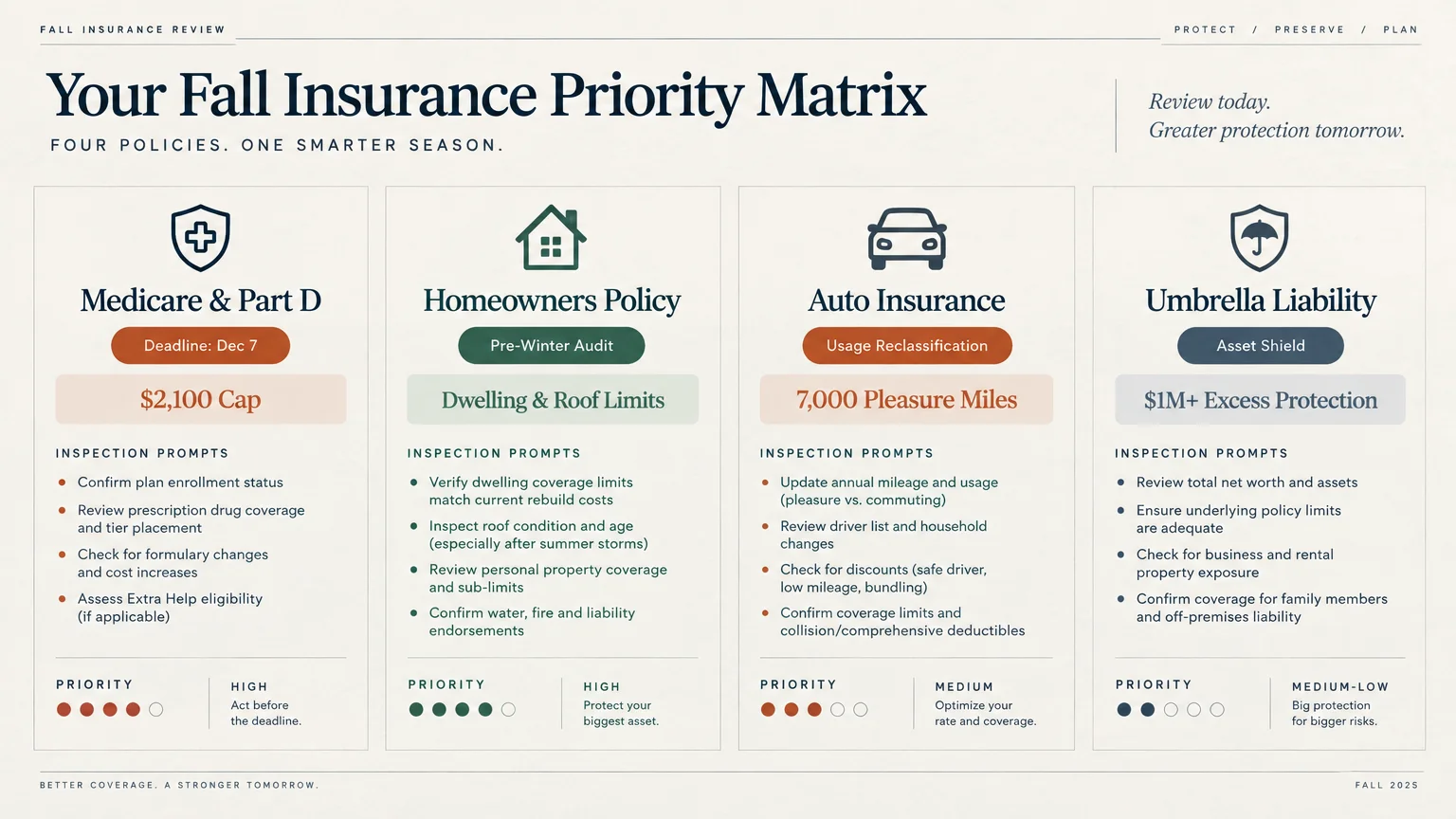
Comparing Your Fall Insurance Priorities
| Insurance Policy | Critical Autumn Action | Key Benchmark or Opportunity |
|---|---|---|
| Medicare Part D & Advantage | Review Annual Notice of Change; re-check drug formularies | $2,100 out-of-pocket cap; monthly installment option |
| Homeowners Insurance | Verify extended replacement cost and roof claim terms | Dwelling coverage matches local construction price hikes |
| Auto Insurance | Reclassify to pleasure driving; submit defensive driving certificate | 5% to 10% premium reduction; lower annual mileage tier |
| Personal Umbrella | Calibrate coverage ceiling to total liquid net worth | $300 to $500 per year for $1M baseline liability shield |
| Long-Term Care | Inspect compound inflation riders and premium stability | Mitigate annual nursing facility expenses exceeding $129,000 |
| Flood & Disaster | Purchase standalone flood policy and water-backup endorsement | Accounts for the mandatory 30-day NFIP waiting period |
| Life Insurance | Track term conversion privileges and beneficiary designations | Conversions often expire between ages 65 and 70 |

Avoiding Common Errors During Your Autumn Review
Many retirees leave their insurance coverage on automatic renewal and miss key changes in policy terms. Falling into passive habits often leads to unnecessary expenses or uncovered losses.
- Discarding the Annual Notice of Change packet without verifying drug formulary changes
- Failing to report reduced commuting miles after retiring from the workforce
- Assuming homeowners insurance covers sewer backup or rising floodwaters
- Canceling a long-term care policy outright when facing a premium hike instead of restructuring benefits
- Relying on a will to distribute life insurance proceeds rather than updating beneficiary documents
Addressing these oversights early in the season keeps your retirement budget stable and eliminates administrative headaches.

When DIY Isn’t Enough
While reviewing annual renewal paperwork is straightforward, certain financial circumstances warrant professional intervention. Bringing in an experienced advisor can prevent costly regulatory and tax mistakes.
Consider partnering with a credentialed advisor in these specific situations:
- Your insurer introduces a rate hike exceeding 30% on a legacy long-term care contract
- Your household net worth expands beyond $1 million, requiring coordinated estate and liability structures
- You manage chronic health conditions and must navigate Medicare Advantage network restrictions
- Blended family dynamics require customized beneficiary designations to avoid estate disputes
A fee-only financial planner registered with the Certified Financial Planner Board can evaluate how each policy interacts with your broader retirement plan.
Frequently Asked Questions
Can I change my Medicare plan outside of the fall enrollment window?
Outside of the fall window, changes require a qualifying life event or participation in the Medicare Advantage Open Enrollment Period from January 1 to March 31. During that winter window, Advantage enrollees may switch plans once.
How much personal umbrella insurance does a typical retiree need?
Your umbrella policy limit should generally equal or exceed your total net worth, including home equity, taxable savings, and retirement accounts. Most retirees start with a $1 million to $2 million policy.
Why do flood policies require an autumn review?
Late autumn brings severe coastal storms, hurricane season finales, and early winter freezes. Because standard flood policies impose a 30-day waiting period, establishing protection in October ensures active coverage before severe winter weather strikes.
What happens if I miss my term life insurance conversion deadline?
If you miss your contractual conversion date, you lose the right to convert the term policy into permanent insurance without undergoing medical underwriting. You must then keep the expiring term or undergo a new medical exam.
Securing Your Retirement Protections
Scheduling a yearly autumn policy audit provides lasting peace of mind. Taking control of your insurance contracts today shields your hard-earned assets and keeps your retirement plan secure for the future.
This article provides general retirement education and information only. Every retiree’s situation is unique—what works for others may not work for you. For personalized advice, consider consulting a qualified financial professional such as a CFP or CPA.
Last updated: March 2026. Retirement benefits, tax rules, and healthcare regulations change frequently—verify current details with official sources.








Leave a Reply