
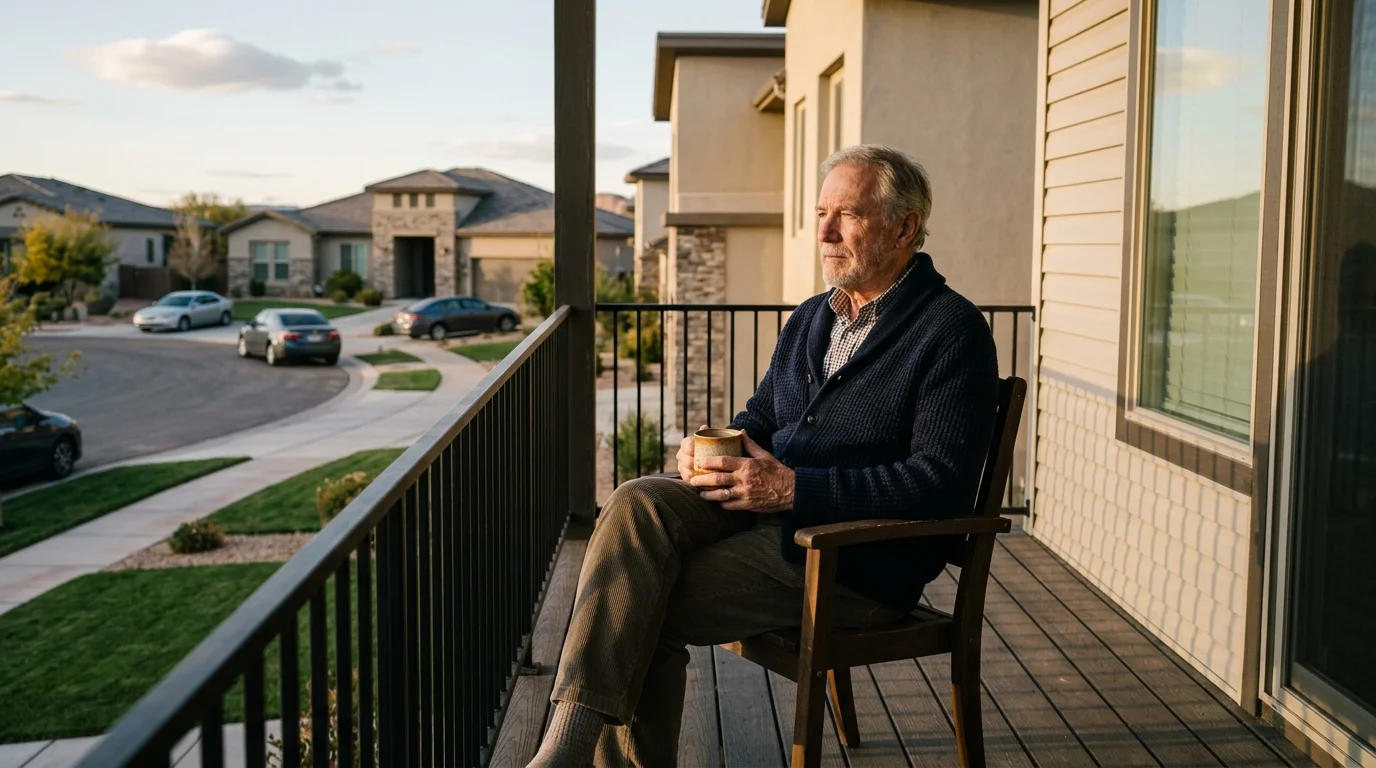
1. Severe Social Isolation and Loss of Your Safety Net
The loss of a familiar social structure represents one of the primary drivers behind retirement relocation regrets. Decades spent in one neighborhood build an invisible web of support—the trusted mechanic, the neighbor who watches your house, the local faith group, and lifelong friends who drop by for coffee. When you pack your bags and move across the country, you disconnect from this established ecosystem overnight.
According to research from the Transamerica Center for Retirement Studies, 36% of retirees who relocate do so specifically to stay close to friends and family. Conversely, those who move away from their core support systems often experience acute loneliness. Rebuilding a deep, meaningful social network in your 60s or 70s requires deliberate, continuous effort and considerable time. Joining local clubs, volunteering, and attending community events helps, but these activities rarely replace multi-decade friendships immediately.
The psychological impact of social isolation also poses severe risks to physical health. Research highlighted by the National Institute on Aging links prolonged loneliness to increased risks of heart disease, cognitive decline, depression, and immune system weakening. When you move to a new town where you know no one, routine setbacks—such as recovering from minor surgery or handling a home repair emergency—become daunting challenges without a nearby support system.








Leave a Reply