
After decades of disciplined saving, spending significant money in retirement often triggers unexpected anxiety. Yet choosing the right splurges can enrich your daily life, protect your mobility, and strengthen family bonds.
Data shows that retiree spending naturally drops by roughly 2% each year as energy levels decline. Postponing every indulgence until later often means missing the physical window to enjoy your wealth fully.
These eleven purchases represent practical investments in health, independence, and joy. Retirees consistently report that these meaningful expenses paid life-changing dividends without creating lasting financial regret.
The Psychology of Spending: Moving Past the Frugality Trap
Transitioning from an asset accumulator to a portfolio spender is one of retirement’s hardest emotional adjustments. Decades of automatic savings habits build a cautious mindset that rarely disappears overnight.
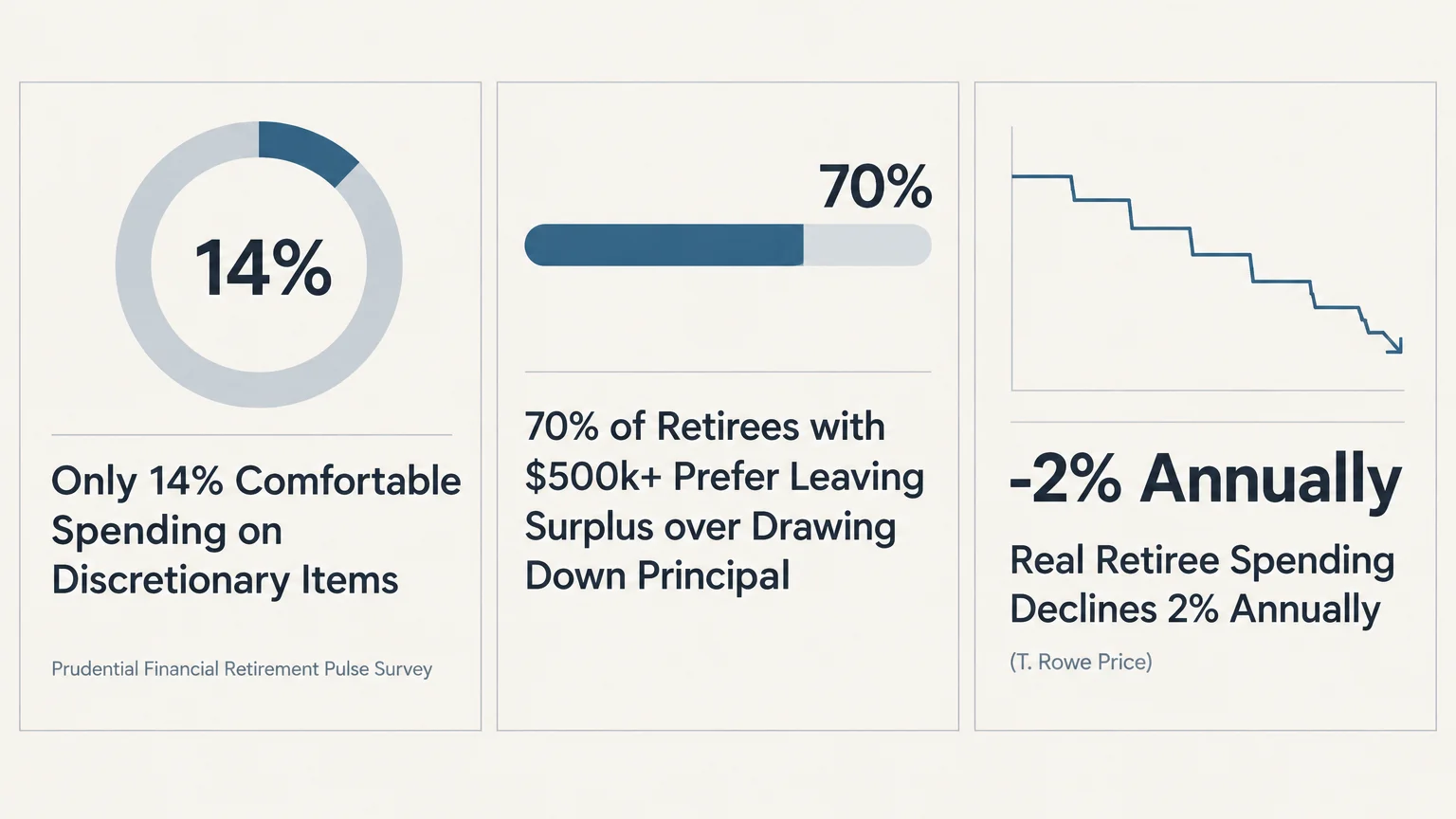
According to Prudential Financial’s Retirement Pulse Survey, only 14% of Americans aged 50 and older feel comfortable spending money on discretionary items. Most retirees harbor deep anxieties about outliving their wealth.
In fact, 70% of retirees with over $500,000 in investable assets would rather leave behind surplus money than draw down their principal balances. This hesitation causes many seniors to unnecessarily shortchange their quality of life.
Research from T. Rowe Price reveals that real retiree spending declines by an average of 2% annually. Spending naturally tapers as you slow down, making early retirement indulgences time-sensitive.
“The goal is not to arrive at retirement with the most money. The goal is to arrive with the most life in your years.” — Mitch Anthony, Retirement Coach and Author
When you align spending with your core personal values, spending money stops feeling reckless. Purposeful splurges turn your accumulated savings into living capital that elevates everyday life.

1. Multigenerational Family Vacations
Funding a major trip for your children and grandchildren routinely tops the list of non-negotiable retiree splurges. Many older adults rent large coastal homes or book European river cruises for the entire clan.
Gathering multiple generations under one roof creates shared memories that last far longer than physical possessions. It also relieves your adult children of vacation costs they might otherwise struggle to afford.
You can execute these trips without adverse tax consequences by utilizing federal gifting exemptions. The Internal Revenue Service (IRS) permits annual tax-free gifts up to $19,000 per recipient.
A married couple electing gift-splitting can provide up to $38,000 per child or grandchild each year without filing Form 709. Covering travel expenses directly counts toward this simple, straightforward exclusion.
Retirees universally note that taking these trips during their early “go-go” years was critical. Waiting even a decade often introduces mobility hurdles that make complex group itineraries impossible.
2. Proactive Aging-in-Place Home Renovations
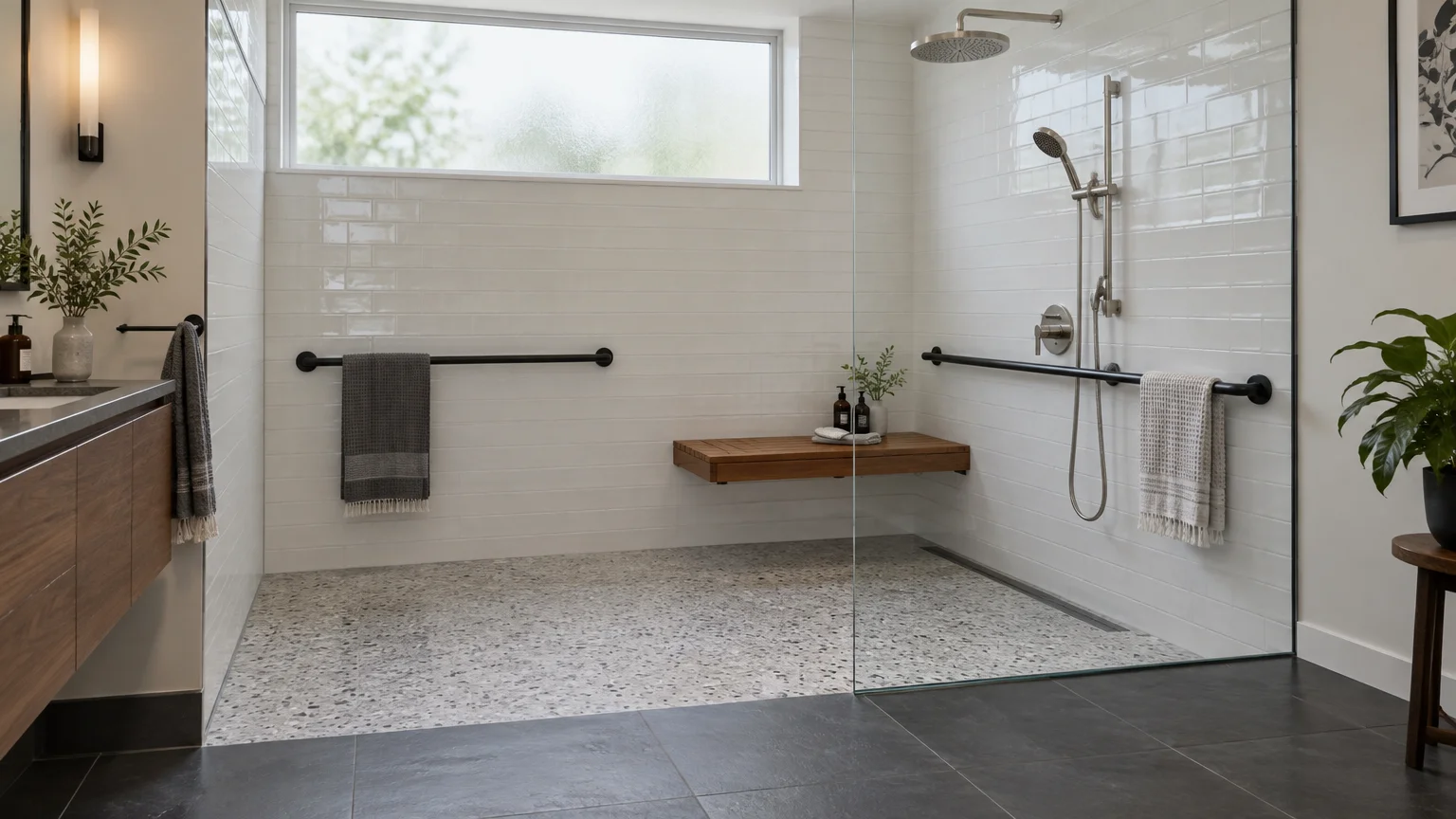
Modifying your home before experiencing a physical emergency is a major investment in personal autonomy. Most homeowners wait until after a catastrophic fall to install accessible features, incurring trauma alongside contractor expenses.
According to industry data, standard bathroom remodels average between $15,500 and $16,500, with comprehensive accessible renovations reaching $25,000 to $45,000. Retirees rarely regret a single penny spent on these overhauls.
Converting a high tub ledge into a curbless walk-in shower averages between $3,300 and $8,000. Eliminating trip hazards makes personal hygiene safe, comfortable, and dignified well into your eighties.
Walk-in safety bathtubs cost between $3,000 and $15,000, averaging roughly $5,000 to $7,000 installed. Hydrotherapy jets soothe arthritic joints while slip-resistant seating keeps you grounded.
Adding exterior ramps, which average $875 to $1,750, eliminates outdoor stairs and prevents devastating injuries. These upfront outlays preserve your independence and frequently delay costly moves into assisted living facilities.

3. Direct Primary Care and Concierge Medicine
Frustration with rushed ten-minute doctor visits drives thousands of retirees toward personalized medical memberships. Paying an annual fee provides direct, unhurried access to your primary care physician.
Concierge practices average between $2,000 and $5,000 annually, while pure Direct Primary Care (DPC) clinics typically charge $50 to $100 per month. Members enjoy same-day appointments and twenty-four-hour physician messaging.
Extended consultations allow doctors to catch emerging chronic illnesses early and thoroughly review your pharmaceutical regimen. For older adults managing complex conditions, this direct oversight provides immense peace of mind.
Remember that retainer fees are strictly out-of-pocket expenses that do not replace standard insurance. You must continue carrying Medicare Part B alongside supplemental coverage for lab work, specialists, and hospital care.
Retirees view this monthly expense as an investment in preventive longevity. Having an advocate who truly knows your medical history removes immense friction from navigating health decisions.

4. Premium Ergonomic Mattresses and Adjustable Bases
Sleep architecture changes significantly as your body ages, resulting in lighter rest and more frequent night waking. Investing several thousand dollars into high-grade sleep equipment delivers tangible daily health dividends.
Adjustable power foundations allow you to elevate your head and legs with the touch of a button. This position relieves pressure on your lower spine and alleviates acid reflux.
Elevating your legs also assists cardiovascular circulation and reduces lower-extremity edema after active days. Pairing an adjustable base with natural latex or pressure-relieving foam cradles arthritic joints.
The National Institute on Aging (NIA) emphasizes that quality sleep directly preserves cognitive acuity and immune defense in seniors. Spending money on sleep hygiene improves every waking hour.
Retirees frequently regret postponing mattress upgrades during their working careers. When joint stiffness disappears in the morning, the financial cost quickly seems trivial.

5. Electric Bicycles for Low-Impact Exploration
Electric bicycles have fundamentally reshaped recreation for older Americans by eliminating the physical penalties of steep hills and head winds. Modern e-bikes provide adjustable pedal assistance tailored to your personal physical condition.
Prices for dependable, safety-certified e-bikes typically range between $1,500 and $4,000. This investment allows older adults with knee replacements or cardiac limitations to stay outdoors safely.
Pedal assist engages your cardiovascular system without overloading sensitive cartilage or aggravating hip joints. You get the benefits of steady aerobic exercise while controlling your total exertion.
Couples with divergent athletic stamina find that e-bikes eliminate pacing imbalances on long cycling outings. Spouses can explore scenic rail-trails together without leaving anyone exhausted or stranded.
Owners consistently report that e-bikes replace sedentary afternoons with vibrant community exploration. The equipment pays for itself through improved cardiovascular endurance and mood elevation.

6. Upgraded Seating on Long-Haul Flights
Spending retirement funds on business class or premium economy seats for intercontinental travel is an investment in your physical wellness. Enduring ten hours in cramped airline seating takes a heavy physical toll.
Lie-flat seats reduce spinal compression and drastically decrease the risk of deep vein thrombosis during overnight ocean crossings. Arriving at an international destination well-rested prevents severe vacation-disrupting fatigue.
Research across traveler forums shows older adults rarely regret paying cash or redeeming credit card points for premium airfare. Eliminating grueling flight discomfort protects the first few days of your destination itinerary.
If full business class pricing strains your annual travel allowance, premium economy provides a sensible middle ground. It delivers wider seats, generous legroom, and priority boarding at a modest fraction of the cost.
Your travel tolerance inevitably shifts as physical resilience declines. Spending extra money to travel comfortably ensures you continue exploring the world throughout your seventies.

7. A Well-Cared-For Companion Dog or Cat
Welcoming a pet into your household provides steady companionship, daily purpose, and structural routine during retirement. While pet ownership requires real capital, owners view it as money exceptionally well spent.
Routine maintenance for a medium-sized dog runs between $1,200 and $4,300 annually, averaging roughly $1,500 for basic food, wellness visits, and preventive medicines. Initial startup supplies add another $1,000 to $3,200.
Veterinary emergencies can push costs substantially higher over the animal’s lifetime. Many prudent retirees offset unpredictable clinical expenses by purchasing comprehensive pet health insurance policies early.
The daily ritual of dog walking forces consistent physical activity and sparks informal social conversations throughout the neighborhood. These routine interactions reduce the isolation risks highlighted by organizations like AARP.
Retirees living alone frequently credit their pets with maintaining their emotional equilibrium and vitality. The unconditional affection and daily structure far outweigh the ongoing veterinary and grocery expenses.

8. Outsourced Home Maintenance and Yard Care
Relinquishing hazardous maintenance chores buys back your personal leisure time while protecting your physical skeleton from traumatic injuries. Ladder falls remain one of the primary drivers of permanent functional disability among seniors.
Hiring professional lawn care services, window cleaners, and gutter maintenance teams costs between $150 and $400 per month depending on property size. This practical expense shields you from dangerous physical hazards.
Offloading exhausting yard work and intense housecleaning frees up physical energy for enjoyable low-impact hobbies. Instead of spending weekend mornings pushing heavy machinery, you can garden, hike, or visit family.
Housekeeping services reduce the daily strain of deep bending, vacuuming, and reaching high fixtures. Maintaining a spotless home without back spasms transforms daily domestic life.
Retirees who value their time view outsourced maintenance as an insurance policy against accidental falls. It preserves your physical capital for pastimes you genuinely love.

9. The Lifetime Senior Pass and Upgraded Outdoor Gear
At just $80 for a Lifetime Pass, the U.S. National Park Service *America the Beautiful* Senior Pass is perhaps the greatest bargain in retirement. Citizens aged 62 and older gain access to over 2,000 federal recreation sites nationwide.
The real splurge comes in pairing this government pass with high-quality camping, hiking, and travel equipment. Purchasing lightweight trekking poles, waterproof technical outerwear, and supportive hiking boots transforms outdoor comfort.
Investing in reliable rooftop tents, comfortable camper conversions, or quality binoculars encourages spontaneous national park excursions. The upfront equipment investment quickly turns into a gateway for low-cost adventures.
Federal recreation areas offer immaculately maintained accessible trails and educational ranger programs. Experiencing iconic landscapes keeps your mind engaged and your legs active.
Retirees often pair these road journeys with regional history exploration across multiple states. Having durable gear ensures adverse weather never dampens your enthusiasm on the trail.

10. Immersive Lifelong Learning and Creative Studios
Retirement provides the unhurried calendar space needed to master artistic, musical, or intellectual pursuits you delayed during your career. Funding high-caliber instruction and professional-grade creative equipment provides lasting mental fulfillment.
Whether buying a fine acoustic guitar, building a dedicated woodworking shop, or paying for international language immersions, these expenses invigorate your cognitive faculties. Active mental stimulation keeps neural pathways firing smoothly.
Enrolling in multi-week university extension seminars or intensive craft retreats introduces you to motivated peer networks. These structured environments replace the social interaction previously provided by your professional workplace.
Creative pastimes create measurable daily purpose and tangible output you can share with your community. Retirees consistently report that funding their genuine curiosities brought deep intellectual satisfaction.
Skimping on subpar tools or entry-level instruments often causes frustration that derails learning. Investing in proper equipment from the start ensures your creative momentum stays high.

11. Strategic Living Gifts to Children and Grandchildren
Giving money away while you are alive allows you to witness the tangible benefits of your lifetime labor. Rather than locking assets away for a distant inheritance, many retirees fund immediate family milestones.
Helping adult children with a home down payment or funding a grandchild’s 529 college savings plan relieves intense pressure on young families. Observing their financial stability brings far deeper satisfaction than reviewing account balances.
You can also make unlimited direct payments to educational institutions or medical providers on a relative’s behalf without gift tax consequences. These direct transfers do not count against your annual $19,000 gift exclusion.
Financial planners at Investopedia recommend stress-testing your own portfolio before making large family transfers. You must confirm that generous gifts will not compromise your personal healthcare reserves.
When done within sensible financial boundaries, giving with a “warm hand” eliminates future probate friction. It transforms dry numbers on a spreadsheet into transformative family security.

Evaluating Your Splurge: Cost vs. Longevity Payoff
Not all retirement purchases provide equal personal satisfaction or health preservation. The table below breaks down five premier retiree splurges to help you weigh initial expenses against long-term benefits.
| Splurge Category | Average Cost Range | Primary Quality-of-Life Benefit | Financial Consideration |
|---|---|---|---|
| Accessible Bathroom Renovation | $15,500 – $45,000 | Fall prevention and continued home independence | Delays expensive assisted living; enhances home equity |
| Multigenerational Family Vacation | $4,000 – $15,000+ | Deep family bonding during peak active years | Utilizes IRS annual gift exclusions ($19k/individual) |
| Direct Primary Care / Concierge | $600 – $5,000 annually | Rapid physician access and preventive care | Purely out-of-pocket; requires ongoing Medicare Part B |
| High-End Electric Bicycle | $1,500 – $4,000 | Joint-friendly cardiovascular fitness | Negligible operating costs; replaces gym memberships |
| Ergonomic Sleep System | $2,500 – $6,000 | Spinal alignment and deeper sleep cycles | Spreads cost over a ten-year mattress lifespan |

Avoiding Common Spending Regrets
While intentional splurges improve life, impulsive luxury expenses often create maintenance burdens and remorse. Retirees routinely caution against spending capital on depreciating, labor-intensive lifestyle assets.
- Oversized Recreational Vehicles (RVs): Massive motorhomes involve heavy depreciation, steep insurance premiums, and constant mechanical repairs that frequently outweigh actual campsite usage.
- Vacation Timeshares: Rigid scheduling rules and escalating annual maintenance fees make timeshares notoriously difficult to exit or resell.
- Harsh Sports Cars: High-performance vehicles often have stiff suspensions, low seating positions, and steep maintenance costs that prove uncomfortable for older backs.
- Unused Swimming Pools: Installing an in-ground pool introduces constant chemical maintenance and safety liabilities that rarely yield proportional personal use.
Focus your capital on items that reduce physical pain, remove daily friction, or deepen social ties. Eliminating hassle brings vastly more happiness than collecting complex material possessions.
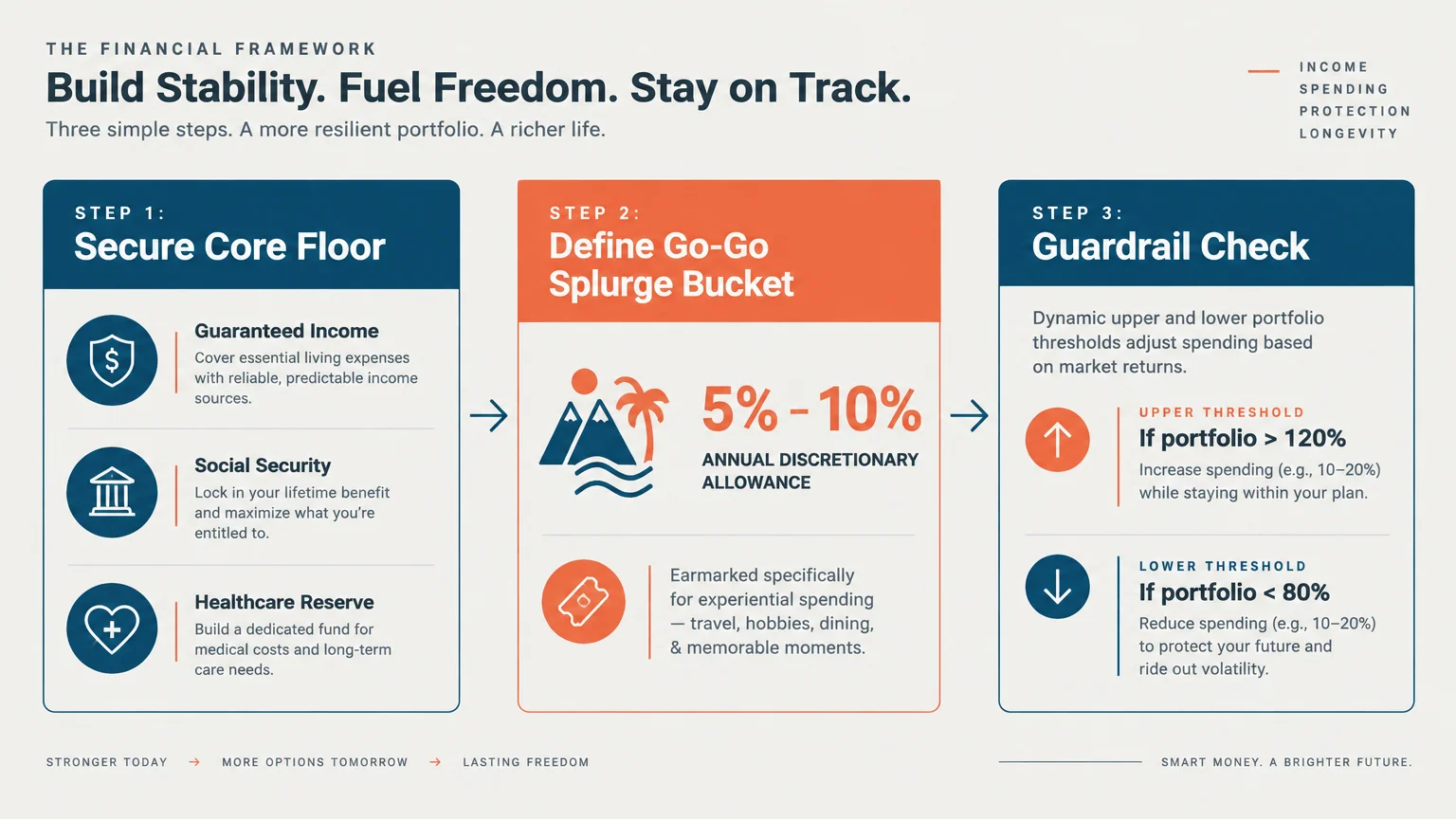
When DIY Isn’t Enough: Structuring Your Splurge Budget
Spending larger sums of money requires an objective look at your withdrawal rate and tax posture. Consider consulting a fee-only fiduciary advisor under the following circumstances:
- Liquidating Appreciated Assets: Selling taxable investments to fund major renovations or gifts can trigger unexpected capital gains and Medicare IRMAA surcharges.
- Balancing Long-Term Care Reserves: You need modeling to verify that early splurges won’t deplete late-life custodial healthcare funds.
- Navigating Safe Withdrawal Rates: Adjusting your distribution rate dynamically requires stress-testing your portfolio against historical market downturns.
A professional financial planner can establish an annual “fun money” bucket separated from your core living expenses. Knowing your essential needs are safe grants full psychological permission to spend discretionary funds.
Frequently Asked Questions
How can I spend money without feeling guilty in retirement?
Establish a separate discretionary checking account funded automatically each year based on your safe withdrawal rate. Giving every discretionary dollar a defined purpose frees you from spending guilt.
What is the 2% annual spending decline rule?
Longitudinal studies show real retiree spending drops roughly 2% annually after age 65 due to reduced travel and activity. Planning for this natural reduction allows you to spend more during your active sixties.
Are concierge medical retainer fees tax deductible?
Retainer fees may qualify as deductible medical expenses if they cover specific preventive services, but rules vary. Consult a qualified tax professional to confirm whether your practice’s billing structure qualifies under IRS regulations.
How much can I give my grandchildren without triggering taxes?
Under current rules, you can gift up to $19,000 per recipient annually without filing a federal gift tax return. A married couple can combine their allowances to gift $38,000 per grandchild each year.
Next Steps for Your Retirement Lifestyle
Look across your current savings and identify one meaningful purchase that would tangibly reduce daily physical pain or bring your family together. Run the numbers against your annual withdrawal strategy and grant yourself permission to proceed.
Spending money on purposeful experiences and personal wellness is not a departure from financial discipline; it represents the ultimate payoff of your working career.
This is educational content based on general retirement and financial principles. Individual results vary based on your situation. Always verify current benefit rules, tax laws, and eligibility requirements with official sources like SSA, Medicare.gov, or the IRS.
Last updated: March 2026. Retirement benefits, tax rules, and healthcare regulations change frequently—verify current details with official sources.









Leave a Reply