
Shoveling heavy snow and navigating icy sidewalks can quickly drain the joy out of your retirement. Trading sub-zero temperatures for mild afternoon sunshine protects your mobility, supports cardiovascular health, and reduces seasonal heating bills.
A comfortable winter climate should never force you to compromise your financial security. Across the country, several welcoming communities combine pleasant seasonal temperatures with accessible healthcare and tax policies that protect your nest egg.
Finding the right winter sanctuary requires looking beyond the weather forecast to evaluate housing costs, property taxes, and daily affordability. Here are 11 exceptional, retirement-friendly cities where mild winters and sensible living expenses align.
Key Financial Factors for Warm-Winter Relocation
Evaluating potential retirement destinations requires examining housing values, ongoing municipal taxes, and healthcare networks. A pleasant winter climate loses its appeal if elevated living costs erode your retirement savings.
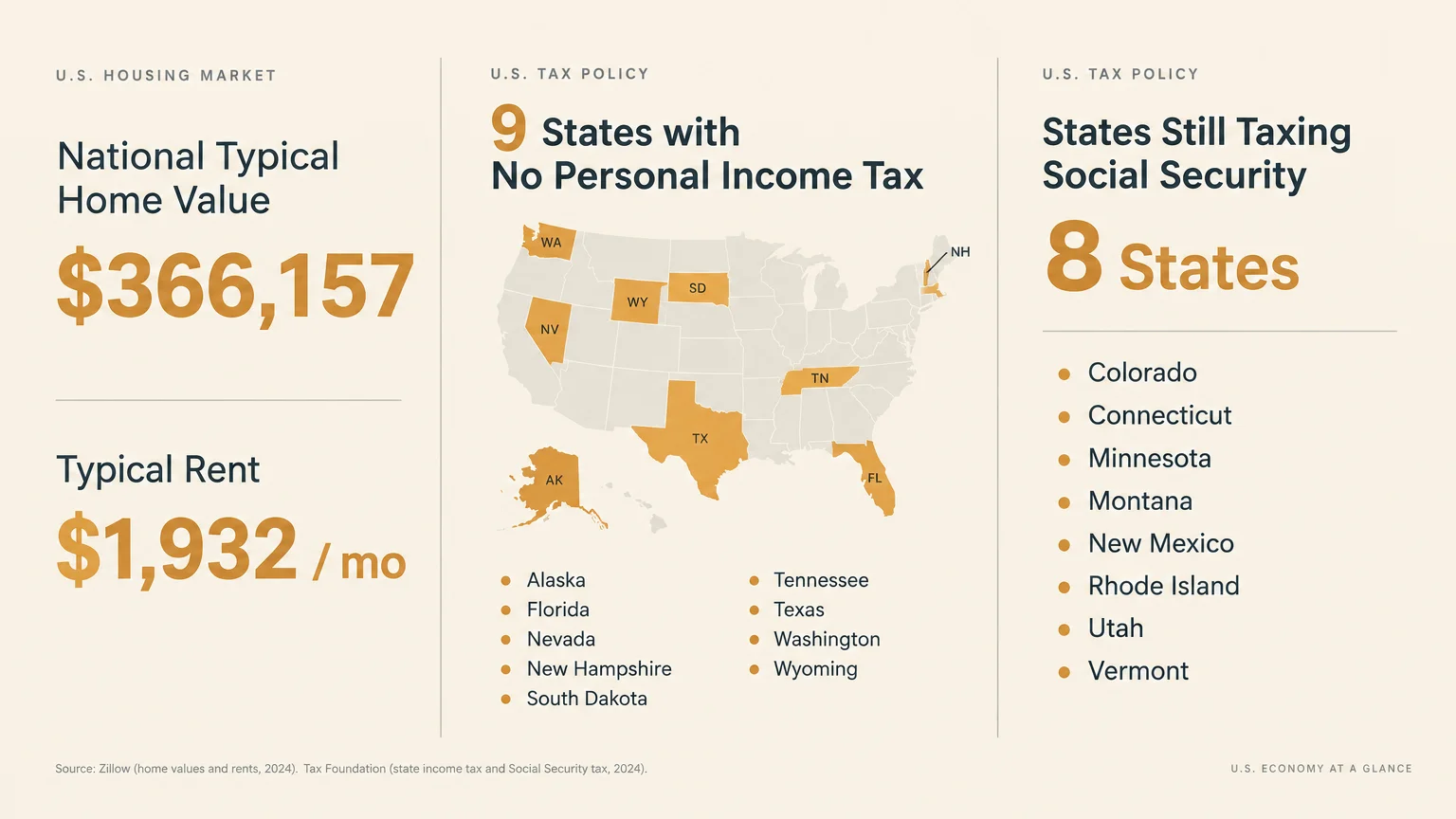
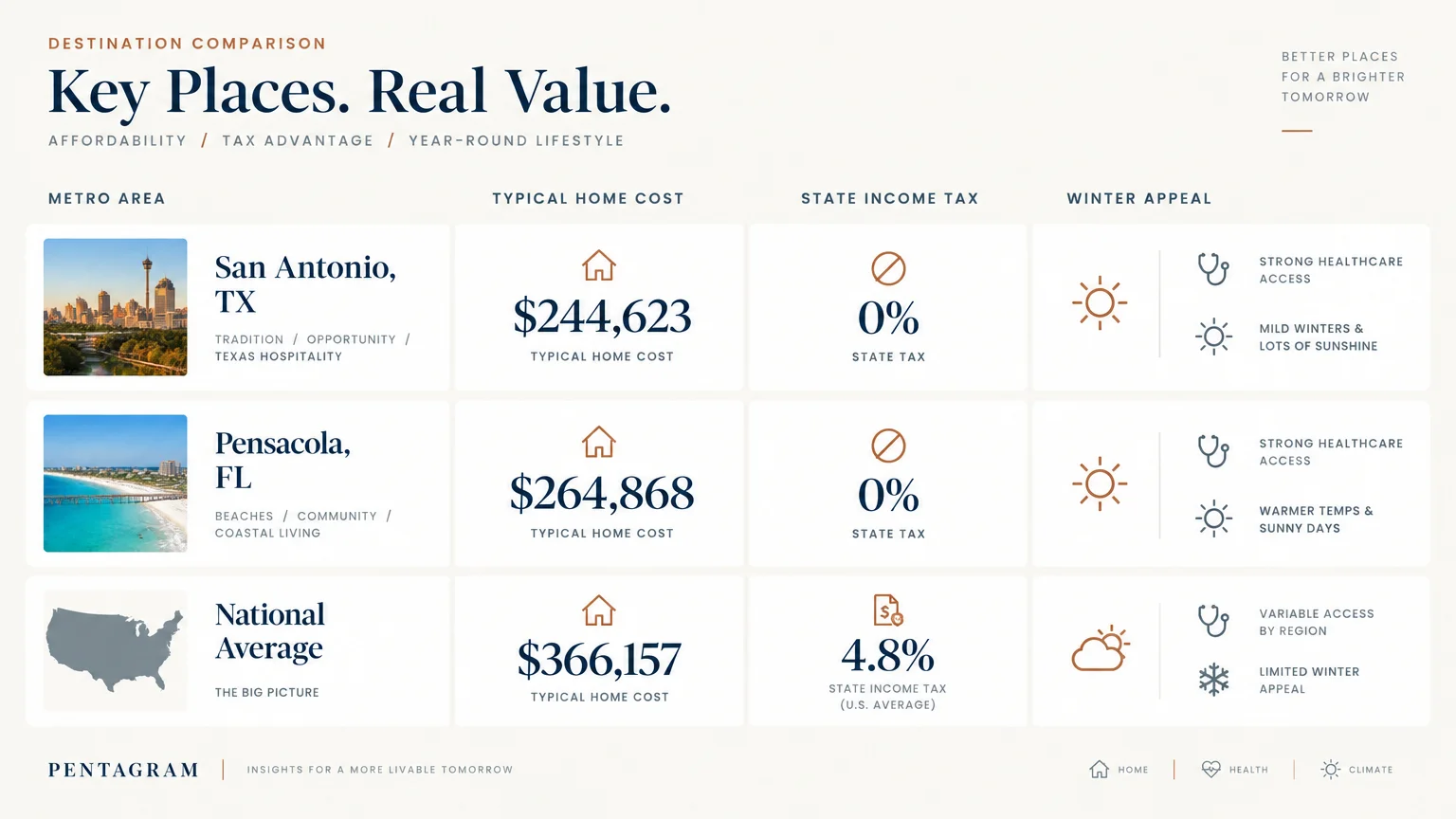
According to the Zillow Home Value Index, the national typical home value stands at $366,157, while typical rent sits at $1,932 per month. Increased housing inventory across the Sun Belt has cooled property appreciation, giving you greater bargaining power as a homebuyer.
State tax codes also have a direct impact on your ongoing cash flow. Nine states levy no personal income tax on wages, pensions, or retirement account distributions: Alaska, Florida, Nevada, New Hampshire, South Dakota, Tennessee, Texas, Washington, and Wyoming.
Furthermore, 42 states and the District of Columbia do not tax Social Security benefits. Only eight states still tax Social Security: Colorado, Connecticut, Minnesota, Montana, New Mexico, Rhode Island, Utah, and Vermont.
Before relocating, you should research state-level tax exemptions with resources like Investopedia and verify local healthcare networks through Medicare.gov. Evaluating these variables in advance prevents expensive surprises down the road.
“Retirement is not a finish line; it is a transition to doing what matters most on your own terms.” — Mitch Anthony, Retirement Living Author
1. San Antonio, Texas
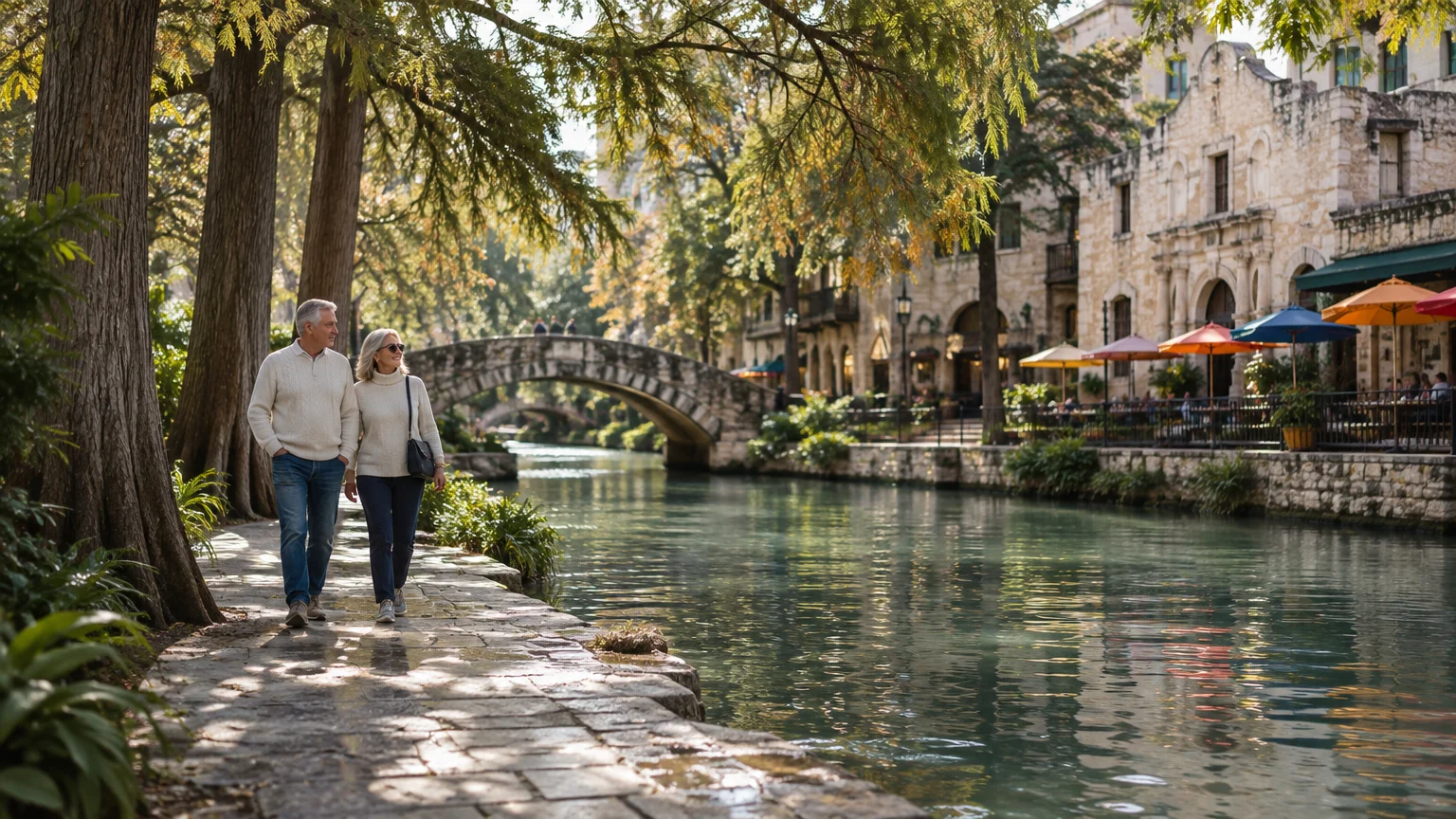
San Antonio blends rich colonial heritage with comfortable southern warmth. You can stroll the shaded River Walk, explore historic missions, and enjoy a vibrant culinary scene without enduring brutal winter freezes.
The typical home value in San Antonio is $244,623, reflecting a 2.2% drop year-over-year. That puts local home acquisition costs 33% below the national average of $366,157.
Texas does not levy an individual state income tax. Your pension payments, traditional retirement account withdrawals, and Social Security benefits enter your bank account completely exempt from state taxes.
San Antonio also features extensive healthcare infrastructure, anchored by the South Texas Medical Center. This network provides convenient access to gerontology experts and specialized surgical facilities across the metro area.
While Texas property taxes run higher than national averages, affordable home purchase prices frequently offset the difference. Mild winter days allow you to enjoy outdoor recreation and golf year-round.
2. Pensacola, Florida
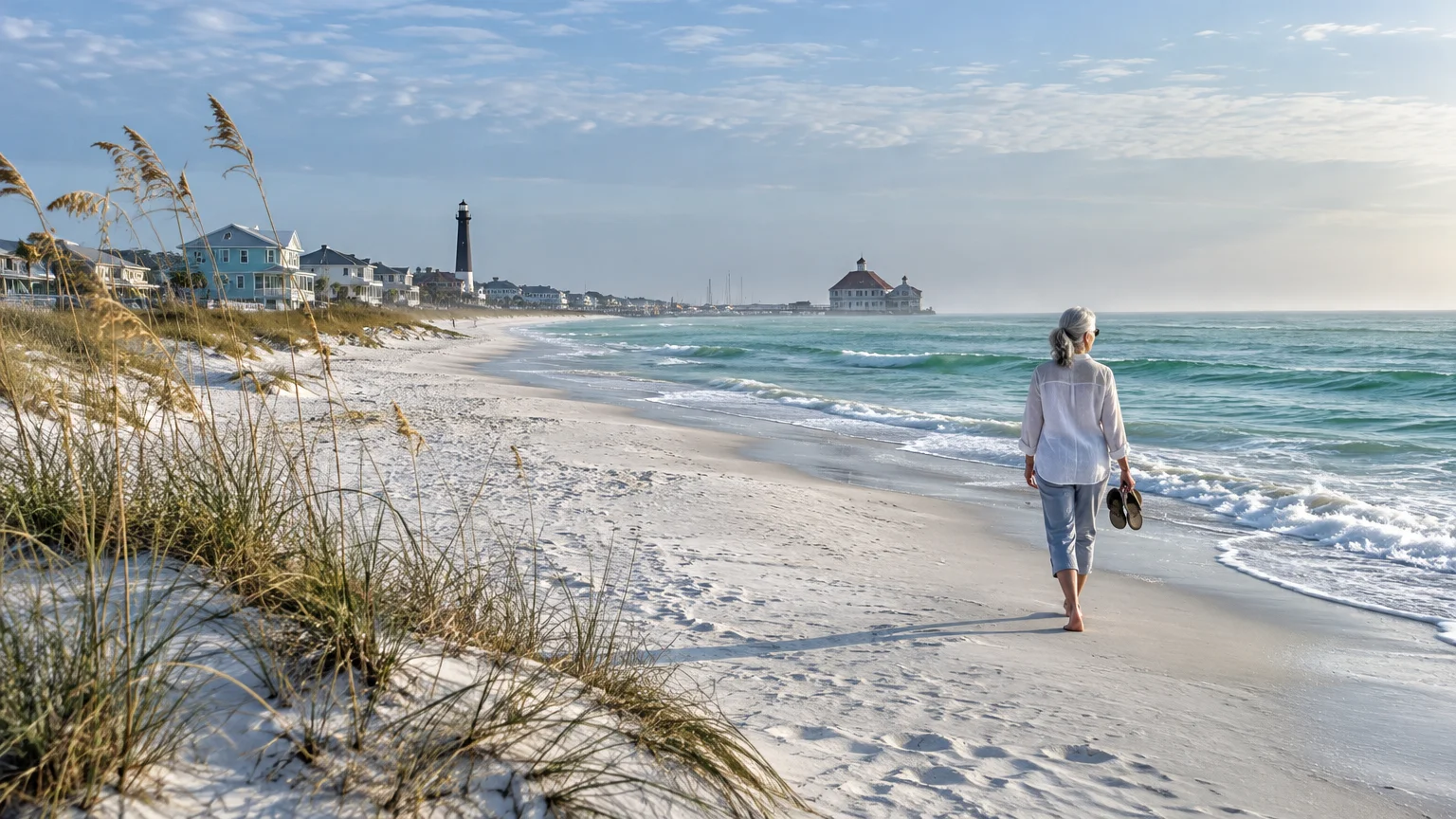
Located on the Florida Panhandle, Pensacola offers pristine white sand beaches and a quiet coastal lifestyle. The city combines historic downtown architecture with quick access to the Gulf of Mexico.
Pensacola features a typical home value of $264,868, which is up 1.2% year-over-year. Listings currently move at a steady pace, taking a median of 35 days to reach pending sale.
Florida levies zero personal state income tax on individual earnings, pensions, 401(k) withdrawals, or Social Security. This tax structure allows you to maximize your net disposable retirement income.
Healthcare providers, including Baptist Health Care and Ascension Sacred Heart, deliver comprehensive medical coverage across Escambia County. You will find ample clinics and specialist practices dedicated to older adults.
Winter temperatures remain comfortable, allowing you to walk the beach or fish without freezing winds. Pensacola gives you Florida coastal living at a fraction of the cost found in southern Florida.

3. Las Cruces, New Mexico
Surrounded by the Organ Mountains, Las Cruces provides a high-desert haven with clean air and bright sunshine. This welcoming community features an active arts community and easy access to New Mexico State University.
The typical home value sits at $287,447, marking a 0.9% decrease over the past year. Housing remains well below national benchmarks, offering accessible opportunities for buyers looking to downsize.
New Mexico levies graduated income tax rates ranging from 1.7% to 5.9%. However, single filers with an adjusted gross income under $100,000 and joint filers under $150,000 pay zero state tax on Social Security.
Memorial Medical Center and MountainView Regional Medical Center deliver quality acute care and outpatient services. You can easily access preventive screenings and routine care close to home.
Crisp winter mornings quickly transition to comfortable, sun-drenched afternoons. The low humidity makes outdoor hiking, cycling, and garden maintenance enjoyable throughout the colder months.
4. Tucson, Arizona
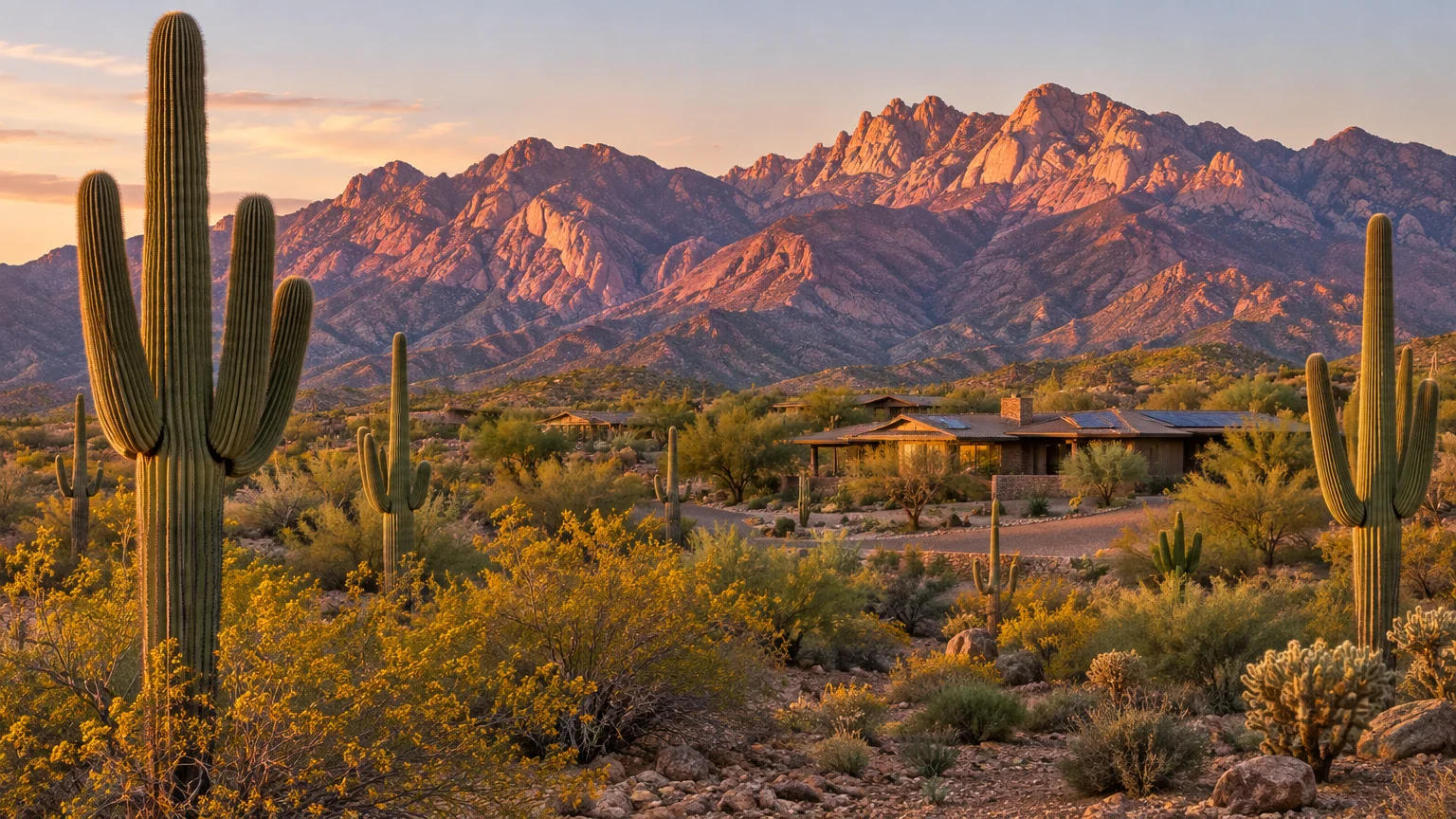
Framed by five mountain ranges, Tucson offers iconic Sonoran Desert scenery and an engaging cultural life. The city features vibrant museums, botanical gardens, and lifelong learning courses through the University of Arizona.
The typical home value in Tucson is $318,760, down 1.9% year-over-year. Market conditions favor buyers, with properties spending a median of 33 days on the market before pending sale.
Arizona applies a flat 2.5% personal income tax rate and exempts Social Security benefits entirely. This predictable tax policy helps you forecast your ongoing living costs without complex bracket calculations.
Tucson houses premier medical centers, including Banner – University Medical Center Tucson and TMC Healthcare. These institutions provide cutting-edge cardiovascular, orthopedic, and neurological care.
Winter daytime highs remain mild, creating perfect conditions for hiking in Saguaro National Park. You can leave behind snow blowers and heavy coats in favor of light jackets and outdoor dining.

5. Savannah, Georgia
Savannah charms retirees with historic garden squares, moss-draped live oaks, and coastal Southern hospitality. The city offers rich architectural preservation, cultural festivals, and access to nearby coastal islands.
The typical home value currently stands at $318,893, reflecting a 3.0% decline over the past year. Homes average a median of 42 days on the market before securing a contract.
Georgia reduced its flat individual income tax rate to 4.99% under recent tax cuts. The state raised standard deductions to $15,000 for single filers and $30,000 for married couples filing jointly.
Furthermore, Georgia completely exempts Social Security benefits from state income taxation. Residents aged 65 and older can also exclude up to $65,000 per person in qualifying retirement income.
St. Joseph’s/Candler and Memorial Health provide advanced medical services and cancer treatment facilities throughout the region. Mild winter breezes make daily walks around historic downtown squares a year-round pleasure.
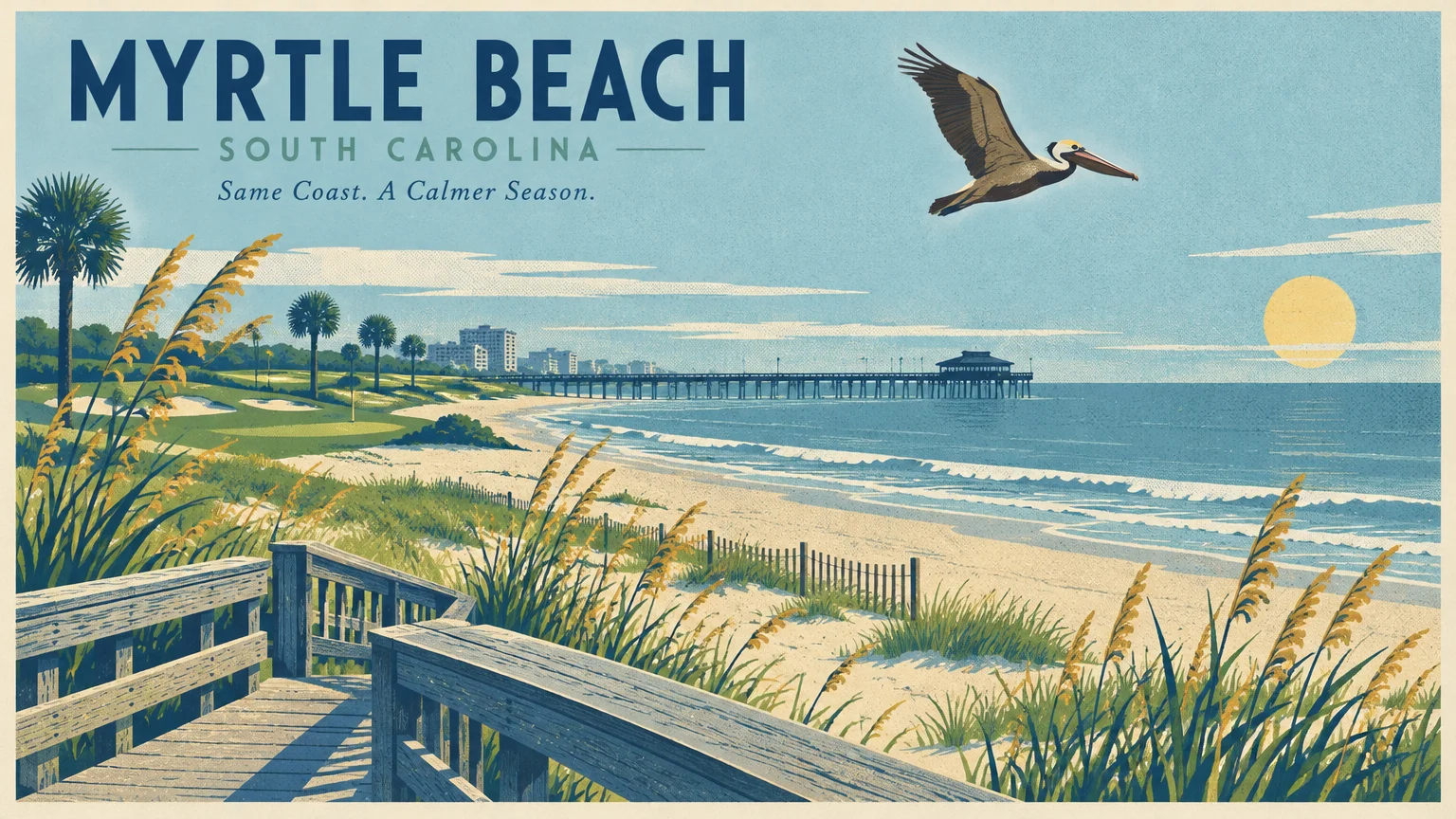
6. Myrtle Beach, South Carolina
Myrtle Beach offers 60 miles of Atlantic coastline, renowned golf courses, and an active retiree population. The Grand Strand provides countless dining venues, live music theaters, and oceanfront recreational parks.
The typical home value is $323,033, showing a modest 0.5% gain over the past year. Buyers enjoy ample negotiating time, as listings spend a median of 64 days on the market.
South Carolina levies graduated income tax rates from 0% to 6.2%, but completely exempts Social Security benefits. The state also offers generous retirement income deductions for qualifying seniors.
Conway Medical Center and Grand Strand Health supply comprehensive inpatient, emergency, and surgical services. The region continues to expand its specialized clinics to serve incoming retirees.
Winter brings peaceful beaches and pleasant daytime temperatures without the humid summer crowds. You can walk the coastline and practice your golf swing in comfort throughout January and February.

7. Albuquerque, New Mexico
Albuquerque combines scenic desert topography with a rich fusion of Native American and Hispanic traditions. Positioned along the Sandia Mountains, the city features open spaces, scenic tramways, and celebrated local cuisine.
The typical home value rose 1.7% over the last year to $344,199. Properties move swiftly across the metro area, taking a median of just 17 days to pending sale.
New Mexico exempts Social Security benefits for single filers earning under $100,000 and joint filers under $150,000. These thresholds protect the vast majority of retirees from state levies on their benefits.
The University of New Mexico Hospital and Presbyterian Healthcare Services maintain extensive medical networks. Retirees benefit from academic medical research, specialized clinics, and modern rehabilitation centers.
Albuquerque experiences four distinct seasons, but winter remains sunny, dry, and mild. High-elevation sunshine quickly warms daytime temperatures, keeping snow accumulation rare and brief.
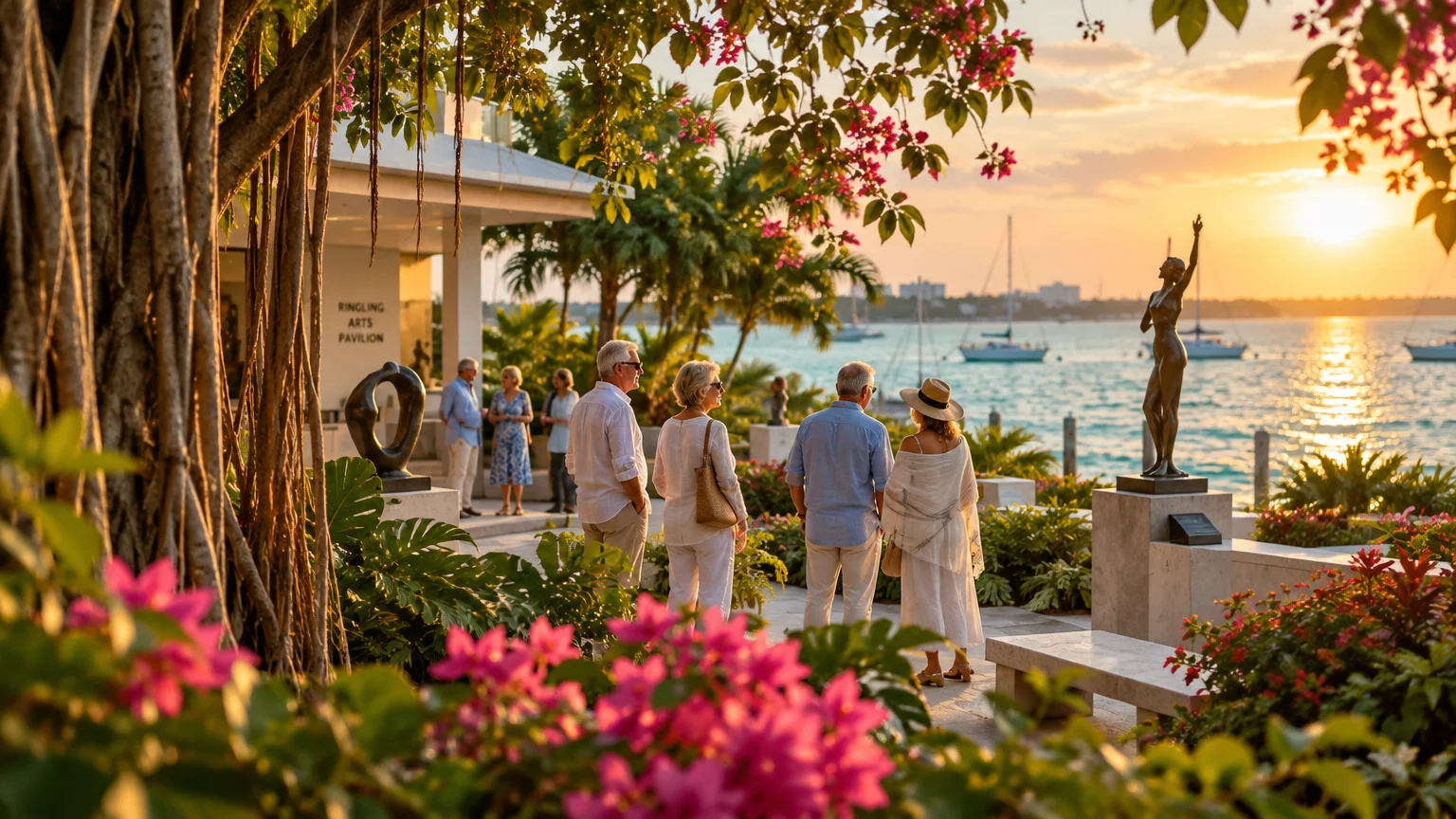
8. Sarasota, Florida
Located on Florida’s southwest Gulf Coast, Sarasota is famous for quartz-sand beaches and cultural institutions like the Ringling Museum. The city provides a refined coastal atmosphere supported by fine dining and performing arts.
The typical home value sits at $410,998, reflecting a 1.5% decrease year-over-year. Buyers face an accommodating market, with properties averaging a median of 56 days to pending sale.
Florida levies zero personal income tax on investment dividends, capital gains, pensions, or Social Security. This tax freedom makes Sarasota attractive for retirees managing substantial taxable investment portfolios.
Sarasota Memorial Health Care System consistently earns national recognition for clinical quality and cardiac surgery. Having access to top-tier regional hospitals provides valuable reassurance as healthcare needs change.
Winter weather in Sarasota is exceptionally mild and sunny, with virtually no frost. You can enjoy outdoor boating, tennis, and beach walking straight through the winter months.

9. Asheville, North Carolina
Nestled in the Blue Ridge Mountains, Asheville draws retirees who desire mountain scenery paired with a creative community. The town features historic architecture, independent craft breweries, and an exceptional farm-to-table culinary scene.
The typical home value dropped 5.0% over the past year to $444,478. This price correction offers prospective buyers better value when purchasing a mountain home.
North Carolina reduced its flat personal income tax rate to 3.99%. In addition, the state fully exempts Social Security benefits from state income taxation.
Mission Health serves western North Carolina as a major regional tertiary care center. You can access specialized cardiovascular, orthopedic, and oncological medical care without traveling to larger cities.
Asheville offers a balanced four-season climate with noticeably milder winters than northern mountain towns. While surrounding peaks receive occasional snow, valley temperatures stay comfortable enough for regular daytime outdoor activities.
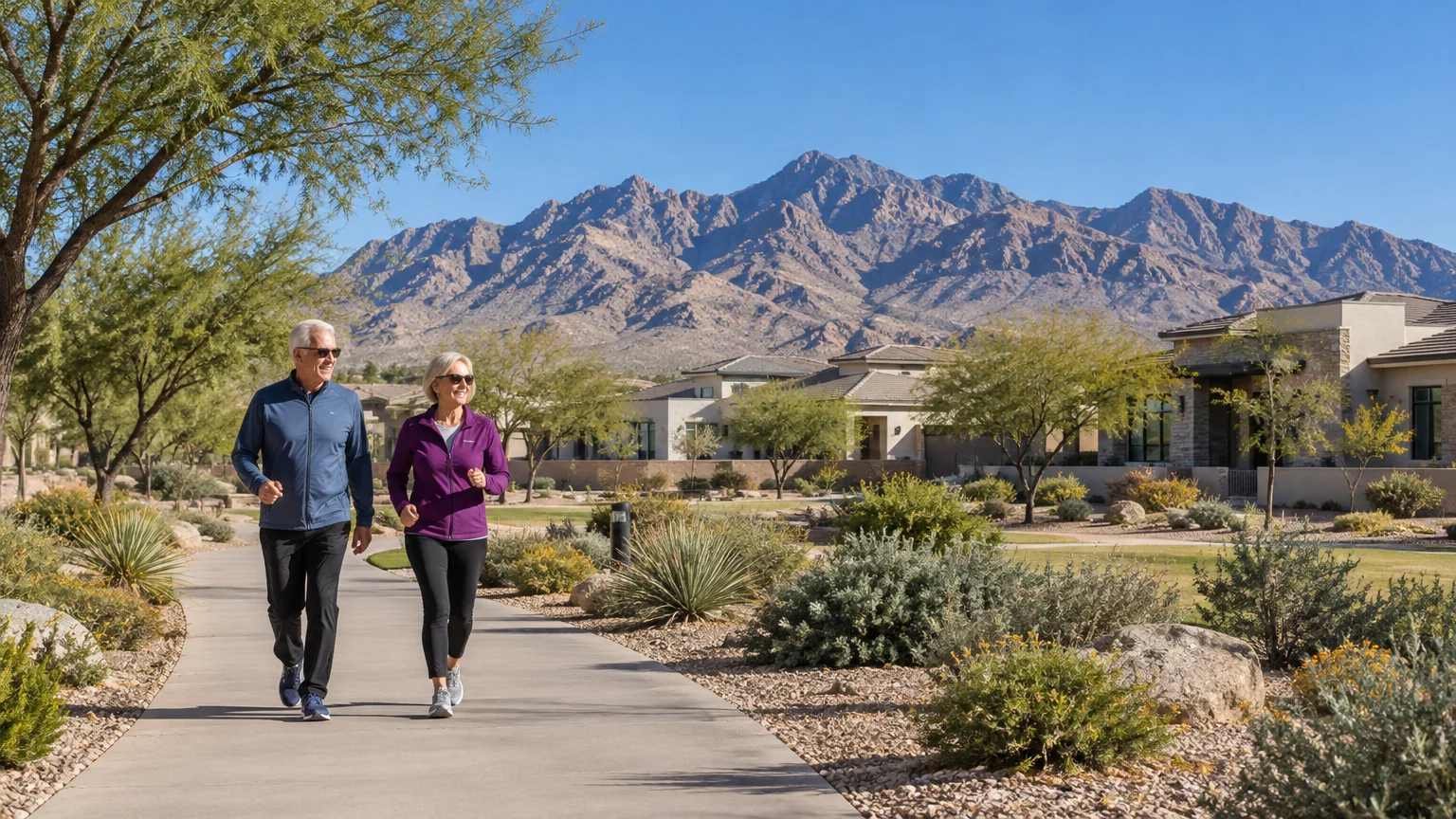
10. Henderson, Nevada
Situated in southern Nevada near Las Vegas, Henderson offers well-designed master-planned communities and desert mountain views. The city consistently earns praise for municipal safety, clean parks, and extensive trail networks.
The typical home value is $478,064, down 2.3% over the prior year. Recent housing supply increases across the Las Vegas valley have provided buyers with improved negotiating leverage.
Nevada does not collect personal state income tax on pensions, 401(k) distributions, or Social Security benefits. This favorable tax code protects your retirement income from state tax deductions.
Henderson Hospital and St. Rose Dominican Hospitals deliver comprehensive medical care throughout the city. Proximity to international airports also makes visiting family members or traveling abroad effortless.
Winter days in Henderson feature clear blue skies and mild afternoon sunshine. You can enjoy pickleball, tennis, and desert hiking throughout the winter without contending with humidity or ice.

11. St. George, Utah
Located in southwestern Utah near Zion National Park, St. George showcases dramatic red-sandstone landscapes. The community attracts retirees who prioritize outdoor recreation, scenic hiking trails, and clean neighborhood design.
The typical home value stands at $517,705, following a 0.8% decrease. This price stabilization provides incoming retirees with more predictable acquisition costs than during prior housing surges.
Utah levies a flat individual income tax rate between 4.45% and 4.55%. While Utah taxes Social Security, the state provides income-based tax credits that offset liability for lower- and middle-income seniors.
St. George Regional Hospital serves as a major medical center, offering specialized trauma, orthopedic, and cardiovascular services. The healthcare infrastructure continues to grow alongside the expanding active adult community.
St. George sits at a much lower elevation than northern Utah, resulting in mild winter days. You can golf, hike, and explore red-rock canyons without facing snowstorms or sub-zero winter blasts.
Comparing Mild-Winter Retirement Destinations
Comparing home prices, market velocity, and state tax rules helps you identify the best location for your retirement budget. The table below outlines key housing metrics and tax policies for all 11 cities.
| City & State | Typical Home Value | YoY Value Change | Median Days to Pending | State Tax on Social Security |
|---|---|---|---|---|
| San Antonio, TX | $244,623 | -2.2% | Balanced | 100% Exempt (No State Income Tax) |
| Pensacola, FL | $264,868 | +1.2% | 35 days | 100% Exempt (No State Income Tax) |
| Las Cruces, NM | $287,447 | -0.9% | Balanced | Exempt under $100k Single / $150k Joint |
| Tucson, AZ | $318,760 | -1.9% | 33 days | 100% Exempt |
| Savannah, GA | $318,893 | -3.0% | 42 days | 100% Exempt |
| Myrtle Beach, SC | $323,033 | +0.5% | 64 days | 100% Exempt |
| Albuquerque, NM | $344,199 | +1.7% | 17 days | Exempt under $100k Single / $150k Joint |
| Sarasota, FL | $410,998 | -1.5% | 56 days | 100% Exempt (No State Income Tax) |
| Asheville, NC | $444,478 | -5.0% | Balanced | 100% Exempt |
| Henderson, NV | $478,064 | -2.3% | Balanced | 100% Exempt (No State Income Tax) |
| St. George, UT | $517,705 | -0.8% | Balanced | Subject to tax (Credits available) |

What Can Go Wrong: Avoiding Costly Relocation Mistakes
Relocating during retirement involves financial and personal adjustments that require careful preparation. Recognizing potential pitfalls early protects your hard-earned assets and prevents regret.
- Underestimating Property Insurance and Taxes: Moving to a state with zero income tax does not always guarantee lower total expenses. High property tax rates or rising homeowners insurance in coastal areas can offset your tax savings.
- Failing to Test the Summer Climate: Many cities with mild winters experience intense summer heat. Renting a home for several weeks during July or August ensures you can tolerate the climate before buying property.
- Overlooking Healthcare Network Compatibility: Verify that local medical facilities participate in your Medicare Advantage or Medigap plan. Relocating without confirming doctor availability can disrupt your ongoing treatments.
- Isolating Yourself From Family and Social Networks: Moving away from long-time friends and grandchildren can lead to emotional strain. Ensure your new city offers convenient transportation routes for visiting loved ones.
You can review helpful relocation checklists and social integration tips through AARP. Taking time to test your chosen city before purchasing real estate protects your lifestyle satisfaction.
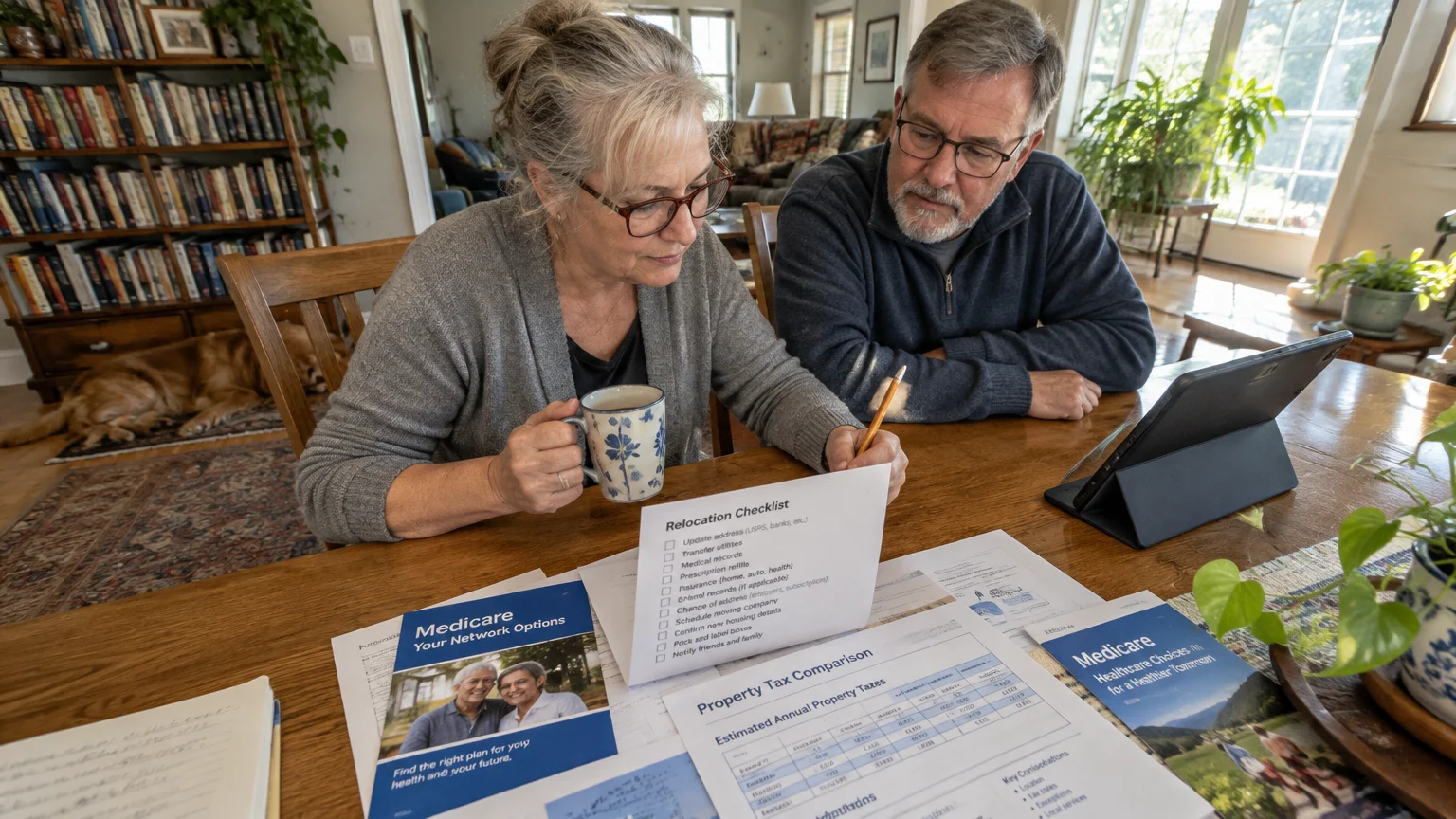
When to Consult a Professional
Relocating across state lines introduces complex legal, tax, and healthcare adjustments. Consulting licensed specialists ensures your transition protects your financial assets and medical coverage.
You should consult a fee-only Certified Financial Planner or CPA when managing retirement account distributions across different state tax jurisdictions. A tax advisor helps you time home sales and maximize state-specific pension exemptions.
You should also work with a licensed Medicare advisor when changing your residential zip code. Moving to a new state triggers a Special Enrollment Period to adjust your healthcare coverage without penalty.
Finally, engage an estate planning attorney licensed in your new home state. State laws govern wills, healthcare directives, and trusts differently, requiring updates to your legal documents.
Frequently Asked Questions
Which warm states do not tax retirement income?
Florida, Nevada, and Texas do not levy state personal income taxes on any retirement income. Your pensions, 401(k) distributions, and Social Security benefits remain entirely untaxed at the state level.
Do any warm-weather states tax Social Security benefits?
Only eight states tax Social Security benefits: Colorado, Connecticut, Minnesota, Montana, New Mexico, Rhode Island, Utah, and Vermont. However, New Mexico exempts benefits for single filers earning under $100,000 and joint filers under $150,000.
How do home prices in these cities compare to the national average?
The national typical home value is $366,157. Several cities on this list, including San Antonio ($244,623) and Pensacola ($264,868), offer home values well below that national benchmark.
Should I rent before buying a home in a new city?
Renting for six to twelve months allows you to experience all four seasons firsthand. It also gives you time to explore local neighborhoods, healthcare clinics, and traffic patterns before committing capital.
How does moving affect my Social Security monthly benefit?
Your federal Social Security benefit calculation remains identical regardless of where you reside within the United States. You can review your verified benefit statement directly on the Social Security Administration (SSA) website.
Planning Your Next Chapter
Escaping harsh winter freezes does not require draining your life savings or compromising on healthcare. By aligning real estate values, state tax structures, and lifestyle preferences, you can find a warm-weather community that fits your needs.
Begin by listing your essential retirement priorities, such as access to specialist doctors, proximity to airports, or golf amenities. Visit your favorite destinations during different times of the year to verify that the community meets your daily expectations.
The information in this guide is meant for educational purposes. Your specific circumstances—including income, health needs, tax situation, and goals—may require different approaches. When in doubt, consult a licensed professional.
Last updated: March 2026. Retirement benefits, tax rules, and healthcare regulations change frequently—verify current details with official sources.









Leave a Reply