
Moving to the Grand Canyon State often promises an effortless retirement filled with warm desert breezes and golf courses. Yet thousands of older Americans discover that trading winter coats for desert sand creates unexpected hardships.
Relentless summer heat waves, rising living costs, and strained medical infrastructure quickly turn dream retirements into isolating ordeals. Knowing why retirees regret Arizona can prevent you from making a life-disrupting move.
Before selling your home and packing a moving truck, consider these practical realities. Examining these common Arizona retirement complaints ensures your retirement dollars and lifestyle remain secure.
1. Relentless Summer Heat and Reverse Seasonal Depression
Most retirees expect warm weather, but few prepare for five straight months of suffocating desert temperatures. Extreme heat confines residents indoors just like a harsh northern winter.
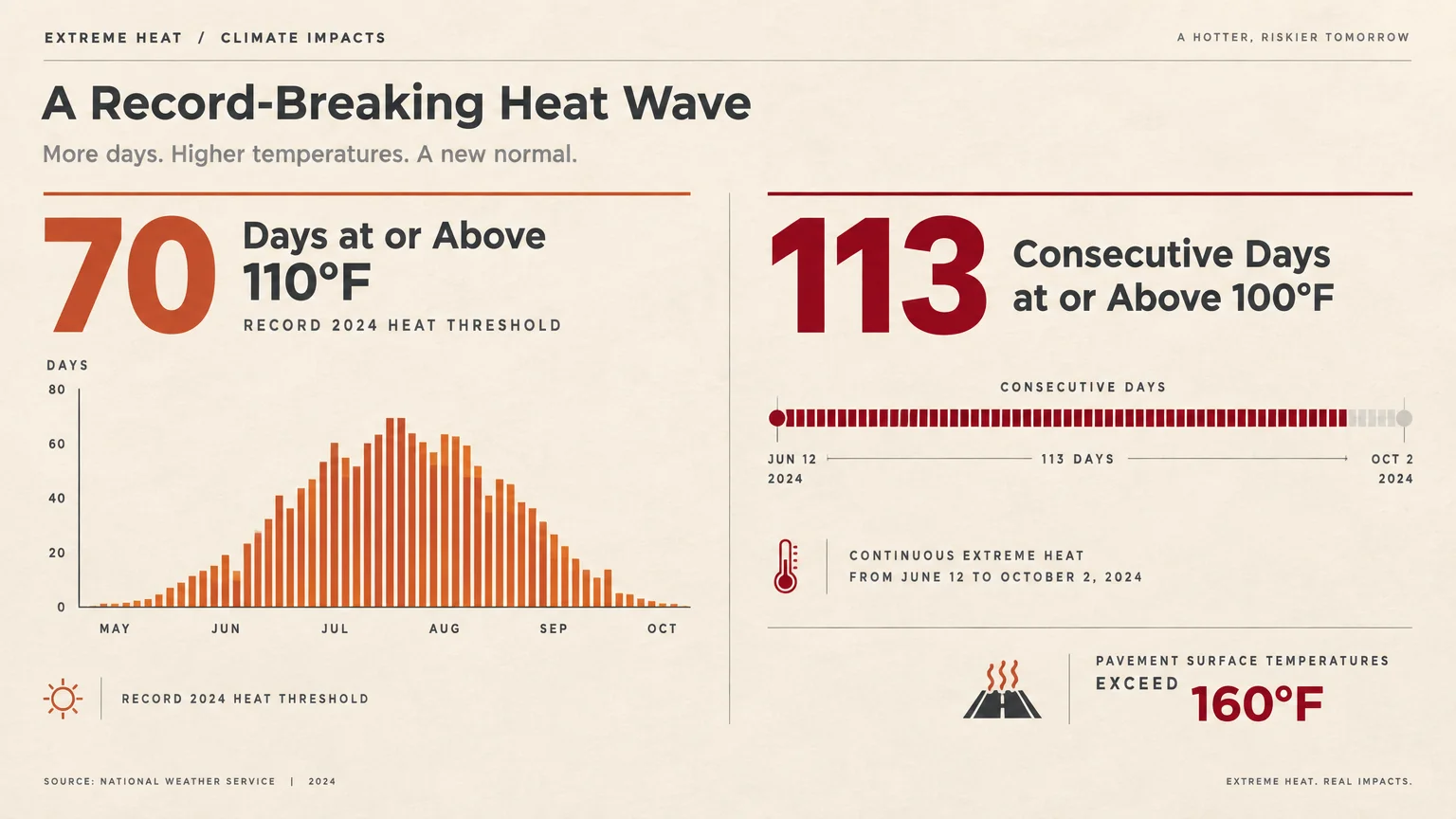
In 2024, Phoenix set an unprecedented record with 70 days reaching 110°F or higher. The city also endured a grueling streak of 113 consecutive days at or above 100°F.
During July 2023, Phoenix sustained 31 consecutive days at or above 110°F. The lack of nighttime cooling makes evening walks or patio dinners nearly impossible.
This prolonged confinement triggers what mental health professionals call reverse seasonal affective disorder. Retirees report feeling trapped inside dark, air-conditioned rooms for nearly half the year.
Simple daily errands become hazardous endeavors under direct sunlight. Surface pavement temperatures routinely exceed 160°F, creating severe burn risks for seniors and their pets.
2. Severe Primary Care and Specialist Physician Shortages
Access to quality healthcare becomes critical as you age, yet Arizona faces severe medical staffing deficits. Securing reliable physicians often proves far harder than newcomers expect.
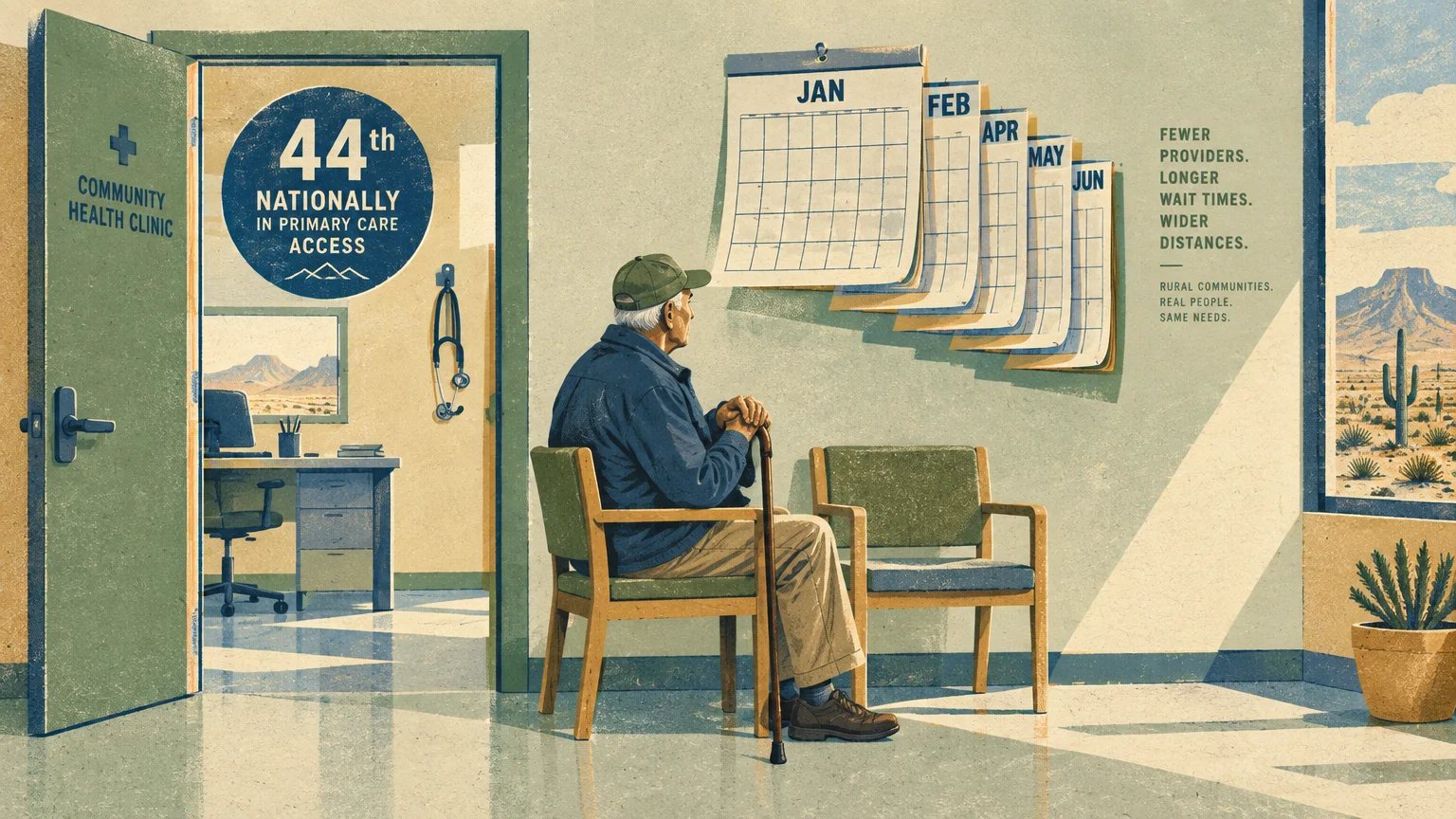
Arizona ranks 44th nationally in primary care physicians per capita. Over four million residents live in federally designated Health Professional Shortage Areas.
Federal data shows the state meets less than 40% of its total primary care physician needs. New residents frequently wait four to six months just for an intake consultation.
Specialist care presents even larger hurdles for chronic condition management. Patients often wait months to see cardiologists, rheumatologists, and neurologists in metro Phoenix and Tucson.
Before moving, verify local medical networks through Medicare.gov to ensure specialists accept your coverage. Many retirees end up flying back to their former states for routine medical procedures.
3. Dangerous Valley Fever Spores Threatening Senior Lungs
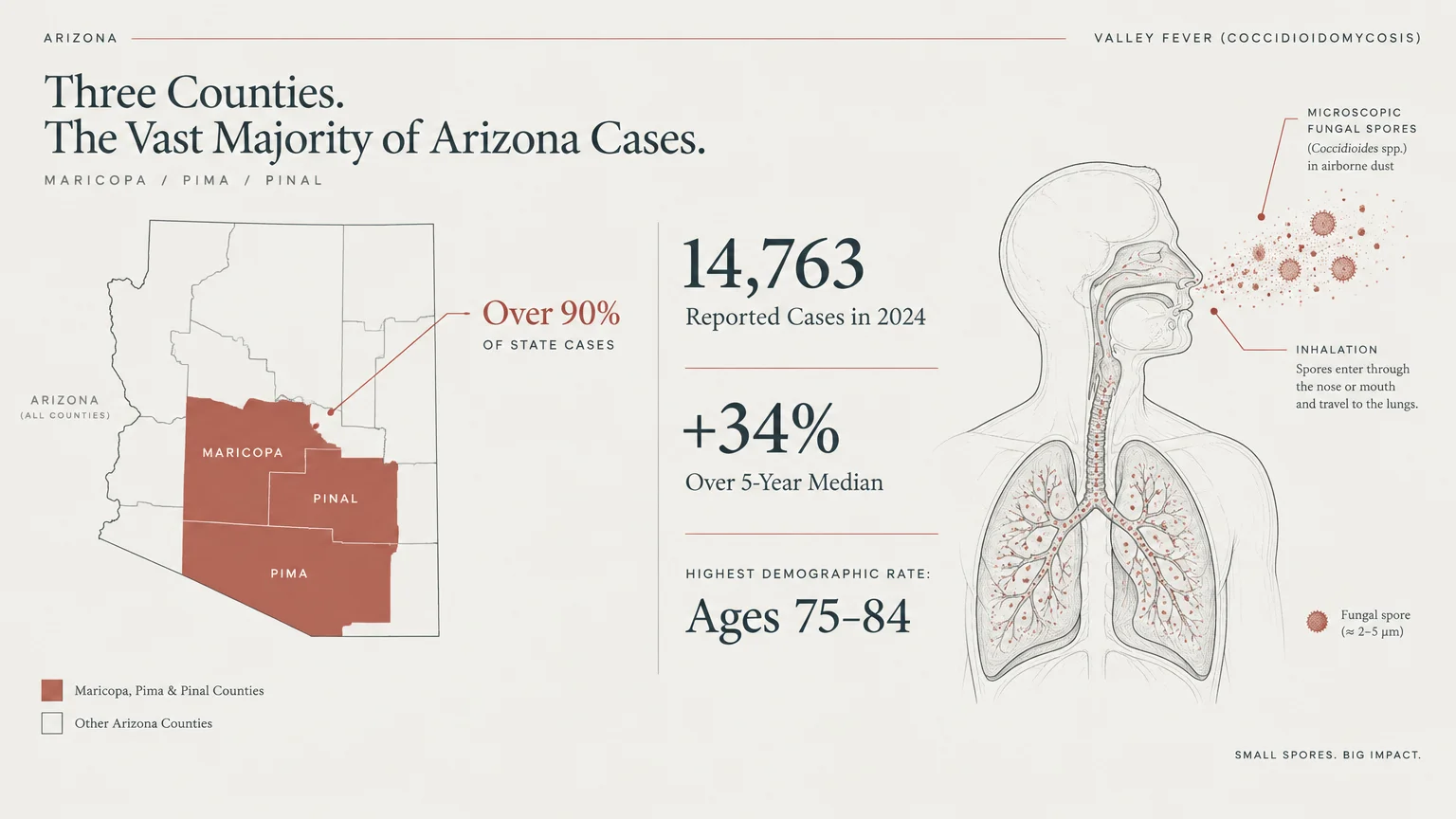
The desert soil harbors a biological hazard that catches many relocating retirees completely off guard. Valley fever, known clinically as coccidioidomycosis, is an infection caused by inhaling microscopic airborne fungal spores.
In 2024, the Arizona Department of Health Services recorded 14,763 reported Valley fever cases; that marks a 34% increase over the five-year median. The infection resulted in nearly 1,000 hospitalizations.
Desert dust storms, locally called haboobs, spread these fungal spores across developed suburbs. Over 90% of state cases occur in Maricopa, Pima, and Pinal counties.
Older adults face the greatest risk of severe complications. The 75-to-84 age demographic suffers the highest per capita infection rate across the entire state.
Symptoms often mimic lingering pneumonia, bringing chronic fatigue, chest pain, and joint aches that last for years. For compromised seniors, the infection can become chronic and spread to other organs.
4. Disappearing Housing Affordability Across Metro Areas
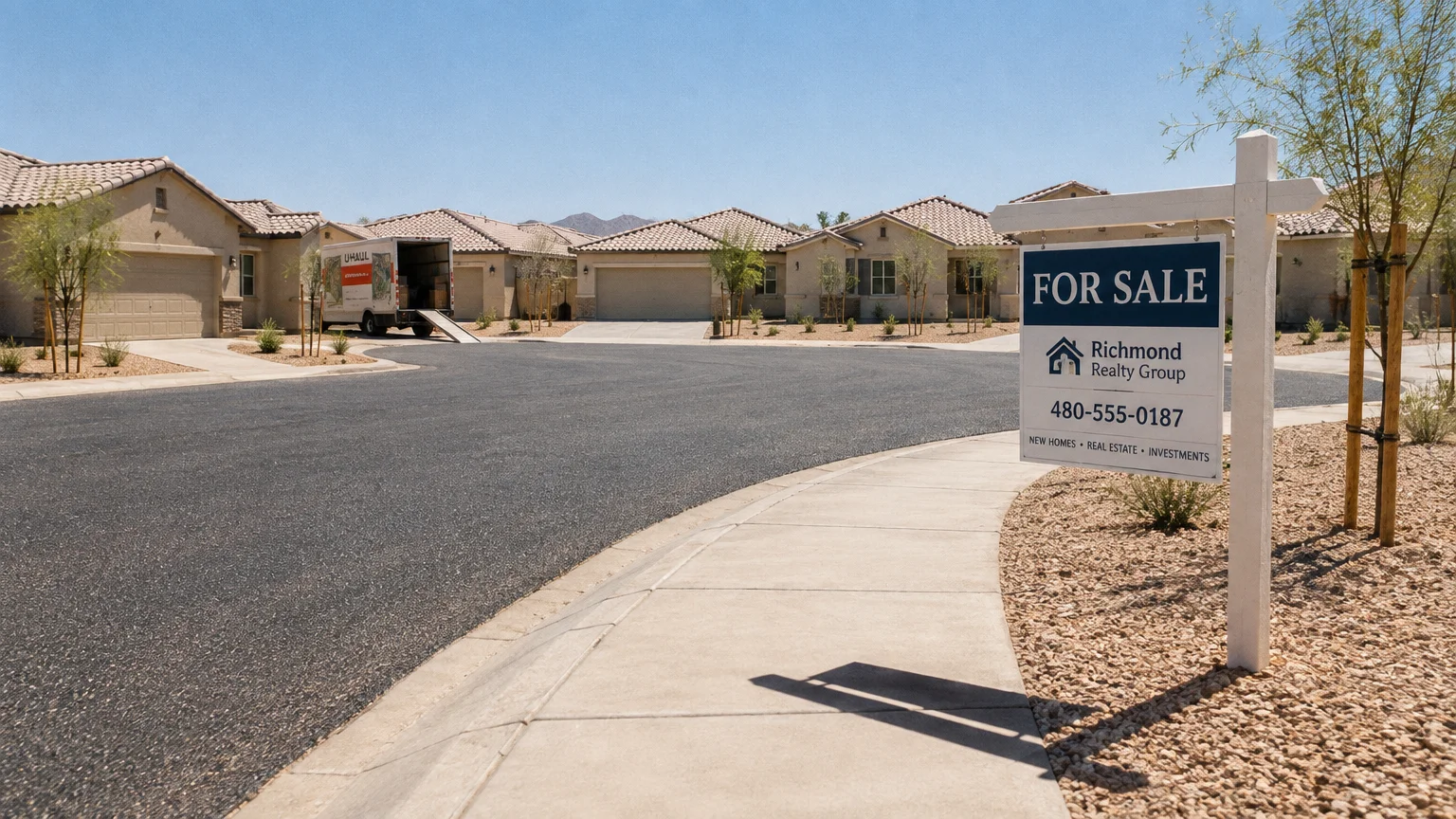
For decades, retirees flocked to Arizona to cut their housing expenses in half. That historical cost advantage has largely vanished under sustained population growth and corporate investments.
The median single-family home price in metro Phoenix hovers between $450,000 and $455,000. That figure sits roughly 12% above the national median home price.
Seniors who sell homes in the Midwest often find lateral moves surprisingly expensive. Instead of freeing up substantial retirement equity, they end up taking on comparable housing burdens.
Planned retirement communities also levy rising homeowner association fees to maintain extensive golf courses and clubhouses. These monthly assessments increase regularly, placing predictable strains on fixed retirement budgets.
High property turnover in age-restricted communities creates additional pricing volatility. If you decide to leave after two years, steep transaction costs can wipe out your savings.
5. Surging Electric Bills from Nonstop Air Conditioning
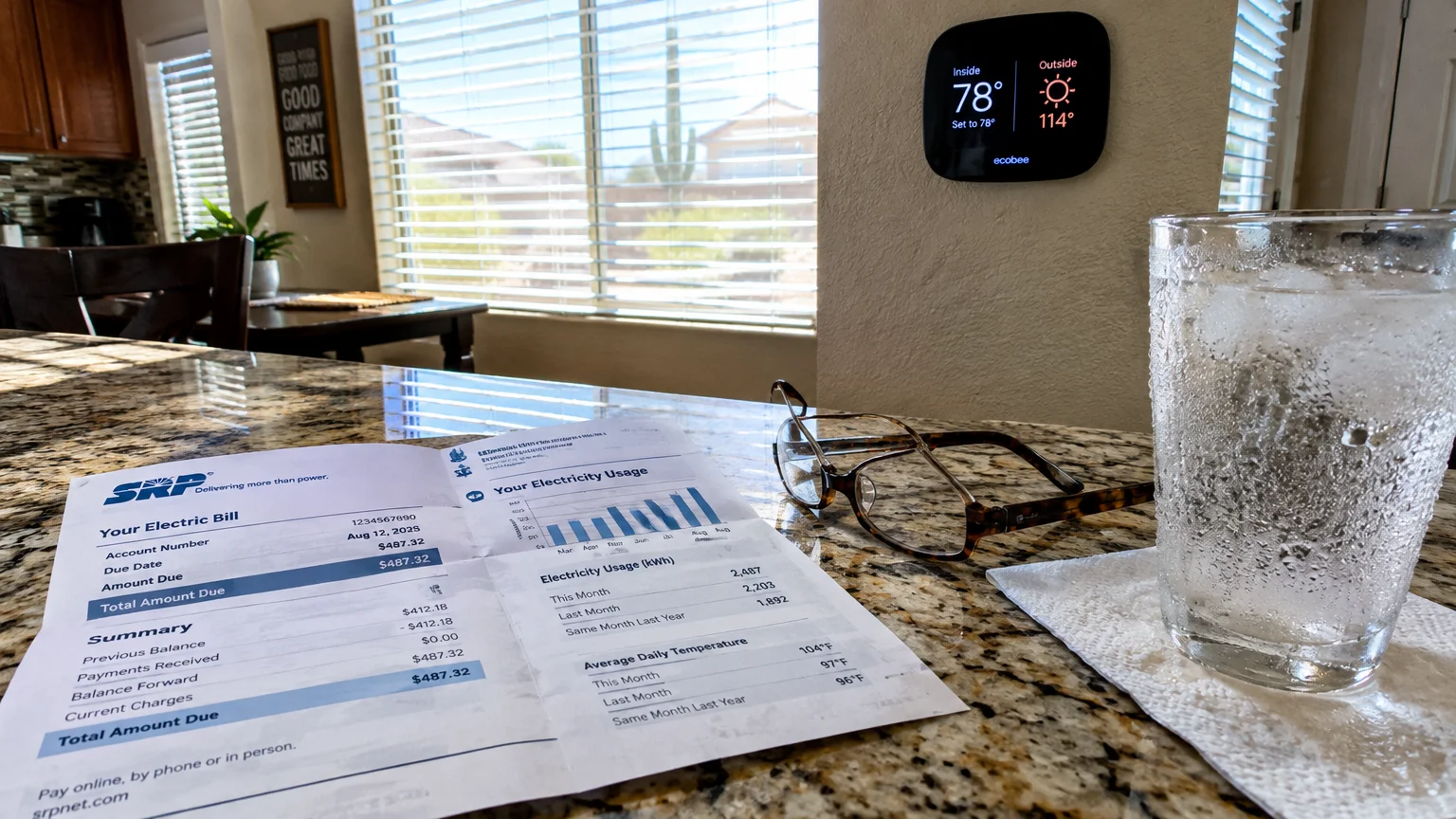
Winter heating bills disappear in Arizona, but summer cooling costs far exceed what northern furnaces demand. Running dual central air conditioning units around the clock creates staggering monthly bills.
In March 2024, the Arizona Corporation Commission approved an 8% base rate increase for Arizona Public Service customers. That regulatory decision added immediate pressure to monthly senior utility budgets.
Retirees commonly pay between $300 and $500 per month for power between May and October. In larger single-level ranch homes, summer bills can easily surpass $600 each month.
Air conditioning compressors run constantly in triple-digit heat, leading to premature mechanical failures. Replacing a failed heat pump system costs between $8,000 and $15,000 on short notice.
Fixed-income retirees often raise their thermostats to unsafe levels simply to manage expenses. This creates dangerous indoor living environments that elevate heat exhaustion risks.
“Never move anywhere for retirement until you have rented there during the absolute worst season of the year.” — Suze Orman, Personal Finance Author
6. High Sales Taxes That Erode Fixed Incomes
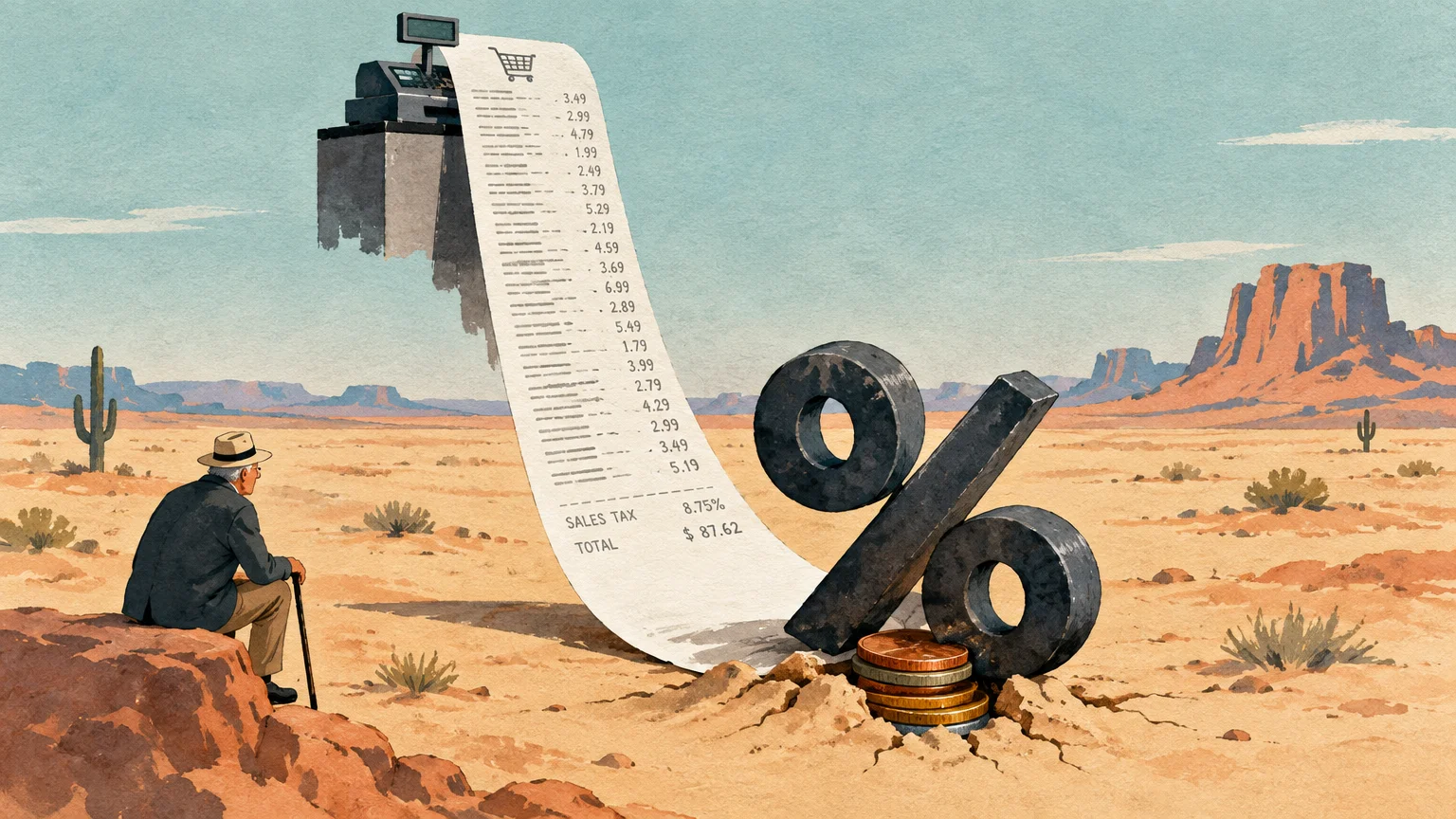
Promotional brochures celebrate Arizona’s flat 2.5% state income tax enacted in 2023. However, the state makes up for low income taxes by heavily taxing everyday retail purchases.
The base state transaction tax sits at 5.6%, but local municipal add-ons push taxes much higher. The statewide average combined sales tax reaches 8.52%.
In major metro hubs, shopping burdens rise even further. Combined sales tax rates reach 8.6% in Phoenix and 8.7% across the city of Tucson.
While basic groceries are exempt from state sales tax, many cities still collect local taxes on prepared food and dining out. Home improvement supplies, vehicle repairs, and recreational purchases face full municipal taxation.
Retirees who spend substantial portions of their pensions on goods face a steady tax drag. Evaluating full tax obligations requires reviewing guidance from the Internal Revenue Service alongside local municipal tax schedules.
7. Staggering Auto Insurance Rates and Aggressive Traffic
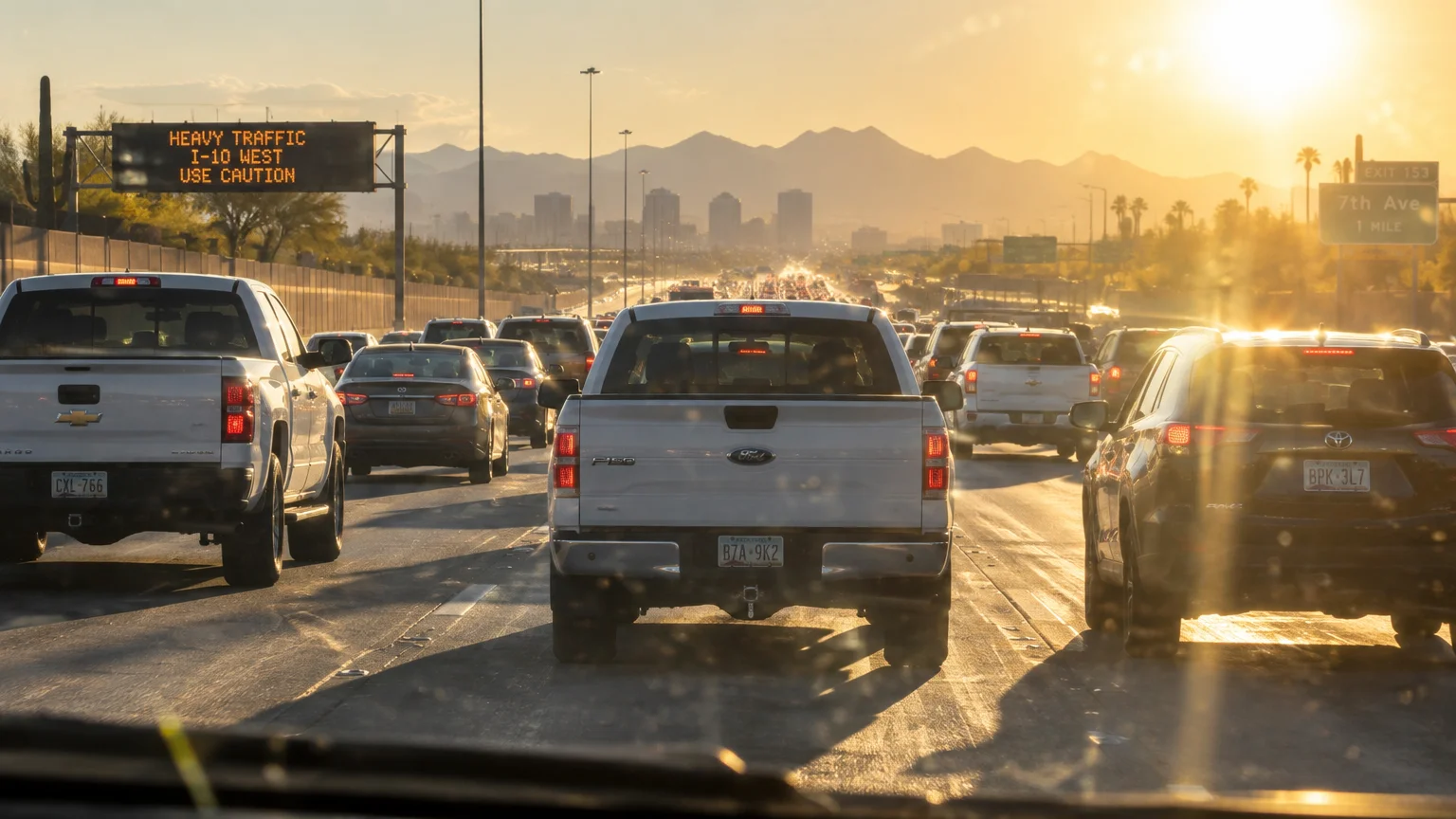
Getting around desert cities requires constant driving across wide arterial roads and sprawling freeways. Arizona does not offer walkable urban pockets for the vast majority of suburban retirees.
According to rate surveys published by Bankrate, average full-coverage auto insurance in Arizona ranges between $2,550 and $2,739 annually. Premiums surged more than 20% in 2024 alone.
Several regional factors drive these extreme car insurance rates across the state. Arizona contends with high rates of uninsured motorists and elevated highway fatality statistics.
Frequent gravel damage from desert soil requires constant windshield replacements under state-mandated safety glass laws. Insurers pass these cumulative repair costs directly onto policyholders through higher premiums.
Sprawling freeways also bring aggressive traffic patterns that intimidate older drivers. Navigating multi-lane roads during busy rush hours creates daily stress for those seeking a tranquil lifestyle.
8. Long-Term Water Scarcity and Stalled Suburban Growth
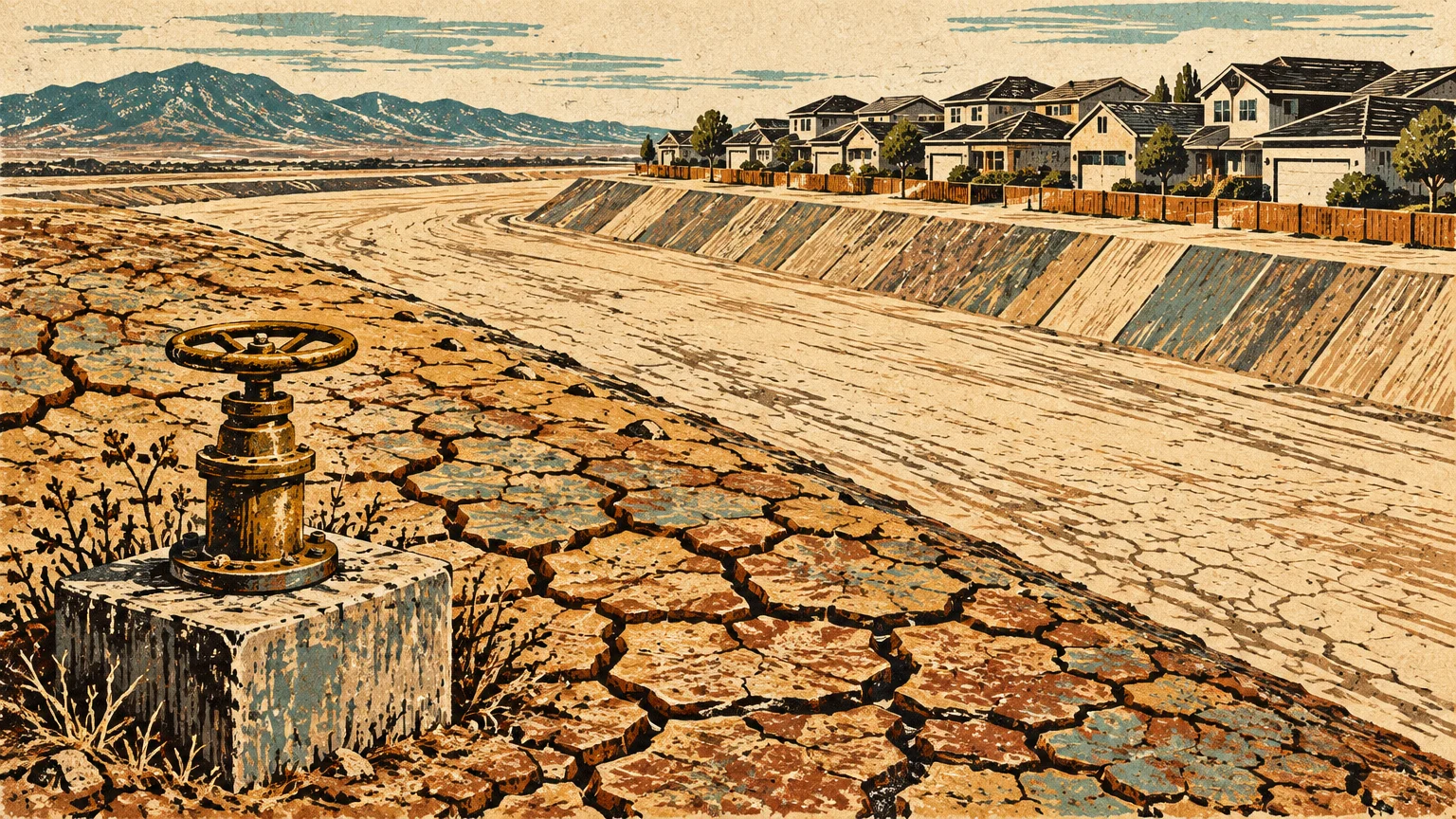
Retirees buying newly built homes on the desert fringe face growing infrastructure questions. Prolonged drought across the Colorado River basin has forced municipal planners to alter expansion plans.
In June 2023, the Arizona Department of Water Resources published an updated groundwater study for metro Phoenix. The report revealed a 4.86 million acre-foot unmet groundwater demand over the coming century.
In response, state regulators paused approvals for new housing subdivisions relying solely on unassured groundwater. This policy directly affects rapidly expanding outer suburbs like Buckeye and Queen Creek.
Communities without established water rights face steep rate hikes to finance regional delivery pipelines. Water utility fees will rise dramatically as desert cities secure expensive alternative supplies.
Retirees in outlying master-planned communities worry about long-term property values and future resale prospects. A home without assured 100-year water supplies represents a substantial financial liability.
9. Suburban Sprawl and Loss of Desert Tranquility
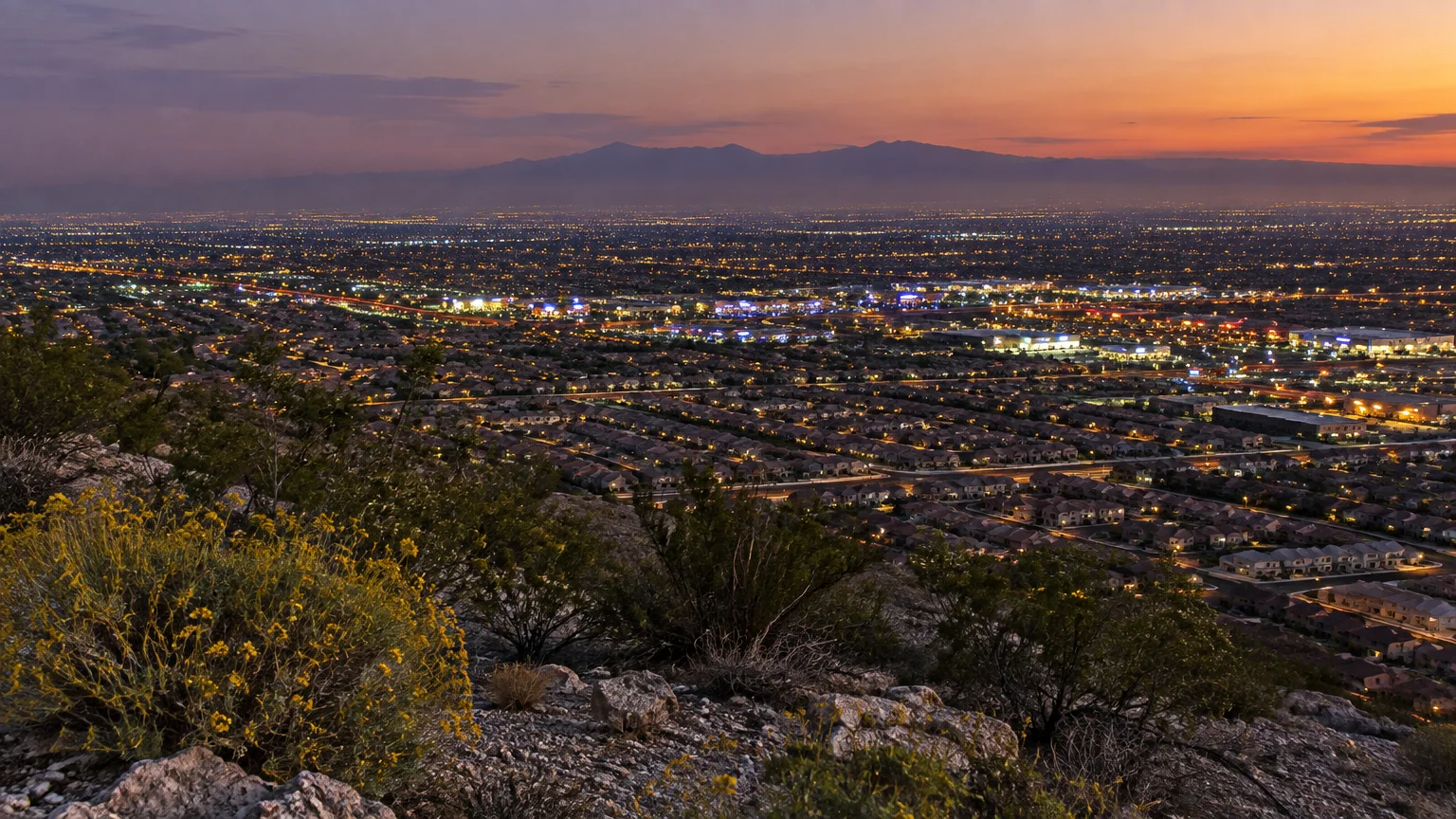
Many seniors relocate expecting sweeping desert vistas, majestic saguaro cacti, and quiet starry nights. Instead, modern metro Phoenix and Tucson present miles of concrete, asphalt, and strip malls.
Relentless commercial construction has replaced native desert flora with identical warehouse distribution centers and retail plazas. Traffic noise and light pollution now dominate previously pristine desert valleys.
Running simple errands often involves driving 40 minutes across congested surface corridors. The sheer scale of metro sprawl makes walking to local pharmacies or cafes impossible.
Air quality has also degraded as millions of vehicles kick up particulate dust in the valley basin. Ground-level ozone and stagnant smog frequently prompt air quality alerts during hot summer months.
For retirees seeking quiet natural beauty, modern suburban Arizona can feel surprisingly industrial and frantic. That loss of tranquility leads to deep dissatisfaction among those desiring peaceful surroundings.

10. Distance from Family and Social Isolation
Leaving children and grandchildren behind represents one of the largest emotional pitfalls in retirement. While friends promise to visit every winter, those trips dwindle over time.
Traveling back home for holidays or family milestones becomes physically exhausting and expensive. Peak airline ticket pricing around Thanksgiving and Christmas strains fixed retirement budgets.
When unexpected health crises emerge, the 1,500-mile distance becomes an enormous obstacle. Family members struggle to provide daily caregiving support from several time zones away.
Building a completely new social circle in your late 60s or 70s requires intentional effort and resilience. Many newcomers find age-restricted communities cliquish or transient as seasonal snowbirds come and go.
“Retirement readiness is not just about your portfolio balance; it demands social capital, family proximity, and community roots to remain fulfilling.” — Mitch Anthony, Retirement Lifestyle Author
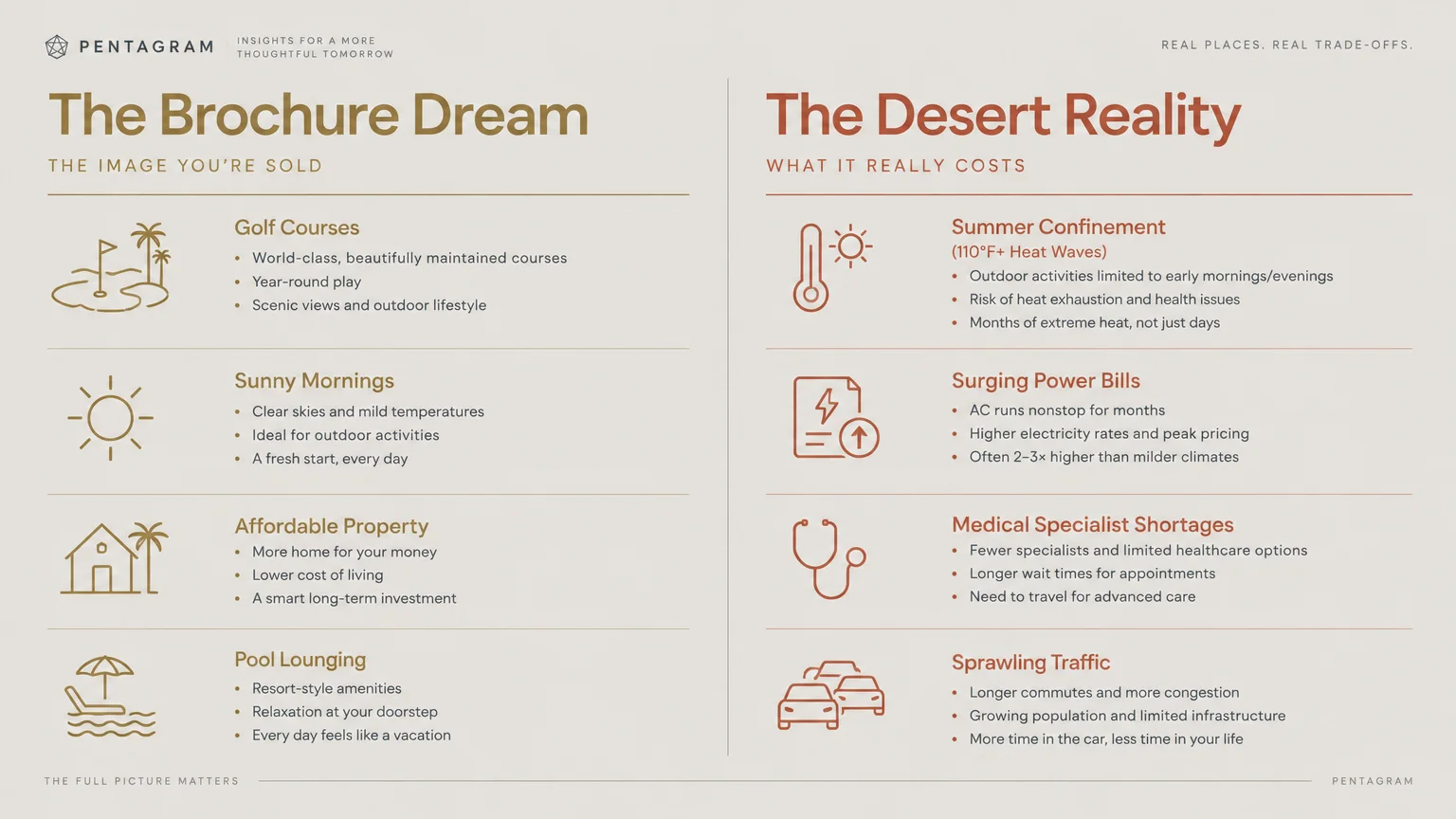
Comparing the Dream vs. the Reality of Arizona Living
Weighing the marketed appeal against daily reality provides crucial clarity before you put your current home up for sale. Use this comparison table to analyze how everyday living conditions truly stack up.
| Retirement Factor | Marketing Expectation | Day-to-Day Reality |
|---|---|---|
| Summer Climate | Warm, dry sunshine ideal for year-round outdoor sports | Oppressive triple-digit heat confining seniors indoors for months |
| Housing Prices | Bargain single-level homes that unlock home equity | Median metro prices exceeding $450,000 plus rising HOA fees |
| Medical Care | World-class desert healthcare hubs with prompt attention | Ranks 44th in primary physicians; months-long specialist waits |
| Utility Costs | Negligible winter heating bills saving annual cash | Summer electric bills reaching $300 to $500+ every month |
| Local Taxation | Tax-friendly desert haven for retirees | Flat 2.5% income tax offset by combined sales taxes up to 8.7% |
Avoiding Common Errors Before Relocating
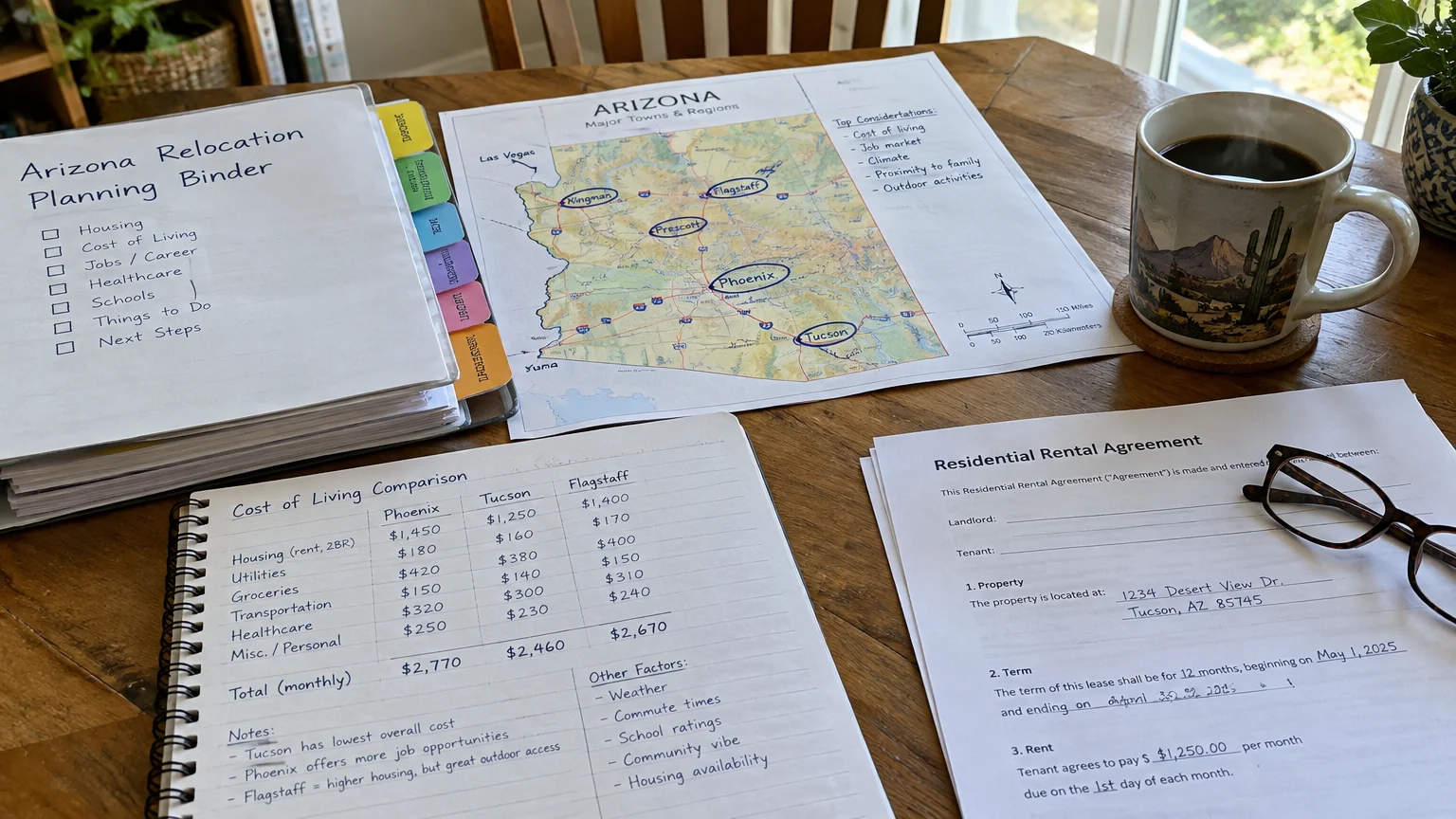
Rushing into a long-distance relocation can compromise your financial stability. Many seniors discover regrets because they planned their moves during brief winter vacations.
- Visiting Only in Winter: Spending a pleasant week in January reveals nothing about enduring July and August heat. Always spend at least four weeks in the desert during peak summer before buying property.
- Assuming Doctors Are Readily Available: Never move without confirming that local primary care doctors and specialists accept your specific Medicare plan. Call clinics directly to verify actual intake wait times.
- Overlooking Vehicle Ownership Costs: Factor in car insurance rates exceeding $2,500 annually alongside constant air filter and battery replacements. Desert heat drains vehicle batteries within two years.
- Skipping Groundwater Research: Investigate whether your target subdivision possesses a certified 100-year assured water supply designation. Failing to check water security leaves your home equity vulnerable to regulatory bans.
- Underestimating Moving and Re-buying Costs: Realtor commissions, moving trucks, and title fees consume tens of thousands of dollars. Leaving Arizona after two years will permanently deplete your nest egg.

When DIY Isn’t Enough: Getting Professional Transition Advice
Relocating across state lines involves intricate financial, legal, and medical trade-offs. Consulting qualified independent professionals protects your assets before you commit capital.
Work with a fee-only financial planner to model how utility surges, sales taxes, and home maintenance impact your withdrawal rates. They can simulate your long-term plan under various inflation and cost-of-living scenarios.
Consult an elder law attorney to establish state-specific healthcare directives, powers of attorney, and updated estate documents. Arizona has specific community property and probate rules that differ from common-law states.
If you manage chronic health conditions, speak with your current medical team about care continuity. Resources from AARP offer practical moving checklists to help seniors coordinate interstate medical care transitions.
Frequently Asked Questions About Retiring in Arizona
Is Arizona bad for retirees on a strict fixed income?
Arizona has become increasingly difficult for tight budgets due to elevated home prices, steep sales taxes, and massive summer power bills. Seniors relying exclusively on average Social Security benefits often struggle with housing and utility expenses.
What is the worst month of the year to live in Arizona?
July and August are widely considered the most brutal months across central and southern Arizona. Temperatures consistently exceed 110°F, nighttime lows remain near 90°F, and monsoon humidity makes cooling systems run continuously.
How dangerous is Valley fever for seniors moving to the state?
Valley fever represents a serious respiratory risk for older adults, particularly those with compromised immune systems. The highest per capita infection rate occurs among adults aged 75 to 84, sometimes causing chronic fatigue and persistent lung damage.
Are property taxes low enough to offset high sales taxes?
While Arizona maintains modest property tax rates compared to the Northeast or Midwest, high sales taxes eat into monthly spending. Combined sales taxes between 8.5% and 8.7% apply to most daily household goods and vehicle repairs.
Making the Right Choice for Your Retirement
Arizona offers genuine benefits for active adults who enjoy desert recreation, low humidity during winter, and beautiful sunsets. However, the state is no longer the cheap, easy retirement haven marketed decades ago.
Protect yourself by renting a home for a full summer before listing your current house. Test the medical networks, drive the daily corridors, and inspect the electric bills firsthand.
This is educational content based on general retirement and financial principles. Individual results vary based on your situation. Always verify current benefit rules, tax laws, and eligibility requirements with official sources like SSA, Medicare.gov, or the IRS.
Last updated: March 2026. Retirement benefits, tax rules, and healthcare regulations change frequently—verify current details with official sources.







Leave a Reply