
Stepping away from a decades-long career leaves a significant gap in your daily routine, making the search for meaningful retirement activities a top priority. Joining a dedicated group provides immediate structure, renewed purpose, and a built-in community of peers who share your evolving interests. Finding the right senior clubs transforms your post-work years into a period of dynamic personal growth, rather than a struggle to fill empty hours. Research consistently proves that active social engagement staves off cognitive decline and drastically improves overall well-being. By exploring the specific organizations current seniors consistently praise, you can strategically invest your time in communities that deliver genuine connection and lasting fulfillment.

1. Lifelong Learning Institutes
Retirement offers the ultimate luxury of learning purely for the joy of it, without the pressure of exams, grades, or career advancement. Lifelong Learning Institutes—often affiliated with local colleges and universities—provide a structured environment for intellectual exploration. The most prominent example is the Osher Lifelong Learning Institute (OLLI), which operates on over a hundred university campuses nationwide. These programs offer non-credit courses designed specifically for adults aged fifty and older.
You can study anything from Renaissance art history and astrophysics to local politics and creative writing. The instructors are often retired professors or subject matter experts who volunteer their time. Seniors consistently rate these institutes highly because they attract curious, engaged individuals, making it incredibly easy to form friendships based on shared intellectual interests. Staying mentally stimulated is not just a pleasant way to pass the time; it is a critical component of healthy aging. The National Institute on Aging (NIA) emphasizes that participating in cognitively demanding activities can help maintain brain health and potentially delay the onset of cognitive decline.
“An investment in knowledge pays the best interest.” — Benjamin Franklin
2. Specialized Walking and Fitness Clubs
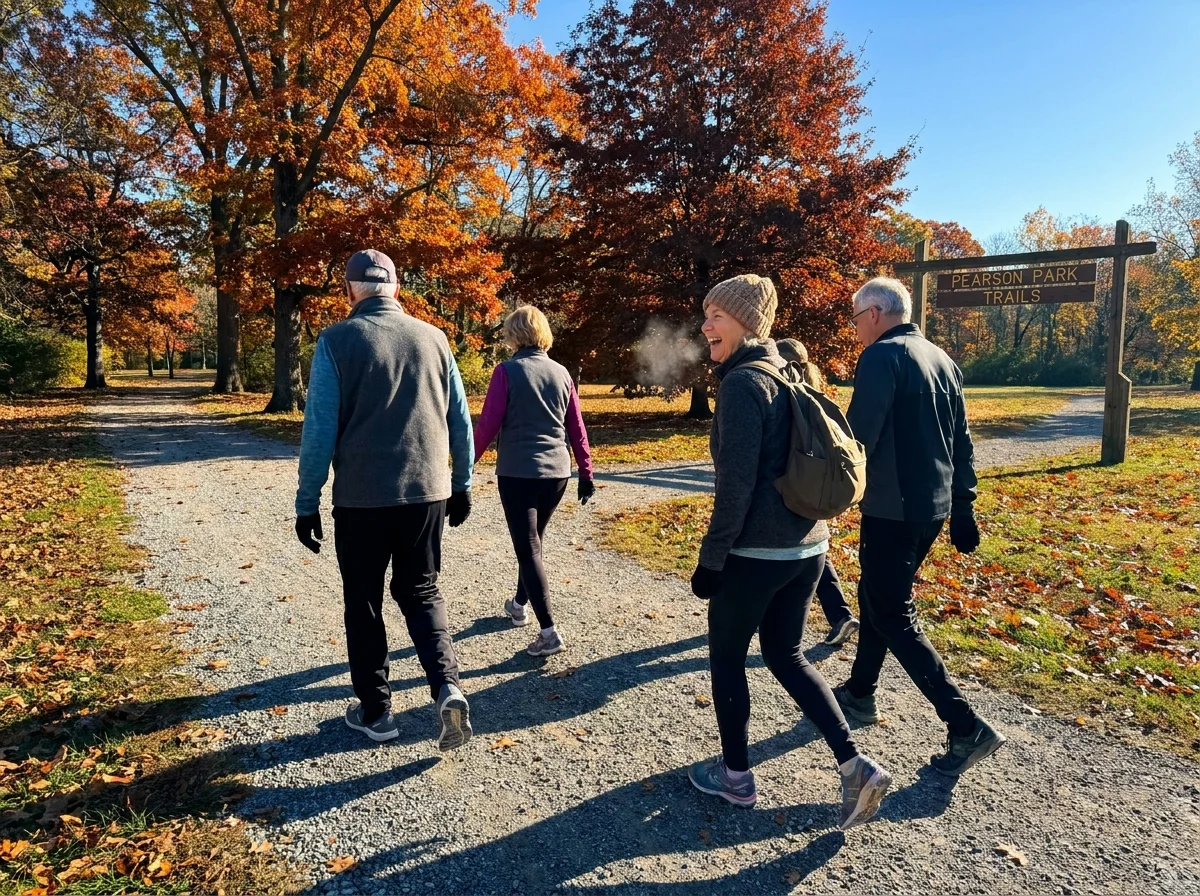
Maintaining physical health becomes paramount as you age, but going to a traditional gym can sometimes feel isolating or intimidating. Walking clubs, cycling groups, and specialized fitness communities offer a supportive alternative. These clubs combine physical activity with consistent social interaction, which significantly increases the likelihood that you will stick to your exercise routine.
Local walking clubs frequently map out safe, scenic routes through community parks, botanical gardens, or historical neighborhoods. For those looking for more varied activities, community centers often host pickleball leagues, water aerobics groups, and senior yoga classes. The camaraderie built during a brisk morning walk or a friendly pickleball match organically leads to post-workout coffees and deeper friendships. Staying active in a group setting directly impacts your long-term independence. The National Council on Aging (NCOA) notes that regular group exercise reduces the risk of falls, helps manage chronic conditions, and improves mobility—all of which keep your long-term healthcare costs manageable.
3. Civic and Service Organizations
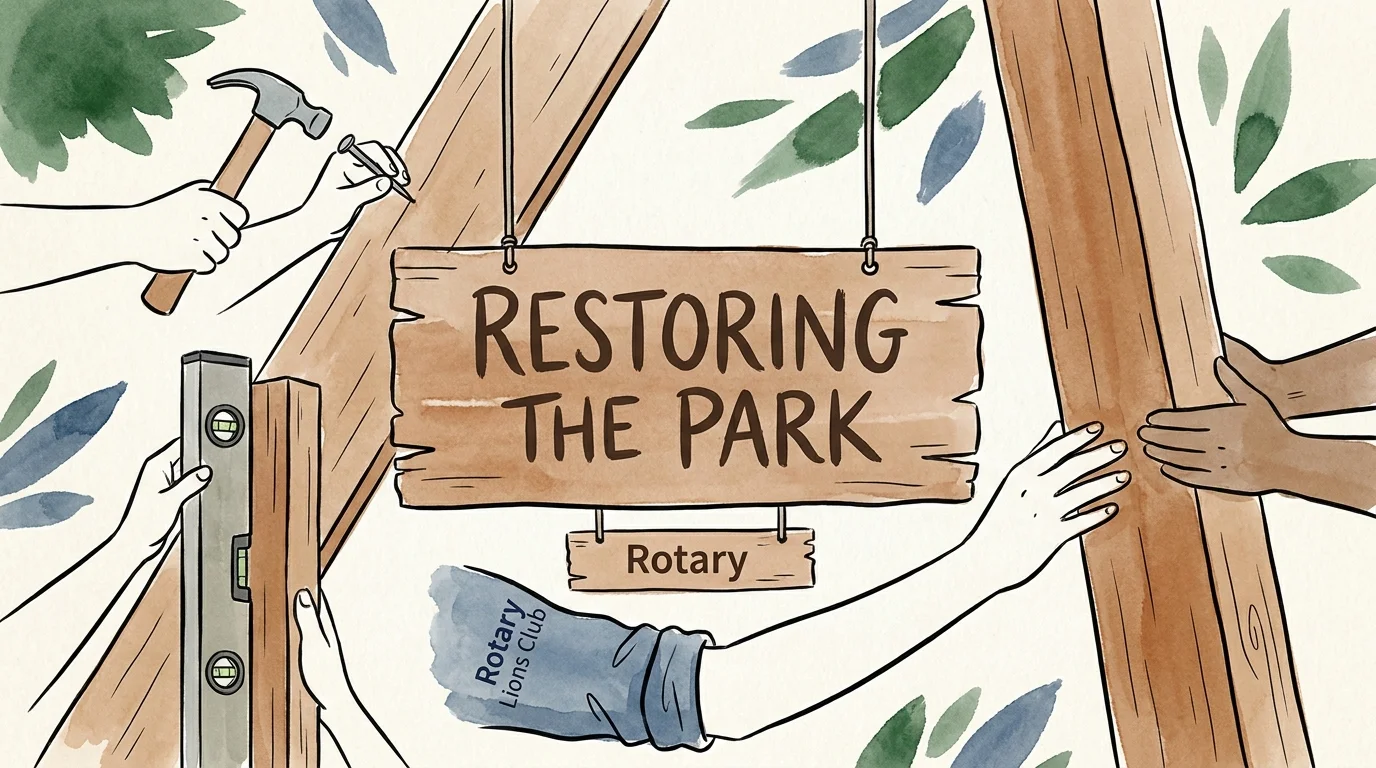
Many retirees struggle with a sudden loss of identity when they leave the workforce. You spend decades being known as a manager, an engineer, a teacher, or a business owner. Civic and service organizations like Rotary International, Kiwanis, and the Lions Club provide an excellent avenue to reclaim a sense of professional purpose and community standing. These clubs focus heavily on local and global service projects, charitable fundraising, and community betterment.
Joining a service organization connects you with other driven, civic-minded individuals. You can leverage your career skills—whether in accounting, project management, or public speaking—to benefit local charities, organize food drives, or fund scholarships. Seniors praise these groups because they provide a structured weekly or monthly meeting, a clear mission, and the profound satisfaction of giving back to the community that supported them throughout their careers.
“Retirement is an opportunity to redefine your purpose, not just a time to retreat from life. The most successful retirees replace their work identity with a new, equally meaningful pursuit.” — Mitch Anthony, Retirement Lifestyle Educator

4. Master Gardener Programs and Horticultural Societies
If you prefer to spend your retirement lifestyle outdoors with your hands in the dirt, specialized garden clubs and Master Gardener programs are highly recommended by retirees. Unlike a casual neighborhood garden club, Master Gardener programs—typically run through state university cooperative extension offices—require a formal commitment. You receive intensive training in botany, soil science, and pest management; in return, you volunteer a set number of hours sharing your knowledge with the public.
Volunteer work often includes maintaining community gardens, answering questions at local farmers’ markets, or teaching gardening techniques to school children. Even if you choose a less intensive local horticultural society, joining a community of gardeners provides an excellent mix of gentle physical labor, continuous learning, and tangible, beautiful results. The seasonal nature of gardening also provides a reliable rhythm to your retirement calendar.

5. RV and Travel Clubs
For many Americans, retirement is synonymous with hitting the open road. However, navigating the logistics of extended travel, finding reliable campgrounds, and maintaining a recreational vehicle can be daunting. RV and travel clubs—such as the Escapees RV Club, Good Sam, or local AARP travel chapters—are incredibly valuable resources for mobile retirees.
These clubs offer far more than just campground discounts. They host regional rallies, provide roadside assistance networks, and offer forums where members exchange crucial information about vehicle maintenance and safe travel routes. More importantly, they provide a traveling community. It is common for members to coordinate their travel schedules to meet up in different states depending on the season, creating a massive, mobile neighborhood of supportive peers.

6. Historical and Genealogy Societies
Retirement often sparks a desire to look backward and preserve your family legacy for future generations. Genealogy clubs and local historical societies cater exactly to this urge. Researching your ancestry requires patience, meticulous record-keeping, and investigative skills—all of which keep your mind sharp.
Local genealogy groups frequently host workshops on how to navigate complex census records, interpret DNA test results, and preserve delicate family photographs. Members routinely help each other break through “brick walls” in their family trees. Additionally, volunteering with a local historical society allows you to serve as a docent, archive historical documents, and help preserve the unique history of your hometown, ensuring that local heritage outlives your generation.
7. Investment and Financial Strategy Clubs
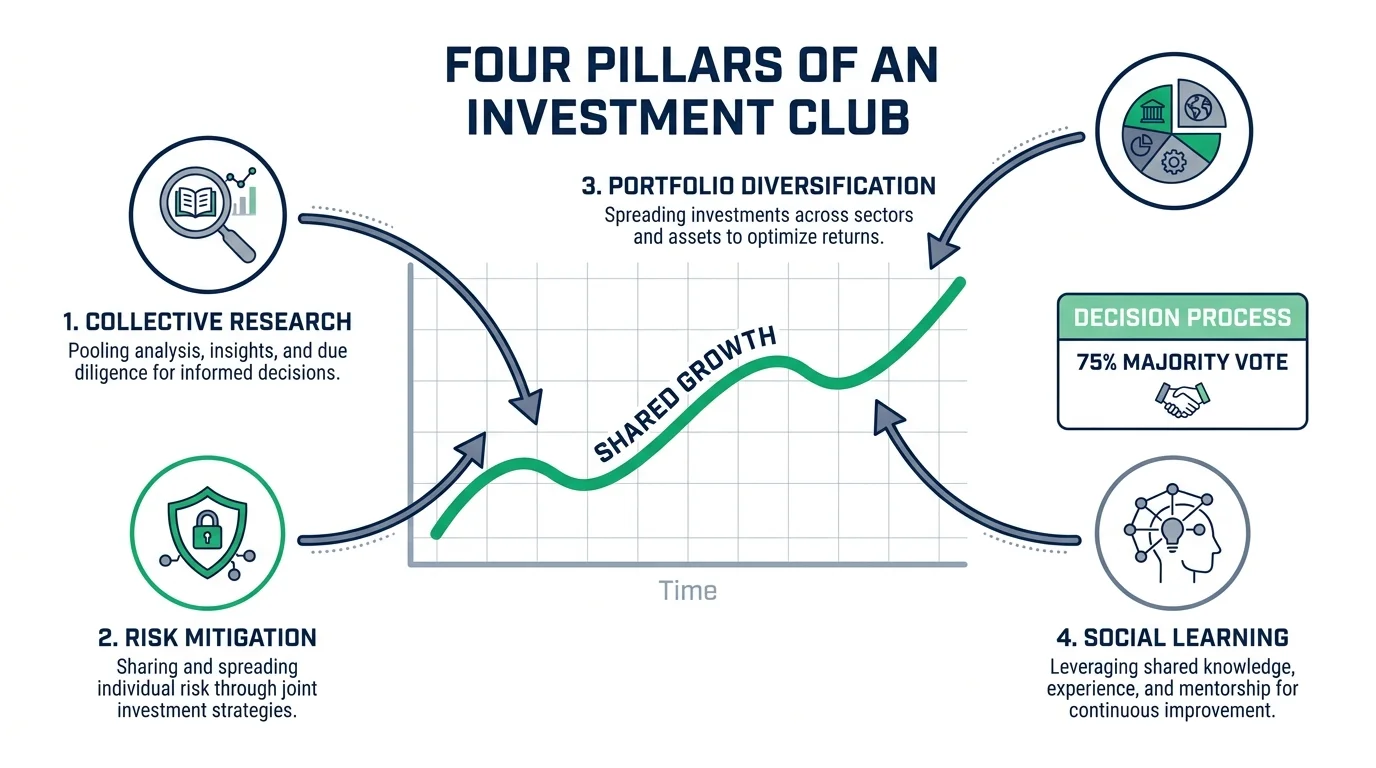
Managing your nest egg does not stop the day you retire; in fact, the transition from accumulating wealth to distributing it requires careful attention. Investment clubs offer a venue for retirees to discuss market trends, evaluate dividend-paying stocks, and share strategies for managing inflation and taxes. These groups typically meet monthly to pool their research, and sometimes their capital, to make collective investment decisions.
Seniors who join these clubs appreciate the shared accountability and the diverse perspectives on wealth management. It removes the isolation of managing a portfolio alone and helps prevent emotional decision-making during market downturns. It is vital, however, to approach these groups with a focus on education rather than speculation. Always verify investment strategies and protect yourself against fraud by utilizing resources from Investor.gov, the educational arm of the U.S. Securities and Exchange Commission.

8. Book Clubs and Literary Circles
The classic book club remains one of the most accessible and popular retirement activities available. Local libraries, independent bookstores, and community centers consistently host reading groups tailored to almost every genre, from historical biographies and classic literature to modern mysteries and science fiction.
Book clubs are incredibly cost-effective, often requiring nothing more than a library card. The true value lies in the lively discussions and the exposure to diverse viewpoints. Reading a book provides individual enrichment, but debating its themes over coffee or a glass of wine transforms it into a profound social experience. For seniors with mobility limitations, the rise of virtual book clubs via video conferencing has made this activity more accessible than ever, allowing you to connect with readers globally from the comfort of your living room.
Comparing the Costs and Time Commitments
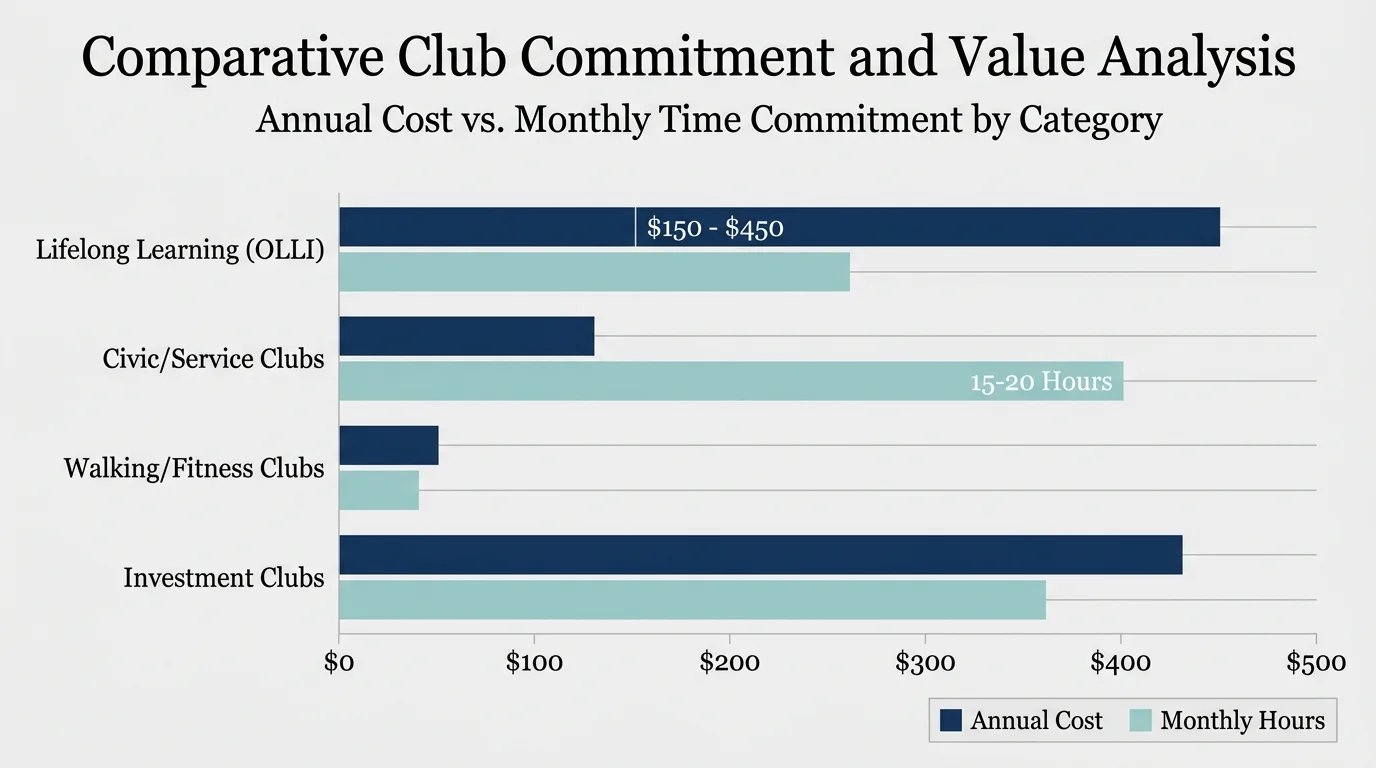
Before committing your time and resources, it helps to understand what different organizations typically require. Use this comparison to align your choices with your budget and desired schedule.
| Club Type | Primary Benefit | Average Cost Estimate | Typical Time Commitment |
|---|---|---|---|
| Lifelong Learning (OLLI) | Mental stimulation, intellectual growth | $50 – $200 annual membership, plus minor course fees | 2 – 6 hours per week during academic terms |
| Walking & Fitness Clubs | Physical health, casual socialization | Free to $30 annually (often covered by Medicare fitness benefits) | 3 – 5 hours per week, highly flexible |
| Service Organizations | Community impact, structured networking | $100 – $300 annually, plus meal costs at meetings | Weekly meetings plus project hours (varies) |
| Master Gardener Programs | Outdoor activity, skill building | $100 – $250 for initial training materials | 40 – 50 volunteer hours annually required for certification |
| RV and Travel Clubs | Travel discounts, mobile community | $30 – $80 annually | Seasonal or full-time, dependent on travel schedule |
| Investment Clubs | Financial literacy, portfolio management | Varies widely; often includes monthly capital contributions | 2 – 4 hours a month for meetings and individual research |

Pitfalls to Watch For
While joining new communities is generally a positive step, newly retired individuals often fall into a few common traps when building their new schedules.
Overcommitting Too Quickly: The sudden abundance of free time can cause you to say “yes” to every invitation. Joining five different organizations in your first month of retirement leads to burnout. It essentially recreates the stress of a full-time work schedule. Start by choosing one or two groups that align perfectly with your deepest interests, and give yourself time to adapt to the rhythm of the meetings before taking on leadership roles.
Ignoring Hidden Costs: While a club might advertise a low annual membership fee, the peripheral costs can add up quickly. A golf club requires greens fees and equipment; a travel club involves fuel and campground costs; a service organization often expects you to buy lunch at every meeting and contribute to fundraising drives. Always evaluate the total cost of participation against your fixed retirement income.
Tolerating Toxic Group Dynamics: Not every group is perfectly harmonious. Occasionally, you may encounter an organization burdened by internal politics, rigid cliques, or domineering leadership. Remember that your retirement time is precious. If a club causes you anxiety or frustration rather than joy and fulfillment, give yourself permission to leave immediately and find a healthier environment.
Frequently Asked Questions
How do I find reputable senior clubs in my immediate area?
Start with your local municipal community center or public library, as they frequently host or advertise established groups. Additionally, checking the websites of nearby universities for OLLI programs, or visiting the official national websites of organizations like Rotary or the Master Gardener extension, will provide directories of local chapters. Social media platforms also host community-specific boards where local hobbies are advertised.
Are there financial assistance options for club memberships?
Yes, depending on the activity. Many fitness and walking clubs at local YMCAs or recreation centers are fully subsidized if your Medicare Advantage or Medigap plan includes fitness benefits like SilverSneakers or Renew Active. Additionally, lifelong learning institutes and some civic organizations offer sliding-scale fees or scholarships for seniors living on a fixed income; you simply need to ask the membership director privately.
What if I have mobility issues or lack reliable transportation?
The landscape of retirement clubs has adapted significantly to include virtual options. Many genealogy societies, book clubs, and investment groups now offer hybrid meetings, allowing members to dial in via video conference. For local events, many community centers offer specialized senior transit services designed to pick you up and drop you off safely, ensuring that mobility limitations do not result in social isolation.
Choosing the right retirement clubs is about designing a lifestyle that balances your physical health, mental agility, and need for human connection. Take your time, attend a few guest meetings without pressure, and discover which community feels like a natural fit for your next great chapter.
This is educational content based on general retirement and financial principles. Individual results vary based on your situation. Always verify current benefit rules, tax laws, and eligibility requirements with official sources like SSA, Medicare.gov, or the IRS.
Last updated: May 2026. Retirement benefits, tax rules, and healthcare regulations change frequently—verify current details with official sources.









Leave a Reply