
Relocating in retirement should bring personal peace, financial freedom, and day-to-day fulfillment. When you land in the ideal community, subtle daily experiences quickly validate your decision.
U.S. Census Bureau data reveals that only 6.2% of older adults relocate each year; repeated moves drain wealth and emotional energy. Identifying reliable milestones confirms your new hometown supports your long-term independence.
Measuring your genuine retirement town satisfaction gives you clarity on where you stand. Here are eleven definitive signs that you have selected the right retirement location for your future.

1. Your Essential Housing Costs Remain Comfortably Predictable
Housing remains the largest single expenditure for older Americans. You know you picked the right community when housing costs never strain your monthly budget.
According to the Bureau of Labor Statistics, housing consumes roughly 33% to 35% of total annual spending for households aged 65 and older. Settling in an affordable area protects your savings from runaway overhead.
Your property taxes, homeowners insurance, and utility bills should fit neatly inside your fixed retirement revenue. Unexpected roof repairs or rate hikes should cause minor inconveniences rather than financial panic.
Many jurisdictions also provide statutory safeguards for long-term residents. Choosing an area with local property tax caps or homestead freezes safeguards your home equity permanently.

2. Local Medical Specialists and Medicare Providers Welcome Your Coverage
A thriving retirement location offers exceptional, reachable medical infrastructure. When you secure appointments with quality primary care physicians without lengthy delays, your town demonstrates its longevity value.
Fidelity estimates that an average 65-year-old retiring today will spend approximately $165,000 on medical expenses throughout retirement. Proximity to accessible clinical networks directly controls these non-discretionary costs.
Moving outside your previous plan service area triggers a Medicare Special Enrollment Period under Centers for Medicare & Medicaid Services regulations. You gain two full months to transition into regional health maintenance networks.
When nearby hospitals maintain strong cardiology, orthopedic, and wellness departments, your peace of mind increases. You spend less time commuting to appointments and more hours enjoying your routine.

3. State and Local Taxes Respect Your Nest Egg
State tax codes substantially impact the longevity of retirement investment portfolios. You chose well if your state treats pension distributions, investment gains, and government entitlements favorably.
Currently, only eight states levy state taxes on Social Security benefits to any extent. Finding yourself outside those states preserves a predictable portion of your baseline income stream.
Local tax relief matters just as much as state income tax policy. Outstanding retirement towns offer generous homestead exemptions or millage freezes once you reach age 65.
These local tax provisions protect your purchasing power against local inflation. You retain more capital for discretionary pleasures, travel, and personal hobbies.

4. Daily Errands Take Minutes Instead of Meaningful Highway Travel
Daily convenience defines quality of life as the years advance. You have chosen the right town when your essential errands require short, pleasant drives or simple walks.
Getting your groceries, visiting the pharmacy, and dining out should never involve stressful gridlock. When routine journeys remain under fifteen minutes, daily stress levels drop significantly.
Neighborhood layout matters even more if driving preferences change over time. Thriving retirement destinations feature compact commercial hubs and dedicated pedestrian walkways.
Accessible public shuttles, ride-sharing networks, and level sidewalks ensure lasting autonomy. You can access necessary services independently regardless of transportation changes.

5. You Have Formed Genuine Social Connections Outside Your Household
Making trusted friends marks the difference between visiting an attractive town and establishing a permanent home. When you feel a genuine sense of belonging, your community choice is proven right.
Research published by the National Council on Aging links strong social ties directly to lower cognitive decline and decreased rates of senior depression. An active social network sustains vibrant emotional health.
Your community should provide accessible gathering points, including recreation centers, gardening cooperatives, book clubs, and civic groups. Meeting peers who share your values happens naturally rather than feeling like a chore.
Conversations with neighbors across garden fences or on morning walks confirm your integration. You establish a dependable local safety net of individuals who look out for one another.
“Retirement is not the end of the road, but rather the beginning of an open highway.” — Mitch Anthony, Author and Retirement Coach

6. Your Physical Environment Encourages Daily Movement
An ideal retirement town encourages an active lifestyle through its natural design. You picked the correct location if stepping outside to exercise feels effortless each day.
Access to public green spaces, flat walking loops, and regional fitness programs keeps you moving consistently. Routine movement preserves mobility and joint flexibility as you age.
A hospitable climate also increases the time you spend outdoors throughout the seasons. Mild winter weather or manageable summer heat encourages consistent morning walks and cycling.
You never find yourself trapped indoors for months due to extreme ice storms or unmanageable humidity. The local geography invites recreation and promotes continuous vitality.

7. Family and Lifelong Friends Can Visit Without Travel Friction
Moving away from your original home territory requires balanced logistical planning. You chose the right town when relatives and longtime companions visit without immense hassle or prohibitive expense.
Proximity to regional airports, major highway corridors, or passenger rail routes makes overnight visits straightforward. Your children and grandchildren can plan weekend getaways without navigating multi-leg flights.
The community should also offer pleasant, affordable lodging choices for visiting guests. When your town features clean hotels, vacation rentals, and appealing guest activities, visitors look forward to arriving.
Staying connected with multi-generational family members protects against late-life feelings of detachment. Your new town becomes a welcoming destination for the entire family.
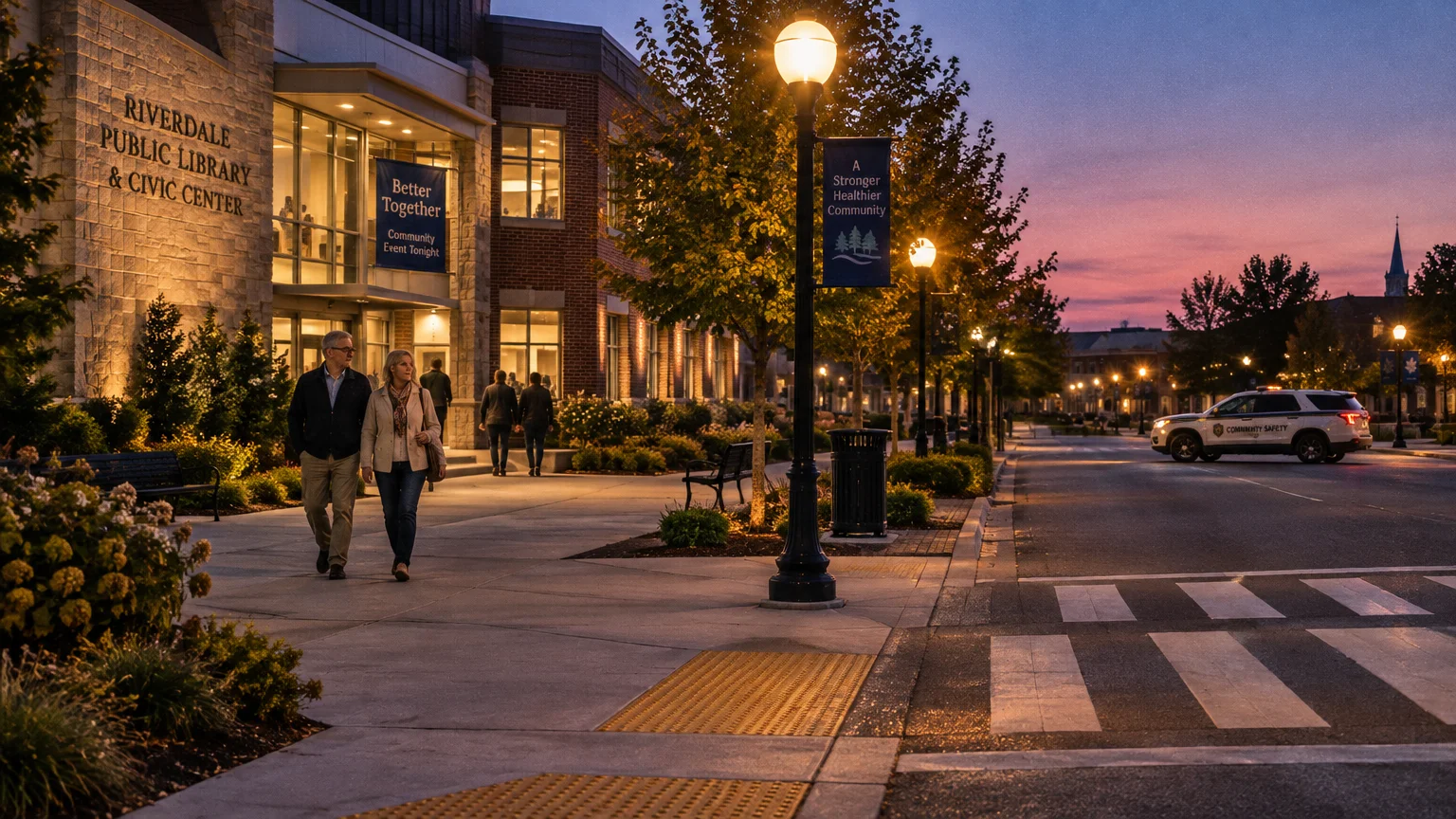
8. Municipal Infrastructure and Safety Standards Bring Total Peace of Mind
True comfort requires living in a municipality that delivers dependable emergency response and clean public spaces. You chose well when you feel secure walking down your street after dark.
Low local crime rates and well-funded municipal police and fire departments preserve community tranquility. Modern emergency medical response teams should operate within minutes of your front door.
Look at physical infrastructure like water reliability, roadway maintenance, and storm drainage. Dependable public utilities prevent expensive municipal assessments and protect property values over decades of residency.
A well-managed town budget also shields homeowners from sudden local tax spikes. Responsible civic stewardship safeguards your investment in your community.

9. You Have Discovered Meaningful Outlets for Purpose and Learning
Retirement freedom feels empty without engaging activities that occupy your mind. A superb retirement town offers endless opportunities for civic contribution, adult education, and personal development.
You know you settled in the right spot when local colleges offer discounted courses or creative workshops. Engaging in new academic pursuits keeps cognitive faculties sharp and expands your personal horizons.
Local charity foundations, animal shelters, and cultural institutions frequently rely on experienced volunteer talent. Dedicating a few hours each week to purposeful initiatives enriches your lifestyle.
Staying mentally stimulated prevents the boredom that sometimes plagues modern retirees. Your days carry distinct purpose, structure, and intellectual fulfillment.
“The goal is not to buy a home that exhausts your resources, but to choose a location that protects your future freedom.” — Jean Chatzky, Financial Journalist
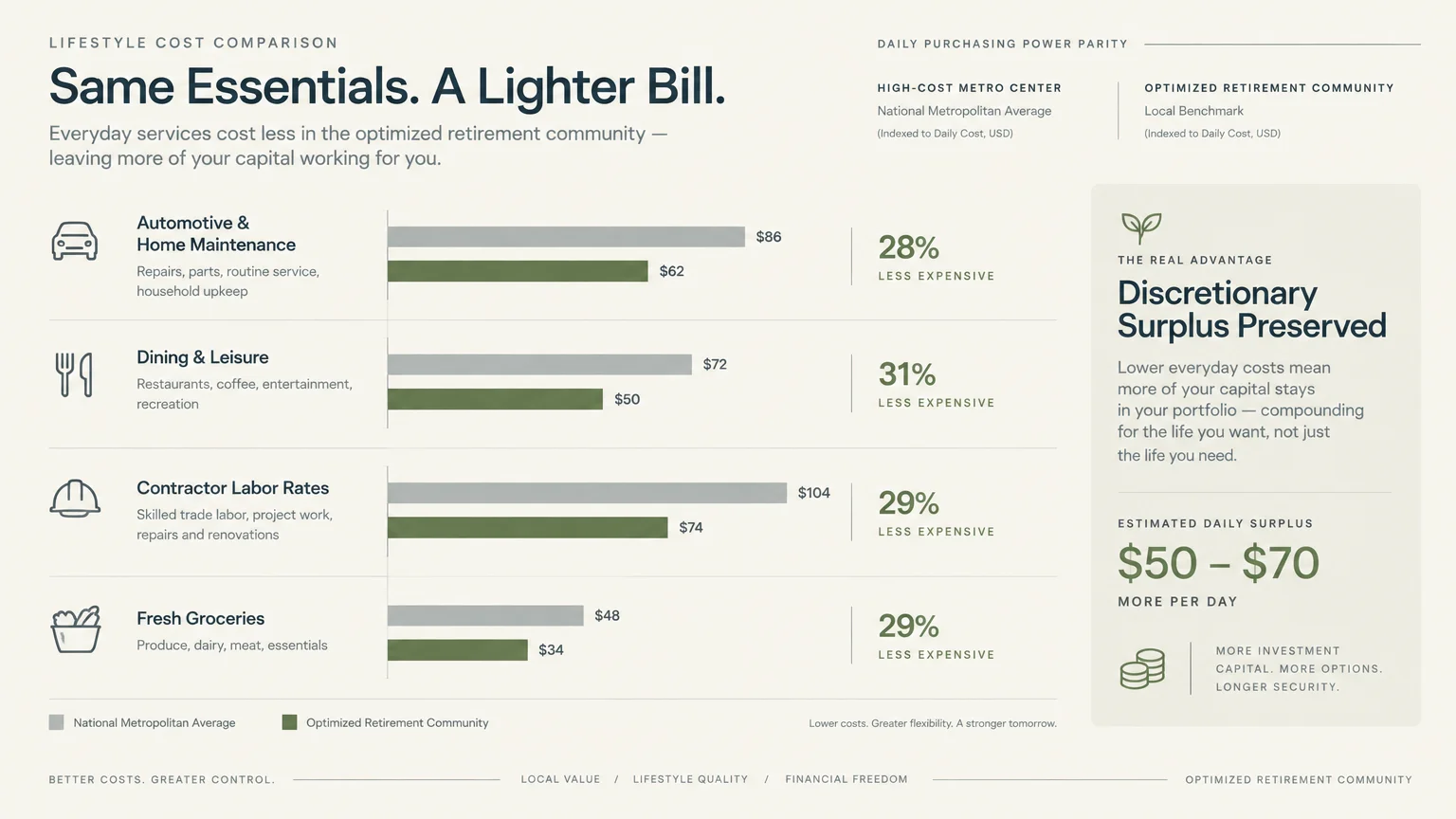
10. The Cost of Goods and Services Aligns with Your Financial Horizon
Living costs encompass far more than housing and local income taxes. You selected the right town when everyday expenditures leave plenty of room for discretionary leisure.
Dining out, entertainment tickets, automotive repairs, and contractor rates should feel entirely reasonable. When service professionals charge fair rates, maintaining your residence remains stress-free.
Consumer resources from organizations like AARP emphasize the importance of monitoring regional inflation trends. Price stability across daily purchases safeguards your multi-decade investment allocations.
You can verify consumer safeguards and regional lending patterns through the Consumer Financial Protection Bureau. A stable regional economy keeps local service pricing fair for everyone.

11. You Have Stopped Searching Real Estate Listings Elsewhere
One of the clearest signs of happy retirement living is simple psychological peace. You know you made the right decision when you lose all interest in browsing residential real estate listings.
Retirees in mismatched locations often obsess over alternative destinations and seasonal alternatives. By contrast, deep contentment eliminates the desire to hunt for greener grass.
You start focusing entirely on personal landscaping, home interior updates, and neighborhood engagement. Your mental energy shifts permanently from planning the next relocation to appreciating your present circumstances.
Finding genuine community alignment allows you to plant lasting roots. You realize that your current hometown delivers everything necessary for a rewarding second act.
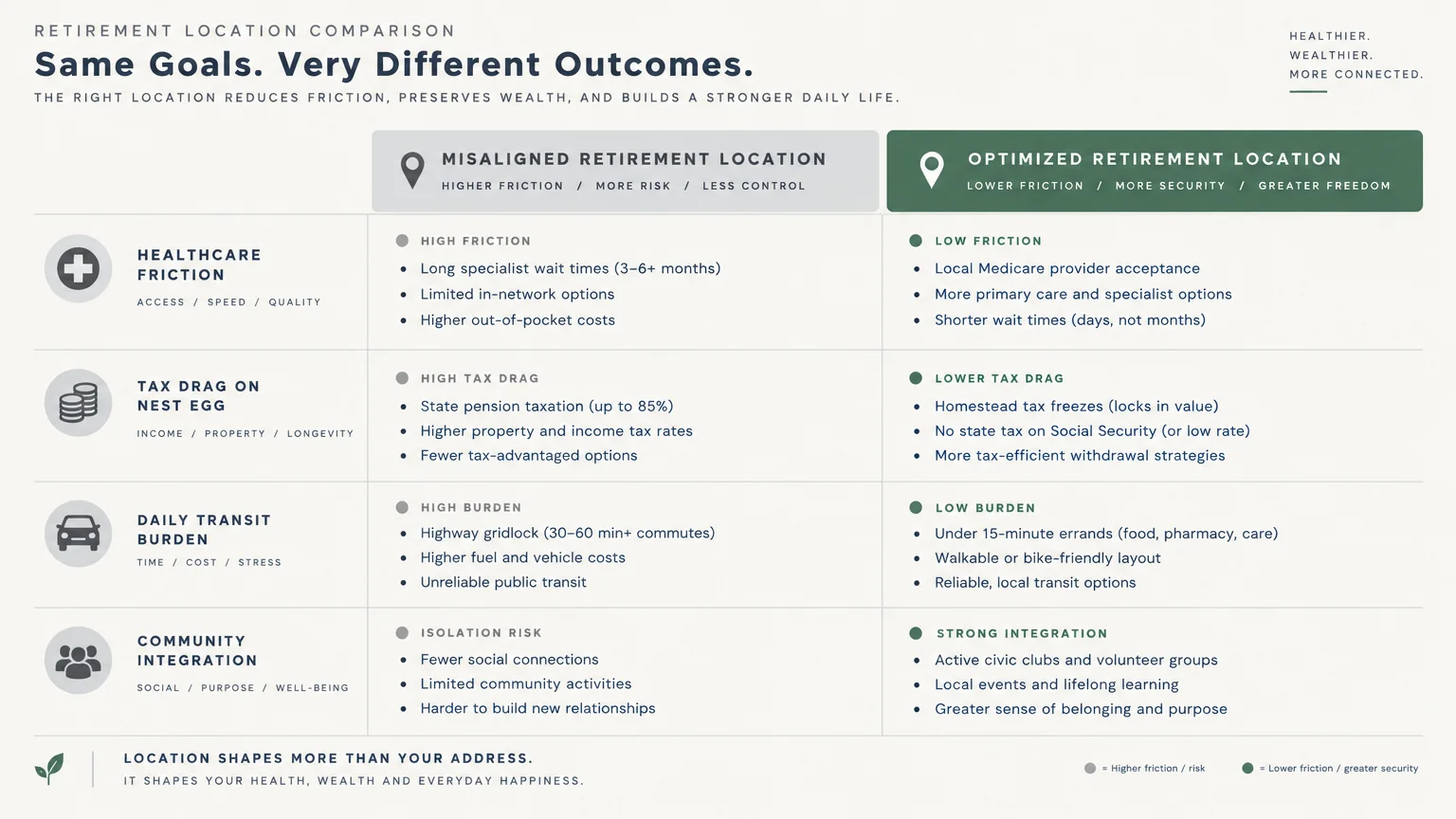
Evaluating Your Fit: Town Alignment Comparison
Choosing where to retire involves balancing concrete numbers with intuitive lifestyle factors. Review the distinct markers below to determine whether your town matches your permanent needs.
| Evaluation Metric | Signs of the Right Retirement Town | Warning Signs of a Mismatch |
|---|---|---|
| Housing Overhead | Housing expenses demand under 33% of your income; property tax caps apply. | Uncapped millage hikes, rising HOA dues, and steep home insurance costs. |
| Healthcare Access | In-network primary doctors and medical specialists accept new patients nearby. | Lengthy waiting lists, hospital closures, and two-hour drives for routine care. |
| Daily Mobility | Errands take under fifteen minutes; flat sidewalks and transit exist. | Dangerous multi-lane highways required for every basic trip to the pharmacy. |
| Social Integration | Multiple active friendships and effortless participation in community groups. | Chronic isolation, seasonal vacancies, and no local gathering spaces. |
| Tax Burden | State exempts retirement pensions or Social Security; senior breaks available. | Aggressive state income taxes and escalating residential assessments. |
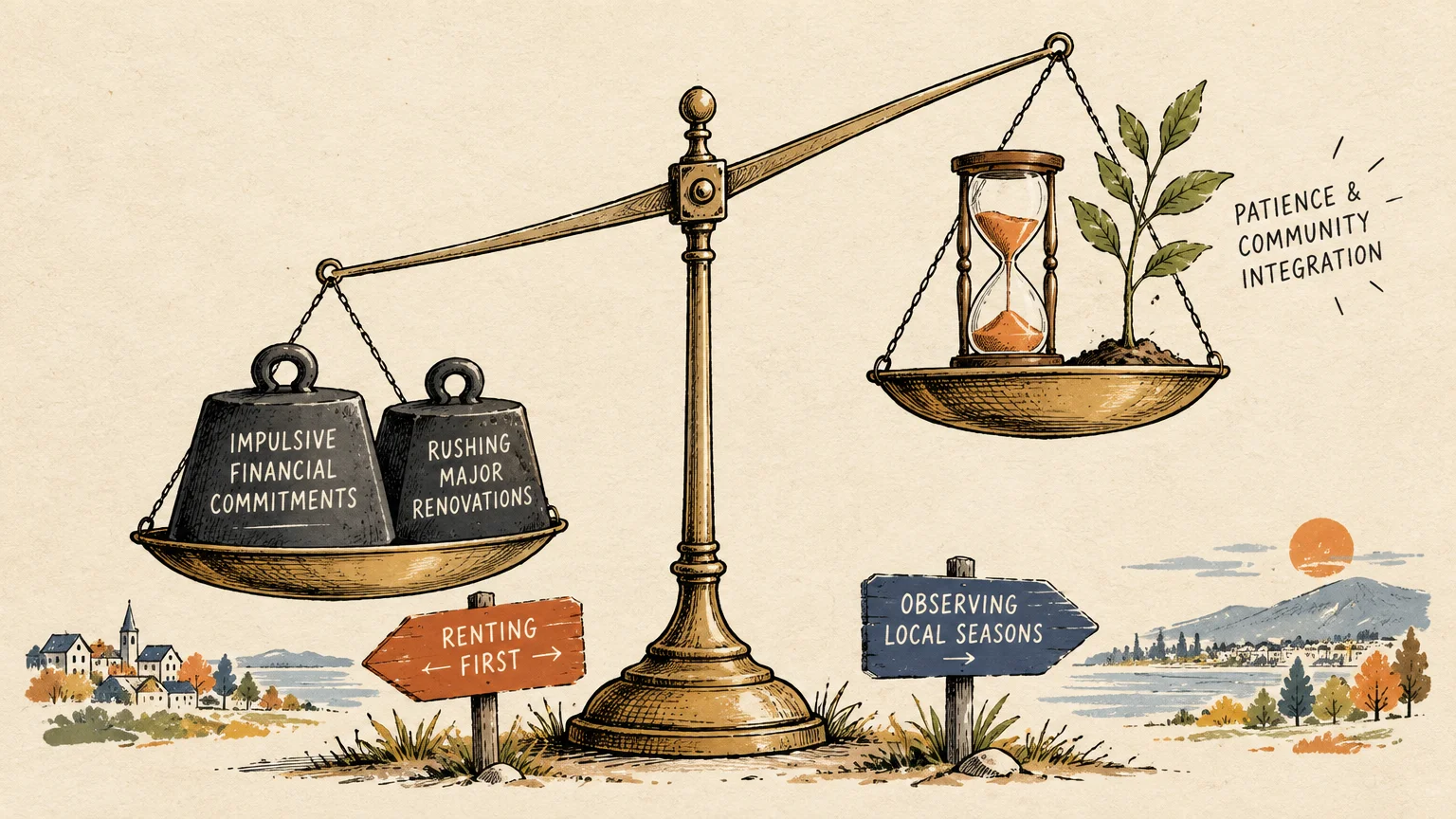
Common Mistakes to Avoid After Relocating
Even when you choose an outstanding town, settling into your new environment requires intentional care. Avoiding common missteps helps you integrate smoothly and protect your nest egg.
- Overspending on square footage: Buying a larger house to host family holidays creates needless maintenance burdens all year long.
- Delaying healthcare transitions: Waiting until an unexpected medical crisis occurs to identify primary care doctors leads to dangerous network gaps.
- Relying entirely on seasonal residents: Building connections solely with part-time neighbors leaves you socially isolated during off-peak months.
- Isolating yourself at home: Expecting community belonging to develop automatically without joining clubs or volunteering stunts your social life.
- Ignoring alternative transportation: Selecting an isolated subdivision with zero transit options leaves you vulnerable if driving abilities change.
Frequently Asked Questions
How long does it typically take to feel settled in a new retirement town?
Most retirees require twelve to eighteen months to build dependable social circles and understand regional routines. Experiencing all four seasonal shifts helps confirm whether the town suits your physical needs.
What should I do if local healthcare networks change after my move?
Use the annual Medicare Open Enrollment period to review network participation across regional health plans. Working with a state health insurance assistance program can help you identify local in-network providers.
Can senior property tax freezes be transferred if I move again?
Tax freezes and homestead exemptions rarely transfer directly between different counties or municipalities. You must file new applications with local taxing authorities upon moving into another tax jurisdiction.
How do I make friends quickly in an unfamiliar retirement community?
Join specialized interest clubs, sign up for community garden plots, or volunteer with local non-profit foundations. Consistent attendance at weekly activities creates organic friendships over time.
Next Steps for Securing Your Retirement Lifestyle
Take time to assess your local satisfaction periodically to confirm your location still serves your goals. Cultivating local friendships and staying engaged with community events will deepen your connection to your hometown.
This article provides general retirement education and information only. Every retiree’s situation is unique—what works for others may not work for you. For personalized advice, consider consulting a qualified financial professional such as a CFP or CPA.
Last updated: March 2026. Retirement benefits, tax rules, and healthcare regulations change frequently—verify current details with official sources.









Leave a Reply