
Recent federal legislation reshaped how Americans save, invest, and withdraw their retirement nest eggs. The SECURE 2.0 Act introduced sweeping retirement account rule changes that affect everything from catch-up limits to distribution deadlines.
Understanding these shifts ensures you keep more of your hard-earned money and avoid costly tax penalties. Whether you are actively saving or already taking distributions, these updates directly impact your bottom line.
Here are seven major retirement account rules that changed recently, along with actionable ways to optimize your financial strategy.
1. Required Minimum Distribution Age Adjustments
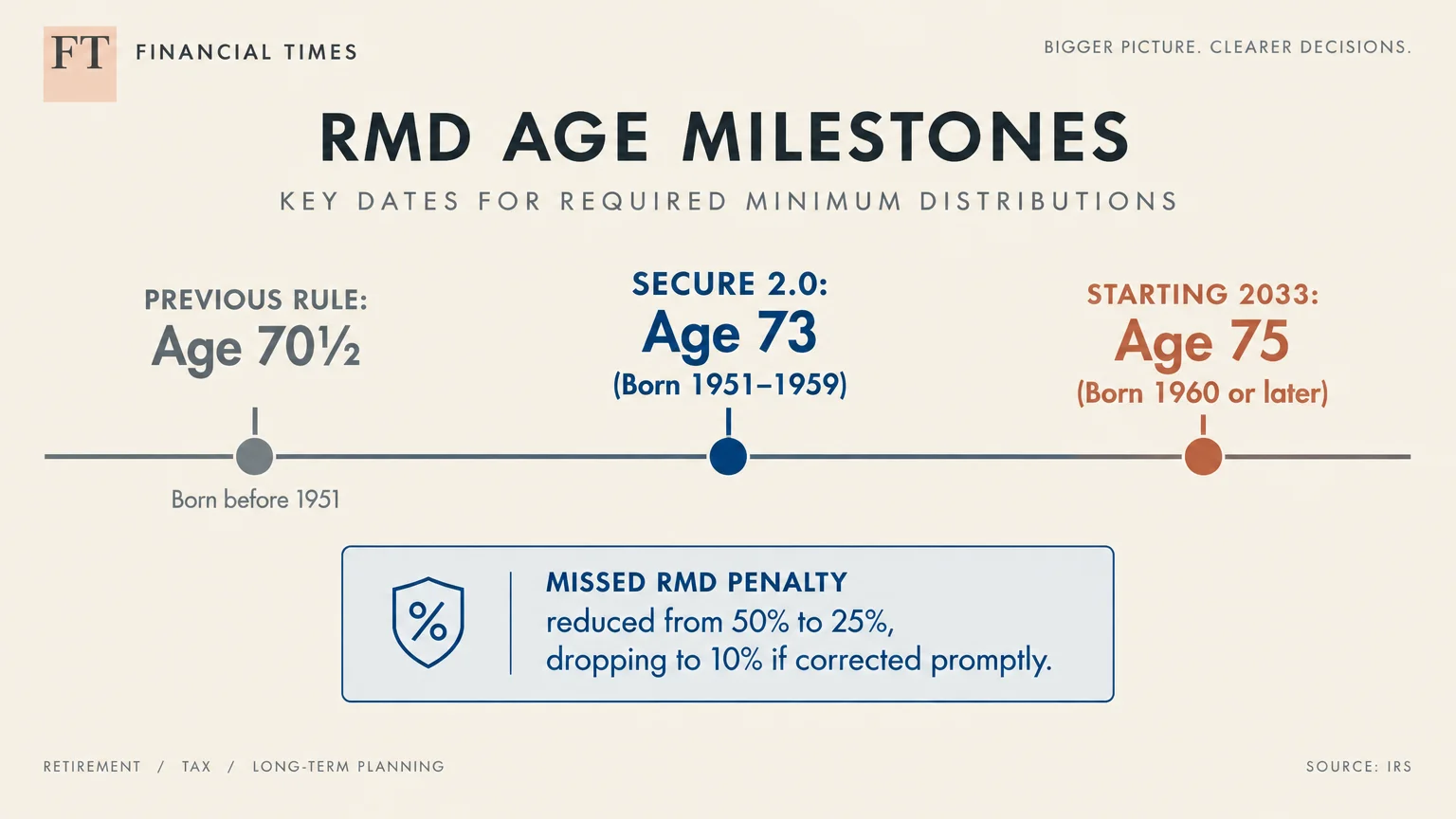
For decades, retirees were forced to begin tapping their tax-deferred accounts at age 70½. Recent legislation pushed that milestone back, giving your investments more time to compound tax-deferred.
Under the SECURE 2.0 Act, the required minimum distribution (RMD) starting age jumped to 73. If you were born between 1951 and 1959, your mandatory distributions do not begin until age 73.
For individuals born in 1960 or later, RMD age changes extend the starting age to 75 beginning in 2033. This transition provides valuable extra years for deliberate tax bracket planning.
Congress also reduced the penalty for an overlooked distribution. The previous 50 percent excise tax dropped to 25 percent, and it falls to 10 percent if corrected promptly.
You can examine the complete calculation tables on the Internal Revenue Service website.
2. Roth 401(k) Exemption from Lifetime RMDs
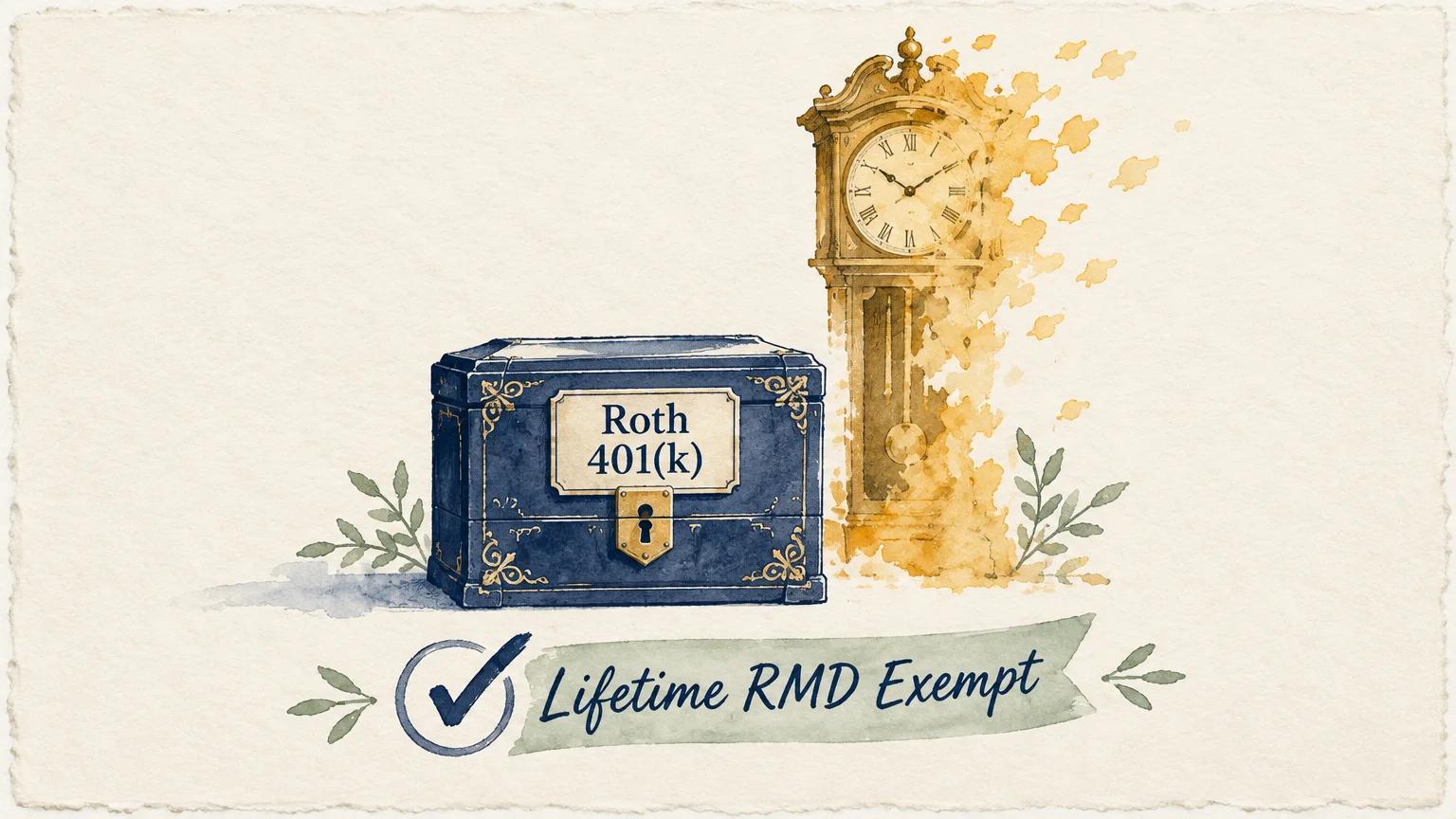
Designated Roth workplace accounts previously shared identical distribution mandates with traditional accounts. Even though you already paid taxes on your contributions, plans compelled you to withdraw funds each year.
Retirees historically bypassed this mandate by rolling workplace Roth balances into a personal Roth IRA. Recent 401k rule changes eliminated that administrative burden entirely.
Designated Roth accounts in employer plans are now fully exempt from pre-death distributions. Your money can continue compounding without forced withdrawals during your lifetime.
“A Roth IRA is the best retirement account available to you because you never have to pay taxes on that money again.” — Suze Orman, Financial Educator and Author
Leaving your assets inside a company plan lets you retain access to institutional pricing. It also maintains robust federal creditor protections.
3. Supercharged Catch-Up Contributions for Ages 60 to 63
Standard catch-up contributions provide an extra savings boost if you are age 50 or older. However, savers nearing the finish line now receive an even larger savings allowance.
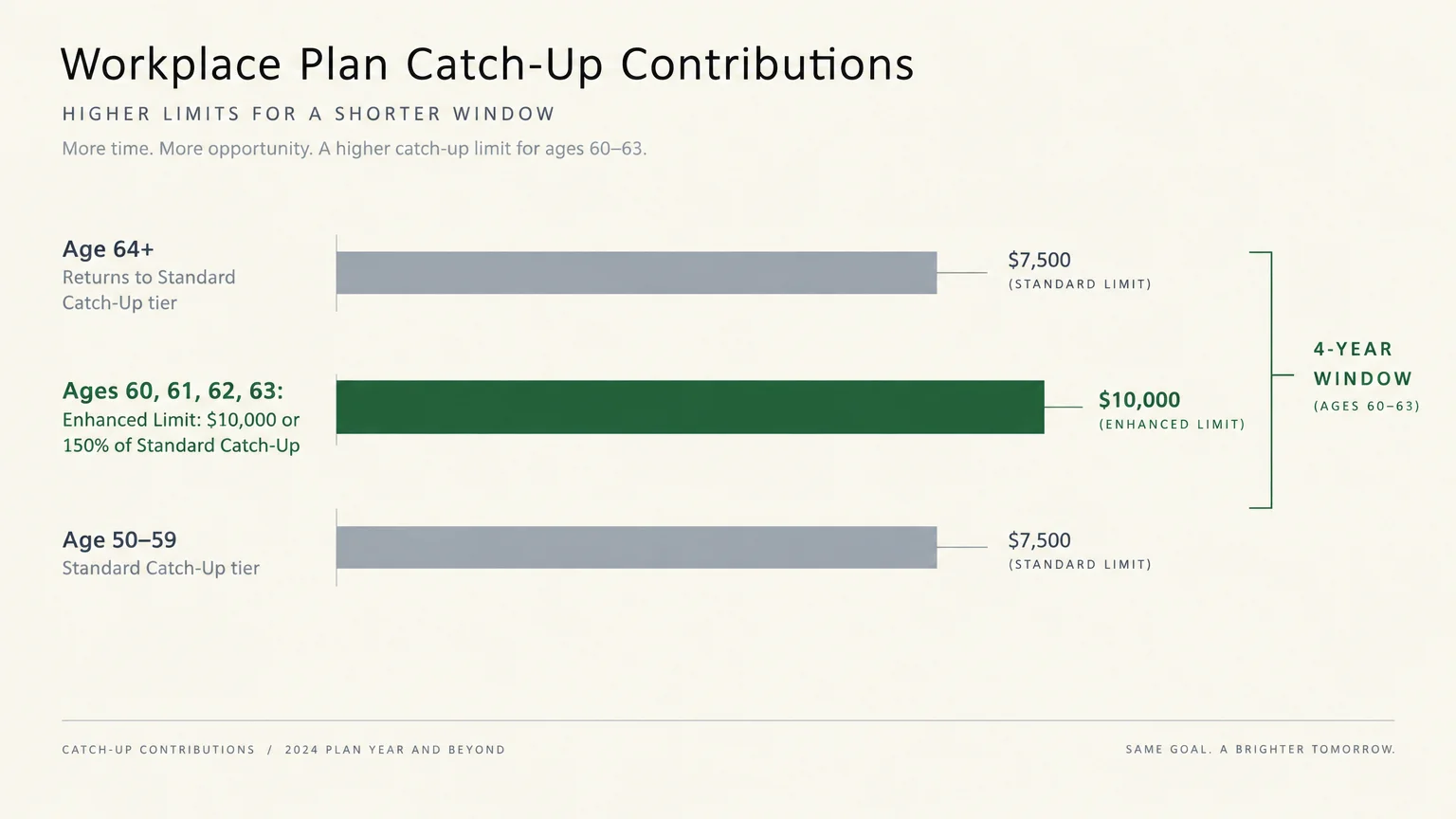
Employees aged 60, 61, 62, and 63 can now make an enhanced catch-up contribution to eligible workplace plans. This higher threshold replaces the standard age-50 catch-up amount.
The enhanced limit equals either $10,000 or 150 percent of the standard catch-up limit, whichever amount is greater. These figures index for inflation over time.
Once you reach age 64, your maximum catch-up limit returns to the standard age-50 tier. Maximizing this four-year window helps you rapidly accumulate wealth before retirement.
4. High-Earner Catch-Up Contributions Moving to Roth
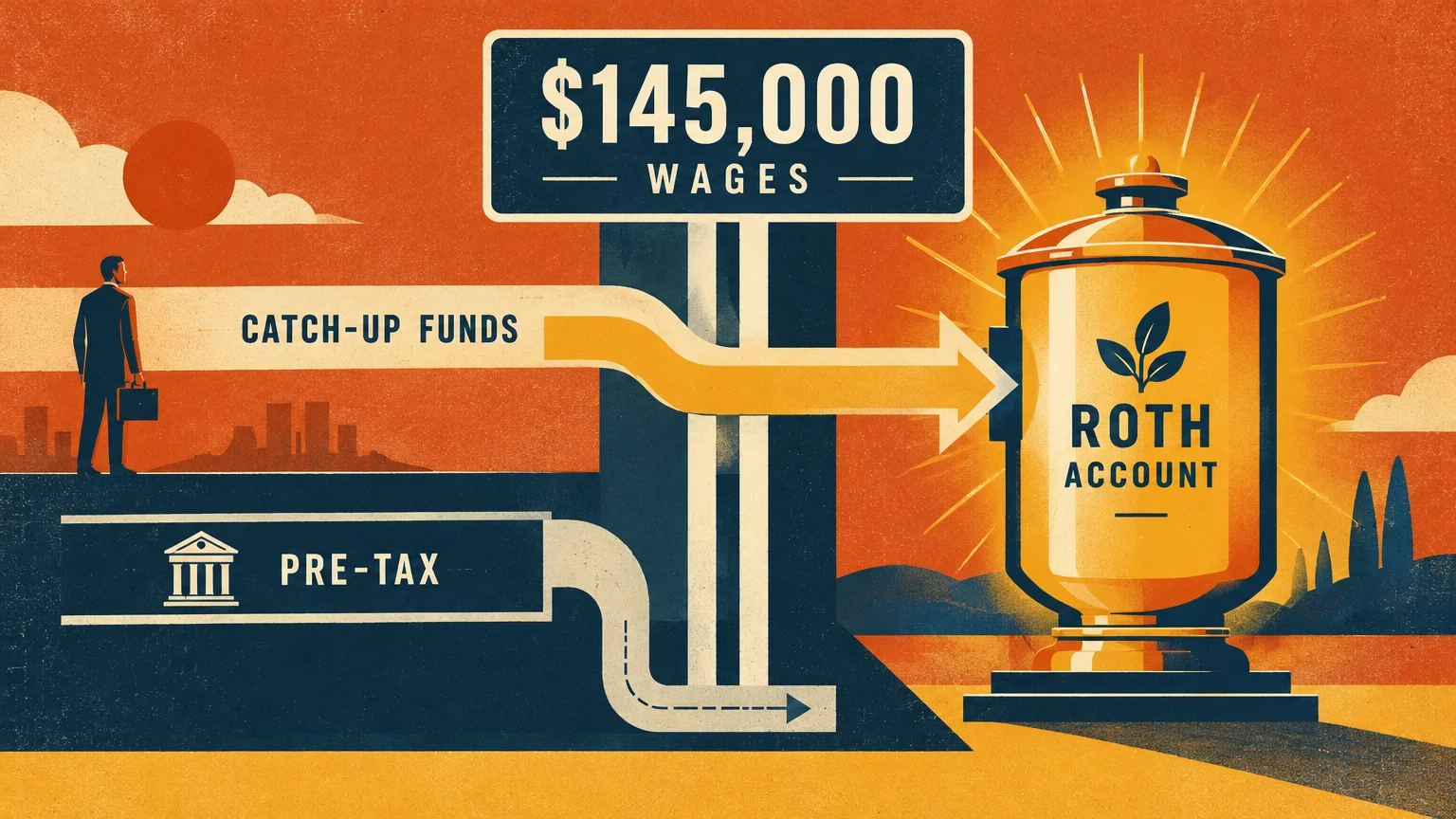
Another major update alters how higher earners make their retirement plan catch-up contributions. If your prior-year wages exceed $145,000, your catch-up contributions can no longer be pre-tax.
Instead, the law requires high earners to direct all catch-up funds into a designated Roth account. You pay income tax on contributions today, but qualified withdrawals remain entirely tax-free.
The IRS granted an administrative transition period through 2026 to allow employers to reconfigure payroll systems. Experts at Investopedia suggest reviewing your wage records to prepare for this change.
If your employer does not offer a Roth option, you cannot make catch-up contributions once this rule takes effect. Verify your workplace plan structure today to avoid missed contributions.

5. Rollovers from 529 College Plans to Roth IRAs
Families frequently worry about trapping unneeded savings inside a 529 education plan. Leftover funds previously triggered income taxes alongside a 10 percent penalty on non-educational earnings.
A groundbreaking IRA rules update allows account beneficiaries to roll unused 529 balances into a Roth IRA. The lifetime rollover maximum is set at $35,000 per beneficiary.
You must satisfy specific timing requirements before executing this transfer. The 529 account must have been open for at least 15 continuous years.
Additionally, contributions made within the previous five years are ineligible for rollover. Annual transfers are also capped by current Roth IRA contribution limits.
This mechanism offers an exceptional path to establish lasting financial security for your children or grandchildren.

6. Penalty-Free Emergency Withdrawals and Rainy Day Accounts
Distributing retirement plan funds before age 59½ traditionally incurred an automatic 10 percent penalty. Recent legislation introduced targeted exceptions to protect households facing unexpected financial distress.
You can now withdraw up to $1,000 annually from eligible retirement plans for personal emergency expenses. You simply self-certify the emergency to bypass the standard early withdrawal penalty.
You have up to three years to repay the distributed money into your account. If you decline to repay it, you cannot take another emergency distribution for three years.
Workplace plans may also establish linked emergency savings accounts for non-highly compensated workers. These accounts permit after-tax savings of up to $2,500 that remain accessible without penalty.

7. Higher Qualified Charitable Distribution Limits
Retirees aged 70½ or older can donate money directly from traditional IRAs to qualified charities. These qualified charitable distributions (QCDs) count toward your RMD without raising your taxable income.
The annual QCD threshold was previously capped at a flat $100,000. Current tax law permanently indexes this maximum for inflation, boosting your potential charitable giving power.
You can also make a one-time election of up to $50,000 toward split-interest charitable gifts. This indexed allowance lets you fund charitable remainder trusts or charitable gift annuities directly.
“An investment in knowledge pays the best interest.” — Benjamin Franklin, Founding Father and Author
Keeping your adjusted gross income down protects you against high Medicare Part B and Part D premium surcharges. Analysts at AARP emphasize that QCDs represent one of retirement’s most tax-efficient giving tools.
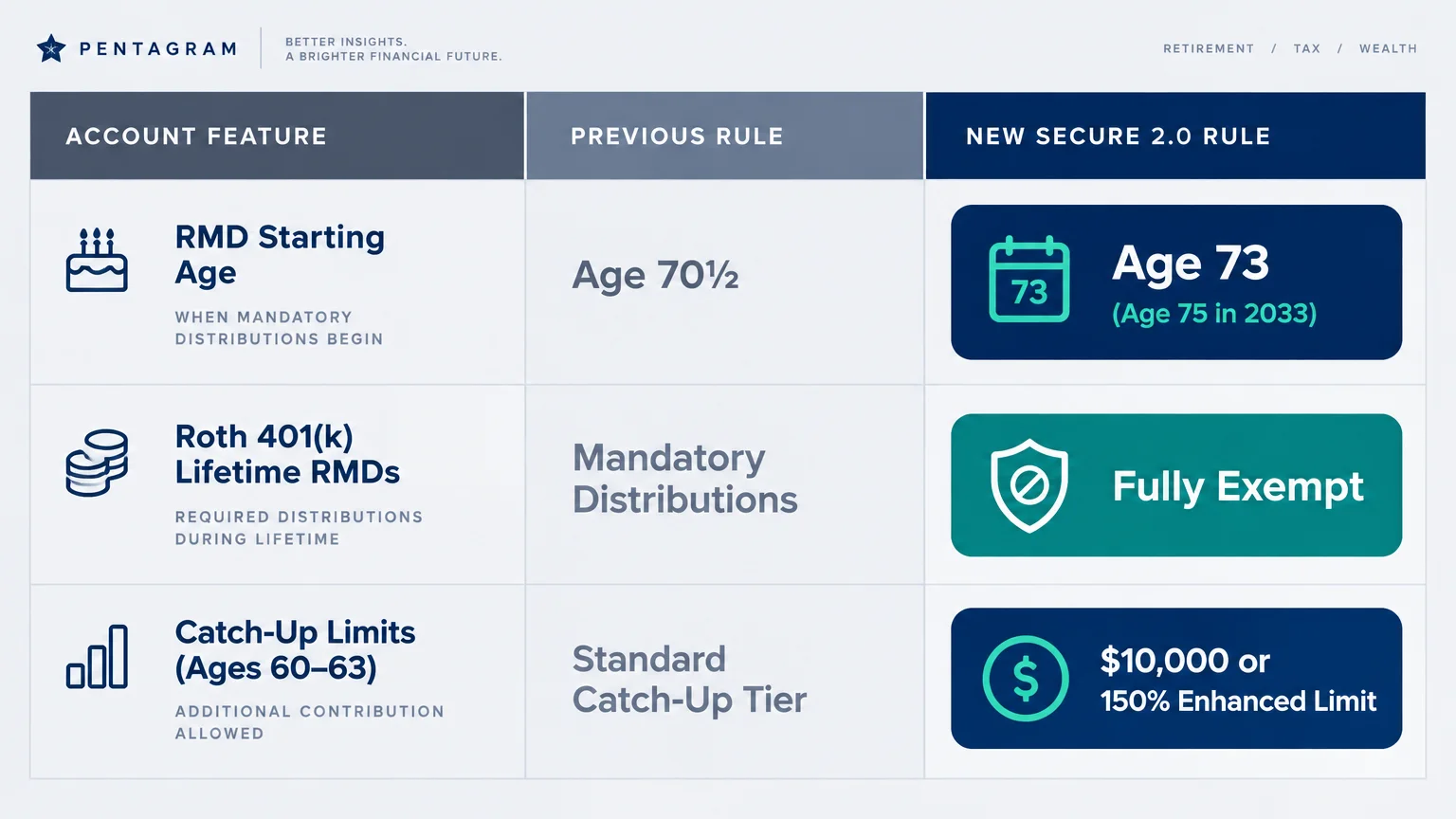
Comparison of Key Retirement Account Changes
The following overview highlights how these core retirement account provisions shifted and how they affect your strategy.
| Rule Area | Previous Rule | Updated Rule | Practical Takeaway |
|---|---|---|---|
| RMD Starting Age | Mandatory withdrawals began at age 72 | Starting age rose to 73, moving to 75 in 2033 | Enjoy extra years of tax-deferred portfolio compounding |
| Workplace Roth RMDs | Roth 401(k) accounts required mandatory RMDs | Lifetime distributions eliminated entirely | Keep funds in company plans without forced distributions |
| Catch-Ups (Ages 60-63) | Standard catch-up limit applied across ages 50+ | Higher limit of $10,000 or 150% of regular catch-up | Accelerate savings during final peak earning years |
| Catch-Ups for High Earners | High earners could choose pre-tax catch-up savings | Wages over $145,000 mandate Roth catch-up dollars | Prepare for higher upfront taxes but tax-free growth |
| Unused 529 Balances | Non-qualified withdrawals faced tax plus 10% fee | Rollover up to $35,000 lifetime to Roth IRA | Repurpose leftover education funds for family retirement |
| Emergency Withdrawals | Early distributions triggered a 10% penalty | Penalty-free emergency access up to $1,000 yearly | Manage financial emergencies without punitive charges |
| Charitable Gifts (QCDs) | Annual transfer cap locked at $100,000 | Annual cap indexed for inflation plus $50,000 split gift | Lower adjusted gross income while supporting favored causes |
Evaluating these provisions alongside your long-term goals ensures you capitalize on fresh opportunities while preventing compliance slip-ups.

Pitfalls to Watch For
While these updated regulations present attractive financial strategies, they also create new procedural traps. Watching for common errors protects your retirement assets from unnecessary taxation.
Miscalculating Your Starting RMD Year
The multi-tiered RMD age schedule causes significant confusion among retirees born in the 1950s. Failing to take your required distribution on time triggers avoidable excise penalties.
Overlooking the 15-Year Rule on 529 Rollovers
Moving education funds into a Roth IRA requires strict compliance with statutory waiting periods. Transferring funds before the 15-year mark disqualifies the transaction, leading to ordinary taxes and penalties.
Neglecting State Tax Differences
State tax authorities do not always mirror federal retirement legislation. Always confirm whether your state honors these federal deductions, rollovers, and distribution exemptions.
Disregarding High-Earner Catch-Up Directives
High earners who expect traditional pre-tax catch-up deductions must adjust their withholdings. Missing the transition to Roth catch-ups can result in administrative rejections or tax surprises.

Getting Expert Help
The growing complexity of retirement legislation makes professional guidance particularly valuable. Consider partnering with a credentialed financial advisor or tax specialist in these specific scenarios:
- Coordinating Multi-Account RMDs: Calculating distributions across traditional IRAs, 401(k) plans, and inherited accounts requires meticulous attention to deadlines.
- High-Earner Tax Balancing: Navigating mandatory Roth catch-ups alongside current marginal tax brackets requires proactive income management.
- Multi-Generational Wealth Transfers: Using 529-to-Roth rollovers and indexed QCD gifts requires careful coordination with your broader estate plan.
- Optimizing Social Security Timing: Adjusting withdrawal sequences alongside delayed RMD timelines can protect your benefits from unnecessary taxation.
You can consult resources from the Consumer Financial Protection Bureau to find trustworthy financial planners and avoid deceptive practices.
Frequently Asked Questions
What happens if I miss my RMD deadline under the new rules?
The excise tax is now 25 percent instead of the historical 50 percent penalty. If you correct the missed distribution within two years, the penalty drops to 10 percent.
Do Roth 401(k) accounts require distributions once I reach age 73?
No, workplace Roth accounts no longer require lifetime distributions under updated rules. Your funds can remain inside your employer plan to compound tax-free indefinitely.
Can I roll my entire 529 balance into a Roth IRA at once?
No, transfers are subject to annual Roth IRA contribution maximums and a $35,000 lifetime cap. The 529 account must also have been established for at least 15 years.
Are the higher catch-up limits available to workers of all ages?
The enhanced catch-up limit applies exclusively to workers aged 60, 61, 62, and 63. Once you reach age 64, your maximum catch-up allowance reverts to the standard age-50 amount.
Moving Forward with Confidence
Staying ahead of retirement legislation gives you the leverage to build a more resilient nest egg. Review your retirement accounts today to ensure your contributions and distribution schedules align with current rules.
This is educational content based on general retirement and financial principles; individual results vary based on your situation. Always verify current benefit rules, tax laws, and eligibility requirements with official sources like SSA, Medicare.gov, or the IRS.
Last updated: March 2026. Retirement benefits, tax rules, and healthcare regulations change frequently—verify current details with official sources.








Leave a Reply