
Working Past 65: Active Coverage, COBRA, and the HSA Trap
Many individuals continue working past age 65, maintaining active group health insurance through their employer or a spouse’s employer. If you fall into this category, you do not automatically need to enroll in Medicare Part B at age 65, but you must evaluate employer plan size to prevent statutory penalties.
Federal rules differentiate employer group health plans based on company size:
- 20 or More Employees: The employer group health plan acts as your primary insurance coverage, while Medicare acts as secondary payer. You can defer Medicare Part B without penalty as long as you maintain active employer coverage. When you eventually retire or drop that coverage, you qualify for an eight-month Special Enrollment Period (SEP) to enroll in Part B without incurring late fees.
- Fewer Than 20 Employees: Medicare acts as your primary insurance provider, and the small business group policy acts as secondary insurance. If you fail to enroll in Part B at 65, your employer policy can refuse to pay for outpatient medical expenses, leaving you personally responsible for 80% of your care bills.
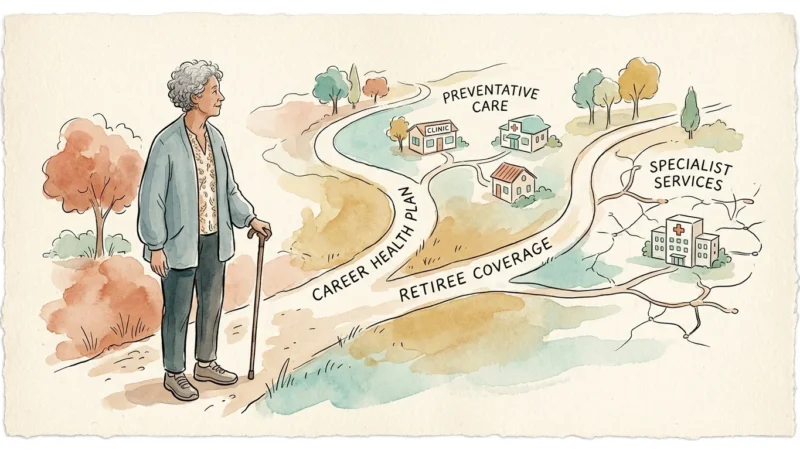
A widespread and expensive error involves confusing COBRA continuation coverage or retiree medical plans with active employment coverage. The federal government does not consider COBRA or retiree health plans creditable coverage for Medicare Part B. If you stop working at 65 and take COBRA, your eight-month Special Enrollment Period begins the month your employment ends—not when your COBRA coverage expires. Waiting until COBRA runs out to enroll in Part B results in late penalties and substantial coverage gaps.
If you contribute to a Health Savings Account (HSA), turning 65 introduces a major tax trap. Internal Revenue Code dictates that once you enroll in any part of Medicare (including Part A), you lose legal eligibility to make or receive tax-advantaged contributions to an HSA. While you can continue spending accumulated HSA dollars tax-free on qualified medical expenses indefinitely, ongoing contributions must cease.
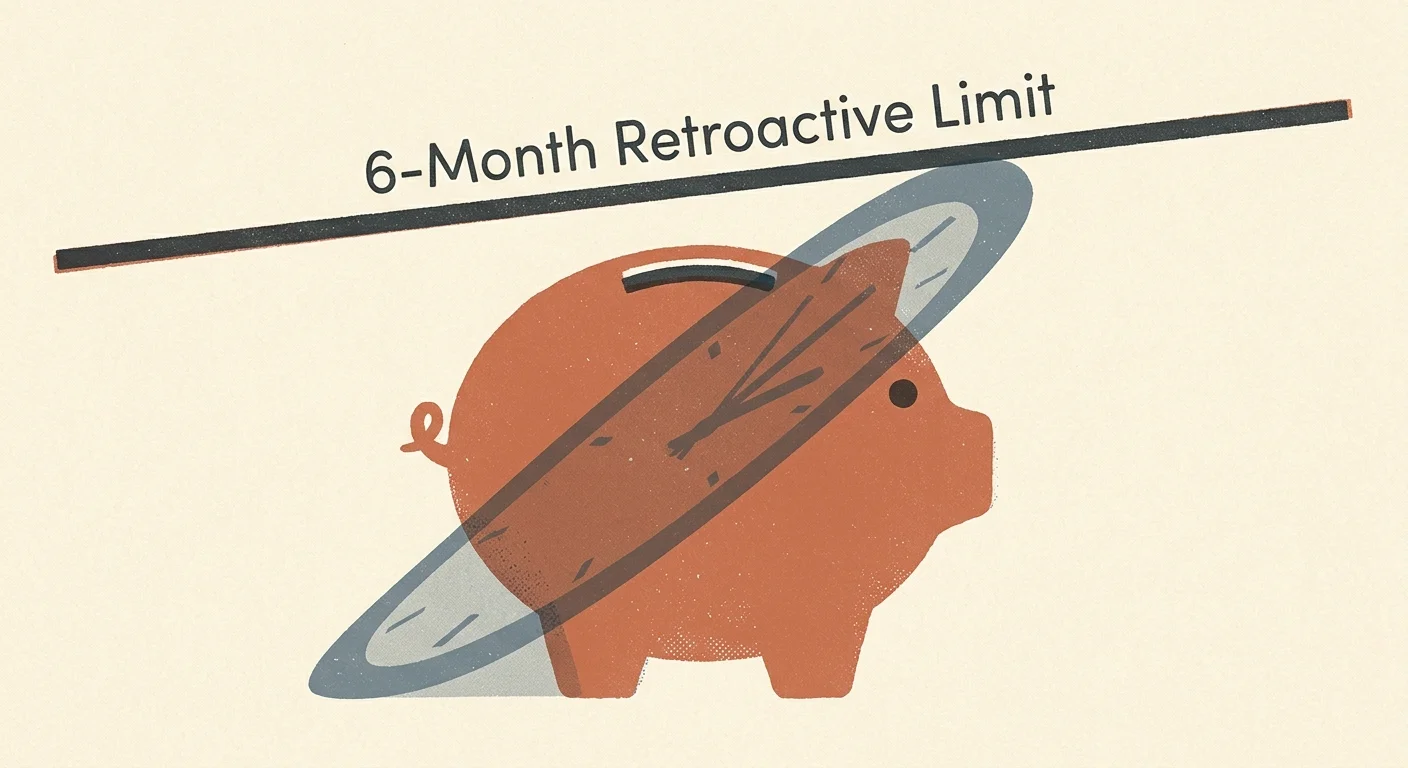
The danger multiplies if you decide to delay Medicare past age 65 and apply later. When you claim Medicare Part A after reaching 65, the federal government automatically backdates your Part A coverage start date up to six months (but no earlier than the first day of your 65th birth month). Any HSA contributions deposited into your account during those retroactive six months become excess contributions under IRS rules. The IRS levies an annual 6% excise tax penalty on these excess funds until you withdraw them along with net earnings prior to your tax filing deadline. To avoid this financial trap, you must stop all HSA contributions at least six full calendar months before applying for Medicare Part A or claiming Social Security benefits past age 65.








Leave a Reply