

08 Six-Month Retroactive Payment Opportunities
If you delay claiming benefits past your Full Retirement Age, you gain access to a retroactive lump-sum option. The SSA allows applicants past FRA to request up to six months of back pay.
Selecting retroactive benefits provides an immediate cash influx when you file your application. However, taking back pay rolls your official claiming age back by six months.
This decision permanently lowers your future monthly payments by eliminating six months of delayed growth. You must weigh the immediate cash windfall against long-term guaranteed monthly income.

09 The Overlooked $255 Lump-Sum Death Benefit
Surviving spouses often overlook the Social Security lump-sum death payment during bereavement. The government provides a one-time benefit of $255 to an eligible surviving spouse living in the same household.
While modest, this statutory payment helps offset immediate funeral or administrative expenses. You must apply for this benefit within two years of your spouse’s death, or the entitlement expires.
Funeral homes frequently notify the SSA of a death, but they rarely file this benefit application for you. You must submit Form SSA-8 directly to collect the payment.
10 Premium-Free Medicare Part A Through Your Spouse
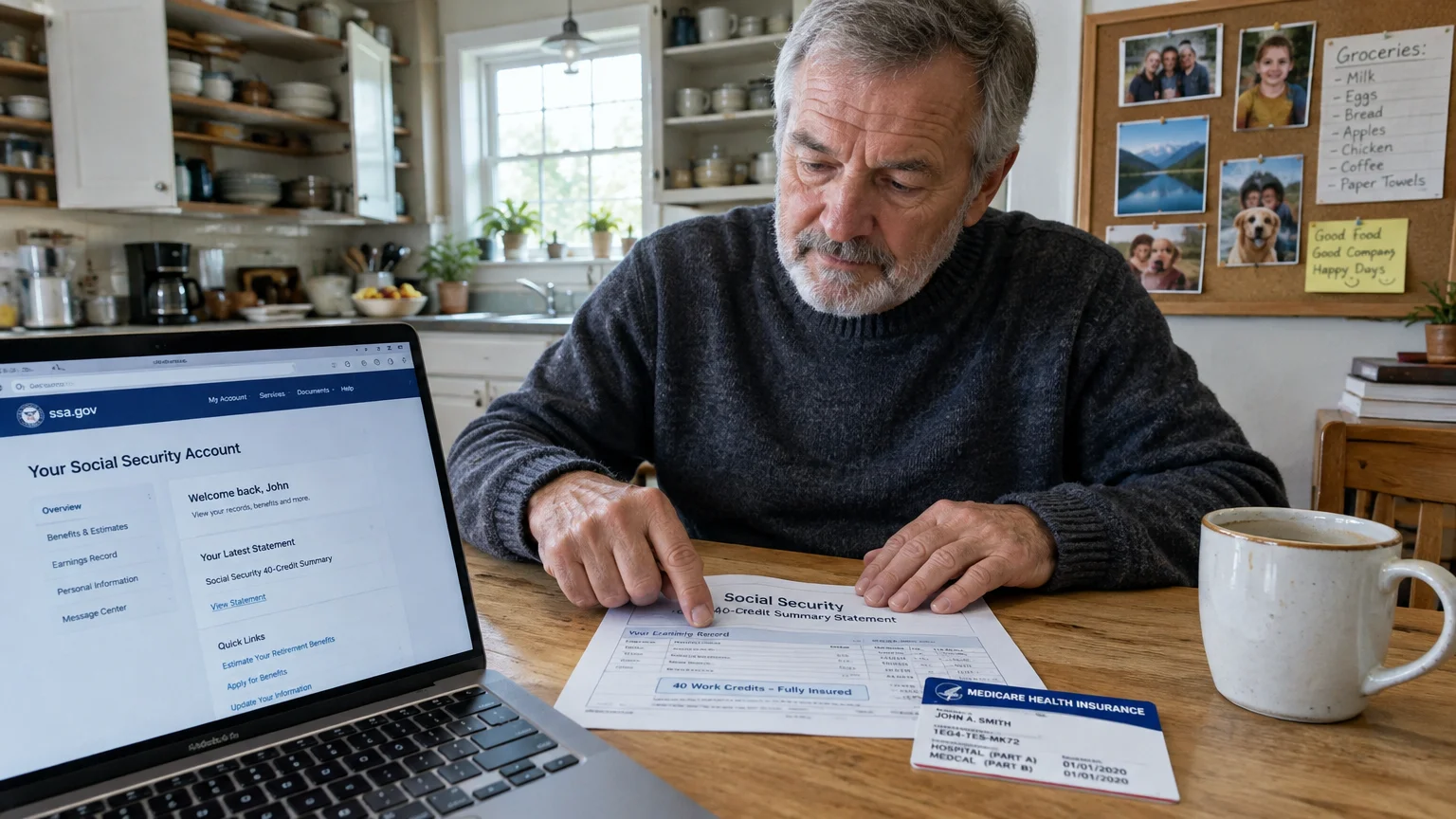
Many spouses spend decades managing households or working in jobs without paying sufficient FICA taxes. Without 40 work credits, you cannot qualify for premium-free Medicare Part A on your own record.
Fortunately, you can qualify for premium-free Part A through your spouse’s work history once you turn 65. Your spouse must have 40 credits and be at least 62 years old.
Divorced spouses can also claim Part A on an ex-spouse’s record if the marriage lasted 10 years. Official guidance on Medicare.gov outlines how this saves thousands annually in hospital insurance premiums.





I want to receive this info. Very informative!
Can you send a link to the appropriate page for me to check out spousal benefits? Thank you
Send the link for spousal benefits
Very helpful
How do we get the link to get more information