
Navigating Medicare requires a clear understanding of how different plan components protect your health and finances, starting with the critical distinction between outpatient medical care and outpatient prescription drugs. While Medicare Part B covers your doctor visits, diagnostic tests, preventative screenings, and treatments administered in a clinic, Medicare Part D handles self-administered prescription medications that you pick up at a retail pharmacy. Failing to understand how Medicare Part B vs Part D coverage works can lead to unexpected out-of-pocket costs, missing drug protections, or lifetime premium penalties. By examining their distinct coverage scopes, 2026 cost structures, enrollment rules, and unique overlap areas, you can build a comprehensive healthcare strategy that secures both your medical needs and your retirement budget.
The Essentials: Part B vs. Part D at a Glance
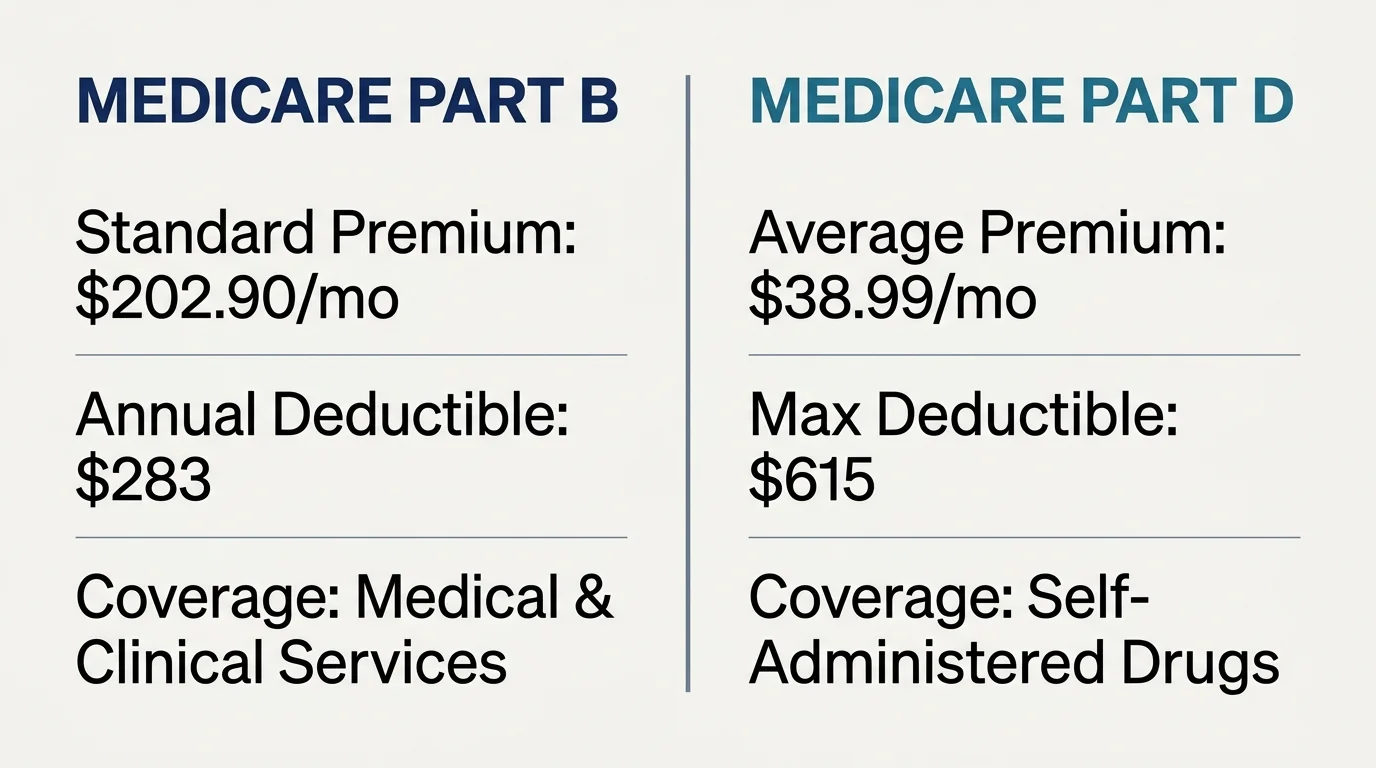
Before diving into complex policy details, you should grasp the core operational differences between these two essential parts of Medicare. Medicare Part B serves as your medical insurance under Original Medicare, whereas Medicare Part D functions as your voluntary outpatient prescription drug coverage.
- Primary Distinction: Part B covers medical services and clinical treatments; Part D covers self-administered medications taken at home.
- 2026 Standard Premiums: Part B requires a base premium of $202.90 per month; Part D premiums vary by private plan, averaging against a national base benchmark of $38.99 per month.
- 2026 Deductible Limits: Part B features a standard $283 annual deductible; Part D plans can set an annual deductible up to a maximum of $615.
- Financial Protection Limits: Part B under Original Medicare has no annual out-of-pocket cap; Part D features a historic $2,100 annual out-of-pocket cap on covered prescription drugs in 2026.
- Administration: Part B is administered directly by the federal government; Part D is offered exclusively through private insurance companies approved by Medicare.
Core Coverage Differences: Medical Care vs. Outpatient Medications
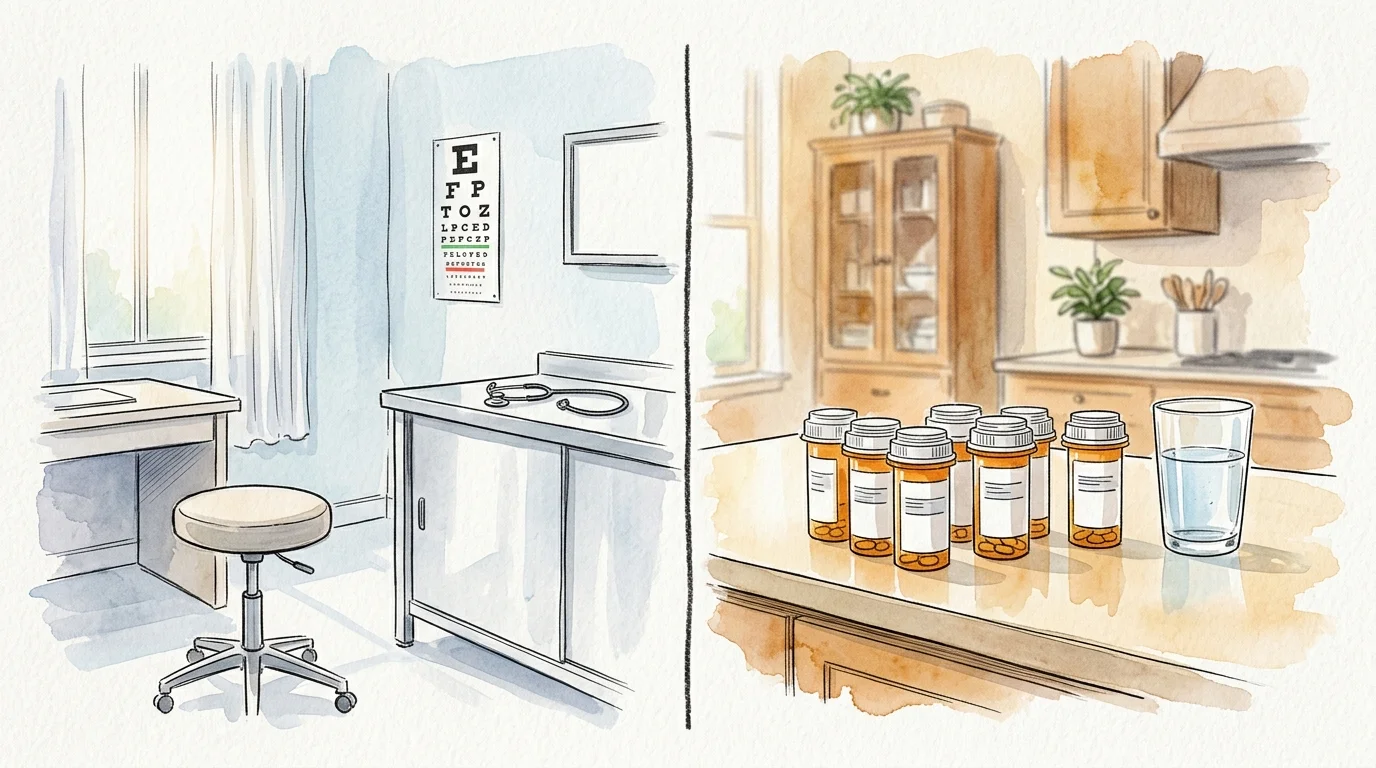
Understanding the precise boundary line between Medicare Part B coverage and Medicare Part D coverage prevents costly billing surprises at the doctor’s office or pharmacy counter. The fundamental distinction rests on where and how you receive medical care or medication.
Medicare Part B forms the outpatient backbone of Original Medicare. It pays for medically necessary services provided by healthcare professionals, diagnostic imaging, laboratory tests, preventive care, and durable medical equipment. If a doctor performs an exam, conducts a blood test, orders an X-ray, or fits you for a walker, Part B handles the claim. Additionally, Part B covers complex medications that require a physician or nurse to administer in a clinical setting, such as infused chemotherapy or specialty injections.
In contrast, Medicare Part D provides insurance for prescription drugs that you purchase at a pharmacy and take yourself. Created under the Medicare Modernization Act of 2003, Part D fills the historical gap in Original Medicare, which originally offered no coverage for standard pharmacy prescriptions. Whether you rely on daily blood pressure tablets, cholesterol-lowering statins, or maintenance asthma inhalers, a Medicare prescription drug plan provides financial protection against mounting retail drug costs.
“Healthcare costs are one of the biggest wildcards in retirement, making it essential to budget for premiums, deductibles, and out-of-pocket limits before you hand in your resignation.” — Jean Chatzky, Financial Journalist and Author
Understanding Medicare Part B Costs and Coverage in 2026
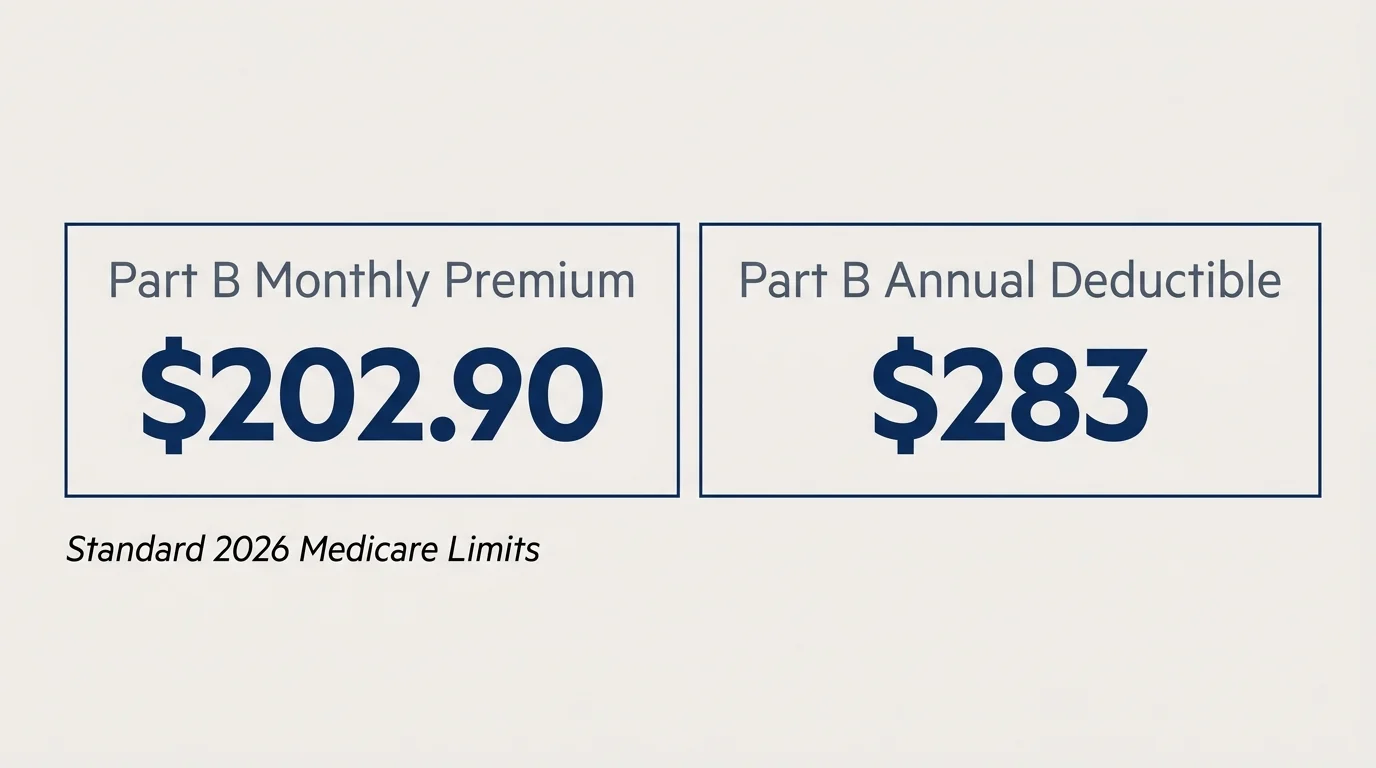
Medicare Part B operates under a standardized national cost structure set annually by the Centers for Medicare & Medicaid Services (CMS). For 2026, the standard monthly Part B premium is $202.90. Most beneficiaries have this premium deducted directly from their monthly Social Security benefit checks. Higher-income retirees pay an additional surcharge known as the Income-Related Monthly Adjustment Amount (IRMAA).
Your financial responsibility under Part B starts with the annual deductible. In 2026, the Part B deductible is $283 per year. Once you satisfy this deductible, you typically pay a 20% coinsurance for all covered outpatient services, while Medicare pays the remaining 80%. Crucially, Original Medicare Part B places no annual cap on your out-of-pocket spending. If you undergo major outpatient surgeries, frequent dialysis, or intensive physical therapy without supplemental insurance, your 20% coinsurance obligations can accumulate into tens of thousands of dollars.
To highlight what falls under this structure, Medicare Part B covers a vast array of services, including:
- Outpatient Physician Care: Primary care visits, specialist consultations, surgical second opinions, and urgent care treatments.
- Preventive Services: Annual Wellness Visits, cardiovascular screenings, mammograms, colonoscopies, and vaccines for flu, pneumococcal disease, COVID-19, and Hepatitis B.
- Diagnostic Testing: Outpatient bloodwork, urinalysis, X-rays, CT scans, PET scans, and MRIs.
- Durable Medical Equipment (DME): Mobility aids like wheelchairs and walkers, oxygen equipment, continuous positive airway pressure (CPAP) devices, and hospital beds used at home.
- Outpatient Mental Health: Individual and group therapy sessions, psychiatric evaluations, and partial hospitalization programs.
- Physician-Administered Medications: Intravenous chemotherapy infusions, injected osteoporosis drugs, and macular degeneration eye treatments provided in a clinical facility.
Understanding Medicare Part D Costs and Coverage in 2026
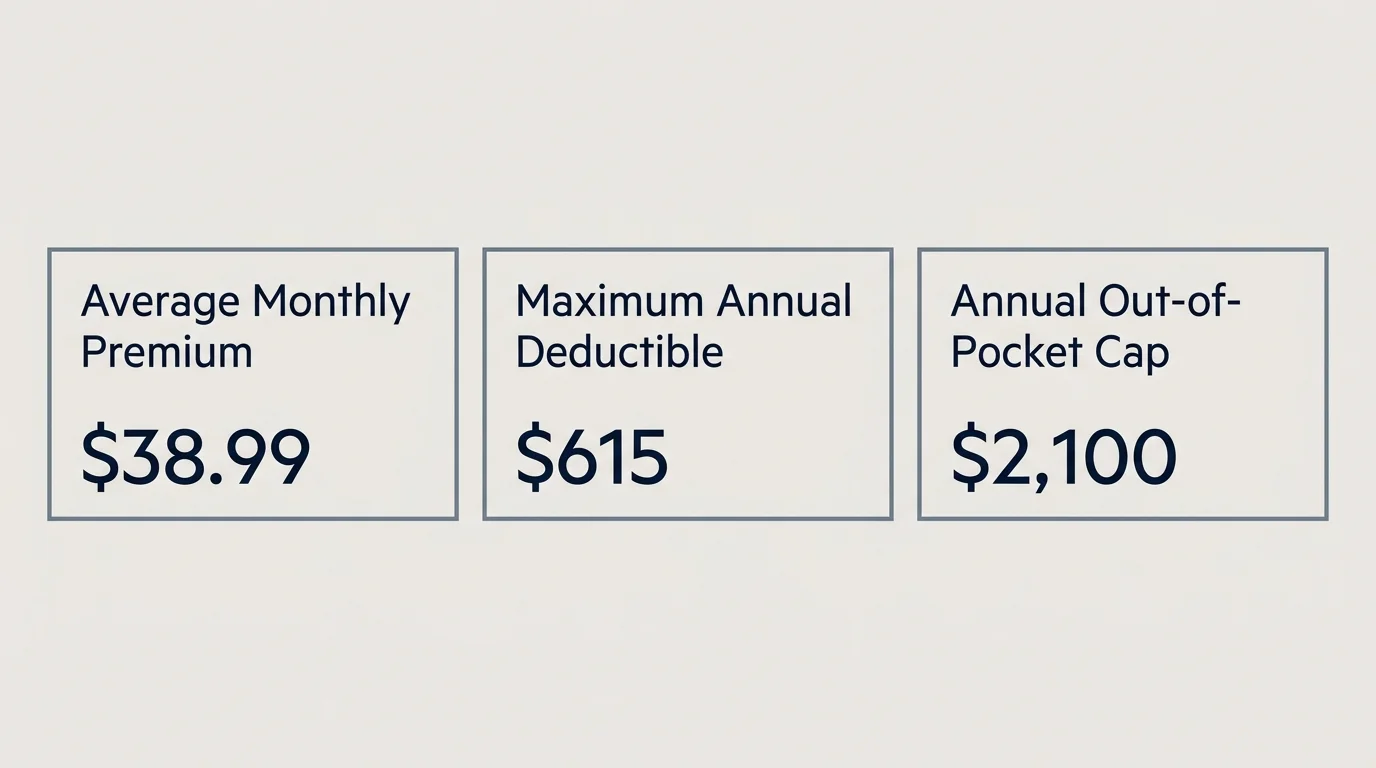
Unlike Part B’s standardized federal design, private insurance companies deliver Medicare Part D plans. Consequently, monthly premiums, deductibles, and specific drug list rules vary widely depending on the plan you select and where you live. For 2026, CMS established the national base beneficiary premium at $38.99 per month, though individual standalone Part D plan premiums typically range from under $15 to over $100 per month.
The year 2026 marks a major milestone for Medicare Part D beneficiaries due to provisions enacted under the Inflation Reduction Act. The statutory out-of-pocket spending cap is locked at $2,100 per year for covered prescription drugs (rising slightly from $2,000 in 2025). Once your out-of-pocket spending on covered Part D medications reaches $2,100 in 2026, your plan pays 100% of your covered drug costs for the remainder of the calendar year—reducing your copayments and coinsurance to exactly $0.
Before reaching that cap, your Part D out-of-pocket spending moves through distinct phases depending on your chosen plan:
- Deductible Phase: Private plans may charge an annual deductible up to the 2026 federal maximum of $615. You pay full negotiated prices for your prescription drugs until you satisfy this deductible limit. Many plans choose to waive deductibles for generic drugs in Tiers 1 and 2.
- Initial Coverage Phase: After meeting your deductible, you pay copayments (such as $5 or $15) or coinsurance (such as 25%) for each prescription. You remain in this phase until your total out-of-pocket spending reaches $2,100.
- Catastrophic Coverage Phase: Once your out-of-pocket costs hit the $2,100 limit in 2026, you pay $0 for all covered formulary drugs through December 31st.
Every Part D plan maintains a specific list of covered drugs called a formulary. Plans organize these formularies into pricing tiers. Generic drugs occupy lower tiers with low copayments, while brand-name drugs and high-cost specialty medications occupy higher tiers requiring higher coinsurance percentages. You can research local plans and compare drug costs directly through Medicare.gov using their online plan comparison tools.
The Grey Area: Physician-Administered vs. Self-Administered Drugs
One of the most confusing aspects of comparing Medicare Part B vs Part D is determining which part covers a specific medication. The key deciding factor is not the drug’s name or chemical compound, but its method of administration and setting.
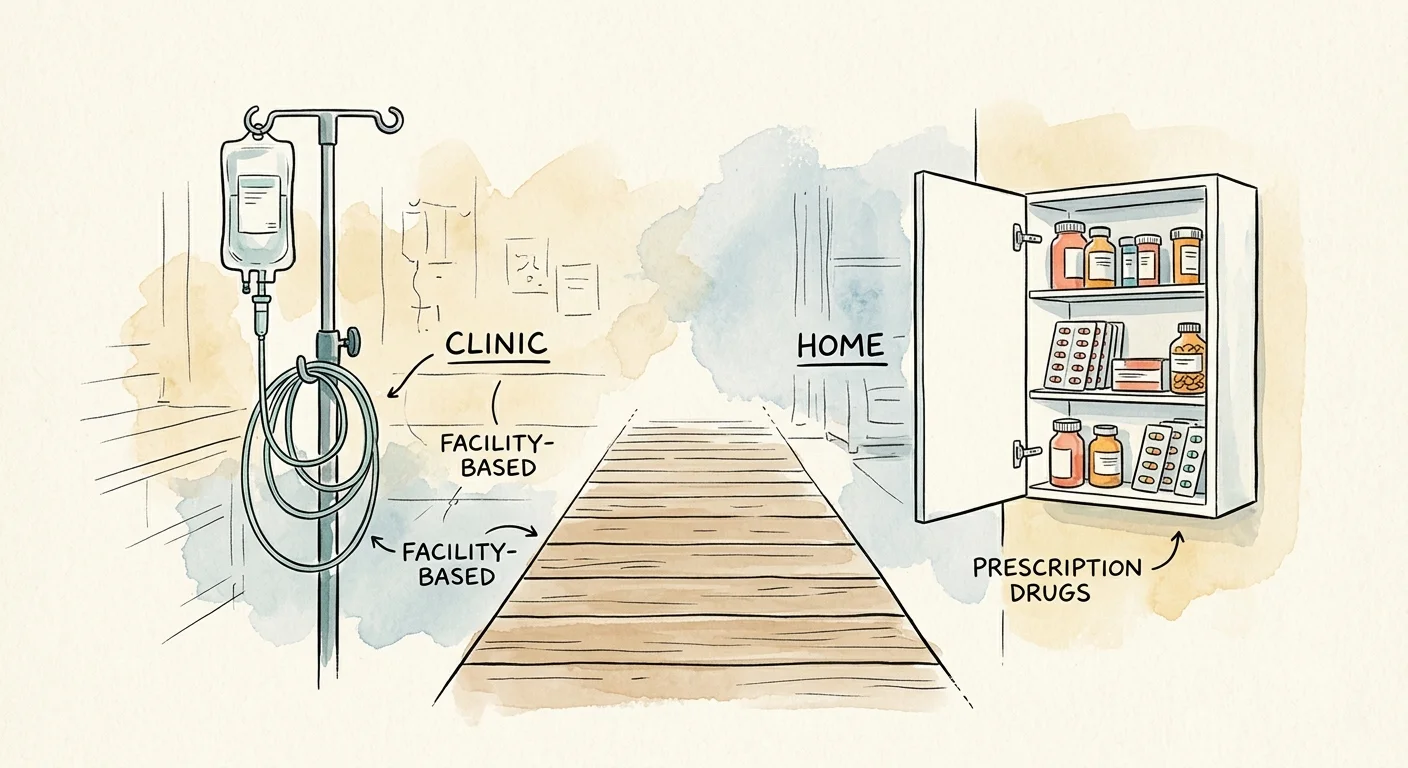
Medicare Part B covers medications that require healthcare personnel to administer directly to you in an outpatient clinic, physician’s office, or hospital setting. For example, if you receive chemotherapy through an intravenous infusion at an oncology center, Part B processes the claim. The clinic bills Part B, you satisfy your Part B deductible if applicable, and you pay 20% of the Medicare-approved cost for the drug and its administration.
Conversely, Medicare Part D covers medications that patients typically take themselves at home. This includes oral tablets, capsules, topical creams, self-injected insulin, EpiPens, and self-administered specialty medications. Even if a specialty medication requires refrigeration and costs thousands of dollars per dose, if you self-inject it at home, Part D governs the coverage.
Vaccines showcase another important operational split between the two parts:
- Part B Vaccines: Covers flu shots, pneumococcal vaccines, COVID-19 immunizations, and Hepatitis B vaccines for individuals at medium to high risk. Part B also covers tetanus shots administered directly as part of medical treatment for an injury.
- Part D Vaccines: Covers all other commercially available, ACIP-recommended preventive vaccines, including the Shingrix shingles vaccine, Tdap (tetanus, diphtheria, acellular pertussis) booster shots, and RSV vaccines. Thanks to recent legislative updates, Part D plans must provide these recommended vaccines with $0 copayments for policyholders.

Side-by-Side Comparison: Medicare Part B vs. Part D
Evaluating Medicare Part B vs Part D side-by-side helps clarify their distinct financial obligations, enrollment criteria, and operational frameworks. The following matrix details how these two essential components compare across key features for the 2026 plan year.
| Feature / Benefit | Medicare Part B (Medical Insurance) | Medicare Part D (Prescription Drug Coverage) |
|---|---|---|
| Primary Focus | Outpatient medical care, physician visits, lab tests, and durable equipment. | Self-administered outpatient prescription drugs. |
| Administrator | Federal Government (Original Medicare). | Private insurance carriers approved by Medicare. |
| 2026 Standard Premium | $202.90 per month (standard base rate). | Varies by private plan (National base benchmark: $38.99/mo). |
| 2026 Deductible | $283 per year. | Up to $615 per year (maximum allowed by law). |
| Cost-Sharing Structure | Typically 20% coinsurance after meeting annual deductible. | Tiered copayments or coinsurance depending on plan formulary. |
| Out-of-Pocket Cap | No annual limit under Original Medicare. | Strict $2,100 annual limit in 2026 ($0 cost after reaching cap). |
| Medication Scope | Physician-administered infusions, clinical injections, select vaccines. | Retail pharmacy drugs, mail-order maintenance drugs, self-injections. |
| Late Enrollment Penalty | 10% per full 12-month delayed period (lifetime penalty). | 1% of national base premium per uncovered month after 63 days (lifetime penalty). |
| Income Adjustments | Subject to Part B IRMAA surcharges for higher earners. | Subject to Part D IRMAA surcharges for higher earners. |
Medicare Enrollment Differences and Timing Strategy
Understanding medicare enrollment differences between Part B and Part D ensures you secure necessary coverage without incurring costly, permanent late enrollment penalties. Both components share primary initial timelines, but their penalty calculations and rules for creditable coverage diverge significantly.
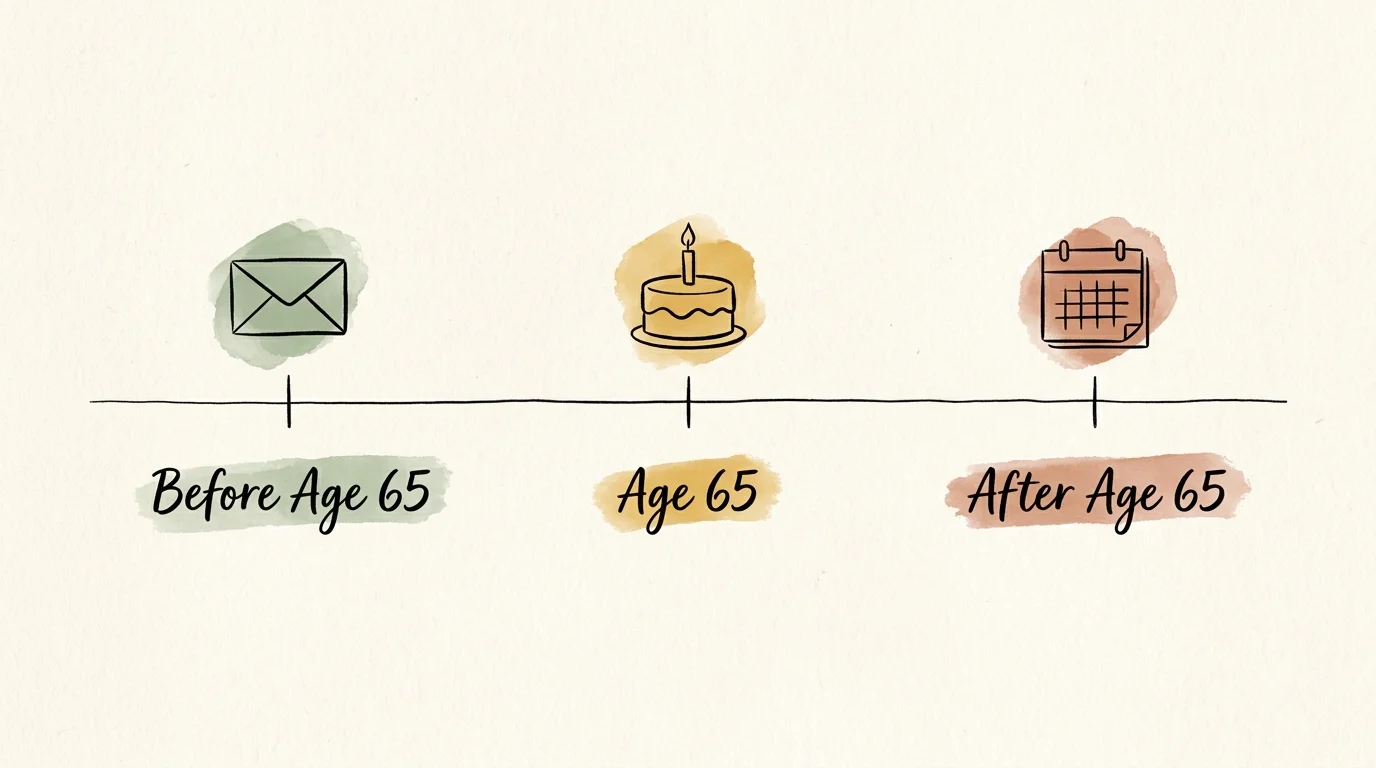
Your Initial Enrollment Period (IEP) opens three months before the month you turn 65, includes your birth month, and extends for three months afterward—a total seven-month window. If you qualify for Medicare due to disability, your IEP centers around your 25th month of receiving disability benefits.
If you choose to delay enrollment past age 65 because you continue working and receive healthcare coverage through an active employer, you must satisfy specific federal standards to avoid penalties later:
Part B Delay Rules: You can delay Part B without penalty only if you have active group health plan coverage based on current employment (your own or your spouse’s) at an employer with 20 or more employees. COBRA coverage, retiree insurance, and individual marketplace plans do not count as current employment coverage. Once that active employment ends, you receive an eight-month Special Enrollment Period (SEP) to sign up for Part B without a penalty.
Part D Delay Rules: To delay Part D without penalty, you must maintain prescription drug coverage that is certified as creditable—meaning the coverage pays, on average, at least as much as standard Medicare prescription drug coverage. Employers must send an annual notice stating whether their plan’s drug coverage is creditable. If you go 63 or more consecutive days without creditable drug coverage after your IEP ends, you face a permanent penalty when you eventually enroll.
“Never assume your current employer coverage carries over seamlessly into retirement without verifying creditable coverage rules; a small timing mistake can follow your bank account for life.” — Suze Orman, Personal Finance Expert
The financial penalties for late enrollment accumulate differently for each part:
- Part B Late Penalty: CMS adds a permanent 10% penalty to your monthly Part B premium for every full 12-month period you were eligible but failed to enroll without qualifying active employer coverage. If you delay Part B for two full years without creditable coverage, you will pay a 20% surcharge on top of the standard monthly premium ($202.90 in 2026) for as long as you have Medicare.
- Part D Late Penalty: CMS calculates the Part D penalty by multiplying 1% of the national base beneficiary premium ($38.99 in 2026) by the total number of full uncovered months you lacked creditable coverage. The resulting amount is rounded to the nearest $0.10 and added permanently to your monthly Part D plan premium.
The Impact of Income: Understanding IRMAA Surcharges
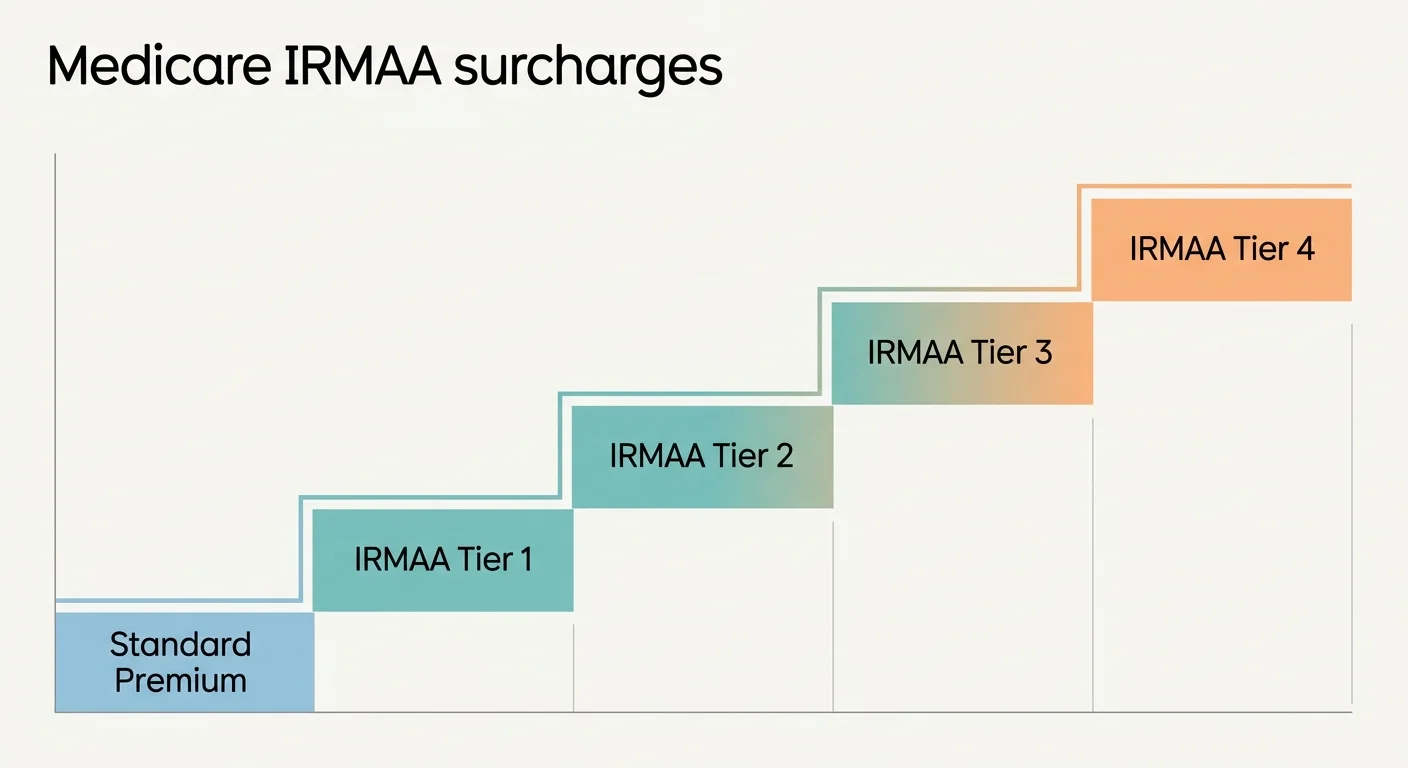
Retirees with higher retirement incomes pay extra for both Medicare Part B and Medicare Part D through the Income-Related Monthly Adjustment Amount (IRMAA). Social Security uses your modified adjusted gross income (MAGI) reported on your federal tax return from two years prior to determine whether IRMAA applies. For 2026 premiums, CMS examines your 2024 tax return.
If your MAGI exceeds individual or joint threshold limits (which start above $106,000 for single filers and $212,000 for married couples filing jointly in recent benchmark schedules), Social Security adds tiered surcharges directly to your monthly payments:
- Part B IRMAA: Added directly onto your standard $202.90 monthly premium. Surcharges scale across higher income brackets, pushing monthly Part B costs up significantly for high earners.
- Part D IRMAA: Paid directly to Medicare (or deducted from your Social Security check), regardless of your private Part D plan’s base premium cost. This extra charge is billed in addition to whatever premium your private insurance plan charges.
If your income dropped significantly since 2024 due to a life-changing event—such as retirement, work reduction, marriage, divorce, or loss of income-producing property—you can file Form SSA-44 with the Social Security Administration to request an IRMAA recalculation based on your current, lower income.

Avoiding Common Errors in Medicare Coverage Planning
Navigating Medicare options presents several operational pitfalls that can damage your long-term health budget. Reviewing these frequent mistakes helps protect your household against preventable costs.
- Mistake 1: Assuming Part B covers home prescription drugs. Many new retirees assume Original Medicare Part B acts as complete medical insurance. Without adding a Part D plan (or carrying creditable employer drug coverage), you will pay 100% of out-of-pocket costs for daily prescription medications.
- Mistake 2: Skipping Part D when taking no medications. Declining Part D because you currently take zero medications leaves you exposed to lifetime late enrollment penalties if you need prescription coverage in future years. Selecting a low-cost standalone Part D plan preserves your enrollment status at minimal expense.
- Mistake 3: Overlooking annual formulary changes. Private Part D plans alter their drug formularies, tier structures, pharmacy networks, and deductibles every calendar year. Failing to review your plan’s Annual Notice of Change (ANOC) sent each September can lead to unexpected cost hikes on January 1st.
- Mistake 4: Confusing clinic drugs with retail prescriptions. Assuming a medication covered in a physician’s clinic under Part B will also be covered at a retail pharmacy under Part D can cause severe financial disruption. Always verify which part governs complex, specialized treatments.
- Mistake 5: Failing to obtain written creditable coverage notices. Leaving an employer health plan without securing written proof of creditable drug coverage can leave you unable to prove your exempt status, triggering irreversible Part D late penalties.

When DIY Isn’t Enough: Scenarios Requiring Professional Guidance
While standard Medicare enrollment is straightforward for many individuals, certain complex health and financial situations demand specialized professional guidance. Navigating these scenarios without expert assistance increases your risk of expensive coverage gaps.
Consider consulting a credentialed Medicare specialist, a State Health Insurance Assistance Program (SHIP) counselor through the Administration for Community Living, or a qualified financial planner in the following situations:
- Complex Specialty Drug Regimens: If you take high-cost biologics, oncology drugs, or rare-disease medications, selecting a Part D plan purely based on monthly premiums can lead to financial distress. Professional analysis ensures your specific medications land on preferred formulary tiers with manageable coinsurance.
- Transitioning from Employer Retiree Plans: Employer retiree health packages often integrate secondary medical and drug benefits with Medicare in complex ways. A specialist can help you determine whether dropping an employer plan for standalone Part B and Part D options will compromise existing coverage for dependents.
- Appealing IRMAA Surcharges After Retirement: Transitioning from full-time executive salaries to fixed retirement distributions frequently creates multi-year IRMAA surcharges based on prior earnings. Guidance from a tax professional ensures accurate filing of Form SSA-44 to reflect current financial realities.
- Managing Dual-Eligibility (Medicare and Medicaid): Beneficiaries with low incomes and limited resources may qualify for Dual-Eligible Special Needs Plans (D-SNPs) or Medicare Savings Programs. State counselors help optimize Part B premium assistance and Part D Low-Income Subsidy (Extra Help) benefits.
Frequently Asked Questions
Can I have Medicare Part B without enrolling in Medicare Part D?
Yes, you can enroll in Medicare Part B without purchasing a Medicare Part D prescription drug plan. Medicare does not require you to purchase Part D. However, if you do not maintain creditable prescription drug coverage from another source (such as active employer health insurance or VA benefits), you will face a permanent Part D late enrollment penalty if you decide to enroll in a drug plan later in retirement.
How does the $2,100 out-of-pocket cap in 2026 protect my Part D spending?
Under the Inflation Reduction Act, your out-of-pocket expenditure on covered formulary prescription drugs under Medicare Part D is capped at $2,100 for calendar year 2026. Once your payments for deductibles, copayments, and coinsurance reach $2,100, your Part D plan pays 100% of your covered drug costs for the remainder of that year, reducing your copays to $0.
Why are chemotherapy drugs covered under Part B instead of Part D?
Medicare Part B covers chemotherapy medications that are administered intravenously or via clinical injection by healthcare providers inside a doctor’s office, outpatient clinic, or hospital setting. Because medical personnel must prepare and administer these treatments, Medicare classifies them as outpatient medical care under Part B rather than self-administered retail drugs under Part D. Oral chemotherapy pills taken at home, however, generally fall under Medicare Part D.
Do Medigap policies cover prescription drugs under Part D?
No, modern Medicare Supplement Insurance (Medigap) policies sold to new beneficiaries cannot include prescription drug coverage. Medigap policies are designed solely to help pay your out-of-pocket costs under Original Medicare Part A and Part B (such as the 20% Part B coinsurance). To obtain drug coverage alongside Original Medicare and Medigap, you must purchase a separate, standalone Medicare Part D plan.
Practical Next Steps for Your Healthcare Strategy
Managing your healthcare in retirement requires balancing your current medical needs against future financial obligations. Take proactive steps today by auditing your current medication list, checking your prospective enrollment deadlines, and reviewing plan coverage details annually. Comparing your options systematically ensures that both your outpatient medical care under Part B and your daily prescription needs under Part D remain fully protected.
Start by gathering your current prescription bottles, recording exact dosages, and accessing the Medicare Plan Finder tool to evaluate local Part D options against your medical budget. If you remain employed past age 65, obtain written verification of creditable coverage from your human resources department before making any enrollment changes. Taking these practical steps today guards your health and protects your retirement savings for years to come.
This is educational content based on general retirement and financial principles. Individual results vary based on your situation. Always verify current benefit rules, tax laws, and eligibility requirements with official sources like SSA, Medicare.gov, or the IRS.
Last updated: March 2026. Retirement benefits, tax rules, and healthcare regulations change frequently—verify current details with official sources.







Leave a Reply