
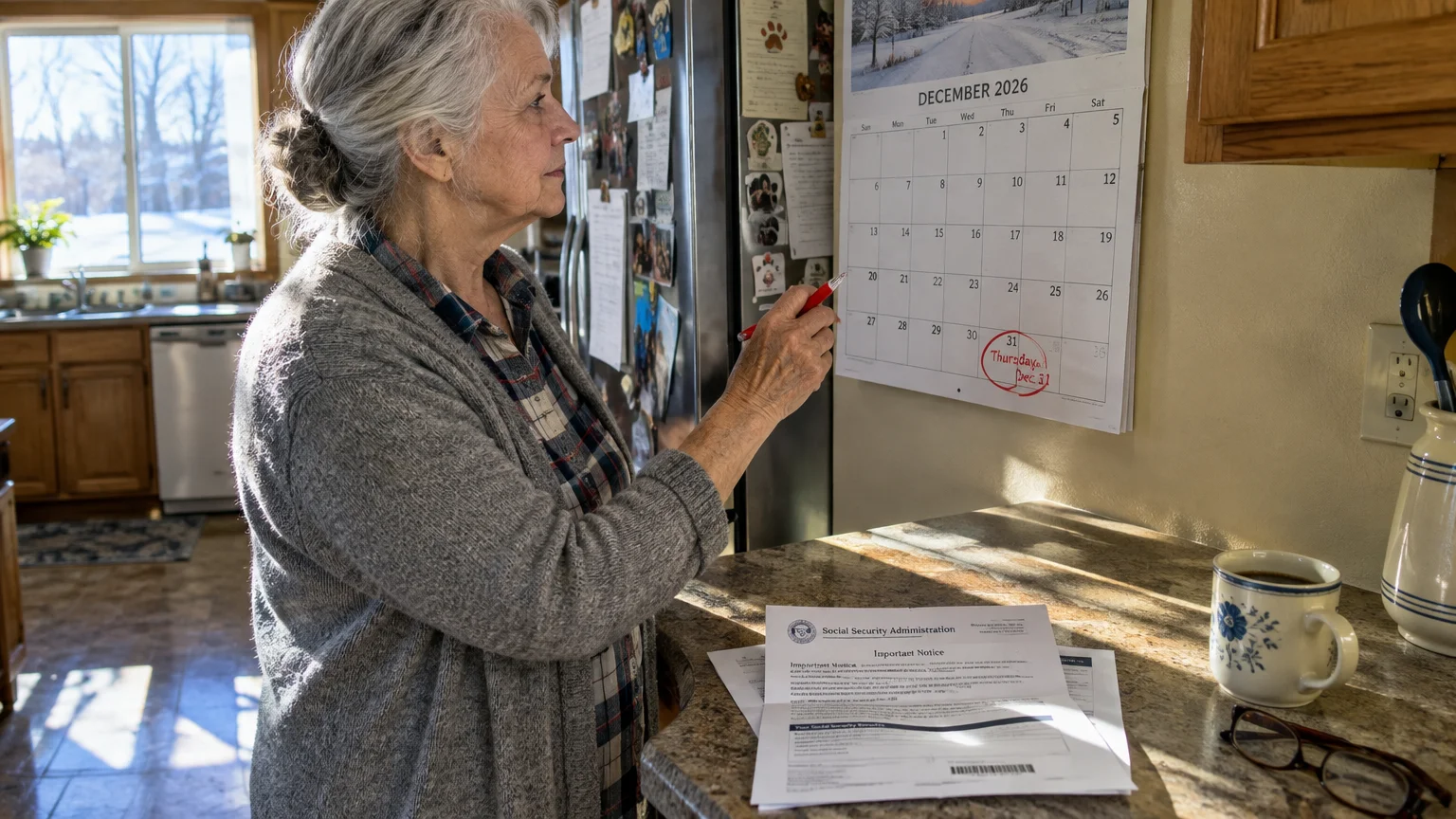
Date 1: December 31, 2026 – The Early COLA Deposit for SSI and Pre-1997 Beneficiaries
Your 2027 benefit updates technically start before the new year arrives on the calendar. Supplemental Security Income (SSI) beneficiaries and long-tenured retirees see their updated checks on Thursday, December 31, 2026.
The standard SSI payment date is always the first day of each month. Because January 1 is a federal holiday, the Treasury moves your January 2027 funds to the final business day of December 2026.
Retirees who claimed benefits before May 1997 normally receive their deposits on the third day of the month. Because January 3, 2027, falls on a Sunday, your deposit cannot arrive on that date.
Under federal processing rules, Friday, January 1, is New Year’s Day, and Saturday, January 2, is a banking holiday. Consequently, the government shifts your payment all the way back to Thursday, December 31, 2026.
This payment includes your full 3.6% cost-of-living increase. You will receive two separate deposits during December 2026 and zero standard benefit payments during the calendar month of January 2027.
Budget this deposit carefully. Your household must stretch that final December deposit across more than thirty days until your next scheduled distribution arrives in February.
Date 2: January 1, 2027 – The Full Retirement Age Milestone and Tax Cap Reset
New federal thresholds taking effect on January 1 reshape how much workers pay into the system and how much beneficiaries keep. This date marks the final phase-in of the historic 1983 Social Security Amendments.
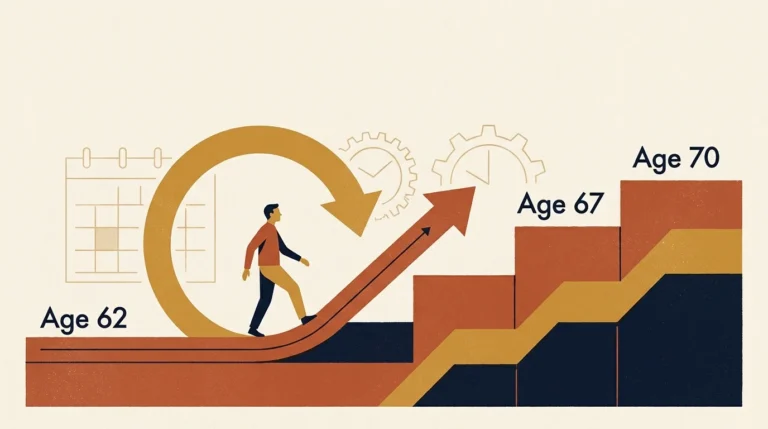
Starting January 1, 2027, workers born in 1960 or later face a maximum Full Retirement Age (FRA) of exactly 67. The forty-year transition from age 65 to age 67 is now fully complete.
If you turn 62 in 2027 and choose to claim benefits immediately, you face a permanent benefit reduction of roughly 30%. Waiting until age 67 grants you 100% of your earned primary insurance amount.
Working professionals also encounter a higher payroll tax ceiling on this day. The maximum amount of earnings subject to the 6.2% Social Security payroll tax increases to $192,300, up from $184,500 in 2026.
Earnings above $192,300 remain exempt from the 6.2% Old-Age, Survivors, and Disability Insurance (OASDI) tax. High-earning workers will see payroll taxes deducted from their compensation for longer into the year before hitting this cap.
January 1 also resets the Retirement Earnings Test limits. Beneficiaries working while collecting benefits under full retirement age can earn up to $25,560 in 2027 before the SSA withholds any benefits.





It is a DENIAL for benefit aid as everything goes up EXCEPT amount to qualify for extra help. Rent UP, Food UP, Clothing UP, Healthcare UP-DISCONTINUED OR DROPPED, In 2027, many healthcare providers won’t be in network costing people who need specific coverage to PAY making them poorer or sicker due to no real healthcare coverages. That BIG BEAUTIFUL BILL is a POWDER KEG of stoppages for citizens care from Cancer to Dialysis to prosthetics to needful surgeries for children.