
Moving across state lines during retirement often promises lower taxes and sunshine, but unforeseen expenses can derail your financial independence. Up to 70% of retirees who relocate report some degree of regret.
In fact, roughly 29% admit they expected to be happier after their move but ended up disappointed. Surging insurance premiums, property taxes, and sparse healthcare networks frequently turn dream destinations into financial traps.
Before you pack your moving boxes, examine the hidden financial and lifestyle costs driving retirees away from five popular relocation states.

Why Retirement Relocation Regrets Are Surging
Interstate retiree moves have slowed across the country. Data compiled by AARP reveals that annual relocations dropped below 266,000 retirees, down from roughly 340,000 in prior years.
Escalating shelter expenses and regional inflation represent the primary catalysts behind this slowdown. Many seniors discover that leaving established social circles creates unexpected emotional friction.
Furthermore, evaluating best vs worst retirement states requires analyzing total expenditures rather than simple tax promises. A single overlooked expense category can instantly eliminate your anticipated savings.
1. Florida: The Homeowners Insurance and Condo Crisis
For decades, Florida stood as the gold standard for retirees seeking sunshine and zero personal income taxes. Today, thousands of newcomers face an unprecedented cost-of-living squeeze.
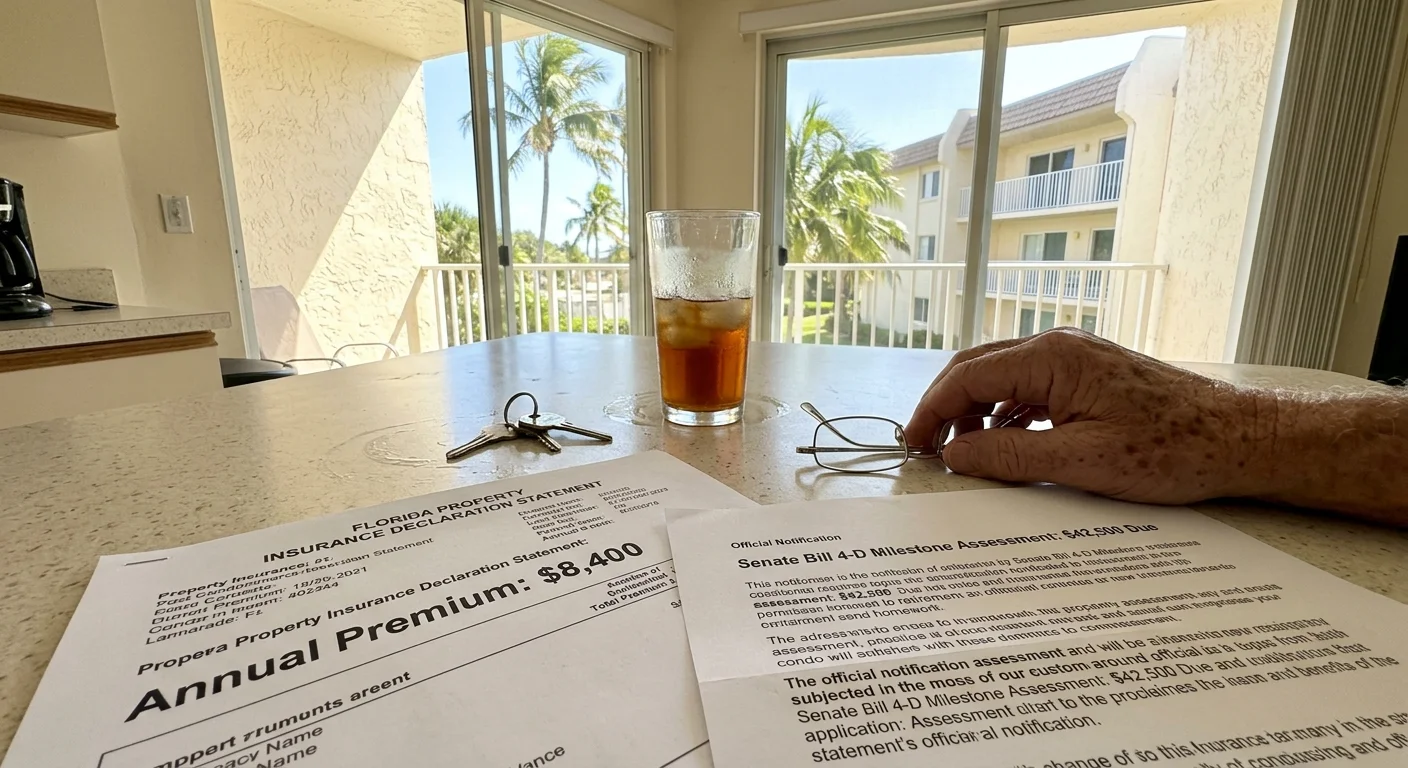
Homeowners insurance represents the most severe financial shock for new arrivals. Average annual premiums now run between $5,800 and $8,400, more than double the national average.
Condominium owners face even harsher fiscal strain under recent legislative reforms. Florida Senate Bill 4-D mandates strict structural milestone inspections and fully funded cash reserves for aging buildings.
Consequently, many retirees face sudden special assessments ranging from $10,000 to over $100,000 alongside doubled monthly HOA fees. These unexpected liabilities force some fixed-income seniors to sell their units at steep losses.
Beyond housing expenses, daily lifestyle quality has degraded in popular hubs like Fort Myers, Tampa, and Orlando. Florida welcomes over 140 million annual tourists, resulting in congested roadways and overwhelmed medical facilities.
Intense summer heat and severe humidity trap seniors indoors for months at a time. This seasonal confinement creates social isolation that mirrors northern winters without the benefit of walkable neighborhoods.
“You must look at the total cost of living, not just one headline tax rate, when planning your future.” — Suze Orman, Personal Finance Author
2. Texas: The Property Tax and Utility Shock
Texas attracts migrating seniors with its lack of state personal income tax and vibrant local economies. However, local taxing authorities recover revenue through aggressive property levies.
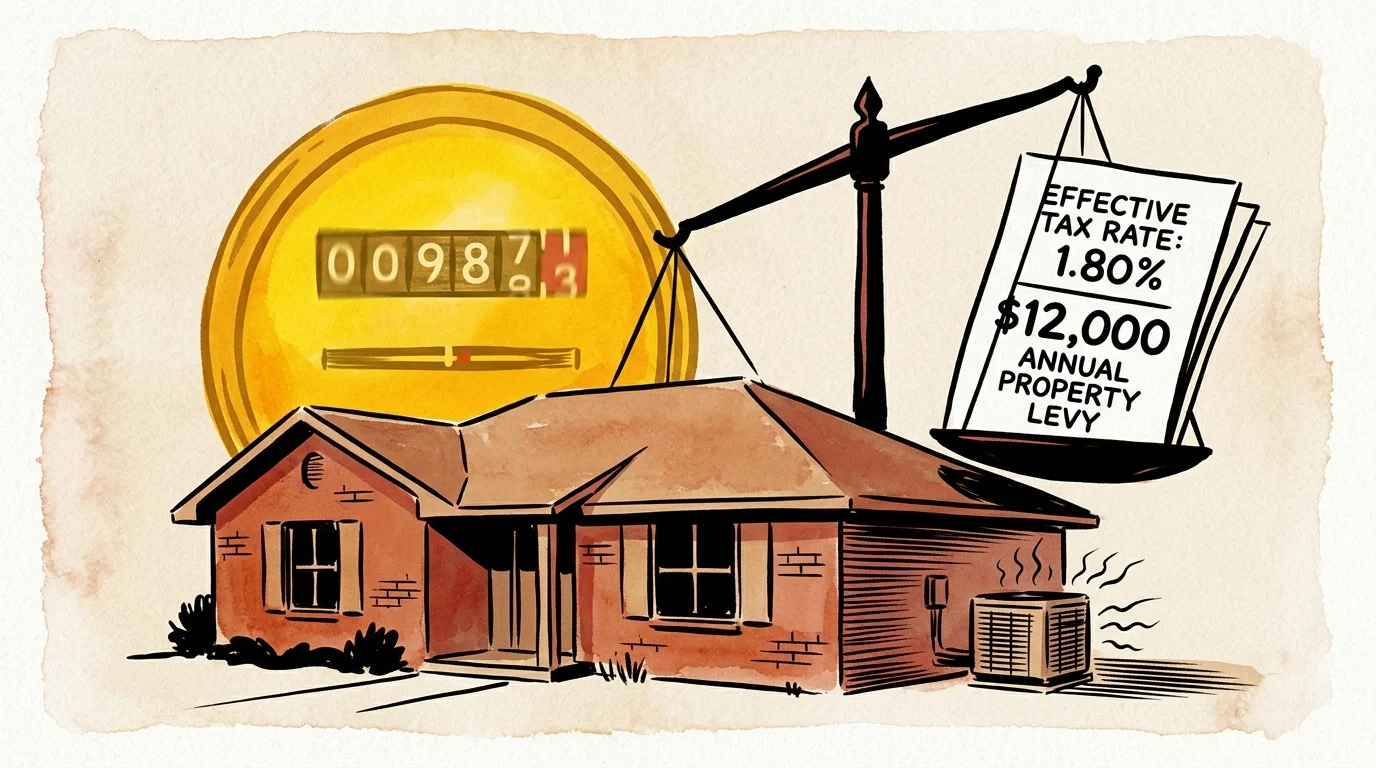
The state features an effective property tax rate between 1.60% and 1.80%, ranking among the seven highest nationwide. A $500,000 home frequently generates an annual tax bill between $8,000 and $12,000.
Recent legislative measures have attempted to curb these relentless appraisal increases. For the 2026 tax year, Texas expanded homestead exemptions to $140,000 for schools alongside an extra $60,000 exemption for homeowners aged 65 and older.
Even with a combined $200,000 senior exemption, municipal assessments and county levies keep total bills remarkably high. Rapidly growing appraisal values often outpace annual Social Security cost-of-living adjustments.
Weather extremes introduce another persistent budget drain for Texas transplants. Extended stretches of triple-digit summer heat drive residential electric bills to $200 to $400 or more per month.
Independent power grid volatility also fuels ongoing anxiety among seniors with temperature-sensitive health conditions. Prolonged outages during severe winter freezes or summer heat spikes endanger medically vulnerable residents.

3. Louisiana: The Low-Cost Trap and Environmental Vulnerability
On paper, Louisiana appears remarkably affordable for retirees seeking to stretch limited nest eggs. The statewide median home sale price sits near $251,700, roughly $180,000 below the national median.
Despite this low entry barrier, Louisiana ranked dead last at 50th in a comprehensive retirement study published by Bankrate. Structural vulnerabilities quickly cancel out the initial housing savings.
Property insurance costs along the Gulf Coast rival those found in south Florida. Escalating hurricane frequencies have forced private insurers out, requiring residents to purchase state-backed wind pools alongside expensive mandatory flood coverage.
Municipal sales taxes also bite hard into day-to-day retiree living expenses. Combined state and local sales taxes regularly exceed 9.5%, neutralizing the benefits of lower baseline housing costs.
Lifestyle factors cause equal dissatisfaction among out-of-state movers. Louisiana consistently struggles with lower healthcare access ratings, higher violent crime figures, and crumbling public infrastructure.
Seniors with complex health conditions frequently struggle to find specialized geriatric care outside major metropolitan medical corridors. Long travel distances for basic treatments lead many retirees to exit the state within five years.

4. California: Tax Drag and the Wildfire Insurance Cliff
Many retirees dream of spending their golden years along California’s temperate coastline. Unfortunately, harsh economic friction makes the Golden State one of the worst states to retire for wealth preservation.
California levies the highest top state income tax rate in the nation at 13.3%, plus an additional 1.1% surcharge on higher earners. Even moderate retirement distributions face elevated marginal tax brackets.
The state’s overall cost of living sits 35% to 40% above the national average. With median single-family home prices topping $800,000, downsizing retirees often consume substantial equity simply acquiring a smaller residence.
A severe property insurance crisis compounds these high living expenses across suburban and foothill communities. Major carriers have halted new policies or issued mass non-renewals due to catastrophic wildfire risks.
Displaced homeowners must turn to the California FAIR Plan, the state’s expensive insurer of last resort. These policies cost thousands more each year while offering far less comprehensive dwelling and liability coverage.
Steep gas taxes, costly utility rates, and elevated grocery bills gradually chip away at your retirement savings. Maintaining a comfortable lifestyle here demands far higher cash flow than in most other states.
“Retirement is not the end of the road, but a crossroads where lifestyle design meets financial reality.” — Mitch Anthony, Author and Retirement Consultant

5. Nevada: Desert Isolation and Healthcare Shortages
Nevada appeals to migrating retirees because it levies zero state personal income tax. Las Vegas and Reno continue to attract thousands of seniors seeking sunny desert climates and active adult communities.
However, hidden operational costs frequently catch new residents off guard. Reno’s cost of living stands 18.6% above the national average, while Las Vegas sits 10.6% above benchmark rates.
Medical infrastructure represents the most glaring vulnerability for aging Nevadans. The state consistently ranks among the bottom ten nationwide for active physicians per capita.
Retirees routinely wait several months to establish care with primary care physicians or secure appointments with medical specialists. Seniors managing chronic diseases find this limited medical capacity stressful and physically dangerous.
Climate challenges also restrict senior activity for substantial portions of the calendar year. Summer temperatures consistently top 100 degrees Fahrenheit, driving up cooling bills and forcing seniors into artificial indoor environments.
Strict regional water mandates and rising municipal utility surcharges further inflate ongoing maintenance overhead. These desert realities prompt many newcomers to reconsider their long-term residency.
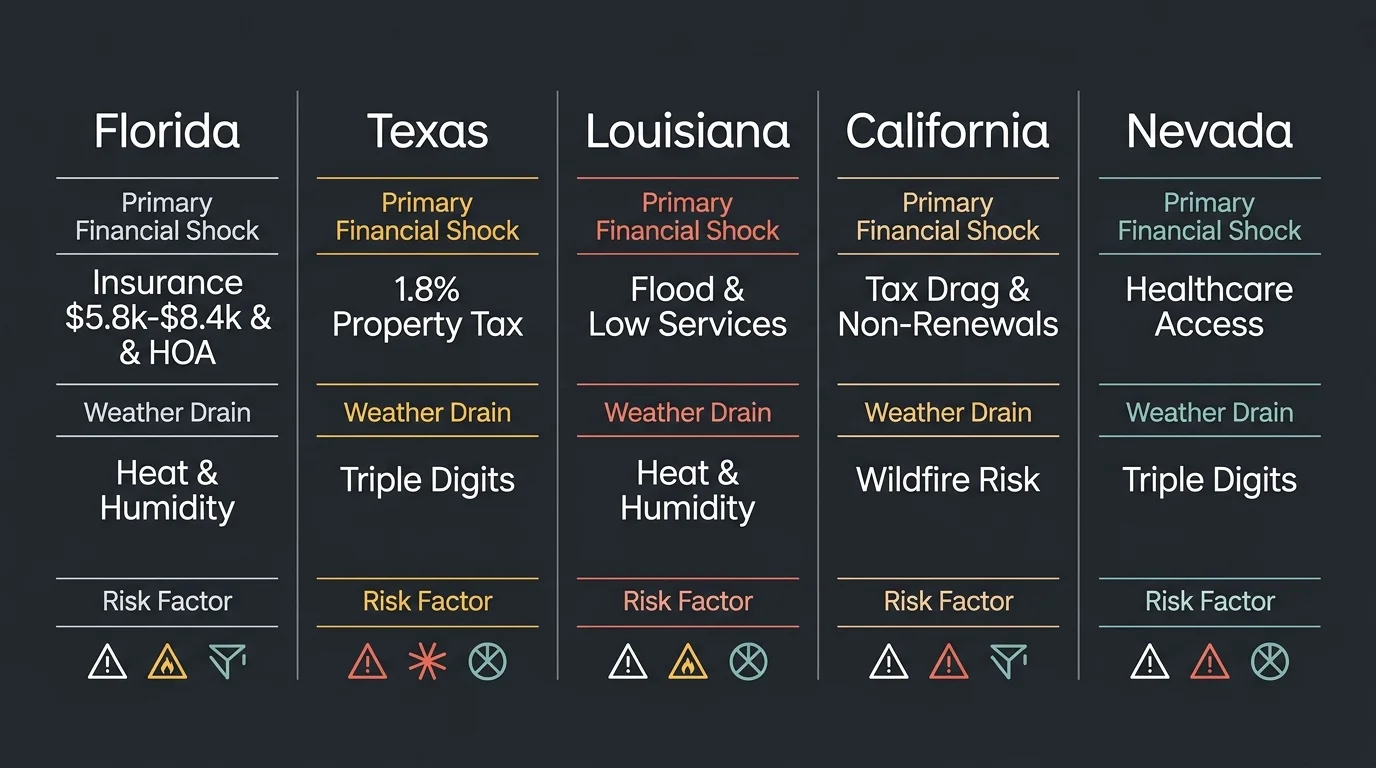
Comparing the 5 Regret-Heavy Retirement States
Reviewing critical data points side by side reveals how specific geographic risks erode retirement assets. Use this breakdown to compare baseline costs against potential lifestyle friction.
| State | Primary Financial Shock | Key Lifestyle Drawback | Median Home Price | Primary Risk Category |
|---|---|---|---|---|
| Florida | Homeowners insurance ($5,800–$8,400+) and condo assessments | Severe traffic congestion and summer humidity confinement | ~$390,000 | Catastrophic property insurance costs |
| Texas | Effective property tax rates between 1.60% and 1.80%+ | Triple-digit summer heat waves and power grid fragility | ~$340,000 | Ongoing municipal tax reassessments |
| Louisiana | High flood/wind insurance and 9.5%+ sales taxes | Poor healthcare infrastructure and higher crime rates | ~$251,700 | Severe weather risks and low healthcare access |
| California | 13.3% top income tax and expensive living costs | High population density and broad regulatory expenses | ~$800,000+ | Wildfire insurance non-renewals and tax drag |
| Nevada | Above-average baseline cost of living in Reno and Las Vegas | Acute shortage of primary physicians and specialists | ~$425,000 | Healthcare provider availability deficits |

The Hidden Drivers of Retirement Relocation Regrets
State income tax exemptions often blind retirees to other burdensome levies. Only 8 to 9 states still tax Social Security benefits in 2026, meaning most states already spare your monthly benefit checks.
To verify how your benefits are treated at the federal level, consult the Social Security Administration before moving. States without income taxes usually rely on higher sales and property taxes instead.
Relocating away from your family support system carries unquantifiable emotional and practical costs. Paying outside caregivers for assistance that family previously provided quickly strains monthly budgets.
Healthcare insurance networks present another critical relocation hazard. Review your coverage through Medicare.gov to ensure your specialized doctors participate in your target destination’s local networks.
Common Mistakes to Avoid When Moving in Retirement
Rushing into an out-of-state home purchase ranks among the most damaging retiree moving mistakes. You can safeguard your savings by avoiding several critical pitfalls during your relocation search.
-
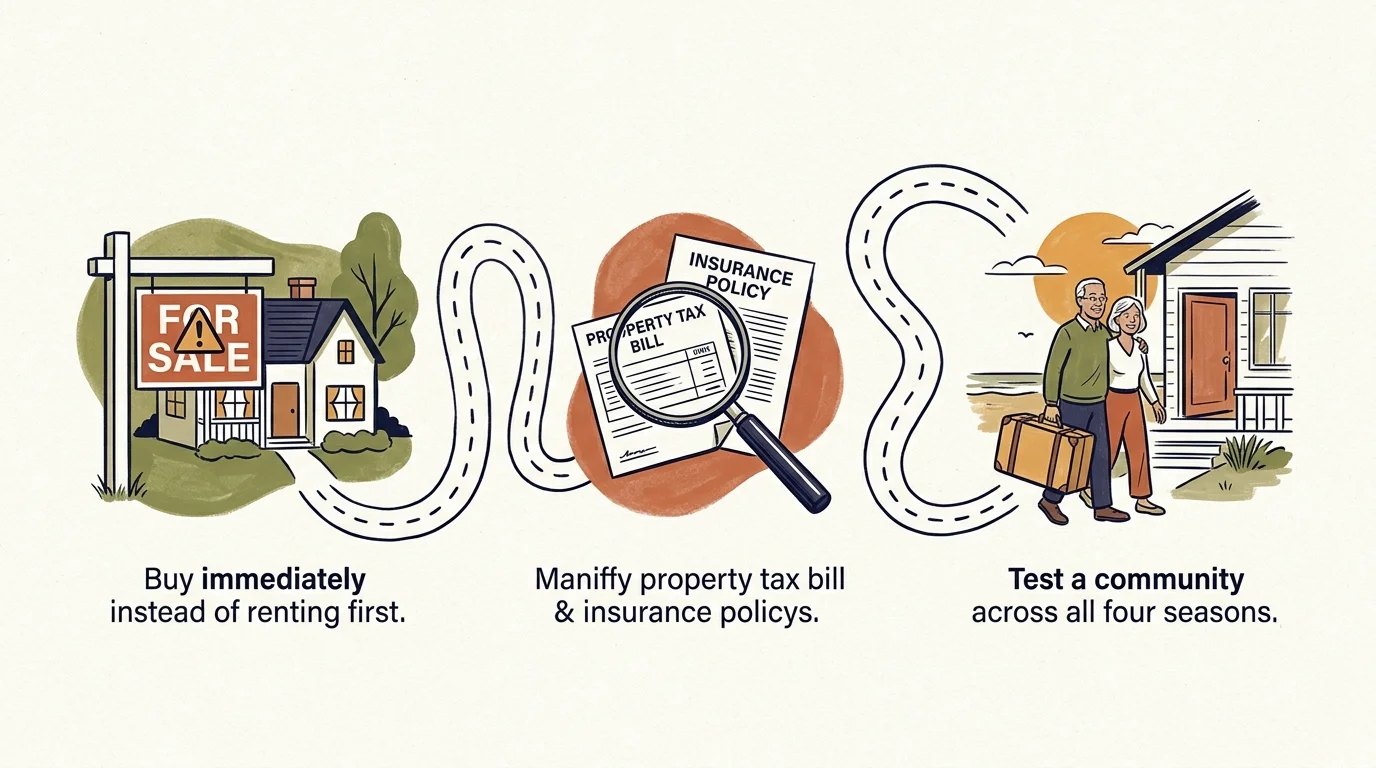
Buying a home immediately: Purchasing property without renting first locks you into an unfamiliar neighborhood. Renting for six to twelve months lets you experience daily traffic, medical access, and neighborhood dynamics firsthand.
-
Visiting only during peak seasons: Touring Florida in February or Nevada in November provides a false impression of year-round comfort. Experience July humidity or desert summer heat before signing a binding purchase contract.
-
Skipping insurance quotes: Securing a mortgage pre-approval without estimating property, flood, and hurricane insurance leads to severe budget shocks. Always obtain bound insurance quotes before closing on a home.
-
Assuming doctor availability: Confirming that your target city has a major hospital is not enough. Call local clinics in advance to verify whether primary care providers and specialists accept new Medicare patients.
-
Ignoring overall cost of living by state: Zero state income tax rarely equals low total living costs. Always calculate combined property, sales, and utility taxes across competing destinations.

Professional vs. Self-Guided Relocation Planning
Choosing whether to hire relocation advisors, financial planners, or handle your move independently depends on your financial complexity. Consider these common scenarios to determine the right path forward.
Scenario 1: Significant taxable assets and multi-state property. Seek professional guidance from a Certified Financial Planner (CFP) and a CPA. Complex capital gains, domicile establishment rules, and estate tax laws require professional tax planning.
Scenario 2: Managing chronic illness or specialized treatments. Work with an independent Medicare broker and healthcare navigator. Relocating across state borders requires careful coordination of Medicare Advantage plans, prescription formularies, and specialized physician networks.
Scenario 3: Downsizing locally within your existing community. Take a self-guided approach. If your healthcare providers and tax environment remain unchanged, self-directed research and a trusted local real estate agent are generally sufficient.
Scenario 4: Modest fixed income relying solely on Social Security. Utilize free community resources and self-guided planning. State aging agencies and local Area Agencies on Aging offer free counseling on affordable housing and local senior property exemptions.
Frequently Asked Questions
Why do so many retirees experience relocation regret?
Relocation regret usually stems from unexpected living expenses, social isolation, and disappointing healthcare access. Transplants frequently underestimate how much property taxes, insurance, and utilities will cost in their new home state.
Which states still tax Social Security benefits in 2026?
As of 2026, only 8 to 9 states still levy taxes on Social Security benefits, including Connecticut, Minnesota, Rhode Island, and Vermont. Most remaining states offer generous income thresholds that shield average earners from taxation.
How long should you rent in a new state before buying?
Financial planners recommend renting in your chosen city for six to twelve months before purchasing real estate. This temporary lease allows you to test both summer and winter climates while assessing local medical infrastructure.
What is the single biggest hidden cost of moving during retirement?
Property and casualty insurance represents the fastest-growing surprise expense for relocating seniors. Surging disaster risks in popular sunbelt states have driven dwelling and flood insurance premiums to historic highs.
Next Steps for a Confident Relocation Decision
Relocating during retirement should elevate your peace of mind rather than burden your monthly cash flow. Test-drive your preferred destination, consult trusted advisors, and calculate every hidden fee before packing your belongings.
The information in this guide is meant for educational purposes. Your specific circumstances—including income, health needs, tax situation, and goals—may require different approaches. When in doubt, consult a licensed professional.
Last updated: March 2026. Retirement benefits, tax rules, and healthcare regulations change frequently—verify current details with official sources.









Leave a Reply