
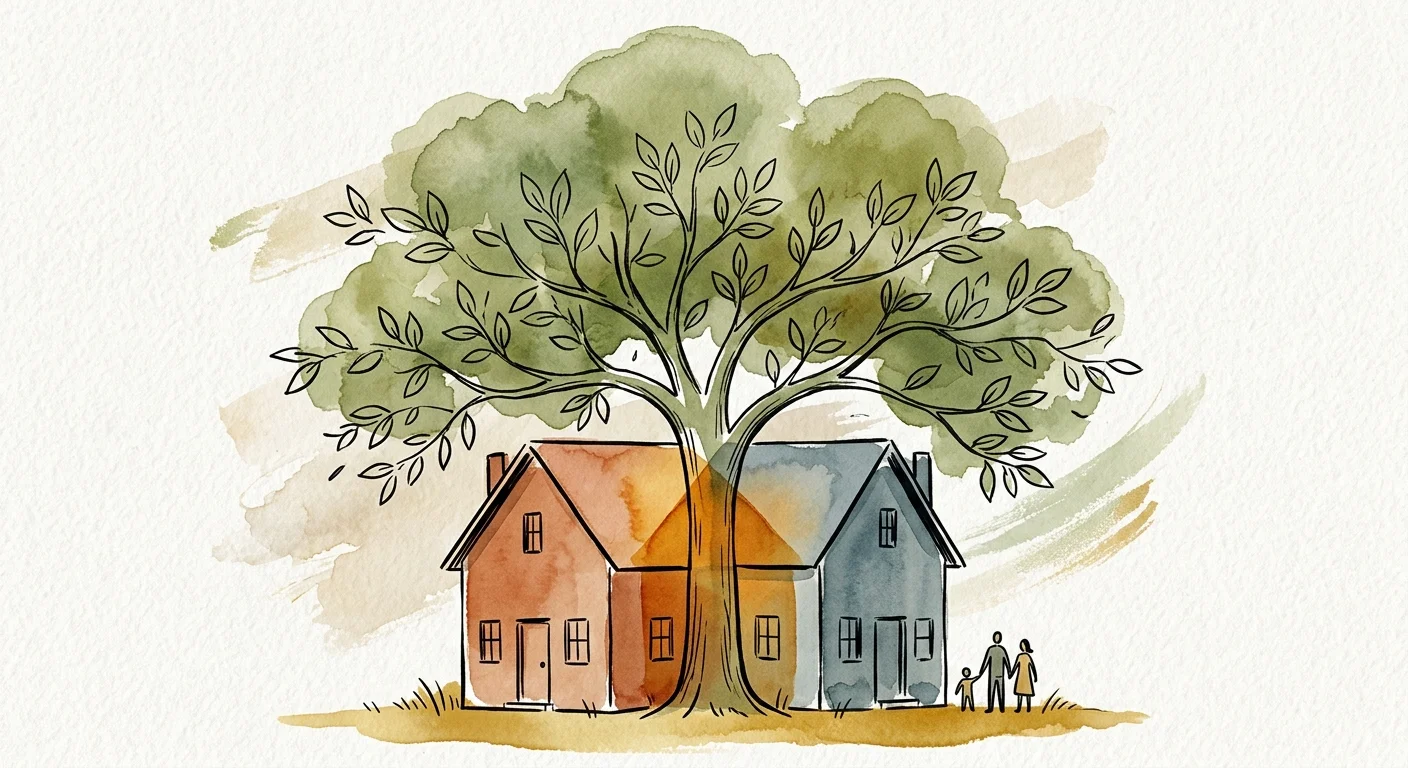
Spousal and Survivor Benefits: Maximizing Household Income
Social Security benefits extend beyond individual work records, offering crucial financial protection for spouses, ex-spouses, and surviving widows or widowers. Managing these family options strategically enhances total household retirement security.
A married individual can claim a spousal benefit worth up to 50 percent of their higher-earning partner’s Primary Insurance Amount at Full Retirement Age. To receive the maximum 50 percent spousal payout, you must wait until your own Full Retirement Age to file. If you file for spousal benefits early (as early as 62), the SSA permanently reduces the percentage. Furthermore, you can only collect a spousal benefit if your spouse has already filed for their own retirement benefit.
Divorced individuals can also collect spousal benefits based on an ex-spouse’s work record if the marriage lasted at least 10 full years, the claimant remains unmarried, and both ex-spouses have reached age 62. Crucially, claiming benefits on an ex-spouse’s record does not impact the ex-spouse’s own benefit or reduce the payout of their current family members.
Survivor benefits provide vital cash flow protection after a spouse dies. A surviving widow or widower can step into the exact monthly benefit amount the deceased spouse was receiving (or was entitled to receive). If the primary earner delayed claiming until age 70, locking in a 124 percent monthly benefit, that elevated payout transfers directly to the surviving spouse for the rest of their life. This dynamic makes delaying benefits for the primary breadwinner one of the most effective life insurance and survivorship strategies available.
Coordinating claiming ages across both partners optimizes long-term income. In many cases, the lower-earning spouse claims early at age 62 to establish immediate household cash flow, while the higher-earning spouse delays claiming until age 70. This maximizes the delayed retirement credits on the larger check while securing a robust lifetime survivor benefit.





I plan to wait until I am 72 years old. If everyone waited a little longer, it would help in balancing the U.S. Federal Budget. How much would I receive, being born in 1967?
72 won’t change your benefits. 70 is the cut off age. So weather you retire at 70 or 72 it will be the same.
Just the fact we have to work that long is a crime..
I did stop working at age 62 had to go on disability then at 66 and a half I retired and they switched me to my social security which I received now but I’m getting ready to turn 70 in a few more months I’m trying to figure out what I get back my full retirement or does it stay the same
I had to draw disability from my late husband’s income. I was told once I turned turned 65 I would be changed to regular Social Security. I called a month after I turned 65 asking why I wasn’t changed to regular SS and the person told me I wouldn’t be. I make just over $1700 a month and if I was drawing regular SS I would be making a lot more. It is hard making ends meet even with the small pensions from the different work places my husband worked for. It’s been 27 years since I lost my husband and I still don’t know why I was told no on drawing regular SS when I know a lot of people who was changed to regular SS after drawing disability.