
Stepping away from the daily grind offers a rare opportunity to redesign how you spend your time, energy, and resources. Examining how other cultures celebrate and navigate their later years provides a powerful blueprint for your own next chapter. Instead of viewing the end of a career as a finish line, many societies treat it as an elevation in status or a deliberate pivot toward community and personal fulfillment. From adopting the communal living models found in Scandinavia to embracing the multigenerational respect embedded in Japanese traditions, exploring global retirement lifestyles expands your options. Incorporating these diverse cultural practices into your daily routine helps you build a more connected, purposeful, and deeply satisfying life after work.
1. Ikigai and Active Aging in Japan
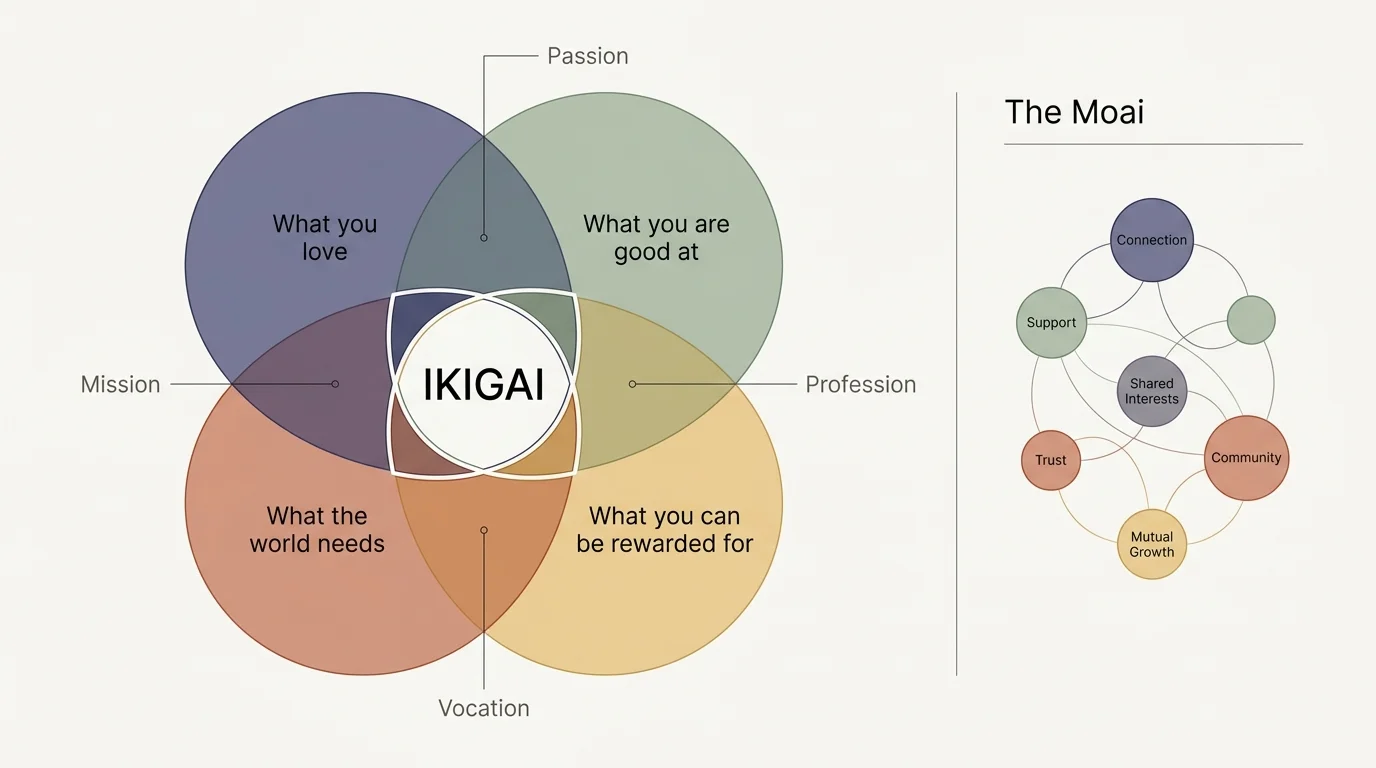
In certain regions of Japan—most notably Okinawa, famous for its high concentration of centenarians—the traditional concept of retirement simply does not exist. Instead, the culture centers around ikigai, which roughly translates to “a reason for being” or “the reason you get up in the morning.” Rather than working for forty years and coming to a sudden, complete halt, older adults in Japan transition their focus from corporate or strenuous physical labor toward community service, gardening, artisanal crafts, or mentoring younger generations.
A core component of this tradition is the moai; this is a dedicated social support group formed in childhood or early adulthood that extends through a person’s entire life. Members of a moai pool financial resources, offer emotional support during hardships, and socialize regularly. By combining a clear daily purpose with an unbreakable social safety net, Japanese seniors naturally maintain cognitive sharpness and physical mobility well into their nineties.
“Retirement is an artificial finish line. We need to replace the word ‘retirement’ with ‘transition.’ We are moving from one phase of life to another, and we need a purpose for that new phase.” — Mitch Anthony, Financial Behavior Expert
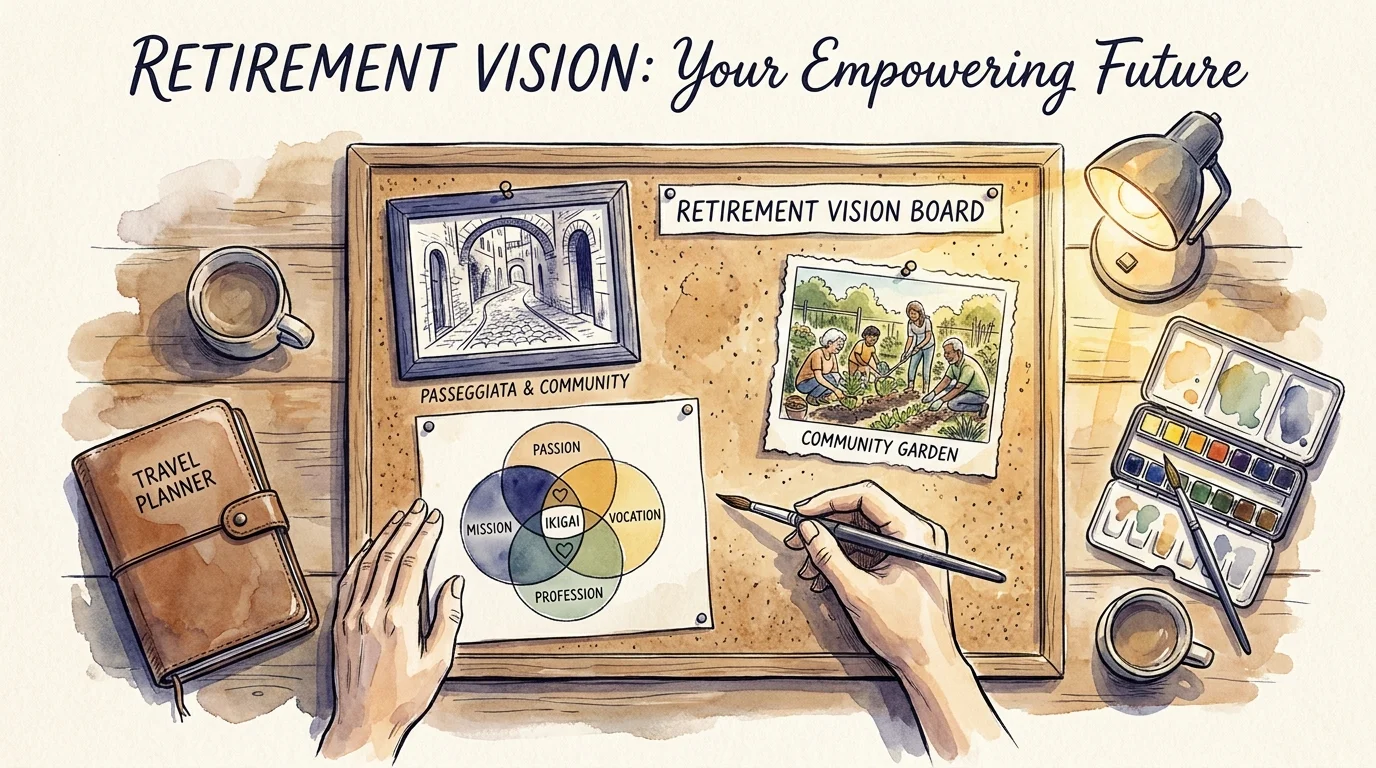
You can apply the principles of ikigai by identifying the intersection of what you love, what you are good at, what the world needs, and what you can be rewarded for. Redefining your post-career years as a time to dive deeper into your unique purpose protects you from the sudden loss of identity that plagues many modern professionals when they hand in their final resignation.
2. The Mediterranean Approach to Leisure and Connection
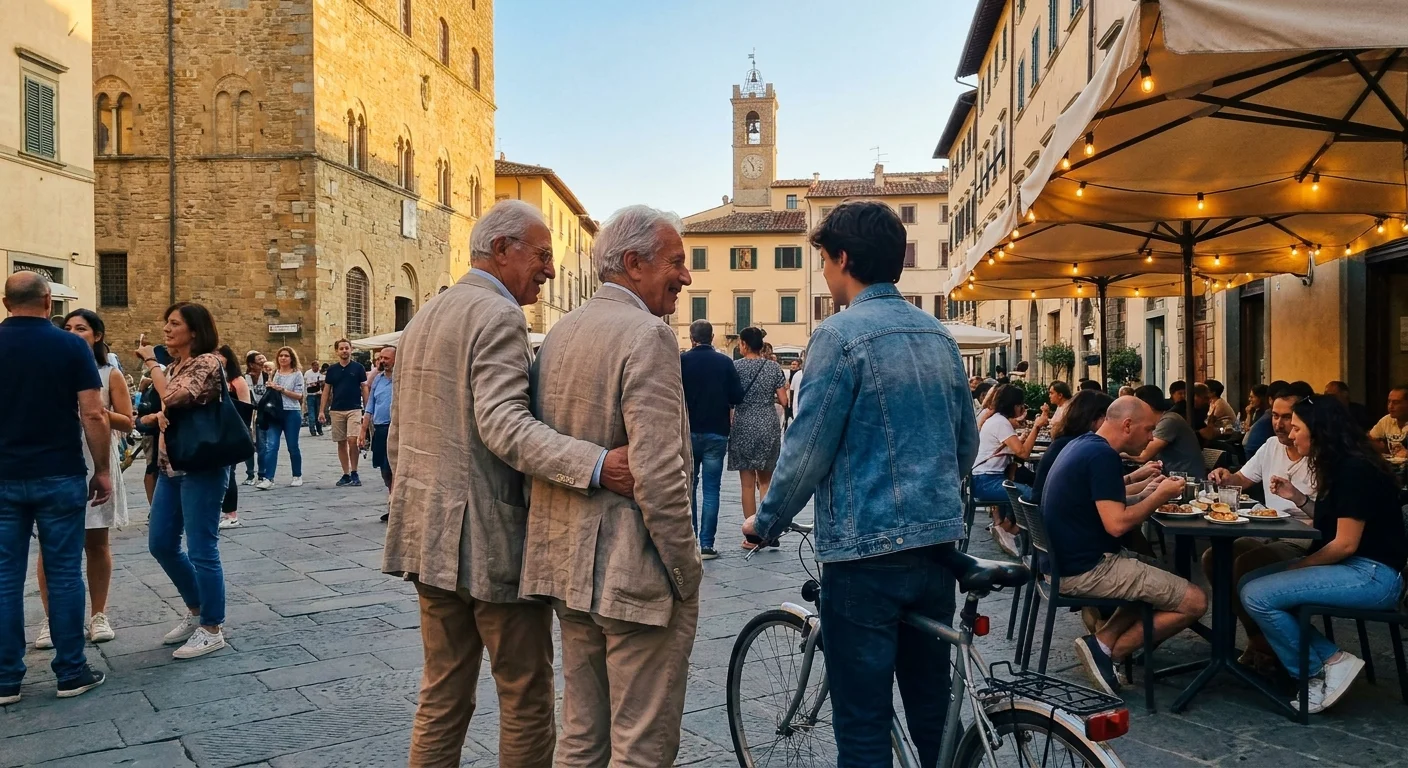
In countries like Spain, Italy, and Greece, retirement is less about embarking on dramatic, expensive adventures and more about mastering the art of daily living. The Mediterranean lifestyle places an immense premium on leisure, food, and family integration. One of the most cherished daily traditions is the evening stroll—known as the paseo in Spain or the passeggiata in Italy.
As the intense afternoon heat breaks, town squares and coastal promenades fill with people of all ages walking slowly, stopping to chat with neighbors, and enjoying the fresh air. This tradition ensures that older adults naturally achieve their daily physical activity without the structured rigidity of a gym. Furthermore, it completely eliminates the physical isolation that can occur when seniors live exclusively in car-dependent suburbs.
Mealtimes in the Mediterranean also serve as mandatory social anchors. Dining is a prolonged, multi-generational event focused on fresh, whole foods and robust conversation. Research from the National Institute on Aging (NIA) consistently highlights how strong social connections and diets rich in healthy fats and vegetables dramatically lower the risks of cognitive decline and cardiovascular disease. You can adopt this tradition by making dinner a deliberate, screen-free gathering rather than a rushed necessity.
3. Cohousing and Communal Support in Scandinavia
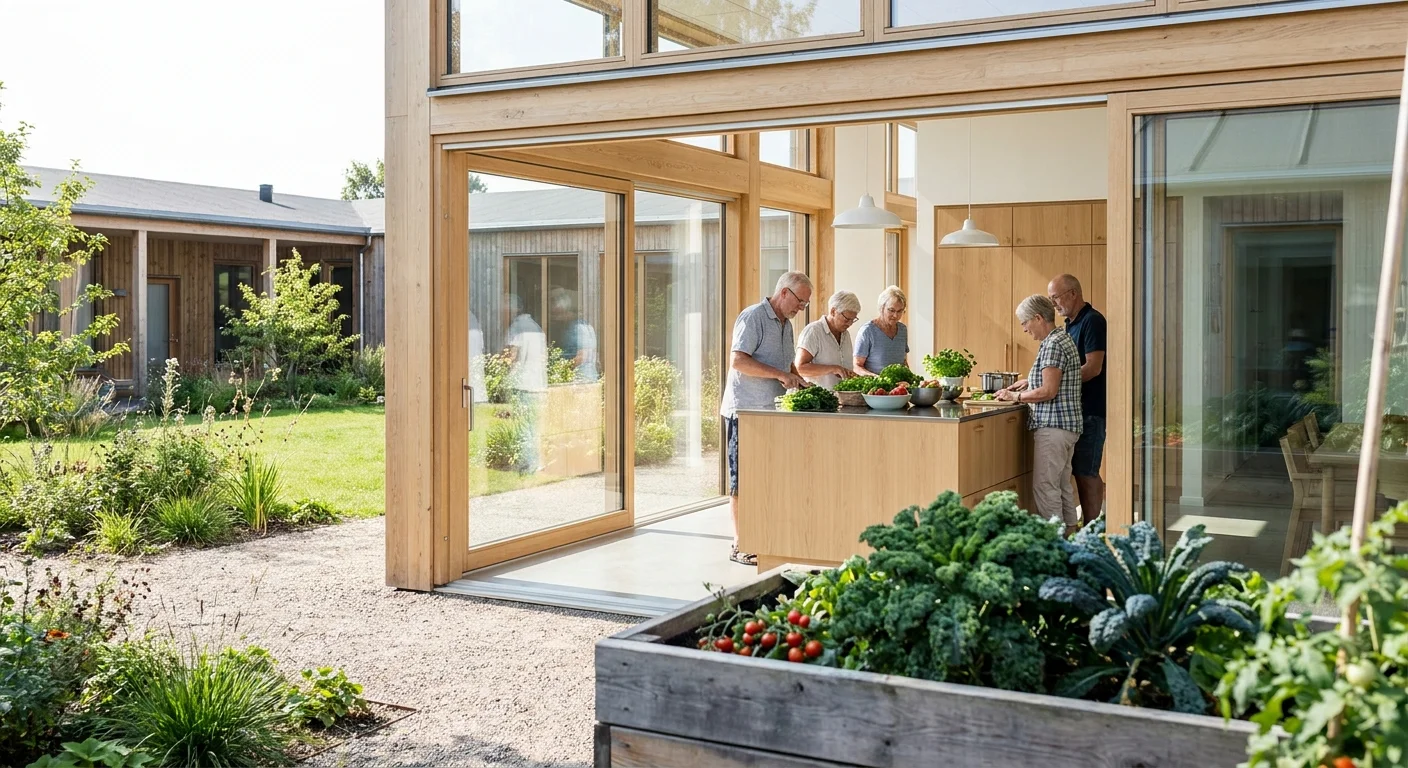
Denmark pioneered the concept of bofællesskab, or cohousing, in the late 1960s. Since then, the model has spread across Sweden, Norway, and eventually to forward-thinking communities around the world. Scandinavian cohousing involves designing neighborhoods where residents have their own private homes but share extensive communal spaces—such as large dining halls, workshops, gardens, and recreation rooms.
For retirees, this model provides a brilliant middle ground between isolated independent living and institutionalized care. Residents govern the community democratically and share daily responsibilities. You might cook dinner for the entire community once a month, and in return, you get to simply show up and eat meals prepared by your neighbors for the remaining days. This system ensures daily check-ins; if you do not show up for a community event, someone will knock on your door to ensure you are well.
Beyond the social benefits, Scandinavian cohousing makes extreme economic sense. Sharing tools, internet connections, lawn care equipment, and bulk food purchases stretches retirement savings further. If you are assessing your future housing needs, exploring AARP livability indexes and searching for cooperative housing models in your state can replicate this profound sense of Nordic community.
4. The “Snowbird” Migration and Nomadic Exploration
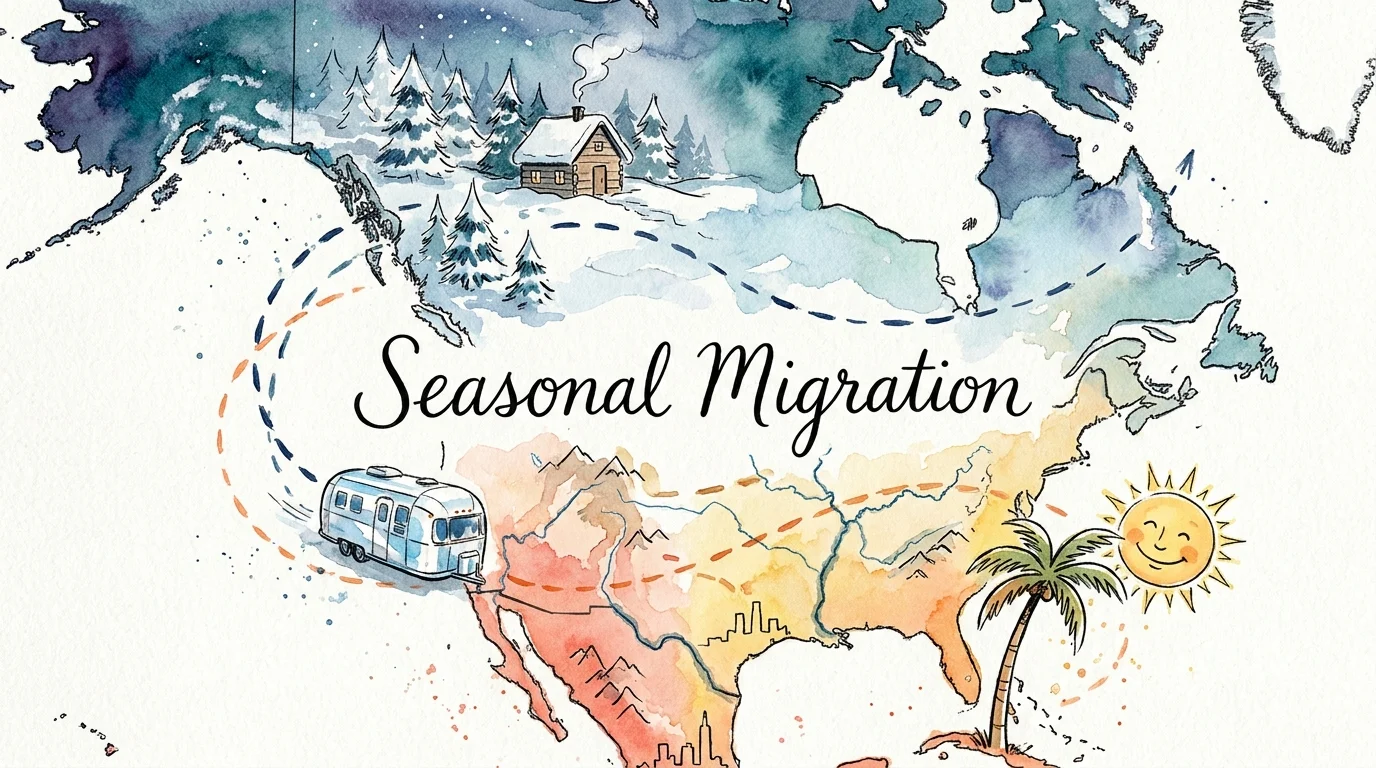
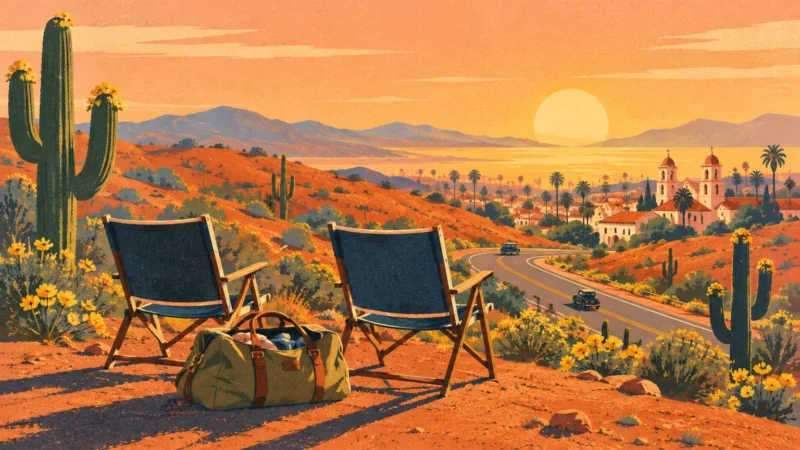
While often viewed as a uniquely North American phenomenon, the “snowbird” lifestyle—traveling south for the winter and returning north for the summer—represents a deeply ingrained cultural tradition of seasonal migration. Millions of retirees from Canada and the northern United States pack up RVs, hook up fifth wheels, or board flights to Florida, Arizona, and Mexico to chase the sun.
This tradition is built on the philosophy of geographic arbitrage and climate optimization. By escaping harsh, icy winters, older adults avoid the seasonal affective disorder and mobility hazards that accompany freezing temperatures. The nomadic lifestyle also breeds its own unique micro-culture; RV parks and seasonal resort communities frequently host daily activities, potlucks, and pickleball tournaments that forge fast, intense friendships among travelers.
Becoming a seasonal nomad requires rigorous financial and logistical planning. You must manage dual residences, coordinate healthcare coverage across state lines, and maintain your primary property while away. However, for those who crave variety and warm weather, splitting the year between two climates prevents the stagnation that can occasionally accompany full-time retirement in a single location.
5. Multigenerational Living and Wisdom Keepers in India
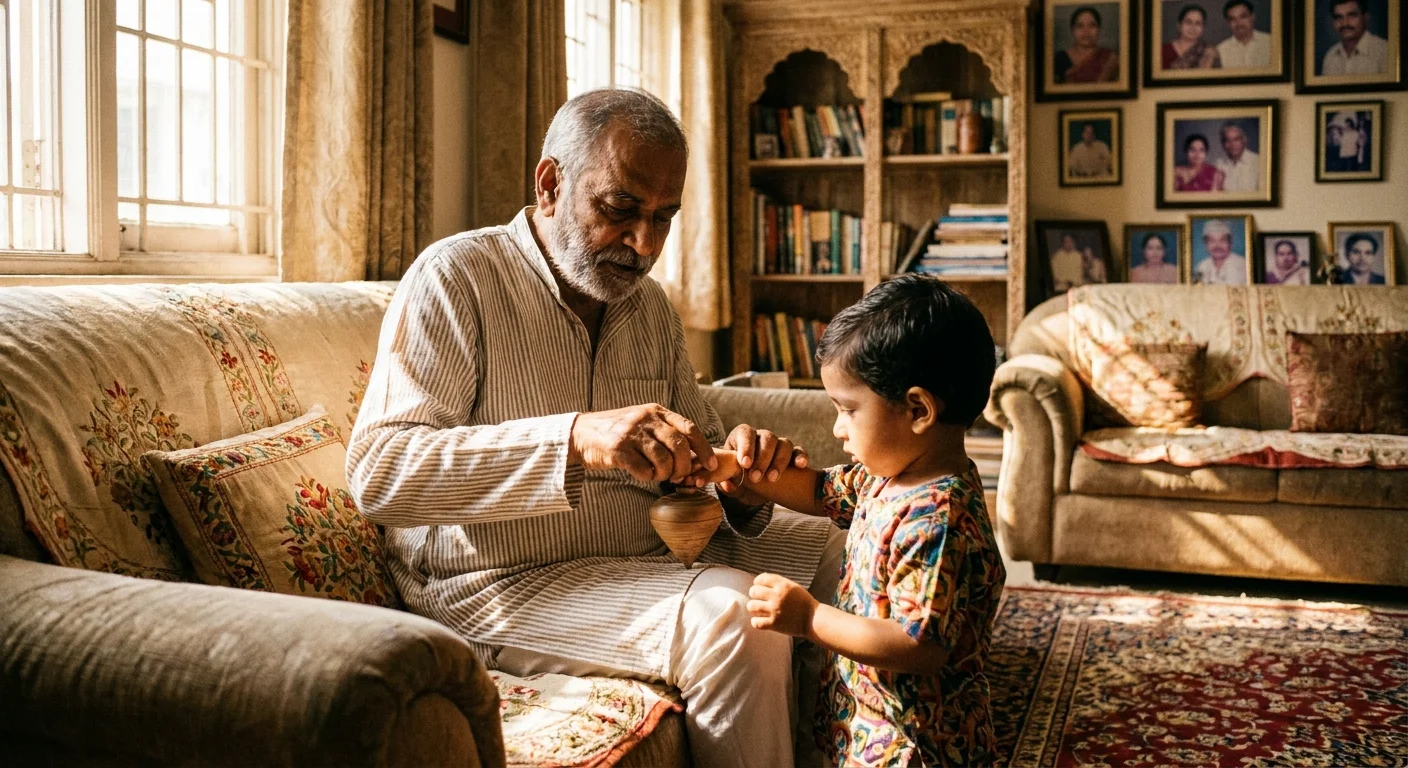
In traditional Indian culture, the aging process is intricately woven into the fabric of the joint family system. The ancient Vedic philosophy outlines a life stage called Vanaprastha, which literally translates to “retiring into the forest.” In a modern context, this represents a graceful stepping back from financial and household management to make way for the next generation, while transitioning into the role of a spiritual guide and wisdom keeper.
Older adults in Indian households rarely experience empty nest syndrome. Grandparents often live under the same roof as their adult children and grandchildren, playing an active, indispensable role in childcare and moral education. In return, the younger generation provides profound respect, physical caretaking, and financial support.
While western cultures often prioritize fierce independence and separate households, the financial pressures of modern housing and childcare are sparking a resurgence in multigenerational living. Designing your retirement to include a mother-in-law suite, an accessory dwelling unit (ADU), or simply relocating closer to your family network can provide mutual benefits. You remain deeply engaged in family life, while your children gain a trusted confidant and support system.
6. The “Third Age” University Movement in Europe
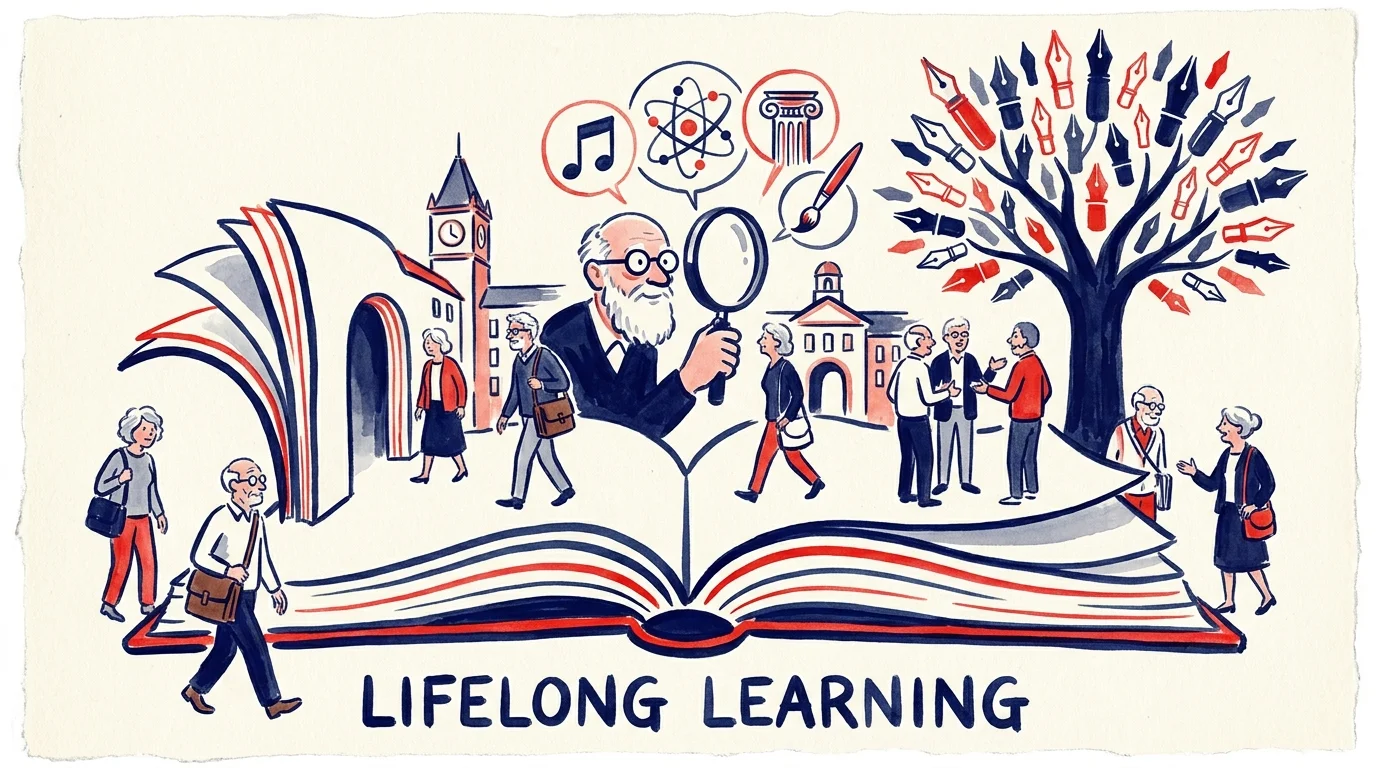
Emerging from France in 1973 and quickly gaining massive popularity in the United Kingdom, the University of the Third Age (U3A) completely reframes how retirees view education. The “third age” refers to the period of active retirement that follows the first age of childhood learning and the second age of career and family building.
U3A operates on a brilliant, decentralized model of peer-to-peer learning. There are no entry qualifications, no exams, and no degrees awarded. Instead, retirees organize local groups to teach and learn from one another. A retired engineer might lead a course on local history, while a former baker teaches conversational French. The goal is entirely focused on the joy of intellectual stimulation and the social interaction that comes from shared curiosity.
Mental agility is a crucial pillar of a healthy retirement. Keeping your brain actively engaged in learning new concepts builds cognitive reserves. You can bring the spirit of the Third Age into your own life by auditing classes at your local community college, joining an Osher Lifelong Learning Institute (OLLI), or utilizing your local library’s community education programs.
7. The Hwangap Celebration in South Korea
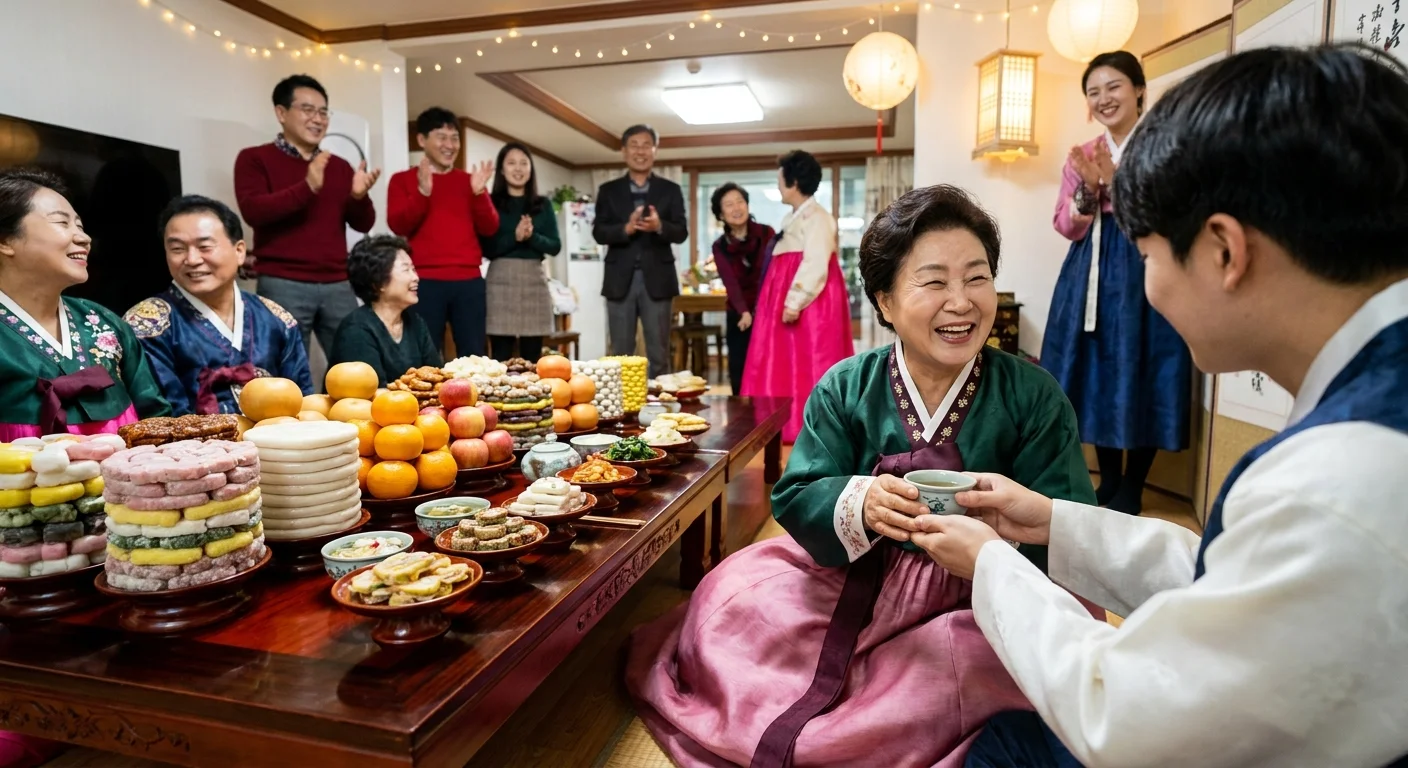
In South Korea, turning 60 is not just another birthday; it marks the Hwangap, an incredibly significant milestone deeply rooted in traditional zodiac calendars. Because the traditional Asian zodiac cycle takes exactly 60 years to complete, reaching this age means you have lived through one full cycle of life and are now beginning an entirely new one.
Historically, when life expectancies were much lower, reaching 60 was a rare event worthy of a massive village-wide festival. Today, while citizens regularly live well into their eighties and nineties, the Hwangap remains a powerful cultural transition point. The celebration emphasizes filial piety—children organize and pay for a large feast, formally thanking their parents for their decades of sacrifice and hard work.
The beauty of the Hwangap lies in its psychological framing. Rather than lamenting the loss of youth or attempting to hide one’s age, this tradition elevates the elder. It creates a definitive line where the heavy burdens of provision are acknowledged and celebrated, giving the retiree permission to enter a new phase defined by honor, respect, and personal reflection.
8. The “Pura Vida” Philosophy in Costa Rica
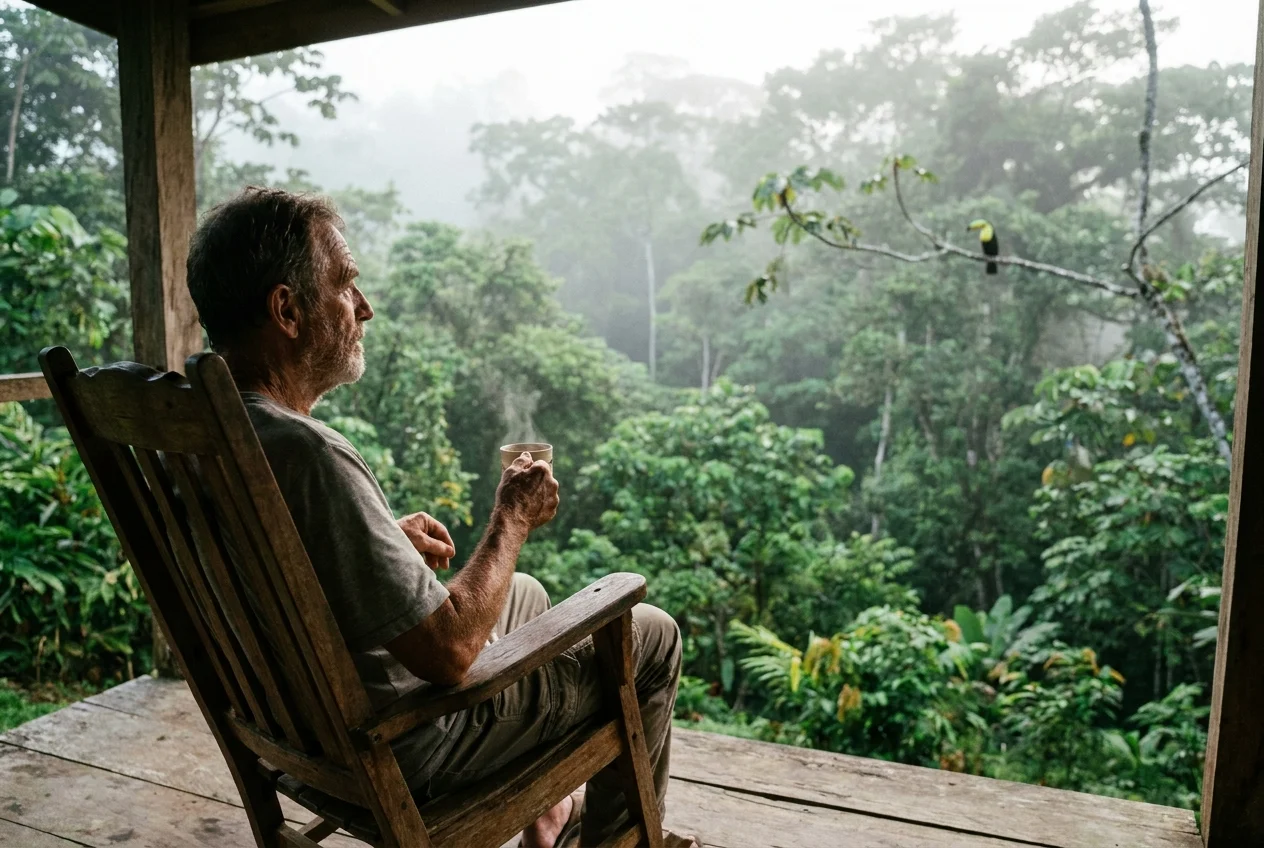
Costa Rica is home to another famous Blue Zone—the Nicoya Peninsula—where residents frequently outlive their global counterparts. Their secret lies in the cultural ethos of pura vida, which translates directly to “pure life.” It is an all-encompassing mindset that prioritizes simplicity, gratitude, and a deliberate rejection of unnecessary stress.
Retirees who embrace the pura vida lifestyle focus on being rather than doing. Material wealth is downplayed in favor of spending time outdoors, appreciating the natural environment, and cultivating deep relationships with neighbors. Physical activity is not a scheduled chore performed on a treadmill; it is naturally integrated into the day through gardening, walking on the beach, and maintaining a home.
For Americans conditioned to measure success through productivity and accumulation, adopting a pura vida mindset requires a conscious unlearning process. You must actively choose to let go of perfectionism, simplify your living arrangements, and find joy in inexpensive, nature-based experiences.
Comparing Global Retirement Lifestyles
Understanding these diverse traditions allows you to mix and match the elements that best fit your personal goals. Use this breakdown to compare the core philosophies driving these global practices.
| Tradition / Region | Core Philosophy | Primary Lifestyle Benefit |
|---|---|---|
| Ikigai (Japan) | Maintaining a clear daily purpose and reason for being. | Cognitive sharpness and deep community integration. |
| Mediterranean Pace (Spain/Italy) | Prioritizing leisure, daily walks, and slow dining. | Natural physical activity and strong social bonds. |
| Cohousing (Scandinavia) | Intentional communities with shared resources and spaces. | Eradication of loneliness and lower cost of living. |
| Snowbirding (North America) | Seasonal migration for climate and lifestyle optimization. | Year-round outdoor activity and environmental variety. |
| Joint Families (India) | Multigenerational living with shared caretaking duties. | Emotional security and financial household efficiency. |
| Third Age Learning (Europe) | Peer-to-peer education without exams or pressure. | Lifelong intellectual stimulation and new friendships. |
| Hwangap (South Korea) | Honoring the completion of life’s first major cycle. | Psychological transition to elderhood with profound respect. |
| Pura Vida (Costa Rica) | Radical simplicity, low stress, and nature connection. | Lower blood pressure and release from materialism. |
How to Apply Global Traditions to Your Own Retirement
You do not need to pack up your life and move overseas to benefit from the wisdom of these global cultures. The most successful modern retirements borrow the best elements from around the world and adapt them to local circumstances. To build a robust, globally-inspired retirement plan, consider integrating the following strategies into your transition:
- Conduct a Purpose Audit: Borrowing from the Japanese concept of ikigai, write down three things you love doing that also benefit others. Dedicate at least five hours a week to these activities, whether through volunteering, mentoring, or part-time consulting.
- Establish a Daily “Paseo”: Commit to a 30-minute evening walk every single day. Do not bring headphones. Observe your neighborhood, wave to your neighbors, and let your mind wander to embrace the Mediterranean pace of life.
- Reevaluate Your Living Situation: If you are feeling isolated in a large, empty house, investigate cohousing communities, 55+ active living developments, or speak with your adult children about the feasibility of multigenerational living arrangements.
- Become a Lifelong Student: Replicate the European Third Age movement by committing to learn one entirely new skill each year. Take a community class in pottery, local history, or a foreign language strictly for the joy of the process.
Frequently Asked Questions
Can I legally retire and live in countries like Costa Rica or Spain?
Yes, many countries offer specific retirement visas designed to attract older adults with stable pensions or retirement savings. For example, Spain offers the Non-Lucrative Visa, and Costa Rica offers the Pensionado program. These require you to prove a specific monthly income, secure private health insurance, and pass a background check. Always consult with an immigration attorney before making international relocation plans.
How do I find cohousing communities in the United States?
The cohousing movement is steadily growing across America. You can find established and developing neighborhoods through the Cohousing Association of the United States. Many communities host regular tours or virtual informational sessions, allowing you to gauge whether the communal lifestyle aligns with your personality and privacy needs.
How does healthcare work if I adopt the “snowbird” nomadic lifestyle?
Healthcare coordination requires careful attention if you split your time between different locations. If you use Original Medicare, you have coverage anywhere in the United States. However, if you use a Medicare Advantage plan, you are typically restricted to a specific regional network of doctors and hospitals, except in true emergencies. Nomadic retirees often purchase specific travel policies or carefully select Medicare plans with national networks to ensure seamless care.
Do I need to learn a new language to adopt these traditions?
Not at all. The power of these global traditions lies in their underlying philosophies—community, purpose, learning, and simplicity—rather than their geographic origins. You can practice the slow, relational dining of the Mediterranean or the intentional learning of the Third Age movement right in your hometown using your native language.
Your retirement years represent an incredibly flexible canvas. By looking beyond your immediate borders and observing how the rest of the world navigates the aging process, you unlock entirely new ways to structure your days. Whether you decide to migrate with the seasons, form a tight-knit moai with your oldest friends, or simply embrace the slow peace of pura vida in your own backyard, your next chapter can be as vibrant and purposeful as you choose to make it. The information in this guide is meant for educational purposes. Your specific circumstances—including income, health needs, tax situation, and goals—may require different approaches. When in doubt, consult a licensed professional.
Last updated: May 2026. Retirement benefits, tax rules, and healthcare regulations change frequently—verify current details with official sources.






Leave a Reply